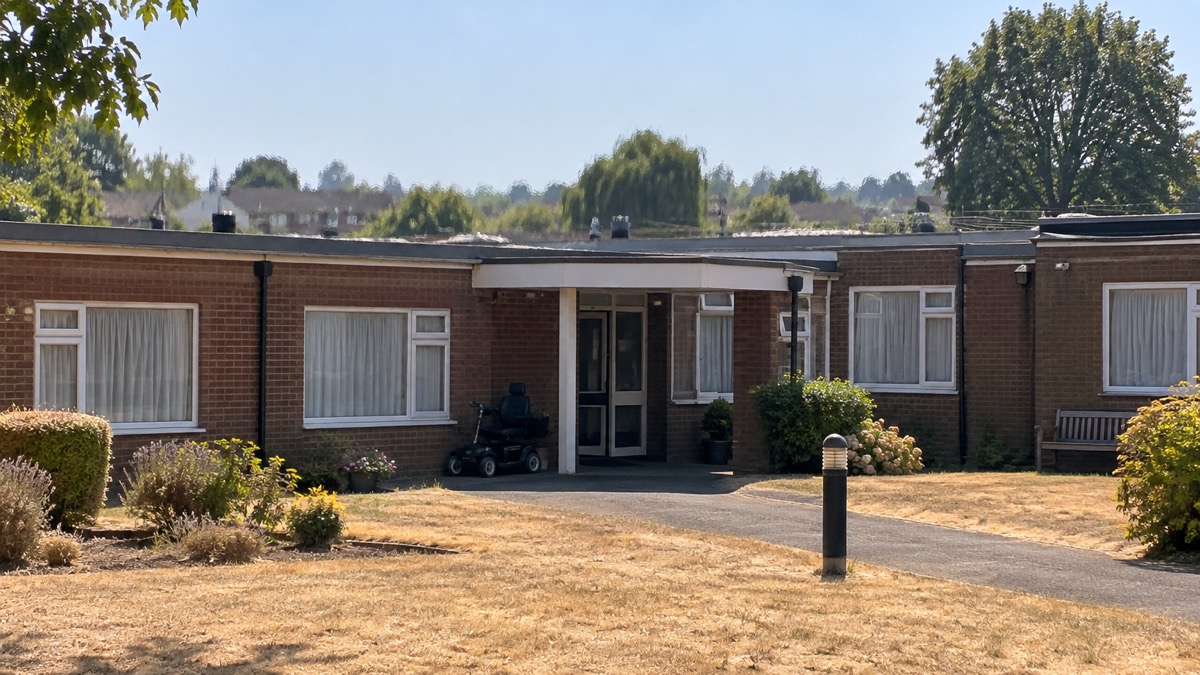
Hot weather can affect anyone, but some people are much more likely to become seriously unwell when temperatures rise. The main risks are dehydration, overheating, and heat exhaustion and heatstroke, and both of those need urgent treatment1. Knowing who in your household and your street falls into a higher risk group is the first step in protecting them.
The groups most at risk are: older people aged 65 and over, babies and young children aged 5 and under, pregnant people, people with long-term health conditions such as heart, breathing or mobility problems, dementia, diabetes and kidney disease, people with serious mental health problems, people on certain medications, people who live alone or cannot care for themselves, people who are homeless, and people who spend a lot of time outside or in hot places for work2. Guidance now treats everyone aged 65 and over as higher risk, a change from the previous threshold of 75 years and above4.
This page sets out each group, why the heat hits them harder, and what to do: how to check on someone at risk, how to get on a priority services register, and when to call 999 or your local authority. For the wider picture of coping with hot weather, see our heatwaves and drought guide.
Older people: the group most at risk
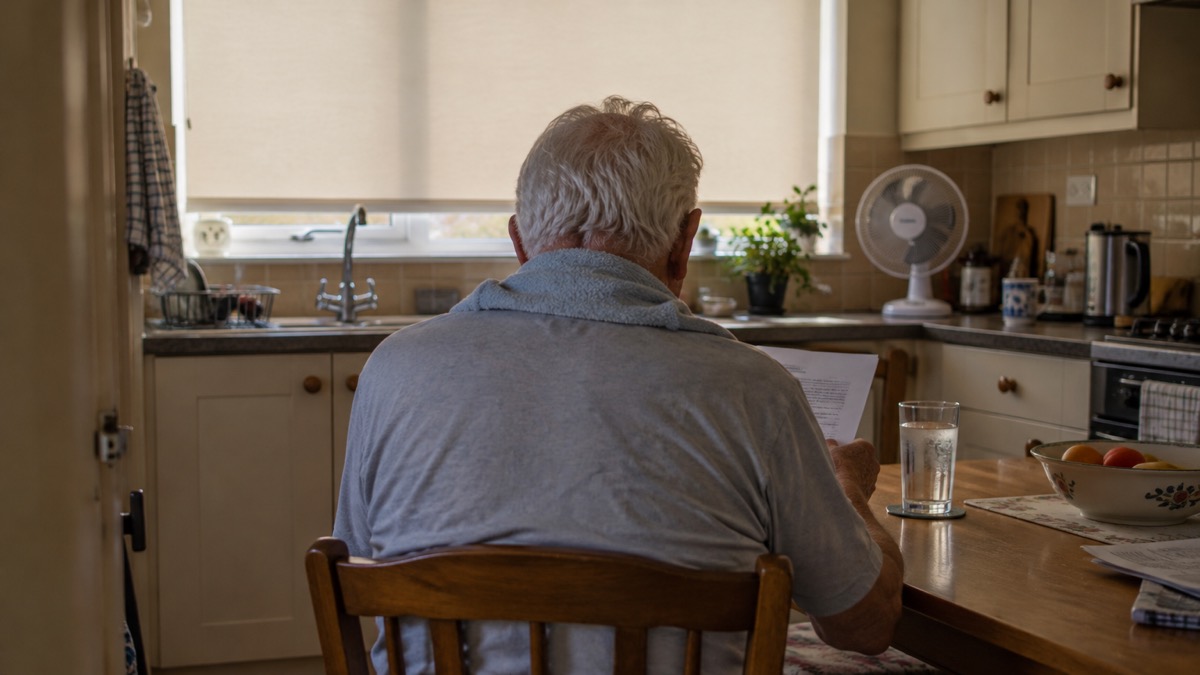
Older people are the group most consistently named in official guidance as being at risk when temperatures rise. Everyone aged 65 and over is now included in the higher risk groups, and the government's "Beat the heat" advice notes this is a change from previous guidance, which used 75 years and above4. Some local guidance still highlights those over 75, and women in particular, as the most vulnerable of all10.
The reason is physiological. Older people's bodies are less able to regulate temperature, which makes them more likely to become unwell from hot weather11. Very hot weather can also make existing heart and breathing problems worse, and the majority of serious illness and deaths caused by heat are respiratory and cardiovascular, meaning they involve the heart and lungs12. Older people are also more likely to be taking medications that increase the risk of heat-related illness, and more likely to live alone or need help with day-to-day activities, both of which add to the risk13.
If you are over 65, or you look after someone who is, the practical steps are straightforward. Keep out of the sun between 11am and 3pm, the hottest part of the day6. Drink enough water, because the elderly are among those most at risk of dehydration14. Keep the home cool by shading windows and opening them when the air is cooler outside, as covered in our guide to cooling your home. And arrange for someone to check in on you each day during a heatwave, which brings its own risks of confusion and falls.
Babies and young children aged 5 and under
Babies and young children aged 5 years and under are more vulnerable in a heatwave than older children and adults5. As with older people, their bodies are less able to regulate temperature, which is why they are more likely to become unwell from hot weather11. Children aged under 5 with health conditions, or taking certain medications, are potentially at even greater risk15.
The most common risks from heat for children are dehydration, meaning not having enough water in the body, and sunburn15. Both are preventable. Babies less than six months old should be kept out of direct sunlight, and older infants should also be kept out of the sun as much as possible3. For older children, follow the sun safety basics: shade, clothing and sunscreen, as set out in our guide to sun safety for the family.
Make sure children drink regularly through the day, and watch for the signs of dehydration, which we cover in our guide to dehydration in children. If a child becomes unwell with a high temperature during hot weather, it may be heat exhaustion or heatstroke, and both need urgent treatment1. Our page on keeping babies and young children safe in hot weather goes into the detail, including safe room temperatures.
Pregnant people
Pregnant people are listed among the groups at higher risk of becoming seriously unwell in hot weather4. Official guidance across the UK includes pregnant women among the vulnerable groups who may fall ill during hot weather17, and among those often at greater risk alongside children, older people and people with long-term conditions18.
The practical advice for pregnant people is the same core set of steps that applies to all higher risk groups: keep out of the sun between 11am and 3pm, drink enough water to avoid dehydration, keep the home as cool as possible, and avoid getting overheated, since overheating can make existing symptoms worse5. If you are pregnant and concerned about symptoms during hot weather, contact NHS 111 for advice, and call 999 in an emergency9.
Because pregnancy changes how the body copes with heat, it is worth planning ahead before a hot spell arrives: knowing which room in your home stays coolest, having a fan ready, and arranging for someone to check in on you if you live alone. Our page on staying cool in pregnancy covers this in more detail.
Health conditions that raise the risk
A long-term health condition is one of the biggest factors in whether hot weather makes someone seriously unwell. People at higher risk include those living with underlying health conditions, particularly heart, breathing or mobility problems, dementia, diabetes and kidney disease9. Local guidance adds Parkinson's disease and, for dementia specifically, Alzheimer's disease to the list10.
The reason these conditions matter is that heat places a strain on the heart and lungs. The majority of serious illness and deaths caused by heat are respiratory and cardiovascular12. Hot weather can increase the risk of having a heart attack or stroke, and can make existing health problems worse, like lung and heart disease2. Extremes of heat can increase the risk of heart attack, stroke, lung problems and other diseases11. Overheating itself can worsen heart or breathing conditions even before it reaches the stage of heat exhaustion19.
| Condition | Why it raises the risk |
|---|---|
| Heart problems | Heat strains the heart; most serious heat illness and deaths are cardiovascular12 |
| Breathing problems, including asthma | Heat strains the lungs and can make respiratory conditions worse12 |
| Dementia, including Alzheimer's | Listed among conditions putting people at higher risk10 |
| Diabetes | Listed among conditions putting people at higher risk10 |
| Kidney disease | Listed among conditions putting people at higher risk10 |
| Parkinson's disease | Listed among conditions putting people at higher risk10 |
| Mobility problems | Harder to move to a cooler place or take cooling steps9 |
If you have one of these conditions, the key actions are to keep cool, keep hydrated, and avoid the hottest hours between 11am and 3pm6. Check on anyone you know with a heart or respiratory condition such as asthma during hot weather, as the Welsh ambulance service advises16. If symptoms of your condition worsen in the heat, seek medical advice through NHS 111 rather than waiting9.
Mental health problems and certain medications
Two further groups appear throughout the official guidance: people with serious mental health problems, and people on certain medications.
People with a serious mental health condition are listed among those at higher risk of becoming seriously unwell in hot weather2. Local guidance includes mental health problems, learning disability and drug or alcohol addiction in its list of factors that raise the risk of hot weather illness8. People who misuse alcohol or use illegal drugs are also named in the national guidance for Northern Ireland as being at greater risk of serious harm from extreme heat1.
On medications, people taking multiple medicines, or medicines that may make them more likely to be badly affected by hot weather, are more vulnerable in a heatwave5. The government's guidance for social care managers names the drug types that can increase the risk of heat-related illness: anticholinergics, vasoconstrictors, antihistamines, drugs that reduce renal function, diuretics, and antihypertensives13. In 2025, UKHSA and the Centre for Climate and Health Security published guidance on heat risks for people taking psychotropic medications20.
If you take regular medication, do not stop taking it, but do be aware that some medicines increase your risk in the heat, and take extra care to keep cool and hydrated. Our page on medicines that raise the risk of illness in the heat lists the drug types in more detail. If you are unsure whether your medication is affected, ask your GP or pharmacist.
People who cannot avoid the heat
Some people are at risk not because of age or health, but because of where they live, where they work, or the situation they are in.
- Outdoor workers and physically active people. People whose jobs are outside, and people who are physically active such as manual workers, sportspeople, runners, cyclists and walkers, are named in official guidance as being at greater risk5.
- Top-floor flat residents. People who live in a top-floor flat are among the most vulnerable in a heatwave10. People living in urban areas, or south-facing top-floor flats, face a greater risk17.
- People experiencing homelessness. Homeless people are listed among the vulnerable groups who may fall ill during hot weather17, and among those more vulnerable in a heatwave5.
- People who cannot adapt their behaviour. People who find it difficult to change their behaviour or routines, including people who need assistance for routine activities and people who are bedbound or unable to care for themselves, are at risk because they cannot take the cooling steps others can2.
- People at home during the hottest part of the day. Being at home between 11am and 3pm, when indoor temperatures peak, is itself listed as a risk factor21.
For outdoor workers, the advice is to avoid prolonged exposure to direct sunlight, especially between 11am and 3pm when the sun's UV rays are at their strongest11, and to drink water regularly. For anyone stuck in a hot home, our guides on cooling your home and finding a cool space near you set out what works. If you are concerned about a rough sleeper's health, contact 999 or 11122.
Why heat hits these groups harder
The common thread through all these groups is what heat does to the body. Hot weather places a strain on the heart and lungs, and the majority of serious illness and deaths caused by heat are respiratory and cardiovascular12. That is why people with existing heart and breathing problems, and older people whose hearts and lungs are already working harder, are at the sharp end.
The main risks posed by hot weather or a heatwave are not drinking enough water, dehydration, and overheating, which can make symptoms worse for people who already have problems with their heart or breathing23. Left unchecked, this can progress to heat exhaustion and then heatstroke, which is more dangerous24. High temperatures can lead to respiratory problems, dehydration, heat exhaustion and sunburn, often resulting in emergency medical treatment and hospitalisation25.
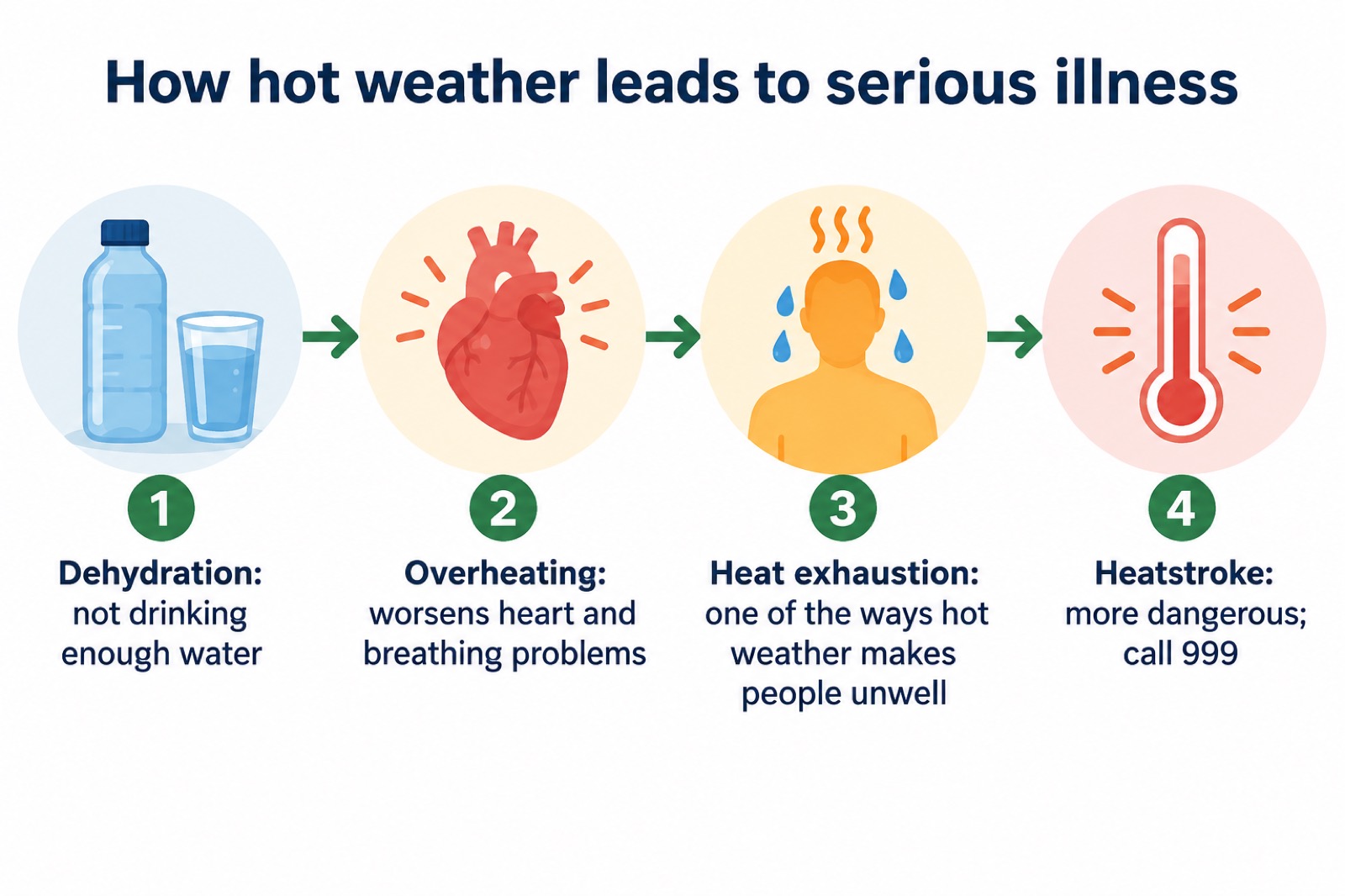
Age matters because the very young and the elderly are particularly at risk, and their bodies are less able to regulate temperature11. Situation matters because someone who cannot move to a cooler room, or who must work outside between 11am and 3pm, cannot take the steps that would protect them2. The full picture of heat illness, its signs and what to do is on our page on heat exhaustion and heatstroke.
Checking on someone at risk during a heatwave
The single most useful thing most people can do during a heatwave is check on others. Official advice is to check on family, friends and neighbours who may be at higher risk of becoming unwell, and if you are at higher risk yourself, ask them to do the same for you7.
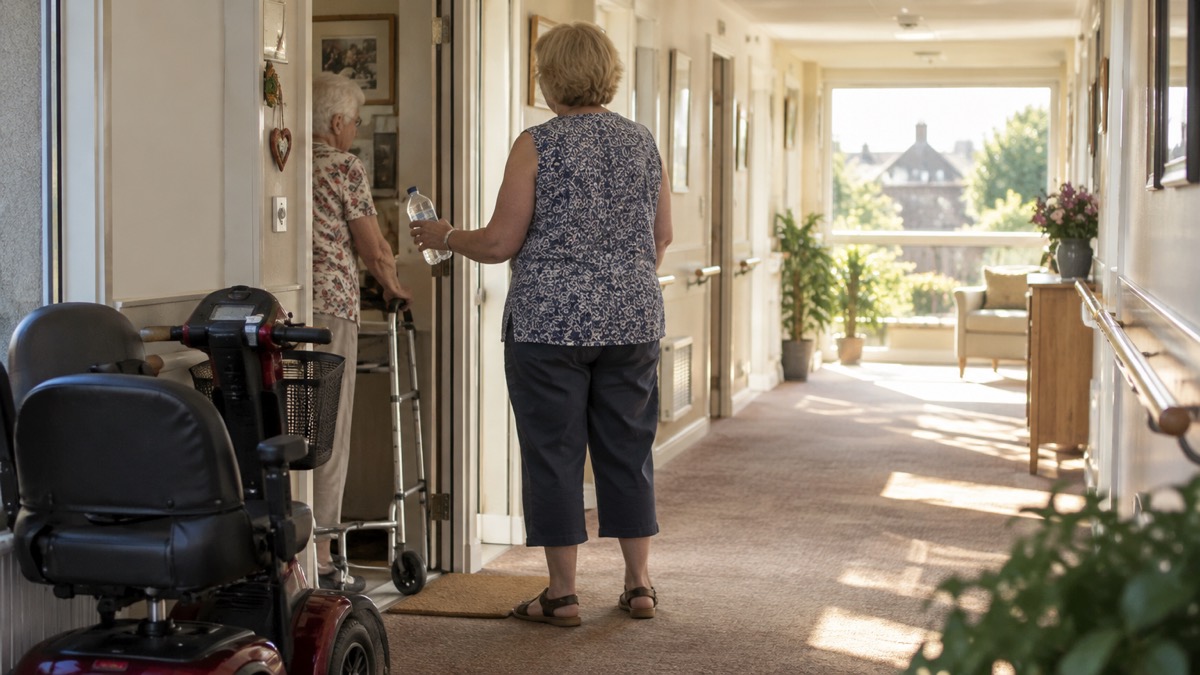
How often matters. Check on elderly or sick neighbours, family or friends every day during a heatwave28. If you have vulnerable neighbours who may be at risk, try to find out if someone is already looking after them, or if they would like you to ring them daily12. When you check on someone, make sure rooms are not getting too hot19, and pay special attention to those most at risk, namely elderly people and small children, ensuring they are comfortable and staying out of the sun as much as possible6.
*A daily check on an older or unwell neighbour is the core of community heatwave advice.]
If you are worried about someone who may need support, contact your local authority29. Be alert and call a doctor or social services if someone is unwell or further help is needed28. Our page on how to check on older and vulnerable neighbours in the heat gives a fuller routine, and our community resilience guide covers setting up neighbour schemes before hot weather arrives.
Priority services registers
If you or someone in your household is at risk, it is worth signing up in advance to the Priority Services Register. The Priority Services Register is a free support service that vulnerable people can sign up to in advance of emergencies30. It is run by utility companies, and being on it means the company knows you may need extra help, for example with communication or priority contact, when there is an interruption to supply.
People who may qualify include older people, people with disabilities or long-term health conditions, and people who rely on electricity for medical equipment. You register through your energy supplier and, separately, your water company. Because hot weather can coincide with power cuts and water restrictions, being on the register before a heatwave is far better than trying to arrange help during one. Our guide to extra help in an emergency explains who qualifies and how to sign up.
When to call 999 or contact your local authority
Knowing when to escalate can save a life. Call 999 if someone is seriously ill or injured, unconscious, having difficulty breathing, or has symptoms of heatstroke18. If you suspect someone is suffering from heat stroke, call 999 immediately26. If someone becomes seriously unwell or is having difficulty breathing, call 999 immediately31.
For heat-related health problems that are not an emergency, contact NHS 1119. If you are concerned about symptoms, or they are worsening, seek medical advice by contacting NHS 111; in an emergency, or if you think someone has heatstroke, dial 99924. Our page on when to call 999 or NHS 111 for heat illness sets out the decision in full.
If you are concerned about someone who may need support but is not having a medical emergency, contact your local authority29. Call 999 immediately if the situation is life-threatening29. For urgent concerns about a rough sleeper's health, contact 999 or 11122.
Staying ahead of the next hot spell
Most of the risk to the groups on this page can be reduced by simple preparation before the heat arrives. Sign up for heat-health alerts so you know when a hot spell is forecast, work through our hot weather preparation checklist, and make sure the people at risk in your family and street know that someone will check on them daily. If you go to open water to cool down, take care and follow local safety advice, because open water can be much colder than it looks and can cause cold water shock25; our guide to swimming safely outdoors covers this in full.
Sources (31)
- Hot weather advice, nidirect, Northern Ireland government, 2026
- How to stay safe in hot weather, NHS inform Scotland, 2026
- Advice for vulnerable people: stay well this summer, NHS Norfolk and Suffolk Integrated Care Board, 2026
- Hot Weather Communications Toolkit 2025, NHS Humber and North Yorkshire Integrated Care Board, 2025
- Heatwave: how to cope in hot weather, NHS, 2026
- Heatwave safety advice, Mid and West Wales Fire and Rescue Service, 2026
- Beat the heat: staying safe in hot weather, UK Health Security Agency, 2026
- Staying well in hot weather, Berkshire Healthcare NHS Foundation Trust, 2026
- Heatwave advice, Guy's and St Thomas' NHS Foundation Trust, 2026
- Hot weather advice, NHS Central and East Northamptonshire Integrated Care Board, 2026
- Keeping safe and well in warmer weather, London Ambulance Service, 2026
- Hot weather and its impacts, Met Office, 2026
- Supporting vulnerable people before and during hot weather: social care managers, UK Health Security Agency, 2024
- Are You Ready? booklet, Culham Parish Council, 2025
- Looking after children and those in early years settings in hot weather, UK Health Security Agency, 2024
- Sun and heat safety, Welsh Ambulance Service, 2026
- Heat summary: temperature and mortality, UK Health Security Agency, 2024
- Summer safety advice, North East Ambulance Service, 2026
- Hot weather, St Helens and Knowsley Teaching Hospitals NHS Trust, 2026
- Mental health medications and extreme weather, UK Health Security Agency, 2025
- Adverse weather events, Llangattock Community Council, 2026
- 5 ways to stay cool and help vulnerable people in hot weather, Greater London Authority, 2018
- How to cope with hot weather, Keeping Well North West London, 2026
- Coping with hot weather in London, Greater London Authority, 2026
- Protect yourself: heatwave, Lancashire Prepared, 2026
- Heatwave: how to cope in hot weather, South Western Ambulance Service NHS Foundation Trust, 2026
- Beat the heat, Wiltshire and Swindon Prepared, 2026
- How to keep cool this summer, Lancashire County Council, 2026
- Staying well in hot weather, Devon County Council, 2026
- Help from your energy supplier, Buckinghamshire Council, 2026
- Stay safe during hot weather, London Borough of Bexley, 2026
 Baby and Child Hot Weather
 Hot Weather Preparation
 Flood Warning Checklist
 Air Pollution and Hay Fever
 Babies and Children in Heat
 Blue-Green Algae Risks
 Dehydration Signs and Prevention
 Evaporative Coolers and Fans
 Electric Fans Guide
 Heat Exhaustion and Heatstroke
 UK Heatwave Definition
 Portable Air Conditioners Guide
 Why UK Summers Are Hotter
 Sun Safety and Sunscreen
 Swimming Outdoors Safely