Power Cuts: A Household Guide
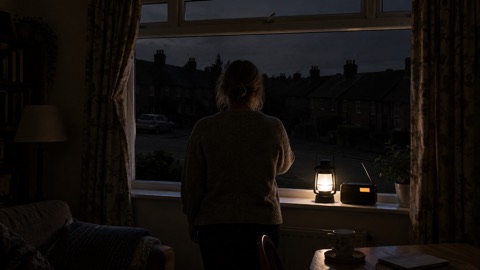
If the electricity goes off, check whether your neighbours have lost supply too. Switch off appliances that could be dangerous if they come back on unattended, leave one light on so you know when power returns, and keep fridge and freezer doors closed. Report the cut to your local network operator by calling 105 free in England, Scotland and Wales. In Northern Ireland, call NIE Networks on 03457 643 643.1
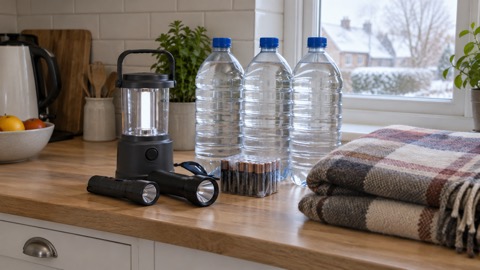
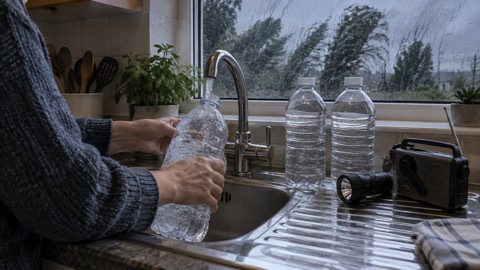
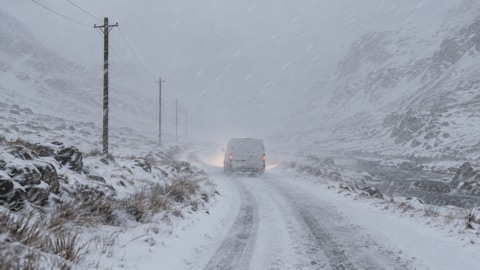
Power cuts can result from severe weather, damaged infrastructure, accidental damage, network faults or malicious attacks. They may be local, regional or national. Wider outages could potentially last several days, so a little preparation matters: keep torches, batteries, warm clothing, non-perishable food and at least 3 days' worth of bottled water, using 3 litres per person per day.2
What to do when the power goes off
Start with the checks and actions below. The fuller guide to what to do when the electricity goes off covers the same sequence in more detail.
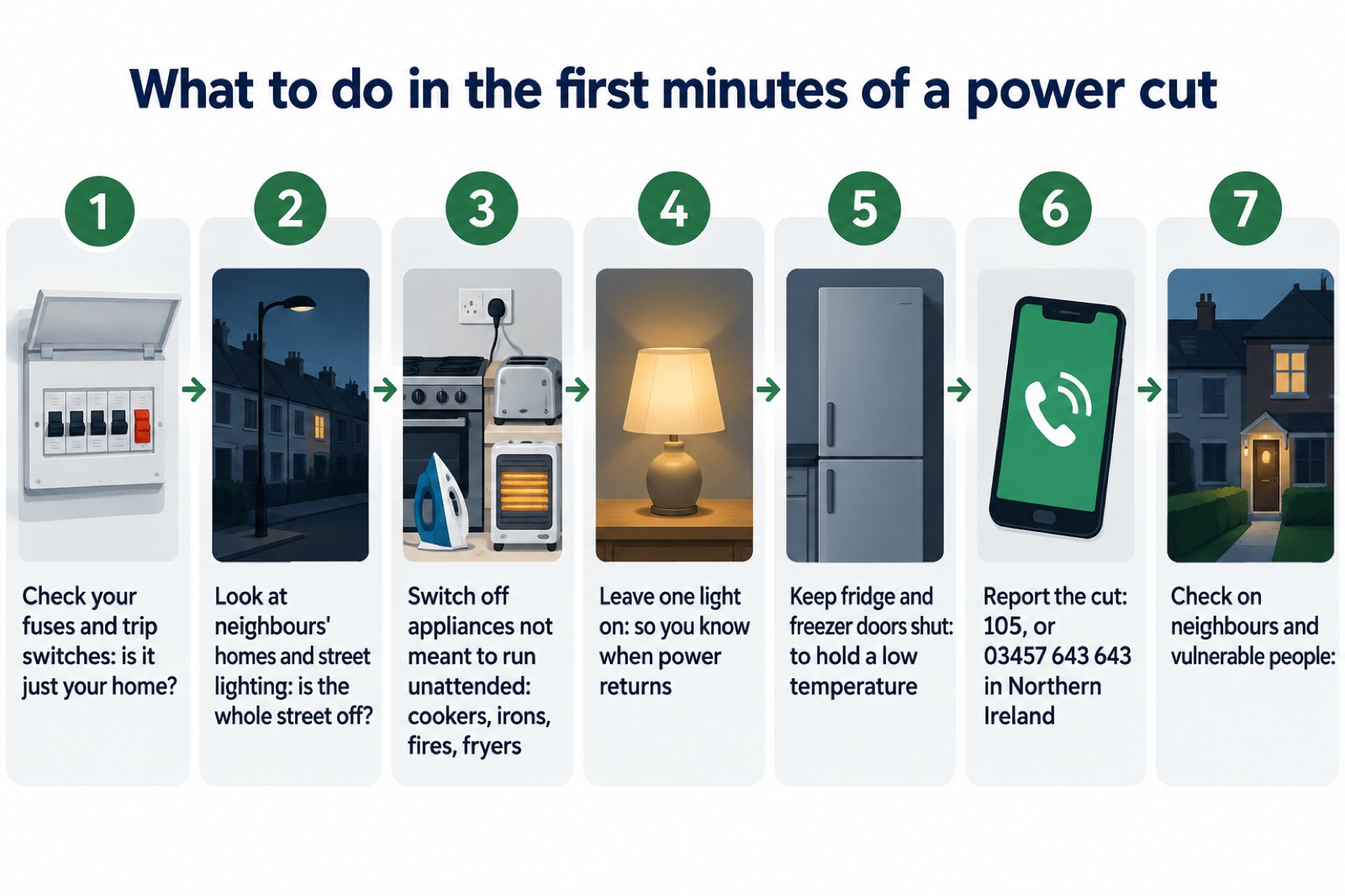
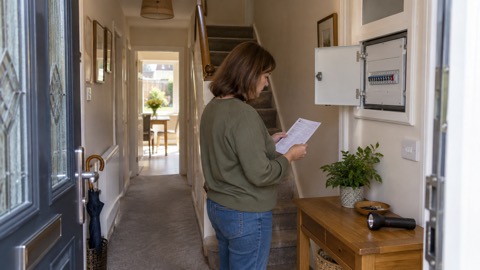
- Check the extent of the cut. If neighbours still have power, check your own trip switch. Westminster City Council advises switching it back on if it is off. If it trips again, an appliance may be faulty: unplug all appliances and reset the switch. See how to check your trip switches.4
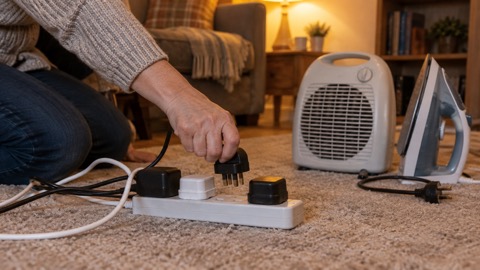
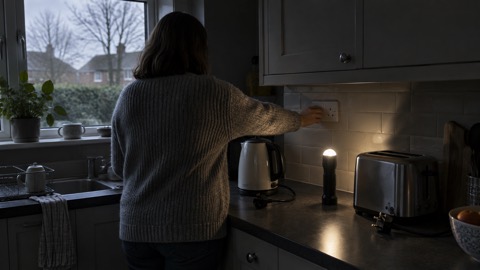
- Switch off anything that should not restart unattended, including straighteners and stoves. Leave one light on. The guide to unplugging appliances explains which items deserve particular attention.5
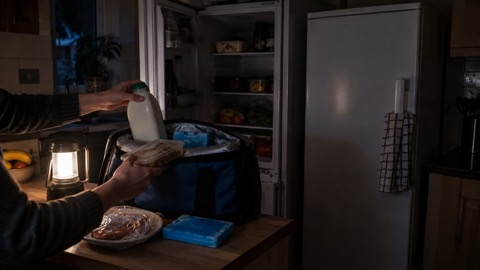
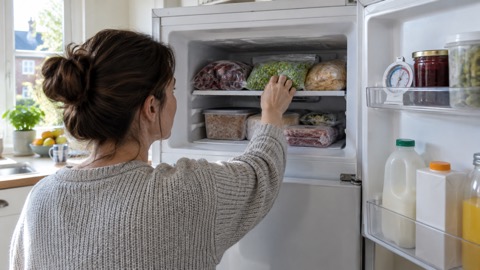
- Keep cold food cold. Keep fridge and freezer doors closed to protect their temperature.5
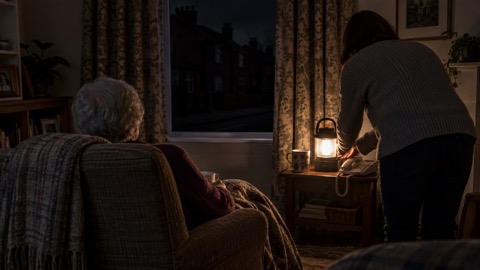
- Check on vulnerable neighbours or family, and tell a friend or neighbour if you feel anxious. A neighbour checking checklist can help you agree what assistance is needed.2
- If the cut is localised and you can travel safely, staying with friends or relatives until power returns is an option.2
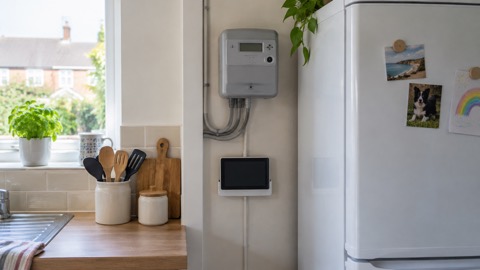
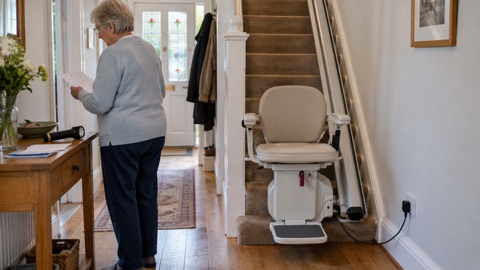
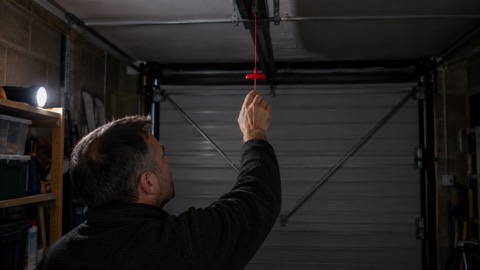
Think about equipment before you need it: know how to open an electric garage door manually, what to do with a stairlift when electricity fails and how to look after a fish tank without power. A smart meter does not change the need to report a network fault.
Keep away from fallen power lines
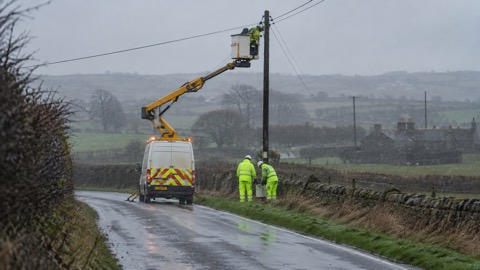
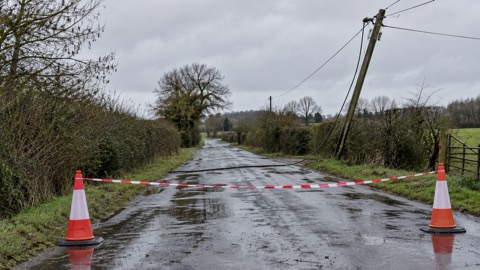
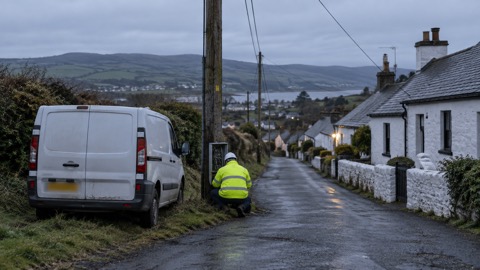
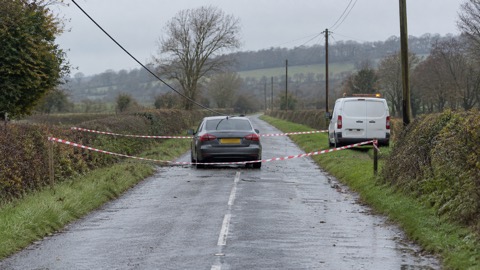
Do not touch anything that may be in contact with a cable, including a vehicle or tree branches. Keep other people away rather than trying to move the line or assess the damage yourself.7
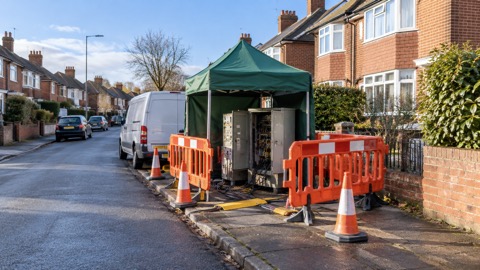
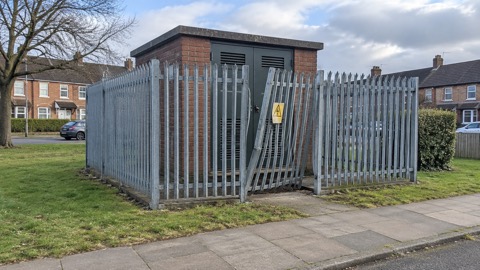
The detailed guidance on fallen overhead lines explains the reporting steps. If a vehicle is involved, follow the specific advice for when a vehicle touches an overhead line rather than assuming the vehicle or ground is safe. Damage to other electrical equipment can also be reported through 105; see reporting a damaged or open substation.8
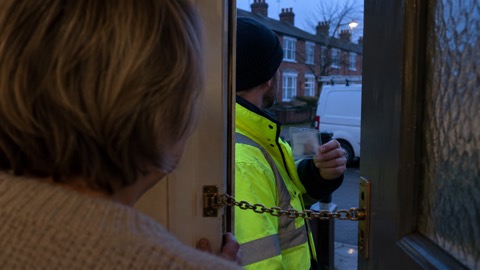
If someone visits or calls claiming to be from the electricity network, use the checks in checking a caller is genuine. Priority Services Register customers can ask for an identification and password arrangement.
Report it and get updates
Report online at powercut105.com, where you can also track updates, or call 105 free. The number connects you to the distribution network operator responsible for restoring supply, not your electricity retailer. Anyone can use it, regardless of supplier, from most landlines and mobiles. Save it in your phone and include it in your written emergency numbers list.9
Use 105 for outage updates and to report damage to power lines or substations. If there is a serious immediate risk, call the emergency services too. In Northern Ireland, use 03457 643 643 instead.10
| What you need | Where to get it |
|---|---|
| Report a cut or find your operator | powercut105.com or 105; NIE Networks on 03457 643 643 in Northern Ireland1 |
| Restoration information | Your local operator's website and updates9 |
| News without mains power | A wind-up or battery radio tuned to local news, or a car radio2 |
| Wider warnings | Operator messages, local radio and Emergency Alerts, covered under staying informed |
National cuts are rare, but local outages still happen. Read how long restoration may take, why electricity goes off, how storms affect the network and how Britain's electricity network is run. The site also covers heatwave outages and the response to a nationwide blackout.11
Getting your home ready
Build preparation around light, information, communication, warmth, food and water. The household preparation guide and power cut kit checklist turn these into a room-by-room check.
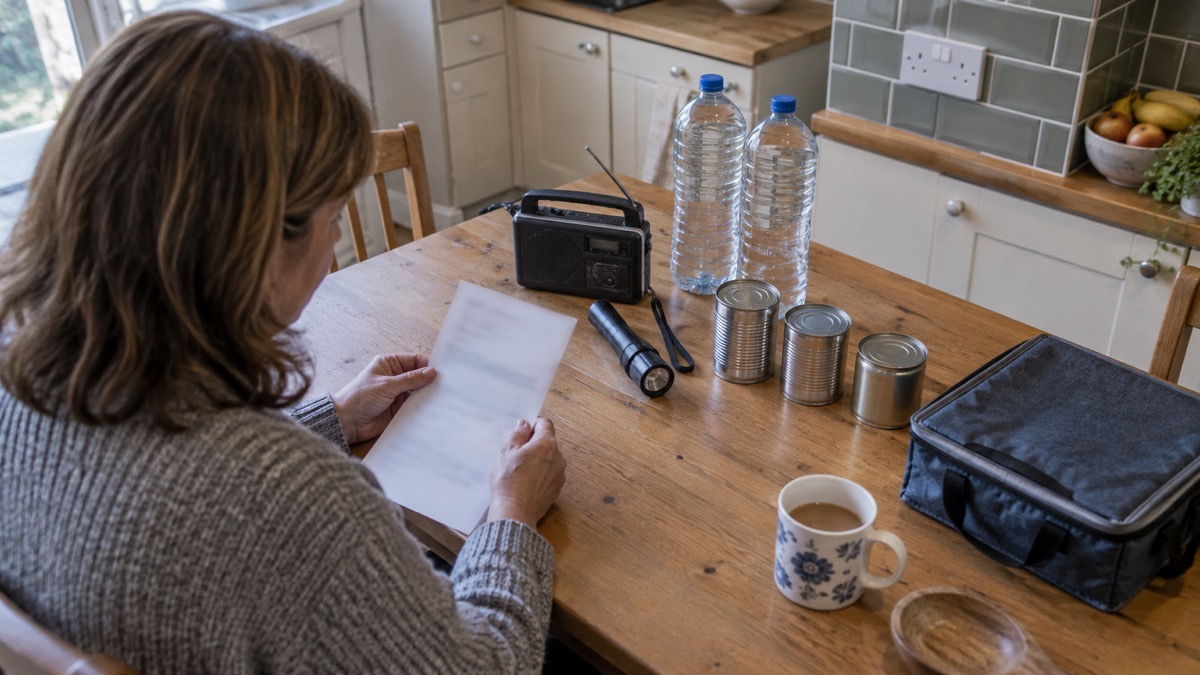
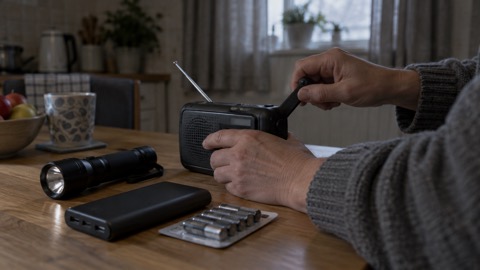
- Torch and spare batteries, with battery candles as another lighting option.
- Wind-up or battery-powered radio tuned to local news, or access to a car radio.
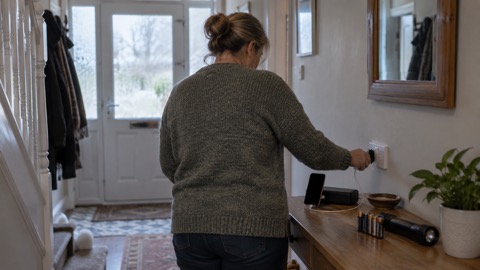
- Charged mobile phone, power bank or solar charger, plus written important numbers.
- Warm clothes, thick jumpers and blankets.
- Non-perishable food, including food that does not need cooking.
- At least 3 days' bottled water, allowing 3 litres per person per day.2
Keep devices ready using the what to keep charged checklist, and write down who does what with the household emergency plan. The wider emergency kit, water and emergency food guides cover household reserves.
If you receive advance notice, fill a flask with hot water and prepare a hot water bottle, back up important files and charge your phone. Registration for extra support is free and takes only a few minutes for eligible households.2
Medical equipment and the Priority Services Register
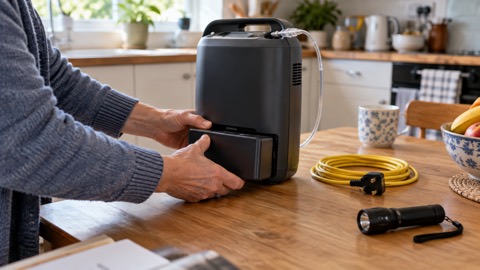
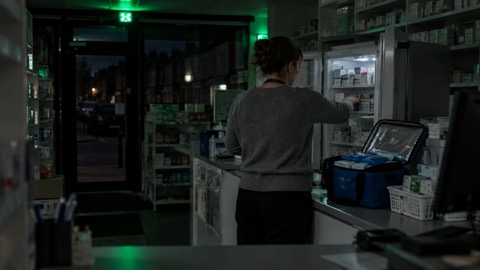
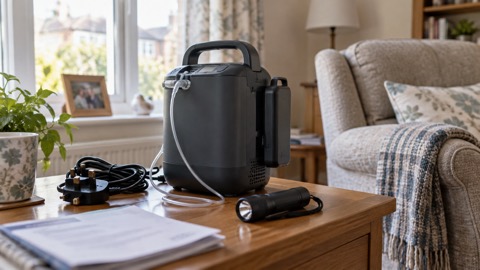
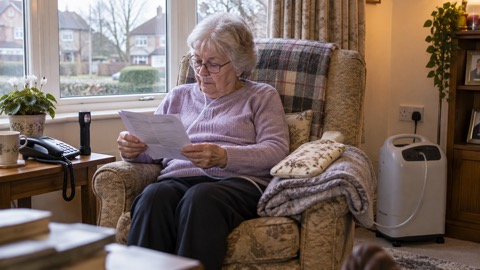
If you use powered medical equipment, make a plan now with your care provider or clinical care team. It should set out what you or the person you care for must do during an outage and who to contact. Power cuts can also affect people who rely on refrigerated medicines. Use the medical equipment guide, its household checklist and the advice on keeping medicine cold.1
Energy suppliers and network operators both keep a Priority Services Register. It is available in England, Scotland and Wales, with eligibility varying by provider. Depending on your circumstances, support can include:15
- priority support in an emergency and advance notice of scheduled cuts wherever possible;
- bills and account information in large print or braille;
- an identification and password scheme for visits or calls;
- nomination of a trusted relative or carer to receive communications and bills;
- regular meter readings, help reconnecting gas and relocation of a prepayment meter you cannot safely reach.
Eligibility includes certain disabilities and long-term conditions, mental health conditions, sensory conditions and conditions requiring powered medical equipment. Help can also be temporary, for example after injury, a hospital stay, bereavement or job loss. Scottish guidance also lists households with children under 5 and people over 60 among those who may qualify.15
Join through your supplier or network operator. Contact gas and electricity suppliers separately where they differ, and register again after switching supplier or moving home. You can also register a relative for extra help.17
Planned cuts and emergency rotas
A planned interruption is different from a sudden fault. Where possible, Priority Services Register customers can receive advance notice of scheduled cuts. Prepare by charging devices, filling a flask, making up a hot water bottle and backing up important work. See planned interruptions and how to prepare.2
In a national energy shortage, cuts could instead be scheduled on a rotating area-by-area basis. Each electricity meter has an alphabetical block letter, and different letters are timetabled for disconnection. Wigan Council describes typical cuts of around three hours once or twice a day per block letter.5
Find your letter by entering your postcode at powercut105.com, checking the top half of your electricity bill or calling 105. The guides to rota disconnections, finding your block letter and sites protected from emergency disconnection explain the arrangements. Do not wait for a shortage to look up the letter or make a medical plan.
Keeping warm and fed in a long cut
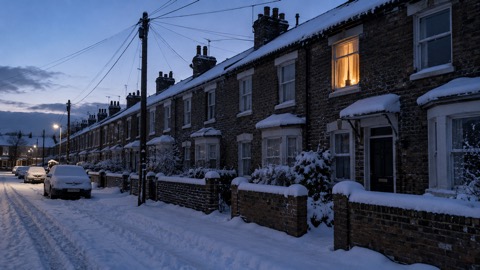
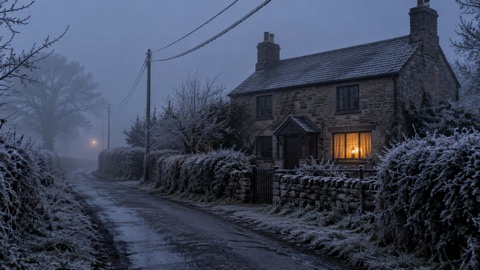
Reduce the space you need to heat. Use blankets and layered clothing, close curtains and shut the doors of unused rooms to keep heat in. The guides to keeping warm without electricity and warming one room develop this approach. Cold affects some people more severely, so check cold homes and health and keep in contact with anyone at risk.1
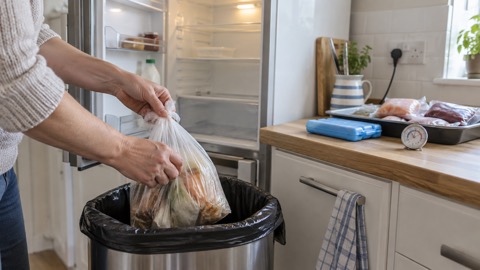
Keep fridge and freezer doors closed. When supply returns, use the fridge and freezer food guide and what food to throw away rather than tasting food to test it. Store non-perishable food that does not need cooking and keep your 3-day water reserve.3
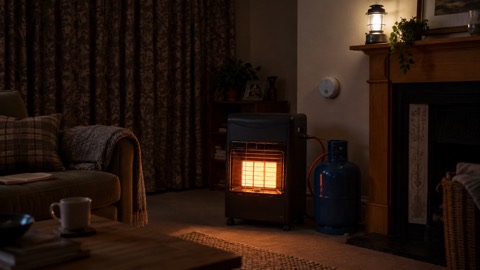
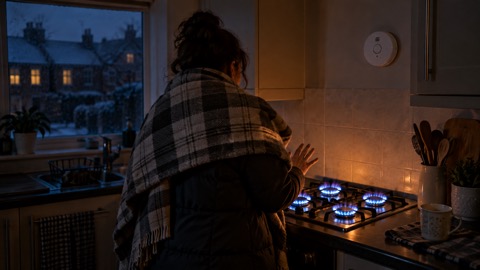
For heating and cooking without mains power, a gas hob may be lit by hand where its design allows, but never use barbecues or camping stoves indoors. Do not treat a gas hob as room heating: read why heating a room with a gas hob is unsafe and whether gas central heating works without electricity.
Take care with hot water bottles, including hot water bottles for children and using hot water bottles with electric blankets.
Light, phones and backup power safely
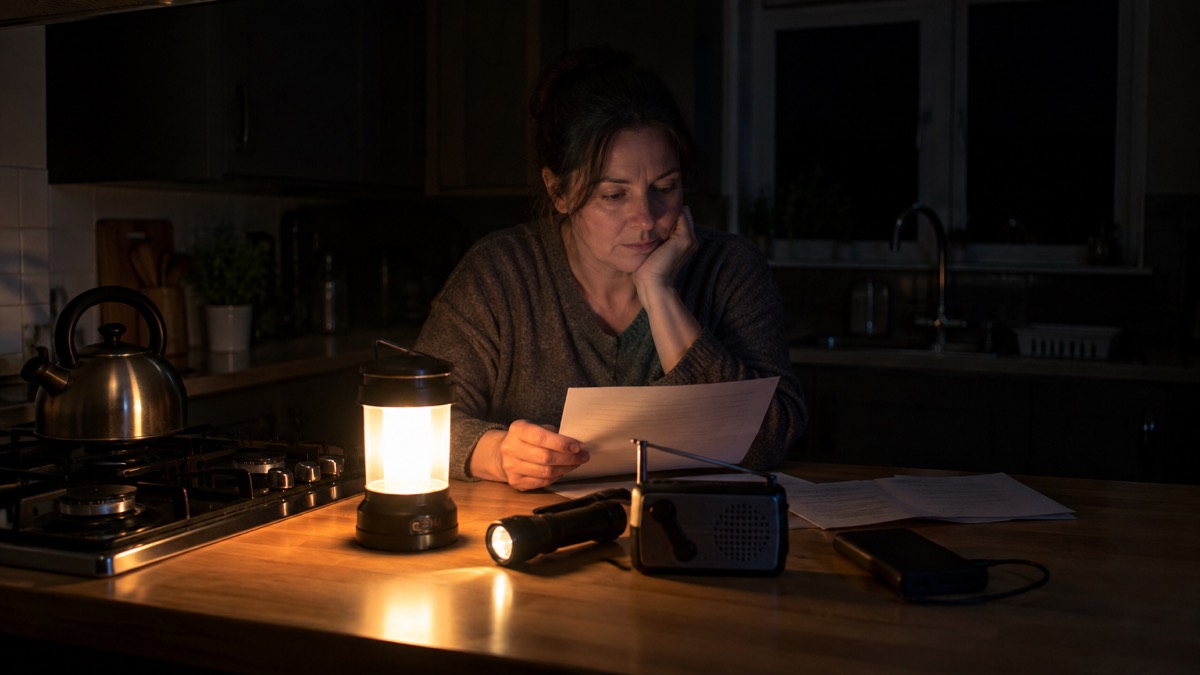
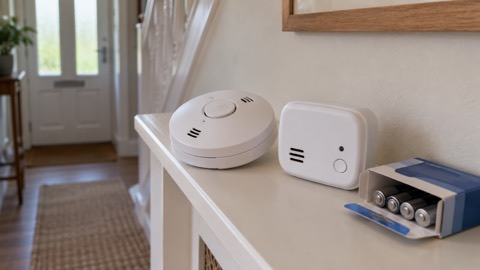
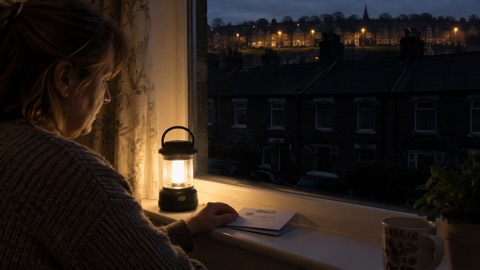
Use torches and battery-powered lights first. If you use candles, the Scottish Fire and Rescue Service instructs: “keep candles well away from anything that could catch fire”. Battery candles, torches and spare batteries avoid an exposed flame. See emergency lighting and staying safe in the dark, including falls, fire and shock. Check that smoke and carbon monoxide alarms will keep working without mains power.12
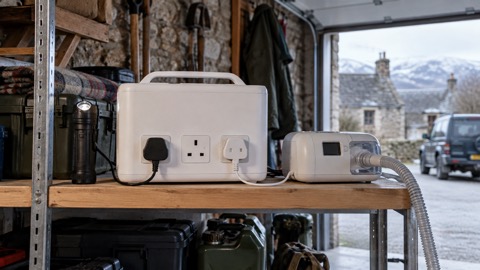
Backup options range from a phone power bank to a power station or generator. Each suits a different load, and a small power bank is not household heating or cooking backup. Generators carry a serious carbon monoxide danger: never run one indoors and follow the maker's own safety instructions. Read backup power at home and carbon monoxide risks when heating is off before choosing or connecting equipment.
Digital landlines and broadband may not work without power. GOV.UK guidance says that if you have no mobile or no mobile signal, your landline provider should offer a solution such as a battery backup unit, allowing emergency calls, including 999, during a cut. Arrange this in advance rather than during the outage.20
Keep a charged phone and power bank, write down essential numbers and use local radio or operator messages for updates. Staying informed and in touch also explains Emergency Alerts and communication options.
When the power comes back
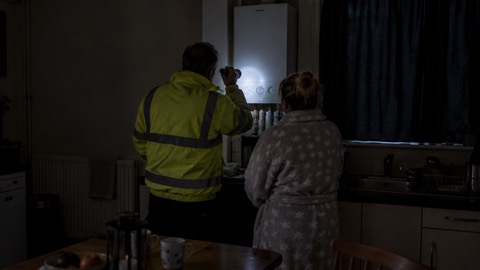
The light you left on should show that supply has returned. Check that appliances you switched off are in a safe state before turning them back on. If only your home remains without power, check the trip switch: reset it once, and if it switches off again, unplug appliances before resetting it so you can identify a possible fault.4
Follow what to check when the supply returns, then inspect chilled and frozen food. Do not assume everything is safe simply because the fridge feels cold again; use the food disposal guidance. Check neighbours who may need help restarting equipment, and recharge the power banks and batteries you used so your kit is ready again.
Compensation and extra help
For an unplanned cut, report directly to your network operator online or through 105. If supply is off because of a faulty energy meter, contact your energy supplier instead. Ofgem sets out the following payments:21
| Circumstance | Payment |
|---|---|
| Fewer than 5,000 properties affected and power off for more than 12 hours | £100 for homes or £195 for businesses |
| More than 5,000 properties affected and power off for more than 24 hours | £100 for homes or £195 for businesses |
| Each additional 12-hour period without electricity | An extra £45 |
| Cut affects 5,000 or more properties | Maximum payment of £400 |
| More than 4 cuts between 1 April and 31 March, each lasting at least 3 hours | Possible extra £100 |
Payment may be made through your energy supplier and added to your energy account or prepayment meter.22
Practical assistance can matter as much as payment during a long outage. The extra help from network operators page explains available support, while the Priority Services Register is the route to telling suppliers and operators about your needs before an emergency.
Who to contact in each nation
The reporting route is consistent across Great Britain, but Northern Ireland has its own number. The Priority Services Register covers England, Scotland and Wales; eligibility details can differ between providers and nations.1
| Nation | Power cut reporting | Extra help |
|---|---|---|
| England | Call 105 free or use powercut105.com | Contact your energy supplier and network operator about the Priority Services Register |
| Scotland | Call 105 free or report online | The register is available; Scottish guidance includes medical need, disability, children under 5 and people over 60 among eligibility examples16 |
| Wales | Call 105 free or report online | Contact your supplier and operator; fallen lines should always be treated as live8 |
| Northern Ireland | Call NIE Networks on 03457 643 643 | See Northern Ireland reporting and help |
Wherever you live, call the emergency services as well if there is a serious immediate risk. Keep the relevant number written down as well as saved in your phone, and do not wait for a cut to arrange medical support or communications backup.10
Sources (26)
- Power cuts: hazards and household preparation, GOV.UK Prepare Campaign, 2026-10-21
- Power cuts: preparation and what to do, West Yorkshire Prepared, 2026-10-29
- Power cuts: safety and emergency supplies, GOV.UK Be Ready Campaign, 2026-10-21
- Prepare your household for emergencies, Westminster City Council, 2014-04
- Power cuts and emergency rotating disconnections, Wigan Council, 2026-10-29
- How you can prepare for a power cut, Lancashire Prepared, 2026-10-29
- High winds and downed power cables, Scottish Borders Council, 2026-10-29
- Winter ready: power cuts and priority support, Isle of Anglesey County Council, 2026-10-25
- Loss of essential services, Greater Manchester Combined Authority, 2026-10-29
- Emergency advice for residents: calling 105, Warwickshire County Council, 2026-10-29
- Energy outages and contacting your network operator, National Energy System Operator, 2026
- Stay safe in lightning: power cut essentials, Met Office, 2026-10-25
- Storm preparation and the Priority Services Register, Cornwall Council, 2026-10-29
- Be prepared for winter emergencies, NHS Norfolk and Suffolk Integrated Care Board, 2026-10-01
- Priority Services Register for people who need extra help, Ofgem, 2026
- Flooding preparation and utility priority support, Ready Scotland, 2026-03-24
- Get help from your supplier: Priority Services Register, Ofgem, 2026
- Priority Services Register registration, Derbyshire County Council, 2026-10-29
- Power cuts and candle safety, Scottish Fire and Rescue Service, 2026-10-25
- UK transition from analogue to digital landlines, GOV.UK, 2023-01-06
- Help during a power cut, Ofgem, 2026
- Check if you can get a payment for a power cut, Ofgem, 2026
- Strong winds weather warning: information and advice, nidirect, 2026-10-24
- What to do in a power cut, Met Office, 2026-10-25
- 12 tips to prepare for a power cut, Horsted Keynes Parish Council, 2026
- Met Office Weather Ready: tips for snow and ice, Met Office, 2025-11-19
 Reporting a Power Cut
 What to Do in a Power Cut
 Getting Ready for a Power Cut
 Fridge and Freezer Food
 Keeping Warm Without Electricity
 Central Heating Without Power
 Cold Homes and Health
 Carbon Monoxide Risks
 Staying Safe in the Dark
 Smoke and Carbon Monoxide Alarms
 How Long Until Power Returns
 When the Power Comes Back
 Fallen Overhead Lines
 Planned Interruptions
 Why the Electricity Goes Off
 Storms and the Electricity Grid
 How the Electricity Grid Is Run
 Rota Disconnections
 Finding Your Block Letter
 A Nationwide Blackout
 Extra Help During Long Outages
 Medical Equipment and Power
 Northern Ireland Power Cuts
 Food to Throw Away After a Cut
 Keeping One Room Warm
 Heating a Room With a Gas Hob
 Hot Water Bottles and Children
 Unplugging Appliances in a Cut
 Checking Your Trip Switches
 Vehicle Touches Overhead Line
 Reporting a Damaged Substation
 Protected Sites
 Heatwaves and Power Cuts
 Smart Meters and Power Cuts
 Keeping Medicine Cold
 Registering a Relative for Help
 Stairlifts When the Power Fails
 Opening an Electric Garage Door
 Fish Tanks Without Electricity
 Checking a Network Caller
 Hot Water Bottles and Blankets
 Power Cut Kit Checklist
 What to Keep Charged
 Household Emergency Plan
 Emergency Numbers to Keep
 Medical Equipment Checklist
 Checking on Neighbours
 Priority Services Register