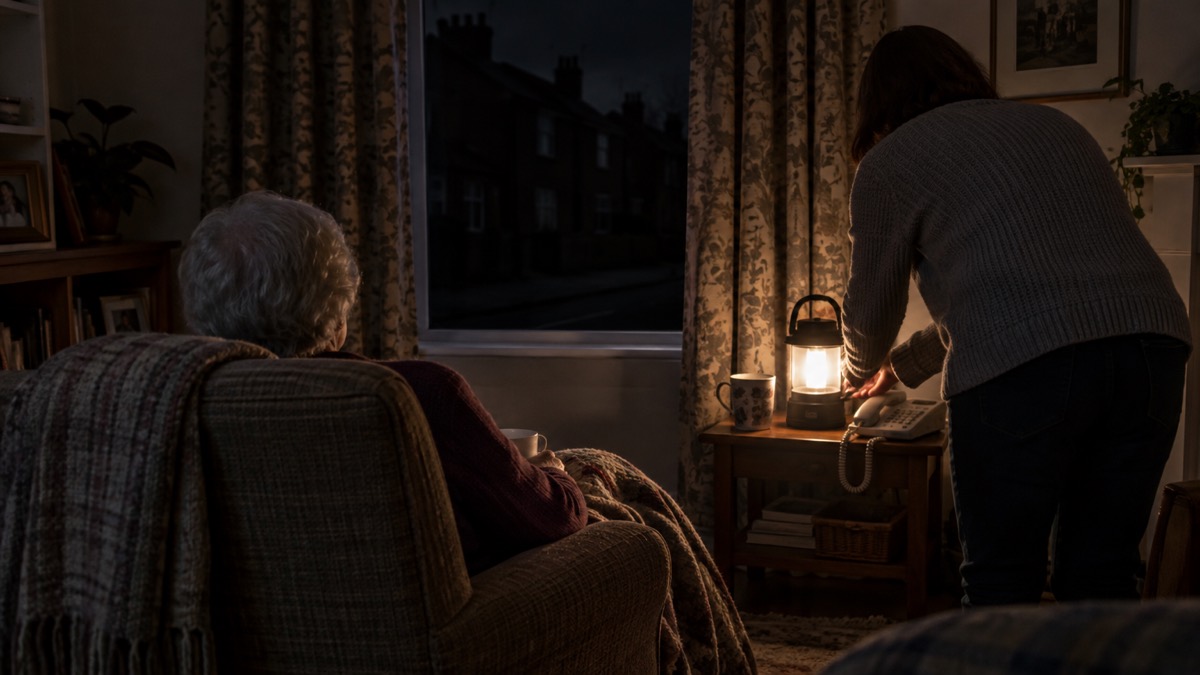
Yes, you can register someone else. Energy network operators run the Priority Services Register for households that need extra help, and you can apply on behalf of a family member or someone you care for1. You do not need the person's permission in any formal sense, but you do need their details and a clear idea of what they need help with.
The Priority Services Register is a free list held by energy suppliers and network operators. It tells them a household needs additional support during a power cut2. Joining is a quick online form or a phone call, and it can be done by the person themselves or by someone acting for them3.
What it does not do is keep the lights on. It flags the household to the people running the network, so that support and information reach the right door. That is why the practical steps in our guide to the Priority Services Register sit alongside a household's own preparations, not instead of them.
Who you can register, and who qualifies
The register is not only for people with a medical condition. The Scottish Government's ready campaign lists the circumstances that qualify: using medical equipment that needs power or water, being disabled or having a long-term health condition, living with children under 5, and being over 604. A household only needs to meet one of these.
There is also a temporary route onto the register. UK Power Networks says that if you or someone in your household is going through a life-changing event, you can register to receive extra help on a temporary basis. The examples it gives are bereavement, relationship breakdown, job loss, recovery from hospital treatment, or living independently for the first time7. A serious or chronic illness also counts7.
That matters for carers, because the need for help is often temporary and easy to miss. Someone coming home from hospital, or a neighbour recently widowed, may qualify without thinking of themselves as vulnerable.
| Circumstance | Qualifies? | Source |
|---|---|---|
| Uses medical equipment needing power or water | Yes | 4 |
| Disabled or long-term health condition | Yes | 4 |
| Lives with children under 5 | Yes | 4 |
| Over 60 | Yes | 4 |
| Serious or chronic illness | Yes | 7 |
| Recent bereavement, job loss, hospital recovery, first time living independently | Yes, on a temporary basis | 7 |
If you are unsure whether someone is eligible, check with their supplier. Ofgem has urged people to check whether they may benefit from services available through the register, noting that not everyone eligible is currently benefiting8.
How to register someone else: online form or phone
The mechanics are simple. Complete a quick online form or call the team, and you can register on behalf of a family member, friend or someone you care for. You can also apply over the phone or request a leaflet to complete and post, and the leaflet is available in alternative languages, large print and easy read3.
Different organisations run their own versions of the process, and the route depends on who supplies the household:
- Energy supplier: contact them directly and ask to join their Priority Services Register. If you switch supplier, you will need to ask to join the new supplier's register5.
- Separate gas and electricity suppliers: if the household has a different supplier for gas and electricity, contact them separately5.
- Network operator: the companies that own the wires also hold registers and take registrations. Northern Powergrid, for example, says you can apply on behalf of a family member or someone you care for1.
- Water company: the register exists for water as well as power. Find out who the water supplier is and ring them; they will add the household to the Priority Service Register for vulnerable people9.
A carer can also help the supplier understand the person's needs and nominate an alternative contact, so that support does not depend on one phone number being answered11. That is worth doing at the point of registration rather than later.
Nominating someone to speak to the supplier for them
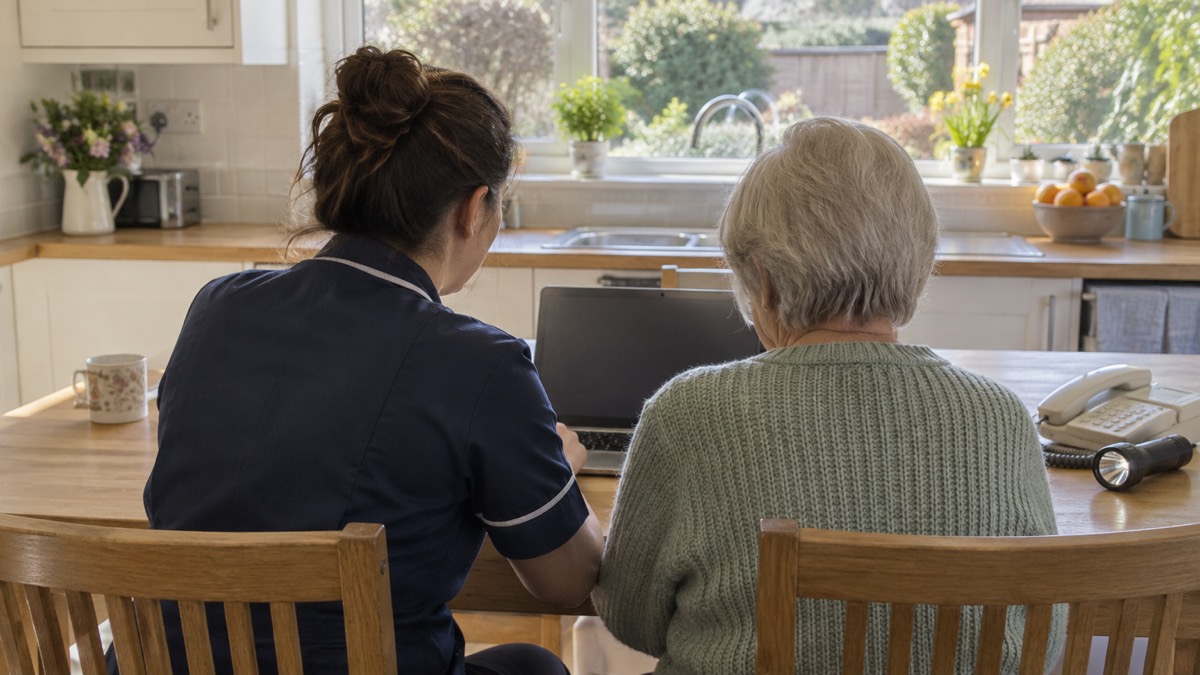
Registering someone is one thing; being the person the supplier rings is another. The register lets you nominate an alternative contact if support is needed, which is the practical way to make sure a call reaches someone who can act11.
There are limits worth knowing. The register is held by both energy suppliers and network operators12, so the household may appear on more than one list, and a change of supplier does not carry the registration across automatically. Ofgem is clear that if you switch supplier, you will need to ask to join their Priority Services Register5. If the household has different suppliers for gas and electricity, each must be contacted separately5.
Details can be shared with other utility providers such as energy suppliers and water companies, so there is one point of contact and the household does not have to register more than once. In an emergency, details may also be shared with trusted charities who may offer specific support13. If you want that sharing to happen, tick the box on the registration form confirming you are happy for the information to be shared with local utility companies7.
Keeping their contact details up to date
A registration that has gone stale is worse than none, because the supplier believes it can reach someone who has moved or changed number. Network operators say they may contact people at certain times to check that the details held are up to date, and that changes such as advanced healthcare requirements or a different address should be recorded14. Once joined, you may be contacted to make sure your details are accurate and up to date15.
You do not need to start again. If you need to update contact details, or have been asked to, you can do that without re-registering16. National Grid puts it the same way: rather than re-registering for the service, you can update the registration details in a few steps17.
A short annual check is enough:
- Confirm the phone number and address still reach the right person.
- Note any new medical equipment, or a change in care needs.
- Record a new alternative contact if the previous one has changed.
- Check the registration still exists if the household has switched supplier5.
What the register does, and what it does not promise
The register's core promise is that the supplier knows the household needs additional support during a power cut2. Network operators use it. During Storm Boelo, for example, one operator was proactively contacting over 100,000 customers who were registered for the Priority Services Register18.
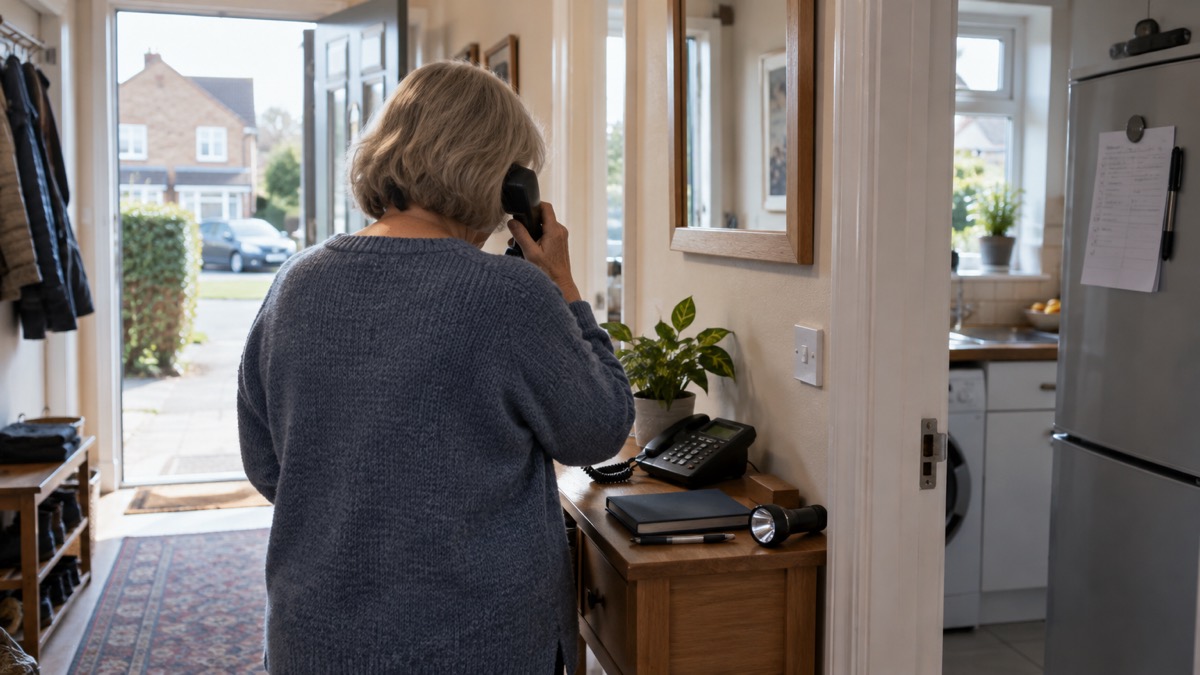
It does not exempt a household from interruption. Residential customers, including those on the Priority Services Register, are part of a planned power cut rota19. Planned cuts happen so engineers can safely work on the cables supplying a property, and customers are notified in advance and kept updated throughout20. Being registered helps ensure that notice and support reach the right person, but the supply still goes off.
The register also does not replace a household's own plan. A battery-operated or wind-up torch kept somewhere easy to find is the kind of basic step that helps whoever is at home when the lights go out21. Our power cut kit checklist sets out the rest.
Where the register earns its place is in the follow-up. It gives the network operator a reason to make contact, and it gives the household a route to ask for help rather than wait to be found.
Reporting a power cut and getting help on the day
Call 105, the free national power cut reporting number22. You can use it to report a power cut and get the latest updates, and for help checking your trip switches21. Our guide to reporting a loss of electricity walks through what to have ready before you ring.
If the household has been flooded, the advice changes. If the meter point has been underwater or there is still no electricity, contact the network operator on 105 so it can carry out a safety check6. Do not assume the supply is safe because the power has come back on elsewhere.
For households in Scotland, the ready campaign's guidance for disabled people and carers points to the Priority Services Register as the route to extra help during a power cut4. In Northern Ireland, the network operator is NIE Networks, and our guide to Northern Ireland covers reporting and help there. In England, Wales and Scotland the 105 number is the standard route for power cut enquiries2.
Sources (22)
- Priority Services, Northern Powergrid, 2026
- Power cuts, UK Government Prepare campaign, 2026
- Priority Services, Scottish and Southern Electricity Networks, 2026
- Disabled people and carers, Scottish Government ready campaign, 2026
- Join your supplier's Priority Services Register, Ofgem, 2026
- Flooding advice, Electricity North West, 2026
- About the Priority Services Register, UK Power Networks, 2026
- Energy network companies, Citizens Advice and National Energy Action urge vulnerable customers to sign up for extra help this winter, Energy Networks Association, 2022
- Failure of water infrastructure or loss of drinking water, Wiltshire and Swindon Prepared, 2026
- How to prepare for flash flooding, London Assembly, 2026
- Priority Services for dementia, Scottish and Southern Electricity Networks, 2026
- 12 tips to prepare for a power cut, Horsted Keynes Parish Council, 2026
- Priority Services FAQs, National Grid, 2026
- Priority Services Register promise, National Grid, 2026
- PSR promise and keeping your data safe, UK Power Networks, 2026
- Priority Services, National Grid, 2026
- Priority Services details update, National Grid, 2026
- Storm, Powercut105, 2026
- How emergency power cuts work, Energy Networks Association, 2026
- Why Multiple Power Cuts Happen | Causes & Prevention Explained, Electricity North West
- Equipment services: what to do in a power cut, Mersey Care NHS Foundation Trust, 2026
- Be prepared, Northern Powergrid, 2026
 Power Cut Kit Checklist
 What to Keep Charged
 Household Emergency Plan
 Food to Throw Away After a Cut
 Keeping One Room Warm
 Heating a Room With a Gas Hob
 Hot Water Bottles and Children
 Unplugging Appliances in a Cut
 Checking Your Trip Switches
 Vehicle Touches Overhead Line
 Reporting a Damaged Substation
 Protected Sites
 Heatwaves and Power Cuts
 Smart Meters and Power Cuts
 Keeping Medicine Cold