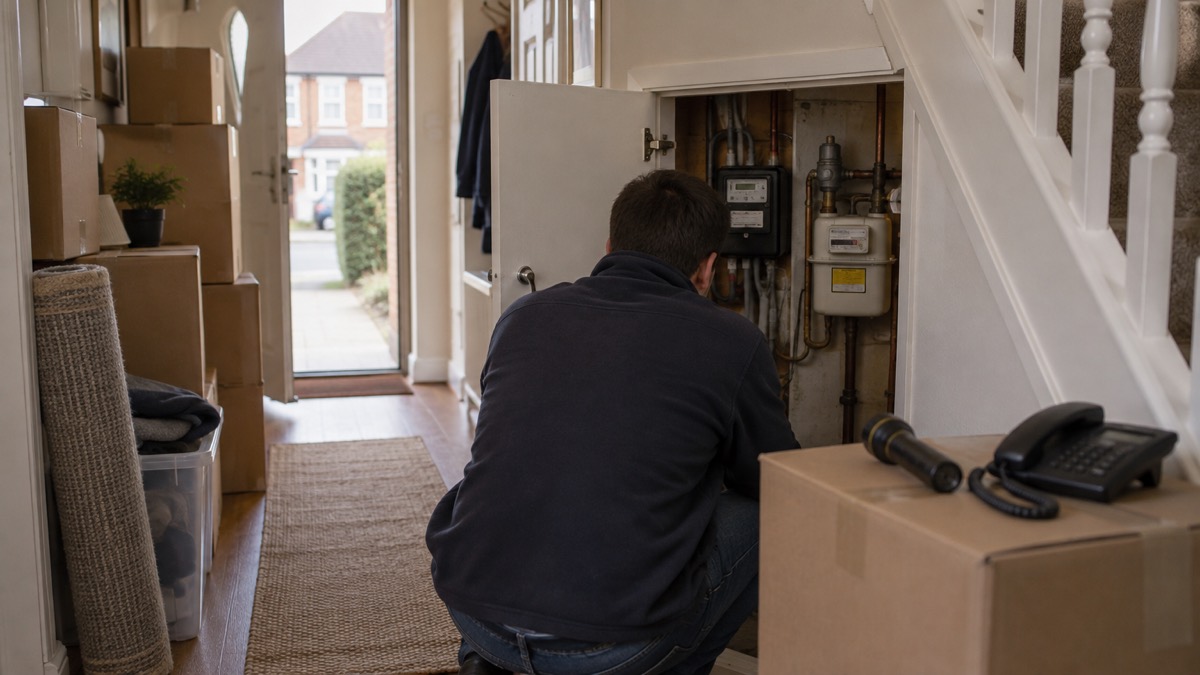
If you are on the Priority Services Register and you move house or change energy supplier, you need to register again. Derbyshire County Council puts it plainly: "You'll need to register again if you change suppliers or move home"1. Ofgem gives the same instruction for anyone who switches: ask to join the new supplier's Priority Services Register2.
The good news is that there is no annual renewal. Once you are registered with a supplier you do not need to apply on an annual basis3. What catches households out is change: a house move, a switch to a cheaper tariff, or a supplier going out of business can leave you off the register without you noticing, just when the support matters.
This page sets out what to do when your circumstances change, what to tell a new supplier, how to check you are still registered, and what is different if you live in Scotland, Wales or Northern Ireland.
Moving house or switching supplier: tell your new supplier you want to join their register
The Priority Services Register is held supplier by supplier, not as one national list. That is why a change of supplier or address breaks the link. Ofgem's advice is direct: "If you switch supplier, you'll need to ask to join their Priority Services Register"2. The RNIB says the same, adding that you should check whether you need to register again if you change supplier or move address6.
A 2014 Ofgem consultation explained why this matters so much. It found that "if a customer switches supplier, there is no process for information about their additional needs or the PSR services" being shared with the new supplier7. In other words, the new company does not automatically inherit your details. You have to tell them.
When you contact the new supplier, say what you need, not just that you want to be on the register. Useful things to mention include:
- any medical condition that means you rely on power for equipment
- whether you need advance notice of a planned power cut
- whether you would like a password scheme for callers at the door
- the best phone number and a second contact if you have one
- whether anyone else in the household has needs the supplier should know about
Your supplier can also pass your details to your network operator to add you to their register as well. Derbyshire County Council says this is "a good idea especially if you rely on your energy for medical reasons"8. The network operator is the company that runs the wires and pipes, and it is the one that responds when the power goes off, so being on its register matters.
If you have different suppliers for gas and electricity, contact them separately. Ofgem states: "If you have a different supplier for your gas and electricity, you'll need to contact them separately"4.
Your registration does not need renewing every year
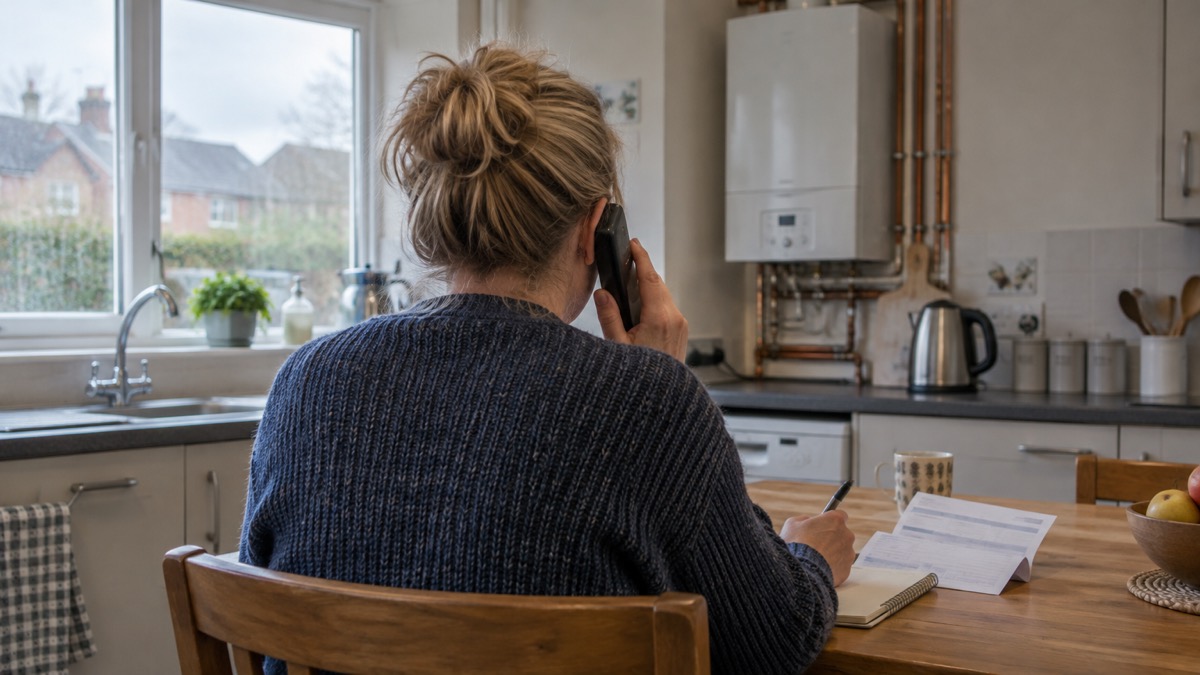
Households often ask whether they have to reapply each year. They do not. Cadent, the gas network, states: "No, once registered you do not need to apply on an annual basis"3. National Grid's priority services page says simply: "You do not need to register again"9.
What does happen is that suppliers and networks check in with you. Ofgem's 2014 consultation noted that suppliers are required to take steps to tell each domestic customer about their Priority Services Register obligations at least once a year, and to tell customers when they are added to a register10. National Grid says it contacts its register customers every two years to make sure details are up to date9. These are checks, not renewals: you do not need to do anything unless your details have changed.
| Situation | Do you need to register again? |
|---|---|
| You stay with the same supplier at the same address | No3 |
| You switch energy supplier | Yes, ask the new supplier2 |
| You move home | Yes, register with the supplier at the new address1 |
| Your supplier goes out of business | Ofgem moves you automatically; wait until your account has moved5 |
| Your needs change | No re-registration, but tell your supplier10 |
The distinction matters because a household that assumes it must reapply every year may let it lapse, while one that assumes it never needs to act may be caught out by a move. The rule is simple: register once with each supplier, and act when the supplier or the address changes.
What to tell a new supplier when you move or switch
When you move, the first job is to close your old account and open one at the new address. The Utility Regulator's consumer guide says you must let your electricity and gas supplier know as soon as possible and provide meter readings so you only pay for the energy you used12. If you are renting or selling, tell your landlord or the new occupant that you have closed the account; they will need to register with their chosen supplier using the property's MPRN, the meter point reference number11.
Then, at the new address, ask the supplier to add you to their Priority Services Register. The government's easy read guidance for disabled people and carers is blunt about timing: "If you move home, please tell these organisations your new address as soon as possible"13. Do not wait for a bill to arrive.
A short checklist for the call or online form:
- Give your new address and the date you moved in.
- Ask to join the supplier's Priority Services Register.
- Explain what you need: medical dependency, advance notice of power cuts, a password scheme, or help reading your meter.
- Ask the supplier to pass your details to the network operator8.
- If gas and electricity come from different companies, repeat the call with the other one4.
- Note the date you registered and who you spoke to.
If you are moving into a new water company area, the water company runs its own priority services separately from the energy register. Tell the new water company about your needs as part of setting up the account. Tell the organisations on your register your new address as soon as possible if you move home14.
Moving to a new water company area

Water is organised differently from energy. Your water and sewerage company is set by where you live, so moving house often means a different company altogether. Each company keeps its own priority services list, and the support on offer can include bottled water deliveries, advance warning of planned interruptions and help if you have a medical need for water.
If you registered with a water company after 1 January 2024, you do not have to register again with the energy networks and suppliers, because your registration data flows to them3. If you were only registered with a water company before 1 January 2024, you need to complete Cadent's registration form to be on the gas network's register3.
There is one more thing to know if you are having work done at the new property. Certain changes to internal plumbing systems require prior notification to the local water company15. If you are fitting a new tank or cistern, check with the water company before the work starts.
Registering with a new energy supplier after a switch or a supplier failure
Switching supplier is a normal household task, but it has a hidden cost for register customers. The new supplier does not automatically receive your details10. Ofgem's guidance is to ask to join their register as part of the switch2.
If your supplier goes out of business rather than you choosing to leave, the process is different. Ofgem will automatically move you to a new supplier within a few weeks, and you should not make changes to your energy supply until your account is moved, as you might find it harder to get money you are owed if you switch before this happens5. In Northern Ireland the same applies, with the Utility Regulator for Northern Ireland moving you to a new supplier within a few weeks11.
Once the transfer is complete, contact the new supplier and ask to be added to their Priority Services Register. The Utility Regulator for Northern Ireland says you are free to switch supplier after the transfer if another supplier better suits your needs16.
Checking you are still registered
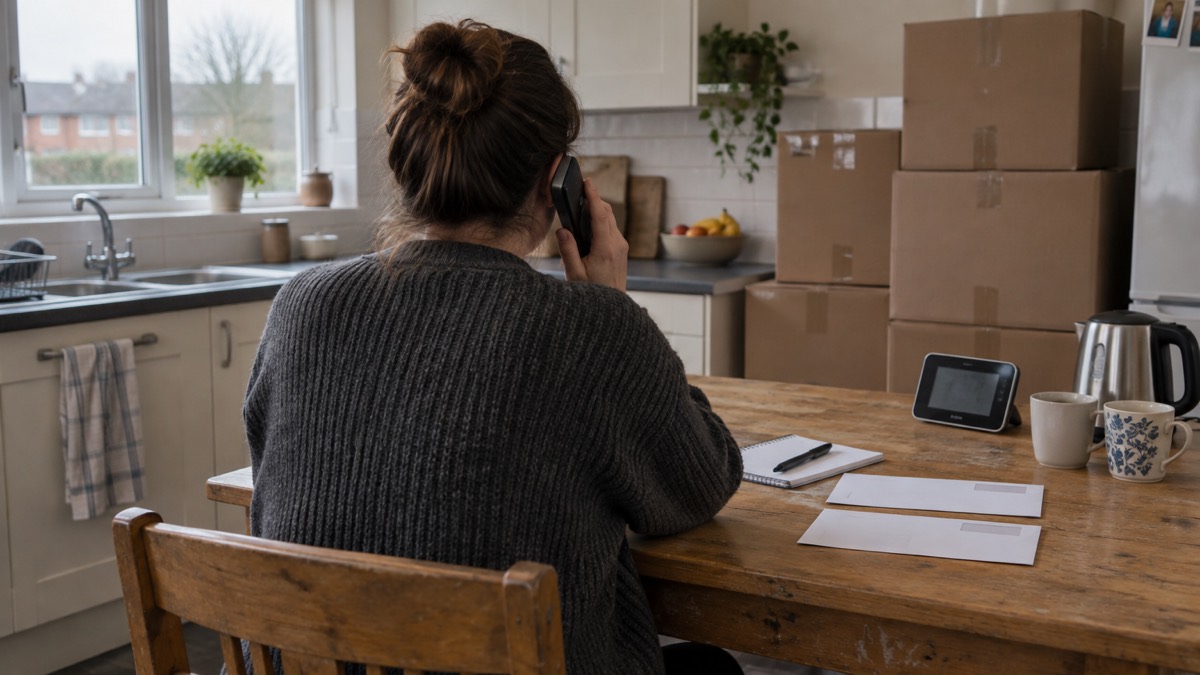
If you are not sure whether you are on the register, ask. Your supplier and your network operator can both tell you. Register data is kept and shared between the companies responsible for delivering and supplying electricity and gas to your property, including networks, suppliers and meter operators, and may be passed to metering agents and gas safety inspectors to carry out requested services3.
If you do not know which network operator covers your home, enter your postcode on thepsr.co.uk to be directed to your relevant energy operator's website, or contact your local network operator or energy supplier17.
A few practical points help keep the record accurate:
- Tell your supplier if your phone number, address or needs change.
- If someone else cares for you, ask whether they can be added as a contact.
- Keep a note of the date you registered and with whom.
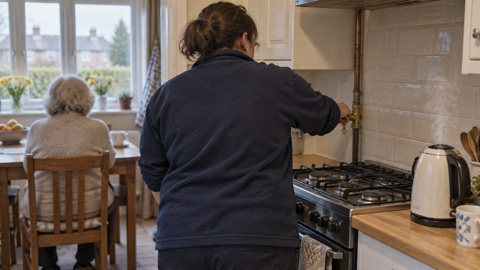
- If you have a locking cooker valve fitted, you do not need to change energy supplier or inform your supplier of the device18.
Where the arrangements differ across the UK
The Priority Services Register works in all four nations, but the regulators and the detail differ.
| Nation | Energy regulator | What to know |
|---|---|---|
| England, Scotland and Wales | Ofgem | Register with your supplier; ask them to pass details to your network operator2 |
| Northern Ireland | Utility Regulator | If your supplier leaves the market, you are moved automatically and placed on the standard tariff19; you can switch afterwards16 |
In Northern Ireland, the Utility Regulator's consumer guide sets out the same principle: tell your supplier as soon as possible when you move and give meter readings12. The National Energy Action checklist for Northern Ireland covers the same ground for households setting up a new home11.
For more on what registration gets you, see Signing Up to Priority Services Registers for Energy and Water and Water Company Priority Services: What Registered Customers Get. If you are supporting someone who needs help with their registration, the Extra Help in an Emergency section covers older, disabled and medically dependent households.
Sources (19)
- Priority Services Register, Derbyshire County Council, 2026
- Join your supplier's Priority Services Register, Ofgem, 2026
- Priority Services Register, Cadent Gas, 2026
- Get help from your supplier: Priority Services Register, Ofgem, 2026
- Energy Help, National Energy Action, 2026
- Priority Services Register, RNIB, 2026
- Review of the Priority Services Register, Ofgem
- Priority Services Register, Derbyshire County Council, 2026
- Priority Services, National Grid, 2026
- Priority Services Register Review: Consultation, Ofgem, 2014
- Your Home Energy Checklist (Northern Ireland), National Energy Action, 2026
- Consumer Guide, Utility Regulator, 2023
- Easy Read: Disabled Persons and Carers, Cabinet Office, 2024
- Identifying and supporting persons who are vulnerable in an emergency, GOV.UK, 2025
- Water storage tanks and cisterns, Drinking Water Inspectorate, 2026
- Your energy supplier leaving the market, Utility Regulator, 2023
- New website launched to help those who may need extra support during a power cut, Northern Powergrid, 2023
- Locking Cooker Valve, Northern Gas Networks, 2026
- Your energy supplier leaving the market, Utility Regulator, 2023
 Carer's Emergency Plan
 Herbert Protocol Form
 In Case of Emergency Card
 Telecare Alarm in a Power Cut
 Pressing Alarm but Cannot Speak
 Falls a Fall Detector May Miss
 Alarm Pendant in Bath or Shower
 Pendant Battery Life
 Free Locking Cooker Valves
 Herbert Protocol
 Cared-For Person Missing
 Refer for a Fire Safety Check
 Testing Alarms With Mobility
 Electric Blankets and Dementia
 Bathroom Falls Prevention