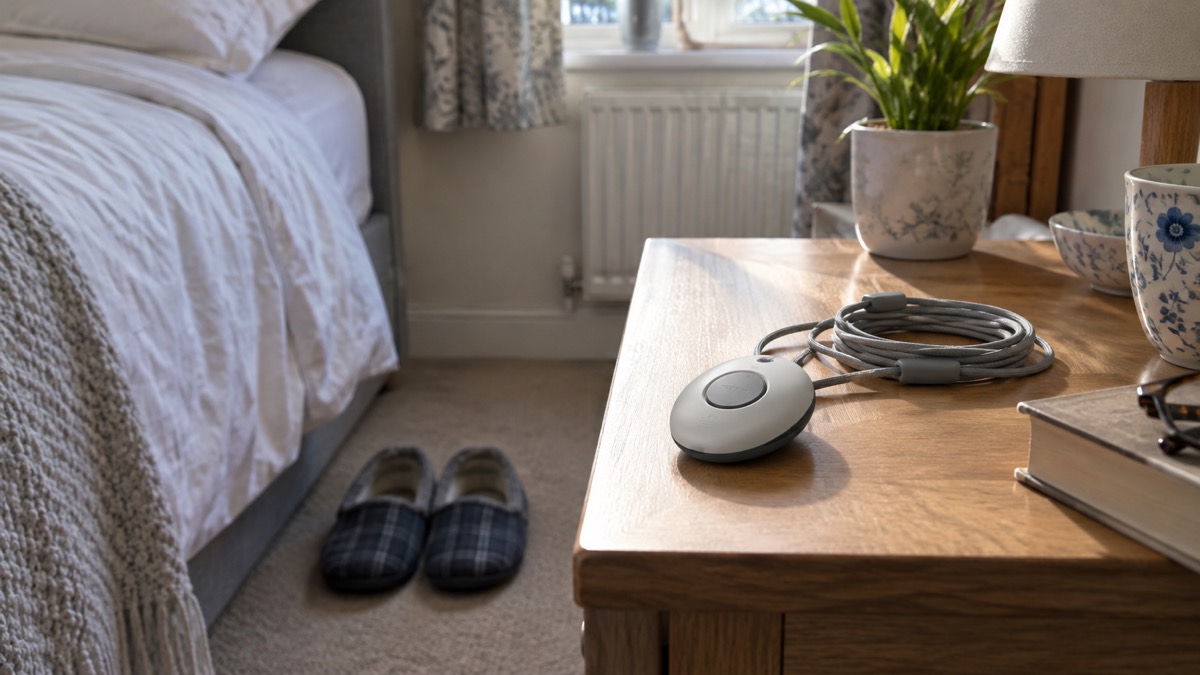
No fall detector can promise to catch every fall. The makers of the main fall alarm pendants sold in the UK say plainly that their devices are designed to detect hard, unobstructed falls and may not detect every fall1. A fall that is slow, cushioned by furniture or happens while the pendant is not being worn as intended can pass unnoticed. That does not make a fall detector a bad choice. It means it works best as one layer of protection, alongside pressing the button yourself whenever you can and having someone who checks on you.
The practical rule is simple. If you fall and you are able to press the emergency button, press it every time, even if you think the detector has already raised the alarm3. The automatic detection is there for the falls where you cannot press anything, and for those it can be genuinely life-changing: it raises an alert even if you cannot press the button yourself4. But it is a backstop, not a guarantee.
This page explains which falls a pendant is built to spot, which it tends to miss, how to wear it so it has the best chance of working, what to do about false alarms, and what the digital landline switchover and the 3G shutdown mean for older equipment. If you are still deciding what to buy, start with Fall Detectors: How Automatic Fall Alerts Work and Personal Alarms: Types and How to Choose One.
A fall detector may not detect every fall
The limitation is not a fault. It is how the technology works. A fall detector is a sensor worn on the body that sends an alert if the person falls, notifying you or a 24-hour monitoring and response centre as soon as it happens7. Inside the pendant, accelerometers and gyroscopes react to the motion and impact of a fall in real time8. An algorithm then decides whether what the sensor felt looks like a hard fall or like ordinary movement, such as sitting down heavily or bumping into a door frame1.
That decision is the weak point. Because the device is judging impact and motion, it depends on two things: where it is worn and how much shock or impact the fall produced10. The maker of the location-aware GPS pendant states that it cannot guarantee to detect all falls for exactly these reasons10. The same wording appears across the maker's fall alarm range, including the home and garden Digital Fall Alarm and the Personal Alarm Watch2.
What this means for a household is that the detector should never be the only plan. It is strongest when it is combined with a button the wearer can press, a response service that knows who is coming, and a neighbour or family member who notices when something is wrong. The falls at home guide covers what to do after a fall and how to reduce the risk of one; this page is about what the technology will and will not catch.
"The fall detector may not detect every fall as it is designed to detect hard, unobstructed falls."
Designed for hard, unobstructed falls
The phrase the makers use, "hard, unobstructed falls", is worth unpacking because it tells you what the device is listening for. A hard fall is one with a clear impact: the body goes down and the pendant registers the shock. An unobstructed fall is one where nothing gets in the way between the wearer and the floor. The algorithm is tuned to recognise that pattern and to ignore other movements9.
The table below sets out what the main types of device are built to do, so you can see where the limits sit.
| Device type | What it does | Detection limit |
|---|---|---|
| Home fall alarm pendant (with base unit) | Automatic fall detection plus a button; works in the home and garden | Designed for hard, unobstructed falls; may not detect every fall2 |
| GPS fall alarm pendant | Automatic fall detection plus GPS location, for home and out and about | Cannot guarantee to detect all falls; depends on where it is worn and the impact10 |
| Personal alarm pendant without fall detection | Button only; no automatic detection | Does not automatically detect falls1 |
| Personal alarm watch | Automatic fall detection on the wrist | Designed for hard, unobstructed falls; may not detect every fall11 |
A home fall alarm typically works up to 300 metres from its base unit, which covers the house and garden12. A GPS pendant is for use beyond the home as well, and the maker recommends wearing it whenever possible because it works out and about and includes a fall detector13. If you are weighing up which suits your household, the comparison page on home or GPS alarms sets the two side by side.
Falls a pendant may miss
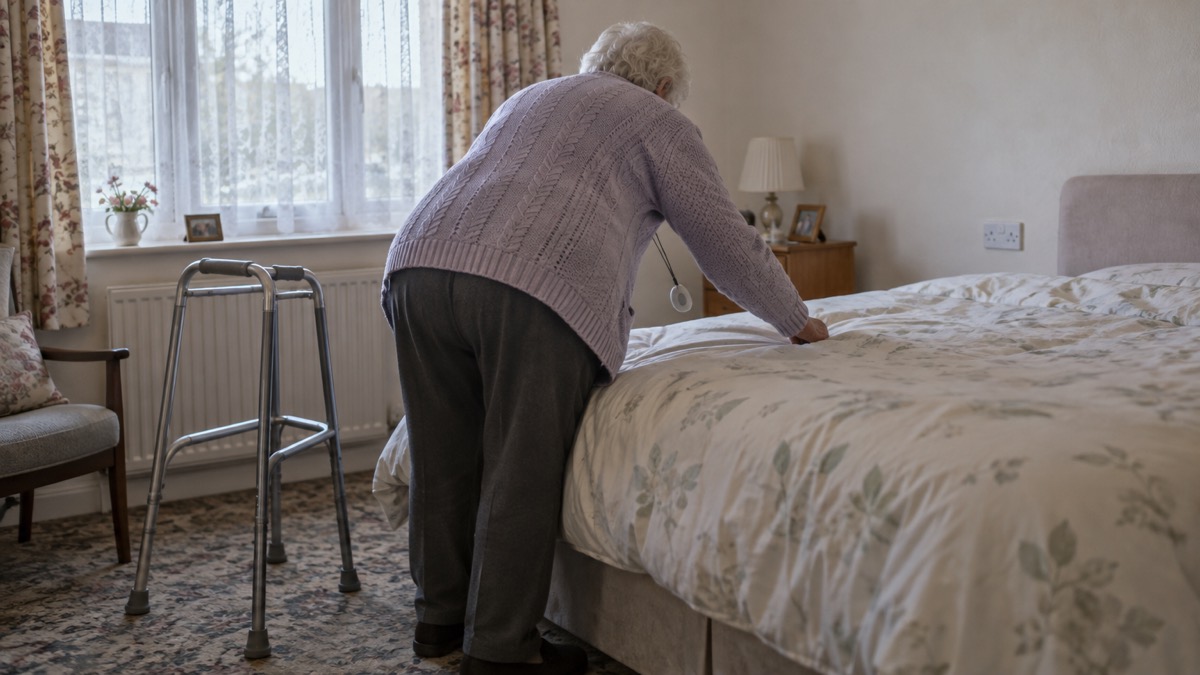
Some falls are much less likely to trigger automatic detection than others. The maker names two specific cases for its location-aware pendant: falling into an object that breaks your fall, and falling from an object that is not average standing height10. Both make sense once you know the device is judging impact. If you sink into a sofa or land against a pile of cushions, the shock is absorbed. If you slip from a step stool or a low chair, the distance and the impact are not what the algorithm expects.
Beyond those named cases, the same logic applies to a range of everyday situations:
- Slow or soft falls. A gradual collapse to the floor, perhaps as you feel faint, may not produce the sharp impact the sensor is looking for1.
- Sliding from a chair. Slipping forward out of a seat and ending up on the floor involves little or no impact, so a worn pendant is unlikely to register it as a fall.
- Falls where the pendant is not worn as intended. Detection depends on where the device is worn, so a pendant tucked under clothing or left on the bedside table will not help10.
- Falls at the edge of the home system's range. A home alarm works up to 300 metres from the base unit; beyond that, the alert may not reach it12.
For the chair and bed situation there is a separate piece of equipment. A bed or chair occupancy sensor provides an early warning that the user has left their bed or chair and not returned within a preset time period, which can indicate a potential fall14. It does not detect the fall itself; it notices the absence. That makes it useful for someone who tends to slide forward or try to get up unaided. Telecare services vary by area, so ask your council what is available where you live.
Press the button if you are able
The single most important habit for anyone with a fall detector is to press the button after every fall, whether or not the detector seems to have reacted. The maker's instruction is unambiguous: if you are able to do so, you must ensure that you press the emergency button each time that you fall3. The automatic alert is designed for the times you cannot press, not as a replacement for pressing.
What happens when the detector does fire is straightforward. The pendant will beep as it makes the alarm call15, and the alert goes through to the monitoring centre even if you cannot press the button yourself4. On a location-aware GPS pendant, if a fall is not detected you press both buttons at the same time to activate a call for help10. On a watch, a detected fall raises an alert to the response team automatically11.
A few practical points help the button do its job:
- Keep the pendant on during the day, including in the bath or shower if it is water-resistant. The Digital Fall Alarm pendant is water-resistant up to 1 metre for 30 minutes (IP67 standard) and can be worn in the bath and shower8.
- Know your button. Some pendants use a single button, others two pressed together. Ask the supplier to show you how yours works before you rely on it.
- Tell the monitoring service what you can and cannot do. If you live alone, the living alone guide covers how to plan for the gaps between alerts.
Wearing the pendant correctly
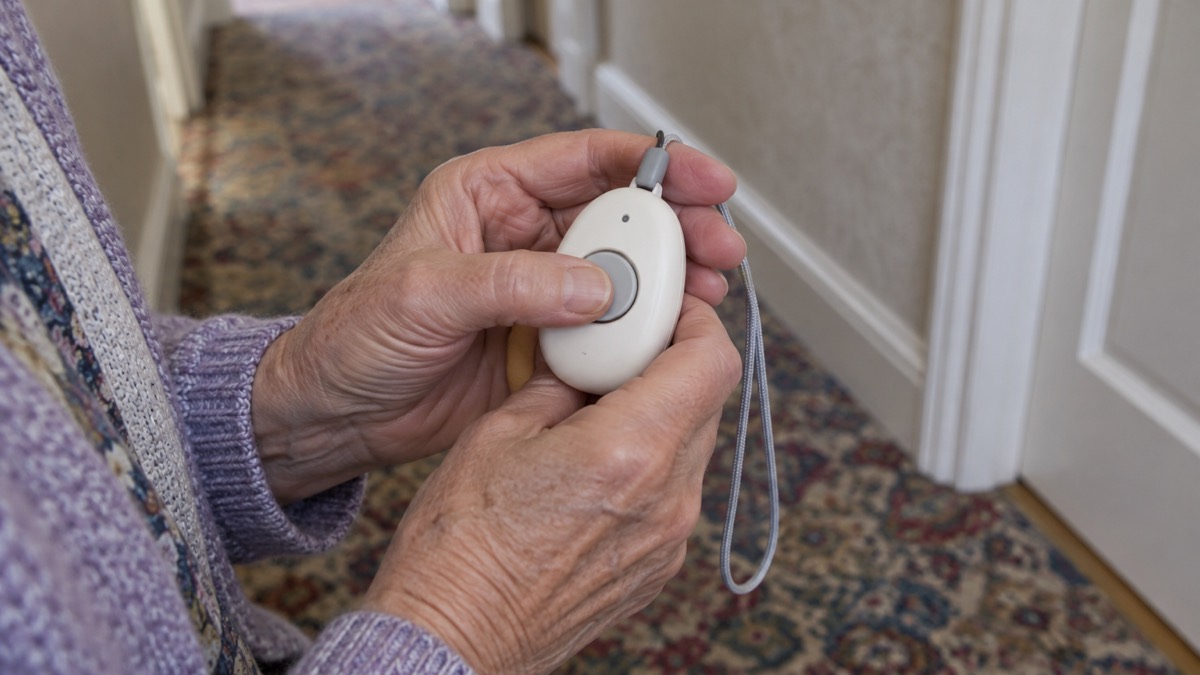
How you wear a fall detector changes what it can detect. The maker states that the location-aware pendant is designed to be worn as a pendant openly around the neck for the fall detection algorithm to work as intended10. The same requirement applies to the Taking Care Anywhere pendant15. Worn loose, tucked inside a shirt or carried in a pocket, the sensor may not feel the impact it needs to.
The maker's guidance on wearing is consistent across its range, and it matters for two reasons. First, the algorithm depends on the pendant sitting in roughly the same place on the body each time, so it can tell a fall from a bend or a sit. Second, an openly worn pendant is easier to press in a hurry. If the device is under clothing, you may fumble for it when you are on the floor.
There is one important exception. If you have a pacemaker, you cannot wear the location-aware GPS pendant as a pendant, and fall detection must be turned off; instead you attach it to the supplied split ring on a belt clip or keys and keep it at a minimum distance of 15cm from your pacemaker at all times10. The same warning applies to the Taking Care Anywhere pendant16. This is a maker's safety instruction for its own product, and it should be followed exactly. The pacemaker page explains the options in more detail.
For everyone else, the routine is simple: put the pendant on when you get dressed, wear it openly, and take it off only to charge it or wash where it is not water-resistant. If you use a GPS pendant with a backup in-home pendant, the backup does not include fall detection; it is a simple in-home alarm with a button to press for help, and the maker suggests wearing it at home and in the garden while the GPS pendant is charging13.
False alarms and getting the settings right
A fall detector can raise an alarm when you have not fallen. The maker acknowledges this and offers a way to manage it: the fall detection feature can be disabled to prevent false alarms, and you can call to request this when ordering if you have epilepsy, Parkinson's or tremors2. That is a decision to make with the alarm provider, not something to change yourself after the device arrives.
False alarms are not just an irritation. They can make someone reluctant to wear the device, which defeats the purpose. If you or the person you care for has a condition that causes sudden movements, discuss it before the device is set up. The provider can advise whether fall detection should be left on, turned off, or paired with a different kind of sensor.
The Digital Fall Alarm also performs a daily self-test and has a low battery reporting function, so there is no need to worry about the battery running down unnoticed3. The pendant battery lasts up to two years2. That is long enough that it is easy to forget, which is why the self-test and low battery alert matter. If you want to know more about how long a pendant lasts and what affects it, see How Long a Personal Alarm Pendant Battery Lasts.
GPS pendants away from home
A GPS fall alarm extends protection beyond the front door. The maker describes it as a GPS personal alarm for support at home and out and about, with fall detection for reassurance on the move11. It is worn around the neck and you can speak through the pendant or the base unit11. For someone who walks to the shops or spends time in the garden, that wider coverage is the main reason to choose one over a home-only alarm.
The limits travel with you. The maker states that the GPS pendant cannot guarantee to detect all falls because detection depends on where it is worn and the amount of shock or impact10. A fall on grass, a stumble onto a soft verge or a slide down a step may not register. The GPS location is still useful, because it tells the response team where to find you even if the fall itself was not detected and you had to press the button.
If you have a pacemaker, the GPS pendant cannot be worn around the neck and fall detection must be turned off, as described above10. For everyone else, the maker's advice is to wear the GPS pendant whenever possible, because it works out and about and includes a fall detector, and to use the backup in-home pendant while it charges13.
The digital landline switchover and the 3G shutdown
Two changes to the UK's phone networks affect personal alarms, and both are worth checking before you rely on a device. The first is the move from analogue landlines to digital voice services. The advice is not to assume a personal alarm, fall detector or medical pendant will keep working after the switch to digital phone lines, or during a power cut6. Contact the company that supplies your alarm and ask it to confirm that the device is compatible with the new digital phone network and what happens if the power goes off6.
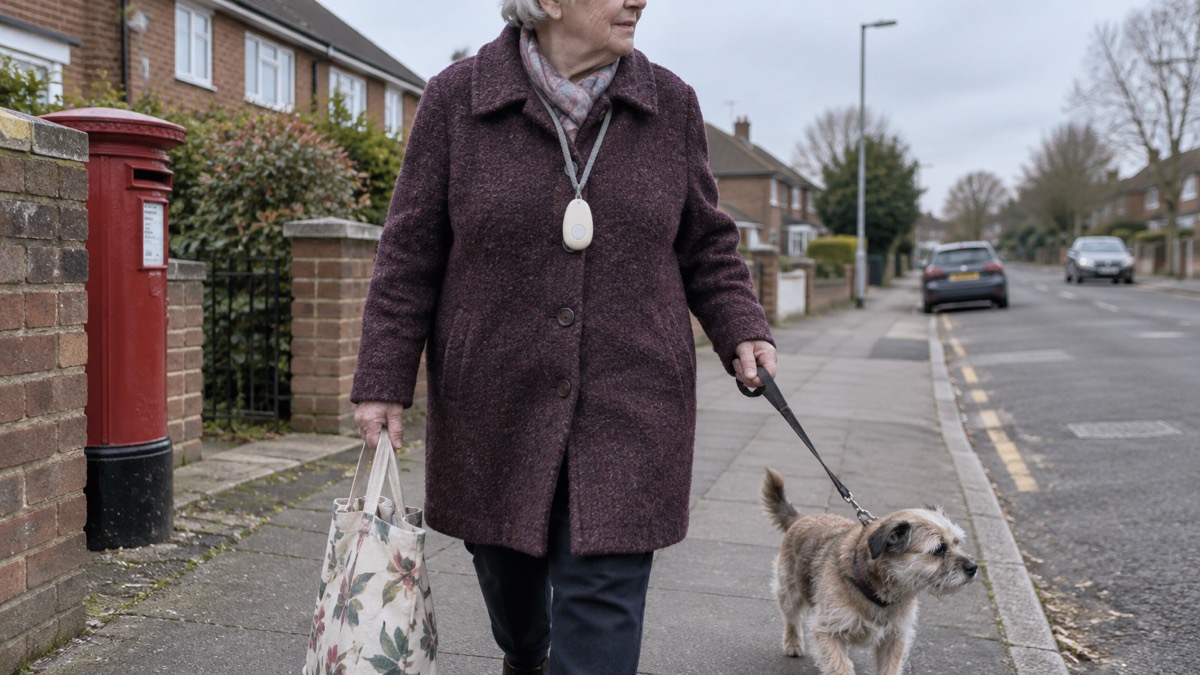
The second is the 3G switch-off. Mobile providers began switching off 3G networks in 2025, which may affect personal alarms that only use 2G or 3G17. If your pendant connects over a mobile network rather than your home phone line, ask the supplier which network it uses and whether it will keep working.
Some newer devices sidestep the landline question entirely. The maker states that newer devices, including the Digital Fall Alarm and Taking Care Anywhere, are unaffected by the digital switchover because they do not use a telephone landline2. If you are choosing a device now, that is worth knowing. If you already have one, the check is a phone call to your provider.
The telecare power cut page explains what happens to an alarm when the electricity goes off, and What Happens When You Press a Personal Alarm covers the response itself.
Where to get help and what to ask
If you are arranging a fall detector through your council, the questions to ask are the same ones you would ask a private provider. Which falls is the device designed to detect? What happens if I fall and it does not detect it? Is fall detection switched on by default, and can it be adjusted? Does the device use a phone line or a mobile network, and is it compatible with the digital switchover? What happens in a power cut?
Telecare services vary across the UK. In Scotland, NHS Inform explains that telecare can include pendant alarms and fall detectors, and that the equipment is arranged through the local council or health and social care partnership19. Carers UK describes fall detectors as a sensor the person wears which sends an alert if the person falls, notifying you or a 24-hour monitoring and response centre7. In Wales, council telecare services such as Anglesey's offer a neck-worn fall detector designed to identify a serious fall that leads to unconsciousness and immobility and raise an automatic call to the monitoring centre14. In England, arrangements are through the local authority; the Extra Help section brings the routes together.
A fall detector is one part of a wider plan. Pair it with a personal alarm you can press, a key safe so responders can get in, and a neighbour or family member who checks on you. The key safes guide and the carer's emergency plan cover those pieces. And if you are weighing up a smartwatch against a monitored alarm, the comparison page sets out the difference.
Sources (19)
- Falls Detector Package FAQs, Taking Care, 2026-10-29
- Digital Fall Alarm FAQs, Taking Care, 2026-10-29
- Falls Detector FAQs, Taking Care, 2026-10-29
- Blue Light Personal Alarms, Taking Care, 2026-10-29
- FAQS Product - Taking Care Anywhere v2, Taking Care (taking.care)
- The Landline Switchover, National Grid, 2026-10-25
- Technologies to Make Life Easier, Carers UK, 2026-10-25
- FAQS Product - Digital Fall Alarm, Taking Care (taking.care)
- Falls Detector Package FAQs v2, Taking Care, 2026-10-29
- Taking Care Anywhere FAQs, Taking Care, 2026-10-29
- Personal Alarm Watch, Taking Care, 2026-10-29
- Fall Alarm for the Elderly, Taking Care, 2026-10-29
- GPS Fall Detector FAQs, Taking Care, 2026-10-29
- What's Available From the Telecare Service, Isle of Anglesey County Council, 2026-10-29
- How Fall Alarms Work, Taking Care, 2026-01
- Taking Care GO Anywhere FAQs, Taking Care, 2026-10-29
- 2G and 3G Alarm FAQs, Taking Care, 2025
- Switchover to Digital Landlines, South Gloucestershire Council, 2026
- Telecare, NHS Inform Scotland, 2026-10-29
 Carer's Emergency Plan
 Herbert Protocol Form
 In Case of Emergency Card
 PSR After Moving House
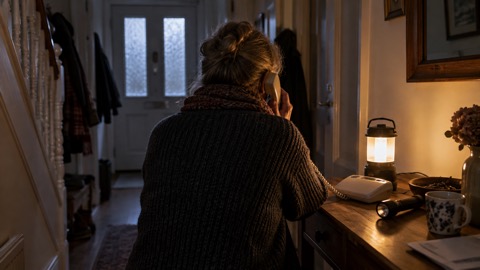 Telecare Alarm in a Power Cut
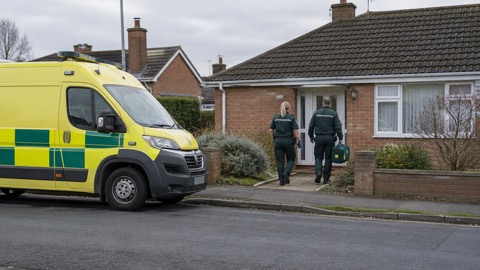 Pressing Alarm but Cannot Speak
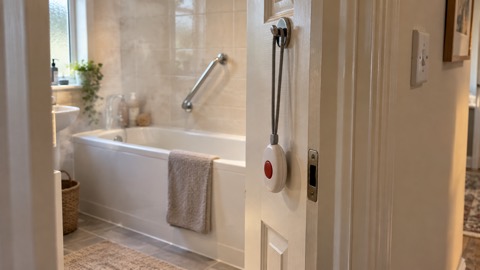 Alarm Pendant in Bath or Shower
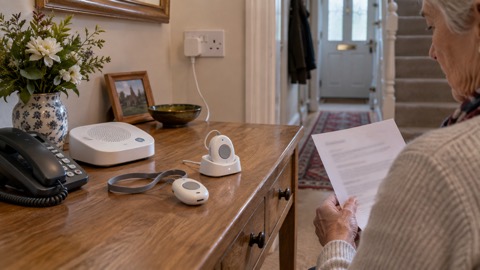 Pendant Battery Life
 Free Locking Cooker Valves
 Herbert Protocol
 Cared-For Person Missing
 Refer for a Fire Safety Check
 Testing Alarms With Mobility
 Electric Blankets and Dementia
 Bathroom Falls Prevention