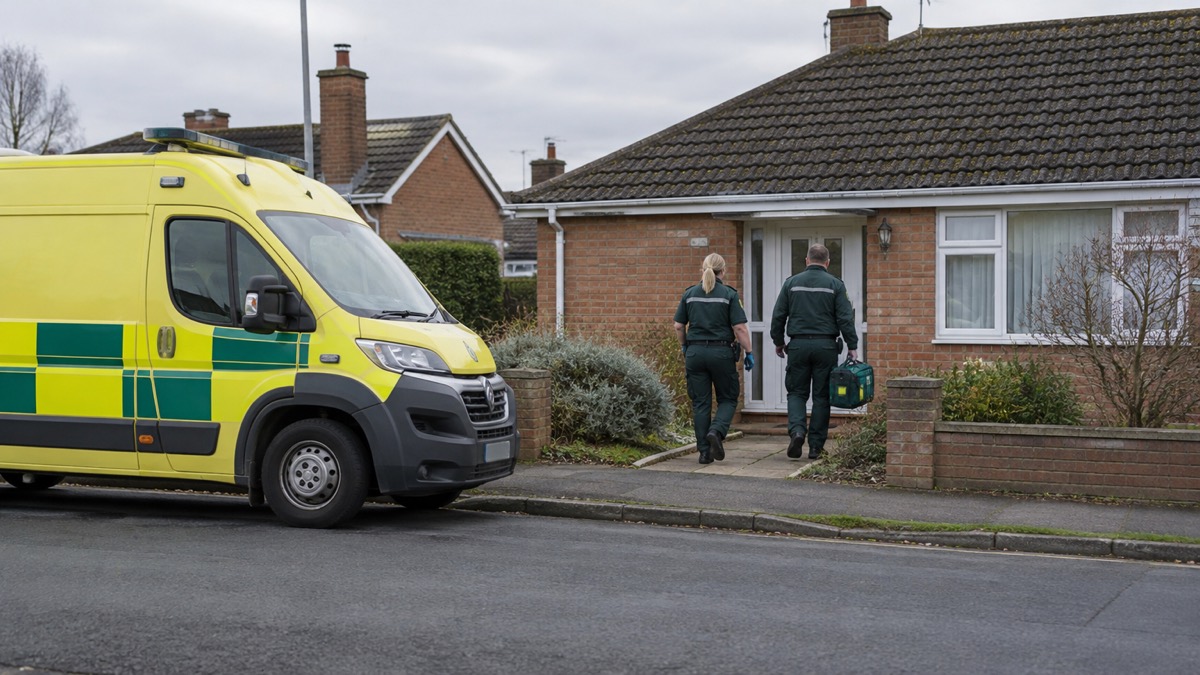
If you press your personal alarm and cannot speak, the call still goes through to a monitoring centre, and a trained member of staff assesses the situation, checks whether you are okay and takes appropriate action. That action can include calling a family member, a friend or the emergency services1. The operator will usually talk to you through the device and will know which device has triggered the alarm2. Silence on your end is not treated as a mistake.
What you can do now is make sure the centre has what it needs to act without your voice. Keep your contact list current, know how your alarm works including any passwords or codes3, and check that your device is compatible with your phone line before the switch to digital calls reaches you4. If you cannot speak on the phone at all, set up the EmergencySMS text service on your mobile so you have a second route to 9995.
This page explains what happens after a silent press, who gets called, what to prepare, where a pendant alarm cannot help, and how to test your alarm without sending responders to your door.
What happens when you press the button and say nothing
A monitored personal alarm does not depend on you explaining yourself. When you press the pendant, or when a sensor detects a problem, the lifeline calls the control centre. There, a trained member of staff assesses the situation, checks if you are okay and takes appropriate action, which could include calling a family member, a friend or the emergency services1. The operator will talk to you, usually through the device, get you the help you need, and will know which device has triggered the alarm2. A council-run telecare monitoring service describes the same promise in plain terms: if you sound the alarm, they will contact a family member, carer or the emergency services8.
That is the design. The centre is not waiting for a conversation; it is working from the information it holds about you and from what it can hear in the room. A silent press is therefore not a failed press. It is a press where the operator has to work a little harder, which is why the details you give your provider matter so much.
There is a difference between a personal alarm and a smoke alarm, and it is worth being clear about it. A personal alarm calls a centre that answers. If you live somewhere a smoke alarm might not be heard, or you could not get out in response to one, the fire and rescue service advises making sure you have a suitable plan in place to aid escape, including the introduction of assistive technology if required9. A monitored alarm is one form of that technology.
Calls with no answer are treated as an emergency
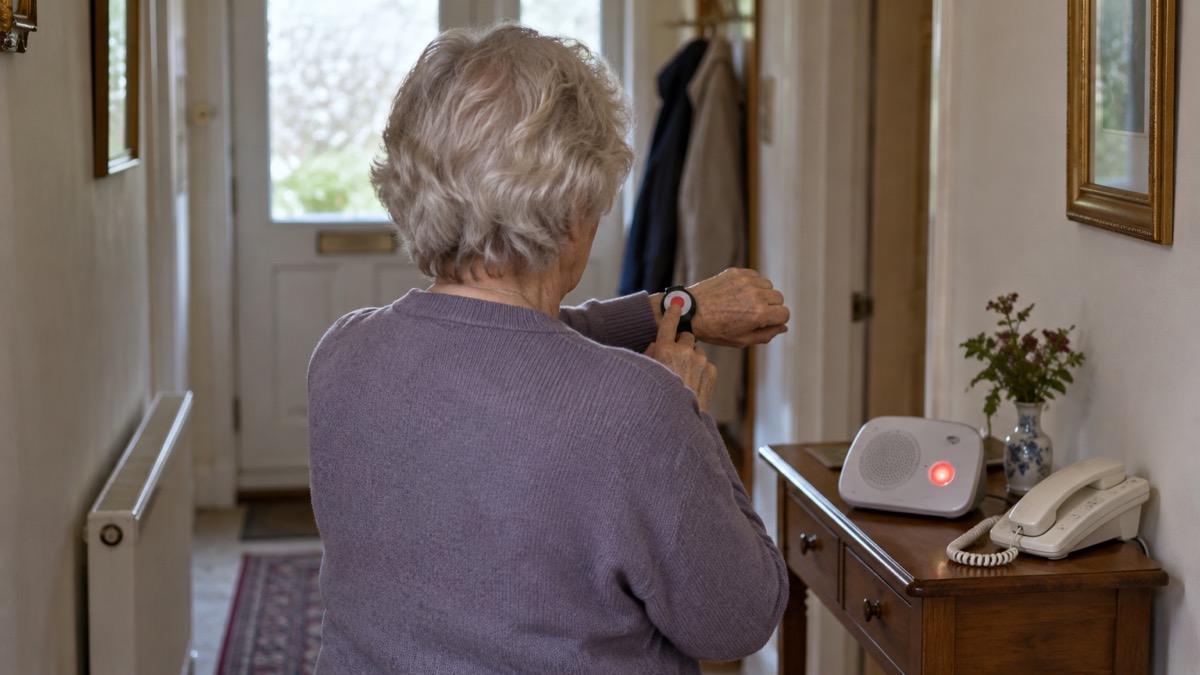
The centre's job is to establish whether you are safe, and it will keep working at that. Because the operator knows which device has triggered the alarm2, a press from a fall detector or a pendant tells them something even before anyone speaks. From there, the response follows the plan held on your record: a family member, a carer or the emergency services8.
If you can make any sound at all, do. If you cannot, the centre will act on what it has. The practical preparation is to make sure the record is right, because that is what the operator falls back on.
If you are the neighbour or carer on the other side of this, the fire and rescue service has clear advice for an alarm sounding repeatedly at a neighbour's home: try to contact them, and if you cannot, call 999. Do not attempt to enter the property yourself10.
Who the response centre contacts first
The order of contact is set by the information you have given your provider, not by a fixed national rule. The council telecare service says it will contact a family member, carer or the emergency services8. The Warwickshire description of monitored assistive technology says the trained member of staff assesses the situation, checks if you are okay and takes appropriate action, which could include calling a family member, a friend or the emergency services1. In practice, the first call is usually to you through the device, then to the people you have named.
That makes your contact list the single most useful thing you can control. Think about who should be called first, who can get to you fastest, and who holds a key. If your first contact is away, the centre needs a second. If your circumstances change, tell the provider.
| What the centre may do | What it relies on |
|---|---|
| Speak to you through the device | The device working and the line being live2 |
| Call a family member or friend | The contact details on your record1 |
| Call a carer | The contact details on your record8 |
| Call the emergency services | Your address and access arrangements1 |
For a fuller picture of the sequence, see what happens when you press a personal alarm.
Getting your details and key safe ready
The centre can only act on what it knows. The fire and rescue service advises that you make sure you know how your house or personal alarm works, including any passwords or codes3. That cuts both ways: you need to know how to use it, and the centre needs the codes and details that let it, or the people it calls, get to you.
A key safe is part of that picture. If responders or family are to get in without breaking a door, they need the code, and the code needs to be on your record with the alarm provider as well as with the people you trust. The same applies to any door entry system in a flat.
If you cannot mobilise or evacuate in response to a sounding alarm, the fire and rescue service advises making sure you have a suitable plan in place to aid escape, including the introduction of assistive technology if required9. The same advice is given for people using home oxygen11 and is repeated in guidance for carers13. A personal alarm is part of that plan, not a replacement for it.
- Contact list: the people you would want called, with current numbers.
- Key safe code: held by your alarm provider and your trusted contacts.
- Passwords and codes: make sure you know how your house or personal alarm works, including any passwords or codes3.
- Your address and access notes: including any door entry or concierge arrangements.
- Your medical details: anything a responder would need to know.
For the access side in more detail, see key safes: letting carers and responders in.
Where a pendant alarm cannot help
A pendant alarm is something you wear on your wrist or hang around your neck. If you fall or need help, you can press a button to trigger a call to the response centre6. That is a strong safety net, but it has limits you should know before you rely on it.
The first limit is the phone line. Ofcom warns that your care alarm or telecare device might not work properly on a digital landline4. The switch to digital phone lines means the old copper line that many alarms were designed around is going. If you tell your landline provider in advance, they can help check whether your device will work and make any necessary arrangements, including pausing the change until a safe solution is in place if needed4. Your alarm provider should also be asked to confirm compatibility7. Argyll and Bute Council puts it simply: if you or a relative uses a telecare alarm, also known as a community alarm, contact your provider to check that it is compatible14.
The second limit is power. Do not assume your alarm will keep working after the switch to digital phone lines, or during a power cut7. Ask the company that supplies your alarm what happens to it if the power goes off7. For the full picture, see will a telecare or personal alarm work in a power cut?.
The third limit is the fall itself. A standard pendant needs a press. A fall detector worn on the wrist can detect falls without pressing anything and can activate a call automatically6, which helps if you are unable to press a button. It is not a guarantee: see which falls a fall detector may miss.
The fourth limit is what happens after the call. Falls can increase the risk of fire, because someone who has fallen or is unsteady may find it harder to react quickly, turn off appliances or respond to a smoke alarm15. An alarm gets help on its way; it does not remove the hazard in the meantime.
Testing your alarm without causing a call-out
You should test your alarm, but you should tell the centre first. The standard way to avoid a call-out is to ring the provider, say you are testing, and follow their instructions. The fire and rescue service advises testing your alarms at least monthly by pressing the test button until the alarm sounds16; your personal alarm provider will have its own routine, and it is worth asking for it in writing.
If you do trigger an alarm by accident, do not worry. Some devices have a cancel button, but even if you do trigger an alarm by accident, the support centres are used to this2. If you can speak, tell the operator it was a mistake. If you cannot, they will follow their checks, which is another reason to keep your details current.
For smoke alarms, the advice is not to disable them. If your smoke alarm goes off by mistake, do not take out the batteries; just wait for it to stop, and many alarms have a hush button that can be pressed to temporarily silence an alarm17. Pressing and releasing the test button pauses the alarm, and it will then automatically return to full sensitivity within 10 minutes18. If a smoke alarm is beeping or behaving unusually with no sign of fire, press the test button, consider temperature changes such as heating turning off at night, and check for dust and insects19. If it still beeps after the battery is changed, contact a qualified electrician for advice and to check your electrical supply20.
If you cannot speak on the phone at all
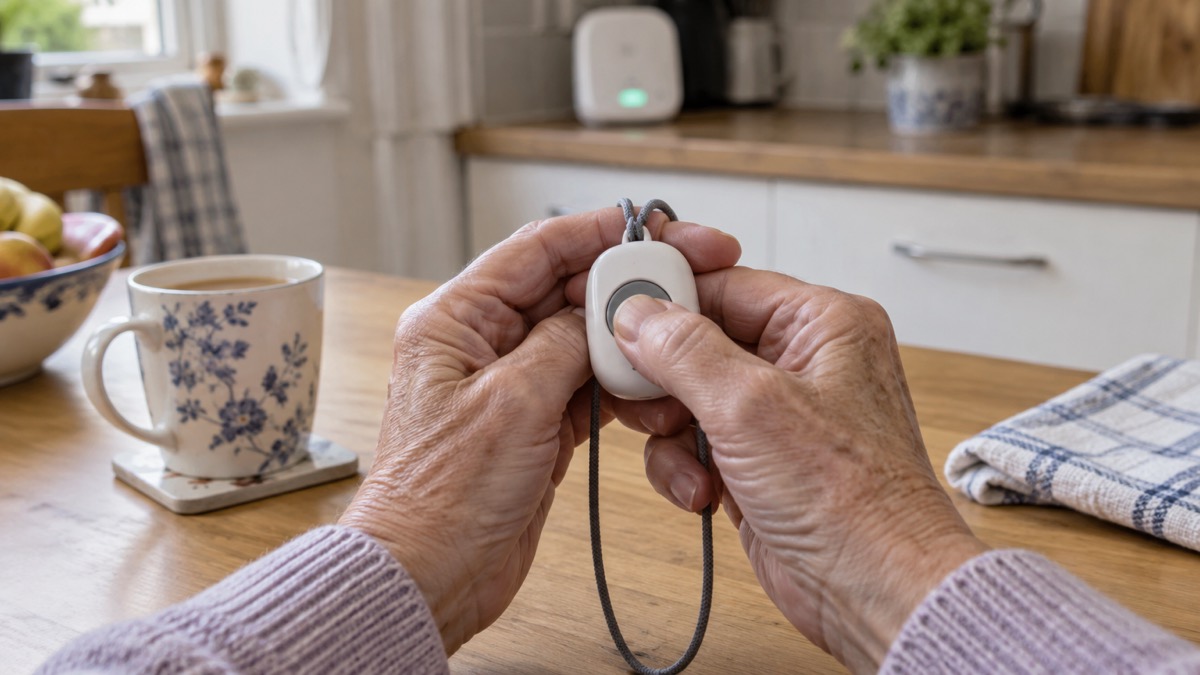
A personal alarm is one route to help. A mobile phone is another, and it does not require speech. If you cannot hear or speak on the phone, you can send an SMS text message to 999 in an emergency through the EmergencySMS service5. It is designed for people with hearing loss or difficulty with speech21, and it is available to anyone who cannot make voice calls22. British Sign Language users can use 999 BSL23.
Even if you have no signal on your usual mobile network, calling 999 will automatically connect through another mobile network if one is available4. That is worth knowing, but it applies to voice calls; the text service is the route for a silent caller.
If someone stops breathing, loses consciousness or does not respond to stimulation, phone 999 immediately and ask for an ambulance25. Do not wait to see whether the alarm has worked.
For more on the alternatives, see personal alarm or mobile phone for an older person living alone and deaf and hard of hearing households in an emergency.
Sources (25)
- Assistive technology, Warwickshire County Council, 2026-10-29
- Technology to keep you safe at home, Independent Age, 2026
- Fire safety for people with mobility difficulties, Devon and Somerset Fire and Rescue Service, 2026
- The future of landline calls, Ofcom, 2026-08-26
- Additional support when accessing 999, Welsh Ambulance Service NHS Trust, 2026-10-29
- Telecare, NHS Inform, 2024-08-13
- Landlines, National Grid, 2026-10-26
- Telecare, Lincolnshire County Council, 2026-10-29
- Additional advice for carers, Greater Manchester Fire and Rescue Service, 2026-10-29
- Smoke alarms, Cheshire Fire and Rescue Service, 2026-07-27
- Additional advice for carers of home oxygen users, Greater Manchester Fire and Rescue Service, 2026-10-29
- Additional advice for carers of home oxygen users, Greater Manchester Fire and Rescue Service, 2026-10-29
- Additional advice for carers, Greater Manchester Fire and Rescue Service, 2026-10-29
- Digital phone switchover, Argyll and Bute Council, 2026
- Slips, trips and falls, Cheshire Fire and Rescue Service, 2026-05-20
- Talk to your children about fire safety, Devon and Somerset Fire and Rescue Service, 2026
- Fire safety information for residents living in high rise flats operating a ‘Stay Safe’ policy, Greater Manchester Fire and Rescue Service
- Smoke alarms, Dorset and Wiltshire Fire and Rescue Service, 2026-02-17
- Smoke alarm and carbon monoxide detector advice, Lincolnshire County Council, Lincolnshire County Council
- Smoke alarms, South Wales Fire and Rescue Service, 2026-08-20
- Preventing accidents, Just One Norfolk NHS, 2026-10-28
- Using 999 with speech or hearing impairment, Yorkshire Ambulance Service NHS Trust, 2026-10-29
- Fire safety information for residents living in flats operating a stay safe policy, Greater Manchester Fire and Rescue Service, 2026-10-29
- Fire safety information for residents living in flats operating an evacuation strategy, Greater Manchester Fire and Rescue Service, 2026-10-29
- What to do in a heart emergency, NHS Inform, 2026-07-15
 Carer's Emergency Plan
 Herbert Protocol Form
 In Case of Emergency Card
 PSR After Moving House
 Telecare Alarm in a Power Cut
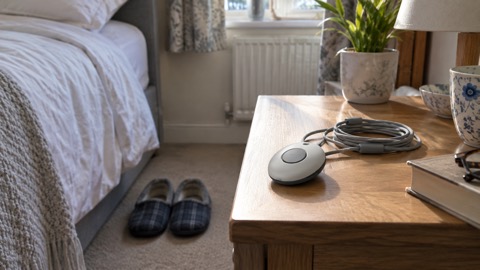 Falls a Fall Detector May Miss
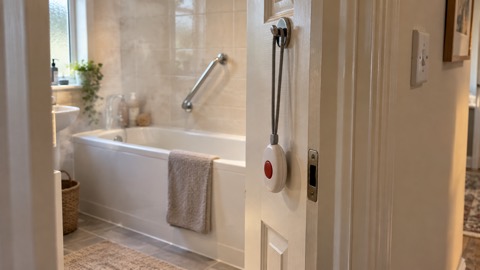 Alarm Pendant in Bath or Shower
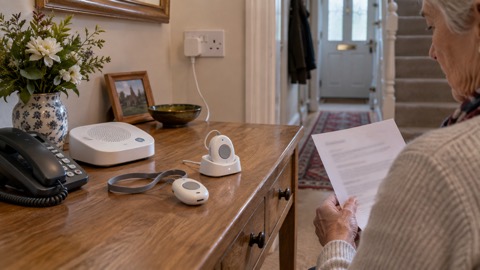 Pendant Battery Life
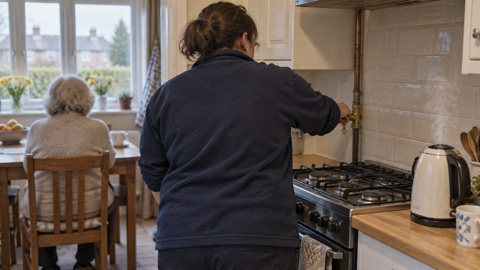 Free Locking Cooker Valves
 Herbert Protocol
 Cared-For Person Missing
 Refer for a Fire Safety Check
 Testing Alarms With Mobility
 Electric Blankets and Dementia
 Bathroom Falls Prevention