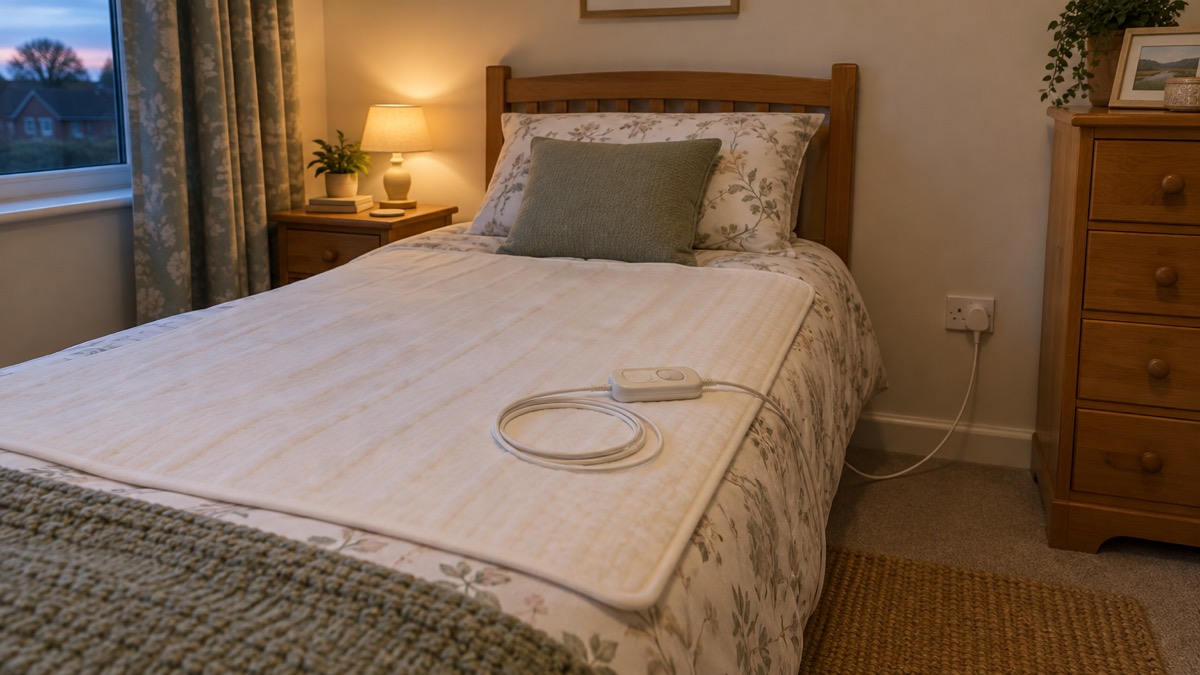
An electric blanket can be a real comfort to someone with dementia on a cold night, but it carries a risk that ordinary households do not face. North Wales Fire and Rescue Service warns that electric blankets can be dangerous for people with impaired memory, because overheating can cause a fire1. The same service says electric blankets are one of the leading causes of bedroom fires, particularly for older people2.
The core problem is that a person with dementia may not remember the blanket is on, may lie on top of it, may fold it or cover it, or may not recognise the smell of overheating. Fire services report that electric blankets cause hundreds of fires a year3, and that fires caused by electrical appliances and electric blankets have the highest rate of injury, with 440 injuries for every 1,000 fires4.
That does not mean the blanket must go. It means the decision needs to be made with the risks in view, and the checks and alternatives below put in place. If you are supporting someone with dementia more broadly, our guide to dementia and emergencies covers the wider picture.
Electric blankets can cause a fire for someone with memory problems
The danger is not that the blanket is faulty in every case. It is that the person using it cannot reliably manage it. Dementia is a substantial factor in increasing the risk of injury or death from fire in the home, according to Dorset and Wiltshire Fire and Rescue Service9. That service's Home Fire Safety Advisors have attended dementia awareness sessions so they understand the different types of dementia and the signs to watch for9.
The specific fire risks that dementia creates include leaving cooking unattended, misunderstanding the sound of a smoke detector and not taking appropriate action, and not recognising the property they live in, which reduces their ability to get out safely and in time10. An electric blanket adds a heat source close to the body and to bedding, in the room where the person is least supervised.
Surrey County Council lists people with mental health issues including dementia and memory loss among those more at risk from fire11. The risk is compounded at night, when the person is asleep or drowsy and no one is watching.
Why overheating is the main risk
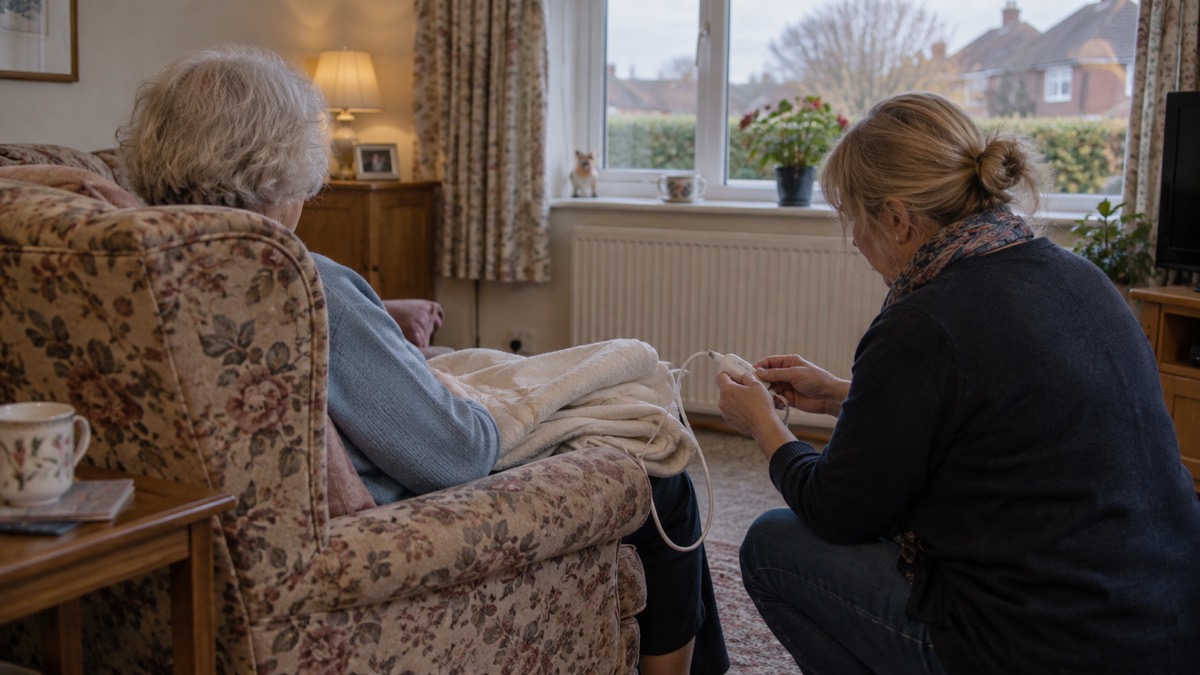
Overheating is the mechanism behind most electric blanket fires, and it can happen in several ways. The blanket's own heating element can fail. The cable can fray. The blanket can be folded, creased or covered so heat cannot escape. Or it can be left on far longer than intended.
Product safety notices show how this plays out in practice. A recall of the B&Q GoodHome Saturnia Electric Blanket in December 2025 warned of a risk of fire and electric shock because an electric component can overheat, and that this could result in the product or the surrounding furniture overheating and catching fire12. A safety report on Dunelm Warm and Cosy Electric Blanket Cables in July 2026 found a risk of fire because the copper wire within the cable can fray, which may cause localised overheating and fire during normal use13.
Other recalls tell the same story. Hamilton McBride Single, Double and King Size Electric Blankets were recalled in October 2024 because the heating element can overheat, which could result in the blanket catching fire or burning users14. The Snuggla King Size Electric Blanket was recalled in February 2025 as it may overheat while in use, with a serious risk of fire and burns15. The Online Home Shop Electric Heated Blanket was recalled in April 2023 as a serious risk of fire that may not meet electrical safety regulations, and it may also pose a risk of electric shock16.
For a household without memory problems, a blanket left on is a nuisance. For someone with dementia, it can be a fire they do not notice until it is well established.
If you still use one: the checks to make
If you decide to keep using an electric blanket, the checks below are the minimum. They are drawn from fire and rescue service guidance and should be repeated at the start of each winter and whenever the blanket has been stored.
- Check it regularly for wear and damage18. Look for the danger signs listed by Warwickshire County Council: scorch marks, fraying fabric, exposed elements, creasing or folding, soiling, damp patches, damaged or missing tie tapes, worn flex, loose connections, and old BEAB safety marks. If you see any of these, have the blanket checked or replaced3.
- Consider replacing a blanket over 10 years old. The Electrical Safety Council recommends that if your blanket is over 10 years old you should consider disposing of it safely and buying a new one7.
- Do not buy second-hand. Suffolk's fire safety guidance advises trying not to buy second-hand blankets and checking regularly for wear and tear19.
- Never use it wet or damp, and never switch it on to dry it out7.
- Turn it off and store it flat, not rolled up, when not in use4.
- Never use it with a hot water bottle4.
- Unplug it before getting into bed, unless it has a thermostat control designed for safe all-night use5.
- Contact the manufacturer if in doubt about its safety20.
If you are unsure whether a blanket is safe, many fire and rescue services run free electric blanket testing. Oxfordshire County Council, for example, ran electric blanket safety check locations in September and October 2026, with advice from the fire and rescue service, Trading Standards, Age UK, the district councils and Public Health England21. Norfolk County Council's winter guidance points people to Electrical Safety First for electric blanket advice22.
Safer ways to keep someone with dementia warm at night
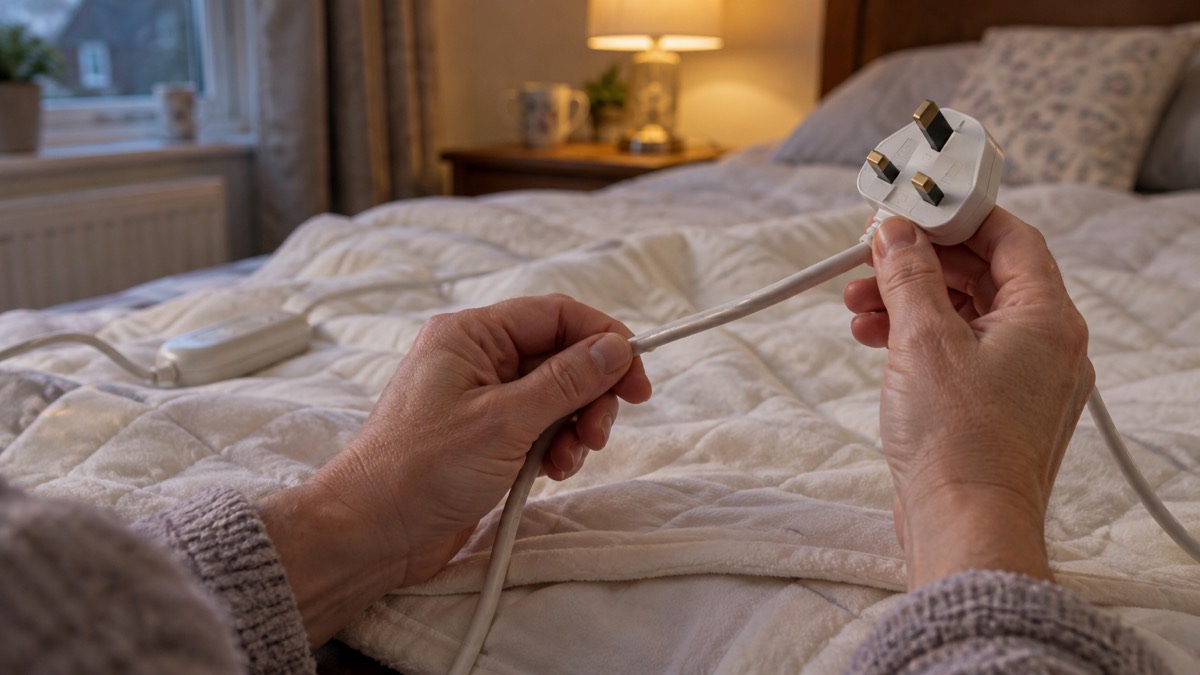
For many households, the safer answer is to warm the bed before the person gets in, then switch the blanket off and unplug it. That gives the comfort of a warm bed without leaving a heat source on through the night.
Norfolk and Suffolk Integrated Care Board acknowledges that electric blankets and portable heaters can be a great way to stay warm, but says it is important that they are used safely23. The same principle applies to any heat source: it is the unattended, forgotten or covered heat source that causes trouble.
Other ways to keep warm at night, drawn from official guidance:
- Layered clothing and blankets. The government's power cut guidance advises keeping warm by using blankets and layered clothing, keeping doors of unused rooms closed and closing curtains to keep the heat in24.
- A hot water bottle, used on its own. NHS guidance says you can use a hot water bottle or an electric blanket, but not both at the same time, to keep warm while you are in bed25. Belfast City Council's winter guidance makes the same point: an electric blanket can be dangerous if left on overnight unless it has a safe all-night setting, and should never be used with a hot water bottle26.
- Keep the room warm rather than the bed. Cumberland Council's keeping warm guidance advises avoiding using an electric blanket with a hot water bottle to prevent the risk of electrocution6. Northern Ireland's nidirect service gives the same warning27.
- A blanket in the emergency kit. Scotland's Ready Scotland guidance includes blankets in the home emergency kit28, which is useful if the heating fails.
Where to get fire safety help for someone with dementia
You do not have to work this out alone. Fire and rescue services across the UK offer free home fire safety visits, and many tailor them to people with dementia and their carers.
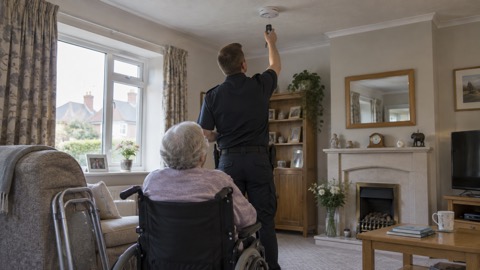
North Wales Fire and Rescue Service says that if you or someone you know has dementia, they can visit and make the home as safe as possible1. Dorset and Wiltshire Fire and Rescue Service's Home Safety Visit request form allows you to specify if the person has an impairment that may mean they need specialist fire or smoke detection and alarm equipment, which can be fitted free of charge10. London Fire Brigade says it even fits free smoke alarms if the person you care for needs them29.
Some services go further. North Yorkshire Fire and Rescue Service's enhanced visits include advice about health and wellbeing, including support on giving up smoking, avoiding falls, keeping the home warm and living with dementia30. Its standard visits can also give advice on where to find support with those things31. London Fire Brigade offers free sessions for carers and the person they care for, to talk about how to prevent fires32.
A home fire safety visit can also pick up on other risks. One customer with hearing aids was given equipment that would wake him if there was a fire when he takes his hearing aid out at night, plus a blanket8.
To arrange help:
- Contact your local fire and rescue service and ask for a home fire safety visit. Say that the person has dementia and that you are their carer.
- Ask about specialist alarms if the person has hearing or sight loss, or would not wake to a standard alarm.
- Ask an occupational therapist about wider home safety. North Wales Fire and Rescue Service says you can contact one through your doctor's surgery or through social services1.
- Never leave lit candles unattended1. If the person uses candles, consider battery-powered lights instead; our guide to emergency lighting explains the options.
If you are arranging support more widely, our pages on fire risk for older and disabled people and how to refer a vulnerable person for a fire safety check go into more detail. For the person who may go missing, see what to do if the person you care for goes missing.
Sources (32)
- Dementia fire safety, North Wales Fire and Rescue Service, 2026-10-29
- Electric blanket safety, North Wales Fire and Rescue Service, 2026-10-29
- Electric blankets and portable heaters safety, Warwickshire County Council, 2026-10-29
- Older person safety, Mid and West Wales Fire and Rescue Service, 2026-10-29
- Electric blankets, Manchester Fire and Rescue Service, 2026-10-29
- Keeping warm, Cumberland Council, 2026
- Home fire safety, Northern Ireland Fire and Rescue Service, 2026-10-14
- Home safety visits, Dorset and Wiltshire Fire and Rescue Service, 2026
- Advice for dementia sufferers, Dorset and Wiltshire Fire and Rescue Service, 2025-11-19
- Home safety partnerships, Dorset and Wiltshire Fire and Rescue Service, 2026
- Fire safety at home tips, Surrey County Council, 2026-08-24
- Product recall: B&Q GoodHome Saturnia Electric Blanket, GOV.UK, 2025-12-15
- Product safety report: Dunelm Warm and Cosy Electric Blanket Cables, GOV.UK, 2026-07-20
- Product recall: Hamilton McBride electric blankets, GOV.UK, 2024-10-31
- Product recall: Snuggla King Size Electric Blanket, GOV.UK, 2025-02-17
- Product recall: Online Home Shop electric heated blankets, GOV.UK, 2023-04-04
- Heating your home, North Yorkshire Fire and Rescue Service, 2026-03-09
- Electrical safety, North Yorkshire Fire and Rescue Service, 2026-09-14
- Fire safety in the home, Suffolk County Council, 2021-11
- Keeping warm and well during winter, Lancashire County Council, 2026-10-29
- Free electric blanket testing, Oxfordshire County Council, 2026-09
- Stay well this winter, Norfolk County Council, 2026-10-29
- Stay warm and nourished, Norfolk and Suffolk Integrated Care Board, 2026-10-16
- Be informed about hazards: power cuts, Prepare, 2026-10-21
- Winter health, Hanham Health, 2026-10-29
- Stay warm at winter, Belfast City Council, 2026-10-29
- Staying warm in winter, nidirect, 2026-10-06
- Emergency kit, Ready Scotland, 2026-10-22
- Sprinklers, London Fire Brigade, 2026-10-25
- Frequently asked questions, North Yorkshire Fire and Rescue Service, 2026-08-18
- Book a safe and well visit, North Yorkshire Fire and Rescue Service, 2026-03-09
- Specialist health equipment, London Fire Brigade, 2026-10-25
 Carer's Emergency Plan
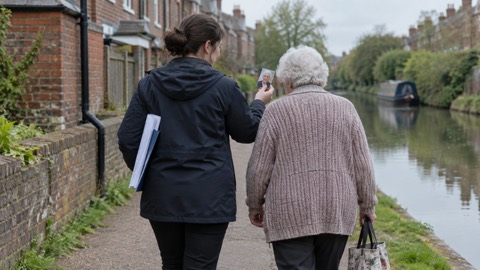 Herbert Protocol Form
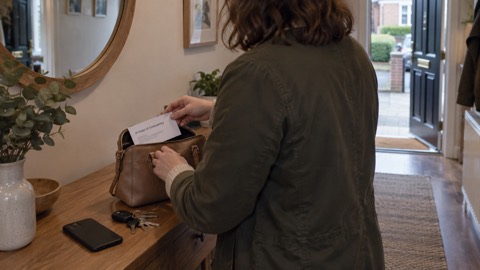 In Case of Emergency Card
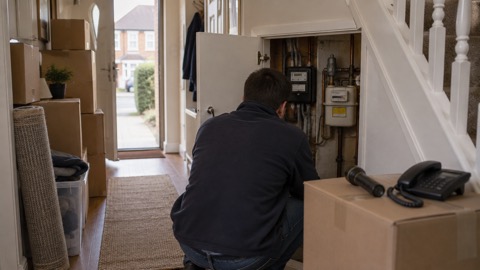 PSR After Moving House
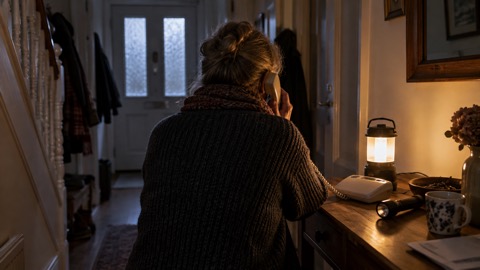 Telecare Alarm in a Power Cut
 Pressing Alarm but Cannot Speak
 Falls a Fall Detector May Miss
 Alarm Pendant in Bath or Shower
 Pendant Battery Life
 Free Locking Cooker Valves
 Herbert Protocol
 Cared-For Person Missing
 Refer for a Fire Safety Check
 Testing Alarms With Mobility
 Bathroom Falls Prevention