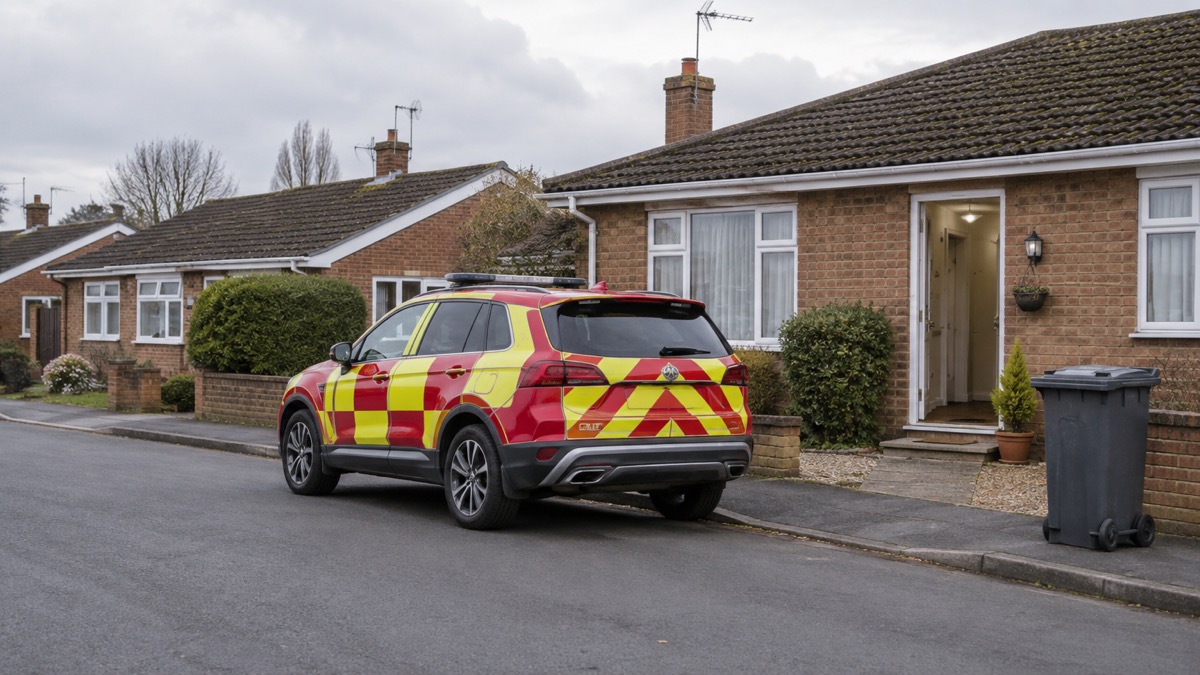
If you are worried about someone's fire safety at home, you can ask their local fire and rescue service for a free home fire safety visit. You do not have to be a professional, and you do not have to live with them. A relative, friend, neighbour or care worker can make the referral, as long as the person agrees to it1.
The visit is for people who are more vulnerable to fire, whether because of age, mobility or mental health2. During it, fire service staff give advice on spotting hazards and, where they identify a risk, can fit free smoke alarms and heat detectors3. Some services ask you to complete an online home fire safety checker first, and will book an in-person visit if the answers show a higher risk5.
The most important step is consent. Fire services ask that you have the person's permission to share their information before you refer them6. Tell them you are making the referral, then contact the service for the area where they live. This guide sets out who to contact, who qualifies, what happens on the day, and the risks worth watching while you wait.
Who to contact, and how to make the referral
Referrals go to the fire and rescue service that covers the person's home, not your own. Each service runs its own route. Some ask you to complete an online home fire safety checker first, which assesses the level of risk in a household through a series of questions and gives tailored advice; if an in-person visit is recommended, you are redirected to the booking form5. Others take a referral form or a phone call.
In Greater Manchester, for example, you refer the person you are supporting using the Online Home Fire Safety Check tool, or by telephoning 0800 555 815 if you do not have internet access6. In Northern Ireland, partner agencies apply through the Northern Ireland Fire and Rescue Service referral form, and all other referrals go through the Online Home Fire Safety Check8. In Mid and West Wales, you can call 0800 05 02 999 or complete the online referral form7.
If you are not sure which service covers the person, search for the fire and rescue service by the name of their council area. The Fire Kills campaign, run by the Government, also points people to their local service for a free visit2.
Who qualifies for a home fire safety visit
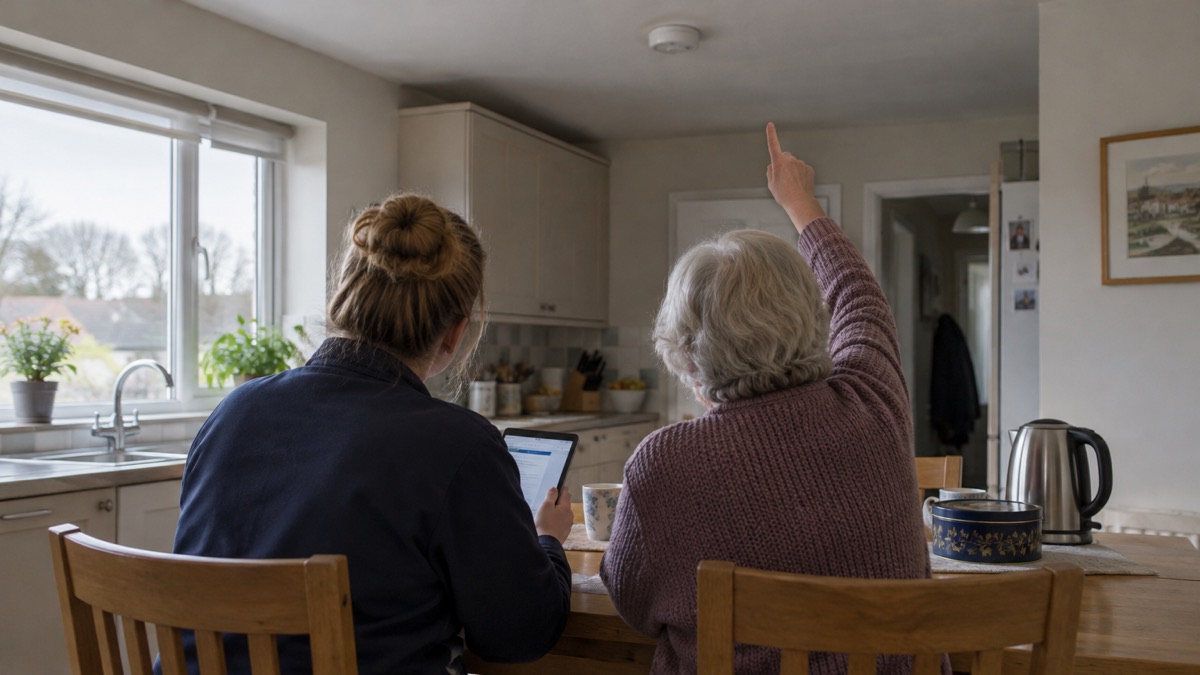
Services describe the visit as being for people who could be at high risk or could benefit from one3. The clearest official description is that a local fire and rescue service may offer a free home fire safety visit if you or someone you know may be particularly vulnerable to fire due to age, mobility or mental health2.
Beyond that headline, services use their own eligibility criteria. One service says it determined its criteria using information from various sources, including personal factors, lifestyle factors and the home environment, plus incident data and partner agencies7. Another lists the circumstances that justify a referral, which give a good picture of who these visits are designed for9:
- aged 65 or older
- a physical disability or mobility issues
- a sensory impairment, audio or visual
- reliance on external agencies to live independently at home
- mental health problems that may lead to unsafe practices with fire, cooking, heating or hoarding of combustible materials
- learning difficulties or cognitive impairment that can lead to confusion
- returning from hospital and possibly vulnerable to the risk of fire
- being physically unable to keep the property in a safe condition through a lack of fire awareness or ability
- evidence of burn marks on bedding, furniture or carpet
Some services also take referrals from carers specifically. One says it relies on maintaining communication with carers to refer vulnerable members of the community for a Safe and Well Check10. Another says carers can refer residents for a Safe and Well Check11.
The case for acting is strong. If the person you are worried about lives alone, a referral is worth making.
Getting the person's consent before you refer
Consent is the step people most often get wrong, and it matters. Fire services ask professionals and concerned others to make sure they have the person's permission to share their information before making a referral on their behalf6. One service puts it plainly: obtain consent for you to contact us to request a home visit, then fill out the agency referral form12.
In practice, that means a conversation before any form is filled in. Explain what the visit is, that it is free, and that someone will come to the home to give advice and possibly fit alarms. Then ask whether they are happy for you to pass their details on. The same guidance says you should tell the person being referred that you are making the referral11.
There are two special referral routes where the usual consent conversation may not fit:
- Threat of arson. If you are referring someone because of a threat of arson, one service asks you to complete its online form for that purpose14.
- Domestic abuse. One service runs a separate form designed to refer high risk domestic abuse victims who are at risk of arson threats15.
If someone is in immediate danger, do not wait for a referral. Ring 999.
What happens during the visit
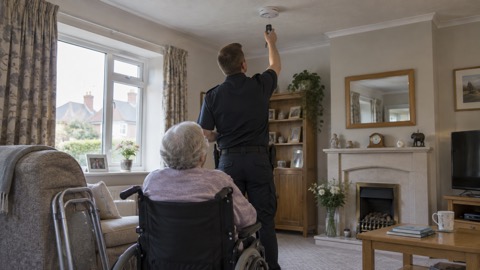
A visit is a conversation and a check, not an inspection with consequences. Services describe it as personalised fire safety advice, with smoke alarms fitted where needed for higher risk households4. One service says its team will visit the home to give personalised fire safety advice and fit smoke alarms where needed4.
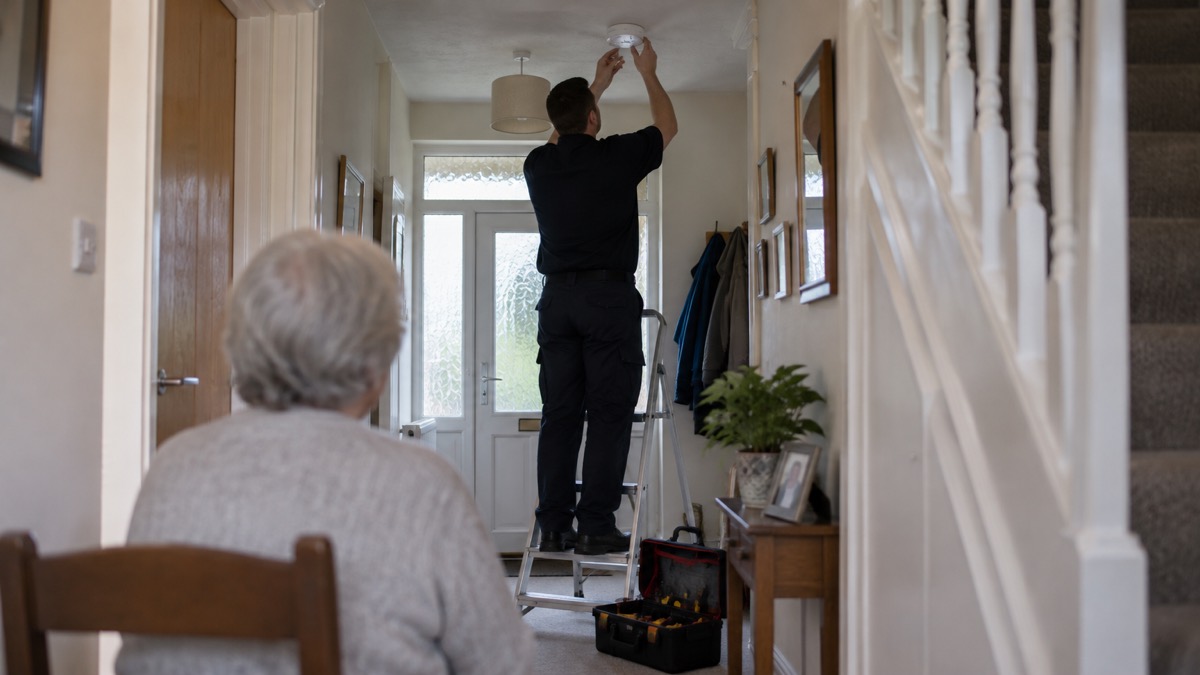
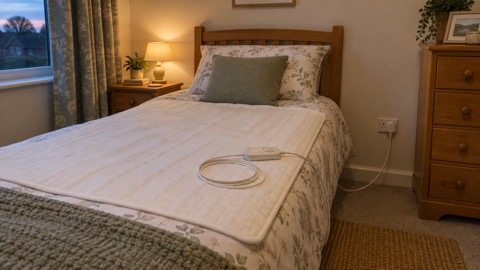
The advice covers how to spot fire hazards in the home, including the safe use of smoking materials, candles, heaters and electric blankets, and understanding dangers from harmful substances17. Where a risk is identified, services provide and install free smoke alarms and heat detectors, and alarms for people who are Deaf or hard of hearing16.
You do not have to leave the person to it. One service notes that sometimes it is useful for a family member, friend, neighbour or care worker to be present to provide support during the visit18. Being there helps you hear the advice first hand and ask questions about anything you have noticed.
| What happens | What it means for you |
|---|---|
| Risk assessed online first | Complete the checker; you are redirected to a booking form if a visit is recommended5 |
| Appointment arranged | The service contacts the person named in the referral to arrange a visit7 |
| Advice given at home | Personalised fire safety advice, including hazards such as smoking, candles, heaters and electric blankets17 |
| Alarms fitted | Free smoke alarms and heat detectors installed where risk is identified16 |
| You can attend | A relative, friend, neighbour or care worker can be present to support18 |
Fire risks to look out for while you wait for the visit
You do not need to wait for the visit to reduce risk. Carers and relatives can act on the same hazards the fire service looks for. These are the ones services single out for people providing care and support.
Smoking. Smoking materials are a leading cause of fires that kill. If the person you support smokes, keep lighters and matches controlled, use fire-resistant bedding and furniture where possible, and never smoke in bed or where oxygen is in use. Services publish dedicated advice for people providing care and support to smokers19.
Emollient and skin creams. Some skin creams leave residue on bedding and clothing that makes fabrics more flammable. One service publishes specific advice for carers on emollient and skin creams20. If the person uses them, wash bedding and clothing regularly and keep them away from naked flames and heaters.
Home oxygen. Oxygen makes fire burn faster and hotter. One service publishes additional advice for carers of home oxygen users21. Keep oxygen equipment away from flames, heaters and smoking, and follow the supplier's instructions. Our guide to home oxygen therapy covers fire safety and supply interruptions.
Hoarding. Hoarded possessions can block escape routes and add fuel. One service publishes guidance for carers and support workers on hoarding disorder22. Our guide to fire risk for older and disabled people at home sets out the wider picture.
Candles and heaters. The visit advice covers the safe use of candles and heaters17. Keep them clear of fabrics, never leave candles burning unattended, and keep heaters away from furniture and bedding.
Alarms. Check the alarms already in the home work. If the person cannot reach to test them, our guide to testing smoke alarms with reduced mobility explains how to get help. For someone who is deaf or hard of hearing, one service suggests considering a smoke alarm with a strobe light and vibrating pads23. Our guide to deaf and hard of hearing households in an emergency covers this in more detail.
Referring as a professional, and other routes to help
Professionals have their own referral routes. One service says any professional can refer someone for a Home Fire Safety Visit if concerned about their fire safety24. Another describes its heightened risk referral as being for a professional working with a vulnerable client, a landlord with tenants who could be at risk, or someone who looks after a friend or family member in their home12.
Some services also work through partner agencies. One fire service says it provides referral prompt cards to domiciliary care providers, GP practices, reablement teams and other professionals who will potentially be visiting people at home25. If you work in one of those settings, ask whether your organisation has a route already set up.
For families, the Priority Services Register is a separate but useful step. It is a free support service that vulnerable people can sign up to in advance of emergencies, and it includes a nominee scheme to allow vulnerable people to nominate someone to communicate on their behalf. It does not arrange fire safety visits, but it helps during power cuts and supply interruptions, when alarms and heating may fail. Our guide to signing up to Priority Services Registers explains how.
If the person lives alone, our guide to living alone covers staying safe when no one is nearby. If you are a carer, our guide to planning for when you cannot be there helps you put arrangements in place.
Sources (25)
- Home fire safety visits, London Fire Brigade, 2026
- Fire prevention, Fire Kills, 2026
- Home safety visits, Devon and Somerset Fire and Rescue Service, 2026
- Free smoke alarm, North Wales Fire and Rescue Service, 2026
- Booking a home fire safety visit, London Fire Brigade, 2026
- Home Fire Safety Assessment, Greater Manchester Fire and Rescue Service, 2026
- Request a Safe and Well Check, Lincolnshire County Council, 2026
- Home Fire Safety Check, Northern Ireland Fire and Rescue Service, 2026
- Keep safe and well, Oxfordshire County Council, 2026
- Home safety partnerships, Devon and Somerset Fire and Rescue Service, 2026
- Hoarding disorder, London Fire Brigade, 2026
- Risk referrals, Cheshire Fire and Rescue Service, 2024
- Residential PEEPs factsheet, GOV.UK, 2026
- Arson prevention, Dorset and Wiltshire Fire and Rescue Service, 2026
- Book a Safe and Well visit, North Yorkshire Fire and Rescue Service, 2026
- Request a home safety visit, South Wales Fire and Rescue Service, 2026
- Home fire safety visits, Suffolk County Council, 2026
- Avoiding accidental fires at home, nidirect, 2025
- Do you know a CHARLIE?, Dorset and Wiltshire Fire and Rescue Service, 2025
- Additional advice for carers of home oxygen users, Greater Manchester Fire and Rescue Service, 2026
- Additional advice for those providing care and support to smokers, Greater Manchester Fire and Rescue Service, 2026
- Emollient and skin creams, London Fire Brigade, 2026
- Information for carers, North Wales Fire and Rescue Service, 2026
- Home Fire Safety Check, Northern Ireland Fire and Rescue Service, 2026
- Help from your energy supplier, Buckinghamshire Council, 2026
 Carer's Emergency Plan
 Herbert Protocol Form
 In Case of Emergency Card
 PSR After Moving House
 Telecare Alarm in a Power Cut
 Pressing Alarm but Cannot Speak
 Falls a Fall Detector May Miss
 Alarm Pendant in Bath or Shower
 Pendant Battery Life
 Free Locking Cooker Valves
 Herbert Protocol
 Cared-For Person Missing
 Testing Alarms With Mobility
 Electric Blankets and Dementia
 Bathroom Falls Prevention