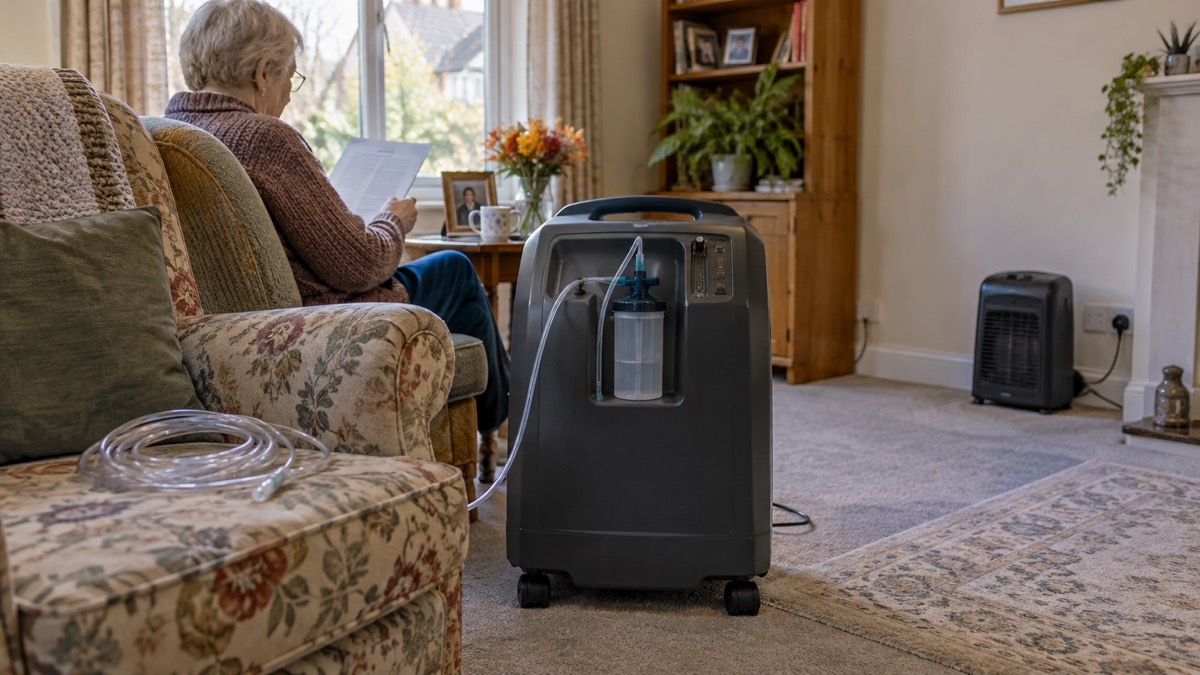
Home oxygen therapy lets thousands of people across the UK treat lung conditions in their own homes, and when it is used correctly it is safe1. But oxygen changes how fire behaves in a house. Oxygen itself is not flammable, yet it creates an oxygen-enriched environment in which fires start more easily and burn much faster and hotter2. Even at low flow rates, medical oxygen can saturate everyday items such as clothing, furniture and carpets, creating conditions where a fire ignites and spreads rapidly3.
The rules that follow are short and practical. Nobody should smoke or vape anywhere in the home while oxygen equipment is in use3. Keep oxygen at least 3 metres from naked flames, including gas and electric cookers4. Oxygen stays in clothing for up to 20 minutes after the equipment is switched off, so air clothing outside before going anywhere near a flame5. And every floor of the home needs a working smoke alarm, tested at least once a month6.
Why oxygen makes fire more dangerous
Oxygen is not a fuel and it will not burn on its own. What it does is feed combustion. West Yorkshire Fire and Rescue Service explains that oxygen creates an oxygen-enriched environment, meaning fires can start more easily and burn much faster and hotter2. Mid and West Wales Fire and Rescue Service puts it plainly: oxygen significantly increases flammability, making materials that would not normally catch fire easily much more combustible5.
This matters most in the minutes around actual use. A fire can start and spread extremely quickly if a heat or ignition source, such as a cigarette, heater, candle or even static electricity, is present while oxygen is in use or within 30 minutes after it is switched off2. The oxygen-rich atmosphere stays within clothing and furnishings, creating an increased risk of rapid fire spread, a particular risk for smokers6. Devon and Somerset Fire and Rescue Service adds that oxygen is highly explosive when exposed to naked flame, dirt or grease, which is why cleanliness around the equipment matters as much as distance from flames6.
The risk is not theoretical or limited to the person using the oxygen. Extra oxygen in the air makes any fire in the home burn more quickly8, and the use of medical oxygen will further intensify any fire that starts, including one that begins on bedding or a pressure-relieving mattress5. For anyone who smokes while using oxygen, Manchester Fire and Rescue Service warns that hair, including facial hair, becomes enriched with oxygen and extremely flammable9.
No smoking or vaping, and the 30-minute rule
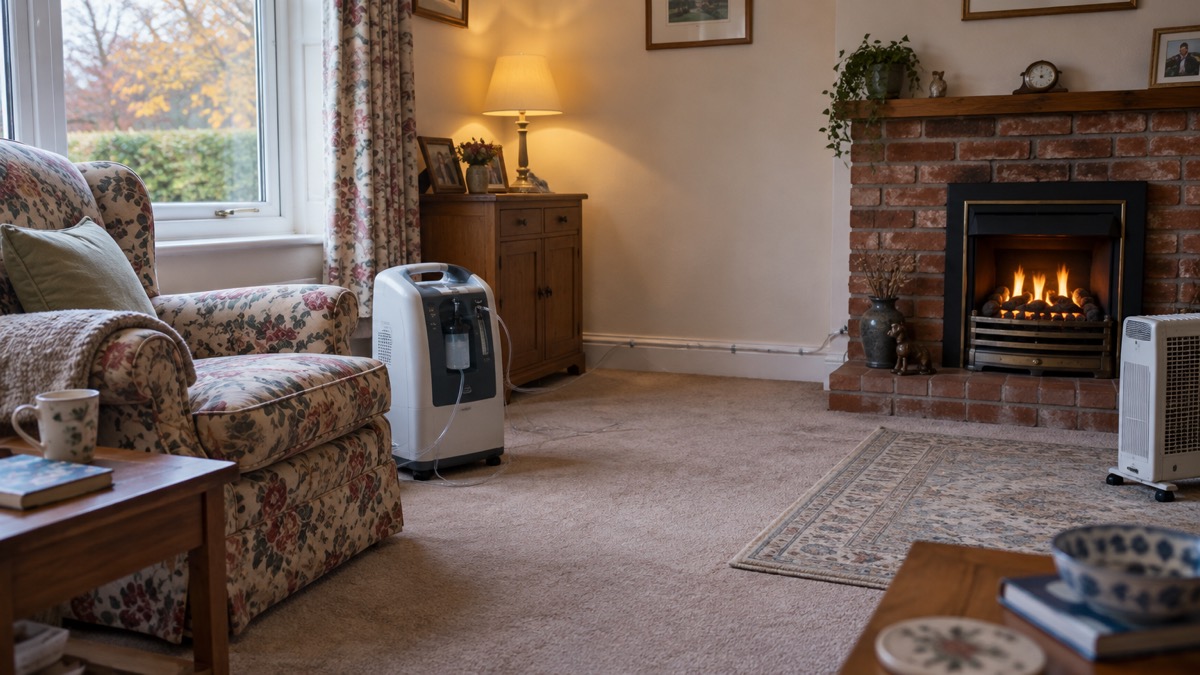
The single most important rule in this page is also the simplest: never smoke or let anyone else smoke while you are using oxygen10. The Scottish Fire and Rescue Service extends this to e-cigarettes and to everyone in the household: do not smoke or use electronic cigarettes in the home when oxygen therapy equipment is in use, even when medical oxygen is used at low flows3. An NHS patient information leaflet is equally direct: do not smoke or vape, or let anyone else smoke or vape near you, when using your oxygen or near your oxygen concentrator, cylinder, tubing or equipment, as it is extremely dangerous7.
If you do smoke, timing matters. Devon and Somerset Fire and Rescue Service advises that you should not use your oxygen supply for at least 30 minutes after you have finished smoking6. The same 30 minutes applies in reverse if you cannot keep a safe distance from an ignition source: turn off your oxygen and wait 30 minutes for the oxygen to evaporate from your clothing7. For home oxygen users who smoke, stopping smoking will improve your fire safety, and support to quit is available through your GP11.
Visitors and carers are covered by the same rules. Never smoke, or let anyone else smoke near you, while using your oxygen equipment5, and do not be close to someone using an e-cigarette when using your oxygen1. If a carer or visitor cannot stay at least 3 metres away with any lit cigarette or vape, the oxygen should be switched off and 30 minutes allowed to pass first7.
How far from flames, heaters and cookers
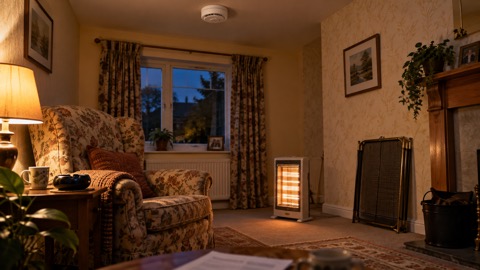
Fire services agree that oxygen must be kept away from heat sources, but their stated distances differ. Government fire safety guidance says do not use oxygen near naked flames, including gas and electric cookers, and that 3 metres is a safe distance4. The Northern Ireland Fire and Rescue Service also recommends a minimum of 3 metres from any open flame, including gas and electric cookers12. North Wales Fire and Rescue Service advises at least six feet from flames or heat sources such as gas cookers, paraffin or gas heaters, candles, cigarettes, cigars and fireplaces10. An NHS leaflet for home oxygen patients says keep at least 10 feet away from sparking objects, naked sources of flame, flammable materials and extreme heat7.
The rules that come with that distance are consistent across every service:
- Keep oxygen equipment away from fires, heaters and naked flames13
- Never cook with gas or an open flame while using home oxygen14
- Ensure oxygen tubing does not pass close to naked flames including gas fires, gas cookers and candles, or hot items such as electric cookers and electric heaters15
- Turn off oxygen equipment when not in use, and never attempt to repair or modify it12
Electrical items: chargers, hairdryers and sparks
Electrical items bring two risks near oxygen: heat, and sparks. The Scottish Fire and Rescue Service advises not charging electronic devices such as phones, tablets, laptops, electronic cigarettes or games consoles in rooms where oxygen is being used or stored3. Government guidance adds never to use electrical appliances such as hairdryers while using oxygen4. If your clothes are saturated with oxygen, contact with a spark can start a fire14.
Around the home generally, Warwickshire Fire and Rescue Service advises medical oxygen users to regularly check electrical cords, plugs and sockets for damage and to avoid extension leads or overloaded outlets16. Lincolnshire's home fire safety advice is to keep electrical appliances clean and in good working order to prevent them triggering a fire, and to make sure appliances are not near water17. One practical habit from the Met Office's thunderstorm advice is worth adopting before any storm: charge mobile phone devices in advance, so you are not forced to charge a phone in an oxygen room during bad weather19.
If you use an oxygen concentrator, which runs on mains electricity, a power cut interrupts your supply along with everything else in the house. Planning for that belongs with your general household backup power arrangements, which are covered in Backup Power at Home: A Household Guide, and households that depend on medical equipment may also benefit from signing up to Priority Services Registers for energy and water.
Oxygen stays in clothing and hair for up to 20 minutes
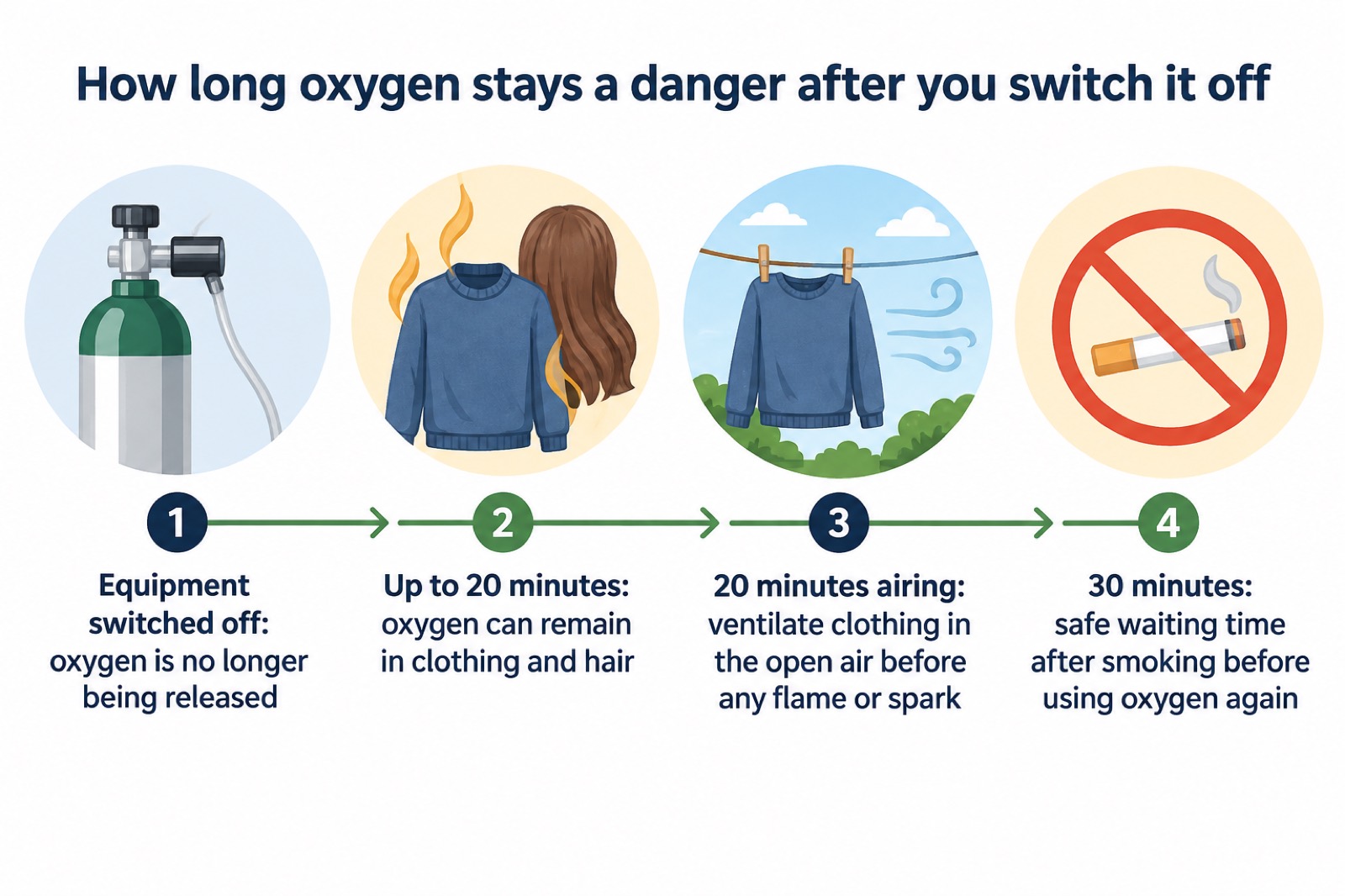
Switching the equipment off does not make the risk disappear immediately. Oxygen can remain in clothing for up to 20 minutes after the oxygen equipment has been turned off, so ventilate your clothing in the open air for at least 20 minutes before smoking or going near an open flame or source of ignition5. Manchester Fire and Rescue Service gives the same figure and the same instruction for home oxygen users14.
This is why the 30-minute rules in the smoking section exist. If you have been using oxygen and want to do anything involving a flame, a spark or a cigarette, the sequence is: turn the equipment off, air your clothing outside, and wait. The NHS leaflet for home oxygen patients summarises it as turning off your oxygen and waiting 30 minutes for the oxygen to evaporate from clothing7. Hair behaves the same way as fabric: it becomes enriched with oxygen and extremely flammable while oxygen is in use9.
Ventilation of the room matters as well as of the clothing. Keep internal doors open when using oxygen: gases can build up and concentrate in a closed room or a confined space, but disperse easily in a well-ventilated room6. The same logic follows you into a car. If oxygen is in use within a vehicle, keep a window open to stop a build-up of oxygen inside7.
Emollient creams: why residue on fabrics burns
Many people who use home oxygen also use emollient creams, liquids, sprays and gels for dry skin, eczema, psoriasis and similar conditions. The creams themselves are safe and vital for the skin conditions they treat20. The danger appears when emollient gets onto fabrics. The dried residue makes the fabric much more flammable, and if an ignition source such as a lighter, cigarette, candle or naked flame touches that fabric, a fire can start quickly and cause serious injury or death21.
Two points are widely misunderstood. First, this is not only about paraffin. New research has shown that all emollients can present a fire risk: products containing paraffin, natural oils or other flammable ingredients all present an increased fire risk when impregnated into fabric22. Prescribers who switch patients to a lower-paraffin or paraffin-free alternative should be aware that this will not reduce the risk24. Second, washing helps but does not solve it. Washing may reduce the build-up, but even freshly laundered materials can still be a fire risk near heat sources22.
| What to do with emollients and fabrics | The advice |
|---|---|
| Washing | Wash frequently at the highest temperature the fabric care instructions allow; this reduces but will not completely remove contamination12 |
| Temperature | Washing at 60°C helps minimise the build-up of paraffin23 |
| Bedding | Wash bedding that could be contaminated daily, at as high a temperature as possible21 |
| Separating loads | Wash contaminated clothing and bedsheets separately so other fabrics do not become contaminated22 |
| After washing | Keep any fabric that has touched an emollient away from heat sources; washing may not totally remove residue23 |
| While contaminated | Do not smoke, cook with gas or electric hobs, or sit close to open fires, gas fires or halogen heaters12 |
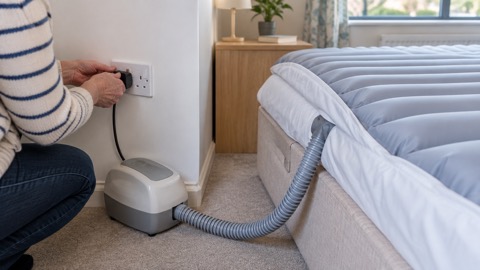
For oxygen users specifically, North Yorkshire Fire and Rescue Service advises never using paraffin or oil-based creams or liquids on your skin if you use oxygen equipment, and speaking to a health professional or carer about a water-based cream instead21. If you use an airflow pressure-relieving mattress, avoid emollient or paraffin-based creams, use a mattress protector washed daily, and ask a healthcare professional about safer alternatives5; the fire risk from these mattresses is covered in Airflow Pressure-Relieving Mattresses: Fire Risk and Power Cuts.
The combination of oxygen and emollient residue is the sharpest risk on this page. The oxygen-rich atmosphere stays within clothing and furnishings, and emollient residue on the same fabrics acts as a combustible6. More than 50 people have died or been seriously injured over the last 10 years after their emollients dried on fabric and caught fire22. Inform all household members and visitors about the fire risks associated with emollient creams25.
Storing cylinders and equipment
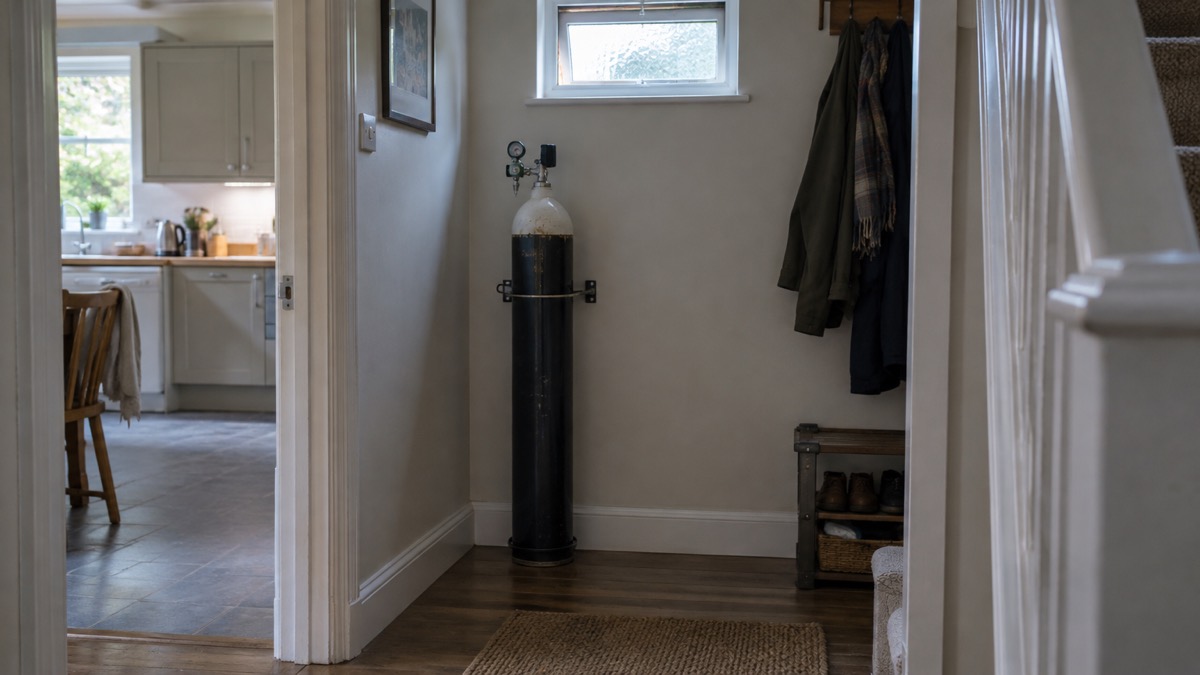
Oxygen cylinders and concentrators need the right home. Devon and Somerset Fire and Rescue Service sets the standard: cylinders must be stored upright, safely out of direct sunlight, in a well-ventilated area that is dry and away from any heat sources, and the storage area must not be used to store paint, oil, grease, any domestic heating gases or other combustible materials6. Government guidance repeats the essentials: out of direct sunlight, well ventilated, always dry and away from heat sources4.
Day to day, keep your equipment clean and dry it properly before using it1. Dirt and grease are not just untidy around oxygen: oxygen can react explosively when exposed to them6. Store the equipment away from heat sources such as gas or electric fires and cookers5, and never attempt to repair or modify it yourself12.
A bulleted check for the storage space:
- Upright cylinders, out of direct sunlight6
- Well ventilated, clean and dry5
- Away from heat sources and naked flames, including fires and cookers5
- No paint, oil, grease, domestic heating gases or other combustibles stored alongside6
- Tubing routed away from flames, cookers, candles and hot items15
Smoke alarms, and telling the fire service
Each floor of your home should have a working smoke alarm, tested at least once a month6. An NHS home fire safety guide gives the same instruction: test all your alarms monthly, and call 999 if fire breaks out26. For a household using oxygen, this is not optional housekeeping; a fire that starts in an oxygen-enriched room spreads far faster than an ordinary fire, so early warning matters more, not less. If you have reduced mobility and find testing hard, there is advice in How to Test Smoke Alarms If You Have Reduced Mobility.
You no longer need to inform the fire service that you use oxygen, unless you wish to request a home visit6. That visit is worth requesting. Fire services such as Warwickshire's will carry out a Safe and Well visit to check the safety in your home if you let them know oxygen therapy is being used there16, and the process is described in How to Refer a Vulnerable Person for a Fire Safety Check. In an emergency, call the fire and rescue service and advise them you are using medical oxygen7.
Carers have a specific role. Manchester Fire and Rescue Service advises carers of home oxygen users to test the person's smoke and heat alarms at least monthly if they are unable to, or to help identify somebody who can, and to include and record fire safety in assessments and care planning27. Carers should also talk to the person they care for about the fire risk of bringing an ignition source close to oxygen, especially smoking materials, naked flames and open fires15. Planning for times when a carer cannot be there is covered in Carers: Planning for When You Cannot Be There.
Who to contact, and when
Different problems belong to different people, and knowing which saves time in a worrying moment.
| The situation | Who to contact |
|---|---|
| Questions or advice about your oxygen equipment | Your oxygen supplier15 |
| Uncertainty about your oxygen itself | Your GP or healthcare provider1 |
| Feeling more unwell, or signs of too much oxygen | Your GP, 111, or DAIRS for advice7 |
| Life-threatening symptoms | 999, requesting an ambulance7 |
| Fire | 999, and tell the call handler medical oxygen is in the home7 |
| A free home fire safety visit | Your local fire and rescue service6 |
For further information or advice regarding your oxygen equipment, contact your supplier15. Keep the supplier's number somewhere obvious, including next to any phone you use most, so it is to hand if equipment fails or you need a replacement cylinder. If you are unsure about your oxygen generally, ask your GP or healthcare provider1.
If you feel more unwell, or notice signs of too much oxygen, call your GP, 111, or DAIRS for advice; if your symptoms feel life threatening, call 999 and request an ambulance7. And if a fire starts, call 999 and tell the fire service that medical oxygen is in use, because that changes how they tackle it7. Households that rely on medical equipment may also want to read What Energy and Water Companies Must Do for Registered Customers.
Sources (27)
- Oxygen at home, Keeping My Chest Healthy (NHS), NHS, 2026-10-25
- Medication and medical devices fire safety, West Yorkshire Fire and Rescue Service, 2026-10-29
- Medical oxygen at home, Scottish Fire and Rescue Service, 2026-10-28
- Fire safety for people with sight, hearing or mobility issues, HM Government, 2022-08-10
- Specialist health equipment in your home, Mid and West Wales Fire and Rescue Service, 2026-10-29
- Specialist health equipment, Devon and Somerset Fire and Rescue Service, 2026
- Health and safety advice for patients on home oxygen, University Hospitals Dorset NHS, 2021-11
- Digital easy read fire safety booklet, London Fire Brigade, 2026
- Additional advice for home oxygen therapy users who smoke, Manchester Fire and Rescue Service, 2026-10-29
- Oxygen at home, North Wales Fire and Rescue Service, 2026-10-29
- Additional advice for home oxygen therapy users who smoke, Manchester Fire and Rescue Service, 2026-10-29
- Home fire safety, Northern Ireland Fire and Rescue Service, 2026-10-14
- Stay warm safely this winter, Manchester Fire and Rescue Service, 2026-10-29
- Home oxygen therapy, Manchester Fire and Rescue Service, 2026-10-29
- Oxygen: advice for carers and social workers, Manchester Fire and Rescue Service, 2026-10-29
- Fire safety using medication and medical equipment, Warwickshire Fire and Rescue Service, 2026-10-29
- Electrical safety, Lincolnshire County Council, 2026-10-29
- Cut the risk of fire in your home, Wiltshire and Swindon Prepared, 2026-10-25
- Stay safe in a thunderstorm, Met Office, 2026-10-25
- Emollients, Manchester Fire and Rescue Service, 2026-10-29
- Emollient creams, North Yorkshire Fire and Rescue Service, 2026-03-09
- Emollients, Devon and Somerset Fire and Rescue Service, 2026
- Emollients, Scottish Fire and Rescue Service, 2024-02-06
- Emollients: advice for carers and social workers, Manchester Fire and Rescue Service, 2026-10-29
- Fire safety using medication and medical equipment, page 2, Warwickshire Fire and Rescue Service, 2026-10-29
- Home fire safety guide, Wirral Community Health and Care NHS, 2025-01-24
- Additional Advice for Carers of Home Oxygen Users - Greater Manchester Fire Rescue Service, Greater Manchester Fire Rescue Service
 Carer's Emergency Plan
 Herbert Protocol Form
 In Case of Emergency Card
 Energy and Water Company Duties
 Personal Alarms
 What Happens When Alarm Pressed
 How Fall Detectors Work
 Airflow Mattress Fire Risk
 Fire Risk at Home
 Dementia and Emergencies
 Falls at Home
 Living Alone Safely
 Sight Loss and Emergencies
 Deaf and Hard of Hearing Safety