Getting Ready
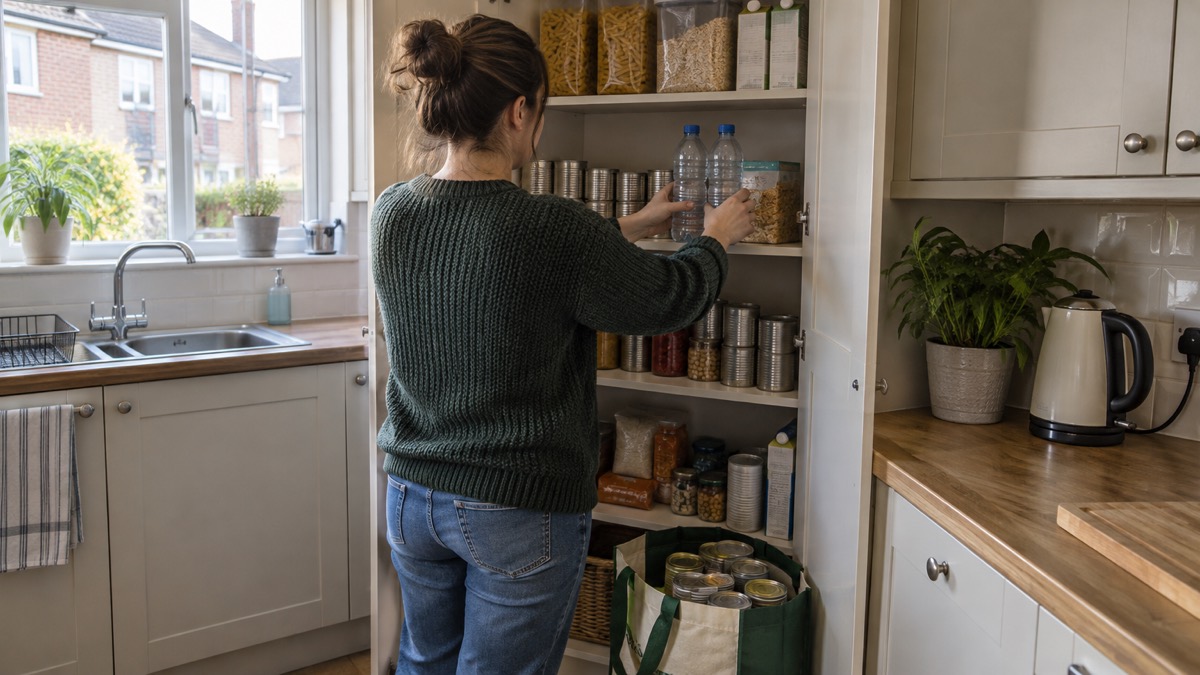
Getting ready means making a household plan, understanding local risks and knowing what UK emergency arrangements and alerts mean for you. Keep at least three days of food, water and essentials, and prepare for problems with drinking water, food safety, heating, cooking and lighting. Plan backup power and ways to stay informed when phones, power or broadband fail.
Getting Started
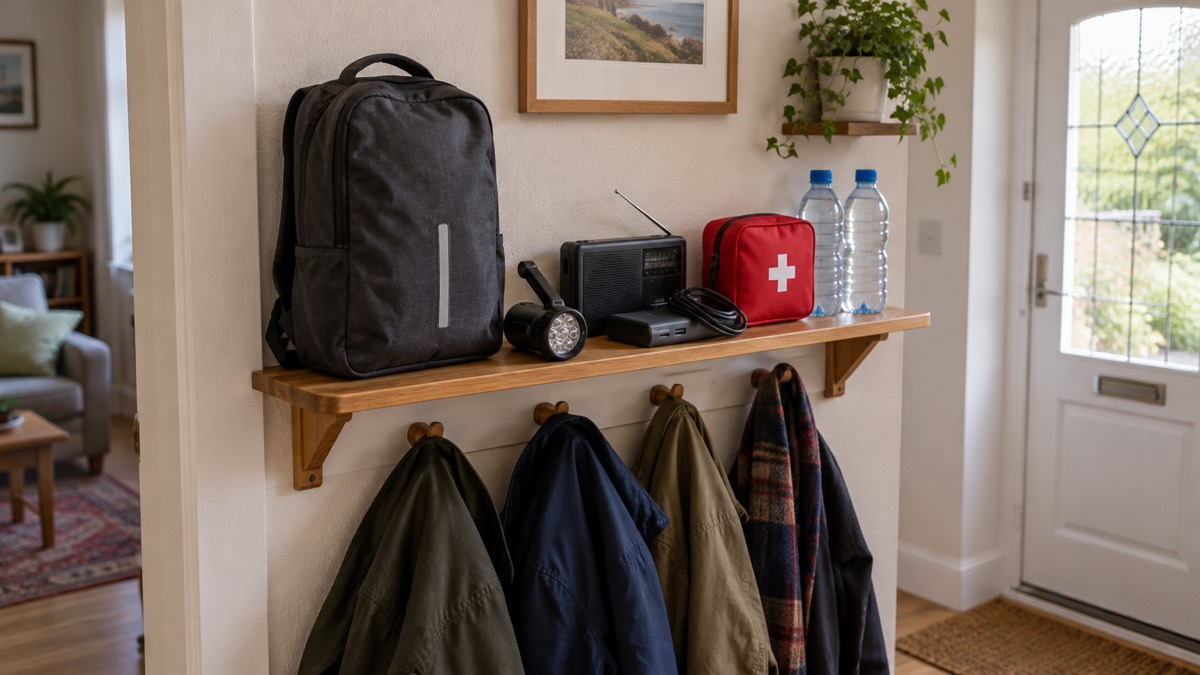
Know what to do first in an emergency, which local risks to check and how to make a household plan. Start with three days of supplies, paper contact numbers, essential medicines and clear arrangements for staying indoors or leaving home safely.
 Household Emergency Plan
 Emergencies to Prepare For
 Community Risk Registers
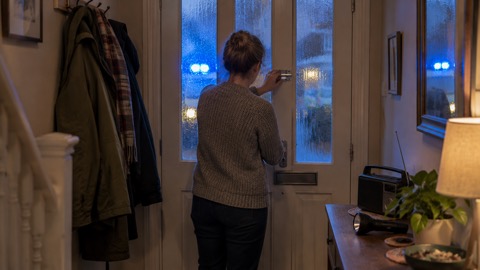 What to Do in an Emergency
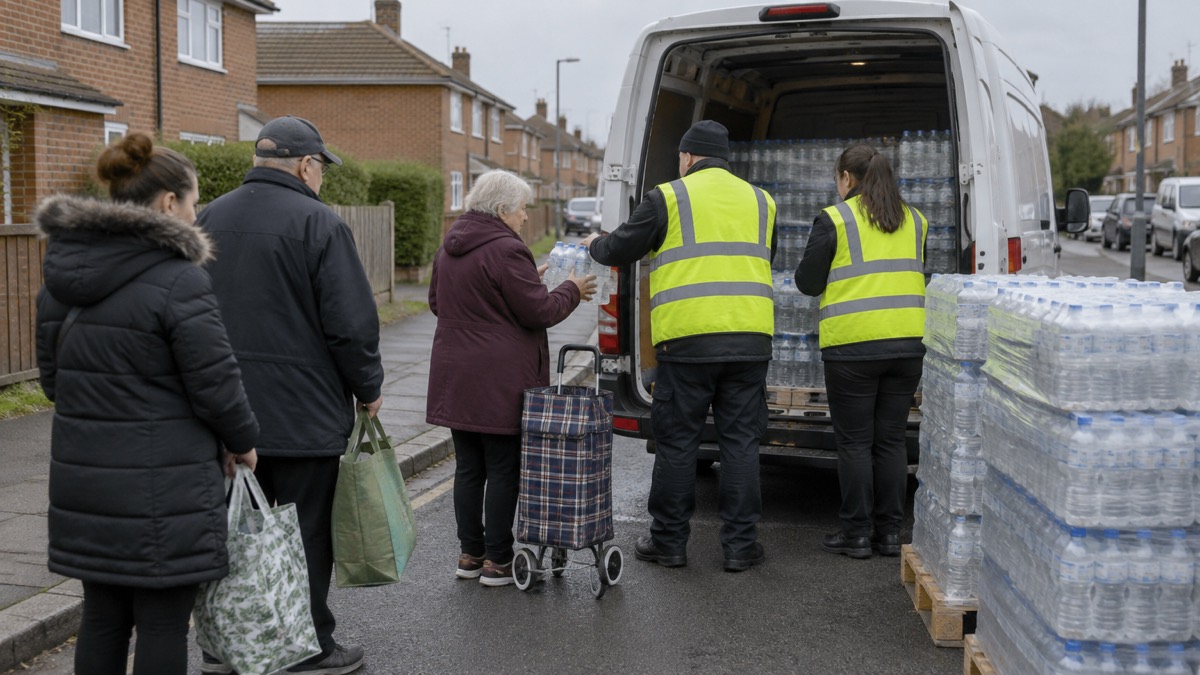
UK Preparedness
Who plans for emergencies where you live, and what should your household do? Learn how local risk registers, responders, councils and Emergency Alerts work, how to find extra help, and which practical preparations remain your responsibility before, during and after an emergency.
 National Risk Register
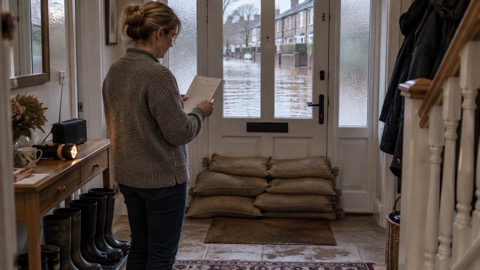 How Emergency Risks Are Scored
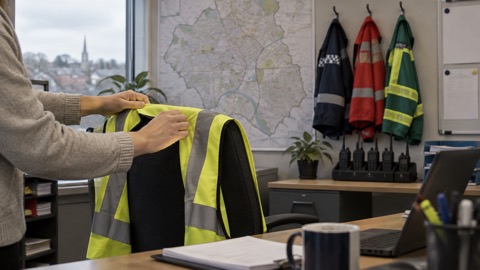 Civil Contingencies Act 2004
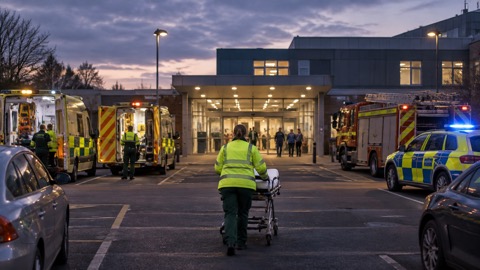 What Counts as an Emergency
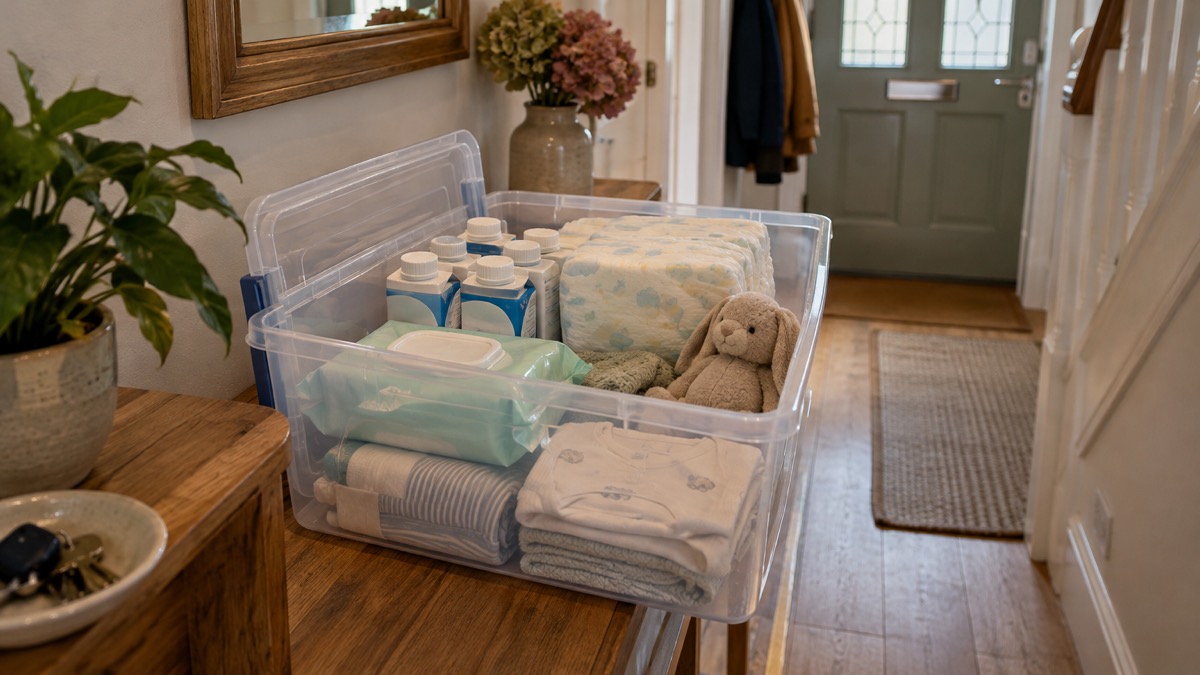
Emergency Kit
What should your household keep ready for a power cut, flood or winter disruption? Start with three days of water, food and essentials at home, a small grab bag for leaving quickly, and a seasonal car kit. See what goes in each, how to store documents and medicines, and how to keep everything ready to use.
All 36 emergency kit guides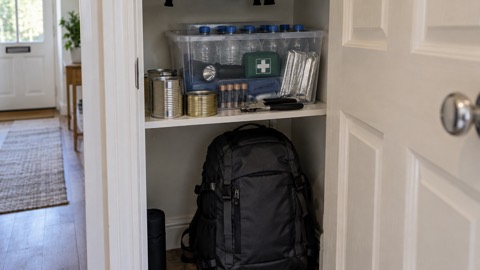 Home Emergency Pack
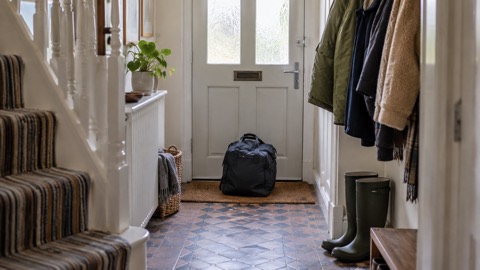 Grab Bags
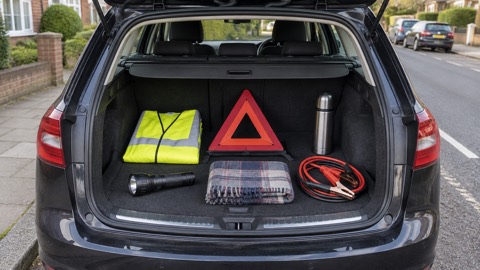 What to Keep in Your Car
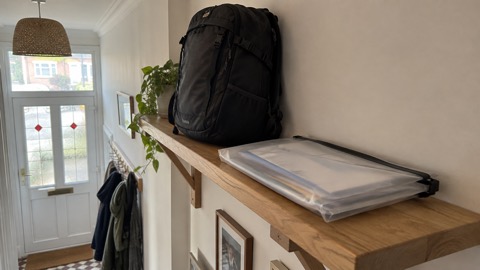 Important Documents
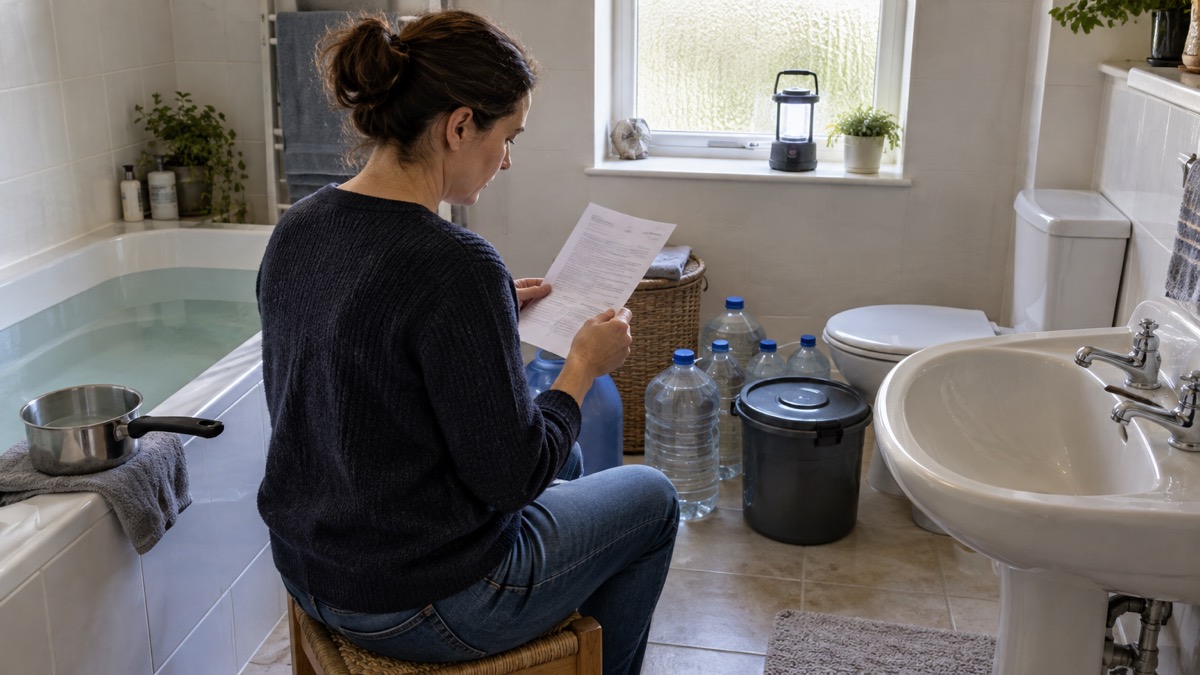
Water
Know what to do if your taps stop, a pipe bursts or your water is unsafe to drink. Prepare three litres of drinking water per person each day for at least three days, learn how to store and treat water, and find out about bottled supplies, priority support and who to contact across the UK.
All 90 water guides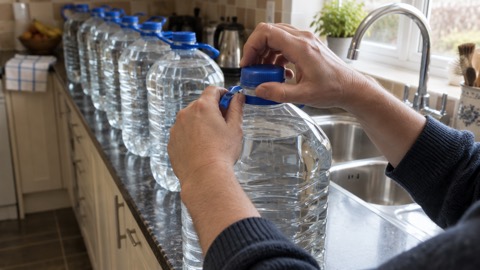 How Much Water to Store
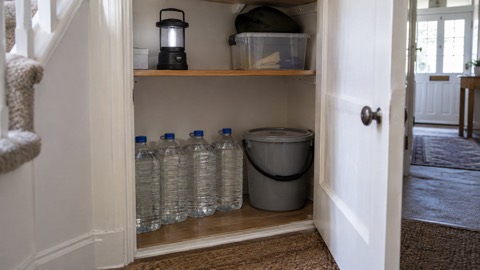 Storing Tap Water Safely
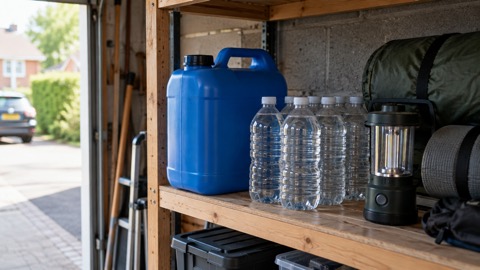 Containers and Jerrycans
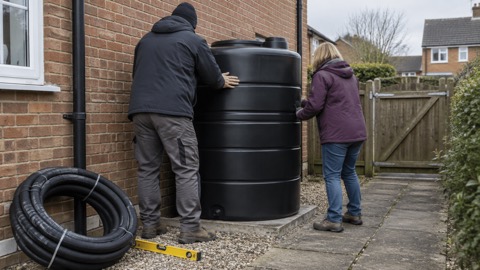 Household Storage Tanks
Food
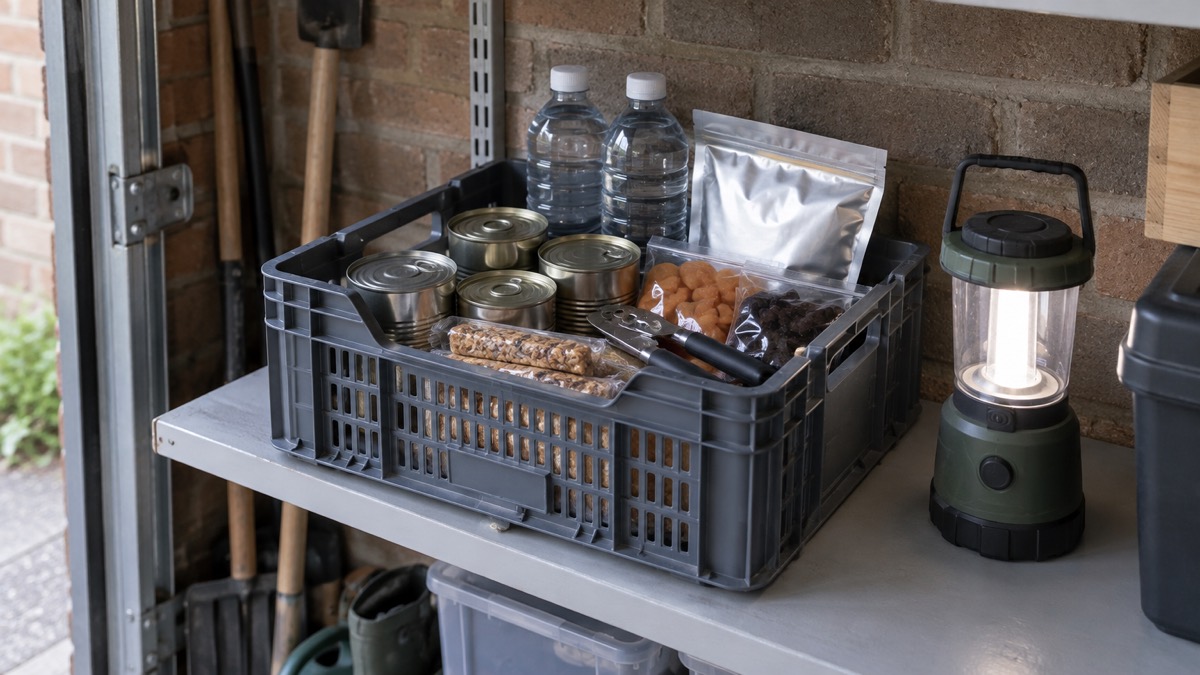
What food should you keep for an emergency, and what should you eat first if the power fails? Start with three days of non-perishable food, including meals that need no cooking. Learn how to rotate your store, feed babies and pets, keep hands clean when water is short, recognise food poisoning and find food help.
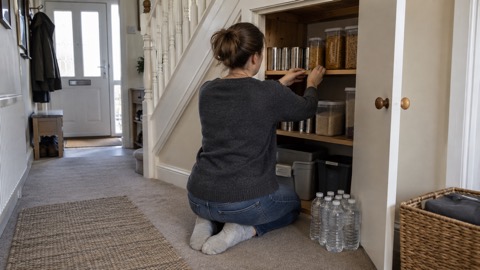 How Much Emergency Food to Store
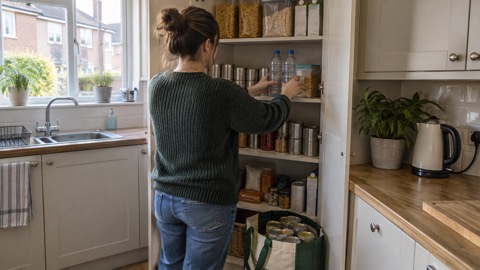 What to Store in an Emergency
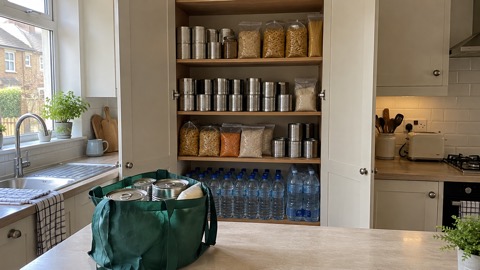 Starting a Store Cupboard
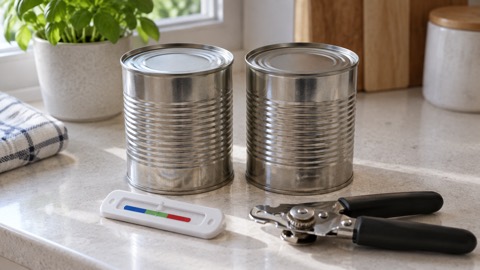 Shelf Life and Date Labels
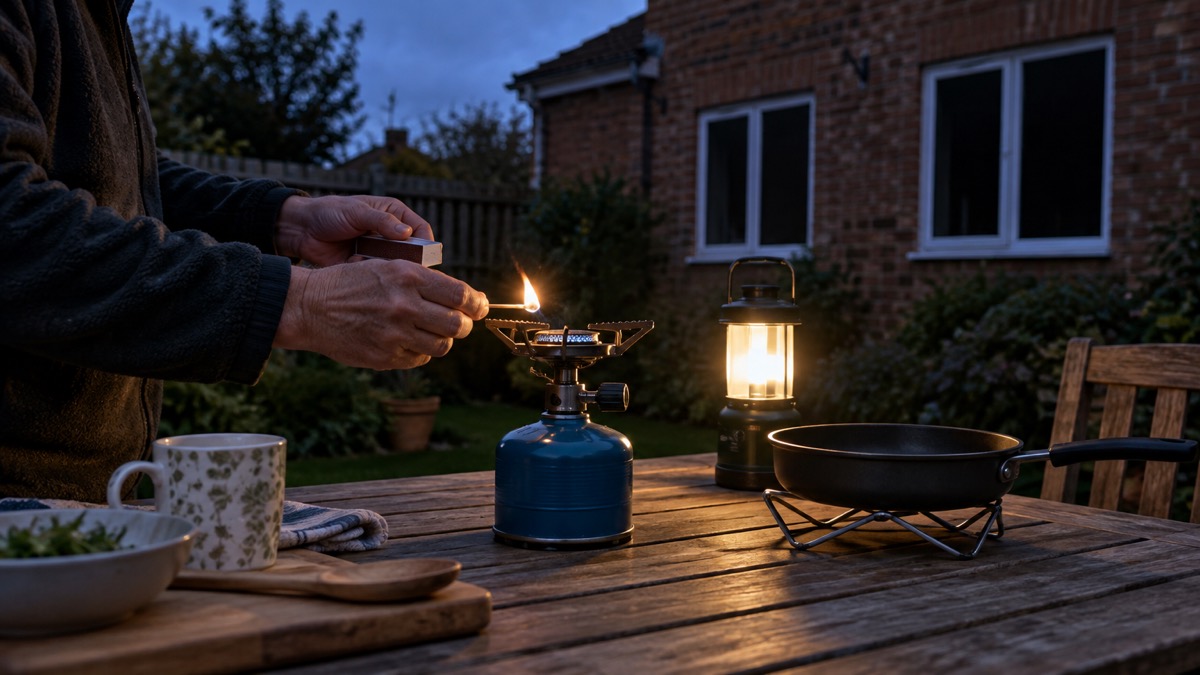
Heating and Cooking
How can you keep warm and cook when the power or gas goes off? Learn how to reduce heat loss, choose and use portable heating safely, prepare alternative cooking, recognise carbon monoxide dangers, and find extra help for anyone struggling in a cold home.
All 68 heating and cooking guides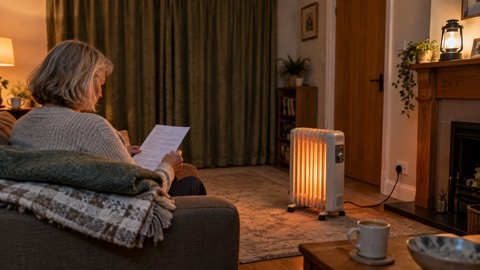 Keeping One Room Warm
 Clothing and Bedding for Cold
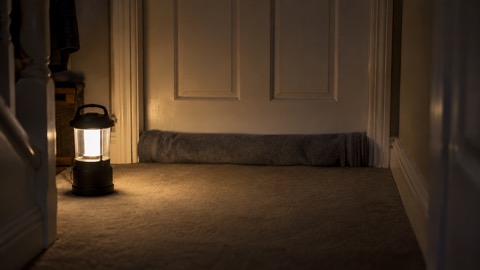 Stopping Draughts
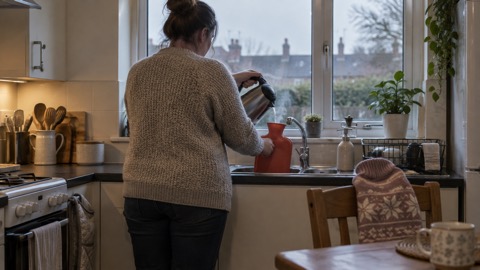 Hot Water Bottle Safety
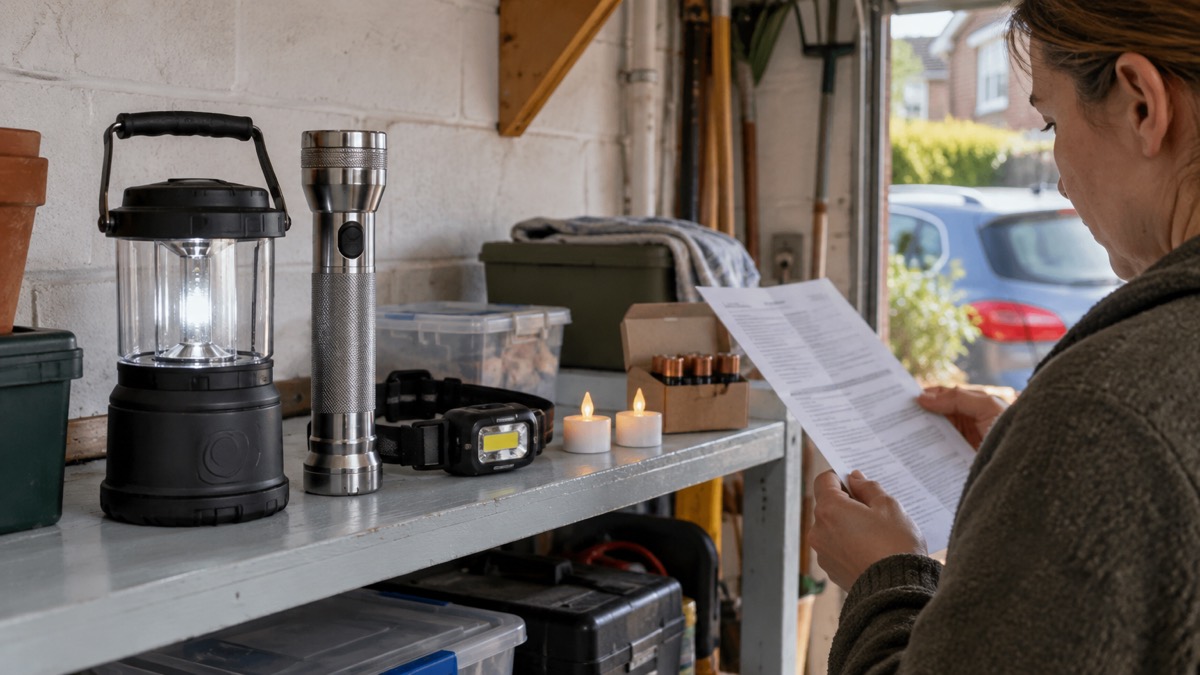
Lighting
What should you use when the lights go out, and where should you keep it? Learn how to prepare torches, lanterns and spare power, light stairs and rooms safely, charge rechargeable lights, protect children from button batteries, and reduce the fire risk if you use candles.
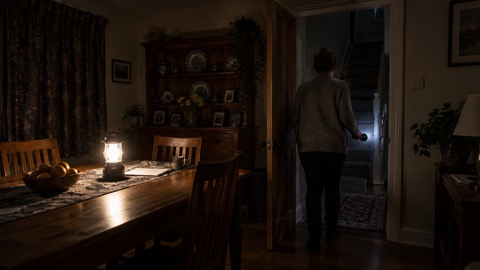 Lighting Home in a Power Cut
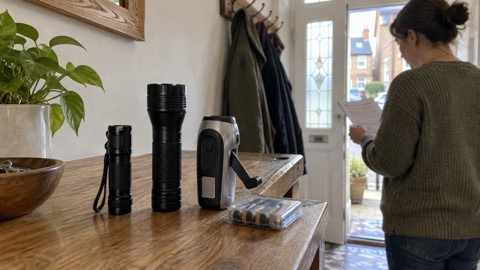 Choosing a Torch for Home
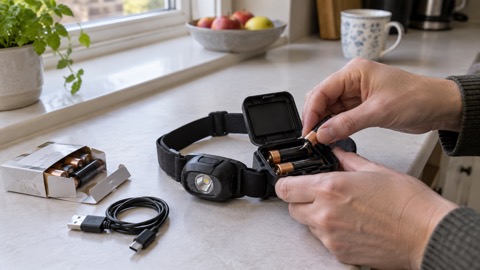 Head Torches for Power Cuts
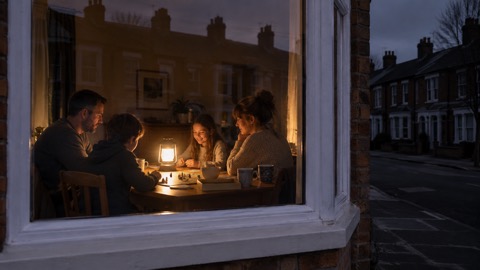 Lanterns for Lighting a Room
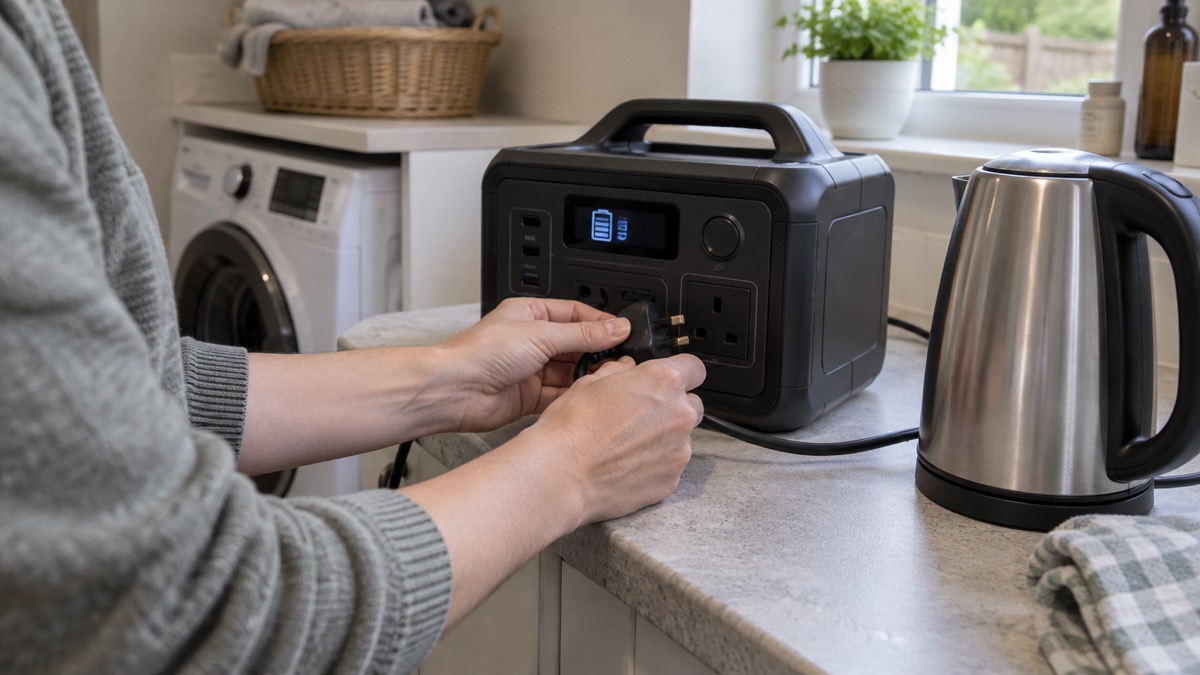
Backup Power
When the mains fails, what should you power first and what kit can help? Start with immediate safety checks, reporting the cut and keeping phones, lighting and essential medical equipment available. Then compare power banks, portable power stations, generators, solar charging and landline backup, with the safety limits that matter at home.
All 174 backup power guides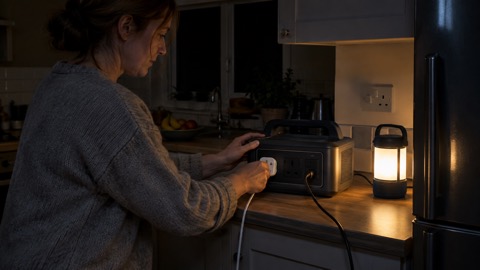 What to Keep Running in a Cut
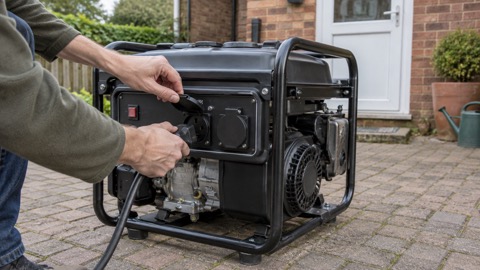 Power During an Outage
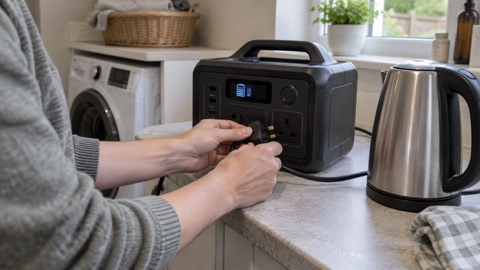 Watts and Watt-Hours
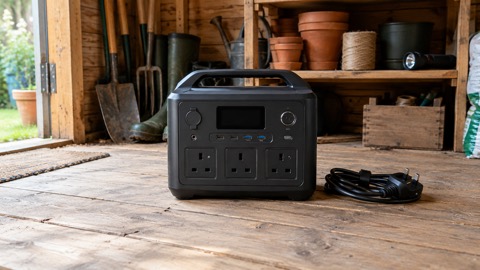 Portable Power Stations
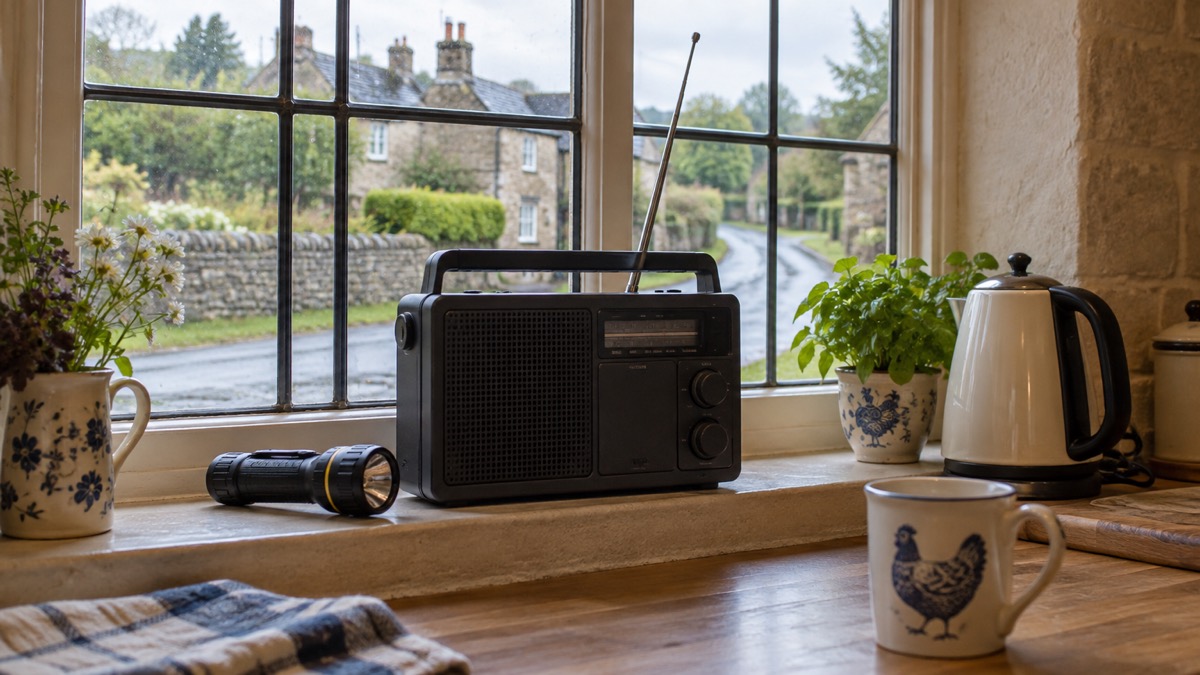
Staying Informed
How will you get warnings, call for help and reach your household if power or phone services fail? Learn what Emergency Alerts do, how to call or text 999, which warnings to sign up for, and why a charged power pack, battery radio and paper contact list matter.
All 64 staying informed guides When Phones and Internet Fail
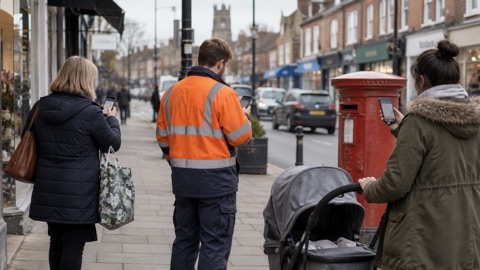 Emergency Alerts
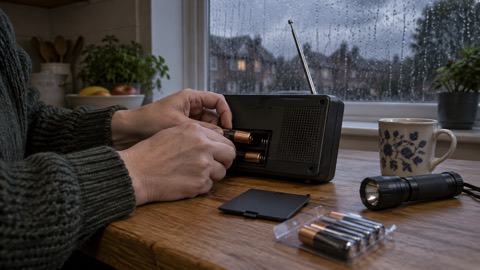 Official Warnings and News
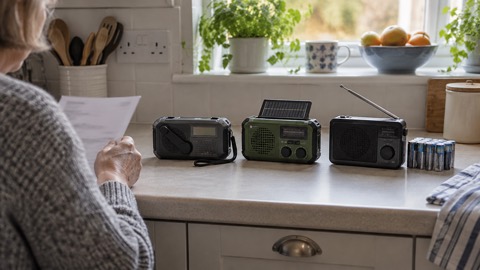 Emergency Radios
Getting Ready news
 Devon Drought Water Appeal30 October 2026Water
 Oldham Burst Water Main28 October 2026Water
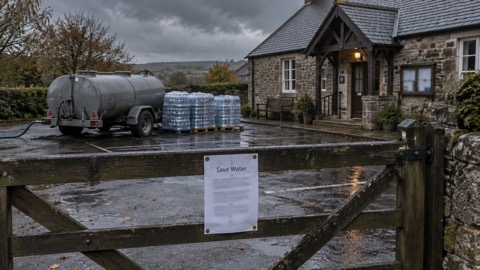 South West Water Storm Appeal28 October 2026Water
 OnBuy Baby Sleeping Bags Removed26 October 2026Staying Informed
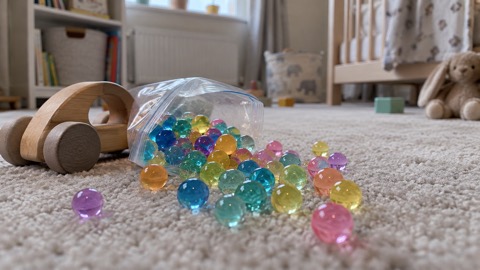 Runfeng Water Beads Risk26 October 2026Staying Informed
 Wish Unsafe Baby Sleeping Bags26 October 2026Staying Informed
Getting Ready checklists
 30-Day Household Checklist
Starting from nothing, what should a household actually do first?
 Supply Interruption Checklist
What should you have ready before your water goes off?
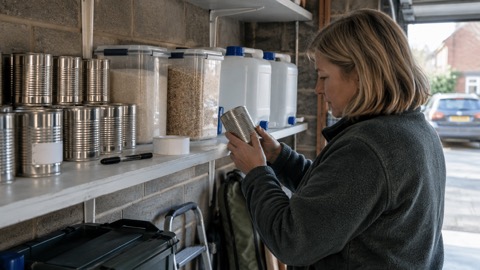 Long-Term Storage Kit Checklist
Wondering what you actually need to keep food for weeks or months?
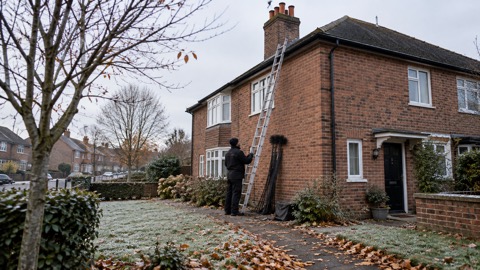 Before-Winter Heating Checks
Cold weather is coming and the heating has to work.
Common questions
What is the first thing I should do to prepare my home for an emergency?
Check the risks where you live, then write a short household plan covering contact arrangements, staying indoors and leaving home. Keep a printed or handwritten copy where everyone can find it. Add three days of supplies, essential medicines, document copies and a list of emergency numbers. Include arrangements for children, anyone who needs extra help and pets. Getting Started guide ›
Who is responsible for emergency planning where I live?
In England and Wales, Local Resilience Forums bring together emergency services, local authorities, the NHS and other organisations to assess risks and plan jointly. Scotland has three Regional Resilience Partnerships, while Northern Ireland has Emergency Preparedness Groups. Most incidents are handled locally, with central government providing leadership through the relevant government department when wider coordination is needed. UK Preparedness guide ›
What should a basic household emergency kit contain?
Keep bottled water, food that needs no cooking or refrigeration, a tin opener, a torch and spare batteries, a battery or wind-up radio, a charged power bank, first aid supplies, essential medicines, warm clothing or blankets, hygiene items, important phone numbers, copies of documents, and some cash. Add baby supplies, pet food or medical items where your household needs them. Emergency Kit guide ›
What should I do first if my water supply stops?
Check whether there is a reported outage in your area and report the problem to your water company if necessary. If a pipe inside your home has burst, turn off the incoming water at the stop tap and switch off your boiler. If someone relies on a medical device that needs water, contact their care team and follow the plan you have made with them. Water guide ›
How much emergency food should a household keep?
UK household preparedness guidance recommends non-perishable food for three days. Choose food that does not need refrigeration and, where possible, food that can be eaten without cooking. Include bottled water, a tin opener, ready-made baby formula if needed, pet food and suitable food for anyone on a special diet. Build around foods your household normally eats so that you can rotate them. Food guide ›
What should I do if my carbon monoxide alarm goes off?
Turn off or extinguish fuel-burning appliances if it is safe, open doors and windows, then go outside and stay out. Seek medical assistance if anyone feels unwell. If occupants are at risk, call 999 and ask for an ambulance and the fire and rescue service. Keep appliances switched off until a qualified engineer has checked them. Heating and Cooking guide ›
What is the safest lighting to use in a power cut?
Use torches or other battery-operated lights rather than candles wherever you can. Fire and rescue services recommend them because candles can start fires during power cuts. Keep torches where everyone can find them, with spare batteries nearby. A head torch or chargeable lamp is particularly useful when you need both hands free to care for someone. Lighting guide ›
What should I do first during a power cut?
Check whether only your home is affected and look at the trip switch near your electricity meter. If it has tripped, follow the official reset checks rather than repeatedly forcing it back on. Report a wider cut by calling 105. Switch off appliances that should not be left unattended, keep fridge and freezer doors closed, and leave one light on so you know when power returns. Backup Power guide ›