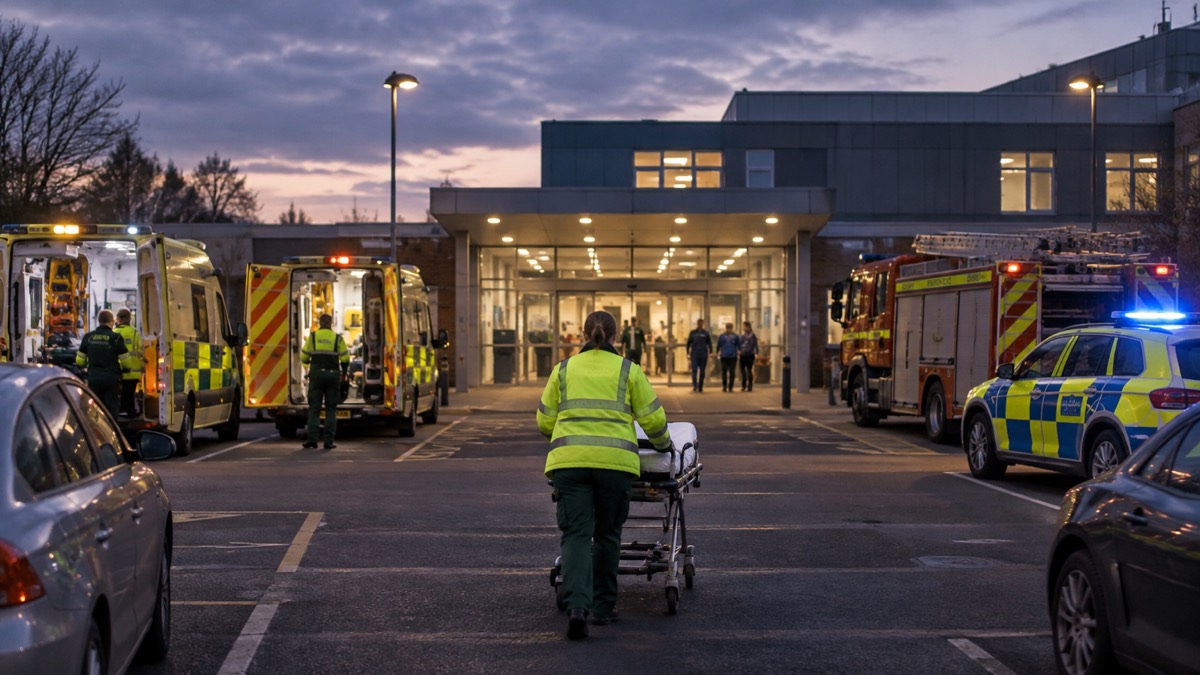
When the Civil Contingencies Act 2004 was passed, it gave the UK a single legal definition of an emergency, and that definition still drives who must plan, who must respond and who must warn the public today. In the Act's own words, an emergency is "an event or situation which threatens serious damage to human welfare; an event or situation which threatens serious damage to the environment; or war or terrorism which threatens serious damage to security"1. A fuller wording used in government guidance adds that the threat must be to human welfare in a place in the UK, to the environment of a place in the UK, or to the security of the UK or of a place in the UK2.
For an ordinary household, the definition matters because it sets the threshold at which duties switch on. Below that threshold, a burst pipe or a short power cut is your problem and your supplier's. Above it, councils, the emergency services, the NHS and the Environment Agency are legally obliged to have assessed the risk and to have plans ready. This page explains the definition in plain English, what each of the three kinds of harm covers, how real events such as floods, heatwaves and pandemics fit it, and what it all means for what you do at home.
The legal definition: serious damage to human welfare, the environment or security
The Civil Contingencies Act 2004 was enacted in 2004, broadening responsibilities and establishing new duties for the agencies involved in planning and response1. Before it, duties were scattered across different pieces of legislation; the Act brought them together and, as a government statement of July 2026 put it, has "supported a consistent, cooperative approach to emergency preparedness and response across the UK" for over two decades4.
The definition has three limbs, and an event only needs to threaten one of them:
| Limb of the definition | What it covers | Who says it |
|---|---|---|
| Serious damage to human welfare | An event or situation threatening serious harm to people's welfare in a place in the UK | Civil Contingencies Act 20041 |
| Serious damage to the environment | An event or situation threatening serious harm to the environment of a place in the UK | Civil Contingencies Act 20041 |
| War or terrorism | War or terrorism threatening serious damage to the security of the UK or of a place in the UK | Civil Contingencies Act 20041 |
Two features of the wording are worth noticing. First, the event must threaten serious damage: it does not have to have caused it yet. A flood warning that precedes any flooding can still be an emergency. Second, the Act spells out what counts as damage to human welfare, which is the limb most everyday events fall under. Section 1(2) lists: loss of human life, human illness or injury, homelessness, damage to property, disruption of a supply of money, food, water, energy or fuel, disruption of a system of communication, disruption of facilities for transport, or disruption of services relating to health3.
The Act and its supporting Regulations and statutory guidance, Emergency Preparedness, establish a clear set of roles and responsibilities for those involved in emergency preparation and response at the local level7. If you want the full machinery of duties and responders, see the Civil Contingencies Act 2004: what it requires.
What counts as serious damage to human welfare
The human welfare limb is the widest, and the Act's list of conditions gives you a practical checklist for judging whether something qualifies. Loss of life and illness or injury are the clearest cases. Homelessness and damage to property cover the aftermath of fires, floods and explosions. The disruption conditions are the ones that catch the events most households actually experience: losing the supply of water, energy or fuel, losing communications, losing transport, or losing health services3.
Councils translate this list into the situations they plan for. Argyll and Bute Council, for example, tells residents that a civil emergency situation can arise from severe weather, road traffic crashes, utility failures covering water, power and gas, chemical or oil spills, fires, explosions, terrorist action or threat, or a combination of these6. Anglesey Council similarly lists severe weather, transport or industrial accident, water pollution or terrorism as causes of emergencies7.
The threshold is seriousness. A power cut that lasts minutes is an inconvenience; a prolonged, widespread loss of electricity that threatens health fits the definition. Cornwall Council gives a housing example of where the line sits for its tenants: total prolonged loss of an essential service such as gas, water or electricity that results in a serious impact to the immediate health or safety of occupants counts as an emergency repair, as does major damage to the structure of the building8. The same logic, scaled up from one home to a community, is what the Act captures.
It is also worth knowing what does not need the Act. The Civil Contingencies Act Regulations provide that the duty to maintain plans under the Act does not apply to emergencies dealt with by other pieces of legislation, to avoid duplication; the Regulations identify three such pieces pre-dating the Act, introduced under sector-specific legislation operated by the Health and Safety Executive7. Industrial hazards regulated under that regime are handled through their own framework rather than the Act's planning duties.
Damage to the environment under the Civil Contingencies Act
The second limb covers events that threaten serious damage to the environment of a place in the UK. The responders most involved here include the Environment Agency, which is a Category 1 responder, defined under the Civil Contingencies Act 20049, meaning it carries the Act's core duties to assess risk and plan.
Environmental emergencies typically arrive as industrial accidents or pollution. Essex Prepared, the official resilience partnership for Essex, defines an industrial accident as "a sudden and unplanned event occurring in industrial facilities or during the transportation of hazardous materials that results in harm to people, property, or the environment"10. Merthyr Tydfil Council's guidance on major accident hazards sets out where such hazards can come from: a fixed industrial site such as a large chemical works, a vehicle or container in transit, or abandoned material on public or private land. The consequences, the council notes, may be a hazard to public health or pollution to the environment11.
Severe weather also threatens the environment in the Act's sense. Essex Prepared defines severe weather as extreme meteorological conditions that pose a significant risk to life, property or the environment, with impacts including flooding, structural damage, power outages and threats to human and animal safety12. Wildfire is another example: the National Fire Chiefs Council operational guidance definition, quoted by North Yorkshire Fire and Rescue Service, describes wildfire as presenting "a serious threat to life, environment, property, and infrastructure"13.
For households, the practical point is that environmental emergencies often come with instructions: go in, stay in, tune in, or evacuate. If a chemical or pollution incident affects your area, follow the emergency services' instructions rather than deciding for yourself, and see major incidents: a household guide for what to do in chemical and radiation emergencies.
War and terrorism as emergencies
The third limb is different in kind from the other two. Where the first two limbs speak of events or situations generally, this one is directed at a particular kind of threat, and the interest it protects is the security of the country rather than the welfare of people or the environment. Councils include terrorism among the types of emergency they plan for, alongside severe weather and helping people in distress or under threat during an emergency, for example after a fire1.
Terrorism sits squarely within the planning system the Act created. Cumberland Council, for instance, lists terrorism among the types of emergencies it plans for, alongside severe weather and helping people in distress or under threat during an emergency, for example after a fire14. The London Resilience Partnership, whose work is rooted in the duties the Act established, plans across the same range of risks for the capital1.
The Act also reaches beyond the dramatic cases. The National Risk Register notes that the Civil Contingencies Act legally obliges some organisations, such as the emergency services, to plan for how to maintain services in the event of a strike15. Industrial action is not war or terrorism, but the disruption it threatens to essential services can engage the human welfare limb, which is why the duty to plan for it exists.
If the government ever needs to go further and make temporary regulations to deal with an emergency, that is a separate step under the Act's emergency powers provisions, explained in emergency powers: when the government can use them.
Who responds when an emergency is declared
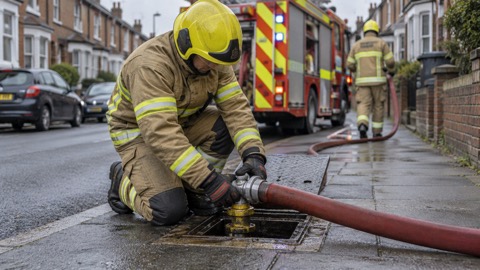
The Act divides responders into categories. Category 1 responders, which include the emergency services, local authorities, NHS bodies and the Environment Agency, are under a duty under Section 2 of the Act to assess the risk of emergencies occurring and use that assessment to inform contingency planning2. The Environment Agency's own statement that it is a Category 1 responder defined under the Act is one example9. Category 2 responders, such as utilities, have lighter duties. The full picture is in Category 1 and Category 2 responders: who they are.
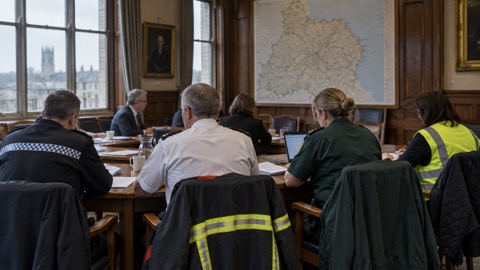
At the local level, the Act's machinery runs through local resilience forums. Surrey's forum is a partnership between local public services, including the emergency services, local authorities, NHS England and the Environment Agency, all Category 1 responders under the Act, and it was formed to meet the Act's requirements16. Across England, local resilience forums identify potential risks and produce emergency plans to either prevent or lessen the impact of any incident on their local communities17. In Northern Ireland the equivalent arrangements are Emergency Preparedness Groups, with details available from the Northern Ireland Civil Contingencies Policy Branch17. You can read more in local resilience forums: what they do and how to find yours.
When a situation escalates, a civil emergency can be declared by the police or fire service, when the incident comes to involve large numbers of people or a major threat to many properties6. If an emergency is declared that affects you, you will be notified by the police6. Behind the scenes, the Met Office supports responders with Civil Contingencies Advisors who, during severe weather, understand the potential impacts for the local area, communicate forecasts and warnings to emergency responders, and take part in multi-agency teleconferences18.
The plans themselves follow a pattern set out in Cabinet Office guidance: they should cover preventing an emergency; reducing, controlling or mitigating its effects; and taking other action in connection with it3.
Heatwaves, floods and pandemics: how real events fit the definition
The definition is easiest to understand through events that have actually happened.
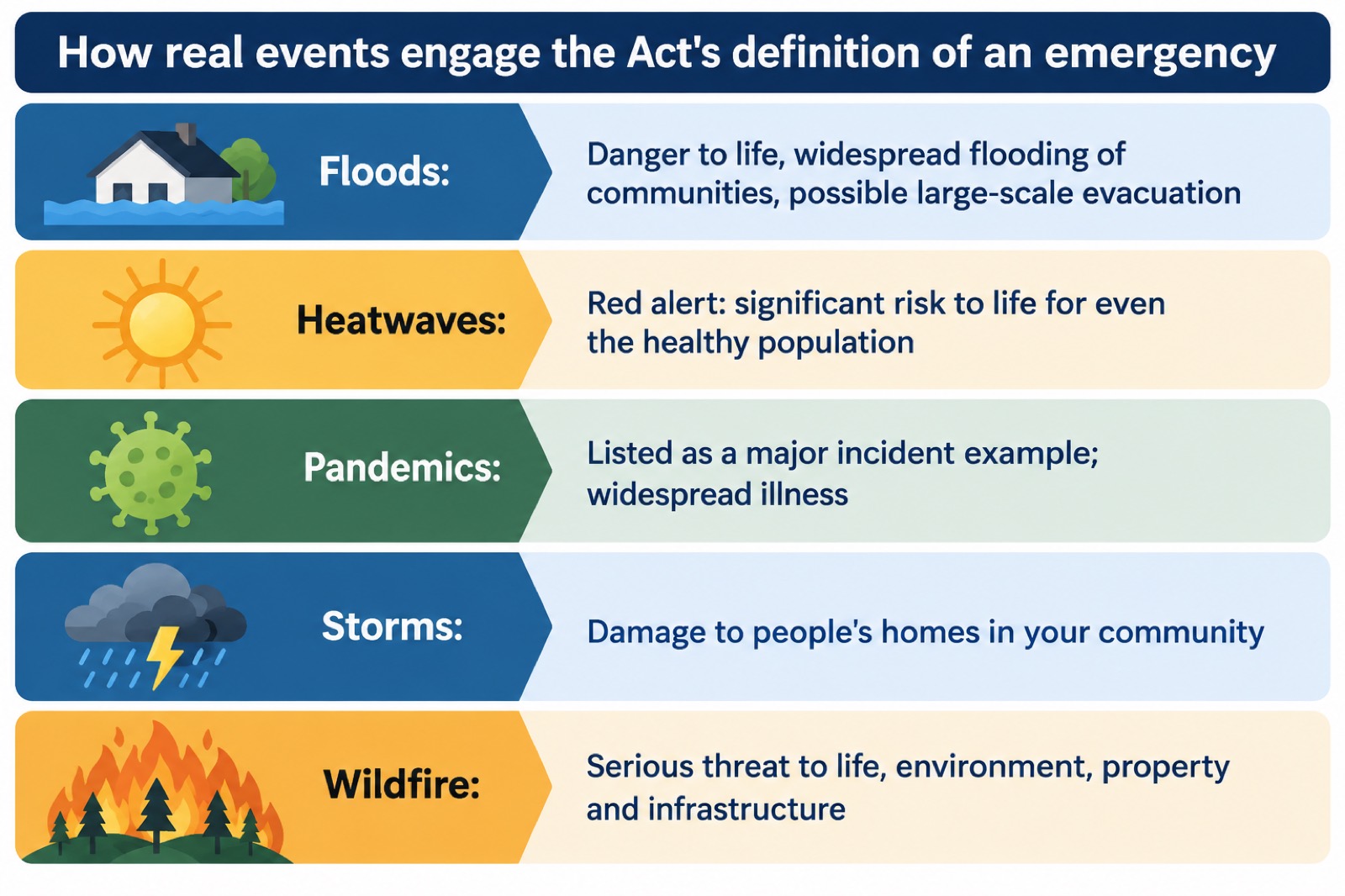
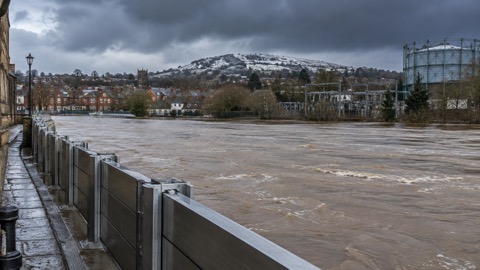
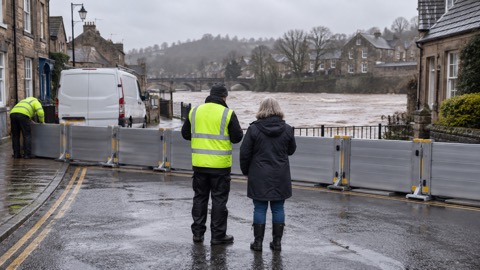
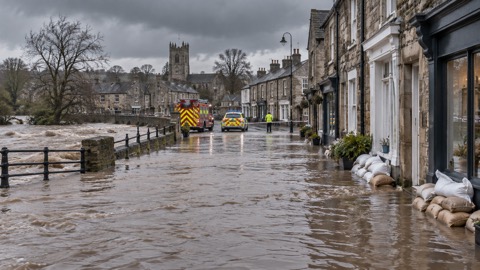
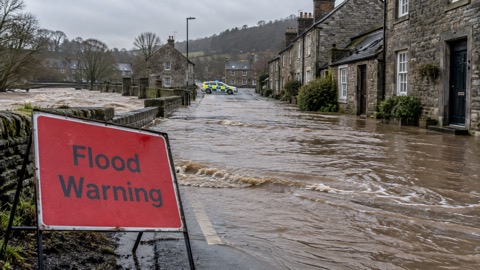
Floods. The joint Environment Agency and Met Office Flood Guidance Statement grades flood risk, and its severe impact row describes exactly the level of harm the Act has in mind: danger to life, severe disruption to travel, widespread flooding affecting whole communities, widespread disruption or loss of infrastructure, and the possibility of large-scale evacuation of properties19. A flood at that scale threatens human welfare through several of the Act's listed conditions at once: injury, homelessness, property damage and transport disruption3.
Heatwaves. Heat is treated as a health emergency through the Weather-Health Alerting system, in which a red alert, the emergency response level, indicates significant risk to life for even the healthy population20. Central government will declare an emergency in the event of severe or prolonged hot weather affecting sectors other than health and if a coordinated multi-agency response is required21. Widespread illness on that scale is human illness in the Act's terms3.
Pandemics. A pandemic is listed by West Midlands Ambulance Service among its examples of major incidents, alongside a terrorist attack, a building collapse, serious flooding and severe snow5. Illness across the population, and disruption to health services, both engage the human welfare limb.
Storms. Dorset Prepared lists damage to people's homes in your community among the consequences of storms, gales and high waves21, which maps onto the Act's property damage and homelessness conditions.
What the definition means for your household
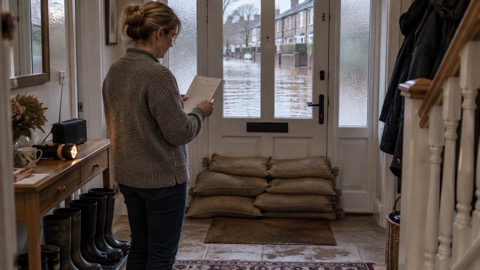
The legal definition is about responders' duties, but it tells you something useful too: the events worth preparing for at home are the ones that threaten the listed harms. Argyll and Bute Council sets out what a civil emergency can mean for individuals: loss of electricity, telephone, water or gas; short-term evacuation from your home; temporary isolation cutting off communities; damage to your home or nearby buildings; and injury, severe illness or death of members of your family or the wider community6.
That list is, in effect, a household preparedness checklist by another route. It points you to the practical guides on this site: power cuts, water in an emergency, emergency food, flooding, storms, snow and ice, and heatwaves and drought, plus getting started if you are beginning from scratch.
Two personal measures are worth naming. The government's easy-read advice for disabled people and carers describes a Personal Emergency Evacuation Plan as "a plan agreed with you and your workplace. It sets out what support you need to leave a building in an emergency"22. If you or someone you care for would need help evacuating, agree that plan in advance. Households that need extra support in emergencies should also read extra help in an emergency.
And keep the everyday meaning of "emergency" in proportion. A medical emergency, such as a cardiac arrest or an angina attack, is an emergency for you and for the ambulance service, call 999 if someone is seriously ill, injured or in immediate danger23, but it is not what the Act is about. NHS guidance lists what A&E treats: confusion or fits that will not stop, trouble breathing, heavy bleeding that will not stop, severe allergic reactions, and serious burns or scalds24. South Western Ambulance Service lists serious head injuries among the reasons to call 99925. Highland Council's emergency social work service handles a different set: serious child protection and welfare concerns, urgent help to prevent family breakdown, older people at risk, and people with learning disability, mental health problems or physical disabilities needing urgent assistance26. For health planning at household level, see health emergencies and first aid at home.
Where to find official emergency information
When an emergency affects your area, official information reaches you through set channels. Moray Council's guidance is typical of the pattern across the UK: information will be available on local radio stations, on social media, at rest centres or other facilities, and on emergency services and council websites27. The police will notify you directly if an emergency is declared that affects you6.
The government can also send an emergency message to your phone or other device. The Emergency Alerts Service, as the government's easy-read guidance describes it, is "a service where the government sends an emergency message to technology devices to tell the public there is an emergency"22. You do not need to sign up; keep your phone switched on and follow the instructions in any alert.
To find out what risks apply where you live before anything happens, the national Be Ready campaign directs you to check the risks where you are, and notes that local resilience forums in England identify risks and produce emergency plans for their communities17. Your own council's emergency planning pages, such as those of Northumberland28 or Cumberland14, publish local arrangements, and in Argyll and Bute the Civil Contingencies Unit can be contacted for information, help or guidance on preparing for emergencies6. For a fuller guide to channels and devices, see staying informed and in touch in an emergency.
How this differs across the UK
The Civil Contingencies Act 2004 applies across the UK, and the government's July 2026 statement confirms it supports a consistent, cooperative approach to preparedness and response across the country4. The differences are in the local machinery. England and Wales work through local resilience forums, as in Surrey16; Scotland's councils, such as Argyll and Bute, Highland and Moray, run civil contingencies units and emergency social work services under the same framework6; and Northern Ireland's arrangements run through Emergency Preparedness Groups, with details available from the Northern Ireland Civil Contingencies Policy Branch17.
One further point worth knowing: the Civil Contingencies Act 2004 has supported a consistent, cooperative approach to emergency preparedness and response across the UK for over two decades29. The definition of an emergency, and the duties it places on responders, therefore work in much the same way whether you live in England, Scotland, Wales or Northern Ireland, and the practical advice in this guide applies across all four nations.
Sources (29)
- London Resilience Partnership, London Councils / Greater London Authority, 2026
- Community Resilience Development Framework, Cabinet Office, 2019
- The Civil Contingencies Act 2004: briefing, House of Commons Library, 2026
- Written statement on civil contingencies, UK Parliament, 2026-07-14
- Major incidents, West Midlands Ambulance Service NHS Foundation Trust, 2026
- Preparing for civil emergencies in Argyll and Bute, Argyll and Bute Council, 2026
- Civil Emergencies Emergency Plan, Isle of Anglesey County Council, 2026
- Find support with storm damage, Cornwall Council, 2026
- Bassetlaw district flood risk information, Environment Agency, 2026
- Ongoing risks: industrial accidents, Essex Prepared, 2026
- Major accident hazards emergencies, Merthyr Tydfil County Borough Council, 2026
- Ongoing risks: severe weather, Essex Prepared, 2026
- Wildfires information, North Yorkshire Fire and Rescue Service, 2026
- How we plan emergencies, Cumberland Council, 2026
- UK National Risk Register 2017, Cabinet Office, 2017
- Surrey's Local Resilience Forum, Surrey County Council, 2026
- Check the risks where you are, Be Ready campaign, 2026
- Spotlight on civil contingencies at the Met Office, Wiltshire and Swindon Prepared, 2026
- Flood Guidance Statement, 28 January 2026, Environment Agency and Met Office, 2026-01-28
- Weather-Health Alerting system, UK Health Security Agency, 2024
- Storms, gales and high waves, Dorset Prepared, 2024
- Easy read: disabled persons and carers, Prepare campaign, 2024
- When to call 999, South Western Ambulance Service NHS Foundation Trust, 2026
- Health emergencies, Somerset Council, 2026
- Get the right help and support, South Western Ambulance Service NHS Foundation Trust, 2026
- Emergency social work service, The Highland Council, 2025
- Emergency preparations you can do, Moray Council, 2026
- Emergency planning and business resilience, Northumberland County Council, 2026
- Home fire safety policy, Scottish Government, 2019
 30-Day Household Checklist
 Emergency Plan Template
 Supply Interruption Checklist
 National Risk Register
 How Emergency Risks Are Scored
 Civil Contingencies Act 2004
 Category 1 and 2 Responders
 Local Resilience Forums
 Strengthening Local Resilience
 What Your Council Does
 Central Government Response
 Gold, Silver and Bronze Command
 Major Incident Declared
 Emergency Powers
 Warning and Informing the Public