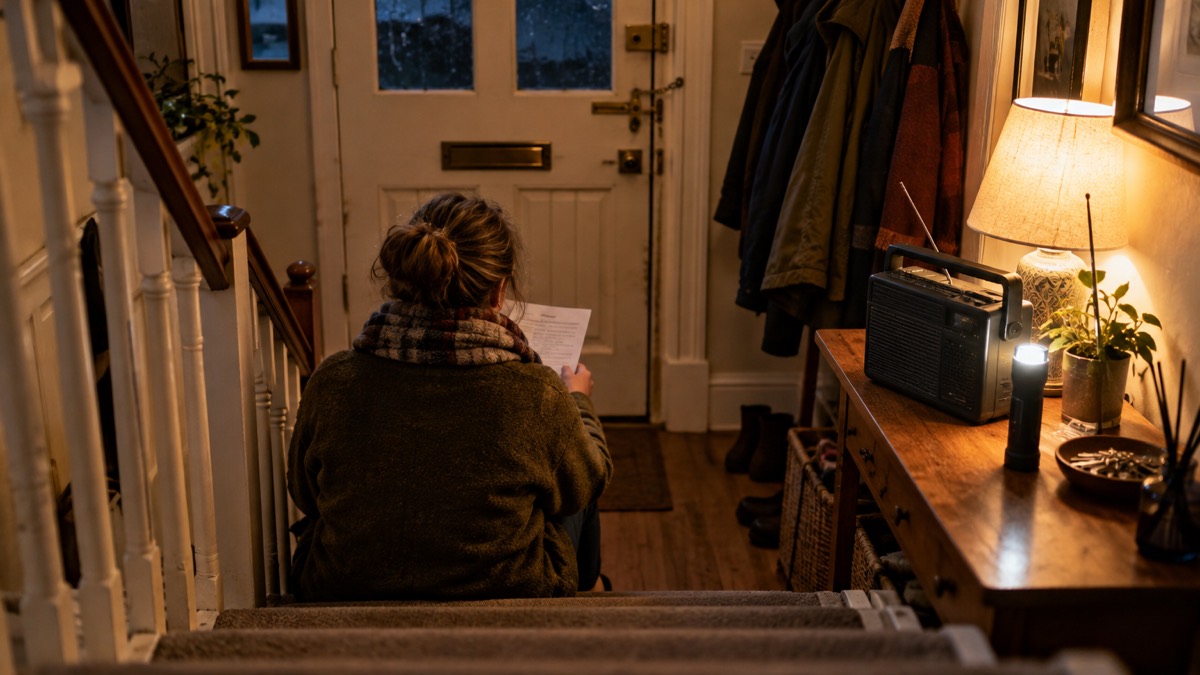
An Emergency Alert arrives as a loud, siren-like sound and a distinct vibration, with a message on your screen that stays until you acknowledge it1. It is sent by the UK Government to warn you that there is a danger to life nearby, and it goes to compatible 4G and 5G mobile phones and tablets in the area of risk2. The single most important thing to do is simple: read the alert carefully and follow the instructions it gives you2.
Those instructions are written to keep you and the people around you safe, and they are specific to what is happening where you are4. If the alert tells you to shelter, the standard advice is to go inside, stay inside and tune in to local radio, and to stay there until the emergency services or local radio tell you otherwise5. If it tells you something else, do that instead.
You do not need to reply to the alert, and you should not try to read it while driving2. What follows sets out what to do in the first minutes, what sheltering actually means, why your phone sounded, and how to look after the people around you.
Read the alert, then do what it says
Every piece of official guidance on Emergency Alerts comes back to the same instruction. Read the alert carefully and follow the instructions provided9. In an actual emergency, follow the instructions in the alert to keep yourself and others safe7. The alert will give you clear instructions of what to do to stay safe3. Follow the advice in any official warning or emergency alert you receive10.
That is deliberately straightforward, because an alert arrives at a moment when you may be frightened and in a hurry. The message is written by the organisation dealing with the incident, so it reflects what is actually happening near you rather than a general warning for the whole country. Stop what you are doing and follow the instructions of the alert4. If the emergency services are on the scene, follow their advice as well11.
A few practical points help you act on it well:
- Read the whole message before moving. The screen holds the alert until you acknowledge it, so there is no rush to dismiss it1.
- Find it again if you need to. On Android phones the alert may be in the Messages app or in "Emergency Alert History"; on an iPhone it will be in your notifications1.
- Do not reply or ring back. The alert is a one-way warning, and the number to call for help is 999 if life is at risk8.
- Tell the people with you. A short, clear sentence about what the alert says and what you are doing next is enough.
If you are not sure whether an alert is genuine, check official sources of information online, which those affected may be asked to do alongside tuning in to local or national radio2. You can read more about telling real alerts from scams in How to Tell If an Emergency Alert Is Genuine.
If you are told to shelter: go in, stay in, tune in
Sheltering is the advice used in most major emergencies, and it is easier than it sounds. The simple advice is to go inside, stay inside, and tune into local radio5. In full, it means shelter where you are, stay there until more advice is given by the emergency services, and listen to local media stations for more information12.
The three steps break down like this:
- Go in. Get indoors as soon as you can. Close doors and windows, and if you are told you are near a radiation emergency, stay as far away from external walls as possible13.
- Stay in. Do not go outside to look, and do not set off to collect anyone unless the alert tells you to. Stay in until you are told otherwise by the emergency services or local radio6.
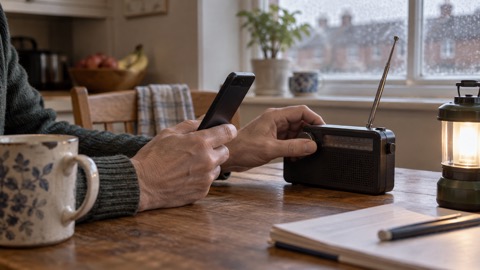
- Tune in. Use local radio, TV or the internet, where public information and advice from the emergency responders will be broadcast14.
The same advice is repeated across the UK's resilience guidance for most emergencies: go indoors, close doors and windows, stay indoors until you know more, and tune in to local radio or television for updates15. Where an incident affects a wider area, those affected may be asked to go in, stay in and tune in to local or national radio stations, or to check official sources of information online16.
"In the case of most major emergencies, the simple advice is to go inside, stay inside, and tune into local radio."
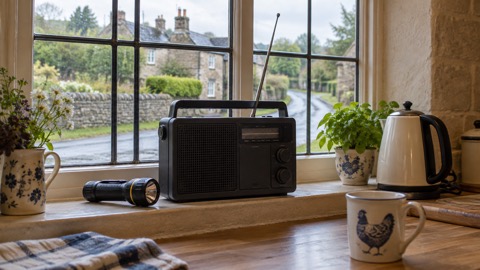
A radio that works without mains power is the piece of kit that makes sheltering work, because it keeps you informed if the electricity or mobile network fails. Emergency Radios: Wind-Up, Solar and Battery Types and How to Choose explains the options, and Which Radio Stations to Tune Into During a Power Cut covers what to listen for.
Why your phone received the alert
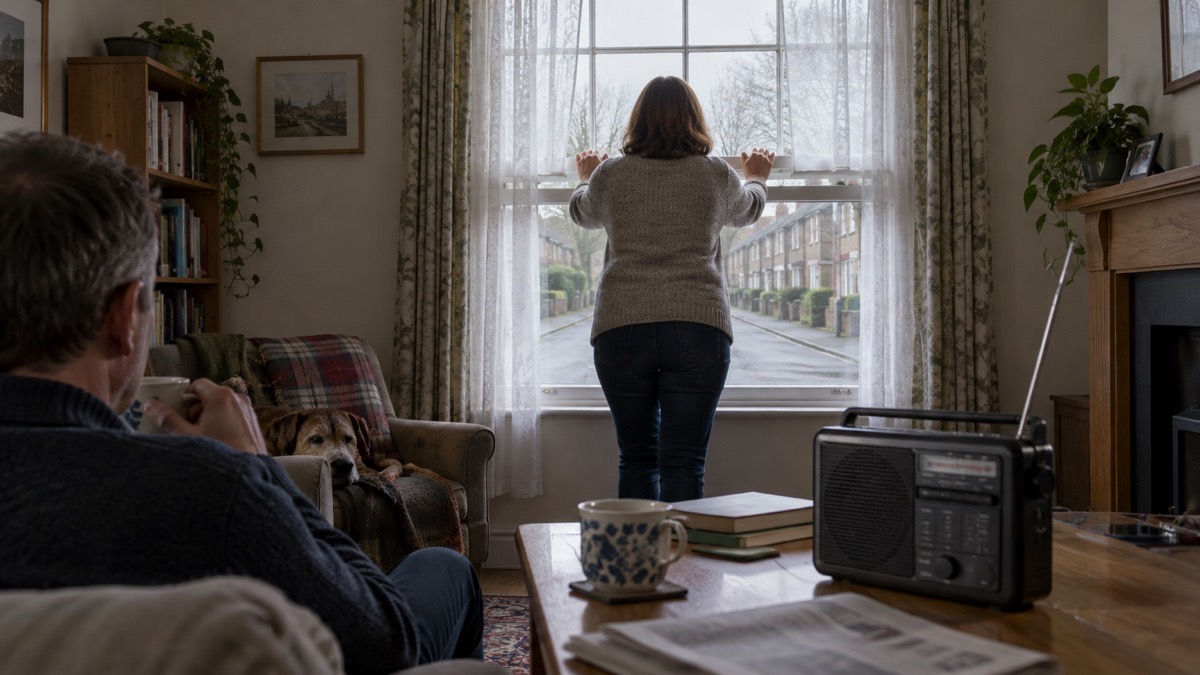
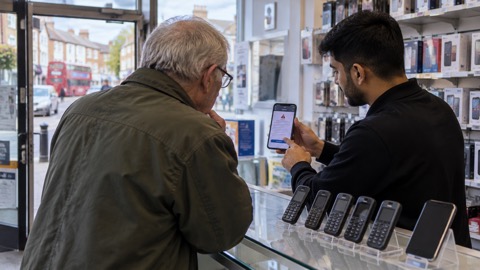
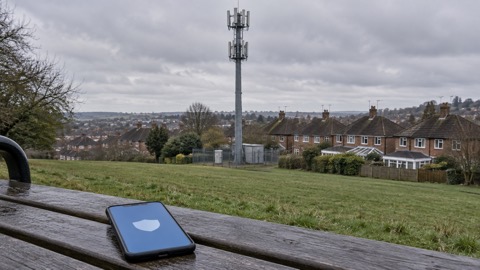
Emergency Alerts are sent using mobile phone networks to compatible mobile phones and tablets in a specific geographical area9. Every compatible mobile phone or tablet in range of a mast will receive the alert, and alerts are only sent if your current location is impacted17. That is why the phone of a visitor, a delivery driver or someone passing through can sound at the same moment as the phones of people who live there.
The system is run by the UK Government and warns you if there is a danger to life nearby18. You will know you have one because of the loud, siren-like sound and the distinct vibration, and the message stays on screen until you acknowledge it1. Fire and rescue services can also issue an alert if there is a risk to life, based on your current location19.
If your phone did not sound, that does not mean you are safe or forgotten. If you do not have a compatible device, you will still be informed about an emergency, because the emergency services have other means of getting the message out2. The government's alert page also shows whether there are any current alerts, and at the time of writing it records that there are no current alerts2.
Two questions come up often. Whether your handset will receive alerts at all is covered in Will Your Phone Receive Emergency Alerts?, and whether the system tracks you or costs anything is answered in Do Emergency Alerts Track Your Location or Cost Anything?. If you have no mobile phone, How to Get Emergency Warnings Without a Mobile Phone sets out the alternatives.
What an alert can be about
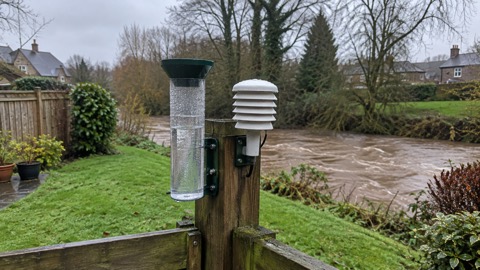
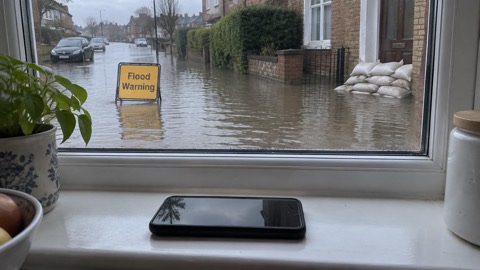
Alerts are used for emergencies where there is a risk to life and people need to act immediately. The government gives wildfires, severe flooding, extreme storms and any type of life threatening emergency as examples2. Local guidance adds major fires and other incidents that require immediate action9, and the same examples of severe flooding, fires and extreme weather appear across the campaign material4.
| Type of incident | What the alert is for | What you are likely to be asked to do |
|---|---|---|
| Severe flooding | Warning of danger to life from flood water2 | Follow the instructions in the alert, which may include sheltering5 |
| Wildfires and major fires | Risk to life from fire near you2 | Go in, stay in, tune in if told to shelter5 |
| Extreme storms | Danger from severe weather2 | Stay indoors and listen for updates14 |
| Other life threatening incidents | Any emergency needing immediate action2 | Follow the specific instructions given3 |
The type of incident changes what "follow the instructions" means in practice. For a fire or wildfire near your home, the fire and rescue service's own guidance on protecting your home is worth reading before anything happens, so that you know what you would do19. For flooding, the alert may be the first you know of it, which is why it is worth knowing in advance where you would go and what you would take. The Flooding: A Household Guide and Storms, Snow and Ice: A Household Guide pages cover the preparation that makes an alert easier to act on.
If the alert sounds while you are driving
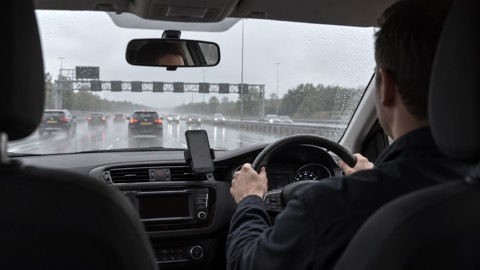
Do not read it at the wheel. If you are driving when you get an alert, you should carry on driving and not pick up the phone7. Do not read or respond to an alert while driving. If you hear an alert while driving, continue until you can stop safely9. The same rule applies to riders: do not read or respond to an emergency alert while driving or riding2.
Once you have stopped somewhere safe and legal, read the message and act on it. If there is nowhere safe to stop and nobody else in the vehicle can read the alert to you, listen to live radio instead2. That is a sensible fallback, because local radio carries the same public information and advice from the responders14.
There is more detail, including what to do if you are on a motorway when it sounds, in What to Do If an Emergency Alert Sounds While Driving.
Looking after the people around you
An alert is a moment to check on others as well as yourself. If someone is seriously ill or injured and their life may be at risk, call 9998. Call 999 if someone is seriously ill, injured or in immediate danger11. Also call 999 if you think someone has had a major trauma, such as after a serious road traffic accident, a fall from height or a serious head injury21. If you are involved in an emergency or witness one, dial 999 and ask for the police, fire, ambulance or coastguard service as appropriate23. In Northern Ireland the same number applies, and you can call 999 or 112 if people are injured or there is a threat to life24.
For people who are less likely to have a mobile phone, plan ahead. Identify someone who lives near them who can pass on any Emergency Alerts being sent25. You can also help by preparing their home before an emergency, picking up extra food, water, toiletries or medications, making sure they have important numbers written down, and keeping in contact by phone or visiting them if it is safe to do so26. If someone has fallen and needs help, they can use a community alarm if they have one, call a relative, friend or neighbour, ask a smart speaker to call someone, or shout or bang on a wall to attract a neighbour's attention27.
Children pick up on adult worry, so keep your own voice calm and explain what is happening in simple terms. Letting children help with the emergency plan and household kit can help them remember the information and feel safer26. If you are waiting for an ambulance, the advice is to stay calm28, and the same applies while you wait for the alert's instructions to change.
Where to get more information and help
The alert itself is the start of the information, not the end. Tune in to local radio, TV or the internet, where public information and advice from the emergency responders will be broadcast14. Official sources online are the other reliable place to check, and the government's alert page lists any current alerts2. Where to Get Official Warnings and News in an Emergency sets out which sources to trust, and How to Avoid False Information in an Emergency helps you spot rumours.
If you need medical help but it is not a life-threatening emergency, NHS 111 can advise you, and 999 is for serious illness or injury where life may be at risk22. For day-to-day help from neighbours, family and local groups, Community Resilience: A Guide for Neighbours and Local Groups explains how to build the contacts that matter before an alert arrives. Households with older, disabled or medically dependent members will find more in Extra Help in an Emergency.
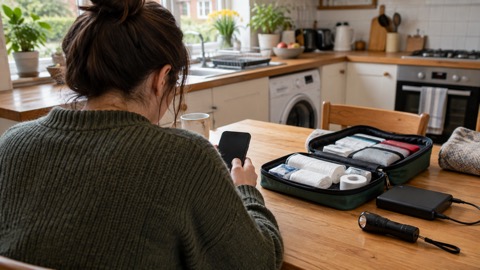
Finally, keep your phone charged and your radio ready, so that the next alert finds you able to act on it. What to Keep Charged Before a Power Cut and Getting Your Mobile Phone Ready for an Emergency cover the practical steps.
Sources (29)
- National Emergency Alerts, Warwick District Council, 2026
- Emergency Alerts, GOV.UK, 2026
- Emergency Alerts, Isle of Anglesey County Council, 2026
- Alerts and warnings, UK Government Be Ready campaign, 2026
- Are You Ready booklet, Culham Parish Council, 2025
- Emergency advice for residents, Warwickshire County Council, 2026
- Emergency Alerts easy read, UK Government, 2025
- Clinical telephone advisor, London Ambulance Service, 2026
- Emergency alerts service, Croydon Council, 2026
- Be prepared for emergencies, North Devon Council, 2026
- Major incidents, West Midlands Ambulance Service, 2026
- Preparing for emergencies, Somerset Council, 2026
- Hazardous substance exposure, Essex Prepared, 2026
- Get prepared, Carmarthenshire County Council, 2026
- Northumbria Local Resilience Forum, Northumberland County Council, 2026
- Be informed about hazards, UK Government Prepare campaign, 2026
- Wildfires: protecting your home and garden, London Fire Brigade, 2026
- Advice for disabled persons and carers, UK Government Be Ready campaign, 2026
- Protecting your home from wildfires, North Yorkshire Fire and Rescue Service, 2026
- Protect yourself and your family, Dorset Prepared, 2026
- Get the right help and support, South Western Ambulance Service, 2026
- Urgent care, North East London Integrated Care Board, 2026
- Protecting your family, Essex Prepared, 2026
- Emergency advice, Belfast City Council, 2026
- Emergency alerts, Denbighshire County Council, 2026
- Emergency plan, Ready Scotland, 2026
- What to do if you fall, NHS Inform Scotland, 2026
- What to do when the ambulance is coming, South Western Ambulance Service, 2026
- Water safety, Greater Manchester Fire and Rescue Service, 2026
 Free Alert Services
 Emergency Apps
 Digital Switchover Checklist
 Silent 999 Calls
 Giving Your Exact Location
 When to Call 999
 Calling 999 With No Signal
 999 by Wi-Fi Calling
 Alerts While Driving
 Spotting a Genuine Alert
 Phones That Get Alerts
 Emergency Alerts On or Off
 Emergency Alert Privacy
 Emergency Alert Tests
 Alerts Without a Mobile Phone