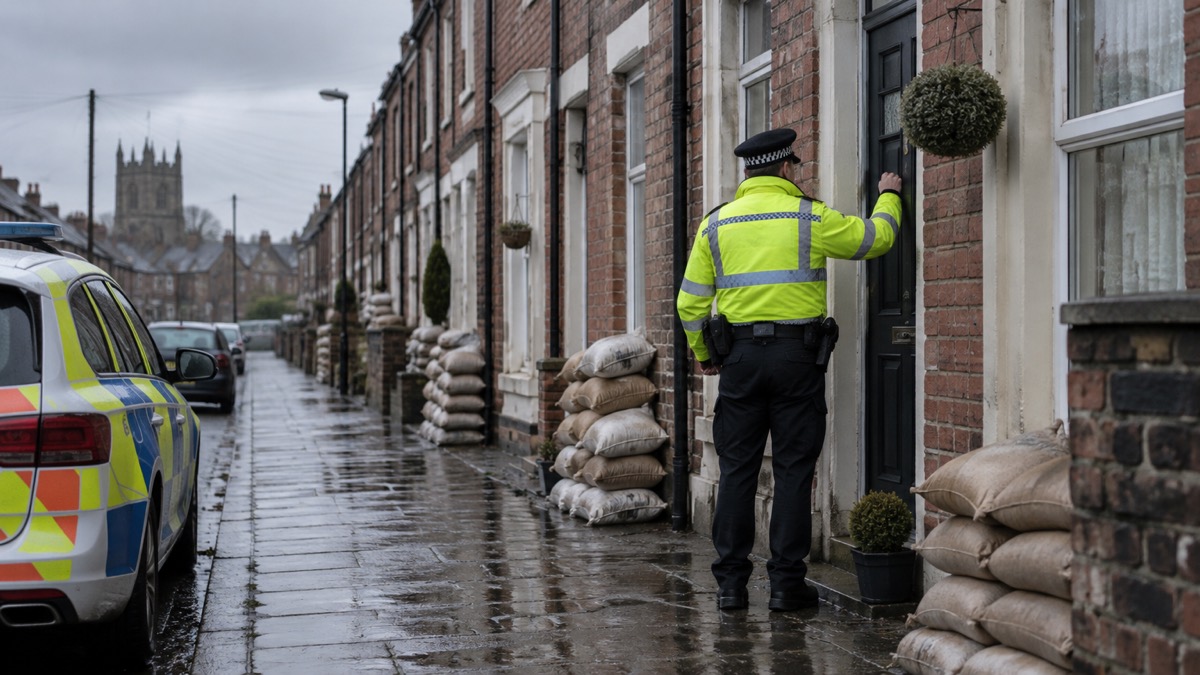
A flood warning is not a forecast to watch. It means flooding is expected and immediate action is required to protect yourself and your property1. The Environment Agency's own wording for England is blunt: move loved ones, pets and valuables to a safe place, move to higher ground or the upper floor, turn off gas, electricity and water if it is safe, put flood protection equipment in place, and do as the emergency services tell you1. In Scotland the meaning is the same: flooding is expected, so take action2.
What you do in the hours before water arrives decides how much damage your home takes and how quickly you recover. The order matters. People and pets first, then documents and valuables, then the utilities, then the protection at the doors. Everything below assumes you have already signed up for warnings and know your home's risk; if you have not, do that today, because a warning gives you the least time of all.
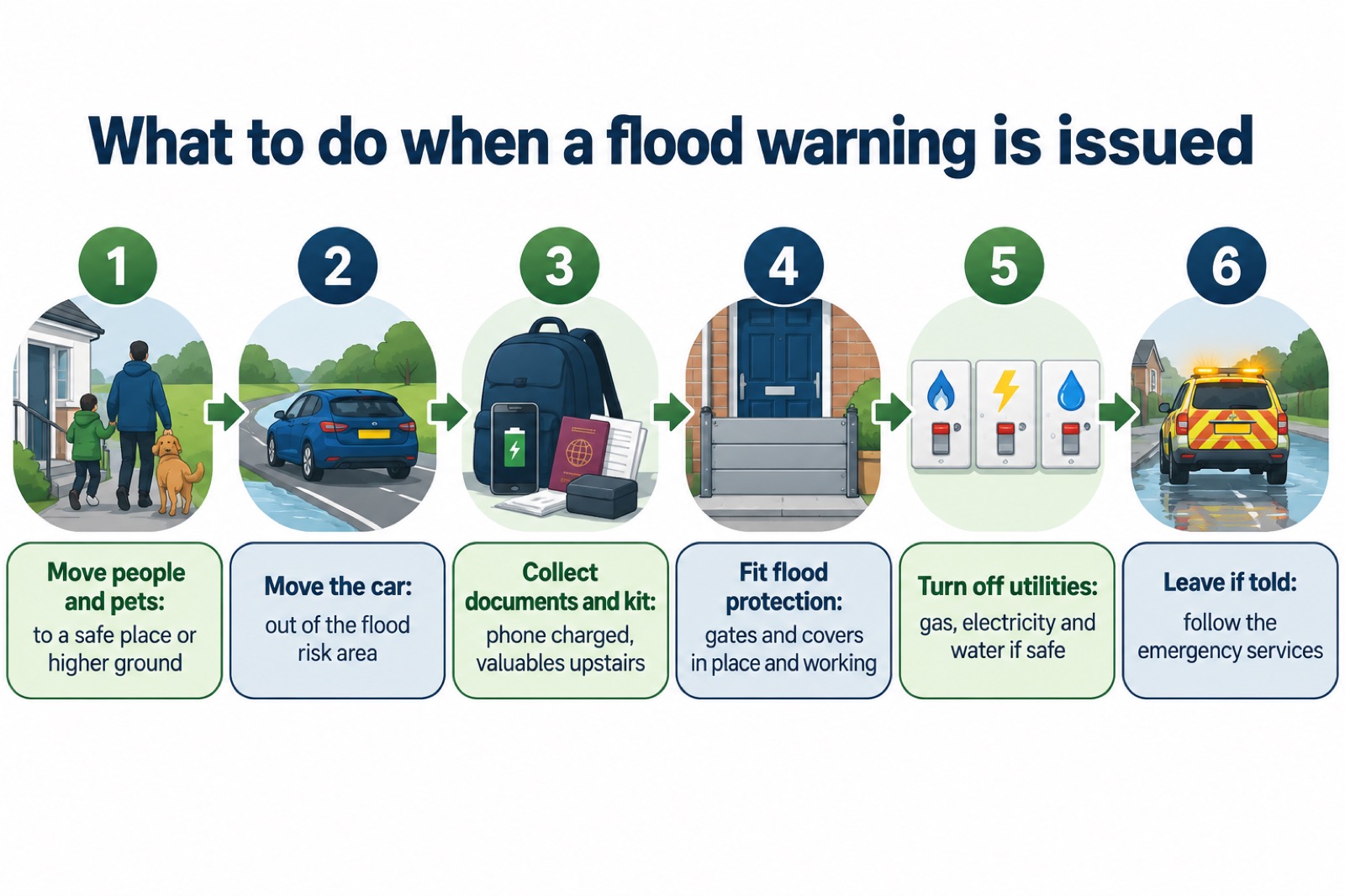
Flood warning checklist: what to do now
Work down this list in order. It is written for the hours between the warning and the water, so do the top items first and come back to the rest if time allows.
A Flood Warning means flooding is expected, so act straight away
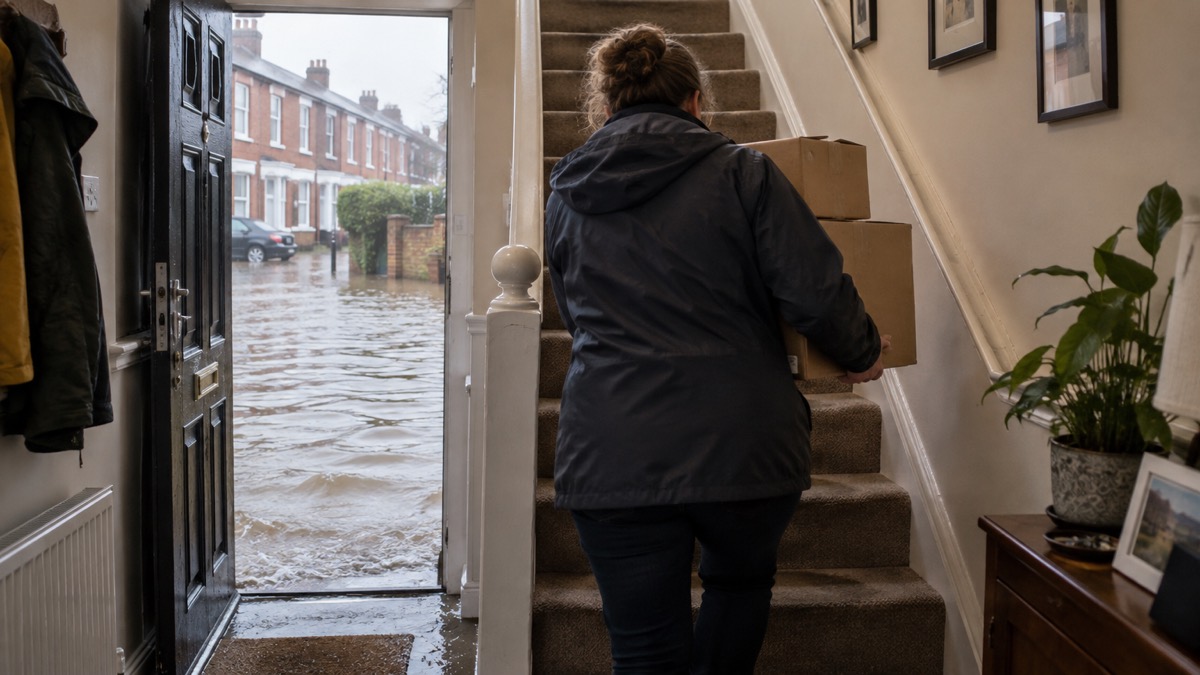
The warning system has two levels above normal, and they ask different things of you. A flood alert means be prepared: remain alert and vigilant and make early preparations for potential flooding13. A flood warning means flooding is expected and immediate action is required13. In Scotland a flood warning is issued when flooding is expected for a defined local area, and the advice is to take action2.
That difference is the whole point of the checklist. An alert is your window to check the kit, charge the phone and read your plan. A warning is when you execute it. Do not wait for a severe warning or for water in the street: by then the utilities may be unreachable and the roads may be closing.
| Level | What it means | What to do |
|---|---|---|
| Flood alert | Flooding is possible; be prepared13 | Remain alert, make early preparations, check warnings13 |
| Flood warning | Flooding is expected; immediate action required13 | Protect yourself and property, move valuables, turn off utilities if safe1 |
If you have not yet signed up, do it now: check whether your home is at risk and sign up for free flood warnings15. The sign-up page walks through it, and Flood Alerts, Flood Warnings and Severe Flood Warnings explains each level in full.
Turn off gas, electricity and water before the water arrives
Turning off the utilities is the single most important thing you can do to your home once people are safe. Official guidance is consistent across England, Wales and Scotland: turn off gas, electricity and water supplies if flood water is about to enter your home and it is safe to do so3. If you have to leave, you will need to turn off your mains water, gas and electricity before you go18.
The reason is simple. Water and live electricity together are dangerous, and a flooded gas supply or boiler can be a hazard long after the water goes down. Knowing where your stopcock, consumer unit and gas meter are, and how to operate them, is something to learn before any warning, not during one19. Our guide to turning off gas, electricity and water before a flood shows where to look.
If you are evacuating, turn off electricity, gas and water supplies if it is safe to do so before you leave12. When you return, do not switch anything back on yourself: get an approved service engineer to check gas, electricity and water first6.
Flood kit and plan: keep them ready before any warning
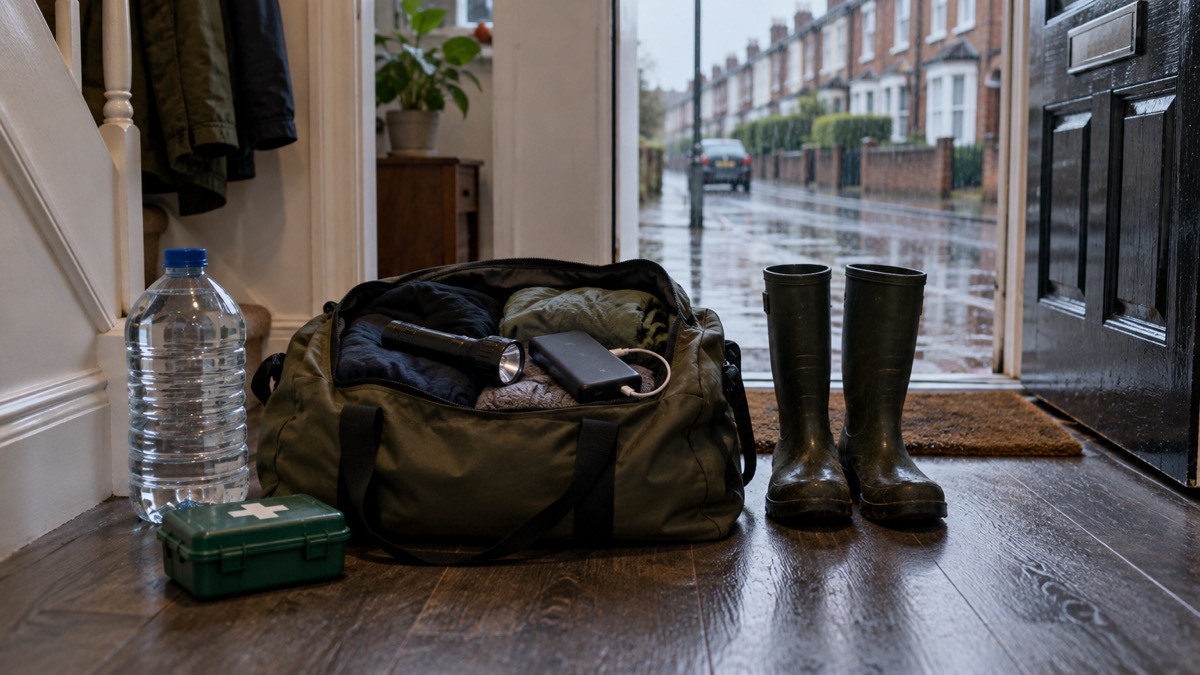
A warning gives you very little time, so the kit and the plan have to exist already. Prepare a flood kit in advance of any predicted flooding and keep it somewhere easily accessible, so you have all your essentials to hand quickly21. Keep it upstairs if possible23.
A household flood plan is the other half. It should include a checklist of what you need to do before a flood, such as which belongings, electrical items and furniture you would move to safety, and what you would take if you had to evacuate7. A community plan goes further, listing the warnings you are registered for, local triggers, equipment, timescales, emergency contacts and the location and contact details of vulnerable people24.
| Kit item | Why it matters |
|---|---|
| Torch and battery radio | Light and information if power goes23 |
| Blankets and warm clothing | Cold and hypothermia risk6 |
| Waterproof clothing and wellingtons | Staying dry and safe outdoors23 |
| First-aid kit and rubber gloves | Minor injuries and contaminated water23 |
| Key personal documents and insurance policy | Proof and claims later23 |
| Medication, baby care items, food and water | Enough to last while cut off4 |
Build the wider kit alongside your emergency kit and household flood plan. If you have not made a plan yet, the Flooding: A Household Guide sets out the whole picture.
Where to get help and flood warnings
Help starts with information. Check if your home is at risk of flooding and sign up for free flood warnings15. Keep an eye on local weather reports and sign up for flood alerts5. Keep a list of useful numbers, including your insurance company and Floodline, and check Floodline for local flood warnings6. Our guide to Floodline numbers for England, Scotland and Wales has the contacts.
In Wales, Natural Resources Wales issues the warnings and the advice is the same: prepare a flood kit, monitor local river levels, check the five-day flood risk, and move livestock and equipment away from areas likely to flood8. Our Wales guide covers the differences.
For people who need extra help, check in on neighbours and make sure anyone vulnerable knows what is happening. Look after neighbours, as hypothermia can occur even in summer when homes fill with cold rainwater6. Households with older, disabled or medically dependent members should read Extra Help in an Emergency, and pet owners should read Pets and Animals in an Emergency.
When to leave, and what to take
Leave when you are told to. If the emergency services ask you to evacuate the area, do so5. Listen to their advice and evacuate if told to do so12. Do not wait to see how bad it gets, and do not go back for belongings once you have left.
If you evacuate, pack a bag with spare warm clothing, washing kit, medication and baby care items. Turn off electricity, gas and water supplies if it is safe to do so, make arrangements for your pets, tell family and friends where you are going, take your flood kit, and get yourself to safety12.
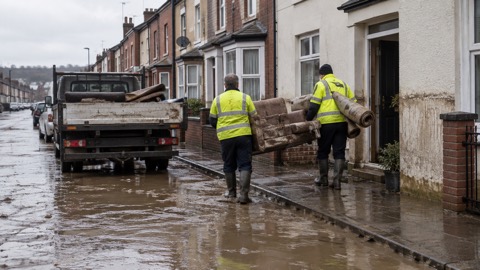
After the water has gone, do not rush back. Only return to evacuated buildings if you are told it is safe, avoid electricity sources, and get an approved service engineer to check gas, electricity and water before turning them back on. Beware of contaminated water and sharp objects in lying flood water, take extra care with candles and open fires, and contact your insurance company for advice before starting to clean up6. Our guides to what to do during a flood at home and returning home safely after a flood take you through the next stage.
Sources (24)
- Flood alerts and warnings: what they are and what to do, GOV.UK, 2010-11-01
- About flood alerts and warnings, Scottish Environment Protection Agency, 2026-10-29
- During flooding, Somerset Council, 2026-10-01
- Flooding checklist for residents, Perth and Kinross Council, 2024-08-01
- Extreme weather winter guide, London Fire Brigade, 2025-01
- Flooding, Cornwall Fire and Rescue Service, 2026-10-29
- Preparing for flooding, Surrey County Council, 2026-10-28
- What to do in a flood, Natural Resources Wales, 2026-10-29
- Flooding support, Lancashire County Council, 2026-10-29
- Flooding during a flood (easy read), Nottinghamshire County Council, 2025-11-02
- Flooding checklist, West Yorkshire Prepared, 2026
- Flood evacuation checklist, Croydon Council, 2025
- Flooding FAQs, Scottish Environment Protection Agency, 2026-10-29
- Floodline service leaflet, Scottish Environment Protection Agency, 2018
- Protecting your property from winter weather, Met Office, 2026-10-25
- Advice on flooding: during a flood, Kingston Council, 2026
- Flooding and high winds, North Wales Fire and Rescue Service, 2026-10-25
- Protect your property, GOV.UK, 2026-10-29
- Get prepared for emergencies, UK Government, 2026-10-21
- Staying safe in flooding, West Midlands Ambulance Service, 2026-05-20
- WeatherReady weather hacks, Met Office, 2026-10-26
- Stay safe in heavy rain, Met Office, 2026-10-28
- Flooding advice, Mid and West Wales Fire and Rescue Service, 2026-10-29
- Community flood plan, GOV.UK, 2023-11-15
 First Steps After a Flood
 Insurance Claim Records
 Storing and Checking Barriers