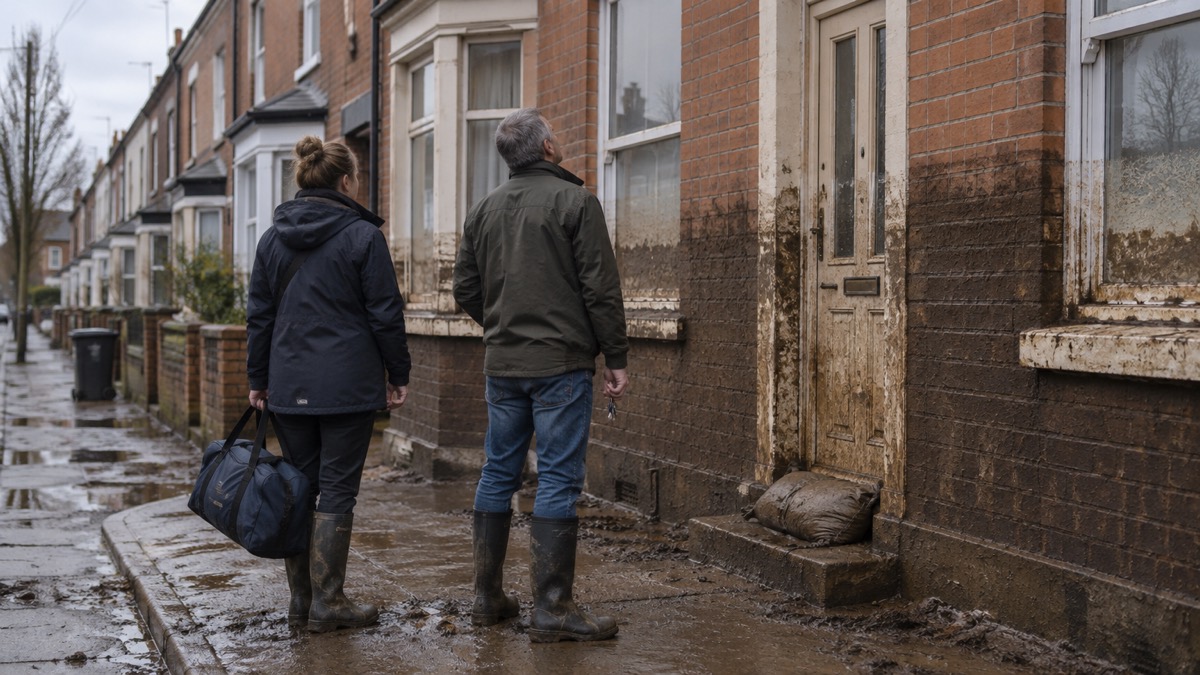
Going home after an emergency is not simply a matter of walking back through the front door. The emergency services or your local authority will tell you when it is safe to return, and you should not try to go back before then1. Once you are allowed in, the first job is to air the property: open all the windows to let fresh air in before you reconnect gas and electricity2. Gas, in particular, must never be turned back on by you if you turned it off; a qualified engineer has to do that3.
The order of things matters. Check the outside of the property for damage before you enter, ventilate the house, then have utilities checked by qualified people before switching anything on4. If you have been flooded, assume the water was contaminated and treat every surface and every appliance that got wet with caution5. If there was a fire, do not enter until the fire and rescue service tells you it is safe, and expect that firefighters may have turned off your gas, electricity and water6.
This page walks through each stage: when it is safe to go back, what to check on arrival, how to reconnect services safely, what to do after a flood or a fire, which food, water and medicines to treat as unsafe, what to record for your insurer, and where to get help if you cannot yet live at home.
Check it is safe before you go back in
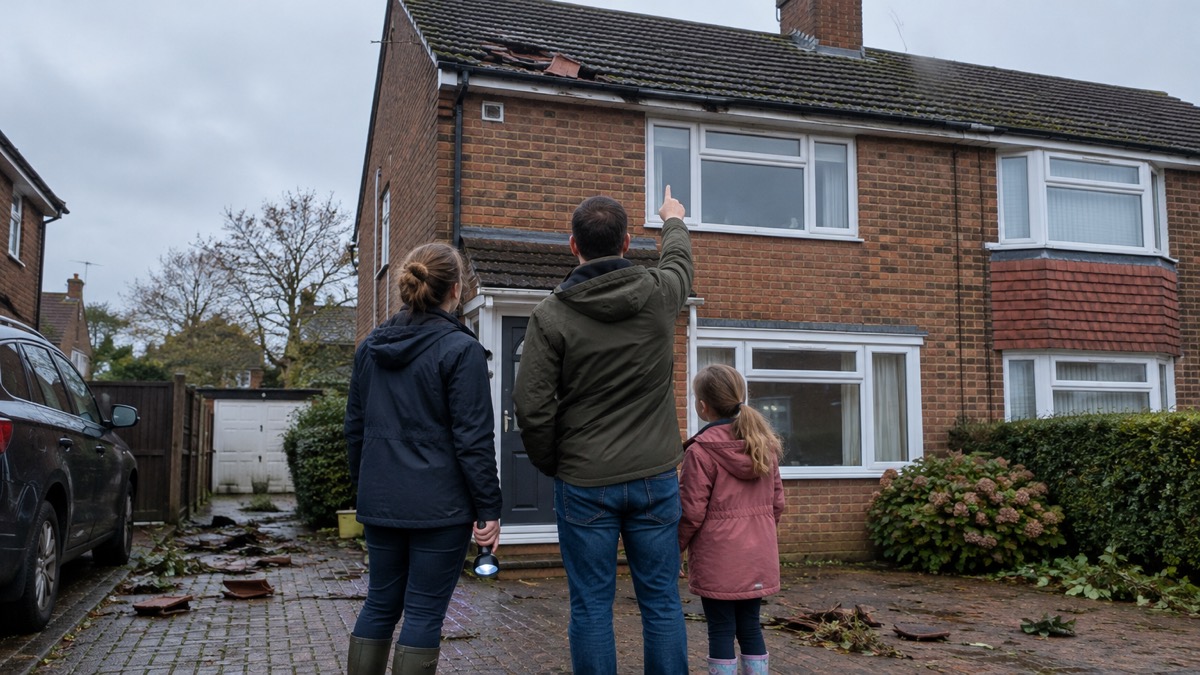
The single most important rule after an evacuation is that you do not decide for yourself when to return. Do not try to return until the emergency services tell you it is safe to do so1. The emergency services or local authorities will let you know when it is safe to go home, and they will also give you information about any specific actions you should take once you are back, such as advice about drinking water or power loss4. Always follow that advice rather than your own judgement about how the property looks10.
This applies whatever the emergency was. If you have been evacuated from your home after flooding, do not return until you are told by the police or emergency services that it is safe11. After a fire, do not enter your home until the fire and rescue service tells you it is safe to do so6. If you had to leave your home because of a fire, get out, stay out and call 999, and never re-enter until the fire and rescue service has made it safe10.
When you do arrive back, check the environment is safe before you settle in, and move somewhere else if it is not. Look for flooding, cordons, fires and the smell of gas12. Take care around the property itself: after a flood there may be hidden dangers such as sharp objects, raised manhole covers and pollutive substances11.
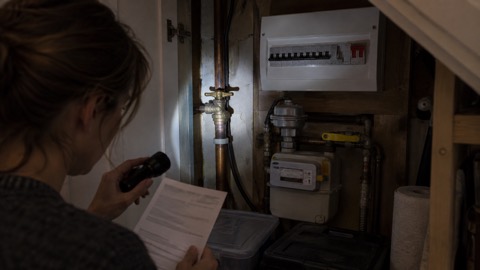
Two further cautions are worth holding in mind. First, be wary of anyone who knocks on your door offering to carry out building or repair work after an emergency, and check their credentials first10. Second, if you have time before you leave a property in a future emergency, turn off electricity, gas and water supplies, unplug appliances, lock all doors and windows, and take your grab bag, pets, and all health aids including glasses, hearing aids, ability aids and prescribed medication13. Knowing where your gas, electricity and water services come into the home and how to turn them off is part of a good household emergency plan, and our guide to finding your stopcock, gas valve and fuse box shows you how.
Open all windows before reconnecting gas and electricity
When you return home, open all the windows to let in fresh air before reconnecting gas and electricity2. This is the standard first step in official guidance, and it serves two purposes: it clears any gas or fumes that may have built up while the house was shut, and it starts the drying and airing process if the property has been flooded.
If you smell gas at any point, the advice is immediate and specific. Open a window if you can and leave the property immediately, call National Grid on 0800 111 999, and do not smoke or use naked flames until you are sure there is no leaking gas7. The Health and Safety Executive gives the same core action for a suspected gas leak: open all the doors and windows14. An engineer will be sent to make the property safe, and if the gas is lost for a long period, National Grid will send you details about the incident10.
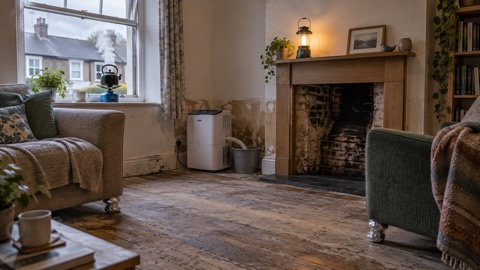
Ventilation also matters in the days after a flood. If you are returning before cleaning is complete, try to have some heating on at all times, consider a dehumidifier, keep the property well ventilated with windows open as much as possible, and make sure any air bricks to underfloor spaces are unblocked to give cross ventilation15. The same guidance applies while you are cleaning up as well as on the day you return5.
One exception to the open-windows rule: if the emergency is a release of gas, toxic chemical or radiation that is still ongoing outside, the advice reverses. Go indoors unless you are asked to leave by the emergency services, close all doors, windows and vents, put out all naked flames such as pilot lights, switch off gas supplies, put away or cover all fresh food, use the phone only if you need to, stay indoors until you know more, and tune in to a local radio or TV station16. After a chemical accident, remember to unblock vents before switching equipment on again17. Our page on sheltering in place covers this in more detail.
Reconnecting gas and electricity safely
The rule that catches most households out is this: you can turn the water and electricity back on yourself, but not the gas. If you turned the gas off, it must be turned on again by a professional for safety reasons3. The same warning appears across official guidance: electricity and gas supplies should not be turned back on until you have had professional advice that it is safe to do so18, and you should check with someone qualified before turning on your utilities2.
| Service | Can you turn it back on yourself? | What to do |
|---|---|---|
| Water | Yes | Turn back on yourself, but check for damage to pipes first3 |
| Electricity | Yes, with care | Turn back on yourself if undamaged; after a flood, have a qualified electrician check switches, sockets and appliances first3 |
| Gas | No | Must be turned on again by a qualified engineer3 |
After a flood, the checks are more extensive. Avoid turning on devices that use gas or electricity, as they may have got wet; a registered electrician should be called to assess electrical wiring, equipment and appliances affected by the flood5. You may need gas or electricity engineers to check your supply before turning it back on8. Contact a qualified electrician and gas engineer to check that it is safe to turn your gas and electricity back on20.
After a fire, the position is slightly different because the fire itself may have affected your utilities. Firefighters may have turned off or disconnected your gas, electricity and water supplies, or the fire may have damaged them, so make sure only a qualified trade person reconnects you6. Notify your gas, electricity and water providers for damage assessment and repairs; reconnections should always be handled by professionals21. Before using any gas appliance, ensure a gas engineer evaluates its safety, and do not turn it on if damage or leaks are suspected21.
When the power comes back on
If the electricity failure affected only your home, check your trip switch, a circuit breaker fuse system near your electricity meter. If the trip switch is still on, call your electricity network operator. If it is off, switch it back on. If it switches back off, one of your appliances may be faulty, so unplug all appliances and reset the switch. If only part of the supply has failed and the trip will not reset, contact a registered electrician10.
After a flood, do not rush this. Turn off any electricity until a qualified electrician or the utility company has checked all switches, sockets and appliances, and use a circuit breaker with any electrical equipment you use in or to clean and repair the property19. During the flood itself, unplug appliances to prevent electrical shock when the power comes back on11. Our power cuts guide covers the wider picture.
Returning after a flood
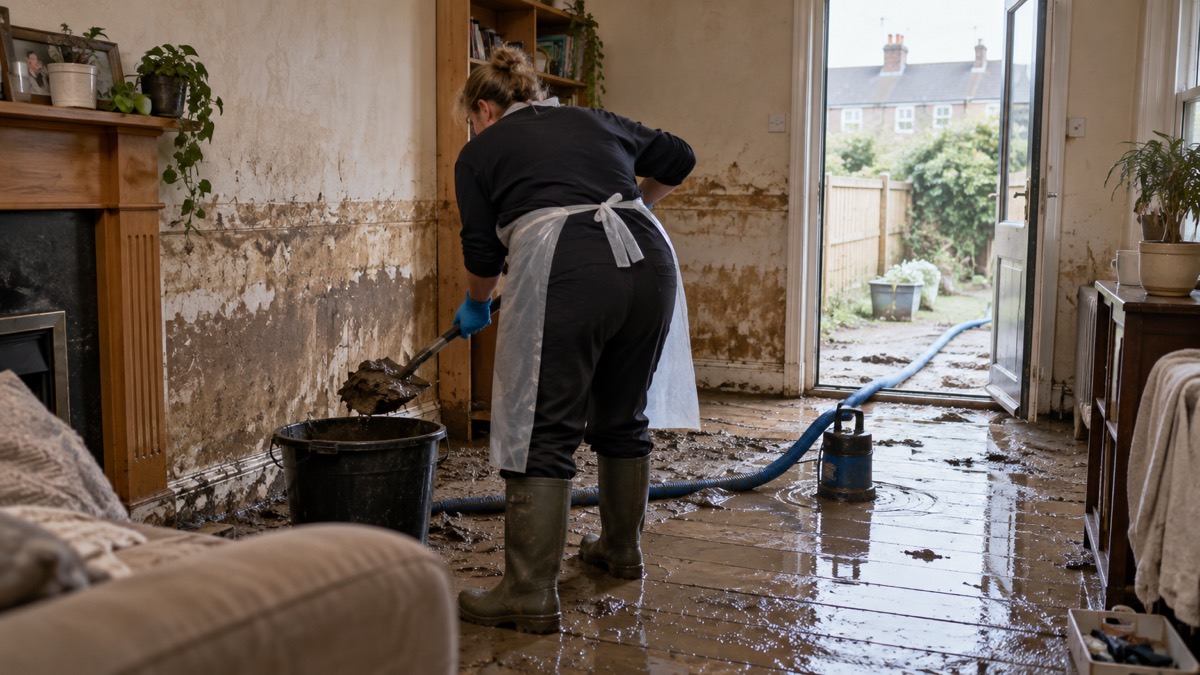
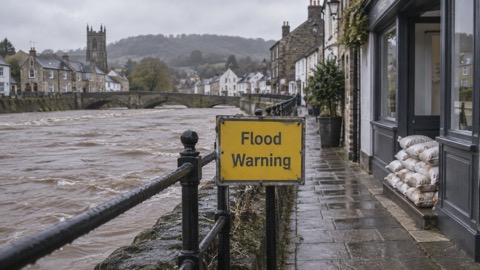
Flood recovery is the longest version of coming home. Check with the emergency services that it is safe before you return22. When you do go back, remember that flood water may contain sewage and conceal hidden dangers8, so treat everything it touched as contaminated.
Before you can properly move back in, all standing water must be removed, particularly from the underfloor area. Use a pump or buckets followed by a wet/dry vacuum, then shovel out mud and hose out the property or use a garden sprayer19. Wear gloves and a disposable plastic apron when using cleaning products, and follow the manufacturer's instructions correctly15.
Keep the property drying as you work: heating on at all times if you are living there before cleaning is complete, a dehumidifier if you can, windows open as much as possible, and air bricks to underfloor spaces unblocked for cross ventilation15. Any mould that has appeared since the flooding should begin to disappear as the home dries; if it persists, contact a specialist cleaner23.
Your local council can help with the aftermath. It can give advice on cleaning up, structural damage, removing bulky waste, and help if you find vermin or pests in your home after flooding24. If you are in rented or social housing, contact your housing provider as a priority to ensure you have somewhere to stay22. Our flooding guide covers preparation and the flood itself.
Re-entering a home after a fire
After a fire, the fire and rescue service controls when you go back in. Do not enter your home until the fire and rescue service tells you it is safe to do so6. If you escaped from the fire, do not go back inside even if there is someone or a pet inside; wait for the firefighters and give them as much information as possible25. If you live in a flat and the fire was elsewhere in the building, you may not be able to re-enter until firefighters have dealt with it, which can mean being away from your flat for a few hours, and you will not be able to use the lift25.
Once the fire and rescue service says you may enter, expect the utilities to be off. Firefighters may have turned off or disconnected your gas, electricity and water supplies, or the fire may have affected them, and only a qualified trade person should reconnect you6. Notify your gas, electricity and water providers for damage assessment and repairs21.
Do not carry out remedial work until your insurer or landlord has given authorisation26. Take the same approach to records as after a flood: photograph the damage before you clean or move anything, and keep records of repairs and cleaning costs9. If you cannot stay with friends or family and your home is uninhabitable, the local council may be able to help with emergency accommodation27. Our home emergencies guide covers fire prevention and what to do during a fire.
Food, water and medicines that may not be safe to use
Treat anything the emergency may have touched as suspect until you have checked it.
Water. Mains tap water should not be contaminated after flooding, but wash your taps and let them run for a few minutes before use24. Do not use tap water if you think there are issues with the supply, such as an odour or discolouration of the water, and if you do not have mains water available, use bottled water23. Listen for specific advice from the emergency services or local authority about drinking water once you are home4.
Food. If there has been a release of gas or chemicals, put away or cover all fresh food while the incident is ongoing16. Food that has been in contact with flood water should be treated as contaminated, since flood water may contain sewage8. Our emergency food guide covers food safety in more depth.
Medicines and records. If medicines were damaged by water, heat or smoke, speak to your GP or pharmacist before using them. Original medical records will be held at your GP's surgery or hospital, so damaged or lost documents can be replaced there27. If you take prescribed medication, take all health aids including glasses, hearing aids, ability aids and prescribed medication with you whenever you leave in an emergency13.
Cleaning products. Wear gloves and a disposable plastic apron when using cleaning products and follow the manufacturer's instructions correctly15.
What to record for your insurer
Start recording before you clean anything up. Take pictures of any damage which has occurred and keep records of repairs and cleaning costs, as this may help your insurance claim9. Contact your insurance company, and your landlord if you rent, for advice and approval to carry out repairs, and take photos of the damage and keep records where possible5.
If you must arrange emergency repairs, tell your insurer and keep receipts, as you will need these in any claim after storm or flood damage1. Do not carry out remedial work until your insurer or landlord has given authorisation26.
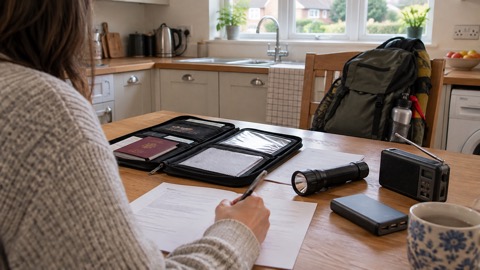
Keep a record of contact details you may need: work, doctor, schools, water supplier, electricity network operator, gas supplier, telephone and internet provider, home insurance company, home breakdown services and an emergency friend10. Our household emergency plan template includes a contacts section you can fill in ahead of time.
Where to get help after an emergency
Help comes from several directions, and it is worth knowing who does what before you need it.
The emergency services and your local authority will let you know when it is safe to go home and will provide information about specific actions you should take4. Follow the advice of the emergency services throughout28. If you find yourself at the scene of an emergency and it is safe to do so, you could provide first aid, comfort and support while waiting for the emergency services to arrive29.
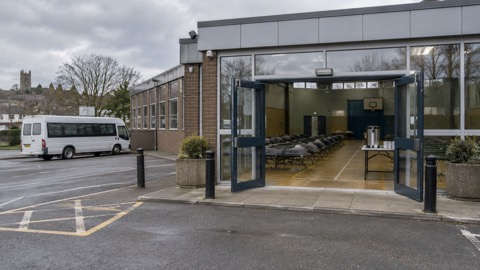
Your local council has responsibilities for people made temporarily homeless in an emergency and may open a rest centre or provide alternative accommodation9. It can also advise on cleaning up, structural damage, removing bulky waste, and vermin or pests after a flood24. Our page on rest centres explains what they provide.
Somewhere to stay. The best option is to see if you can stay with any friends or relatives9. If you cannot, and your home is uninhabitable, the local council may be able to help with emergency accommodation27. Ask your insurance company or landlord whether they will provide temporary accommodation11. If you are in rented or social housing, contact your housing provider as a priority22. If evacuation is recommended, a rendezvous point will normally be established and a rest centre set up; if you choose not to use the rest centre, advise its staff of your alternative arrangements26.
Neighbours. If it is safe to do so, consider checking in on neighbours or anyone you think might need additional help or support, or pass on important information about the emergency29. After any major emergency, try to make contact with all residents of the community, especially those in isolated dwellings or vulnerable neighbours, tell them to contact you if they need help and keep an eye on them30. If you have had to leave your home empty, arrange for a neighbour to make regular checks of your property, and ask them to inform the police by the 999 system if they see or hear anything suspicious30. Emergency friends can provide each other with a place to stay if you have been evacuated or your home has been affected by a flood, fire or utility failure31.
Before the next one. Once you are settled, the work of preparing begins again: keep essential items in the same place within the home so you can gather them quickly if you have to leave32, make a bedtime check part of your routine33, and work through our getting started guide so the next emergency finds you better prepared. Our page on recovering after a major emergency covers the longer process of getting back to normal.
Sources (33)
- Emergency planning advice, Belfast City Council, Belfast City Council
- Emergency information for residents, Basingstoke and Deane Borough Council, Basingstoke and Deane Borough Council
- Your Home Emergency Plan, Royal Borough of Windsor and Maidenhead, Royal Borough of Windsor and Maidenhead, 2026-01
- Step 3: recovering from an emergency, Essex Prepared, Essex Prepared
- Cleaning up after flooding, Derbyshire County Council, Derbyshire County Council
- After a fire, Oxfordshire Fire and Rescue Service, Oxfordshire Fire and Rescue Service
- Prepare yourself for emergencies, Greater Manchester Combined Authority, Greater Manchester Combined Authority
- Personal flood plan, Environment Agency, Environment Agency, 2023
- Preparing for emergencies, London Councils, London Councils
- Are You Ready booklet, Culham Parish Council, Culham Parish Council, 2025-09
- Before, during and after a flood, Suffolk Resilience, Suffolk Resilience, 2021-05
- Community resilience, Buckinghamshire Council, Buckinghamshire Council, 2026
- Protecting yourself in an emergency, West Northamptonshire Council, West Northamptonshire Council, 2024-05-31
- Domestic gas: frequently asked questions, Health and Safety Executive, Health and Safety Executive, 2026
- Cleaning up and returning home after flooding, Derbyshire County Council, Derbyshire County Council
- Release of gas, toxic chemical or radiation, City of Edinburgh Council, City of Edinburgh Council
- Chemical accidents advice, Fareham Borough Council, Fareham Borough Council
- Flooding aftercare, Runnymede Borough Council, Runnymede Borough Council
- After a flood, Surrey County Council, Surrey County Council, 2026-09-23
- After a flood: easy read, Nottinghamshire County Council, Nottinghamshire County Council, 2025-11-02
- Dealing with the aftermath of a fire, Warwickshire County Council, Warwickshire County Council
- Recovering from a flood, Wiltshire and Swindon Prepared, Wiltshire and Swindon Prepared, 2026-10-25
- Flood recovery leaflet, Nottinghamshire Local Resilience Forum, Nottinghamshire Local Resilience Forum, 2025
- Household flood plan, nidirect, nidirect, 2018-12
- Fire safety information for residents in flats, Manchester Fire and Rescue Service, Manchester Fire and Rescue Service
- Northumbria Local Resilience Forum, Northumberland County Council, Northumberland County Council, 2026-10-28
- After fire or flood, Dorset and Wiltshire Fire and Rescue Service, Dorset and Wiltshire Fire and Rescue Service, 2020-12-01
- Emergency advice, Belfast City Council, Belfast City Council
- Be informed about hazards, Prepare campaign, UK government, 2026-10-22
- Be Prepared booklet, Lancaster City Council, Lancaster City Council, 2026-10-26
- Prepare your household for emergencies, Westminster City Council, Westminster City Council, 2014-04
- Household emergency kit, nidirect, nidirect, 2026-07-06
- Safety at home, Dorset and Wiltshire Fire and Rescue Service, Dorset and Wiltshire Fire and Rescue Service, 2026-04-30
 30-Day Household Checklist
 Emergency Plan Template
 Supply Interruption Checklist
 Household Emergency Plan
 Emergencies to Prepare For
 Community Risk Registers
 What to Do in an Emergency
 Sheltering in Place
 Staying Put or Leaving
 If You Are Asked to Evacuate
 Planning Your Evacuation
 Rest Centres
 Stopcock, Gas Valve and Fuse Box
 Recovering After an Emergency
 Scotland Emergency Planning