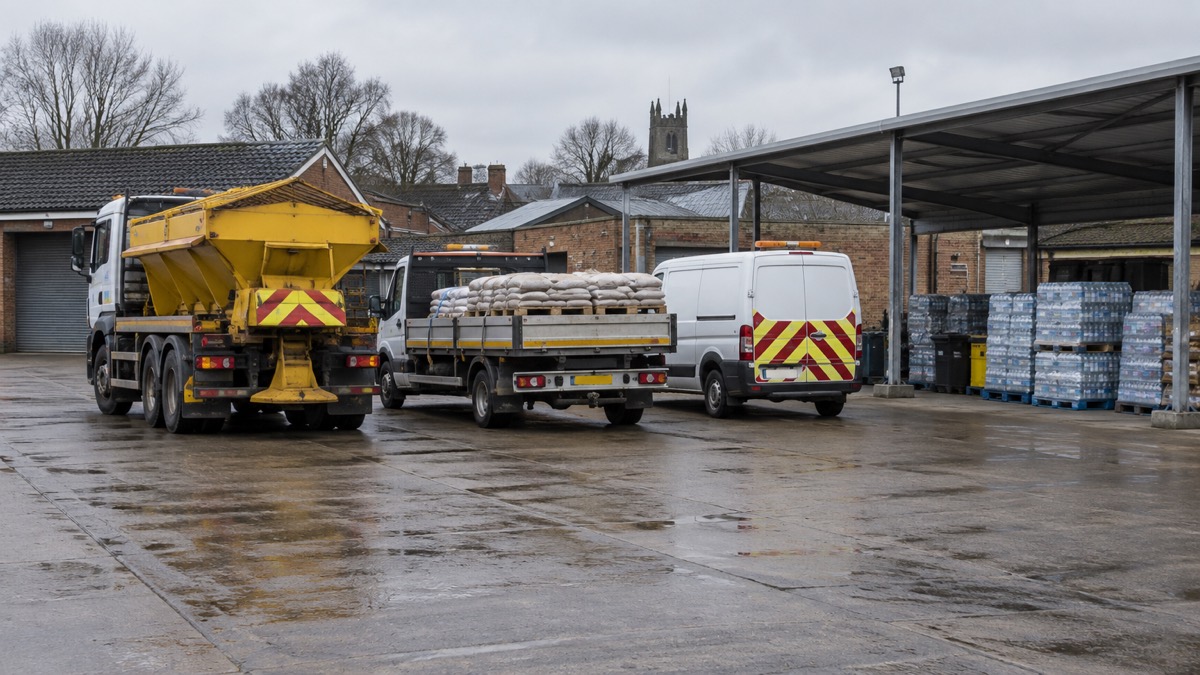
When an emergency happens in your area, the police, fire and ambulance services lead the immediate response, but your council is the organisation that plans for it in advance, supports those services, looks after the people affected and leads the recovery afterwards. Councils assess the risks their area faces, prepare contingency plans, co-ordinate the local authority response and support the recovery management process1. In an incident, the emergency services are supported by the county or unitary council, your borough or district council and other organisations, with support plans prepared and practised in advance2.
What that means for your household is practical. If you are evacuated, the council's job is to make sure you have somewhere to go and that your welfare is looked after3. If you are made homeless by the emergency, the law places duties on your council to provide temporary accommodation4. And if you want to know what risks your area actually faces, or to help your street prepare, your council's emergency planning team is the place to start5.
What the council does not do is everything. It is not an emergency service in the way the police and fire service are, it does not have to feed you in every incident, and its emergency planning teams often work office hours. This page sets out what your council will and will not do before, during and after an emergency, and how to contact it.
What your council does when an emergency happens
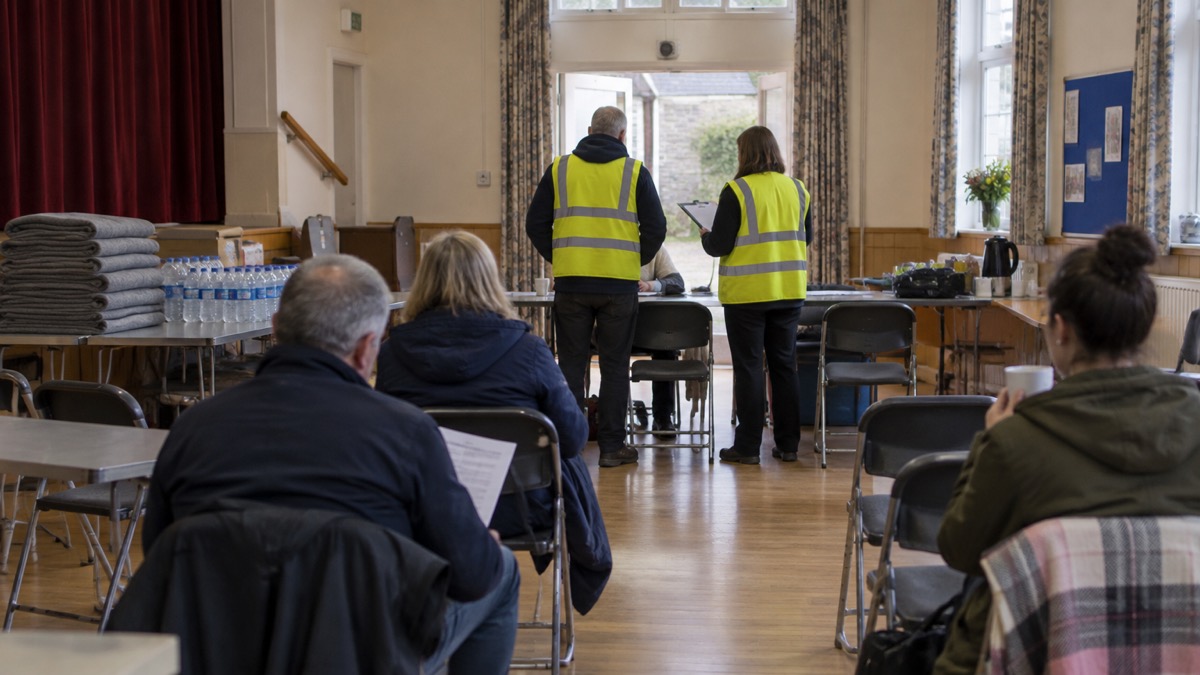
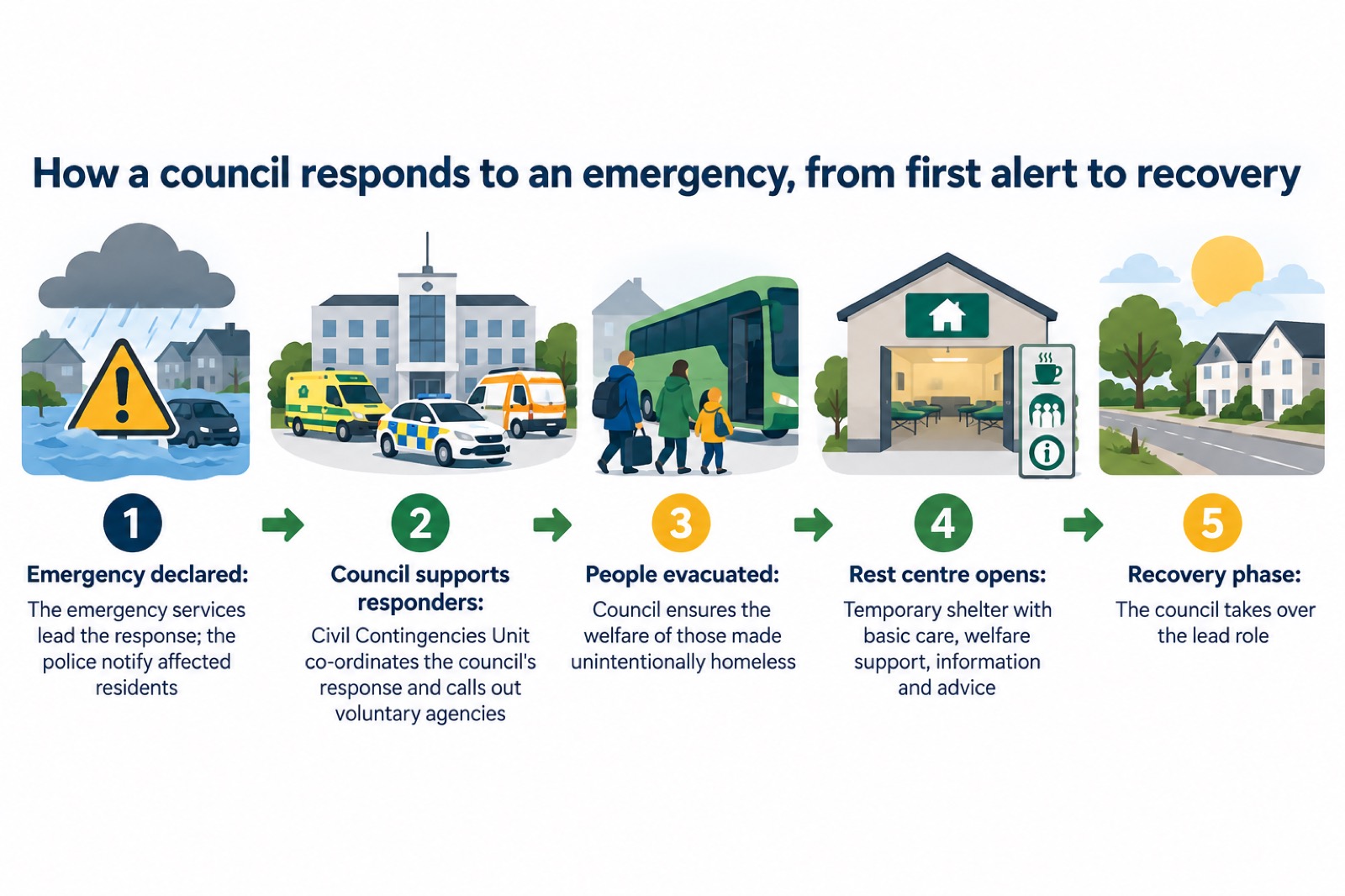
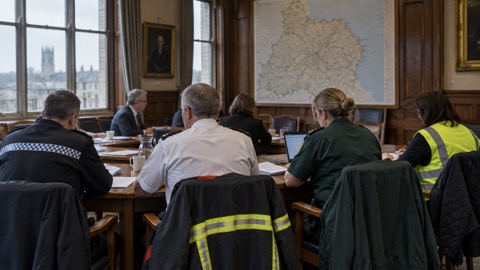
Every council has a team behind its emergency response. In many areas it is called a Civil Contingencies Unit or emergency planning team, and it is responsible for co-ordinating the council's response in an emergency, including alerting and calling out other council officers and voluntary agencies such as the British Red Cross and the Royal Voluntary Service, and liaising with the emergency services and utility providers6. This team is who you are contacting, in effect, when you ask the council for help in an incident.
The division of labour matters for knowing who to call. The emergency services decide whether an evacuation is necessary, and it is then the council's duty to ensure the welfare of those made unintentionally homeless3. Once an incident moves into the recovery phase, the council takes over the lead role6. So during the first hours of a fire, flood or chemical release you follow the instructions of the police and fire service, and it is the council you deal with over the days and weeks that follow.
A council's work in an incident is broad. One Welsh authority lists its key functions during an incident as support to the emergency services, identifying vulnerable people and providing support, transport of evacuees and temporary shelter via rest centres, care, counselling and welfare support, humanitarian assistance centres for long term incidents, warning and informing including a helpline, provision of plant, materials, personnel and expertise, road closures and signage, buildings assessment, maintenance and demolition, temporary mortuary facilities, and advice on environmental, health and safety, food safety and dangerous buildings matters11. Another council provides emergency transport to move members of the public from the scene of an emergency to a safe location12.
Councils also plan for the weather itself. A Civil Contingencies Advisor working with the Met Office builds relationships with responders, helps assess weather related risks and develop severe weather plans alongside other agencies in the local resilience forum, and supports exercises by helping to develop weather scenarios, providing mock weather forecasts and warnings and attending as a subject matter expert13. That planning happens in peacetime, which is why councils can move quickly when a named storm arrives.
| What happens | Who leads | What the council does |
|---|---|---|
| Immediate danger to life | Police, fire, ambulance | Supports the emergency services11 |
| Evacuation decision | Emergency services | Ensures the welfare of those made homeless3 |
| Moving people to safety | Emergency services | Provides emergency transport12 |
| Recovery phase | The council | Takes over the lead role6 |
Rest centres: where the council shelters people
If you are asked to evacuate your home, you can go to relatives, friends, a community place of safety or a local authority rest centre7. Going to family or friends if you safely can is the better option for most households: a rest centre is a temporary shelter for people who are evacuated and unable to stay with family and friends, where basic care and welfare support as well as information and advice is provided10.
A rest centre is a building designated or taken over by the local authority for the temporary accommodation of evacuees and homeless survivors, with the potential for overnight facilities4. Cornwall Council describes the same arrangement: a building, with potential overnight facilities, taken over by the council for the temporary accommodation of affected individuals, with more suitable overnight accommodation sourced whenever possible14. In practice these are usually familiar buildings in your area, such as village halls, schools or leisure centres, and the council tries at all times to make them as comfortable as possible8. Councils keep lists of suitable buildings in advance: Argyll and Bute Council, for example, has a list of emergency centres which can provide shelter for displaced members of the public on a temporary basis8.
What you will find there is basic. One council that sets up rest centres with its county council provides transport, shelter, food and information to people evacuated15, but provision varies between councils and incidents, and food is not a duty the council must provide in every emergency, as the next section explains. Councils plan for different scales of event: one borough's accommodation plan notes that a large number of people affected would usually have led to a rest centre being set up, depending on the ability of evacuees to self-evacuate4. If you can make your own way to family or friends safely, you may be asked to do so.
If you are evacuated and cannot stay with anyone, tell the staff at the rest centre about your circumstances, including any medication, mobility or care needs, because the council's duty is to ensure your welfare3. For longer incidents, councils may open humanitarian assistance centres, which provide longer term support than a rest centre11.
Who the council helps first: vulnerable people and welfare support
Councils pay particular attention to people who cannot easily help themselves. As part of the multi-agency response to an incident, the local authority will identify known vulnerable people in the affected area and relies on the community to assist, with a multi-agency approach to support them11. That means the council works from the information it already holds, and from what neighbours and community groups tell it, to find the people who need help first.
The range of people counted as needing extra support is wide. Flood wardens in one scheme help support vulnerable residents who may need extra support, for example those who have disabilities, are elderly, pregnant or have young children, may be visiting the area, or who may be cut off and unable to access supplies16. If you or someone in your household falls into any of those groups, it is worth making sure your council and your neighbours know before an emergency, not during it.
If you are helping a vulnerable neighbour during an evacuation, support them and alert the local council if further help and support is required, such as transport, medication, temporary accommodation and medical attention3. Community groups are advised to identify which members of the community might be vulnerable in an emergency and be prepared to offer assistance if required17. This is not left to chance: community resilience guidance asks groups to be aware of the risks their community might face, keep an emergency contacts list for the group, identify vulnerable members, and develop or help develop an emergency plan for the organisation or community18.
- Tell the council about transport, medication, temporary accommodation or medical needs you cannot meet yourself3
- Community groups should keep an emergency contacts list so they can keep in touch during an event18
- Identify vulnerable neighbours in advance and be prepared to offer assistance17
- Flood wardens and volunteers should not rescue residents from flood water; leave that to the emergency services16
Food is not a duty the council must provide
This is the point most likely to catch households out. Councils provide basic care and welfare support at rest centres10, and some councils do provide food there as part of their arrangements15, but there is no general duty on a council to feed households during an emergency. The clearest statement of the limits comes from the parish and town council level: town and parish councils are not an emergency service and have no statutory responsibility to plan for, or respond to, emergencies, and they are not trained, equipped, empowered or resourced to carry out the functions of an emergency service17. The same guidance is repeated by a county council's community resilience team18.
The practical lesson for your household is to hold your own food and water stores. A rest centre will give you shelter, warmth, information and basic care, but you should not plan on it replacing your own preparations. Our guides to emergency food and water in an emergency set out what a household should keep ready, and getting started covers the basics for a household with no prepping background.
The same limit applies to community help. Parish and town councils work with the principal council to involve local communities in flood risk management, emergency planning and flood recovery at a local level19, and district and borough councils work with the county council in planning flood risk management, emergency planning and flood recovery19. They are genuine partners in planning, but they are not a substitute for the emergency services or for your own preparations.
Council help in severe weather: gritting, bins, care and winter updates
In winter weather, the council's most visible work is on the roads and pavements. Grit bins are provided to help make public highways and footpaths safer during icy weather, and the advice from Lancashire County Council is to be winter ready: plan ahead, travel carefully, use grit bins where needed and look out for others in your community20. Grit bins are there for public roads and footpaths, so treat them as a community resource rather than a private one.
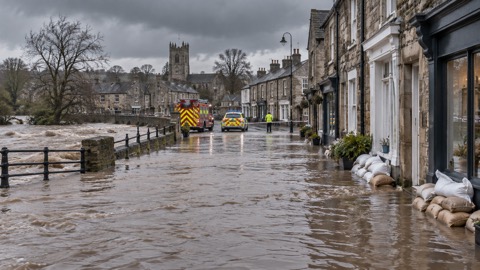
County councils and unitary authorities co-ordinate emergency arrangements including welfare facilities for affected residents, maintain safe conditions on the roads, and organise road closures and highway flood warning signage21. During severe flooding, local authorities work with the emergency services and co-ordinate shelter for people evacuated from their homes22. So in a storm or heavy snow, the council is simultaneously keeping roads passable, warning drivers of flooding, and standing ready to shelter anyone driven from home.
Councils also publish practical guidance for the emergencies their area most often faces. Cumberland Council's emergency pages cover what to do if there is flooding or a power cut, who to contact in a power cut, how to check for weather warnings, advice on what to do if you have no water, preparing property for flooding, and information for organisations and the public in the event of a nuclear or chemical emergency23. Check your own council's website for the equivalent pages before winter: knowing where they are saves time when the weather turns. Our guide to storms, snow and ice covers what your household should do alongside what the council does.
Floods: the council's local flood plans and strategies
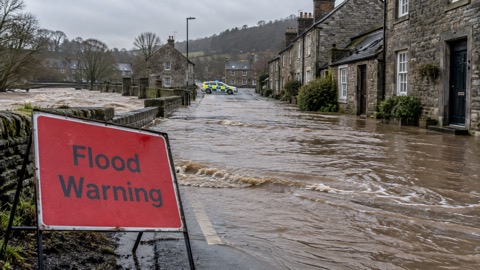
Flooding is the emergency most UK councils plan for in the most detail, and the arrangements differ between England and Scotland. In England, county councils and unitary authorities are lead local flood authorities, co-ordinating flood risk management with district and borough councils, which work with them in planning flood risk management, emergency planning and flood recovery19. Parish and town councils work with the principal council to involve local communities in the same work at a local level19.
In Scotland, local authorities are responsible for producing Scotland's first Local Flood Risk Management Plans, in partnership with SEPA, Scottish Water and other responsible authorities22. The Scottish Government sets national policy on flood risk management and flood warning, develops Scottish Planning Policy, and provides resources to help authorities address flood risk24. The Scottish Flood Forum, a Scottish Government supported organisation, offers support and advice on flood protection, insurance and recovery, advice on establishing community flood groups and business continuity planning, and represents the interests of people affected by, or at risk of, flooding24. If you are flooded in Scotland, the forum is worth contacting alongside your council.
At community level, many flood-prone parishes have flood wardens. If you live in a parish council area, your community may have a Community Emergency Plan, which may document specific actions for the Flood Warden16. Wardens help support vulnerable residents, but the boundary is firm: flood wardens should not rescue residents from flood water, and leave that to the emergency services16.
Private water supplies: what the council can require
If your home takes water from a private supply, a spring, well, borehole or small shared system rather than the mains, your council has a specific regulatory role. The regulator for private water supplies is the relevant local authority, and its functions in relation to water quality and sufficiency are prescribed in sections 77 to 85 of the Water Industry Act 199125. The Drinking Water Inspectorate, which oversees this system, notes that the Regulations give enforcement powers to local authorities when a supply is considered to present a potential danger to human health, but they do not give powers to require a sufficient supply26.
That distinction matters when a supply runs short. Where circumstances pose a danger to life or human health, the local authority has the power to require, if practicable at reasonable cost, the local water company to supply water by means other than pipes for a specified period, with costs recoverable from the relevant person or persons25. Under section 79 of the Act, the local authority must require the local water company to provide a wholesome water supply to the premises for a specified length of time where the supply causes a danger to life or health and piped supply is not practicable at reasonable cost25.
But there is an important limit. Where a contingency plan is not in place, there is no obligation on the local authority or water company to provide an alternative supply, except where the local authority considers the circumstances pose a danger to life or human health25. And the council's powers under section 80 of the Water Industry Act 1991 are directed at ensuring that a private water supply is sufficient by being well maintained, not at requiring a private individual to continue supplying water to others indefinitely or resolving private law disputes27.
The advice that follows from this is direct. Every supply owner and user should have a contingency plan for an alternative supply in cases of emergency27. The Inspectorate advises that, where possible, the relevant persons of shared and community supplies establish agreements, preferably written and legally binding, setting out clear accountabilities and responsibilities for running the supply, including costs and contingency arrangements25. Local authorities should require contingency plans for insufficiency as part of their regulation 6 risk assessments and five-yearly reviews25.
When contamination does happen, the response can be rapid. In one case study published by the Drinking Water Inspectorate, covering a supply serving 34 domestic dwellings, the emergency response comprised diverting the spring to waste through the overflow and blocking off the pipework to the reservoir to prevent any more contaminated water entering the supply28. Your council's environmental health team is the first point of contact if your private supply changes in taste, colour or smell.
Radiation emergencies near nuclear sites: the off-site plan
If you live near a nuclear site, a naval base or a licensed nuclear establishment, your council has an additional legal duty. Under the Radiation (Emergency Preparedness and Public Information) Regulations 2019, known as REPPIR, local authorities must plan for mitigating the consequences of a nuclear off-site emergency29. GB law places a legal duty on the relevant local authority to produce plans to deal with off-site emergencies at nuclear sites30.
Should a radiation emergency be declared, the local authority will activate its off-site emergency plan to protect the public within a pre-determined area known as the Detailed Emergency Planning Zone, or DEPZ30. These plans name every organisation that would respond. The Devonport Off-site Emergency Plan, for example, gives details of the roles to be played by the Ministry of Defence, the site operator, the emergency services and other responding agencies in the event of a radiation emergency31. The Clyde off-site emergency plan covers radiation emergencies at HM Naval Base Clyde and associated operational berths, and Argyll and Bute Council and the emergency services have statutory duties under REPPIR 2019 to plan and prepare for the unlikely event of a radiation emergency8. Lancashire County Council is the designated Lead Local Authority producing an Off-Site Emergency Plan for its sites29.
The risk is deliberately kept in proportion. Lancashire County Council's plan stresses that the possibility of such emergencies occurring is remote, and that the design and operation of all plants on all sites are independently monitored by the Office for Nuclear Regulation and the Environment Agency29. If an emergency is declared that affects you, you will be notified by the police8. Households near these sites can find their council's plan on its website, and our guide to major incidents covers what a radiation emergency would mean for your household.
Planning ahead with your council: community plans and risk registers
The council's emergency planning work is not secret. Councils publish their plans and their risk assessments, and they actively want households and community groups involved. Nottinghamshire County Council's plans show who would be involved and what the roles and responsibilities would be in different types of emergency situation32, and its emergency accommodation plan details how it provides emergency accommodation, including setting up and running a rest centre when homes and communities need to be evacuated32.
Councils that are category 1 responders have duties for risk assessments, business continuity management, emergency planning, maintaining public awareness and arrangements to warn, inform and advise the public, provision of advice and assistance to the commercial sector and voluntary organisations, and co-operation and information sharing5. It is the duty of local authorities to take a lead role in local resilience forums and prepare for severe drought impacts within their emergency plans33. Local resilience forums bring together all the responders in your area, and many publish a community risk register you can read. Our guide to local resilience forums explains how to find yours.
If you want to help, start with your parish or town council. Somerset Council asks residents who can offer help during emergencies to contact their parish or town council, and offers talks on emergency planning and community self-help1. Community groups planning to help in an emergency are advised to be aware of the risks their community might face, keep an emergency contacts list, identify vulnerable members, and develop or help develop an emergency plan for the organisation or community18. Our community resilience guide sets out how a street or village group does this in practice.
Help to repair or protect your home afterwards
Once the emergency services have gone, the council's role continues. After a flood, your local council may help with the collection, retention and disposal of damaged household contents, and help with arrangements to clean up your home and garden34. That is a service worth knowing about, because the volume of flood-damaged contents is one of the practical problems households underestimate.
Housing help depends on who owns your home. If you rent from the council or a housing association, they should provide temporary accommodation if you have to move out35. Where other options are exhausted, the council may help find temporary or permanent accommodation if you are homeless or threatened with homelessness because of the flood, possibly emergency accommodation such as a hostel, bed and breakfast or council property, and you may have to pay rent or a contribution35. The 1989 Local Government Housing Act and the 1996 Housing Act place statutory duties on local authorities to provide temporary accommodation for residents rendered homeless because of an emergency4. Our page on who houses you if an emergency leaves you homeless covers this in detail.
Some councils go further in protecting property before and during floods. Ashford Borough Council arranges temporary housing for anyone unable to return home and makes sandbags available at locations of highest risk as part of a reasonable flood defence response10. Check whether your own council offers sandbags, and where from, before the flood warning rather than during it. In Scotland, the Scottish Flood Forum offers support and advice on flood protection, insurance and recovery after the event24.
How to contact your council's emergency planning team
Council emergency planning teams are small teams, and they are not a 999 service. Highland Council's emergency planning team is available 8am to 4pm on weekdays, and provides support for multi-agency arrangements that provide emergency accommodation, welfare support and transportation for people evacuated from their homes9. Outside those hours, every council runs an out-of-hours number for genuine emergencies. Carmarthenshire County Council, for example, takes emergency housing repair calls on 01267 234567 during office hours, 8:30am to 6pm Monday to Friday, and on 0300 333 2222 outside those times36.
Find and save these numbers before you need them:
- Your council's main switchboard and its emergency planning or civil contingencies team page
- Your council's out-of-hours emergency number36
- Your parish, town or community council, if you can offer help during emergencies1
- 999 for emergencies involving danger to life, and the police, who will notify you if an emergency is declared that affects you8
For the wider picture of how the UK plans for emergencies, including the duties the Civil Contingencies Act places on councils as category 1 responders, see our guide to how the UK prepares for emergencies.
Sources (36)
- Preparing for emergencies, Somerset Council, Somerset Council, 2026
- How emergency services can help, Surrey County Council, Surrey County Council, 2016
- Are You Ready booklet, Culham Parish Council, Culham Parish Council, 2025
- Emergency plan, Reigate and Banstead Borough Council, Reigate and Banstead Borough Council, 2026
- How we plan for emergencies, Cumberland Council, Cumberland Council, 2026
- Roles and responsibilities of emergency responders, Argyll and Bute Council, Argyll and Bute Council, 2026
- Preparing for emergencies, Somerset Council, Somerset Council, 2026
- Preparing for civil emergencies in Argyll and Bute, Argyll and Bute Council, Argyll and Bute Council, 2026
- Emergency planning, Highland Council, Highland Council, 2026
- Flood support, Ashford Borough Council, Ashford Borough Council, 2026
- Emergencies: role of the local authority, Llangattock Community Council, Llangattock Community Council, 2023
- Our role in emergency planning, Nottinghamshire County Council, Nottinghamshire County Council, 2026
- Spotlight on civil contingencies at the Met Office, Wiltshire and Swindon Prepared, Wiltshire and Swindon Local Resilience Forum, 2026
- Reception centres, Cornwall Council, Cornwall Council, 2026
- Emergency planning, Basingstoke and Deane Borough Council, Basingstoke and Deane Borough Council, 2026
- Flood wardens, Cheltenham Borough Council, Cheltenham Borough Council, 2026
- Community resilience, Herefordshire Council, Herefordshire Council, 2026
- Community resilience, Nottinghamshire County Council, Nottinghamshire County Council, 2026
- Flooding responsibilities, Derbyshire County Council, Derbyshire County Council, 2026
- Using grit bins, Lancashire County Council, Lancashire County Council, 2026
- Derby and Derbyshire flood warden handbook, Derbyshire County Council, 2019
- Developing our knowledge, SEPA, Scottish Environment Protection Agency, 2026
- Emergencies, Cumberland Council, Cumberland Council, 2026
- Flooding, Highland Council, Highland Council, 2025
- Managing insufficiency of private water supplies, Drinking Water Inspectorate, Drinking Water Inspectorate, 2025
- Managing insufficiency of private water supplies, Drinking Water Inspectorate, Drinking Water Inspectorate, 2025
- Private water supplies, Somerset Council, Somerset Council, 2026
- Water safety plan approach case study, Drinking Water Inspectorate, Drinking Water Inspectorate, 2022
- REPPIR plans, Lancashire County Council, Lancashire County Council, 2026
- Local emergency arrangements, Office for Nuclear Regulation, Office for Nuclear Regulation, 2026
- Devonport offsite emergency plan, Plymouth City Council, Plymouth City Council, 2026
- Council emergency plans, Nottinghamshire County Council, Nottinghamshire County Council, 2026
- Drought: how it is managed in England, Defra, Department for Environment, Food and Rural Affairs, 2026
- What to do if a flood happens, nidirect, Northern Ireland Direct, 2025
- Housing help if your home is flooded, Somerset Council, Somerset Council, 2026
- Emergency contacts, Carmarthenshire County Council, Carmarthenshire County Council, 2026
 30-Day Household Checklist
 Emergency Plan Template
 Supply Interruption Checklist
 National Risk Register
 How Emergency Risks Are Scored
 Civil Contingencies Act 2004
 What Counts as an Emergency
 Category 1 and 2 Responders
 Local Resilience Forums
 Strengthening Local Resilience
 Central Government Response
 Gold, Silver and Bronze Command
 Major Incident Declared
 Emergency Powers
 Warning and Informing the Public