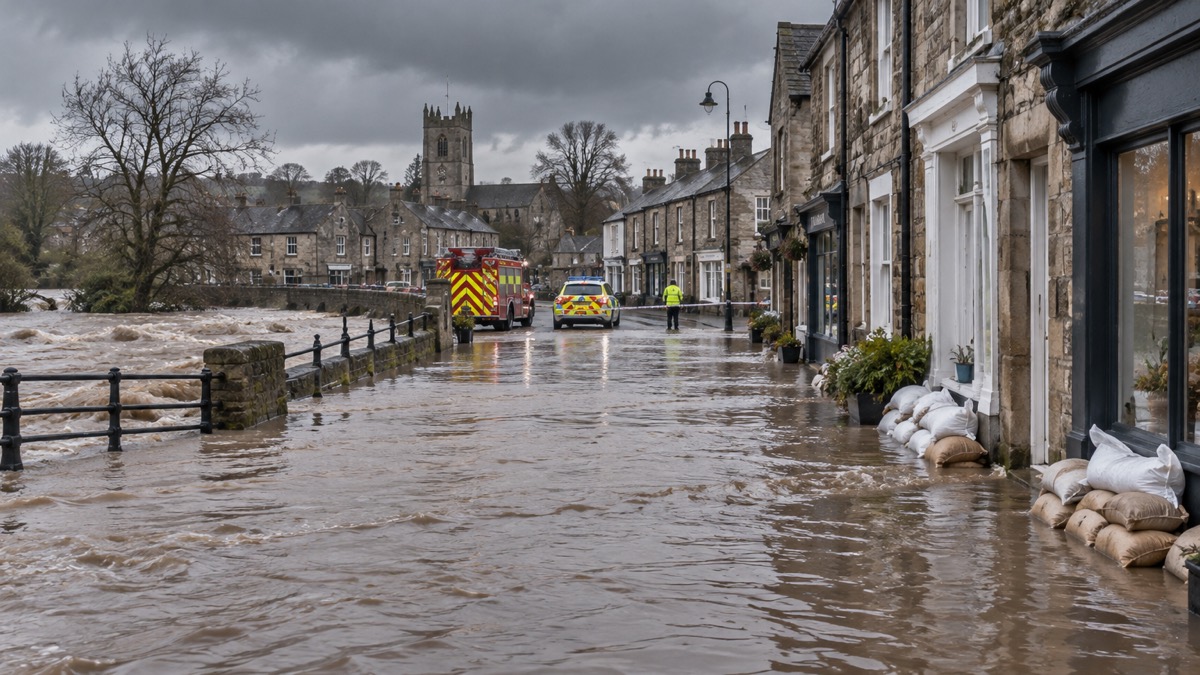
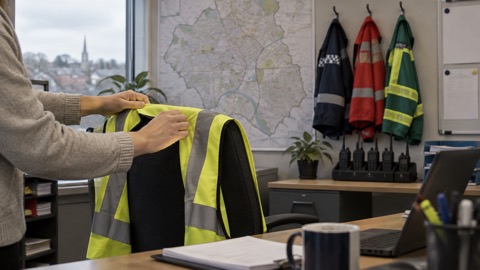
The Civil Contingencies Act 2004 is the law that frames how the UK prepares for and responds to emergencies. It was enacted in 2004, broadening responsibilities and establishing new duties for the agencies involved in planning and response1. In law, an emergency under the Act is "an event or situation which threatens serious damage to human welfare; an event or situation which threatens serious damage to the environment; or war or terrorism which threatens serious damage to security"1. You can read more about that definition in what counts as an emergency in UK law.
For an ordinary household, the practical point is this: the Act is mostly about what public bodies must do before an emergency happens, not about sweeping powers used against everyday life. It requires local authorities, as Category 1 responders, to prepare contingency plans and develop response arrangements for a wide range of emergencies2. The government confirmed in a written statement to Parliament on 14 July 2026 that "for over two decades, the Civil Contingencies Act 2004 has supported a consistent, cooperative approach to emergency preparedness and response across the UK", and it launched a Call for Views as part of an implementation review of the Act to gather evidence on how it works3.
What the Civil Contingencies Act actually does
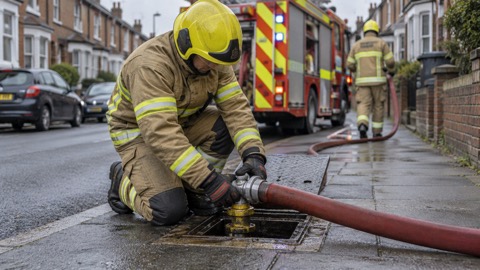
The Act is the foundation of the UK's civil protection system. Its enactment in 2004 broadened the responsibilities of responder agencies, establishing new duties for those involved in planning and response1. Local authorities are designated Category 1 responders under the Act, which means they must prepare contingency plans and develop response arrangements for a wide range of emergencies2. You can read more about the duties in the Civil Contingencies Act 2004: what it requires and about the responders themselves in Category 1 and Category 2 responders.
At council level, this work is coordinated by a Civil Contingencies Unit. In Argyll and Bute, for example, the unit is responsible for the coordination of the council's response in an emergency, including the alerting and call out of other council officers and voluntary agencies such as the British Red Cross and RVS, and liaises with the emergency services and utility providers7. That is the everyday face of the Act: trained officers, pre-written plans and established relationships, ready before anything goes wrong.
The government is currently examining how well this works. The written statement of 14 July 2026 launched a Call for Views on the Act's implementation review, to gather evidence on the legislation that has shaped UK emergency preparedness for over two decades3. For households, this matters because it signals the framework is being actively maintained rather than left untouched, and any changes would be announced through official channels.
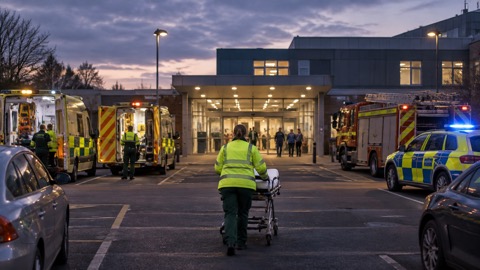
What counts as an emergency in law
The Act's definition sets the boundary for when its machinery engages. An emergency is an event or situation which threatens serious damage to human welfare, an event or situation which threatens serious damage to the environment, or war or terrorism which threatens serious damage to security1. That is a deliberately broad definition, and it is interpreted in practice by the responders on the ground.
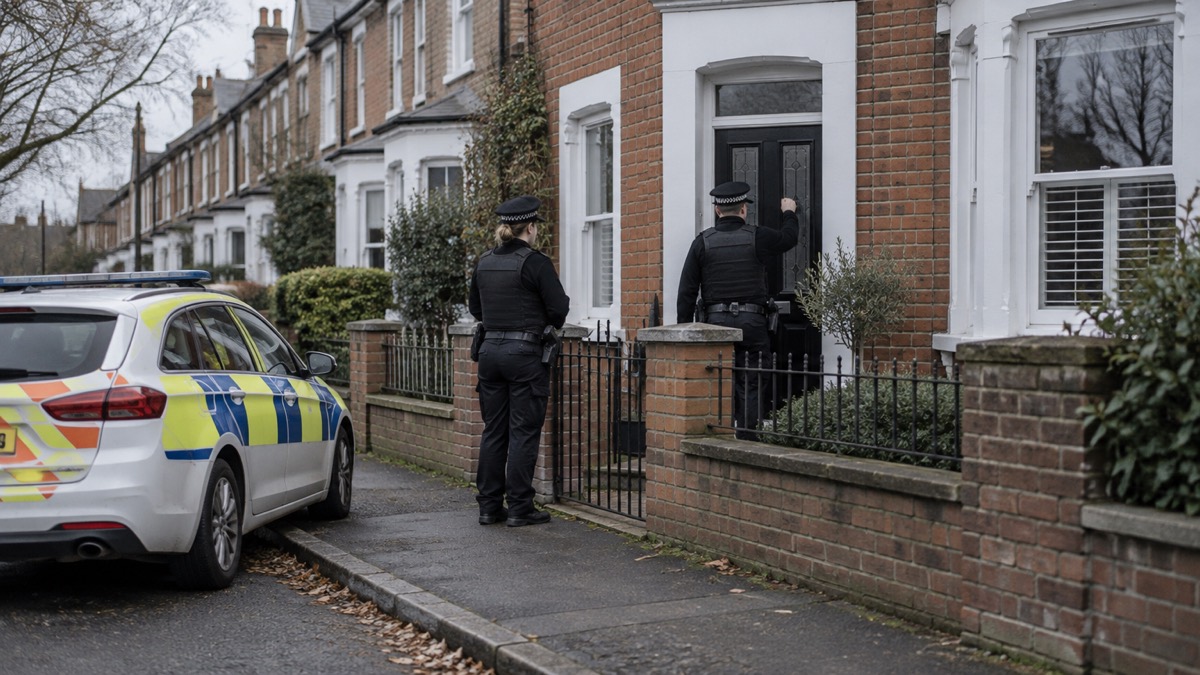
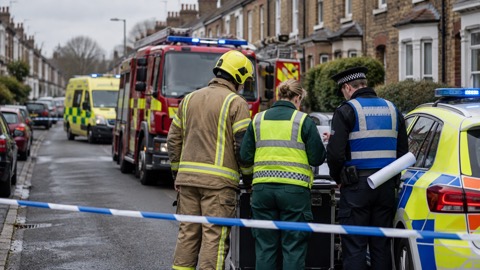
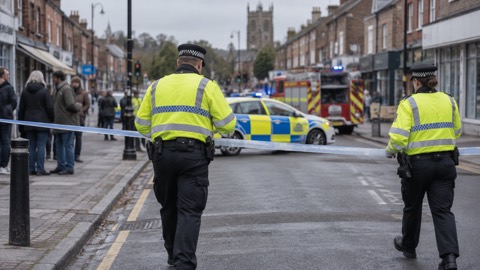
Council guidance describes how this works locally. A civil emergency can be declared by the police or fire service when the situation surrounding different types of incident escalates to involve large numbers of people or a major threat to many properties4. If an emergency is declared that affects you, you will be notified by the police4. The kinds of events councils plan for include loss of electricity, telephone, water or gas; short term evacuation from your home; temporary isolation cutting off communities; damage to your home or nearby buildings; and injury, severe illness or death of members of your family or the wider community4.
Which emergencies are dealt with by other laws
Not every emergency runs through the Civil Contingencies Act. The Civil Contingencies Act Regulations identify three pieces of legislation pre-dating the Act which were introduced separately in Britain under sector-specific legislation operated by the Health and Safety Executive8. To avoid duplication, the Regulations provide that the duty to maintain plans under the Act does not apply to emergencies which are dealt with by those pieces of legislation8.
One example is radiation emergencies. Local emergency arrangements for sites such as nuclear licensed sites are captured by the Radiation (Emergency Preparedness and Public Information) Regulations 2019, known as REPPIR, and those arrangements must include a test of the off-site emergency plans every three years9. You can read more about these incidents in major incidents: a household guide.
Another example is drought. Emergency drought orders enable a water company to have complete discretion on the uses of water that may be prohibited or limited, and to authorise supply by standpipes or water tanks10. Local authorities take a lead role in local resilience forums and prepare for severe drought impacts within their emergency plans10. So when you hear about emergency powers in the news, it is worth asking which law is being used: much of what looks like emergency powers is sector-specific legislation doing its own job. See heatwaves and drought for what a drought means for your household.
Emergency powers are not the same as an Emergency Alert
Many people first heard the phrase "emergency" from their phone. The UK government's Emergency Alerts System may be used to warn the public via their mobile phones if there is a life-threatening emergency nearby11. Emergency Alerts are messages sent to compatible 4G and 5G mobile phones and tablets when there is a danger to life12. They are sent to compatible 4G and 5G mobile phones within an area of risk; they do not need your location or phone number, and only the government and the emergency services can send them5.
An alert is a warning, not a power. It does not impose rules on you by itself; it tells you what to do. The official advice is plain:
"When you get an alert, stop what you are doing and follow the instructions of the alert."
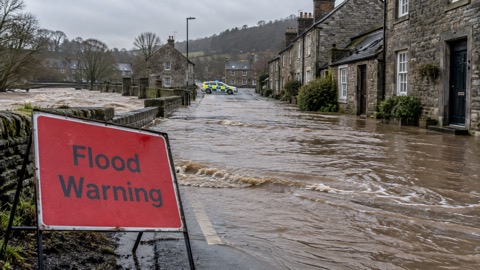
Examples of situations that may lead to an alert include severe flooding, fires and extreme weather13. An alert will include a phone number or a link to the GOV.UK website for more information14. Emergency alerts will only be used to warn you about an immediate threat to life15.
| What an Emergency Alert is | What it is not |
|---|---|
| A one-way message to compatible 4G and 5G phones and tablets in an area of risk12 | A two-way system: alerts do not provide any feedback to the government12 |
| Sent only by the government and the emergency services5 | A replacement for local news, radio, television or social media14 |
| Free of personal data: no phone number, identity or location is needed12 | A tracking tool: no data is gathered about you, your phone or your location5 |
| Accompanied by a loud, siren-like sound designed to attract attention, including for people with visual impairments and hearing aid users16 | The only way you will be told: the emergency services have other means of informing people14 |
The system works by cell tower: all towers in the area broadcast the alert, and the government does not need to know the specific location or personal data on your device15. If you would like to opt out, search your settings for "emergency alerts" and turn off Emergency Alerts; if this does not work, contact your device manufacturer, with further advice at gov.uk/alerts/opting-out12. Bear in mind what you would be opting out of: alerts are reserved for an immediate threat to life15.
The government tests the system occasionally to make sure it works. A second national test took place on Sunday 7 September 2025 at 3:00pm17, announced on 7 July alongside a new Resilience Action Plan17, with accessible materials published in advance18. The test was the second of its kind and followed a government commitment to test the system regularly17. If you get an alert, you can check it is genuine at gov.uk/alerts, and if in doubt, contact neighbours, friends or family nearby to check whether they have received it too19. The Emergency Alerts service will never send you emails or ask you to provide personal details14. For more, see staying informed in an emergency.
Who actually responds: local resilience forums
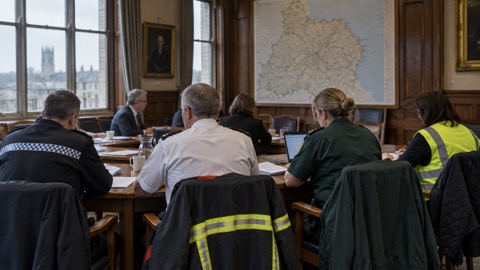
The machinery the Act created operates locally. A Local Resilience Forum is a multi-agency partnership that brings together Category 1 and Category 2 responders under the Civil Contingencies Act 2004 to coordinate planning, preparation and response for emergencies and major incidents within a specific geographical area6. Local Resilience Forums identify potential risks and produce emergency plans to either prevent or lessen the impact of any incident on their local communities20. They also play a key role in organising training exercises and testing emergency plans to ensure that agencies are well-prepared for potential incidents6.
Each forum is made up of local authorities, the emergency services, the NHS and health bodies, and environment-related government agencies, set up to warn, inform and advise the public in the event of an emergency19. In North Wales, the Local Resilience Forum is based on the local police force area and brings together all the organisations with duties under the Act8. In Wales more broadly, each LRF brings together all responder organisations who have a duty to assess risks and plan for emergencies under the Civil Contingencies Act 200411.
| Nation | Local planning bodies |
|---|---|
| England | 38 Local Resilience Forums6 |
| Wales | 4 Local Resilience Forums6 |
| Scotland | Local authorities are Category 1 responders under the Act, working through local partnerships2 |
| Northern Ireland | Emergency Preparedness Groups, with details from the Northern Ireland Civil Contingencies Policy Branch21 |
To find your own forum and understand its work, see local resilience forums: what they do and how to find yours. The risks they plan against are set out nationally in the National Risk Register, covered in the National Risk Register: what it says and how to read it.
What changes for your household if powers are used
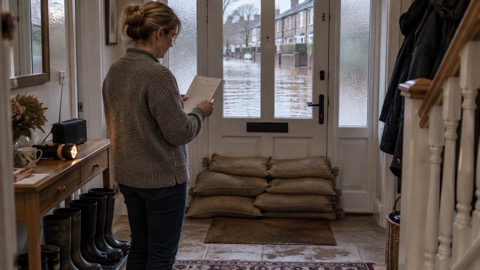
If an emergency is declared that affects you, the police will notify you4. From there, the practical effects are the ones councils plan for: loss of electricity, telephone, water or gas; short term evacuation from your home; temporary isolation cutting off communities; damage to your home or nearby buildings; and injury, severe illness or death of members of your family or the wider community4. Power cuts, or disruption to gas or water supplies, are among the situations households are urged to prepare for22. Use the information provided about risks to think about the impact these events might have on your day-to-day life and anything you could do to prepare for them23.
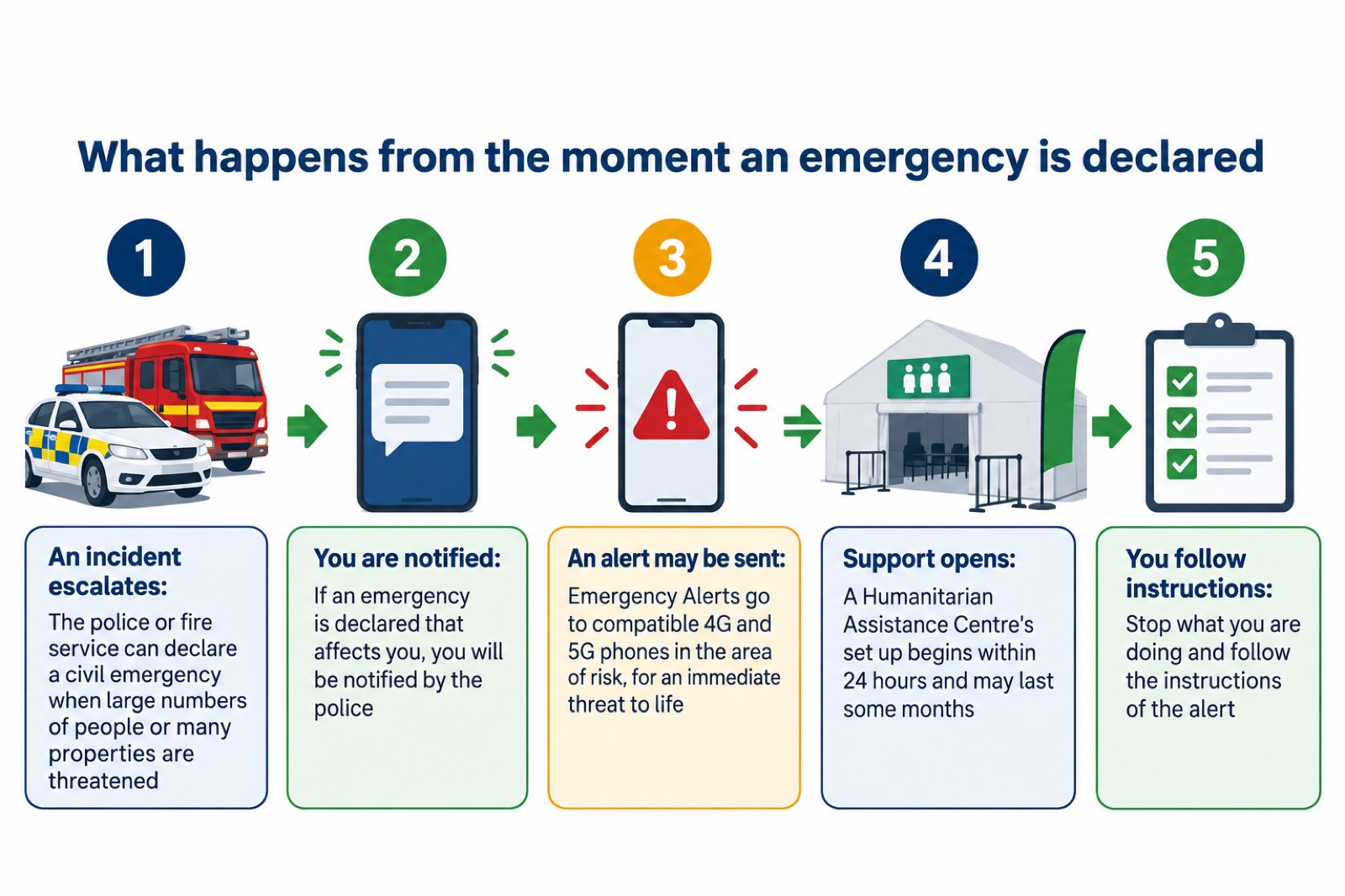
If you have to leave your home, support is organised in stages. A Humanitarian Assistance Centre's set up begins within 24 hours, and it may be of some months in duration24. You can read more in what a Humanitarian Assistance Centre is and how it helps and who houses you if an emergency leaves you homeless.
If you need additional support, make sure the emergency services and or council are made aware of this so that arrangements can be made for you25. In flats and buildings with a Responsible Person, residents who may need help have rights: tell your Responsible Person that you may need help in an emergency, have your needs considered and recorded as part of the building's evacuation planning, and expect reasonable and proportionate steps to be taken to plan for your safe evacuation26. Contact the Responsible Person for your building, which might be your landlord, a managing agent, a housing provider or the building owner26. The Responsible Person must prepare a building wide emergency evacuation plan27. Note that fire and rescue services do not carry out the resident assessments, create evacuation statements, hold medical details, decide what mitigation measures are reasonable, or mediate disputes between residents and Responsible Persons27. Further help for households that need it is covered in extra help in an emergency.
Getting ready: the steps that matter whatever powers are used
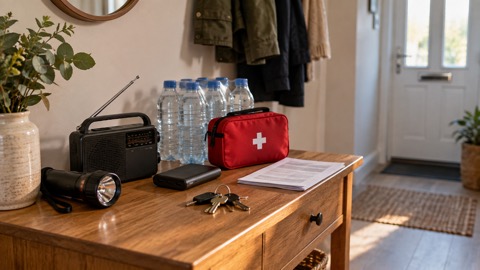
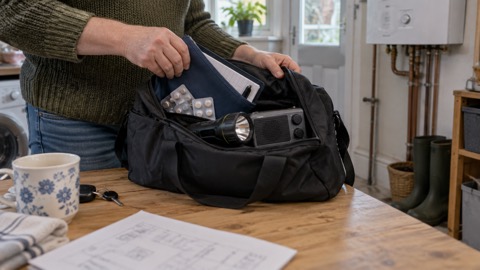
The best protection against any emergency, whatever legal powers are invoked, is household preparation. The official advice is reassuring: emergencies are unlikely but they can happen, and a few small steps will prepare you for the unexpected22. Start with getting started: preparing your household and emergency kit: what a UK household should keep ready.
What to have ready:
- A household plan covering power cuts, or disruption to gas or water supplies22
- An idea of the risks where you live, using the official risk information for your area23
- Torch, lighting and backup power, covered in emergency lighting and backup power at home
- Water and food stores, covered in water in an emergency and emergency food
- A way to stay informed without mains power, covered in staying informed
Communities can prepare too. Prepared communities are aware of risks that may affect them and how vulnerable they are to such risks, can liaise with emergency services and other organisations before, during and after an emergency, and use existing skills, knowledge and resources to prepare for and deal with the consequences of emergencies28. Communities need to act in support of the emergency services, not instead of them29. If you want to write a community or family emergency plan, some councils offer direct help: in Ceredigion you can contact ccu@ceredigion.gov.uk29.
Be realistic about what local councils can do. Town and parish councils are not an emergency service and have no statutory responsibility to plan for, or respond to, emergencies30. They are not trained, equipped, empowered or resourced to carry out the functions of an emergency service30. The same point is made in Nottinghamshire's guidance31. Community resilience works alongside the professionals, and the framework for it is in community resilience: a guide for neighbours and local groups.
Where to get official information and help
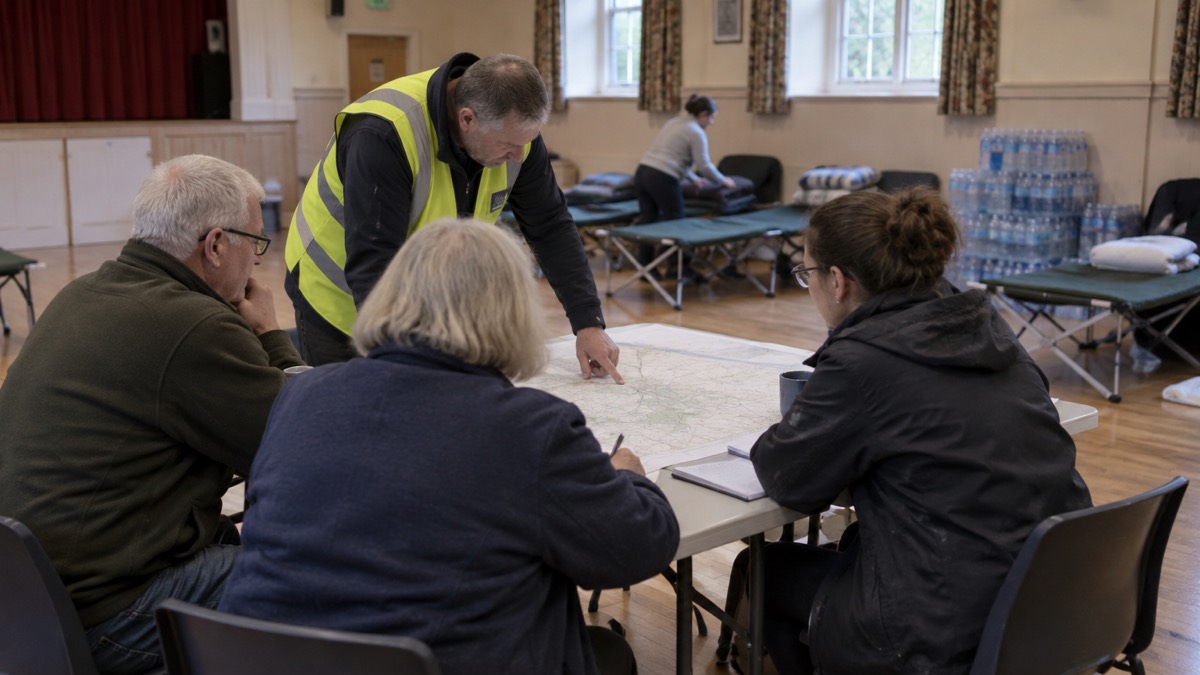
During an emergency, information will be available on local radio stations, on social media, at Rest Centres or other facilities, and on emergency services and or council websites25. Emergency Alerts will not replace local news, radio, television or social media14, so keep more than one channel available. People without a compatible device will still be informed about an emergency through other means used by the emergency services14.
Where to turn:
- Emergency Alerts: check an alert is genuine at gov.uk/alerts; alerts include a phone number or a link to the GOV.UK website for more information14
- Your council: councils coordinate the local response through their Civil Contingencies Unit7; in Argyll and Bute you can contact emergencyplanning@argyll-bute.gov.uk for information, help or guidance on preparing for emergencies4
- Northern Ireland: details for the Emergency Preparedness Groups are available from the Northern Ireland Civil Contingencies Policy Branch21
- Utility and consumer problems: the Citizens Advice Consumer Service can be reached on 0808 223 1133, or by online webchat from 9am to 5pm, searching "citizens advice energy chat"32
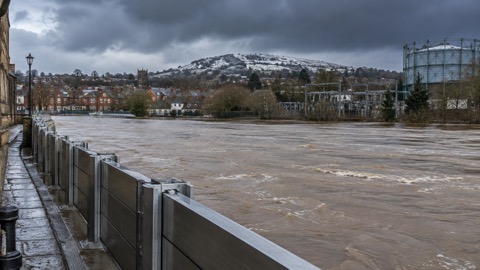
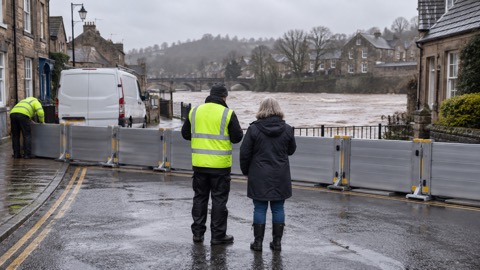
For the wider picture of how government responds, see how central government responds: COBR and lead departments and the UK Government Resilience Framework and action plan. For weather-driven emergencies, note that in storms, buses, railways and planes cannot run their services and road and travel disruption follows33, covered in full in storms, snow and ice and flooding.
Sources (33)
- London Resilience Partnership, London.gov.uk, 2026-10-25
- Emergency planning in the Scottish Borders, Scottish Borders Council, 2026-10-29
- Written statement on the Civil Contingencies Act implementation review, UK Parliament, 2026-07-14
- Preparing for civil emergencies in Argyll and Bute, Argyll and Bute Council, 2026
- National emergency alerts, Warwick District Council, 2026-10-29
- What is a Local Resilience Forum?, Essex Prepared, 2026-10-29
- Roles and responsibilities of emergency responders, Argyll and Bute Council, 2026
- Anglesey Civil Emergencies Emergency Plan, Isle of Anglesey County Council, 2026-10-29
- Local emergency arrangements for radiation sites, Office for Nuclear Regulation, 2026-10-29
- Drought: how it is managed in England, GOV.UK, 2026-04-08
- Resilience and risks in Wales, Welsh Government, 2026-09-07
- Emergency Alerts System factsheet, Prepare Campaign, 2025-08
- Get prepared for emergencies: alerts, Prepare Campaign, 2026-10-20
- Emergency Alerts, GOV.UK, 2026
- Frequently asked questions about Emergency Alerts, GOV.UK, 2023
- Emergency Alerts factsheet, Saltford Parish Council, 2023-04
- Emergency alert test, Sunday 7 September at 3pm, Wiltshire and Swindon Prepared, 2026-10-25
- Emergency alerts test 7 September: accessible materials, GOV.UK, 2025-08-27
- Emergency alerts in Denbighshire, Denbighshire County Council, 2026-10-29
- Check the risks where you are, Prepare Campaign, 2026-10-20
- Check the risks where you are, Be Ready Campaign, 2026-10-20
- Protecting your family, Essex Prepared, 2026-10-29
- Be informed about hazards, Prepare Campaign, 2026-10-22
- Humanitarian assistance and evacuations: reception centres, Cornwall Council, 2026-10-29
- Emergency preparations you can do, Moray Council, 2026-10-29
- Residential Personal Emergency Evacuation Plans, Cornwall Fire and Rescue Service, 2026-03-23
- Residential Personal Emergency Evacuation Plans (RPEEPs), North Yorkshire Fire and Rescue Service, 2026-03-30
- Community involvement, Dorset Prepared, 2026-03-25
- Community resilience in Ceredigion, Ceredigion County Council, 2026-10-29
- Community resilience in Herefordshire, Herefordshire Council, 2026-10-29
- Community resilience in Nottinghamshire, Nottinghamshire County Council, 2026-10-29
- Energy domestic consumer advice, England and Wales, Ofgem, 2024-11
- Storms, gales and high waves, Dorset Prepared, 2024-04-03
 30-Day Household Checklist
 Emergency Plan Template
 Supply Interruption Checklist
 National Risk Register
 How Emergency Risks Are Scored
 Civil Contingencies Act 2004
 What Counts as an Emergency
 Category 1 and 2 Responders
 Local Resilience Forums
 Strengthening Local Resilience
 What Your Council Does
 Central Government Response
 Gold, Silver and Bronze Command
 Major Incident Declared
 Warning and Informing the Public