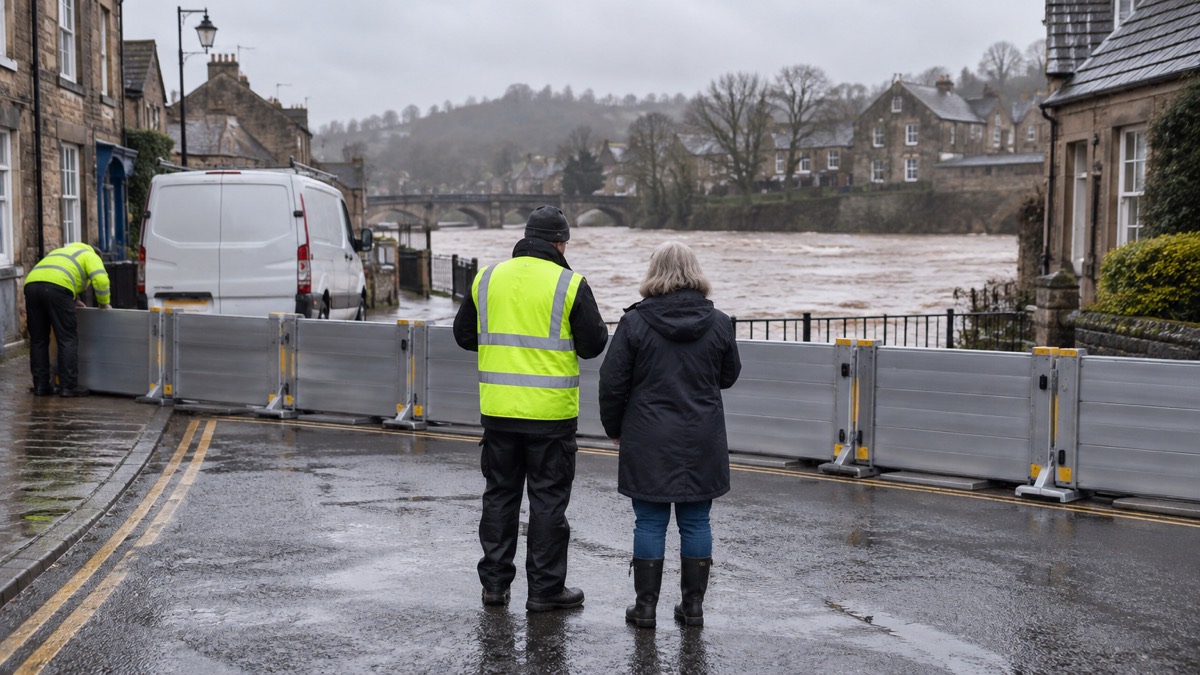
Local Resilience Forums are the partnerships that plan for emergencies in your area, and in England they are being strengthened through a programme of pilots and trailblazers. In December 2023 the government confirmed eight pilot areas for the Strengthening LRFs Programme: West Mercia, Suffolk, Gloucestershire, Cumbria, Greater Manchester, Northumbria, Thames Valley and London1. That work has since been taken further, with Stronger Local Resilience Forum Trailblazers launched in April 2025 with £2.55 million of funding for 2025 to 2026, in five of those areas: Northumbria, Cumbria, Greater Manchester, Suffolk and London2.
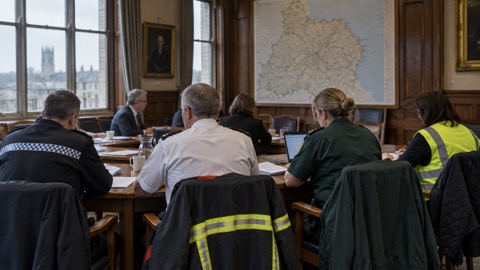
For your household, none of this changes who to call in an emergency. What it changes is how well the organisations around you, the council, the police, the fire and rescue service, the NHS and the utility companies, are organised before anything happens. A Local Resilience Forum is a multi-agency partnership that brings together Category 1 and Category 2 responders under the Civil Contingencies Act 2004 to coordinate planning, preparation and response for emergencies and major incidents within a specific geographical area3. The pilots are about making that partnership better at its job.
This page explains the pilot programme, what your own forum does for you, how to find it, and how to use the two things it publishes that matter most to a household: the Community Risk Register and local emergency alerts.
The Strengthening LRFs Programme: eight pilot areas
The Strengthening LRFs Programme was confirmed in the UK Government Resilience Framework 2023 implementation update, published in December 2023. The eight Local Resilience Forums selected to take forward a pilot were West Mercia, Suffolk, Gloucestershire, Cumbria, Greater Manchester, Northumbria, Thames Valley and London1. The selection drew on areas that had already been involved in earlier work on strengthening local resilience, and the pilots were intended to test what a better-resourced, better-led forum could actually do differently.
The programme has since developed into something more concrete. The UK Government Resilience Action Plan, published in July 2025, records that the Stronger Local Resilience Forum Trailblazers were initially launched in April 2025 with £2.55m of funding for 25/26, in five local areas: Northumbria, Cumbria, Greater Manchester, Suffolk and London2. All five were among the original eight pilot areas. The most significant change the trailblazers introduce is a new leadership model: permanent Chief Resilience Officers will oversee work to "mainstream" thinking about resilience, so that preparing for emergencies becomes part of how local services plan their ordinary work rather than a separate exercise done on the side2.
| Stage | Areas | What it involves |
|---|---|---|
| Strengthening LRFs Programme pilots, confirmed December 2023 | West Mercia, Suffolk, Gloucestershire, Cumbria, Greater Manchester, Northumbria, Thames Valley, London1 | Eight forums testing ways to strengthen local resilience |
| Stronger LRF Trailblazers, launched April 2025 | Northumbria, Cumbria, Greater Manchester, Suffolk, London2 | £2.55m funding for 25/26 and permanent Chief Resilience Officers |
The wider context is a government commitment to place-based resilience. The UK government has provided £200 million over six years to help over 25 local areas in England take forward wider place-based work8. The trailblazers sit within that broader effort, which also covers community engagement programmes such as a regional programme run by the Department for Infrastructure in Northern Ireland, engaging over 30 local areas to improve their resilience to flooding8.
If you live in one of the pilot or trailblazer areas, the practical effect you are most likely to notice over time is better local information: clearer risk registers, better publicised plans and more visible local preparedness work. That emphasis on publishing information about risk assessments and plans, and on arrangements to warn and inform the public, is what local resilience forums are expected to deliver more systematically4.
What your Local Resilience Forum does for your household
Your Local Resilience Forum is not an emergency service and it is not somewhere you call when something goes wrong. It is the body that gets the emergency services, the council, the NHS and others working from the same plan before an emergency arrives. Surrey Local Resilience Forum, for example, brings together local public services, including the emergency services, local authorities, NHS England and the Environment Agency, all Category One responders under the Civil Contingencies Act, to plan and prepare for local incidents and major emergencies9. It is supported by Category Two responders, such as National Highways and utility companies9.
For a household, the forum's work shows up in three main ways:
- It assesses the risks where you live. Local Resilience Forums identify potential risks and produce emergency plans to either prevent or lessen the impact of any incident on their local communities6.
- It publishes those risks. Your Local Resilience Forum will publish information online about the risks in your local area6.
- It helps coordinate the response. Lincolnshire County Council describes working closely with its LRF partner organisations, including the emergency services, voluntary groups, community groups and local authorities, to coordinate a fast, effective response10.
The forums also play a role in raising public awareness about potential risks and encouraging community resilience, including providing information to the public on how to prepare for emergencies and what actions to take during specific incidents3. The government's national preparedness advice has been shaped with this in mind: the government has worked closely with local resilience forums across the UK to root its household advice in what works for local communities11. So when you follow official advice on preparing a household plan or an emergency kit, the local dimension of that advice comes through your forum.
38 forums in England, 4 in Wales: finding yours
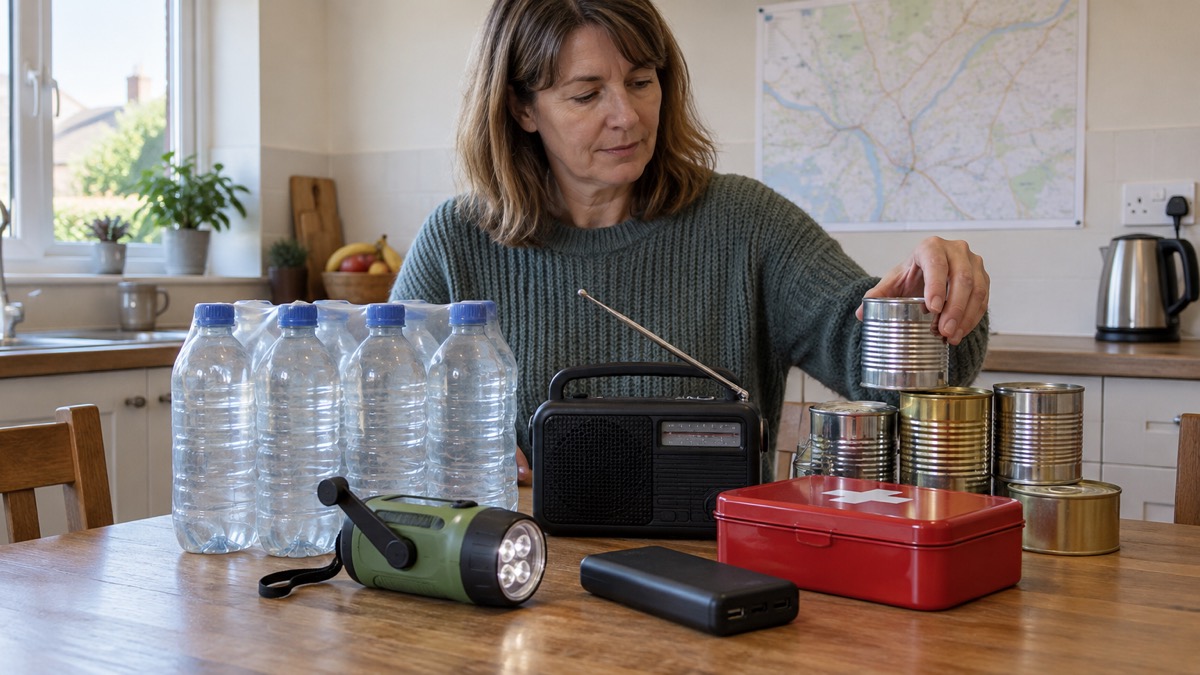
There are 38 Local Resilience Forums in England and four in Wales4. The four Welsh forums complement the oversight and leadership provided through the Wales Resilience Forum and the Wales Resilience Partnership12, and the Welsh Government works with its four regional Local Resilience Forums to bring together all responder organisations who have a duty to assess risks and plan for emergencies5. Details of the Welsh Local Resilience Forums and their Community Risk Registers are published online6.
The single most useful thing to know when searching is that forum boundaries follow the police. The geographical area the forums cover is based on police areas7, and most follow police force boundaries13. The forums were formed in the police area boundaries of England and Wales by key local emergency responders and specific supporting agencies for the purpose of fulfilling their duties under the Civil Contingencies Act 200414. In Wales, the four forums are based on the police force areas of South Wales, North Wales, Dyfed-Powys and Gwent15.
| Nation | Body | Number |
|---|---|---|
| England | Local Resilience Forums | 384 |
| Wales | Local Resilience Forums | 45 |
| Scotland | Regional Resilience Partnerships | 34 |
| Northern Ireland | Emergency Preparedness Groups | 4 |
| London (within England) | Borough Resilience Forums | 3316 |
London is a special case. Each of the 33 Borough Resilience Forums in London uses its local context to develop its own risk assessments16, so if you live in the capital your most local risk information may sit at borough level beneath the London-wide arrangements.
To find your forum, search for your police area plus "Local Resilience Forum", or start from the official contact page, which provides contact details for Local Resilience Forums throughout England and Wales14. Northumbria Local Resilience Forum, for instance, is based in the Northumbria police area, where Category one and two responders come together to form the forum17, and its membership is made up of responder organisations found within the Northumbria Police area boundary18. In North Wales, the Local Resilience Forum is likewise based on the local police force area and brings together all the organisations that respond to emergencies there19.
Your Community Risk Register: what it tells you to prepare for
Every Local Resilience Forum across England is responsible for publishing a Community Risk Register which sets out the specific emergencies that their region is most at risk of20. Each register sets out the different risks most likely to cause disruption in your region6. This is the document that turns national risk planning into something you can act on at home: it tells you which of the risks in the National Risk Register actually matter where you live, and therefore what your household should prepare for.
The registers focus on the highest priority risks in each local area, and the National Risk Register should be read in conjunction with the Community Risk Register for the relevant local area21. Some forums publish their register on a fixed cycle: Surrey Local Resilience Forum is responsible for publishing the Surrey Community Risk Register every year9. The West Midlands register is designed and produced by the West Midlands Local Resilience Forum to inform people and better prepare them for risks where they live or work22. In Northumbria, the Community Risk Register is the responsibility of the Northumbria Local Resilience Forum23.
How to use your register as a household:
- Find it. Search your police area plus "Community Risk Register", or follow the link from your forum's site6.
- Read it alongside the National Risk Register, because the local register focuses on the highest priority local risks while the national one covers the wider picture21.
- Match your preparations to the risks listed. If flooding appears, start with our flooding guide; if storms and snow, start there; if cyber or infrastructure risks, see cyber attacks and power cuts.
- Check the resilient behaviours it suggests. The Community Resilience Development Framework asks forums to develop and publicise Community Risk Registers including a core set of resilient behaviours for the public to take, relevant to the risk context24.
The framework behind the registers also asks that they be developed with non-statutory partners, such as voluntary, community and faith organisations, and businesses, so the register you read reflects more than just the blue light services' view of your area25.
Signing up for local emergency alerts
Some Local Resilience Forums offer a sign-up option for alerts to receive news and information about emergencies in your local area26. This is separate from the national Emergency Alerts system that reaches mobile phones: the forum schemes are typically email or message lists run by the forum or its partners, giving local incident news and preparedness information. Check your own forum's website for a sign-up page, because provision varies between areas.
Local resilience arrangements also feed into how warnings reach you. Each region across the country has a Local Resilience Forum in place, made up of local authorities, the emergency services, the NHS and health bodies and environment-related government agencies, and the forums were set up to warn, inform and advise the public in the event of an emergency27. For weather warnings specifically, official guidance on early warning and weather forecasts explains how the Met Office warning system works and how alerts reach the public7.
For a fuller household approach to staying informed, including which alerts to enable on your phone and what to keep working when the power is out, see our guide to staying informed in an emergency.
How forums warn, inform and advise the public
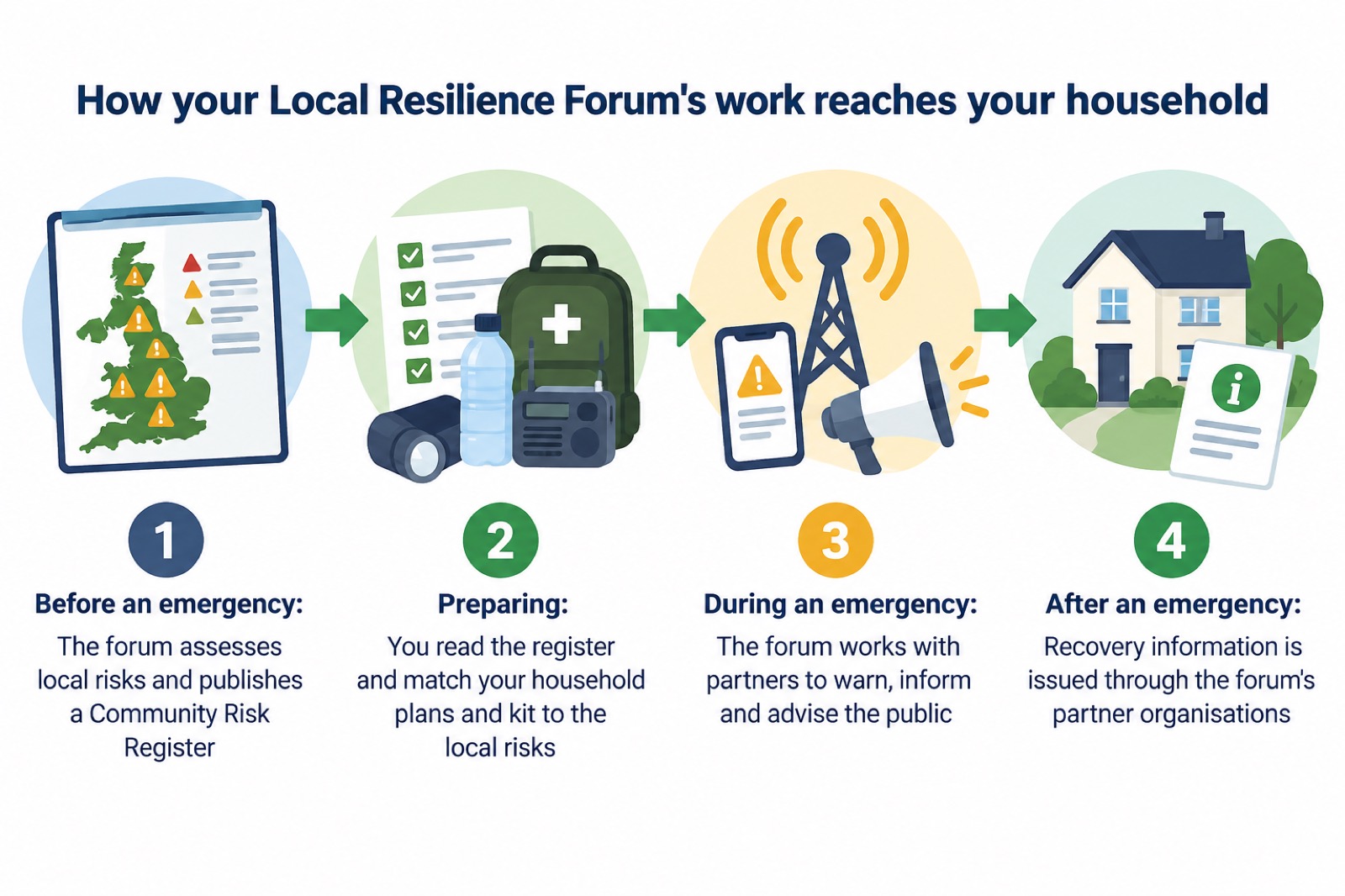
The duty to warn, inform and advise the public is one of the core expectations on a forum. Forums are expected to deliver a systematic, planned and coordinated approach across risk assessment, planning for emergencies, business continuity planning, publishing information about risk assessments and plans, and arrangements to warn and inform the public28. In an emergency, forums work with partners in a local area to alert people27.
What this means for you in practice:
- Before an emergency: published risk registers and preparedness advice, as covered above6.
- During an emergency: public information through local media, official channels and alert schemes, coordinated across the responding organisations27.
- After an emergency: information on recovery, such as Devon's flood recovery guidance, produced with the Devon, Cornwall and Isles of Scilly Local Resilience Forum, a multi-agency partnership of local public services29.
The government has also taken forward work to offer better guidance and support to LRFs for working with vulnerable persons in their communities, including a review and update of current guidance to support identification of vulnerable persons during an emergency, and the development of an off-the-shelf exercise for LRFs1. The resulting guidance for English LRFs on identifying and supporting persons who are vulnerable in an emergency was published in April 2025; it was written with English LRFs in mind, though there may be elements relevant to emergency responders in Scotland, Wales and Northern Ireland subject to devolution variations30. If someone in your household needs extra help in an emergency, it is worth knowing that this identification and support work is now an explicit part of what your forum is expected to do, and our guide to extra help in an emergency sets out the practical steps, including the Priority Services Register.
Community resilience: the six-step framework forums follow
Alongside planning for emergencies, forums are expected to help communities prepare for themselves. The Cabinet Office published the Community Resilience Development Framework in June 2019 as a reference tool for the delivery of strategic approaches to community resilience development at the Local Resilience Forum level, in collaboration with non-statutory partners such as voluntary, community and faith organisations, and businesses24. The framework outlines six steps for Local Resilience Forums and emergency responders to develop community resilience24.
For a household, the framework matters because it is the mechanism by which your street, parish or neighbourhood group can become part of local planning rather than an afterthought. The National Risk Register describes the framework as a reference tool for the delivery of strategic approaches to community resilience development at the local level in collaboration with non-statutory partners25. Practical routes in include:
- Develop your household emergency plan, the first step recommended in community resilience guidance for individuals31.
- Join or start a community emergency plan. A community emergency plan toolkit exists to help groups do this, and the same official contact page covers Local Resilience Forums throughout England and Wales, which is where to start14.
- Take part in a recognised community scheme. Firewise Communities, for example, makes your own home and neighbours more resilient to wildfire, helps build community resilience, gives the community a plan to work to, and creates opportunities to connect with Firewise Communities in other areas and countries32.
- Ask your forum directly. After Storm Arwen, one county's Civil Contingencies Unit responded to 31 requests to develop local community resilience plans33, which shows both that demand exists and that forums respond to it.
In Wales, Natural Resources Wales notes that your local resilience forum can tell you about the local arrangements for flooding, as well as other emergencies, and supports communities in producing flood plans34. Our community resilience guide walks through the neighbourhood-level steps in more detail.
Cyber incident readiness
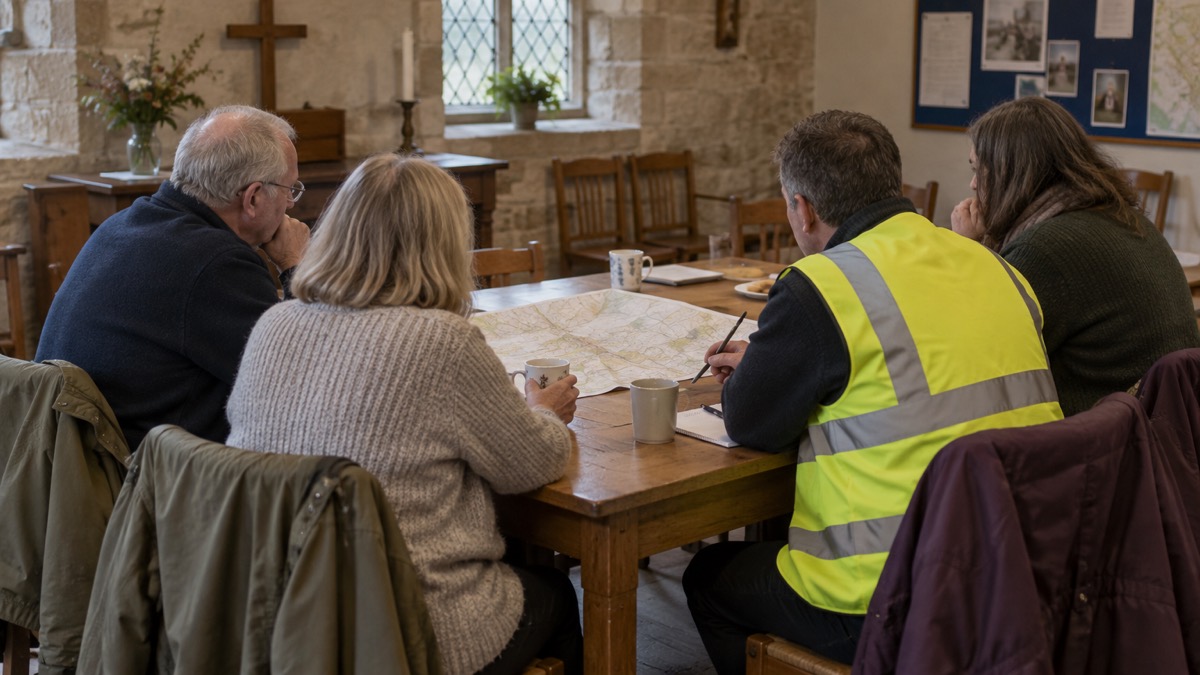
Cyber risks now appear in local risk planning, and some forums publish how they would handle them. Wiltshire and Swindon Local Resilience Forum has created a cyber guide for partner organisations to use in response to a cyber attack, which includes arrangements to secure partner and wider support to mitigate the effects of the attack35. Consideration of cyber activity is built into its major incident guide and is the subject of monitoring across all partner agencies35.
For your household, this is worth checking in your own forum's Community Risk Register: if a cyber attack or major IT failure is listed as a priority local risk, that is a signal to prepare for power cuts, payment systems being down and loss of internet access, and our cyber attacks guide covers the household steps.
Scotland and Northern Ireland: the equivalents
The arrangements differ outside England and Wales. The equivalent of Local Resilience Forums in Scotland are Regional Resilience Partnerships6, of which there are three4. Scotland has three levels of Resilience Partnerships: national, regional and local36. The 12 Local Resilience Partnerships include the blue light agencies as well as local authorities, the NHS, coastguard agencies, key voluntary sector organisations and other partners as required, and together they support local resilience planning, response and recovery arrangements36.
The equivalent of Local Resilience Forums in Northern Ireland are Emergency Preparedness Groups6, which play a critical role in bringing local responders such as the emergency services together with other partners25. The Strengthening LRFs pilots and trailblazers described on this page apply to England only, so if you live in Scotland or Northern Ireland the same practical steps, finding your local partnership and reading its published risks, apply through these equivalent bodies.
Utilities, the military and the wider response
Two groups sit alongside the core responders. First, utility companies. Forums are partnerships made up of representatives from local public services, including the emergency services, local authorities, the NHS, the Environment Agency and other organisations involved in emergency preparedness, such as utilities providers6. LRFs are supported by organisations known as Category 2 responders, such as the Highways Agency and public utility companies, who have a responsibility to cooperate with Category 1 organisations and share relevant information with the LRF7. Surrey's forum lists its Category Two sectors as government agencies, transport companies, utility companies covering electricity, gas, water and telephone, other health partners and others9. This is why, in a power cut or water supply failure, the companies responsible are already part of the coordinated local response. Our guides to backup power and water in an emergency cover the household side.
Second, the military. LRFs may coordinate with the military in certain circumstances where specialised capabilities are needed, through Military Representatives where required3. Military assistance is not the first response: it is called on when a local response needs particular capabilities. Our page on when the armed forces help in a civil emergency explains the arrangements.
Where to go next
If you take three things from the pilot programme, take these. Find your Local Resilience Forum by searching your police area7. Read its Community Risk Register and prepare for the risks it lists6. Sign up for its alerts if it offers them26. Then, if you want to go further, ask about a community emergency plan: the framework your forum follows has six steps for exactly that24, and the experience after storms such as Arwen shows forums will help when communities ask33. For the national picture behind your local register, see the National Risk Register and the UK Government Resilience Framework.
Sources (36)
- The UK Government Resilience Framework 2023 implementation update, GOV.UK, December 2023
- The UK Government Resilience Action Plan, UK Government, July 2025
- What is a Local Resilience Forum, Essex Prepared
- National Risk Register 2025, UK Government, 2025
- Resilience and risks in Wales, Welsh Government
- Check the risks where you are, Be Ready campaign
- Early warning and weather forecasts, GOV.UK
- National Risk Register 2020, GOV.UK, 2020
- Surrey's Local Resilience Forum, Surrey County Council
- Prepare for an emergency, Lincolnshire County Council
- Households encouraged to take small, simple steps to stay prepared in an emergency, GOV.UK
- Written statement on resilience and emergency preparedness, Welsh Government
- Local Resilience Forums research briefing CBP-8016, House of Commons Library
- Community emergency plan toolkit, GOV.UK
- Pandemic flu guidance, GOV.UK
- London Risk Register version 14, Greater London Authority, January 2025
- Emergency planning and business resilience, Northumberland County Council
- Northumbria Local Resilience Forum, Northumberland County Council
- Civil emergencies and emergency plan, Anglesey, Isle of Anglesey County Council
- Our risks and plans, Greater Manchester, Greater Manchester Combined Authority
- National Risk Register extract, City of York Council, City of York Council, 2023
- West Midlands Community Risk Register, West Midlands Local Resilience Forum, December 2023
- Check the risks where you are, Prepare campaign, Prepare campaign
- Community Resilience Development Framework, Cabinet Office, June 2019
- National Risk Register 2023, GOV.UK, 2023
- Get prepared for emergencies: alerts, Prepare campaign
- Emergency Alerts factsheet, Saltford Parish Council, Saltford Parish Council, April 2023
- Written evidence to the Commons on Local Resilience Forums, UK Parliament, January 2022
- Flood recovery, Devon County Council, Devon County Council
- Identifying and supporting persons who are vulnerable in an emergency, GOV.UK, April 2025
- Developing community resilience, Essex Prepared
- Firewise Communities, Dorset and Wiltshire Fire and Rescue Service
- Storm Arwen review, Durham County Council, July 2022
- Community flood plan, Natural Resources Wales
- Cyber crime, Wiltshire and Swindon Prepared, Wiltshire and Swindon Local Resilience Forum, May 2024
- Foundations of emergency management in Scotland, lesson 3, Ready Scotland, March 2026
 30-Day Household Checklist
 Emergency Plan Template
 Supply Interruption Checklist
 National Risk Register
 How Emergency Risks Are Scored
 Civil Contingencies Act 2004
 What Counts as an Emergency
 Category 1 and 2 Responders
 Local Resilience Forums
 What Your Council Does
 Central Government Response
 Gold, Silver and Bronze Command
 Major Incident Declared
 Emergency Powers
 Warning and Informing the Public