
When the sirens stop and the news crews move on, recovery begins, and it is often the longest part of any emergency. Recovering from a major emergency can take many years1, and the help you need in that time rarely arrives on its own: you have to know it exists and ask for it. This page sets out what is available to an ordinary UK household after a major incident, a fire, a flood or a prolonged power cut, and in what order to reach for it.
The first things to know are these. If you or anyone in your household is in emotional distress, the Samaritans free helpline is available 24 hours a day on 116 1232. The British Red Cross can provide emergency help with things like accommodation, clothing and food, and help dealing with insurance companies3. Your local council is the body that meets welfare needs, opens rest centres and manages the clean-up and the return to normality4. And if you had to leave your home, check with the emergency services that it is safe before you return5.
What to do first when the emergency is over
The first hours after an emergency are about safety and contact, not about rebuilding. Work through these steps in order, and only move on when each one is settled.
- Confirm it is safe to return or to stay. If you had to leave your home, check with the emergency services that it is safe before you return5. If you are helping someone else affected, first assess the situation and make sure their circumstances are safe before doing anything else9.
- Contact the recovery agencies. When helping a person affected by flooding, help them make contact with recovery agencies if needed9. Your local council is the place to start: contact your local council for help if needed10.
- Look after your body. After a fire, official advice is to stay hydrated, rest well, and seek medical help for health concerns11.
- Deal with the damage safely. After a fire, consider experts in fire damage restoration for thorough and safe clean-up rather than attempting it all yourself12.
- Learn what you can for next time. Learn first aid, as this could give you life-saving skills to help your family, friends and others in an emergency13.
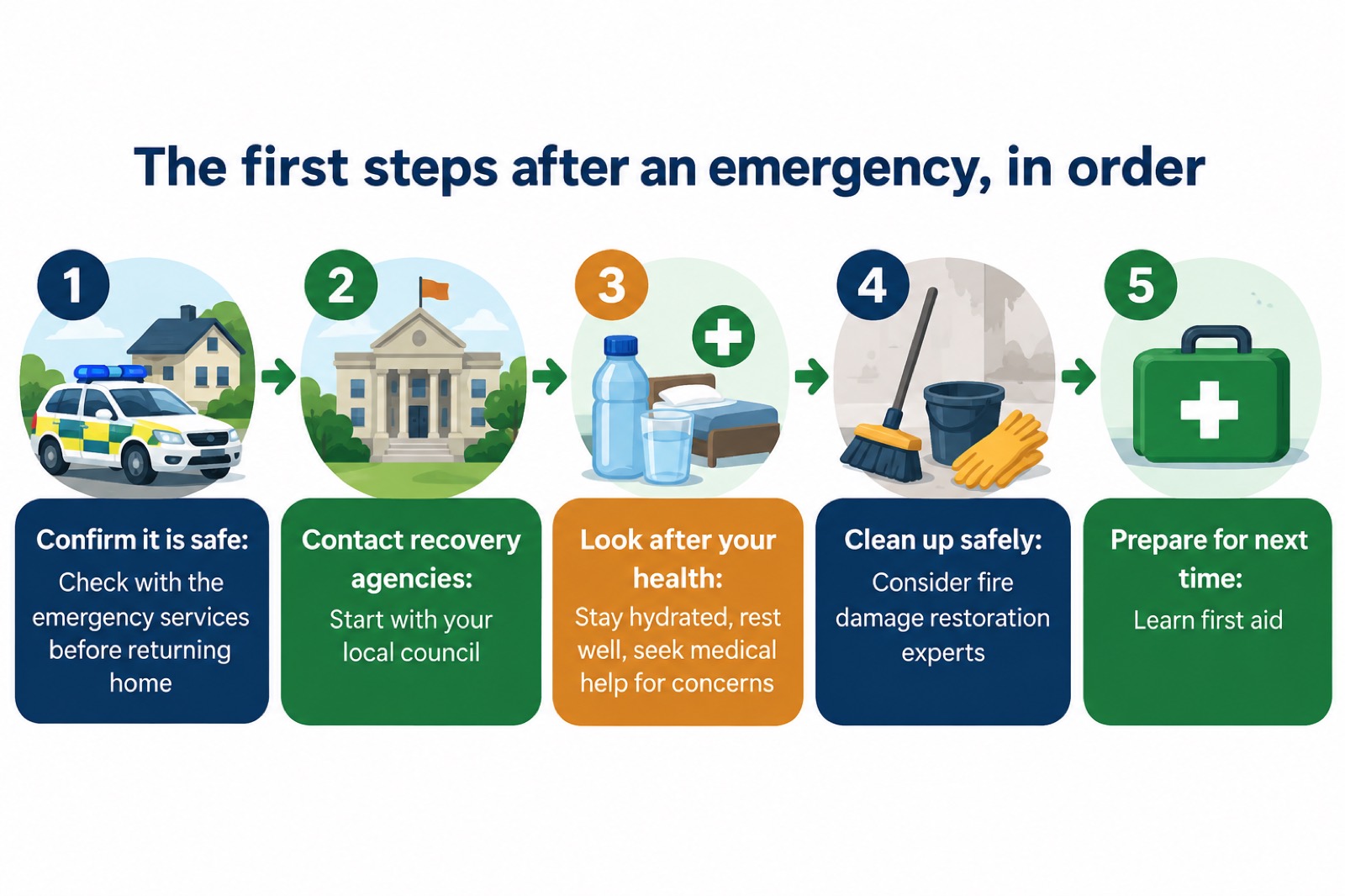
Two points in that list deserve more explanation. The first is the council's role. Councils in an emergency meet welfare needs, provide rest centres and shelter, give information to the public, manage road closures and diversions, handle clean-up and waste, and manage the return to normality4. That last phrase matters: the return of people after an evacuation is phased and controlled to avoid traffic chaos, public transport is resumed, and transport is arranged to return evacuees from rest centres to their homes after the "all clear"4. You will not simply be waved home all at once.
The second is that recovery is not only physical. If the weeks after an emergency are weighing on you or someone in your household, that is a normal part of what follows, and support is there for it. If you have not yet made one, our page on how to make a household emergency plan is the place to start, and what to do in an emergency at home covers the incident itself.
Samaritans: free 24-hour support on 116 123
The Samaritans free helpline is available 24 hours a day on 116 1232. It is free to call, and it is for anyone in emotional distress or struggling to cope6, not only for people in crisis and not only in the middle of the night. You do not have to be at a low point to use it: the service is there whenever you need someone to listen, day or night.
Call it when you need it, without waiting for a particular level of distress. After a flood, official advice is to contact family and friends, your doctor, or an organisation like the Red Cross or the Samaritans if you need support14. There is no threshold you have to cross first.
"The Samaritans free helpline is available 24 hours a day on 116123."
One practical point about numbers. Older Samaritans numbers beginning 0845 carried call charges and are no longer the number to use; 116 123 is free and available around the clock2. If you are writing numbers down as part of your household plan, write 116 123. For older people who would prefer a conversation aimed at them, the Silverline operates a telephone line on 08004 70 80 9015.
Emotional support in Welsh, and other ways to get it
Support is not only in English and not only by phone. In Wales, Natural Resources Wales advises that if you are feeling down or anxious after a flood, you should speak to friends or family or contact your GP, and that organisations like Mind or the CALL helpline for Wales can also provide support16. The CALL helpline is the Welsh mental health helpline, and it exists precisely so that people in Wales can get help in their own language.
Beyond the helplines, there are structured services. In Herefordshire, NHS Talking Therapies is open to people who have felt stressed, anxious or depressed following the flood and would like psychological and emotional support14. Talking Therapies services elsewhere in England take self-referrals as well as GP referrals, so you can approach them directly17.
There are also things you can do yourself that official guidance recognises. Starting a support group to help others, or making something creative out of bad experiences by, for example, writing, painting or singing, can help you express pain and get through hard times; the NHS sets out this approach in its five steps to mental wellbeing guidance at www.nhs.uk/mental-health/self-help/guides-tools-and-activities/five-steps-to-mental-wellbeing18. After a flood in your area, link in with the local authority flood hub, which is advertised on the local authority website, notice boards and social media5. Being with people who went through the same thing is itself a form of support.
| Where you are | Who to contact for emotional support |
|---|---|
| Anywhere in the UK | Samaritans, 116 123, 24 hours a day, free2 |
| Anywhere in the UK | British Red Cross support line, 0808 196 36516 |
| Wales | CALL helpline for Wales, Mind, your GP, friends and family16 |
| England (example: Herefordshire) | NHS Talking Therapies, by self-referral or GP referral14 |
| Anywhere | Your GP, or NHS 111 if distress continues over an extended period17 |
When the shock hits later: getting confidential help in a crisis
Distress after an emergency often arrives late. You may get through the incident itself on adrenaline and only feel its full weight days or weeks afterwards, when the house is quiet and the practical jobs are done. This is normal, and it is the point at which most people seek help.
The UK Health Security Agency's advice is that if you have concerns about your own or others' mental health, or your distress continues over an extended period of time, you should visit your GP or call NHS 111; specialist mental healthcare can be accessed through GPs or by self-referring to a local NHS Talking Therapies service17. Your GP may suggest that you talk with someone who specialises in helping people cope with trauma and offer you a referral for treatment19. Advice, help and treatment can help people of all ages come to terms with an event by talking about their feelings and learning to cope better19.
There is one thing official guidance says not to do in the immediate aftermath, and it is worth knowing because it goes against common instinct. The National Risk Register records that there is good evidence that providing psychologically focused debriefing, or trauma counselling, in the immediate post-incident period is not only ineffective but may cause additional harm20.
What helps instead, for most people exposed to a traumatic event, is informal support: sharing feelings with others with similar experiences, speaking with people they trust, having a supportive line manager and colleagues, sticking to a routine, and paying attention to healthy living20. That is why the flood hubs, support groups and community meetings described elsewhere on this page matter as much as the clinical services. If months pass and the distress does not lift, that is the signal to move from informal support to your GP or Talking Therapies17.
What the British Red Cross does after an emergency
The British Red Cross runs an emergency response support service designed to meet the needs of people who have suffered damage to their home following a fire, flood or similar incident21. Its volunteers can provide emotional support and care for those affected while the emergency services manage the incident21. In practice this means the Red Cross is often there at the scene or just after it, alongside the firefighters and flood teams, looking after the people rather than the hazard.
What it can provide is broad. The Red Cross can give emergency help with things like accommodation, clothing and food, as well as help dealing with insurance companies3. In Wales, the British Red Cross can also help with transport, welfare and food parcels16. Its support line, on 0808 196 3651, offers emotional support as a friendly and understanding listener, suggests organisations which may be able to help you, and discusses steps you can take to start or continue your recovery6.
| Kind of help | What the Red Cross offers |
|---|---|
| Immediate practical | Accommodation, clothing, food3 |
| Transport and welfare | Transport, welfare and food parcels16 |
| Insurance | Help dealing with insurance companies3 |
| Emotional | Support line on 0808 196 3651; volunteers at incidents6 |
| Ongoing recovery | Suggesting organisations that can help; discussing recovery steps6 |
To reach it, contact the Red Cross through redcross.org.uk/get-help for emergency help3. Some councils also publish a direct Red Cross emergency number, 0344 871 11 11, on their flood support pages7. The Red Cross also publishes free preparedness advice on subjects such as being ready for winter, first aid, thunderstorms and blackouts, and much more22, and its free first aid app for your smartphone gives you simple skills to deal with sprains and strains, broken bones, unconscious casualties and more, plus tips on how to prepare for emergencies from severe weather to road traffic accidents22.
Food parcels, transport and welfare support
The practical side of recovery is handled by a partnership between councils, the emergency services and the Red Cross, and it helps to know which door to knock on.
Councils meet welfare needs, provide rest centres and shelter, provide information to the public, manage road closures and diversions, handle clean-up and waste management, and manage the return to normality4. If you or a neighbour needs help with transport, medication, temporary accommodation or medical attention after an emergency, alert the local council18. This applies especially to vulnerable neighbours: support them and alert the local council if further help and support is required18.
The Fire and Emergency Support Service, run by fire and rescue services in partnership with the British Red Cross, delivers much of the hands-on help. Its trained volunteers provide23:
- Immediate emotional and practical support
- Provision of hygiene packs and clothing
- Temporary shelter within the vehicle
- Support in seeking alternative accommodation
- Support with the care of children, and provision of toys and books
- Support with the care of pets
- Signposting to other organisations for further assistance and recovery
- Refreshments and use of a telephone
- Retrieval of personal items, data collection and photographic evidence for occupants
- Use of shower and toilet facilities
- Transportation to alternative accommodation
- Basic first aid and AED
That list is worth reading twice if you have just been through a house fire. Many people assume they must arrange clothing, shelter and pet care themselves in the first night; in areas where the Fire and Emergency Support Service operates, a vehicle comes to the incident and provides these things directly23. The service also supports family members and emergency services at road traffic collisions, and staffs rest centres for people who have had to leave their homes as a result of a gas leak or security alert23.
If someone is injured, call 999. The ambulance service may send help in different forms, including a rapid response vehicle, a cycle response unit in city centres and on beaches in the summer, or the responders' own car, as well as a single-crewed response vehicle with an emergency care practitioner, paramedic or emergency medical technician, the air ambulance, or an emergency doctor24. For minor ailments afterwards, take care of things like colds and sore throats at home with a first aid kit and a well-stocked medicine cabinet24.
Short-term help with food, toiletries and other essentials
After a fire or flood, households can lose food, toiletries, medicines and basic household goods in one night. Several forms of short-term help exist for exactly this situation.
The Red Cross route is the fastest for many: emergency help with things like accommodation, clothing and food, as well as help dealing with insurance companies3, and in Wales transport, welfare and food parcels16. Contact the Red Cross through redcross.org.uk/get-help3.
The government route is the financial help after fire pages on GOV.UK, which set out what support may be available to households after a fire3. Your local council is the third route: contact your local council for help if needed10, and councils are specifically responsible for meeting welfare needs in an emergency4.
A few practical points make these routes work better. First, ask early rather than after you have spent your own reserves; the services exist for the immediate aftermath. Second, when you contact any of them, say what you have lost in plain categories, food, clothing, toiletries, medication, accommodation, because that maps directly onto what the Fire and Emergency Support Service provides23. Third, if a neighbour cannot ask for themselves, do it for them: support them and alert the local council if further help and support is required, such as transport, medication, temporary accommodation and medical attention18.
Help when the power stays off
Some emergencies end with the lights still off. A prolonged power cut after a storm or flood is its own recovery problem, and there are specific things to do.
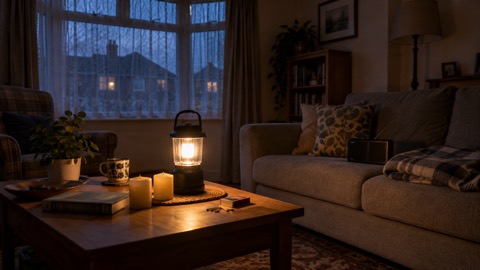
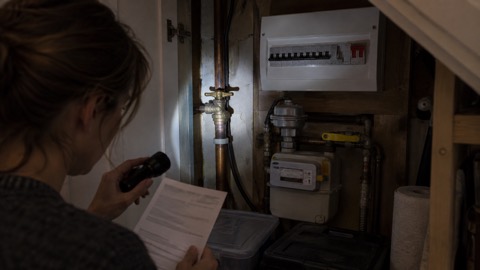
If it is a localised power cut, stay with friends or relatives until your power is back on25. Leave a light on so you know when your power comes back on, and switch off appliances that could pose a hazard25. If you get advance notice of a cut, fill a flask with hot water and make up a hot water bottle25. Back up work and important files, keep a mobile phone charged, and write down important phone numbers25. Check on vulnerable neighbours or family25. For electricity problems after flooding, contact 1057, the free power cut number.
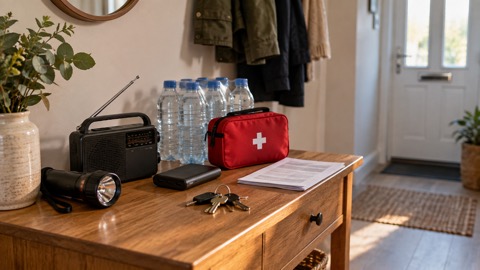
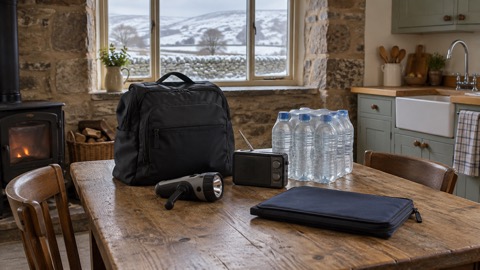
For cuts that drag on, have an emergency kit ready that includes25:
- A torch and spare batteries
- A wind-up or battery-powered radio tuned into local news, or a car radio
- A power bank or solar charger
- An analogue phone
- Warm clothes and blankets
- Non-perishable food
Our fuller guides to power cuts, backup power at home and emergency lighting cover these in detail. The point for recovery is that a power cut after a flood or storm can outlast the incident itself, so treat "the emergency is over" and "the power is back" as two separate events and plan for the gap between them.
Getting back on your feet after a flood
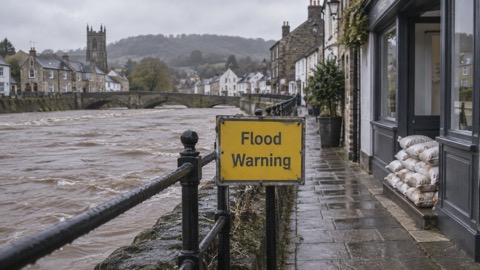
Flood recovery has more structured support than almost any other emergency, because it is so common in the UK. In Wales, Carmarthenshire County Council publishes a Flood Recovery Booklet with advice on the initial steps to take if your property floods, and things to consider when going through the recovery process, a Flood Recovery Guide with advice and guidance to help the victims of flooding through the initial stages of recovery, and a Flood Recovery Toolkit containing all the resources you need as a basic introduction for recovering from a flood26. If your council publishes something similar, get it: it will reflect local arrangements.
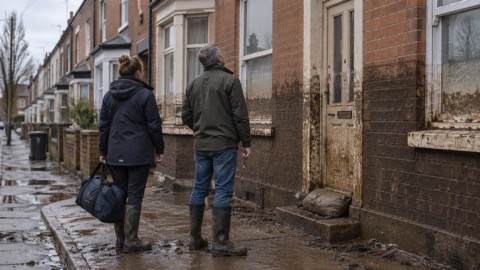
The sequence after a flood runs roughly as follows. Check with the emergency services that it is safe before you return home5. Once back, link in with the local authority flood hub, which after major flood events is likely to have been identified and opened to help organise recovery, and is advertised on the local authority website, notice boards and social media5. If you are helping someone else, first assess the situation and ensure their circumstances are safe, and help them make contact with recovery agencies if needed9.
Health matters during the clean-up. Surrey's staying healthy and safe after flooding guidance covers this stage9, and the UK Health Security Agency's flooding and health advice for the public is the national reference17. Emotional recovery runs alongside the physical work: contact family and friends, your doctor, or an organisation like the Red Cross or the Samaritans if you need support14, and see the sections above on helplines and on when distress continues. Our flooding guide and the page on returning home after an emergency cover the practical steps in more depth.
Bereavement and injury: first aid and support after a loss
Recovery sometimes means coping with injury or with the death of someone you know. Neither is something to handle alone, and there are immediate practical steps that official guidance supports.
For injuries, learn first aid before you need it: training covers dealing with an emergency, how to do CPR and put someone in the recovery position, dealing with head injuries, severe bleeding, burns and broken or sprained bones, and what to do in cases of seizures, heart attacks, strokes, choking, severe allergic reaction or a diabetic emergency27. In the moment, cool any burns with large amounts of water and get urgent medical assistance28. For severe bleeding, help the casualty lie down on a rug or blanket if available to protect them from the cold, and raise and support their legs so that they are above the level of the heart29. For an unresponsive casualty who is breathing normally, place them in the recovery position: kneel next to them, remove glasses and bulky objects, place the near arm at a right angle, bring the far arm across the chest with the back of the hand against their cheek, lift the far knee and roll them onto their side, then tilt the head back so the airway remains open30.
For bereavement, the same helplines apply. The Samaritans on 116 123 are available 24 hours a day to anyone in emotional distress or struggling to cope2, and the British Red Cross support line on 0808 196 3651 can offer emotional support as a friendly and understanding listener6. Your GP is the route to specialist help if distress continues over an extended period17. Our first aid guide covers the skills in full.
Volunteering and community help after an emergency
Many people who come through an emergency want to help the next household that goes through one. There are organised ways to do this, and they come with training.
The Fire and Emergency Support Service is run by trained volunteers who offer practical and emotional support, in partnership between fire and rescue services and the British Red Cross31. As a volunteer, you receive all the necessary training to perform the required tasks, including working with the fire service at the scene of an incident, first aid and assisting people with disabilities31. The Northern Ireland Fire and Rescue Service runs the same scheme, and you can find more information on volunteering with the Fire Emergency Support Service provided by the British Red Cross on the British Red Cross website23.
At community level, preparing your community for emergencies makes it easier to recover following the impact of an emergency32. That can mean joining or starting a local support group, which official guidance also recognises as a way to help yourself and others through hard times18. Our community resilience guide sets out how neighbours and local groups organise this.
Updating your plan with what you learned
The last stage of recovery is turning it into preparation. Every emergency you experience teaches you something about what your household actually needed, what you could not find, and what took too long.
Start with the gaps. If the power was off and you had no torch, add a torch and spare batteries to your kit25. If you could not find a phone number, write down important phone numbers and keep a mobile phone charged25. If you did not know who to call, note the numbers on this page: 116 123 for the Samaritans2, 0808 196 3651 for the Red Cross support line6, 105 for power cuts7, 101 to tell police you are safe8, and your local council's number10.
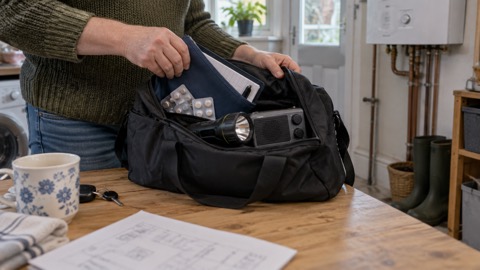
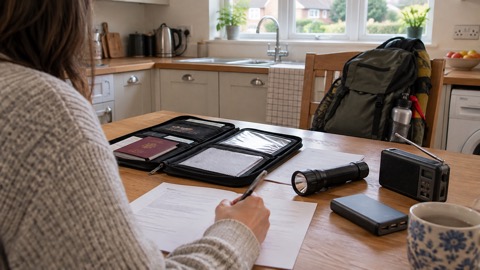
Then update the household plan itself. Surrey's guidance on preparing homes for emergencies and the wider getting started pages cover what a plan should contain, and our household emergency plan template gives you something to fill in. Finally, take the community lesson seriously: preparing your community for these kinds of events will make it easier to recover following the impact of an emergency32, and recovering from a major emergency can take many years1, so the plan you write now is the one you will rely on for a long time to come.
Sources (32)
- Prepare yourself: resilience, Greater Manchester Combined Authority
- Flooding and health: mental health, Wiltshire and Swindon Prepared
- Financial help after fire, GOV.UK
- What happens in an emergency, Shropshire Council
- Recovering from a flood, Wiltshire and Swindon Prepared
- How to prepare for flash flooding, Greater London Authority
- After a flood: further support, Nottinghamshire County Council
- Prepare for emergencies: homes prepared, Surrey County Council
- Staying healthy and safe after flooding, Surrey County Council
- Dealing with the aftermath of a fire, Warwickshire County Council
- Dealing with the aftermath of a fire: page 2, Warwickshire County Council
- Dealing with the aftermath of a fire: page 3, Warwickshire County Council
- London Resilience: first aid, Greater London Authority
- Emotional support after a flood, Herefordshire Council
- COVID-19 community support, Suffolk County Council
- What to do after a flood, Natural Resources Wales
- Flooding and health: advice for the public, UK Health Security Agency
- Are You Ready booklet, Culham Parish Council, 2025-09
- How can I access professional help after a flood, Gloucestershire County Council
- 2023 National Risk Register, Cabinet Office, 2023
- Steps after a fire, North Yorkshire Fire and Rescue Service
- Useful information for you and your community, Argyll and Bute Council
- Fire and Emergency Support Services: volunteering, Northern Ireland Fire and Rescue Service
- Using 999, East of England Ambulance Service NHS Trust
- Power cuts, West Yorkshire Prepared
- Flooding recovery, Carmarthenshire County Council
- Household emergency kit, nidirect
- Halloween safety, Dorset and Wiltshire Fire and Rescue Service
- Severe bleeding first aid, NHS inform
- Water safety, Devon and Somerset Fire and Rescue Service
- Fire and Emergency Support Service, Warwickshire County Council
- Community resilience, Argyll and Bute Council
 30-Day Household Checklist
 Emergency Plan Template
 Supply Interruption Checklist
 Household Emergency Plan
 Emergencies to Prepare For
 Community Risk Registers
 What to Do in an Emergency
 Sheltering in Place
 Staying Put or Leaving
 If You Are Asked to Evacuate
 Planning Your Evacuation
 Rest Centres
 Stopcock, Gas Valve and Fuse Box
 Returning Home
 Scotland Emergency Planning