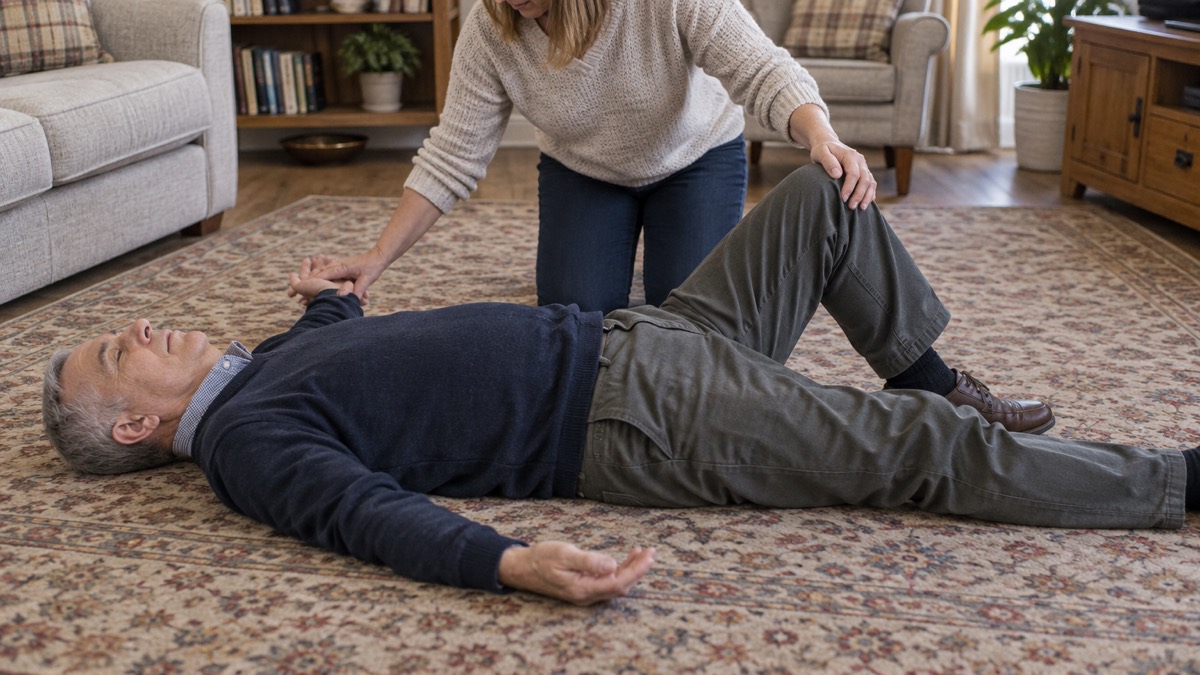
If someone is not responding to you but is breathing normally, it is safe to place them in the recovery position1. That single rule covers most of the situations a household will ever face: a faint that has not come round, someone who has drunk too much, a heat illness, a near-drowning, a seizure that has ended, or a person who has recovered breathing after CPR or a shock from a defibrillator. The position keeps the airway open and lets any vomit drain away without interfering with breathing2.
Before you do anything else, make sure an ambulance is on its way. NHS inform's guidance is plain: "If it's not already been done, phone 999"1. If the person is unresponsive and not breathing normally, you need to call 999 or 112 for emergency help and start CPR straight away instead3. The recovery position is only for the person who is breathing normally.
This page walks through the whole thing in the order you need it: checking that the person is breathing, the steps for adults and children, what to remove from pockets, how to keep the airway open once they are on their side, what to watch for while you wait, and when to abandon the position and start CPR.
Check they are breathing normally before you move them
The recovery position has one condition attached to it, and it matters more than anything else on this page: the person must be breathing normally. NHS inform states it directly: "You can put someone in the recovery position if they're not responding to you but they're breathing normally"1. The NHS agrees: "It's safe to place someone in the recovery position who is not responding to you but is breathing normally"2.
Checking breathing is part of the primary survey, the sequence of checks you do on any casualty before deciding what treatment they need. To open an adult's airway, place one hand on the forehead and tilt the head back, then use 2 fingers of your other hand to lift the chin4. NHS inform's adult CPR guidance describes the same technique: place one hand on the forehead and gently tilt the head so the mouth falls open, then place the fingertips of your other hand on the chin and lift it5. Our page on how to check if someone is breathing covers this in detail.
The check itself takes seconds. Tilt the casualty's head back, put your ear to their mouth to feel for breath against your cheek, and look at the casualty's chest for 5 seconds to see if it rises and falls5. If the chest rises and falls steadily and you feel breath, they are breathing normally: go ahead with the recovery position. If there is no breathing, or only occasional gasps, that is not normal breathing, and you are in CPR territory, covered later on this page. If you are unsure what those gasps mean, read agonal breathing: should you start CPR?.
One special case is worth naming. Devon and Somerset Fire and Rescue Service advise that if a person pulled from water is unconscious but breathing, you put them in the recovery position with their head lower than their body6. The head-low position helps water drain out. NHS inform's drowning guidance adds that if the person is not breathing, they need five rescue breaths and then CPR, which is covered below7.
Phone 999 or 112 before or while you place them
If it has not already been done, phone 9991. If you have a helper, split the jobs: one calls, one starts the steps. If you are on your own with a breathing, unresponsive adult, the guidance still directs you to get the ambulance coming; the London Ambulance Service's advice line is for exactly these calls, and its rule is to call 999 if someone is seriously ill or injured and their life may be at risk8.
Both 999 and 112 reach the emergency services. The NHS's CPR guidance states: "If an adult is unresponsive and not breathing normally, you need to call 999 or 112 for emergency help and start CPR straight away"3. Manchester Fire and Rescue Service's summer safety advice gives the same number, "dial 999"9, as does Essex Prepared's advice for anyone trapped by fire: "Call 999"10. You do not need to remember which number is which; either will connect you to the ambulance service.
Tell the controller clearly what you can see: a person who is not responding but is breathing normally, and that you have placed or are placing them in the recovery position. The controller can also tell a helper where the nearest defibrillator is, which matters if the person's breathing stops later3. Stay on the line if asked, and follow any instructions given.
What the recovery position actually does
The position is not comfort, and it is not just tidiness. When someone is put into the recovery position, their airway is kept open and any vomit can drain away without interfering with breathing2. NHS inform puts the same point in plainer words: "This will help to keep their airway clear and open. It also helps to ensure they don't choke on any vomit or fluid"1.
An unresponsive person lying on their back has two problems. First, the tongue relaxes and can fall back against the throat, partly blocking the airway even though the person is still breathing. Second, if the person vomits, and unresponsive people often do, the vomit has nowhere to go and can be inhaled into the lungs. Lying on the side with the head tilted back solves both: the tongue falls forward, the airway stays open, and anything in the mouth drains out of the corner of the mouth instead of down the throat.
That is why the same instruction appears again and again across different emergencies. Oxfordshire's public health guidance on alcohol and drugs says to put the person in the recovery position if they are breathing but unconscious11. NHS inform's heatstroke guidance says that if someone loses consciousness while you are waiting for help, put them in the recovery position12, and NHS 111 Wales gives the same instruction for heatstroke13. Healthier Together's summer safety advice for children says to put the child in the recovery position if they lose consciousness while you are waiting for help14. Northern Ireland's heat exhaustion guidance adds that if the person is unconscious, you should place them in the recovery position until help arrives15. Community first responders in Northern Ireland are trained to place unconscious casualties into the recovery position16. Whatever caused the collapse, the answer once they are breathing normally is the same.
How to put an adult in the recovery position, step by step
The steps below follow NHS inform's guidance, which is written for exactly this situation1. Kneel beside the person on the floor and work through them in order. The whole sequence takes well under a minute once you know it.
- Kneel beside the casualty. Remove their glasses and any bulky objects like a phone from their pockets. Do not search their pockets for small items1.
- Make sure the casualty is lying on their back with their legs straight. Place the arm that is nearest to you away from the casualty's body. Bend the arm at the elbow and make sure the palm is facing upwards1.
- Bring the arm that is furthest from you across the casualty's chest. Hold the back of their hand against the cheek that is nearest to you. With your other hand, hold the far leg just above the knee and pull it up, keeping the foot flat on the ground1.
- Keep the casualty's hand pressed against their cheek and pull on the far leg. Roll the casualty towards you and onto their side. Adjust the upper leg so that both the hip and knee are bent at right angles1.
- Tilt the casualty's head and chin back so that their airway stays open. If necessary, adjust the hand under the cheek to keep the head tilted. This makes sure the airway stays open and allows fluid to drain from the mouth1.
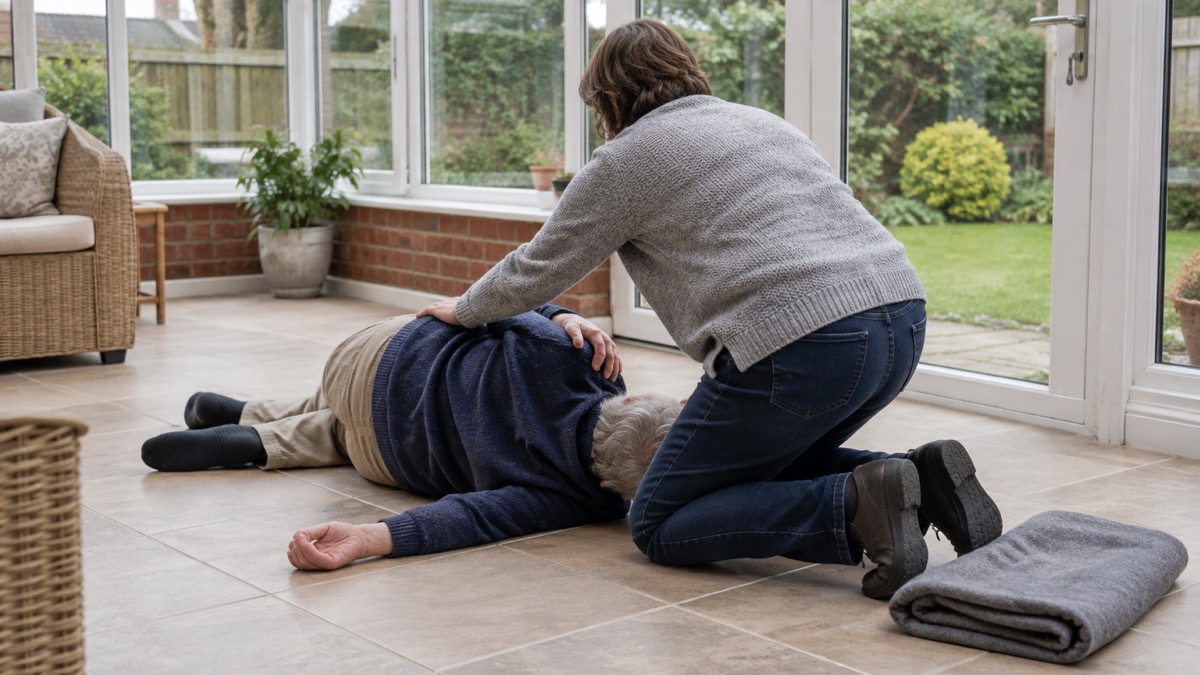
The hand-against-cheek detail is not decoration. It gives you a handle on the head as you roll the body, so the head turns with the torso rather than lagging behind it, and it leaves the hand positioned to support the cheek in the finished position. The bent upper leg acts as a prop that stops the body rolling either forward onto the face or back onto the spine.
North West Ambulance Service's first aid leaflet teaches the same sequence in slightly different words: place the arm nearest to you at a right angle to their body with the hand upwards towards the head, then bend the knee farthest from you to a right angle and carefully roll the person onto their side by pulling on the bent knee17. The mechanics are identical, so use whichever wording you can remember under pressure.
Children: the same position, the same care
A child who is unresponsive and breathing normally goes into the same side-lying position. The St John Ambulance child recovery position guidance, published through the Wales Healthier Together programme, follows the adult steps: kneel beside them, remove glasses and bulky items but do not search their pockets for small items, roll them onto their side with the upper leg bent, and adjust the hand under their cheek to help keep the airway open18.
A child's body is smaller and lighter, so the rolling step needs less force, but the checks are the same and the stakes are the same. Healthier Together's summer safety advice for parents says to put the child in the recovery position if they lose consciousness while you are waiting for help14. Phone 999 if you have not already, and keep checking their breathing while the ambulance comes.
If a child stops breathing normally, the treatment changes: child CPR and baby CPR have their own techniques, covered on our child CPR and baby CPR pages. Do not use adult CPR instructions unchanged on a small child.
Pockets and glasses: what to remove and what to leave
Step 1 of the sequence carries a specific instruction, and it is worth understanding why. NHS inform says: "Kneel beside the casualty. Remove their glasses and any bulky objects like a phone from their pockets. Don't search their pockets for small items"1. The NHS repeats the limit: "Do not search their pockets for small items"2.
The reasons are practical. Glasses will be crushed or twisted between the cheek and the floor once the head is turned, and they can injure the face. A phone, wallet or large bunch of keys in a side pocket ends up directly under the hip or ribs once the person is rolled onto their side, where it digs in and can affect their breathing comfort. Small items, by contrast, are not worth the time: every minute spent fishing through pockets is a minute the airway is not protected, and you may damage their belongings or lose something in the process.
The same thinking appears elsewhere in first aid. South Central Ambulance Service's defibrillator guidance notes that the chest should be exposed to allow pad placement, and clothes may need to be cut, torn or moved away19. The principle is the same: remove only what gets in the way of the treatment, and do it quickly.
There is a preparedness angle too, and it is a small one. If you wear glasses or contact lenses, know where your spare ones are, or include them in your emergency kit20, and keep prescription medications and glasses in your grab bag if you need them21. A household kit with a torch, a phone charger, important contact numbers and medications in an easily accessible place22 makes any emergency, medical or otherwise, easier to handle. Our first aid kits for the home page covers what to keep ready.
Opening the airway once they are on their side
Rolling the person onto their side is only half the job. NHS inform's step 5 is to tilt the casualty's head and chin back so that their airway stays open, adjusting the hand under the cheek if necessary to keep the head tilted; this makes sure the airway stays open and allows fluid to drain from the mouth1. North West Ambulance Service's leaflet phrases it as opening the airway by gently tilting the head back and lifting the chin, and checking that nothing is blocking the airway17.
The technique is the same one used at the start of the primary survey: one hand on the forehead, tilt the head back, and lift the chin with the fingers of your other hand4. NHS inform's poisoning guidance gives the same instruction for anyone who becomes unresponsive: open the airway by lifting the chin and tilting the head back23. The London Ambulance Service's lifesaver steps list it as a single action: "Open the airway by tilting the head back and lifting the chin"24.
After you have tilted the head, look into the mouth. If you can see something obvious blocking the airway, and you can reach it easily, remove it; the drowning guidance directs you to open the airway by lifting the chin and tilting the head back, and the ambulance service leaflet tells you to check that nothing is blocking the airway7. Do not sweep the mouth blindly with your fingers; you risk pushing something deeper. If the blockage is the problem rather than the position, our page on what to do if someone is choking covers the responsive casualty.
Watching them while you wait for the ambulance
Placing someone in the recovery position is not the end of your part. NHS inform's guidance is to keep the person in the recovery position until help arrives1, and Northern Ireland's guidance says the same: place the person in the recovery position until help arrives15. That means staying beside them, and it means checking.
Keep watching the chest. The check you learned at the start, ear to the mouth and eyes on the chest for 5 seconds5, is the check you repeat. If their breathing changes, becomes noisy, laboured or stops, you need to act, and the next section covers what to do. If they vomit while on their side, the position does its job and the fluid drains away; if the mouth has filled, clear it and re-tilt the head to keep the airway open.
Keep them warm and comfortable. NHS inform's stroke guidance captures the general duty: keep the casualty comfortable and supported while you wait for help to arrive, and if the casualty is responding, help them lie down and reassure them that help is on the way25. The London Ambulance Service's stroke care advice gives the same instruction to call 999 for an ambulance immediately26. Cover them with a coat or blanket if the ground is cold, and talk to them: an unresponsive person may still hear you, and a person drifting in and out of responsiveness is reassured by a calm voice.
Do not leave them to fetch anything. If you need a blanket, a defibrillator or information for the crew, send someone else. If you are alone, the ambulance controller can tell a helper where the nearest defibrillator is3, and our page on information to have ready for the ambulance crew lists what helps them when they arrive.
When not to use the recovery position
The recovery position is wrong in three situations, and each one changes what you do next.
They are not breathing normally. If the person is unresponsive and not breathing normally, you need to call 999 or 112 and start CPR straight away3. NHS inform's primary survey guidance is blunt: "If they're not breathing, phone 999 and start CPR immediately. Ask someone nearby to get a defibrillator"4. If you are on your own, do not leave the casualty to look for a defibrillator yourself3. The North East Ambulance Service puts the reassurance alongside the instruction: "you can cause no harm to the person by giving them chest compressions BUT you may save their life!"27. Kneel beside the patient, place the heel of your hand in the middle of the chest with the other hand over the top, and press down hard and fast using your body weight, letting the chest return to its normal position between compressions27. Our how to do CPR page covers the full sequence.
They are a near-drowning casualty who is not breathing. NHS inform's drowning guidance gives a specific sequence: five rescue breaths, then CPR with 30 chest compressions followed by 2 rescue breaths, continuing until help arrives, until the person shows signs of becoming responsive (they cough, open their eyes, speak or move purposefully) and start breathing normally, or until you are too exhausted to continue7. Our page on what to do after someone nearly drowns covers this in full.
You suspect a spinal injury. The NHS sets a clear condition: if you suspect someone has a spinal injury and they cannot maintain an open airway, you need to place them in the recovery position2. If you have a helper, one of you should steady the head and neck while maintaining an open airway, keeping it in line with the spine, while the other turns the casualty into the recovery position2. If they are not breathing normally, open the airway differently: place your hands on either side of their head, gently lift their jaw with your fingertips, and take care not to move their neck1. Our page on the recovery position when a spinal injury is suspected covers this case in detail.
One further point on breathing that is not normal: gasping, snorting or irregular breaths can be agonal breathing, a sign of cardiac arrest rather than normal breathing. If you see it, treat it as not breathing normally and start CPR. Our agonal breathing page explains how to tell.
Learning first aid near you
Reading a page is not the same as having done the thing with your hands. A simple first aid course can provide you with basic skills that could help you save the life of a family member or friend28. Local courses are provided by St John Ambulance and by the British Red Cross28.
St John Ambulance delivers certified training courses to companies, local authorities, schools, community groups and individuals29. Its advice pages cover everything from the basics of emergency first aid such as CPR and the recovery position, to advice on treating common conditions at home, plus specialist advice for treating children and babies29. The advice is checked: St John Ambulance has a clinical team who include qualified health care professionals, who ensure the first aid advice given is accurate, and the organisation is regulated and monitored by the Care Quality Commission29.
Our first aid courses page covers the types, lengths and where to find one, and learning CPR free online covers the options you can do from home tonight. If you have children, teaching children basic life-saving skills and how to ring 999 is worth a look as well.
Sources (29)
- How to put someone in the recovery position, NHS inform, 24 July 2026
- Recovery position, NHS, 28 April 2025
- CPR, NHS, 29 October 2026
- How to do a primary survey, NHS inform, 24 July 2026
- How to give an adult CPR, NHS inform, 8 September 2026
- Water safety, Devon and Somerset Fire and Rescue Service, 2026
- Drowning first aid, NHS inform, 24 July 2026
- Clinical telephone advisor, London Ambulance Service, 30 September 2026
- Staying safe: Safe4Summer, Manchester Fire and Rescue Service, 29 October 2026
- If you are trapped by fire, Essex Prepared, 29 October 2026
- What to do in an emergency: alcohol and drugs, Oxfordshire County Council, 2026
- Heatstroke and heat illness, NHS inform, 15 July 2026
- Heat exhaustion and heatstroke, NHS 111 Wales, 22 June 2026
- Staying safe over the summer, Healthier Together, 29 October 2026
- Heat exhaustion and heatstroke, nidirect, 2 December 2025
- First responders, Northern Ireland Ambulance Service, 29 October 2026
- First aid facts leaflet, North West Ambulance Service, April 2019
- How to put a child in the recovery position, St John Ambulance via Wales Healthier Together, 2024
- Public Access Defibrillator Information Pack, South Central Ambulance Service, August 2026
- Be more resilient in 30 simple ways in 30 days, Scottish Borders Council, 29 October 2026
- Get help and advice in an emergency, Lincolnshire County Council, 29 October 2026
- Protect and prepare, Coventry City Council, 29 October 2026
- Poisoning first aid, NHS inform, 24 July 2026
- Remember these steps to learn how to save a life, London Ambulance Service, 12 August 2026
- Stroke first aid, NHS inform, 24 July 2026
- Emergency stroke care, London Ambulance Service, 30 September 2026
- First aid advice, North East Ambulance Service, November 2024
- Are You Ready booklet, Culham Parish Council, September 2025
- First aid, NHS, 25 October 2026
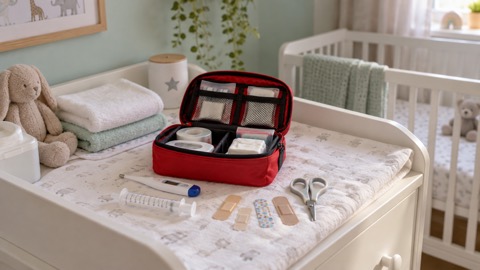 Baby and Child Kit Checklist
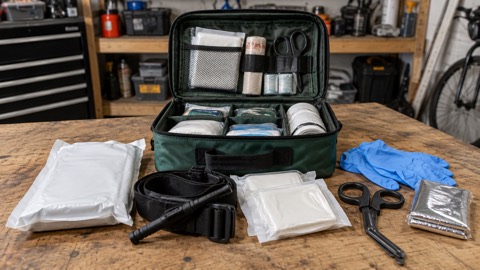 Bleeding Control Kit Checklist
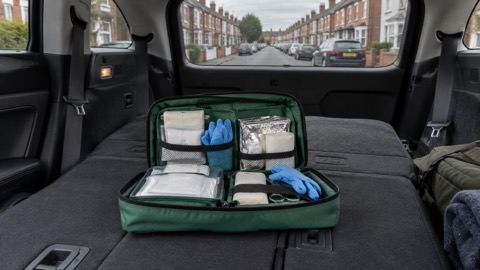 Car Kit Checklist
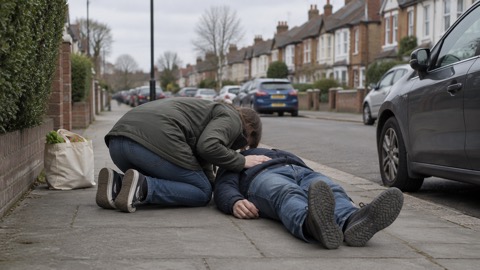 Danger, Response, Airway
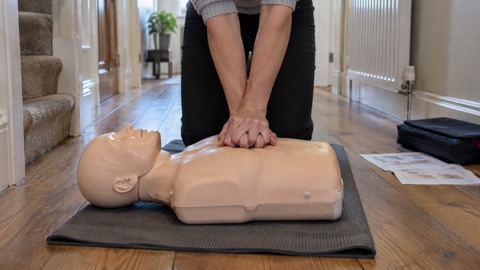 CPR Steps for Adults
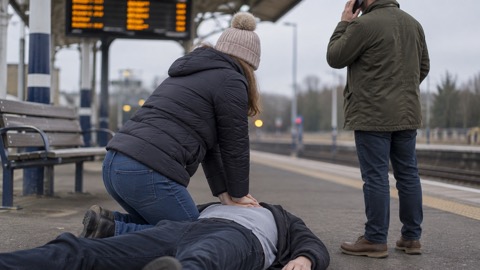 2025 Resuscitation Guidelines
 Defibrillators (AEDs)
 Public Access Defibrillators
 Choosing a Defibrillator
 Choking First Aid
 Cuts, Grazes and Wounds
 Burns and Scalds
 Adrenaline Auto-Injectors
 Sepsis Signs to Act On
 Shock Signs and What to Do