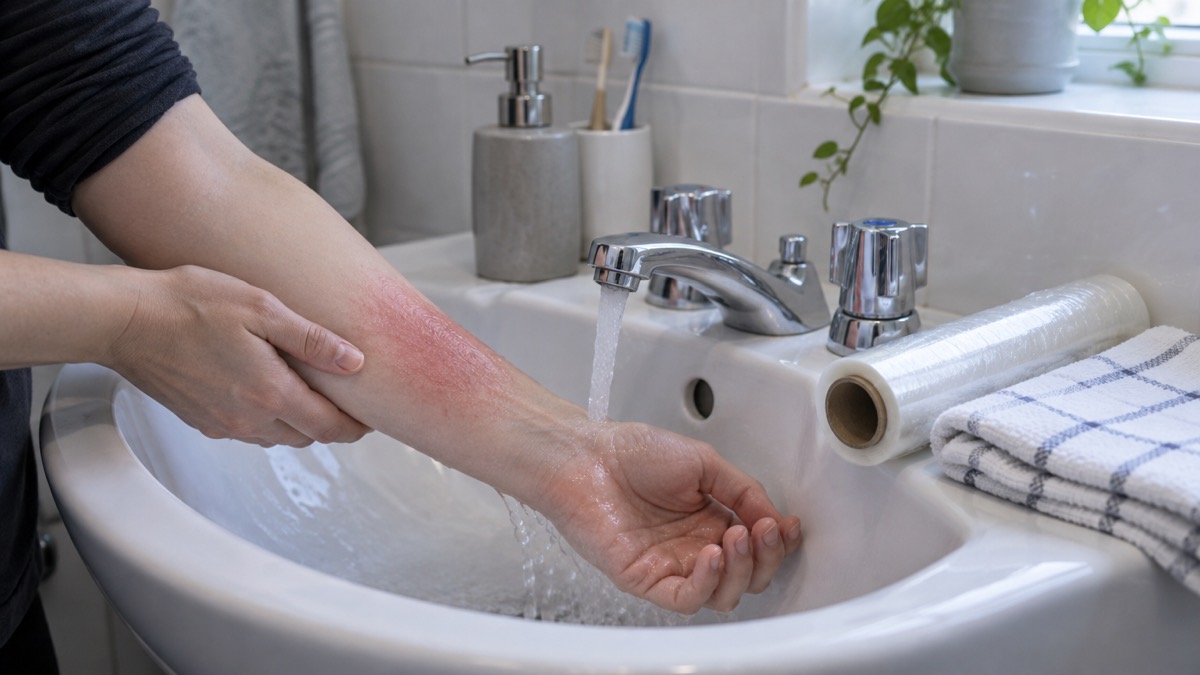
A burn or scald at home is frightening, but the first aid is simple and the same every time: stop the burning, cool the skin under cool running water for at least 20 minutes, remove jewellery and tight clothing near the burn, then cover it loosely with cling film and get advice if it is needed. Burns and scalds are damage to the skin caused by heat, and the longer the burning goes on, the more severe the injury is likely to be, so the cooling matters more than anything else you do1.
The NHS says small burns and scalds can often be treated at home and take around 2 weeks to heal1. But some burns always need urgent help: phone 999 or go to A&E if the burn is very large or deep, is on the face, genitals or bottom, or has been caused by acid, a chemical or electricity2. Children under 5 should always be seen by a health professional after a burn or scald, however small it looks3.
This page sets out the steps in the order you need them: what to do in the first minutes, what never to put on burned skin, how to cover the burn, which burns need hospital, and how to look after a minor burn while it heals. It is part of our guide to first aid at home.
First aid step by step: cool, remove, cover
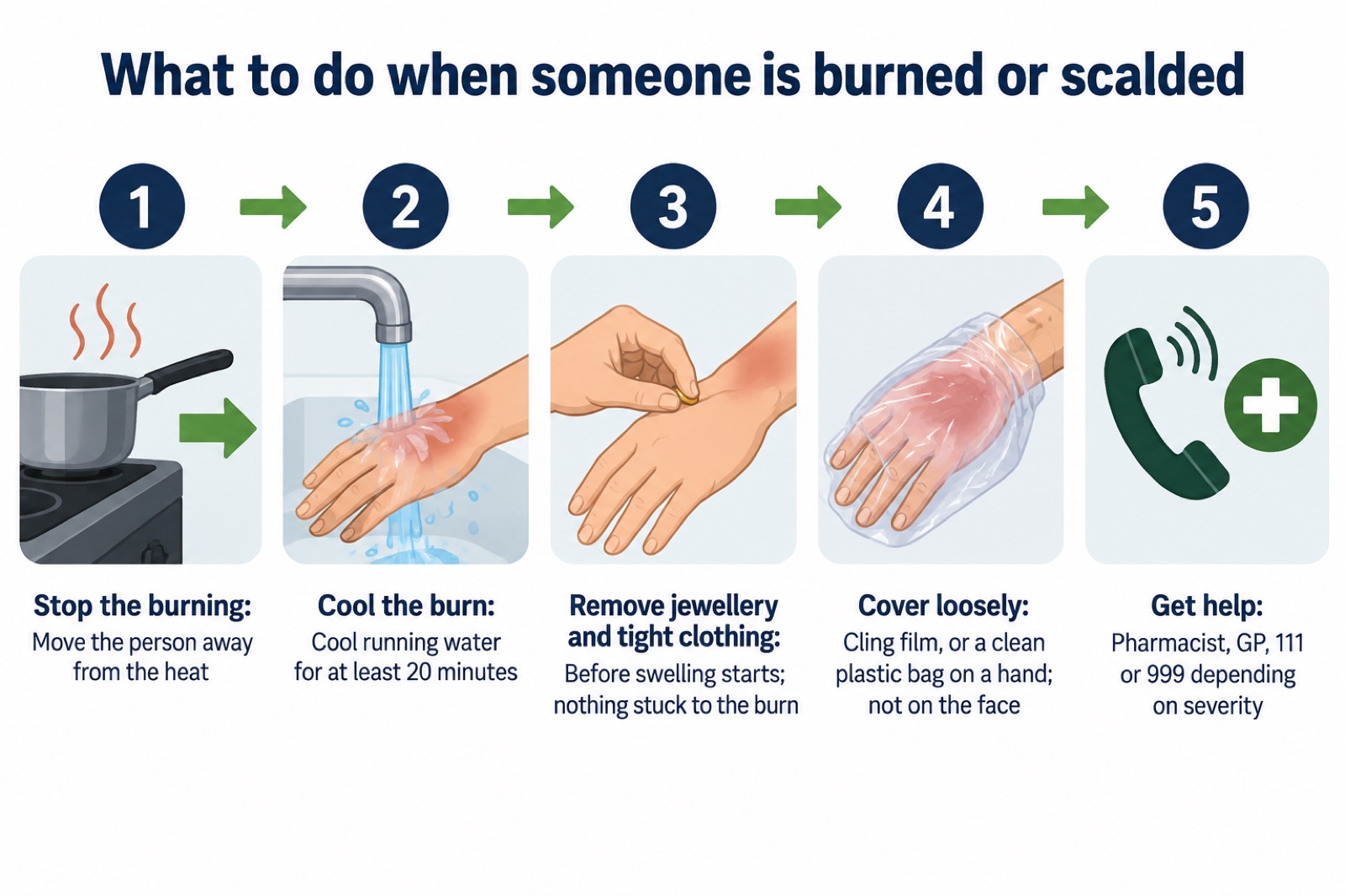
Work through these steps in order. They come from NHS and burn service guidance and apply to adults and children alike4.
- Stop the burning process first. Move the person away from the heat source, or put out any flames. Do not put yourself in danger: a burning pan or an electrical fault can hurt a rescuer too9.
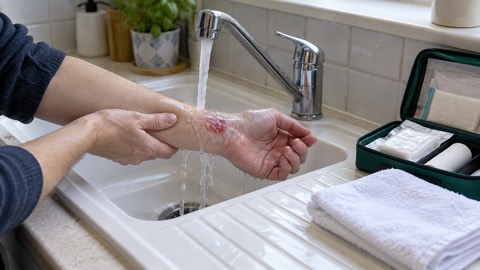
- Cool the burn under cool running water for at least 20 minutes. Place the affected area under a gently running cool tap, or in cool water. NHS guidance for children says 20 to 30 minutes to reduce the heat in the skin4. Cool or lukewarm water is right: not ice cold.
- Remove jewellery, watches and tight clothing near the burn. Do this as soon as possible, while the skin is cooling, because burned skin swells and anything tight will become difficult and painful to remove later. Do not remove anything that is stuck to the burn itself10.
- Cover the burn loosely with cling film. Lay a layer of cling film over the burn lengthways rather than wrapping it tightly. A clean plastic bag can be used for a burn on the hand6. Do not apply cling film to the face9.
- Get medical advice matched to how bad the burn is. Depending on severity, that may mean a pharmacist, your GP, NHS 111, or 999 in severe cases11.
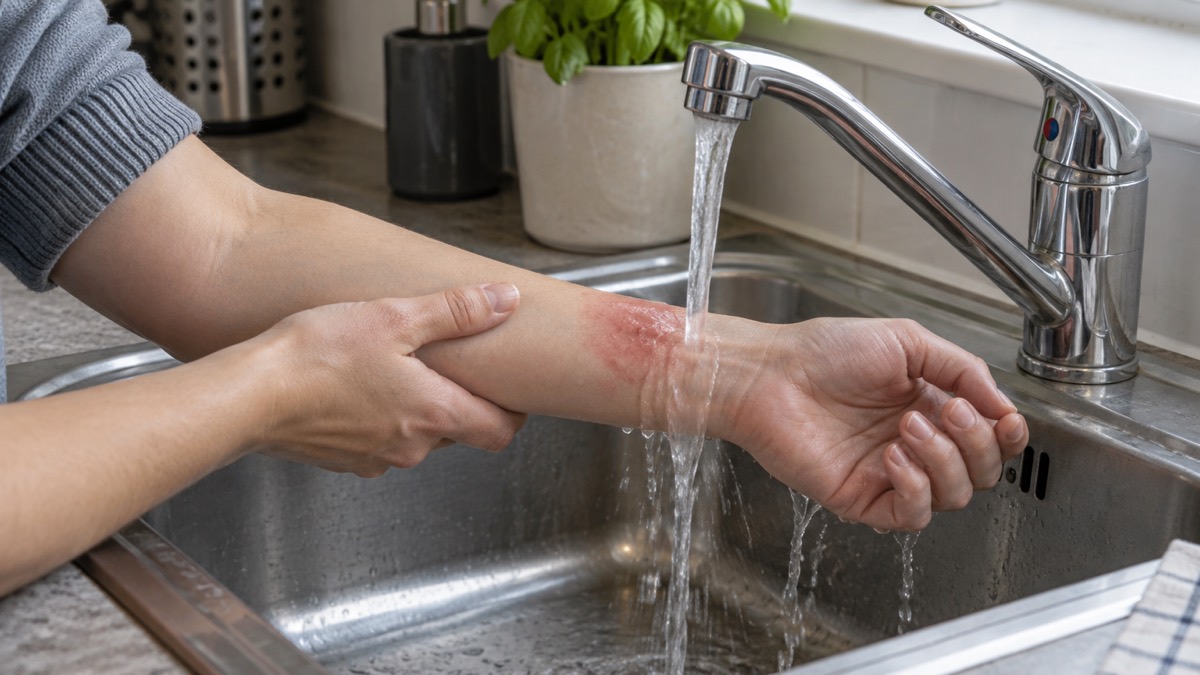
The 20 minutes of cooling is not a token rinse. It is the treatment: it reduces the heat in the skin, limits how deep the injury goes and eases pain. If you are not near a tap, any clean cool water will do, and you should keep cooling for the full time even if the pain eases. If the burn is serious, keep cooling while someone else phones 999, and do not delay the call to finish the cooling.
One caution from burn network guidance: keep the patient warm to prevent hypothermia while you cool the burn, and cool only the burned area, not the whole person. Children and elderly people are most susceptible12. Do not put a child in a cold bath3.
What never to put on a burn
The old household remedies do harm, and every NHS source says the same thing. Do not put ice, iced water, or any creams or greasy substances such as butter on a burn13. NHS guidance for babies and children is even more specific: no ice, butter, toothpaste, cream, gel, oil or ointment4. The reason is practical as well as medical: anything greasy has to be cleaned off before the burn can be treated properly at hospital14.
Ice and iced water can damage burned skin further, and creams and ointments trap heat in. The same rules apply to sunburn: NHS guidance says do not use petroleum jelly, do not put ice or ice packs on sunburnt skin, do not pop blisters, do not scratch or remove peeling skin, and do not wear tight clothes over it15. We look at the butter and ice myths in more detail in can you put butter or ice on a burn.
Do not burst blisters either. Blisters are the skin's own sterile dressing, and bursting them can lead to infection2. If blisters break on their own, keep the area clean and covered and watch for the signs of infection covered later on this page.
Covering the burn: cling film, a plastic bag, or a clean dressing
After cooling, cover the burn to keep air off the raw skin, reduce pain and keep it clean. The standard covering is cling film, applied loosely: lay it over the burn rather than winding it round a limb, so it does not tighten as the skin swells16. A clean plastic bag works well for a burn on the hand, and a clean, non-fluffy cloth or a non-adherent dressing will do if you have no cling film6.
Two rules from burn network guidance: do not apply cling film to the face9, and do not remove anything that is stuck to the burn10. For the face, cooling and urgent medical help matter most; sit the person upright as much as possible, as this helps reduce swelling3.
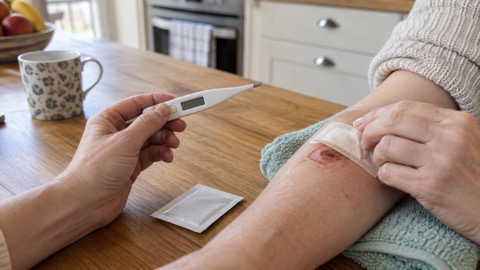
For minor burns at home, the covering question is slightly different. NHS burn network guidance says burns can be left uncovered unless they are in a place where it is difficult to keep clean, and a non-adhesive, non-sticky dressing can be used for temporary coverage of a minor burn or scald9. If you are choosing what to keep in the cupboard, we compare the options in burn gel or cling film: covering a burn at home, and our page on dressings, bandages and plasters explains what each type is for.
| Covering | Use it for | How to apply |
|---|---|---|
| Cling film | Any burn needing medical help, after cooling | Lay loosely over the burn, lengthways; never on the face16 |
| Clean plastic bag | A burn on the hand | Slip over the hand after cooling6 |
| Clean non-fluffy cloth | When cling film is not available | Cover gently, no ointment underneath17 |
| Non-adhesive dressing | Minor burns at home, in places hard to keep clean | Change as advised; leave uncovered if clean18 |
Burn or scald: both are treated the same way
A burn is caused by dry heat, like an iron, hair straighteners, a hot radiator or fire. A scald is caused by something wet: hot water, steam, a hot bath or a cup of tea3. Electricity and chemicals also cause burns1.
The distinction matters for prevention, because the causes are different around the home, but it makes no difference to the treatment. NHS guidance is plain: both are treated in the same way18. So whether the injury came from a kettle or an iron, the steps above are the ones to follow: cool for at least 20 minutes, remove jewellery and tight clothing, cover loosely, and get help on the same scale of severity.
Two special cases do change what you do. An acid or chemical burn needs 999: dial 999, carefully try to remove the chemical and any contaminated clothing, and rinse the affected area using as much clean water as you can13. We cover rinsing times in chemical burns and eye splashes. An electrical burn also needs 999 even when the skin damage looks small, because the current can cause injury inside the body; see what to do if someone gets an electric shock.
When to phone 999 or go to A&E
Some burns are emergencies, and knowing which ones saves argument at the kitchen sink. NHS inform says to phone 999 or go to A&E if the burn or scald is very large or deep, is on the face, genitals or bottom, or has been caused by acid or a chemical, or by electricity2. Cheshire Fire and Rescue Service adds a useful measure of size: go to A&E for large or deep burns bigger than the affected person's hand7. The Northern Ireland Ambulance Service lists severe burns and scalds among the reasons to call 99919.
| Situation | What to do |
|---|---|
| Very large or deep burn | Phone 999 or go to A&E2 |
| Burn bigger than the person's hand | Go to A&E7 |
| Burn on face, genitals or bottom | Phone 999 or go to A&E2 |
| Acid or chemical burn | Dial 999, remove chemical and contaminated clothing, rinse with clean water13 |
| Electrical burn | Phone 999 or go to A&E2 |
| Minor burn, unsure | NHS 111 or your GP for advice18 |
| Minor burn, dressing and pain relief | Pharmacist, minor injuries unit11 |
For everything in between, the rule is to match the help to the severity: a pharmacist can advise on a small burn, your GP or NHS 111 on anything you are worried about, and 999 for severe cases11. Burn service guidance adds that if your tetanus immunisation is not up to date, mention it to your GP9. And if you are simply worried, act on the worry: call 999 if you think the burn is serious, and get medical advice if you are not sure or a child has been burned.
Children under 5: always get advice from a health professional
If your child is under 5 and has a burn or scald, always seek advice from a health professional, whatever the size of the burn8. Call your GP, NHS 111 or 999 to seek medical advice if your child is under 5, or if you are worried21. This is a firm rule, not a judgement call, and it exists because young children's skin and reactions put them at greater risk.
A baby's skin is 15 times thinner than an adult's, so it is very easy for them to be badly hurt22. Young children also do not have the reflex to pull away from something that is burning them: that is something we learn over time22. Both facts mean a burn that would be minor on an adult can be deep on a small child, and a child may not move away from the heat in time.
The rule extends slightly at the next age up: people at greater risk from the effects of burns, such as children under 10 years old, should also get medical attention after a burn or scald13. So a seven-year-old with a scalded hand does not automatically need 999, but they should be seen by someone: a minor injuries unit, your GP or NHS 111.
For children, the same first aid applies while you arrange that help: cool under running water for 20 to 30 minutes, remove tight clothing and jewellery, cover with cling film, and never put anything greasy on the skin4. If the face or eyes are burnt, sit your child up as much as possible, as this helps reduce swelling3.
Pain is not a guide to how serious a burn is
It is natural to judge a burn by how much it hurts, and it is the wrong measure. The amount of pain you feel is not always related to how serious the burn is: even a very serious burn may be relatively painless13. The same applies to children: the amount of pain your child feels is not always related to how serious the burn is3.
The reason is that the deepest burns can destroy the nerve endings in the skin that signal pain. A burn that is agonising may be shallow, and a burn that seems quiet may be deep. That is why the size, depth and cause of the burn, and the age of the person, decide whether help is needed, not how much it hurts.
Use pain relief properly while you wait. Take painkillers such as paracetamol or ibuprofen to help with pain while a burn heals1. For sunburn, paracetamol or ibuprofen ease the pain by helping reduce inflammation23. But children under 16 should not be given aspirin2: give paracetamol or ibuprofen instead, at the child's dose on the packet.
Looking after a minor burn while it heals
Small burns and scalds can often be treated at home and take around 2 weeks to heal1. Minor burns normally heal in around 14 days and leave little scarring2. The depth sets the timetable: mild burns affecting only the outermost layer of skin usually heal in about a week without any scarring, while burns affecting the outer layer and some of the tissue beneath normally heal in around 14 days, leaving minimal scarring6.
While the skin heals, keep the area clean, do not apply creams or greasy substances, and do not burst any blisters, as this can lead to infection2. Take painkillers such as paracetamol or ibuprofen to help with the pain1. Most small burns will heal themselves18.
If a health professional has dressed the burn, there is a checking schedule: the dressing is checked after 24 hours to see if there are any signs of infection, changed again after 48 hours, and then changed every 3 to 5 days until the burn is completely healed2.
Watch for infection as the days pass. The signs of a burn or scald include red skin and swelling, pain in the area of the burn, and blistering, and children and babies may show their distress by crying2. While the skin heals, keep the area clean and do not apply creams or greasy substances, and do not burst blisters, as this can lead to infection. Cornwall Council's public health advice for burns is to cool the area with water for a minimum of 20 minutes and seek medical attention at your nearest minor injuries unit24.
What happens at hospital: assessment, cleaning and dressings
If your burn or scald needs treatment, the healthcare professional will look at the size and depth of the burn, clean the burn, cover it with a sterile dressing and offer pain relief2. The size and depth of the burn will be assessed and the affected area cleaned before a dressing is applied; in severe cases, skin graft surgery may be recommended13.
A skin graft means removing the area of burnt skin and replacing it with skin taken from another part of the body2. If the burn is moderate to severe, you may be referred to a specialist burn care service6. In the emergency department, if the burn injury is serious or meets the criteria for specialised burn care, the emergency doctor will contact the specialised burns service for advice and possible transfer to the most appropriate burn service18.
None of this changes your first aid. The 20 minutes of cooling you do at home limits the depth of the injury before any of this begins, which is why burn services put it first in their guidance9. Your job at the scene is the cooling, the covering and the right call for help; the assessment, cleaning and dressing are the hospital's.
Preventing scalds in the kitchen
Most scalds happen at home, and the kitchen is where the hot liquids are. The prevention advice from NHS and fire service guidance is short and practical:
- Keep your child out of the kitchen whenever possible while cooking13
- Never leave children unattended near heat or cooking26
- Keep hot drinks and pans out of reach26
The clearest prevention measure is to keep your child out of the kitchen whenever possible, since many severe burns and scalds happen there. Scalds are caused by hot liquids or steam, and the longer the burning goes on, the more severe the injury is likely to be, so distance and attention are what protect a small child. Those precautions are one household's everyday habits, but they address the pattern that matters: young children and hot kitchen liquids are the common combination.
A baby's skin is 15 times thinner than an adult's, so it is very easy for them to be badly hurt, and young children do not yet have the reflex to pull away from something that is burning them. Keep hot drinks and pans out of reach, and turn saucepan handles away from the edge of the counter or cooker and use the back rings, which keeps them out of reach of little hands. For the wider picture of household risks, see preventing accidents at home, and for teaching older children to call for help, teaching children basic life-saving skills.
Complications to know about: shock, heat exhaustion and scarring
Burns and scalds can sometimes lead to further problems: shock, heat exhaustion, infection and scarring2. Knowing the list helps you watch for the right things in the hours and days after a burn.
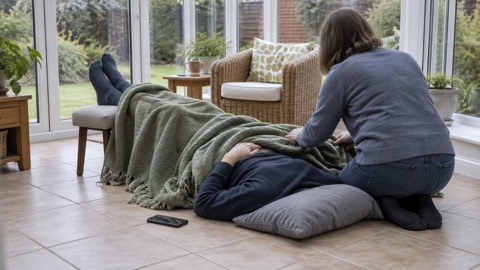
Shock can follow a larger burn: if you think someone is seriously ill or their life is at risk, phone 999 or go to A&E. We cover the signs and what to do in shock: signs and what to do while help comes. Heat exhaustion can follow long cooling or a burn in hot weather. Cool the person down and give them fluids, and if they still feel unwell after 30 minutes of resting in a cool place, being cooled down and drinking fluids, phone 999 or go to A&E27.
Scarring depends on depth, as covered above: minor burns leave little, deeper burns more, and severe burns may need grafting2. After healing, protect the new skin: keep the area covered with cotton clothing, wear a peaked cap or wide-brimmed hat if the burn was on the face, and use sun cream with a high sun protection factor2. During the first few years after a burn, avoid letting direct sun onto the damaged skin, as it may cause blistering; the skin is especially sensitive in the first year after injury2.
Sources (27)
- Burns and scalds, NHS, 2026-03-31
- Burns and scalds, NHS inform, 2026-07-31
- Burns and scalds, Just One Norfolk, 2026-10-25
- What to do if your child has an accident, NHS, 2025-12-18
- Burns and scalds self-help, Andaman Surgery, 2026
- Burns and scalds, NHS 111 Wales, 2021
- Burn awareness, Cheshire Fire and Rescue Service, 2026-10-25
- Burns and scalds prevention, Healthier Together, 2026-10-25
- Burns first aid, Northern Burn Care Network, 2022-03-11
- Burns first aid, NHS inform, 2026-07-24
- Burns prevention and tips, MSE NHS, 2026-10-25
- getdocument, London and South East England Burn Network (LSEBN)
- Burns and scalds self-help, Victoria Road Surgery, 2026
- Safety and accidents in pregnancy, NHS 111 Wales, 2023-05-17
- Staying safe over the summer, Healthier Together, 2026-10-29
- First aid for burns and scalds, South West Burn Care Network, 2026-10-28
- Dementia fire safety, North Wales Fire and Rescue Service, 2026-10-29
- First aid for burns, North Bristol NHS Trust, 2022-03-11
- When to call 999, Northern Ireland Ambulance Service, 2026-10-29
- Your Health Guide Winter 2025, West of Scotland Innovation Hub, 2025-12
- Burns and scalds, Cambridgeshire and Peterborough Children's Health, 2026-06-23
- Child safety, Berkshire Healthcare NHS, 2026-10-29
- Sun and heat safety, Welsh Ambulance Service, 2026-10-29
- Stay safe this summer, Cornwall Council, 2026-08-07
- Keeping your child safe in summer, Healthier Together, 2026-10-28
- Burn awareness, Cheshire Fire and Rescue Service, 2026-05-20
- Heatstroke and heat illness, NHS inform, 2026-07-15
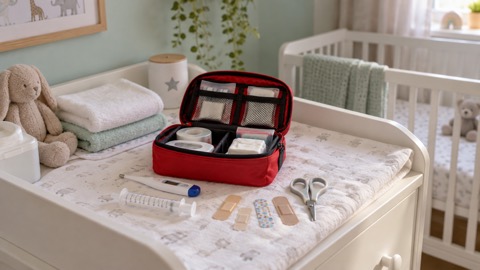 Baby and Child Kit Checklist
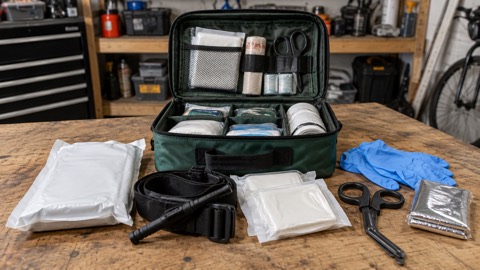 Bleeding Control Kit Checklist
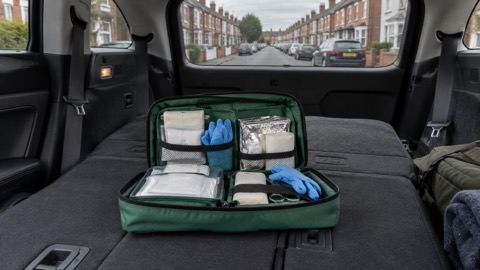 Car Kit Checklist
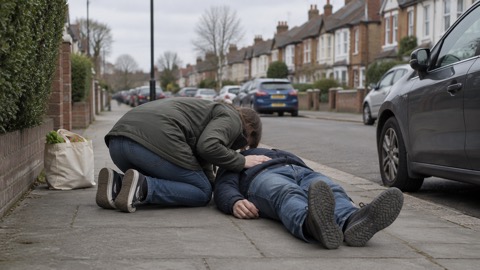 Danger, Response, Airway
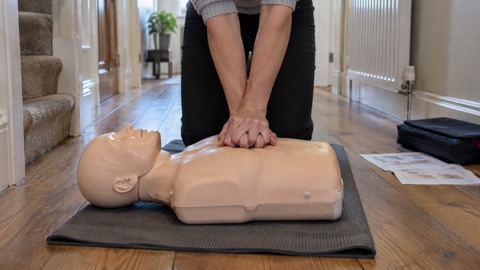 CPR Steps for Adults
 2025 Resuscitation Guidelines
 Defibrillators (AEDs)
 Public Access Defibrillators
 Choosing a Defibrillator
 The Recovery Position
 Choking First Aid
 Cuts, Grazes and Wounds
 Adrenaline Auto-Injectors
 Sepsis Signs to Act On
 Shock Signs and What to Do