
A defibrillator is a device that gives an electric shock to help restart someone's heart when they are in cardiac arrest1. You do not need training to use one: once switched on, it speaks clear step-by-step instructions, and it will only deliver a shock if the person's heart rhythm needs one. As the Scottish Ambulance Service puts it, "You cannot harm someone with the defibrillator, and you do not need training to use it."2
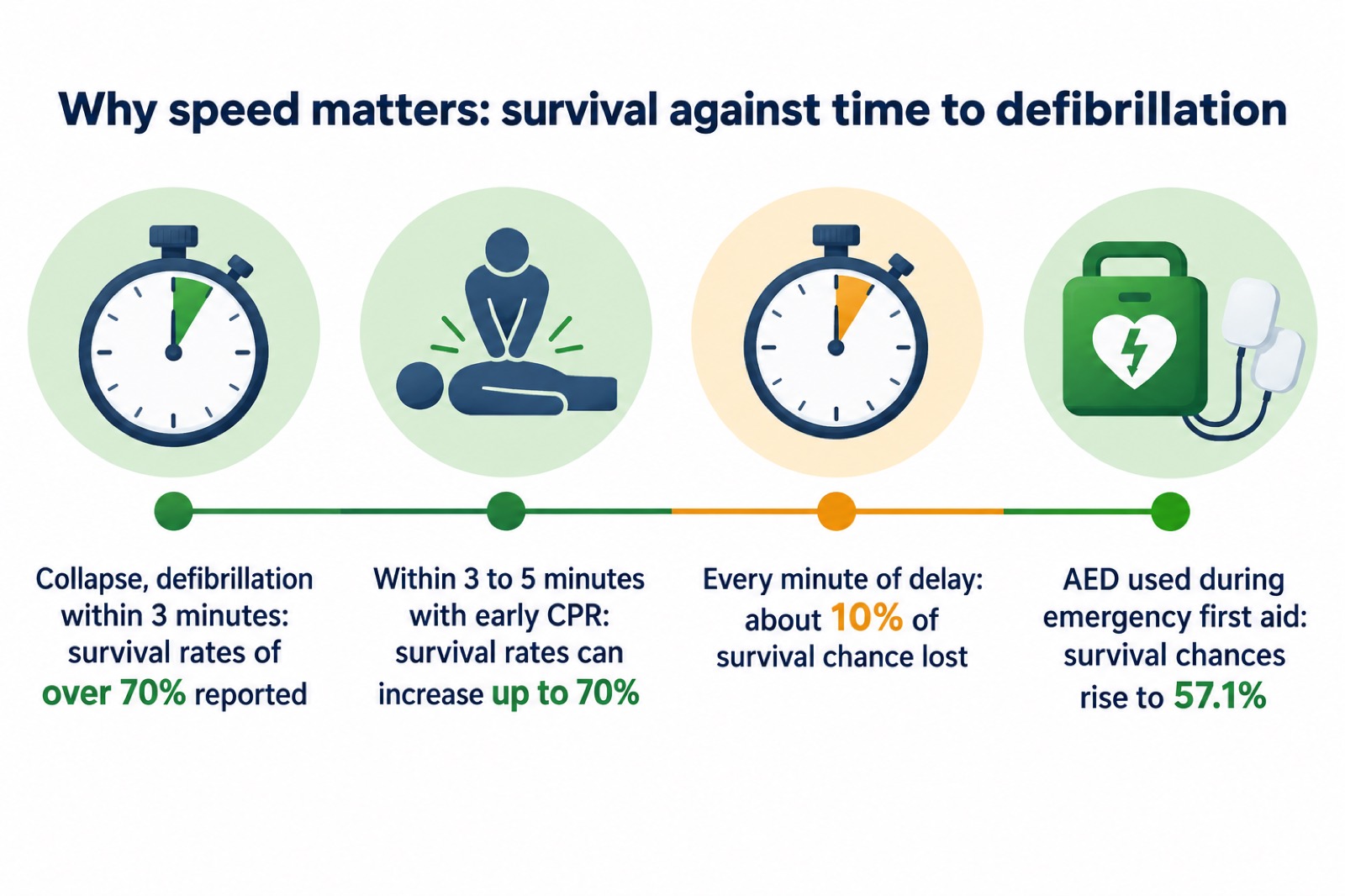
The first actions matter more than the machine. If someone is unresponsive and not breathing normally, call 999 immediately and start chest compressions3. Ask someone nearby to fetch the closest defibrillator, or send a second person while you compress. Speed is everything: for every minute that passes in cardiac arrest without CPR and defibrillation, the chance of survival falls by about 10%2. When a defibrillator is used during emergency first aid, survival chances rise to 57.1%4.
This page walks through what to do from the moment someone collapses, how the machine guides you, where pads go, how it behaves with children, and how to find your nearest device before you ever need it.
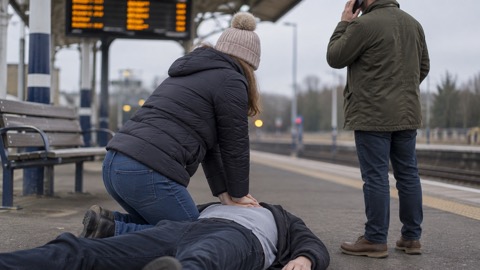
Someone has collapsed: call 999 and start chest compressions
A cardiac arrest means the heart has stopped pumping blood. Someone in cardiac arrest stops breathing, loses consciousness or does not respond to stimulation, and NHS inform's advice is to phone 999 immediately and ask for an ambulance when you see those signs10. If the person is not breathing, phone 999 and start CPR immediately, and ask someone nearby to get a defibrillator10. The NHS in England gives the same instruction for any adult who is unresponsive and not breathing normally: call 999 or 112 for emergency help and start CPR straight away3.
Do not wait to check for a pulse or to be certain. London Ambulance Service describes the intervention that saves lives as "calling 999 immediately, starting chest compressions if it is safe to do so and sending someone to get a defibrillator if one is nearby", and stresses that this works even without formal training11. Ambulance call handlers can guide you through CPR and will direct you to the closest public access defibrillator: the Welsh Ambulance Service says to phone 999 immediately and start CPR, because "our call handlers can guide you through the process and will direct you to the closest public access defibrillator"12. East of England Ambulance Service gives the same reassurance: if a defibrillator is needed, "our emergency call handlers will help direct callers to the nearest available device and explain how to use it"13.
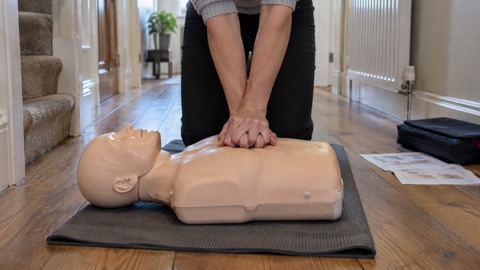
While compressions run at 100 to 120 a minute14, keep going until one of four things happens: emergency help arrives and takes over, the person shows signs of life and breathes normally, you are too exhausted to continue, or a defibrillator is connected and tells you to stop while it analyses the heart rhythm3. If you are on your own, the sequence from London Ambulance Service's lifesaver steps is to check for danger, check for a response, open the airway, check breathing, and then, if the person is not breathing, start compressions with your hands on the centre of the chest, one on top of the other, and send someone to get the nearest defibrillator15. Our pages on checking breathing and how to do CPR cover those steps in detail.
How to use a defibrillator, step by step
The machine does the thinking. North East Ambulance Service is blunt about who is allowed to use one: "Anyone can use a defibrillator. You do not need training."5 Once you have the device, the sequence is simple:
- Turn it on. Most devices switch on when you open the lid or press a clearly marked power button. From that moment it gives clear step-by-step voice instructions5.
- Bare the chest. Undo or remove any clothing from the person's chest, including a bra11.
- Stick on the pads. Peel the backing off each pad and place them as the pictures on the pads show (placement is covered below).
- Follow the voice. The device provides clear spoken instructions to guide you through each step, making it simple and intuitive to operate16.
- Stand clear when told. Stop touching the person while the device analyses the rhythm, and again if it prepares to shock.
- Resume CPR when told. After any shock, the device will tell you to continue compressions.
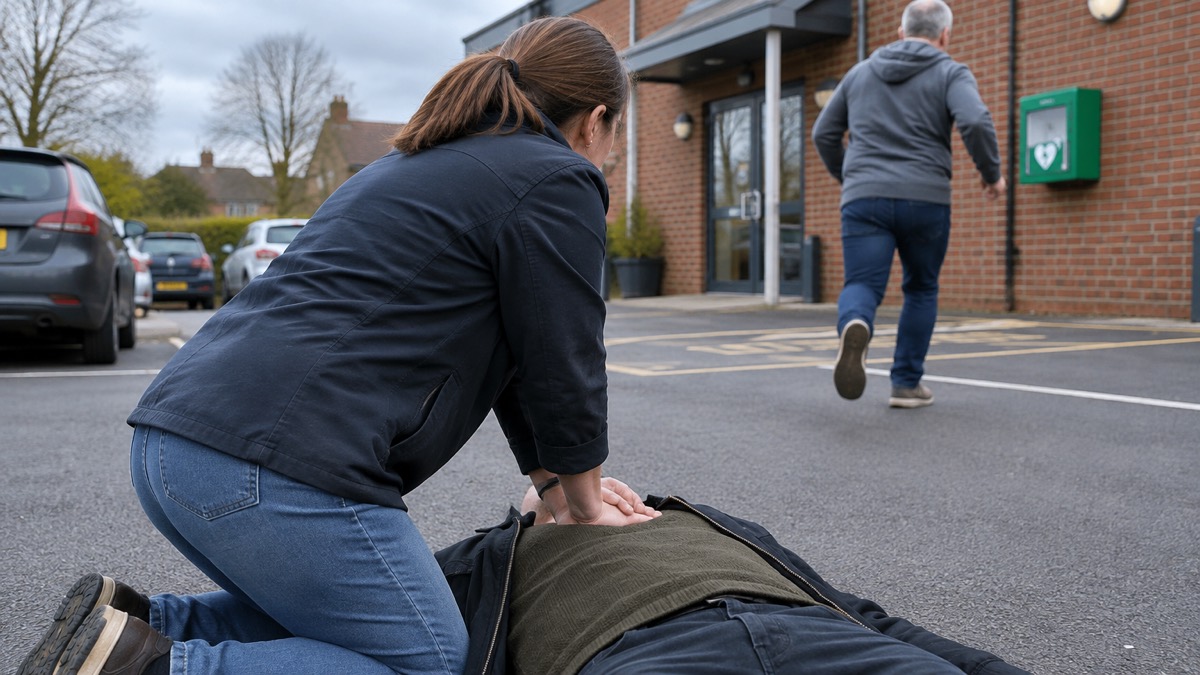
Many devices also display pictures alongside the voice prompts, and South Western Ambulance Service notes that automatic and semi-automatic defibrillators are "easy and safe to use by anyone with little or no training"1. If the pads come pre-connected, so much the better: independent guidance for publicly accessible defibrillators specifies pads with the ability to be pre-connected, so many devices are ready the moment the lid opens17. If you want practice before an emergency, some ambulance services run free community sessions covering how to recognise a cardiac arrest, how to perform effective CPR, how to safely use a public access defibrillator, and what happens when you call 99918. Our page on using a defibrillator without training goes into the evidence in more depth.
Pad placement: upper right chest and lower left side
For an adult, place one pad on the upper right side of the chest, just beneath the collarbone, and the other on the lower left side, below the armpit19. NHS inform in Scotland words the second pad as "the left side of the casualty's chest, just below their arm pit"7, and North West Ambulance Service gives the same typical placement: upper right and lower left side of the patient's chest20. Every AED pad carries a picture of exactly where it goes, so if your memory of this page fails you in the moment, the pad itself will not.
Two practical points. First, the chest must be bare and dry: London Ambulance Service is explicit that you should undo or remove any clothing from the patient's chest, including a bra, before applying pads11. Second, the pads must be firmly adhered to a clean, dry chest. South Central Ambulance Service warns that if they are not, electricity may flow across the chest rather than through it, causing ineffective defibrillation21. Dry a wet chest before sticking the pads down, and do not let the two pads touch each other.
For infants or smaller children, the placement changes: position one pad in the middle of the chest and the second on their back, between the shoulder blades19. Our page on where defibrillator pads go illustrates both adult and child placements.
Anyone can use one, and you cannot make things worse
The single biggest barrier to defibrillators being used is the fear of getting it wrong. The official position across the UK's ambulance services is that this fear is unfounded. North East Ambulance Service: "Anyone can use a defibrillator. You do not need training."5 North West Ambulance Service: "You do not need prior knowledge of how to use one as it will give clear instructions."22 St John Ambulance, which trains first aiders, adds that "Defibrillators are very safe, they tell you what to do, and you don't need specific training to use one."19
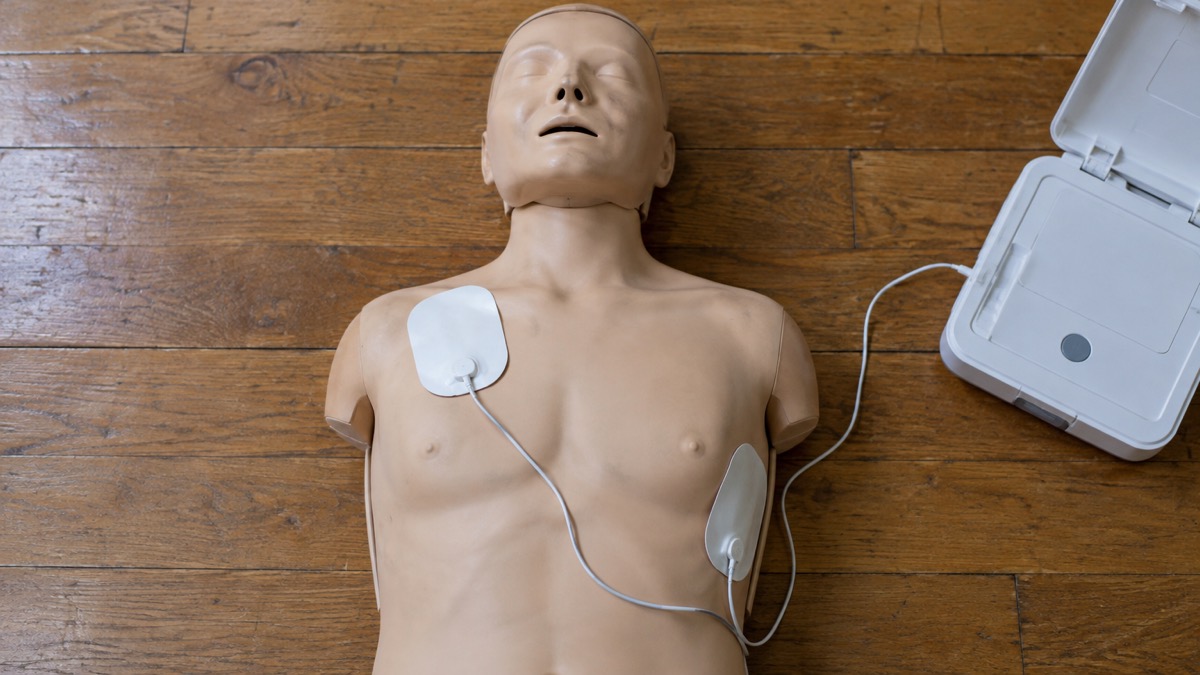
The reason is built into the machine. An AED analyses the electrical activity of the heart and delivers a shock only if it detects a life-threatening abnormal rhythm16. It will not shock a normal rhythm, and it will not shock someone who does not need it. NHS inform describes it as a device that corrects the heart's rhythm by giving an electric shock7; the Northern Ireland Ambulance Service explains that it analyses the heart's rhythm and, if necessary, delivers an electric shock to briefly stop the heart in an attempt to restore a normal heartbeat4. The decision is the machine's, not yours.
So if you are first on the scene, the worst outcome of fetching and switching on a defibrillator is that it tells you no shock is advised and to continue CPR. The worst outcome of not fetching one is measured in the survival figures further down this page. That is why ambulance services keep repeating that anyone can and should use one: you cannot harm someone with the defibrillator, and you do not need training to use it5.
Stand clear while it checks the heart rhythm
When the pads are on, the device analyses the heart rhythm. NHS guidance is clear about when to stop CPR: one of the reasons to stop is "a defibrillator is connected to the casualty and tells you to stop CPR while it analyses the heart rhythm"3. Nobody should be touching the person at that point, because the device needs a clean reading of the heart's own electrical activity, and later, because a shock passes through the person's body.
What happens next depends on the type of device, and both types tell you what to do. On a semi-automatic defibrillator, if a shock is needed, tell people to stand back; the defibrillator will tell you when to press the shock button, and after the shock it will tell you to continue CPR for two minutes before it re-analyses19. On a fully automatic defibrillator there is no shock button at all: the device warns you it is going to shock the patient, tells you when it has delivered a shock, and tells you when to continue chest compressions19. Either way, your job is the same: keep people clear when the device says so, and resume compressions when it says so.
Using a defibrillator on a child
Children in cardiac arrest are treated with the same sequence: call 999, start CPR, get an AED. For a child aged 1 or over, NHS inform says you can ask someone to get an automated external defibrillator if there's one nearby23; for a baby under 1 year, the same applies24. If a baby or child is unresponsive and not breathing normally, call 999 immediately and be prepared to begin chest compressions5.
The equipment differs slightly. North West Ambulance Service advises that if possible you should use an AED with a paediatric attenuator, normally a switch on the device or separate pads specific to children, for children below eight years old; if this is not available, use the standard AED22. Independent guidance from the Resuscitation Council UK goes further on the fallback: adult pads and energy can be safely used on a child if this is the only resource available, provided the pads are not in contact with each other when delivering a shock17. On an infant or smaller child, the pad positions change to the middle of the chest and the back between the shoulder blades19.
The clear message from all of this: never let the absence of paediatric pads or a child mode stop you using an AED on a child in cardiac arrest. Our pages on child CPR and baby CPR cover the compression technique for smaller bodies.
Every minute counts
The numbers behind the urgency are consistent across every official source. The Scottish Ambulance Service: "For every minute that passes once in cardiac arrest, a person loses a further 10% chance of survival"1. East of England Ambulance Service says the same about CPR and a defibrillator together13, and South Central Ambulance Service's community pack states it plainly: "The chance of survival decreases by 10% for each minute that passes without CPR and defibrillation."21 The Resuscitation Council UK's community guide puts the figure the same way, a 10% decrease in chance of survival for every minute's delay to defibrillation once resuscitation has started17, and Northern Ireland Ambulance Service cites research showing early defibrillation can double or triple the chances of survival, especially within the first few minutes4.
The upside is just as steep. Defibrillation within five minutes can result in survival rates as high as 70%20. South Western Ambulance Service reports that when early CPR and a defibrillator are used within the first 3 to 5 minutes, survival rates can increase up to 70%18, and the Resuscitation Council UK reports survival rates of over 70% when defibrillation is performed within three minutes of someone collapsing17.
This is why ambulance services think about defibrillator density in walking time: South Western Ambulance Service notes a need of a defibrillator every 4 to 5 minutes' walk1. It is also why the 9% public-use figure for 2024 matters17: the devices are out there, and the gap is people willing to fetch them. If you want to be ready, free community CPR and defibrillator familiarisation sessions cover recognition, compressions, safe AED use and what happens when you call 99918, and there are free online options on our learning CPR page.
Where to find a defibrillator near you
Defibrillators are located in large shops, GP surgeries, dentists, libraries and many other public places25. Ambulance stations, fire stations and local supermarkets are just some of the community buildings that have AEDs located for public access use4. In Northern Ireland alone there are more than 3800 AEDs registered4.
To find the ones near you, use Defib Finder at www.defibfinder.uk. It is a web-based app that uses data from The Circuit, the national defibrillator network: by entering any postcode or address in the UK, you can instantly find the 10 nearest defibrillators9. South Central Ambulance Service directs people to the same site26. One caveat from community resilience guidance in Essex: not all AEDs are listed there, so it is a good resource but not a complete one28. The Resuscitation Council UK also advises checking Defib Finder to see the location and accessibility of existing defibrillators in your area before installing a new one17.
The most useful thing a household can do is look up the defibrillators near your home, your workplace and the places you walk regularly, before you need one. In an emergency you will not be searching a map: you will be doing compressions while someone else runs. If you are the caller, the emergency medical dispatcher will guide you to the nearest available defibrillator and provide clear instructions on how to access it4. Our page on public access defibrillators covers the search in more detail.
Locked cabinets and how to get the code
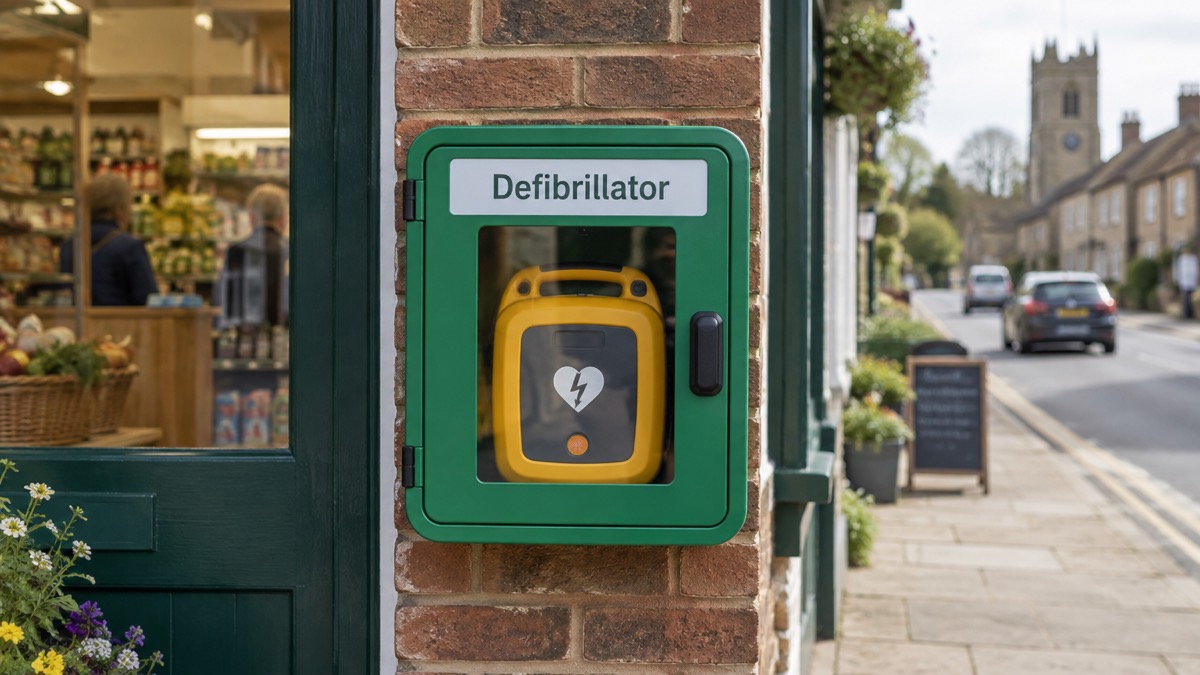
Many outdoor defibrillators live in cabinets, and the question of whether those cabinets should be locked has a clear answer from the Resuscitation Council UK: "RCUK's recommendation is that defibrillator cabinets should not be locked."17 Their reasoning is that locked cabinets may create significant delays, that theft and vandalism are rare, and that missing defibrillators are generally the result of deployment to an emergency rather than theft17. NHS England's guidance agrees that public access defibrillators should be kept in unlocked cabinets so people can get to them quickly in an emergency, noting that locked cabinets need extra steps, like getting a code, which can slow things down9. The Scottish Ambulance Service recommends an unlocked outdoor cabinet so that your defibrillator is easy to get in an emergency29, and South Central Ambulance Service advises using an unlocked cabinet27.
If a locked cabinet is used anyway, the system still works, because the code travels with the registration. Publicly accessible defibrillators are placed in cabinets that can be accessed 24 hours a day by anyone who needs one; in an emergency the cabinet is accessed via a code given to the person who rings 99920. That only works if the code is recorded: the Resuscitation Council UK instructs owners to ensure the unlocking code is accurately recorded on The Circuit so the emergency call handler can provide it to bystanders17, and Northern Ireland Ambulance Service lists the access code for secure cabinets among the details required at registration4. The Circuit also provides stickers: one for the cabinet to show the defibrillator is registered, and a second for the defibrillator itself with space for the cabinet address, a What3Words location and, if the cabinet is lockable, the opening code1.
If you are standing in front of a locked cabinet in an emergency, the answer is simple: stay on the line to the 999 call handler, who can give you the code. Our page on locked defibrillator cabinets walks through it.
Semi-automatic or fully automatic: how each one behaves
Public defibrillators come in two behaviours, and the difference is small but worth knowing before you meet one. A semi-automatic device analyses the rhythm, and if a shock is needed it tells you to press a shock button yourself. A fully automatic device has no shock button: it warns you it is going to shock the patient, delivers the shock on its own, and then tells you when it has done so and when to continue chest compressions19.
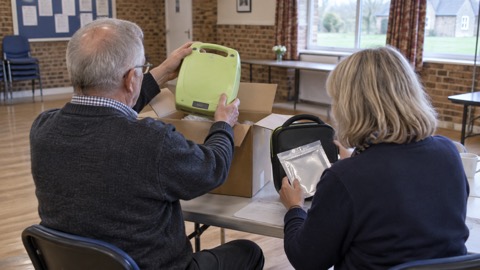
Neither type asks you to make a medical judgement. Both analyse the rhythm and decide whether a shock is indicated; the only difference is who presses the final button. Some people find a fully automatic device easier under stress because there is nothing to press; others prefer the semi-automatic's explicit moment of control. St John Ambulance's guidance covers both behaviours in the same breath, which reflects how similar they are in practice19. If you are choosing a device for a home, club or village, our comparison of semi-automatic and fully automatic defibrillators and our guide to choosing a defibrillator set out the trade-offs.
After the emergency: pads, batteries and The Circuit
A defibrillator is not single use, but its pads are. After a device has been used, the Resuscitation Council UK instructs owners to sanitise the defibrillator, return it to its usual place and replace used disposables, especially the pads, then update its status on The Circuit so the ambulance service knows it is emergency rescue ready again17. When a Circuit-registered defibrillator is deployed by the ambulance service, the Guardian, the volunteer responsible for it, receives an email immediately, and The Circuit provides stickers with spaces for a contact number, location and cabinet unlocking code to assist prompt return17.
For a device sitting unused, the clock runs on the consumables. Batteries and pads have a shelf life of between 2 and 5 years depending on the AED model21. The Resuscitation Council UK's minimum specification for publicly accessible defibrillators sets the floor: compatible self-adhesive pads must have a shelf life of a minimum of two years from the date of supply17, replaceable batteries must have a shelf life of at least 3 years, and once inserted they must have a life expectancy of at least 2 years17. Owners or guardians must carry out routine checks, replace the battery when necessary and replace used or out-of-date pads, razors and plastic gloves, following the manufacturer's instructions, with checks always recorded on The Circuit17. Our defibrillator guardian checklist and the page on battery and pad life cover the routine.
For community groups thinking of installing one, grants may be available towards the cost of purchasing and providing a defibrillator for public access, and charities regularly run schemes providing fully funded defibrillators and unlocked cabinets for community groups, often targeting areas with higher cardiac arrest risk or no registered defibrillators17. Whatever the route, registration on The Circuit at www.thecircuit.uk is essential: as South Western Ambulance Service warns, "if your defibrillator is not registered, we won't know it exists"1.
Sources (29)
- Defibrillators: community information, South Western Ambulance NHS Foundation Trust, 2026
- Cardiac arrest: what to do, Scottish Ambulance Service, 2026
- CPR: first aid instructions, NHS, 2026
- Automated External Defibrillators in the community, Northern Ireland Ambulance Service, 2026
- Paediatric cardiac arrest first aid guide, North East Ambulance Service, 2024
- Community First Responders | NIAS, Northern Ireland Ambulance Service (NIAS)
- How to use an AED, NHS inform, 2026
- How To Do CPR On a Child | St John Ambulance, St John Ambulance
- Improving outcomes in cardiac arrest: tools and resources, NHS England, 2026
- How to do a primary survey, NHS inform, 2026
- Emergency heart care, London Ambulance Service, 2026
- Some of the reasons people call 999, Welsh Ambulance Service, 2026
- Cardiac arrest, East of England Ambulance Service, 2026
- How to give an adult CPR, NHS inform, 2026
- Remember these steps to learn how to save a life, London Ambulance Service, 2026
- Public Access Defibrillators, Scottish Ambulance Service, 2026
- Public access defibrillators: a guide for communities, Resuscitation Council UK, 2026
- CPR and defibrillator training, South Western Ambulance NHS Foundation Trust, 2026
- How to use a defibrillator, St John Ambulance, 2026
- Learn to save a life, North West Ambulance Service, 2024
- Public Access Defibrillator Information Pack, South Central Ambulance Service, 2026
- How to do CPR, North West Ambulance Service, 2025
- How to give a child CPR, NHS inform, 2026
- How to give a baby CPR, NHS inform, 2026
- Emergency heart care advice, London Ambulance Service, 2026
- Public Access Defibrillators near you, South Central Ambulance Service, 2026
- Public access defibrillators: community scheme, South Central Ambulance Service, 2026
- Developing community resilience, Essex Prepared, 2026
- Purchasing a public access defibrillator, Scottish Ambulance Service, 2026
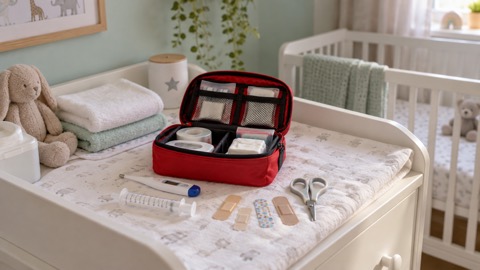 Baby and Child Kit Checklist
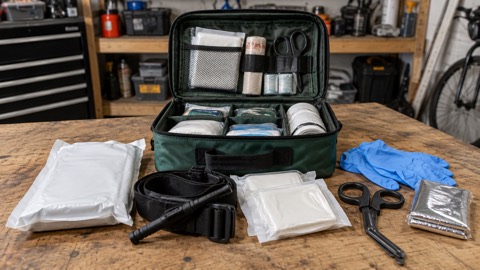 Bleeding Control Kit Checklist
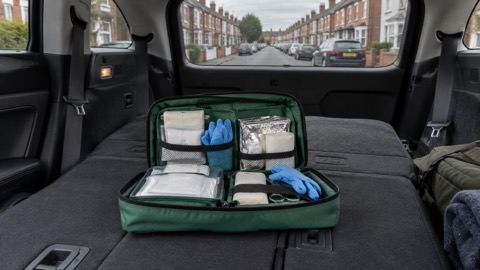 Car Kit Checklist
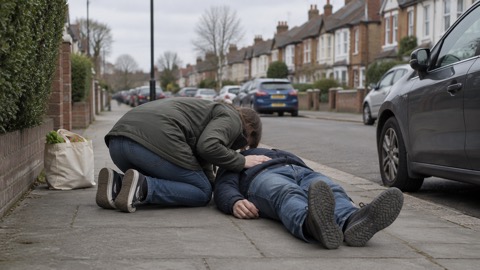 Danger, Response, Airway
 CPR Steps for Adults
 2025 Resuscitation Guidelines
 Public Access Defibrillators
 Choosing a Defibrillator
 The Recovery Position
 Choking First Aid
 Cuts, Grazes and Wounds
 Burns and Scalds
 Adrenaline Auto-Injectors
 Sepsis Signs to Act On
 Shock Signs and What to Do