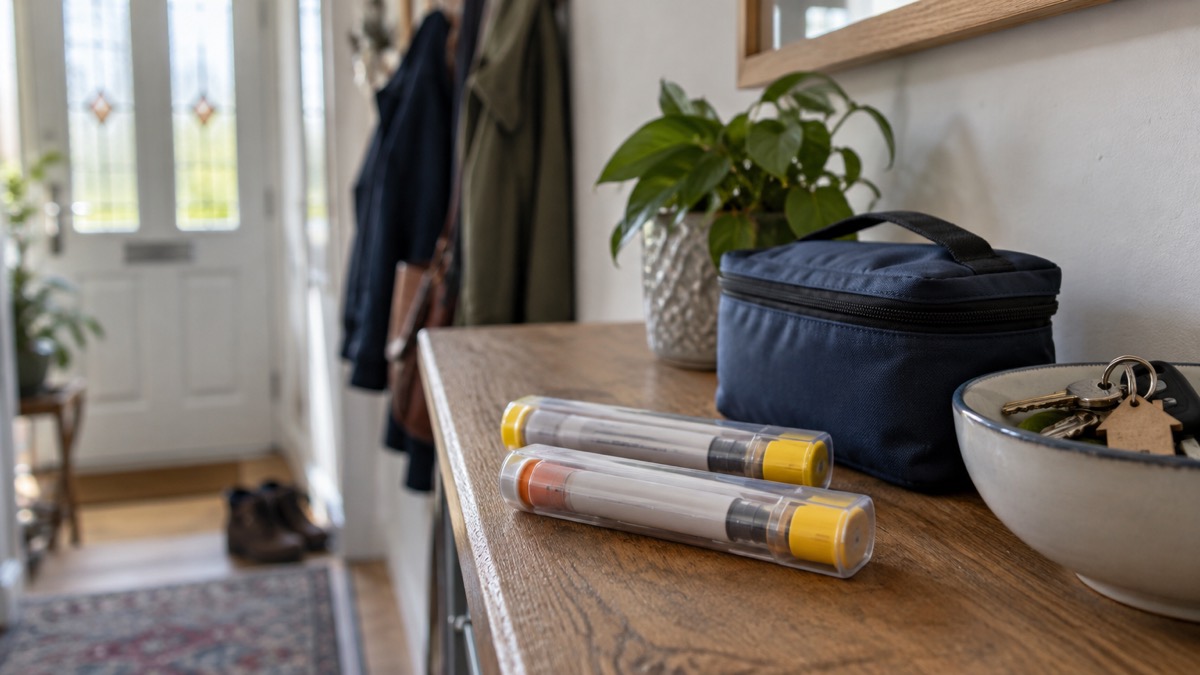
An adrenaline auto-injector is a pen-shaped device that delivers a single dose of adrenaline into the muscle of the thigh for the emergency treatment of anaphylaxis, a severe allergic reaction that affects the whole body and can be fatal within minutes1. If you or someone in your household has been prescribed one, the rules that matter most are these: carry two in-date devices at all times, because a second dose may be needed if symptoms do not improve after five minutes3; use the pen without delay at the first signs of a reaction, even if you are not certain it is anaphylaxis4; and call 999 immediately after giving the injection, saying it is an emergency case of anaphylaxis5.
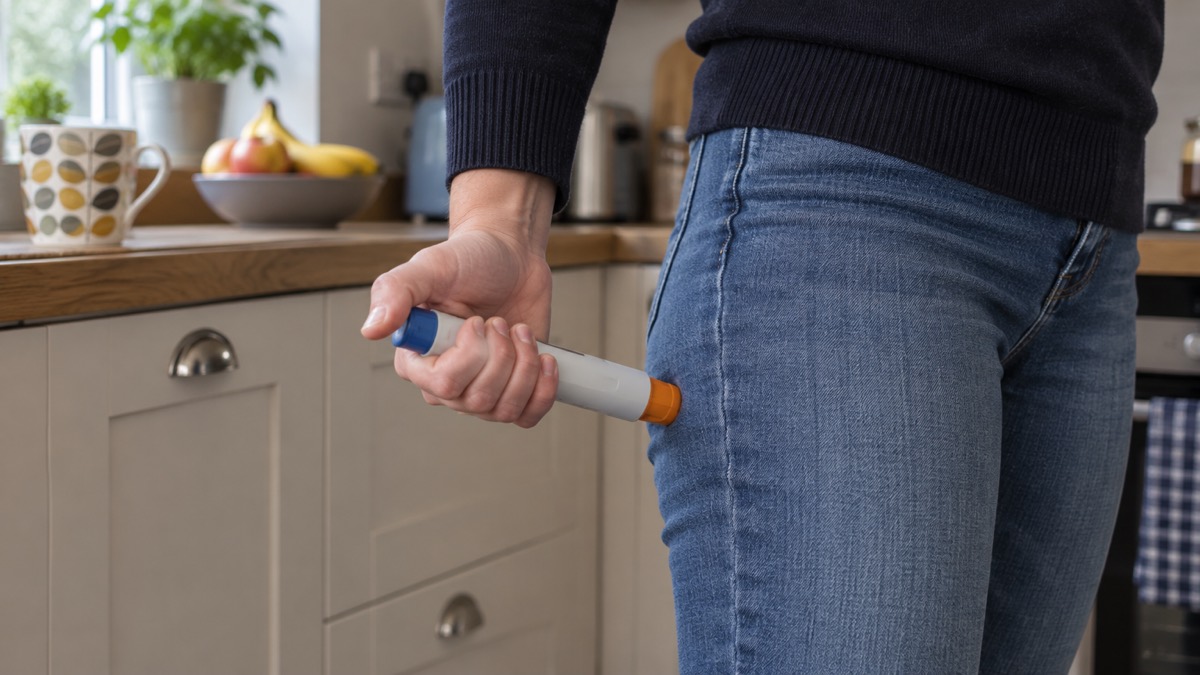
Using the pen is simple by design. Hold it in your fist, pull off the safety cap, push the tip firmly against the middle of the outer thigh until it clicks, hold it in place for 3 seconds or as instructed, remove it, then massage the site for 10 seconds1. The devices are designed to be user-friendly and to be used by anyone, so a carer or a trained bystander can give the injection if the person having the reaction cannot6. This page covers how to use the pen, when to use it, the second dose, storage, expiry checks, the Emerade recalls, children's doses and how to get a prescription. For the wider signs and first aid response, see What to Do if You Suspect Anaphylaxis.
How to use an adrenaline auto-injector: thigh, click, hold, call 999
An adrenaline auto-injector delivers adrenaline by means of an auto-injector device for the emergency treatment of anaphylaxis8. The injection goes into the muscle in the middle of the outer thigh, the upper leg6. NHS inform sets out the steps for an adult casualty:
- Hold the pen in your fist, with the tip pointing at the thigh.
- Pull off the safety cap.
- Push the tip firmly against the middle of the outer thigh until it clicks.
- Hold it in place for 3 seconds, or as the device instructions say.
- Remove the pen and massage the injection site for 10 seconds.
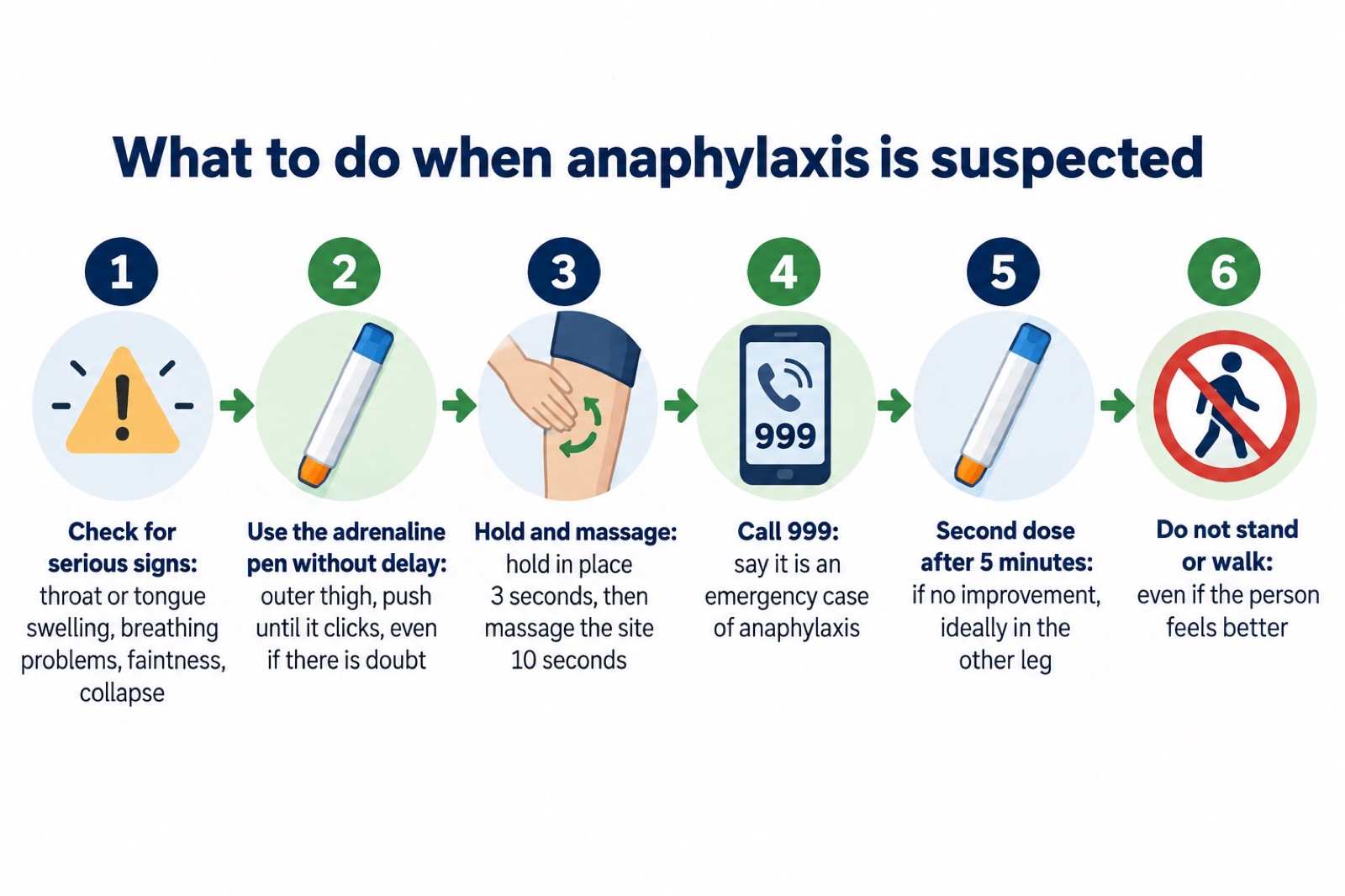
- Call 999 immediately and say you think this is an anaphylactic reaction1.
If the casualty cannot use the pen themselves and you have been trained, you can do it for them1. The devices are intended for self-administration by a patient, or administration by a carer, and should always be carried by patients considered to be at risk of anaphylaxis8. They are designed to be user-friendly and to be used by anyone6, so in a genuine emergency the absence of training should not stop you helping.
After giving the injection, the MHRA's advice is to call an ambulance on 999 immediately and say this is an emergency case of anaphylaxis5. The AAI safety campaign gives the same instruction: immediately dial 999 for medical help and say that you think you are having an anaphylactic reaction8. Do not stand or walk at any time, even if you feel better, because blood pressure can fall again9. If the person becomes unresponsive but is breathing, use the recovery position; if they stop breathing normally, start CPR.
Signs of anaphylaxis that mean using the pen now
Anaphylaxis usually develops within minutes of contact with an allergen, and it may develop within seconds1. During a reaction, blood vessels widen, causing blood pressure to fall, and air passages narrow, leading to breathing difficulties; the tongue and throat can swell, obstructing the airway, and the oxygen reaching organs can fall1. That is why the MHRA's national patient safety advice is to administer an adrenaline auto-injector device without delay, even if there is doubt whether it is anaphylaxis4.
The most serious symptoms, any of which mean using the pen and calling 999, are1:
- swelling of the throat or tongue
- breathing problems such as wheezing or shortness of breath
- feeling faint, dizzy or lightheaded
- collapse or loss of consciousness
- blue, grey or pale skin, lips or tongue
Anaphylaxis UK groups the serious signs by the body system affected: airway (swelling in the throat, tongue or upper airways, hoarse voice, difficulty swallowing), breathing (sudden onset wheezing, breathing difficulty, noisy breathing, persistent cough) and circulation (dizziness, feeling faint, sudden sleepiness, confusion, pale clammy skin, loss of consciousness or collapse)3. Anaphylaxis affects many important systems in the body including the airway, breathing and circulation6.
Other symptoms, such as an itchy skin rash, swelling of the face, lips or eyes, and stomach symptoms like abdominal pain, nausea or vomiting, are unlikely to be a sign of anaphylaxis on their own1. But there is no way of predicting how mild, moderate or severe an allergic reaction will be6, and a reaction that starts mildly can worsen. If in doubt, use the pen: adrenaline given in error is far less dangerous than anaphylaxis left untreated, and the official advice is explicit that doubt should not delay the injection4.
A second dose after five minutes
If there is no improvement after five minutes and another adrenaline auto-injector is available, a second dose of adrenaline can be given, ideally in the other leg6. Anaphylaxis UK gives the same rule: a second dose may be needed if symptoms do not improve after five minutes or get worse3. NHS inform adds that repeated doses of adrenaline can be given every 5 minutes if the person does not show any signs of improvement or if symptoms return1.
This rule is the reason for the two-pen rule. Anaphylaxis UK states it plainly: you must carry two in-date forms of prescribed adrenaline at all times as a second dose may be needed if symptoms do not improve after five minutes or get worse3. The MHRA repeated the same instruction during the 2023 Emerade recall: patients should continue to carry two devices at all times5.
There is a second situation in which the spare pen matters: device failure. The MHRA's 2023 safety notice advised patients to use a second adrenaline auto-injector immediately if the first pen fails to activate despite pressing firmly against the thigh4. The same advice had been given in 2019: if the first pen does not activate, despite use of increased force, the patient should immediately use their second pen10. The risk of device mishandling or device failure exists with all adrenaline auto-injectors, which is something patients should be aware of10. If a pen fails to activate, keep it: the MHRA asks that any suspected un-activated pen be retained for reporting via the Yellow Card and for investigation5.
Carry two in-date auto-injectors at all times
The core carrying rule comes from several independent bodies and is consistent: always have two adrenaline auto-injectors immediately available6, or carry two in-date forms of prescribed adrenaline at all times3. The NHS says that before you leave hospital after a reaction you should be given 2 adrenaline auto-injectors, or a prescription for them, to keep in case you have another anaphylactic reaction7. The same two-device advice applies to the newer nasal spray option, EURneffy: just like the advice for those who have adrenaline auto-injector devices, it is important to have two devices available11.
Do not plan around borrowing one. Official patient guidance is blunt about this: do not rely on someone else picking it up for you, or there being one available12. Each person at risk carries their own two.
Anaphylaxis UK publishes a checklist that pulls the carrying rules together6:
- know your triggers and how to avoid them
- know what to do when accidental exposure occurs
- be aware of the signs and symptoms
- always carry or have available your allergy medication
- know how to use your adrenaline auto-injector, and practise with a trainer device
- check expiry dates and set reminders for renewals
- ask your doctor to complete an Allergy Action Plan
- if you have asthma, ensure it is well controlled and use a spacer with your inhaler
- always have two adrenaline auto-injectors immediately available
The manufacturers of EpiPen, Jext and EURneffy offer free trainer devices so you can practise using your adrenaline device2, and the government's AAI safety campaign, aimed at patients, healthcare professionals and the wider public, added video guidance on the use of the pens in June 202313. Practising with a trainer is worth doing before an emergency, not during one.
Storing them: not above 25°C, never in the fridge or the sun
Adrenaline is degraded by heat and cold, so where you keep the pens matters. The NHS instruction is direct: do not leave your adrenaline auto-injectors anywhere too hot or cold, such as in the fridge or outside in the sun7. The AAI safety campaign gives the same advice: do not leave your AAI anywhere too hot or cold such as in the fridge or outside in the sun8.
The wider medicines storage rules fill in the detail. Most medicines should be kept below 25°C, stored somewhere cool, dry, out of direct sunlight and away from windowsills, and only in the fridge if the packaging specifically says so14. NHS advice on staying well in hot weather repeats the rule: keep medicines below 25°C or in the refrigerator, reading the storage instructions on the packaging15. For an adrenaline pen, the packaging does not say refrigerator, so room storage below 25°C is the rule.
| Where | Suitable for an adrenaline pen? | Why |
|---|---|---|
| Cool, dry room, below 25°C | Yes | Standard storage for most medicines16 |
| Fridge | No | The NHS says not to leave them anywhere too cold, such as the fridge7 |
| Windowsill or in the sun | No | Direct sunlight and heat degrade the medicine16 |
| Kitchen or bathroom | No | Avoid storage near sources of heat or humidity like kitchens, bathrooms, sinks or radiators17 |
| Car glovebox in summer | No | Temperatures rise well above 25°C in sun16 |
At home, keep medicines stored safely out of reach of children, preferably in a locked cupboard, and in their original packaging with the product information and instructions for use18. That last point matters for pens kept at home as spares: the original packaging carries the expiry date and the brand's instructions. During hot weather, check where your pens usually live; a hallway shelf that stays cool in winter may climb above 25°C during a heatwave, and heatwaves-and-drought planning for the household should include the medicine cupboard.
Expiry dates and clear liquid: checking your devices
Adrenaline auto-injectors have a limited life, and an expired pen may not deliver a full dose, so checking them is a routine job, not a one-off. Anaphylaxis UK advises checking your adrenaline auto-injector devices regularly to make sure the liquid is clear and colourless; if it seems discoloured or contains particles, replace it2. Most auto-injectors have a window in the side of the pen so you can see the liquid without opening anything.
Set up reminders so the expiry date does not pass unnoticed: Anaphylaxis UK's checklist includes checking expiry dates and setting reminders for renewals6, and the charity also advises signing up to the expiry alert service run by your adrenaline device brand2. The manufacturers of EpiPen, Jext and EURneffy offer free trainer devices2, and the same makers run the alert services, so registering when you collect a new prescription covers both.
A pen that has passed its expiry date should be replaced, but the practical question of whether an expired pen can be used in an emergency is covered separately on Expired Adrenaline Auto-Injector: What to Do. Check the expiry date of your AAIs and request replacements a month before they are due to expire19, and if a pen has already expired, get in touch with your GP to order a replacement as soon as possible19.
Emerade recalls: what owners were told to do
Emerade pens have been recalled, and the history matters to anyone who still holds one or is given one. Pharmaswiss Česka republika s.r.o., an affiliate of Bausch & Lomb UK Limited, recalled all unexpired batches of Emerade 150 microgram solution for injection in pre-filled syringe in a Class 2 medicines recall, after the company's investigations showed that an error in one component of the autoinjector was believed to cause some pens to fail to activate and deliver adrenaline10. At that time there were insufficient supplies of alternative brands in the UK to replace all the Emerade pens held by patients10.
The MHRA issued a Class 1 medicines recall, the most serious kind, for all batches of Emerade 500 micrograms and Emerade 300 micrograms auto-injectors due to the potential for device failure4. Testing had found that a 1-metre free-fall in vertical orientation resulted in damage to internal components of the auto-injector, leading either to failure to deliver the product or premature activation4. Patients were advised to retain any suspected un-activated pen for reporting to the MHRA via the Yellow Card and for investigation purposes5.
The 2023 recall also carried two pieces of advice with wider application. First, patients should be advised to use a second adrenaline auto-injector immediately if the first fails to activate despite pressing firmly against the thigh4, which is the device-failure case for the two-pen rule. Second, in healthcare settings, when re-stocking adrenaline in anaphylaxis kits, staff are alerted to stock them with ampoules, together with dosing charts, needles and syringes, and not adrenaline pens of any brand4. For households, the lesson is simpler: know which brand your pens are, respond to recall notices, and report any suspected faulty pen to the MHRA via the Yellow Card, keeping the pen itself for investigation5.
Spare pens in schools
The MHRA's 2023 safety notice includes specific advice on where a child's pens are kept at school: if the adrenaline auto-injectors are not carried by the pupil, then they should be kept in a central place in a box marked clearly with the pupil's name, but not locked in a cupboard or an office where access is restricted4. The point is speed: in anaphylaxis, minutes matter, and a pen locked away is a pen that cannot be used without delay.
For families, this means checking at the start of each term where the spare pens are kept, that the box is labelled, and that staff know where it is. The same principles apply at any setting the child attends regularly, including childminders, clubs and holiday schemes. The child's allergy action plan should travel with the pens so that whoever responds knows what to do and in what order.
Children's doses: moving to 300 micrograms at 25kg
Adrenaline auto-injectors come in different strengths, and children move up as they grow. Anaphylaxis UK's advice is that children who have been prescribed 150mcg/0.15mg AAIs need to go on to the 300mcg/0.3mg dose when they weigh 25kg or over2. This is likely to happen somewhere between 5 and 10 years old, depending on the child's growth2.
Note the limit on the higher strengths: the MHRA's 2023 recall notice records that alternative brands of adrenaline auto-injectors, EpiPen and Jext, are available in a maximum strength of 300 micrograms4. Emerade had been the only brand with a 500 microgram pen, and a study comparing blood levels of adrenaline found no difference in results between Emerade 500 micrograms and EpiPen 300 micrograms or Jext 300 micrograms pens5, which is why EpiPen and Jext in 300 microgram strengths were judged appropriate alternatives for patients who had been supplied with Emerade 500 microgram pens10.
For parents, the practical job is to weigh your child regularly if they are on the 150 microgram dose, and to ask the GP for the 300 microgram pens before they reach 25kg, not after. A child who has crossed the weight threshold but is still carrying the lower strength is under-dosed for their size.
Getting a prescription and an allergy plan
Adrenaline auto-injectors are prescription-only. They are prescribed by a doctor for those at risk of a severe allergic reaction, based on an individual needs assessment6, and NHS guidance says the same: prescribed to people with allergies who are at risk of having a severe allergic reaction, known as anaphylaxis12. You cannot buy one over the counter, and you should not plan to rely on anyone else's12.
The usual route to a prescription is a referral to allergy specialist care. From that care, Anaphylaxis UK says, you should receive a personalised plan that explains medicines, including whether you need prescribed adrenaline, how to use them, what to do in an emergency, and practical avoidance advice2. Ask your doctor to complete an Allergy Action Plan as part of this6; what these plans contain is covered on Allergy and Asthma Action Plans: What They Are and Who Gets One.
If you have already had a reaction, the system should reach you before you leave hospital: the NHS says that before you leave hospital you should be given 2 adrenaline auto-injectors, or a prescription for them, to keep in case you have another anaphylactic reaction7. Hospital treatment for anaphylaxis can include adrenaline given by an injection or drip in your vein, oxygen, and fluids given by a drip7, and you may be asked to take antihistamines and steroid tablets for a few days after leaving hospital to help stop symptoms returning3.
Brands available in the UK
Three types of adrenaline auto-injector have been available in the UK: EpiPen, Emerade and Jext12. Jext is made by ALK-ABELLO UK12. A newer option, EURneffy, is a nasal spray device that delivers adrenaline into the nose where it is absorbed, and it is available on prescription in the UK11. The government's AAI safety campaign materials name EpiPen and Jext as the pen brands8.
| Device | Type | Status in the UK |
|---|---|---|
| EpiPen | Pen auto-injector, up to 300 micrograms | Available on prescription4 |
| Jext | Pen auto-injector, up to 300 micrograms | Available on prescription4 |
| Emerade | Pen auto-injector, 150, 300 and 500 micrograms | 500 and 300 microgram pens recalled May 20234 |
| EURneffy | Nasal spray delivering adrenaline into the nose | Available on prescription11 |
Whichever brand you are prescribed, learn that brand's specific steps, practise with its trainer device2, and sign up to its expiry alert service2. The manufacturers of EpiPen, Jext and EURneffy offer free trainer devices so you can practise using your adrenaline device2, and the device's own instructions should be read when the prescription is first filled.
Triggers, asthma and what makes a reaction more severe
Common triggers of anaphylaxis include nuts, shellfish, eggs, wasp and bee stings, latex and certain medications1. Anaphylaxis UK gives a fuller list: foods including nuts, milk, fish, shellfish, eggs and some fruits; medicines including some antibiotics and NSAIDs like aspirin; insect stings, particularly wasp and bee stings; general anaesthetic; contrast agents; and latex3. Food is the most common cause of anaphylaxis in children, whilst medication and insect venom are more common triggers in adults6. Sometimes there is no known cause for an anaphylactic reaction, which is called idiopathic anaphylaxis6.
Avoidance is the first line of defence: avoid the food, medicine or thing you are allergic to, check food labels carefully if you have a food allergy, and tell staff at restaurants and cafes about your allergy8. But some factors make a reaction more likely or more severe when exposure does happen. Anaphylaxis UK lists poorly controlled asthma, exercise just before or after contact with the allergen, emotional stress, taking an NSAID such as aspirin or ibuprofen, infection, hay fever and drinking alcohol3.
For people who have both asthma and a food, drug, venom or latex allergy, there is one rule to memorise above all others. If asthma and signs of a severe allergic reaction occur at the same time, adrenaline should always be given first and the asthma relief inhaler afterwards11. The same rule appears in Allergy UK's guidance6. It can be hard in the moment to tell a severe asthma attack from anaphylaxis, and the rule removes the need to decide: adrenaline first, inhaler second, 999 either way. What to do in an asthma attack on its own is covered on What to Do in an Asthma Attack, Even Without an Inhaler.
After the injection: hospital and the hours that follow
Using the pen is not the end of the emergency. Even with an apparently successful response to adrenaline, patients may relapse some hours later, so the emergency services should always be called10. The NHS says you will usually stay in hospital for around 2 to 12 hours, but you may need to stay longer7; Anaphylaxis UK describes observation as usually 6 to 12 hours, because the symptoms can occasionally return during this period3. The documents give slightly different ranges, but both point the same way: expect to be observed for hours, not minutes.
Sometimes anaphylaxis can reoccur after the first episode has been treated and apparently settled6, and sometimes the reaction can happen up to 4 hours later than usual after exposure1. This is why walking away from hospital, or from the ambulance, against advice is dangerous, and why the NHS instruction not to stand or walk at any time, even if you feel better, applies until you are under medical care7.
Before discharge you should leave with 2 adrenaline auto-injectors or a prescription for them7, a plan for follow-up, and, in many cases, a few days of antihistamines and steroid tablets to help stop symptoms returning3. Hospital treatment itself can include an oxygen mask, intravenous fluids, antihistamines and steroids, and blood tests to confirm anaphylaxis3. If the reaction was the first one, ask for a referral to allergy specialist care before you go, so the trigger can be identified and a personalised plan put in place2.
Sources (19)
- Anaphylaxis first aid, NHS inform, 2026-07-24
- Care and medication, Anaphylaxis UK, 2026
- Anaphylaxis, Allergy UK, 2026
- NatPSA/2023/004/MHRA: recall of Emerade 500 and 300 micrograms auto-injectors, MHRA, 2023-05-09
- Emerade 500 and 300 microgram recall: patient level information, MHRA, 2023-05-09
- Anaphylaxis: the four As, Allergy UK, 2025-03-17
- Anaphylaxis, NHS, 2023-06-21
- Adrenaline auto-injector safety campaign, UK government, 2023-10-17
- What to do in an emergency - Allergy UK incorporating Anaphylaxis UK, Anaphylaxis UK (Allergy UK incorporating Anaphylaxis UK)
- Class 2 medicines recall: Emerade 150, 300 and 500 microgram auto-injectors, MHRA, 2019-11-28
- Anaphylaxis and severe allergic reaction factsheet, Allergy UK, 2025-10-22
- Your quick guide to adrenaline auto-injectors, East Sussex Healthcare NHS Trust, 2022-02
- Adrenaline auto-injectors: AAI safety campaign, UK government, 2023-06-19
- Keeping cool in heat waves | Oxfordshire County Council, Oxfordshire County Council
- How to keep cool this summer, Lancashire County Council, 2026-10-29
- Staying well in hot weather, Berkshire Healthcare NHS Foundation Trust, 2026-10-29
- Storing medicines at home, United Lincolnshire Hospitals NHS Trust, 2026
- Chemical safety at home, nidirect, 2026-04-14
- Which NHS service should I use?, NHS Somerset, 2026-01-13
 Baby and Child Kit Checklist
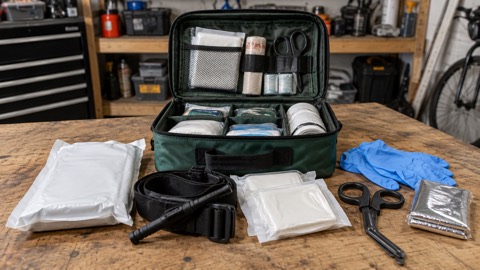 Bleeding Control Kit Checklist
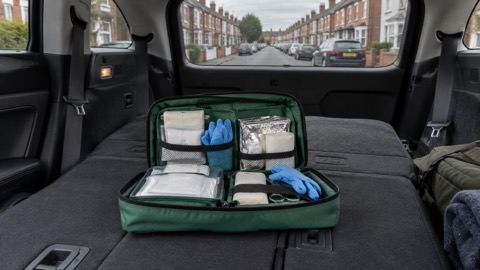 Car Kit Checklist
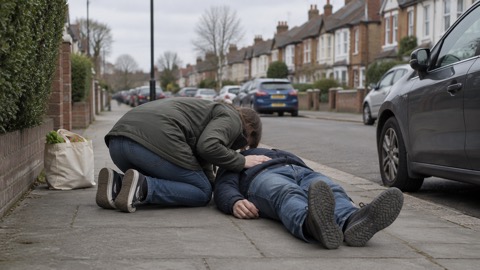 Danger, Response, Airway
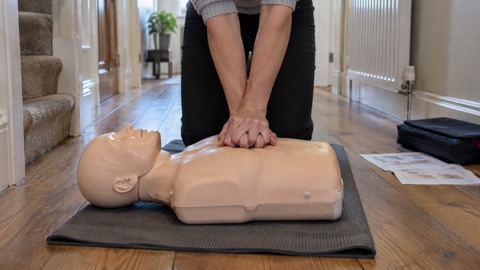 CPR Steps for Adults
 2025 Resuscitation Guidelines
 Defibrillators (AEDs)
 Public Access Defibrillators
 Choosing a Defibrillator
 The Recovery Position
 Choking First Aid
 Cuts, Grazes and Wounds
 Burns and Scalds
 Sepsis Signs to Act On
 Shock Signs and What to Do