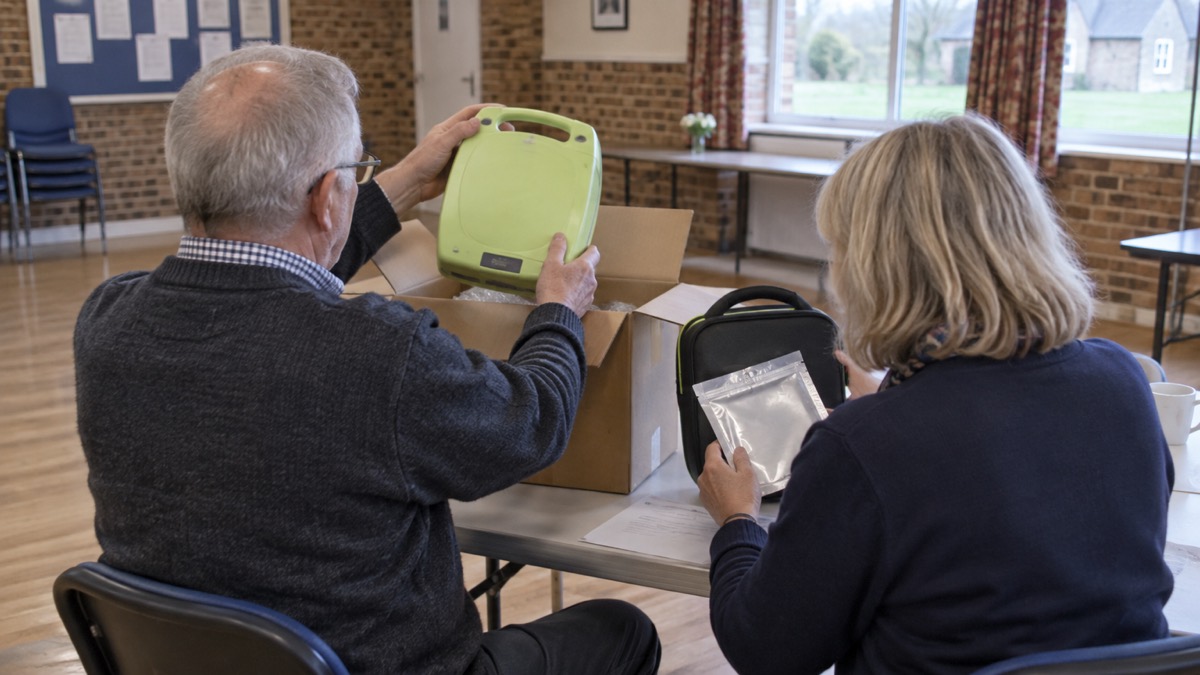
A defibrillator is a device used to give an electric shock to help restart a patient's heart when they are in cardiac arrest1. If you are buying one for your home, a sports club, a village hall or a whole community, the good news is that every modern device sold for this purpose is designed for a bystander, not a medic: automatic and semi-automatic defibrillators are easy and safe to use by anyone with little or no training, and once turned on the device talks you through each step, with many models also showing pictures1. You cannot make the situation worse by using one, because a defibrillator only provides a shock to a person who needs one2.
What separates one device from another is a small set of practical choices: whether it delivers the shock itself or asks you to press a button, whether it comes with child pads, how long the battery and pads last, how well it resists dust and water if it will live outdoors, and whether it will be registered so the ambulance service can direct someone to it in an emergency. This page sets out each of those choices, with the minimum specification recommended in the Resuscitation Council UK guide for publicly accessible defibrillators3, so you can match the device to where it will live and who might use it.
What a defibrillator does, and who is allowed to use it
A defibrillator, also called an AED (automated external defibrillator), is a portable device used in the treatment of sudden cardiac arrest4. In cardiac arrest the heart stops pumping blood around the body, and the AED analyses the heart's rhythm and, only if the rhythm needs it, delivers a shock to help restart the heart1. A public access defibrillator, or PAD, is simply an AED placed where anyone can reach it in an emergency6.
The most important fact for any buyer is that no qualification is needed to use one. NHS guidance is blunt: "Anyone can use a defibrillator. You do not need training."7 The Scottish Ambulance Service says the same: "No prior training is required to use an AED," and "You don't need to be medically trained, and you should never hesitate to use one in an emergency."6 Once you turn it on, it gives clear step-by-step voice instructions7, and many devices also display pictures of what to do1.
Two safety points are worth repeating to anyone in your household or club who is nervous about the device. First, you cannot make the situation worse: defibrillators only provide a shock to a person who needs one2. Second, the device will not let a shock happen at the wrong moment: once the pads are on, the defibrillator analyses the patient's heart and determines whether or not it needs to shock, and you are told not to touch the patient while the analysis happens2. For the wider picture of what to do in a cardiac arrest, see our page on defibrillators and how to use one.
The reason to buy one at all is the survival figures. When an AED is used during emergency first aid, the survival chances rise to 57.1%4. London Ambulance Service makes the case plainly: more public places need to have defibrillators, because they are safe and simple to use and can significantly increase a person's chances of survival8.
Semi-automatic or fully automatic: how each one gives the shock
The first specification choice is how the device delivers its shock. South Central Ambulance Service's public access defibrillator guidance sets out the two types7:
| Type | How it gives the shock | What you do |
|---|---|---|
| Semi-automatic | The device prompts the user to press the shock button | You press the button when told to |
| Fully automatic | Uses a countdown or voice commands and delivers the shock without the user pressing a shock button | You keep clear and let it work |
The difference between the two types is in the moment of delivery. A semi-automatic device prompts you to press a shock button, and after the shock it will tell you to continue CPR for two minutes before it re-analyses2. A fully automatic device has no shock button: it warns you it is going to shock, tells you when it has delivered the shock, and when to continue chest compressions2. Whichever type you use, the device will not give a shock unless the person needs one, so you cannot shock anyone by mistake3. A semi-automatic device puts the final action in your hands, which some people prefer because they can see that nobody is touching the patient. A fully automatic device removes that step entirely, which suits a location where the user may be panicking, or where the device might be used by a child or an elderly neighbour with shaky hands.
For a village hall, phone box or club where anyone at all might be the rescuer, a fully automatic device removes one possible point of hesitation. For a household where you expect to be the user and you want full control, a semi-automatic device does the same job. Our comparison page on semi-automatic and fully automatic defibrillators goes through the trade-offs in more detail.
Adult and child pads: what to buy and where they go
A defibrillator works through adhesive pads placed on the patient's bare chest, so the pads are as much a part of the purchase as the device itself. The Resuscitation Council UK minimum specification for a publicly accessible defibrillator is that the purchase price must include, as a minimum, one set of pads, or where separate adult and paediatric pads are available, one set of adult pads and one set of paediatric pads; where a key is required to switch between adult and paediatric mode, that key must be included in the purchase price too3. Check this before you buy: a device sold without pads is not ready to save a life.
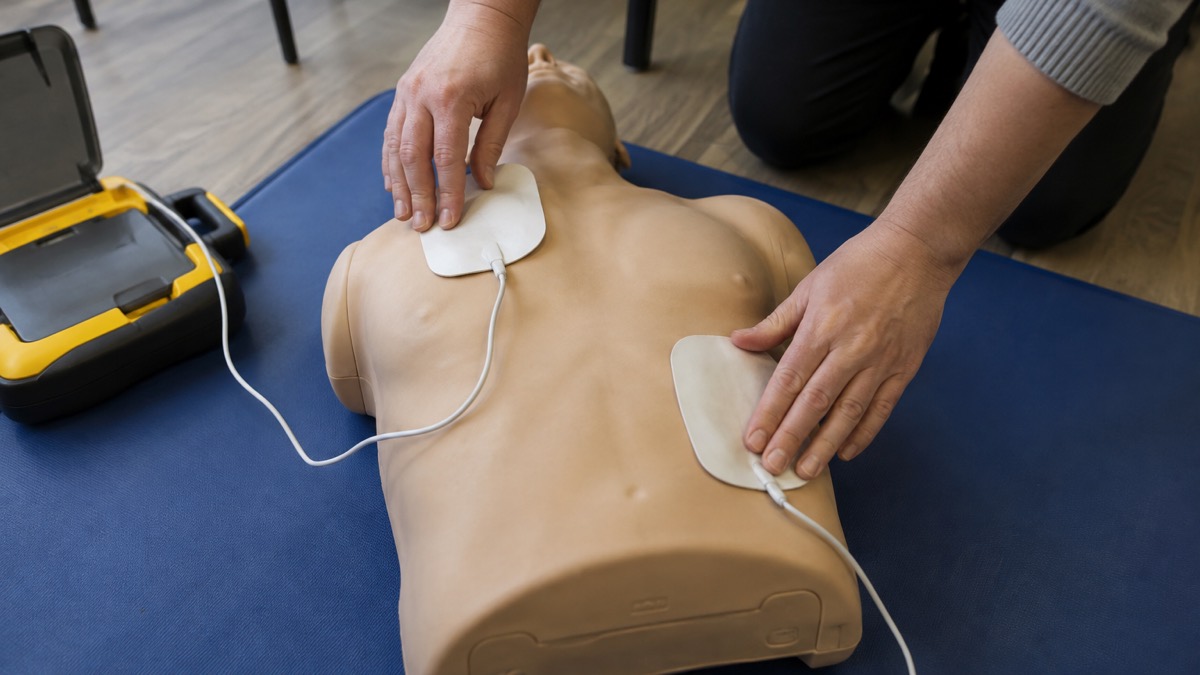
The typical placement for AED pads on an adult is on the upper right and lower left side of the patient's chest9. Before the pads go on, undo or remove any clothing from the patient's chest, including a bra10. Press the 'On' button if there is one, apply the pads to the bare chest as shown in the pictures on the pads themselves, and do not touch the patient while the analysis occurs2.
On age, NHS inform in Scotland states that AEDs can be used on adults and children over 1 year11. For children aged one to eight years old, paediatric pads should be used; if they are not available, use standard pads with one on the centre of the chest and one on the centre of the back12. Adult pads and energy can be safely used on a child if this is the only resource available, taking care that the pads are not in contact with each other when delivering a shock13. If you are buying for a school, sports club or family with children, paediatric pads, or a device with a child mode, are worth having from day one.
There is one reassuring rule if the worst happens and only adult pads are to hand: adult pads and energy can be safely used on a child if this is the only resource available, though the pads must not be in contact with each other when delivering a shock3. So a device without child pads is still better than no device. Our pages on where defibrillator pads go and using a defibrillator on a child or baby cover this in full.
Some devices take pads with an integrated CPR sensor, which let the device monitor your compressions while you work. Whatever pads you choose, the sequence at the device is the same: pads on the bare chest, hands off during analysis, shock if advised, then continue CPR. NHS inform advises that after a shock, you continue CPR for 2 minutes before the AED re-analyses the heart's rhythm11.
The minimum specification: battery life, humidity and weather protection
If the defibrillator will live anywhere other than a heated indoor cupboard, its ability to shrug off dust and water matters. The Resuscitation Council UK guide sets a minimum specification for publicly accessible defibrillators, and it is a sensible checklist for any purchase, home or community3:
| Requirement | Minimum standard |
|---|---|
| Water ingress protection (IP) rating | 4 or above, as defined in accordance with BS EN 60529:1992 or equivalent |
| Battery life once inserted | At least 2 years |
| Operating humidity | Non-condensing relative humidity of 10 to 95% |
| Pads included in purchase | One set, or one adult and one paediatric set where separate; any mode key included |
The IP rating is the figure to look for on the datasheet. An IP rating of 4 or above means the device resists water splashes, which matters for a device carried to a sports field, kept in an unheated porch or fetched in the rain3. If the device will be stored outdoors in a cabinet, the cabinet matters as much as the device: the Scottish Ambulance Service advises that outdoor AED cabinets should be temperature-controlled to keep the device within its recommended range, preserving battery life and optimal function12. An unheated outdoor cabinet in a British winter can shorten battery life and put the device outside its working range, so budget for a heated cabinet, or place the device indoors where it is still publicly reachable. Our page on indoor or outdoor defibrillator cabinets compares the options.
The reason for insisting on these figures is stark, and the Resuscitation Council UK states it plainly: "A defibrillator that is not rescue ready e.g. pads not replaced, is missing, or has a fault, cannot save a life."3 A device that fails on a cold night, or whose pads expired two years ago, is a decoration. For how long batteries and pads last in practice, see our page on defibrillator battery and pad life.
Placing a defibrillator in a club, village or community
Where you put the device decides whether it is ever used. The Resuscitation Council UK guide gives a working rule of distance: ideally, a defibrillator should be accessible within 200 metres or two minutes' brisk walk, which means four minutes there and back, and you should assess real-world walking distances rather than straight-line distance3. A device at the far end of a village from the shop and the hall may as well not exist for the people at the other end.
South Central Ambulance Service recommends locations that have a large footfall, for example a public telephone box, outside a pub, village hall or community centre, with 24/7 access for the public, an unlocked cabinet, clear signage and lighting5. The Scottish Ambulance Service adds: place it in a prominent, easily visible location13. The Resuscitation Council UK guide makes the same point from the other direction: placing a defibrillator in busy areas such as airports, train or bus stations, or at local landmarks such as pubs, places of worship or schools, may help ensure better access3.
Before you install one, do two checks. First, check the Defib Finder (www.defibfinder.uk) to see the location and accessibility of existing defibrillators in your area3. Second, check The Circuit, the national defibrillator database, to confirm defibrillator availability, including accessible times, before installing a new one3. There is no sense in two devices on one wall and none a mile away.
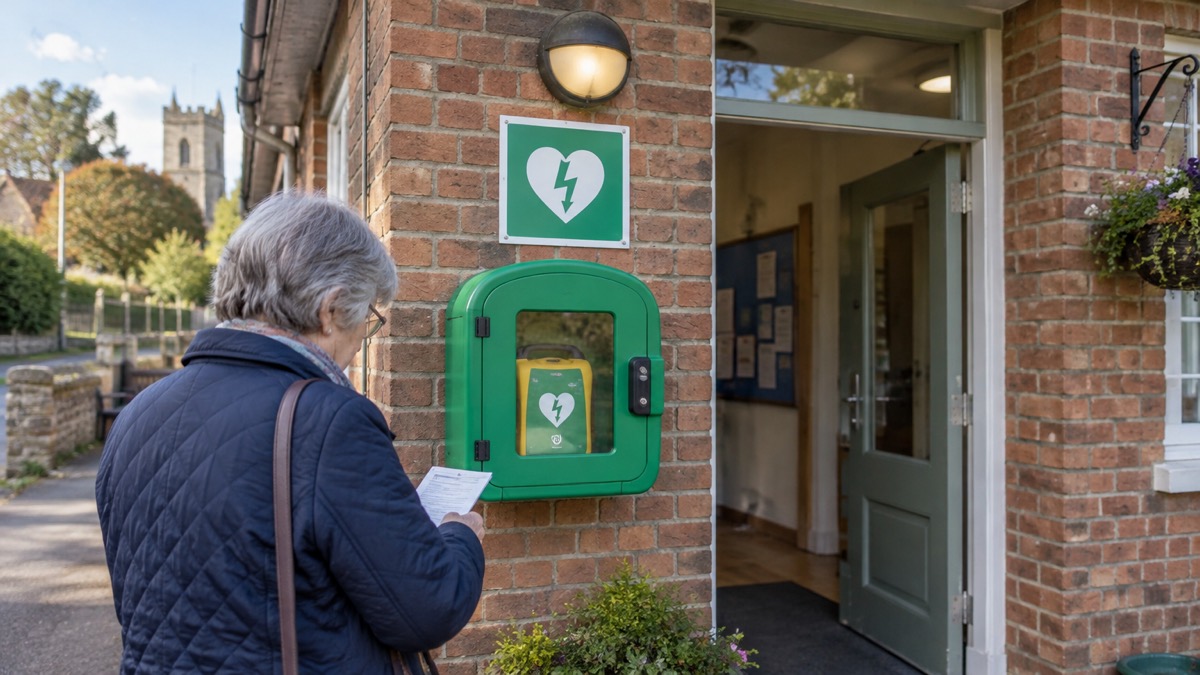
On cabinets: publicly accessible defibrillators are commonly placed in a cabinet that can be accessed 24 hours a day by anyone who needs one, and in an emergency the cabinet is accessed via a code given to the person who rings 9999. An unlocked cabinet removes even that small delay, which is why South Central Ambulance Service recommends one5. If you do use a locked cabinet, our page on how to get the code for a locked defibrillator cabinet explains how the 999 call handler provides it.
Registering it on The Circuit, and keeping it rescue ready
Buying the device is only half the job. The Circuit is the national defibrillator network provided by the British Heart Foundation3, and NHS England describes it as the national defibrillator network which provides ambulance services with information on the location of the nearest defibrillators14. When someone calls 999 for a cardiac arrest, the ambulance service can access The Circuit database to find the closest defibrillator registered with them, which can be used before the ambulance arrives15. If your device is not registered, the call handler cannot direct anyone to it.
Registration is free and done at www.thecircuit.uk5. North West Ambulance Service warns of the consequence of skipping it: many defibrillators are never used because emergency services don't know where they are or how to access them15. All older community defibrillators that were directly registered with the ambulance service will need to be registered on The Circuit too, and you can check whether yours is already registered by visiting www.defibfinder.uk15.
Registration also brings a support structure. The Circuit assigns your device a "Guardian", and when a Circuit-registered defibrillator is deployed by the ambulance service, the Guardian receives an email immediately; The Circuit provides stickers with spaces for a contact number, location and cabinet unlocking code to assist prompt return3. The Guardian's ongoing duties, per the Resuscitation Council UK guide, are to carry out routine checks, replace the battery when necessary and replace used or out-of-date pads, razors and plastic gloves, following the manufacturer's instructions, with checks always recorded on The Circuit3. Our defibrillator guardian checklist turns that into a routine you can follow.
One more point worth agreeing at purchase: manufacturers may provide a temporary replacement defibrillator if one must be removed for repair, and the Resuscitation Council UK guide says these arrangements should be clarified and agreed during purchase3. Ask the supplier before you buy, not after the device fails.
Free and funded defibrillators for community groups
You may not have to pay for the device yourself. The Resuscitation Council UK guide notes there may be grants available towards the cost of purchasing and providing a defibrillator for public access, and that charities regularly run schemes providing fully funded defibrillators and unlocked cabinets for community groups, often targeting areas with higher cardiac arrest risk or with no registered defibrillators3. Applications for free, BHF-funded defibrillators for community groups reopened in summer 2025, with the BHF offering free funded public access defibrillators to eligible community groups.
Some ambulance services also run their own routes to a device. South Central Ambulance Service asks businesses to email its charity team at info@sca-charity.org.uk, and local community groups to use an online form or email scas.defib@nhs.net5. London Ambulance Service's defibrillator accreditation scheme offers guidance and support in buying, storing and using a defibrillator8. In Scotland the position is different and worth knowing before you fundraise: the Scottish Ambulance Service is unable to fund public access defibrillators for communities, and responsibility for purchasing and maintaining an AED lies with the individual, community group or organisation seeking to install one12.
Finally, whatever you buy, put the poster up. Resuscitation Council UK and the British Heart Foundation recommend that a poster is displayed beside, or on, the defibrillator cabinet to encourage public use regardless of training, and it is available to download for free from the RCUK website3.
Training: building confidence, not permission
Training is not a requirement to use a defibrillator6, but it builds confidence, and confidence is what gets a device out of its cabinet. Ambulance services across the UK run sessions aimed squarely at ordinary people. South Western Ambulance Service's community CPR and defibrillator familiarisation sessions need no prior medical knowledge16, and all sessions are delivered by a Community Training Volunteer from the trust16. South Central Ambulance Service's basic life support awareness training covers finding a patient, alerting the emergency services, assessing the patient for consciousness, giving CPR and using a defibrillator17. In Wales, Save a Life Cymru offers short, interactive learning packages designed to build your confidence to recognise a cardiac arrest18.
For workplaces, familiarisation and training in the use of a defibrillator is part of the Health and Safety Executive's first aid in work guidance, and the HSE strongly recommends workplace first aiders receive annual refresher training to maintain competency3. If you are buying for a club or business, that is the standard to work to. Our pages on first aid courses and learning CPR free online list what is available and how to find a session near you.
In an emergency: call 999 before you fetch anything
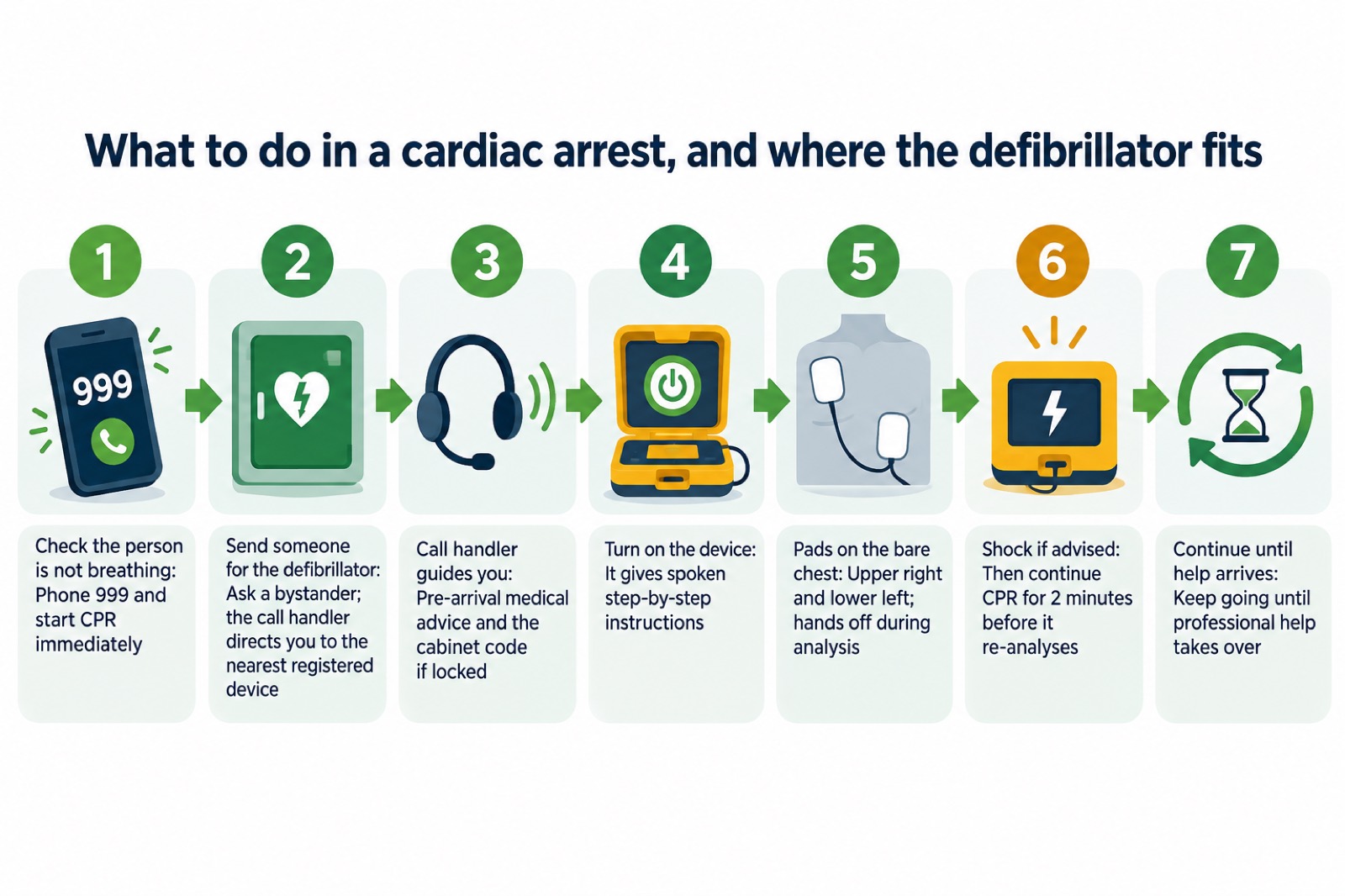
Whatever device you buy, the sequence in a real emergency is fixed, and it starts with the phone. If someone is not breathing, phone 999 and start CPR immediately, and ask someone nearby to get a defibrillator19. The Welsh Ambulance Service puts it the same way: phone 999 immediately and start CPR, because call handlers can guide you through the process and will direct you to the closest public access defibrillator20. East of England Ambulance Service gives the four steps: call 999 immediately, start CPR as soon as possible, ask someone to find a defibrillator, and continue until professional help arrives10.
The call handler is an active part of the rescue. Emergency medical dispatchers provide those making a 999 call with pre-arrival medical advice in advance of the ambulance arriving21, and call handlers instruct people at the scene to give CPR and use a defibrillator, and tell the caller the location of the nearest defibrillator registered on The Circuit3. In Wales, the advice is that if you call 999 they will always direct you to your nearest available defibrillator22. This is why registration on The Circuit matters so much: the call handler can only direct someone to devices the database knows about15.
One caution for anyone browsing defibrillator maps in advance: the Northern Ireland Ambulance Service notes of its defibrillator finder that "This is for reference only, always call 999 before removing any AED."4 The map tells you what exists; the call handler tells you what to do and which device to fetch.
For the steps before this, our page on the primary survey covers checking for danger, response, airway and breathing, and how to do CPR covers the compressions themselves.
Sources (22)
- Defibrillators, South Western Ambulance Service NHS Foundation Trust, 2026
- Emergency heart care advice, London Ambulance Service, 2026
- AED Guide: guide to purchasing and placing automated external defibrillators, Resuscitation Council UK, 2026
- Community involvement: AED, Northern Ireland Ambulance Service, 2026
- Public Access Defibrillators, South Central Ambulance Service, 2026
- Public Access Defibrillators, Scottish Ambulance Service, 2026
- Public Access Defibrillator information pack, South Central Ambulance Service, August 2026
- Become a London Lifesaver: defibrillators, London Ambulance Service, 2026
- Learn to save a life, North West Ambulance Service, 2024
- Emergency heart care, London Ambulance Service, 2026
- How to use an AED, NHS inform Scotland, 2026
- Purchasing a public access defibrillator, Scottish Ambulance Service, 2026
- AED placement and registration, Scottish Ambulance Service, 2026
- Improving outcomes in cardiac arrest: tools and resources, NHS England, 2026
- The Circuit: the new defibrillator database, North West Ambulance Service, 2025
- CPR and defibrillator training, South Western Ambulance Service NHS Foundation Trust, 2026
- Community first responders: public access defibrillators, South Central Ambulance Service, 2026
- Save a Life Cymru, Welsh Ambulance Service, 2026
- How to do a primary survey, NHS inform Scotland, 2026
- Some of the reasons people call 999, Welsh Ambulance Service, 2026
- How to give a baby CPR, NHS inform Scotland, 2026
- Defibrillators, Hope Community Council, 2026
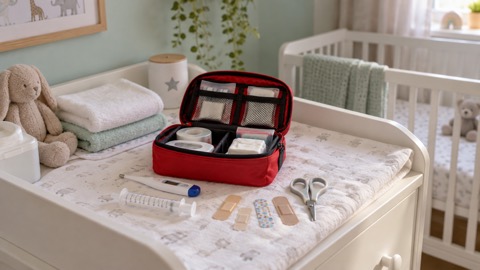 Baby and Child Kit Checklist
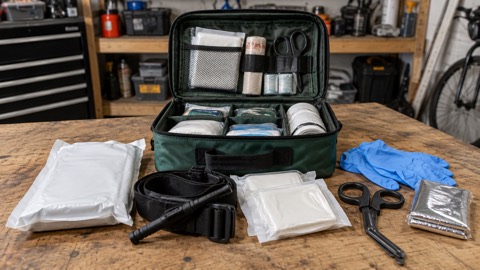 Bleeding Control Kit Checklist
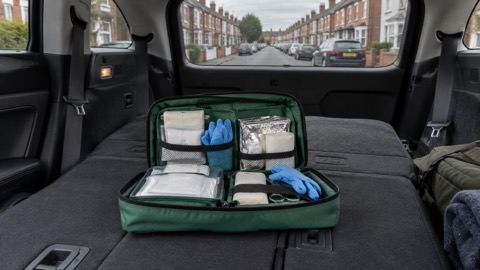 Car Kit Checklist
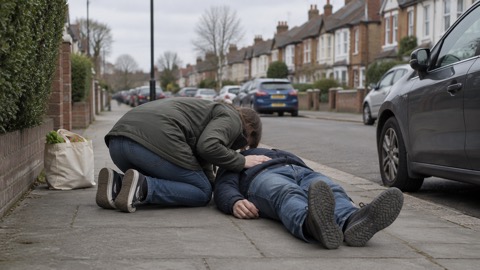 Danger, Response, Airway
 CPR Steps for Adults
 2025 Resuscitation Guidelines
 Defibrillators (AEDs)
 Public Access Defibrillators
 The Recovery Position
 Choking First Aid
 Cuts, Grazes and Wounds
 Burns and Scalds
 Adrenaline Auto-Injectors
 Sepsis Signs to Act On
 Shock Signs and What to Do