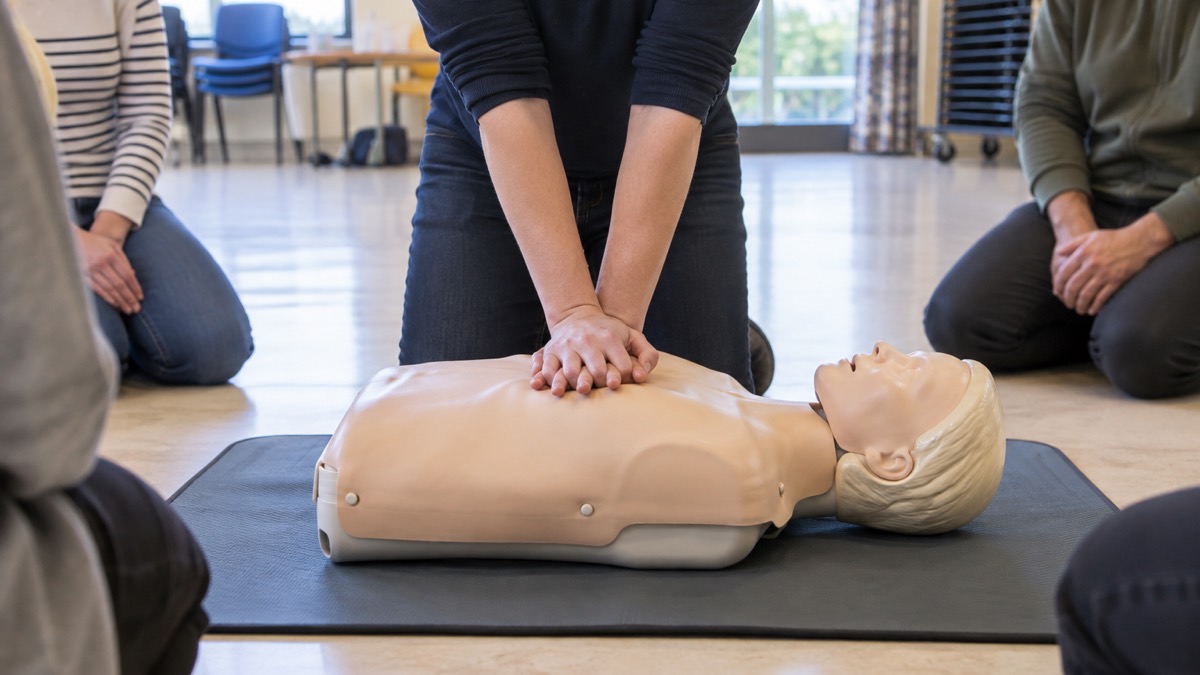
If someone has collapsed and is not breathing normally, chest compressions are what keeps blood moving to their brain until the ambulance arrives. Push at a rate of 100 to 120 compressions a minute, which is roughly two every second, and press down hard to a depth of about 5 to 6cm on an adult chest before letting it come back up1. If you are trained and willing, give two rescue breaths after every 30 compressions; if you are not, keep the compressions going without stopping for breaths2.
The pace and the depth matter more than anything else you do. Every minute that passes without CPR and a defibrillator, a person's chance of survival falls by about 10%4. When early CPR and a defibrillator are used within the first 3 to 5 minutes, survival rates can increase up to 70%6. That is why the advice is to start compressions straight away and keep them going, rather than waiting for someone more qualified to arrive.
This page sets out the rate and depth for adults, children and babies, how the 30:2 pattern works, what to do if you are on your own or tire, and how a defibrillator fits around the compressions. It is general first aid guidance, not a substitute for a training course, and it applies across the UK.
Push 100 to 120 times a minute until the ambulance arrives
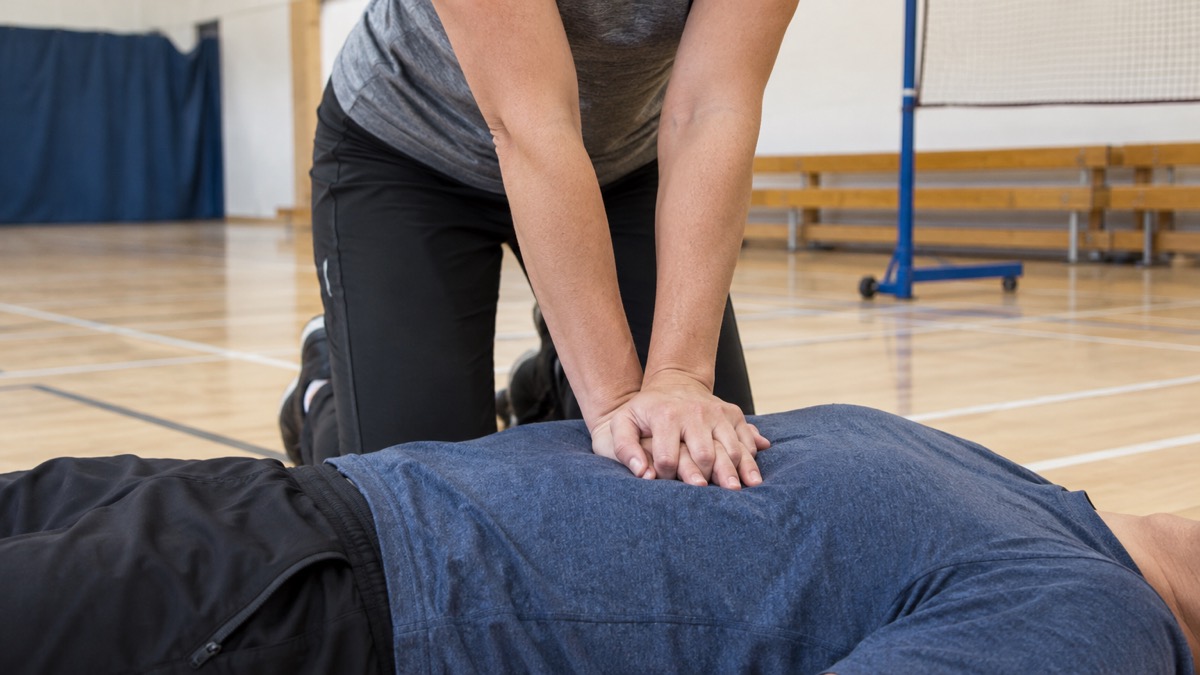
The target rate for adult chest compressions is 100 to 120 per minute1. Several ambulance services put it more simply: about two compressions every second8. The British Heart Foundation describes pressing down smoothly and firmly at a rate of 2 per second9. The Resuscitation Council UK says to push down hard and then release twice per second, and not to stop10.
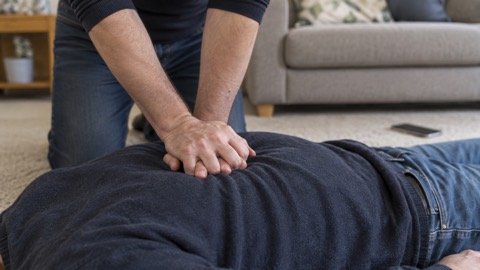
The depth is just as important as the speed. Press down hard, to a depth of about 5 to 6cm, then release the pressure and allow the chest to come back to its original position2. North East Ambulance Service puts it as pressing down hard and fast by 5 to 6cm on the chest1. Use your body weight rather than just your arms, and lean directly over the person's chest so you are pressing vertically7.
Two things commonly go wrong. The first is pressing too shallowly because you are worried about hurting the person. The second is leaning on the chest between compressions so it never fully comes back up. Keeping your hands on the chest but releasing the compression fully lets the chest refill with blood between pushes11.
If you have had no training, the ambulance services' hands-only approach is the one to follow: push hard and fast in the centre of the chest and keep going4. You do not need to count to a particular total; you need to keep the rate and depth steady.
30 compressions, then 2 rescue breaths
If you are trained to give rescue breaths, the pattern is 30 compressions followed by 2 rescue breaths, then repeat2. The Resuscitation Council UK's 2025 adult basic life support guidelines say the same: alternate 30 chest compressions with 2 rescue breaths if you have been trained to provide them12. Keep alternating 30 compressions with two breaths, known as 30:2, until help takes over2.
| What you are doing | Compressions | Breaths | Who it suits |
|---|---|---|---|
| Full CPR (30:2) | 30 | 2 rescue breaths | Trained and willing to give breaths2 |
| Hands-only CPR | Continuous | None | Untrained, unwilling, or unable to give breaths2 |
A few practical points make the breaths work. Stick to two attempts to get the breaths in; if one or both do not work, return to chest compressions2. Do not spend a long time trying to get a breath in, because every second off the chest is a second without circulation. If you are giving breaths to a child, the guidance is to blow gently and steadily for up to one second until the chest rises13.
Hands-only CPR: keep the same rate without stopping
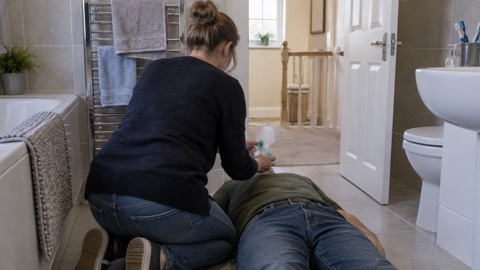
Hands-only CPR is continuous chest compressions with no rescue breaths. It is the right choice if you are not trained, if you are unwilling to give mouth-to-mouth, or if you simply cannot face it in the moment. The rate is the same 100 to 120 times a minute11. Repeat the compressions at that rate until an ambulance arrives, you become exhausted, or the person starts to show signs of regaining consciousness, such as coughing, opening their eyes, speaking or breathing11.
The technique is straightforward. Keeping your hands on their chest, release the compression and allow the chest to return to its original position11. Do not stop between compressions. The London Ambulance Service's summary of the steps is to keep going at a rate of 100 to 120 per minute15.
Hands-only CPR is not a lesser option. It is what the NHS advises if you are unable or unwilling to provide rescue breaths, and it keeps blood moving2. The main thing is that you start, and that you keep the pace steady. If you later feel able to give breaths and you have been trained, you can switch to 30:2.
For a fuller walk-through of the sequence, from checking for danger to placing your hands, see how to do CPR: hands-only steps for adults. If you are deciding between the two approaches, rescue breaths or hands-only CPR sets out the trade-offs.
Child CPR uses the same 100 to 120 rate
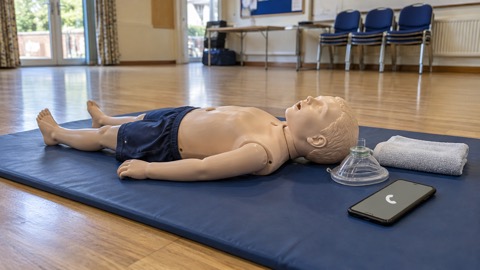
The rate does not change for children. Give 30 compressions at a rate of 100 to 120 per minute, then two rescue breaths if you are trained16. The Resuscitation Council UK confirms that for children and infants you still compress approximately one third of the chest depth, at the same rate of 100 to 120 compressions per minute17. The difference is the depth and the technique, not the speed.
For a child aged one and over, the guidance is to give two rescue breaths after 30 chest compressions if you are trained, repeating 30 compressions followed by two breaths16. Some guidance for children starts with five initial rescue breaths before the 30:2 cycle, each full breath taking about one second13. For a baby under one, give 30 compressions at 100 to 120 per minute, then two rescue breaths if trained18.
| Who | Rate | Depth | Ratio if trained |
|---|---|---|---|
| Adult | 100 to 120 a minute1 | About 5 to 6cm2 | 30:22 |
| Child (1 and over) | 100 to 120 a minute16 | About one third of chest depth17 | 30:2, often after 5 initial breaths16 |
| Baby (under 1) | 100 to 120 a minute18 | About one third of chest depth17 | 30:2, often after 5 initial breaths18 |
There is one point where the official guidance is not fully settled. NHS inform's baby CPR page says to give two rescue breaths after 30 chest compressions if trained18, while other official guidance for babies describes five initial rescue breaths and then 30 compressions followed by two breaths19. Both agree on the rate and the 30:2 cycle; they differ on whether the first five breaths come before the cycle. If you are trained, follow the sequence you were taught. For a full walk-through, see how to do CPR on a child and how to do CPR on a baby under one.
Keeping the pace steady until help takes over
The hardest part of CPR is not starting; it is keeping the rate and depth steady for as long as it takes. Compressions tire you quickly, and tired compressions get shallower and slower. The answer is to share the work. If there are other people around, change who is giving the chest compressions every 1 to 2 minutes, with little disruption to the compressions7. The Resuscitation Council UK's guidance is the same: swap every one to two minutes if there is a helper, but try to minimise interruptions to chest compressions2.
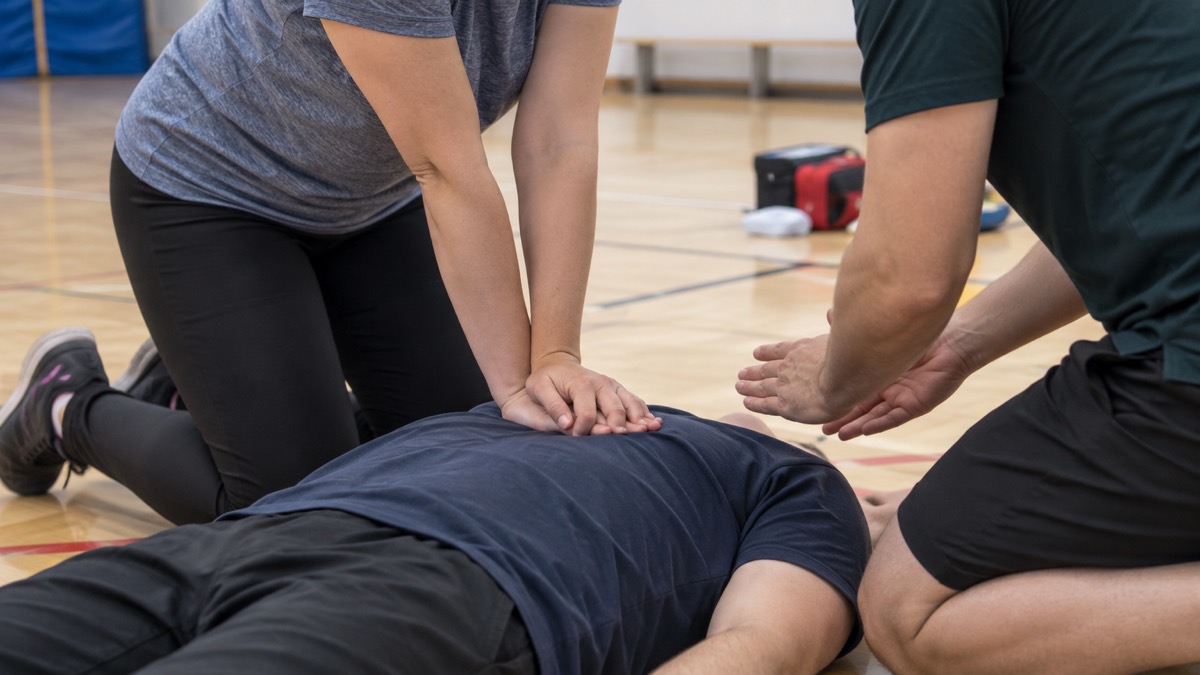
A changeover should take seconds, not a pause for discussion. The new rescuer kneels ready, the current rescuer counts the last few compressions aloud, and they swap on a count so the chest is not left still. If you are alone, keep going until emergency help arrives and takes over, the person starts breathing normally, you are too exhausted to continue, or a defibrillator tells you to stop while it analyses the heart rhythm3.
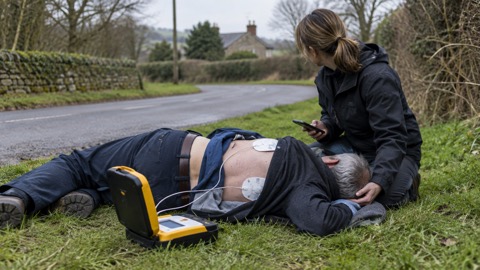
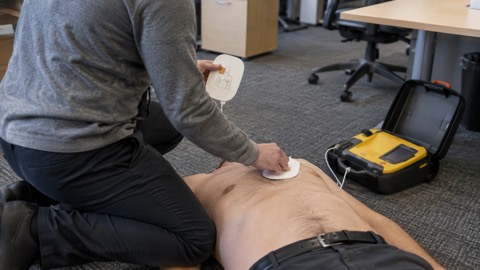
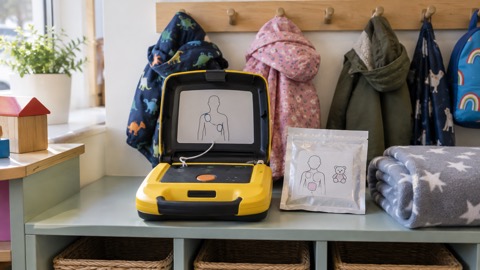
A defibrillator, if one is brought, works alongside you rather than replacing you. Keep doing compressions while the pads go on, then stop when the machine tells you to stand clear while it analyses the rhythm. After a shock, it will prompt you to start compressions again. Keep alternating 30 compressions with two breaths (30:2) until emergency help arrives and takes over, the person starts breathing normally, you are too exhausted to continue, or a defibrillator tells you to stop while it analyses the heart rhythm20. In practice, you follow the voice prompts and keep pushing in between.
If the person is pulled from water, the advice differs slightly: if they are not breathing, they need five rescue breaths and then CPR, 30 chest compressions followed by two rescue breaths, continued until help arrives21. For more on that situation, see what to do after someone nearly drowns.
Where to learn and practise
Reading the rate and depth is a start, but CPR is a physical skill and practising on a manikin makes a real difference. Ambulance services across the UK run free community training, and the Resuscitation Council UK's public resources include a free online course. If you want to find a course near you, see first aid courses: types, length and where to find one, and for free online options, learning CPR free online.
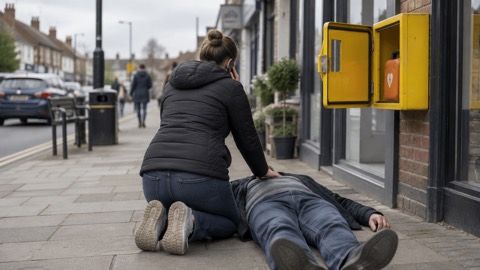
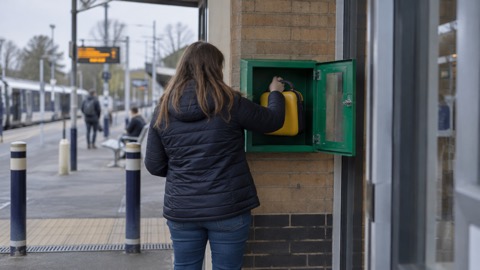
The same rate and depth apply wherever you are in the UK. If you have a defibrillator at home, club or village hall, defibrillators (AEDs): what they do and how to use one explains how it fits with compressions, and public access defibrillators: finding the nearest one helps you locate one in an emergency.
Sources (22)
- Learning CPR, North East Ambulance Service
- CPR, NHS
- Cardiac arrest, St John Ambulance
- Cardiac arrest, North West Ambulance Service
- First responders, Northern Ireland Ambulance Service
- CPR and defibrillator training, South Western Ambulance Service
- How to give an adult CPR, NHS inform, 8 September 2026
- How to do CPR, North West Ambulance Service
- How to do CPR, British Heart Foundation
- How do CPR, Resuscitation Council UK
- How do I perform CPR?, Yorkshire Ambulance Service
- Adult basic life support guidelines 2025, Resuscitation Council UK, 2025
- Child CPR, St John Ambulance
- How to resuscitate a child - NHS, NHS
- Remember these steps to learn how to save a life, London Ambulance Service
- How to give a child CPR, NHS inform, 24 July 2026
- Learn to save a life, North West Ambulance Service
- How to give a baby CPR, NHS inform, 24 July 2026
- Baby CPR, St John Ambulance
- Adult basic life support and automated external defibrillation, East London NHS Foundation Trust
- Drowning first aid, NHS inform
- Water safety, Devon and Somerset Fire and Rescue Service
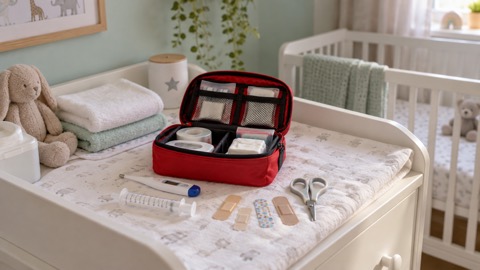 Baby and Child Kit Checklist
 Bleeding Control Kit Checklist
 Car Kit Checklist
 CPR on a Baby
 CPR on a Child
 Rescue Breaths or Hands-Only CPR
 Checking Breathing
 Agonal Breathing and CPR
 Breathing During CPR
 Recovery Position and Spine
 Cardiac Arrest vs Heart Attack
 Heart Attack First Aid
 Defibrillator Pad Placement
 Defibrillator on a Child
 Defibrillator Without Training