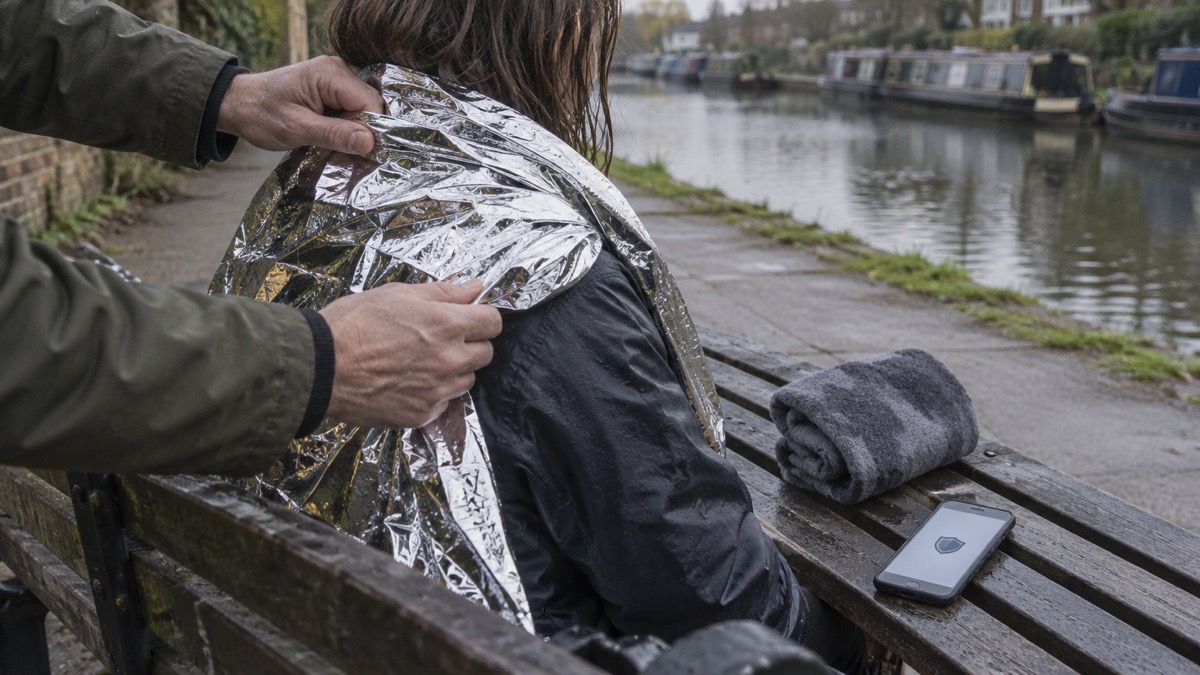
Someone is out of the water. They are coughing, or they are not, and they say they are fine. The single most important thing to do now is to get them medical attention anyway. Fire and rescue services across the UK are consistent on this: if you get someone out of the water, they will need medical attention, even if they seem okay1. The reason is that drowning can happen at a later stage if water has already entered the lungs, and it can cause death up to 48 hours after the near-drowning incident1.
So the order is: call for help if you have not already, get them out of the wind, get them dry and warm, and keep checking their breathing and level of response until the ambulance arrives3. Do not let them talk you out of being checked over.
If the person is still in the water, do not go in after them. Call 999, tell them to float on their back, and throw them something that floats4. Once they are out, the aftercare below is what matters.
Get medical help straight away, even if they seem fine
The instinct after a water rescue is relief. They are out, they are talking, they are embarrassed. That is exactly the moment the advice is hardest to follow and most important. "Make sure you get medical care immediately," is the instruction from Mid and West Wales Fire and Rescue Service5. Surrey Fire and Rescue Service puts it in plain terms: if the person manages to get out of the water, they will need medical attention, even if they seem okay2.
The mechanism behind that advice is delayed deterioration. Water that has gone down the airway can cause problems after the event, not during it. Fire and rescue guidance states that drowning can occur at a later stage if water has already entered the lungs, and that it can cause death up to 48 hours after the near-drowning incident1. That 48 hour window is why a person who is walking and talking on the bank still needs to be seen.
Signs can be easy to miss. The same guidance notes that signs of drowning can often go unnoticed, even if there are other people nearby3. Someone who slipped under briefly, swallowed water and came up spluttering may not look like a casualty at all.
If you are helping after a flood rather than a swim, the same principle applies. Public Health Wales and Surrey County Council both advise checking that there are no immediate physical health needs, for example those that may require an ambulance or a hospital visit6. If someone has been in flood water, that check comes before anything else.
Once they are out of the water: shelter, dry clothes and warmth

Getting them out is only half the job. A wet person in cool air loses heat quickly, and the priority shifts to shelter and warmth while you wait for the ambulance.
NHS inform's drowning first aid guidance sets out the sequence. Once the person is out of the water, shield them from the wind if possible. Replace any wet clothing with dry clothing if you can. Check the person's breathing and level of response, and if needed, phone 999 for more help3. If they are showing signs of hypothermia, cover them with warm clothes and blankets, replace wet clothes with dry ones if possible, and keep checking their breathing and level of response until help arrives3.
The hypothermia guidance adds detail that matters here. Remove wet clothing and replace it with dry clothes, wrap the person in blankets, a sleeping bag or a dry towel, and make sure their head is covered. Do not remove your own clothing to give to the person9. You need to stay warm yourself to keep helping.
The RNLI's cold water advice is blunt: once out of the water, get warm as quickly as possible, and put lots of layers on including a woolly hat10. North Wales Fire and Rescue Service adds a list of things not to do for a rescued casualty: do not rub their skin, do not apply hot water, and do not give them an alcoholic drink. Keep them wrapped up so they warm up gradually11.
Shielding them outdoors
If you are away from buildings, use what the weather guidance offers. When caught outside during high winds, take cover next to a building or under a secure shelter12. After a storm, do not walk too close to walls, buildings and trees, as they could have been weakened13. Put something solid between the person and the wind, get them off the ground if you can, and keep them wrapped.
Replacing wet clothing
| Step | What to do | Source |
|---|---|---|
| 1 | Get them out of the wind and under shelter | 3 |
| 2 | Remove wet clothing and replace with dry clothes | 9 |
| 3 | Wrap in blankets, a sleeping bag or a dry towel, head covered | 9 |
| 4 | Add layers including a hat if more warmth is needed | 10 |
| 5 | Do not rub skin, apply hot water or give alcohol | 11 |
If you have been swimming yourself, Forestry and Land Scotland advises having a hot drink and warm dry clothes ready for afterwards, and cleaning your wetsuit and gear in clean water and drying it thoroughly14.
Why a hospital may want to watch them for a while
The hospital's job after a near-drowning is observation as much as treatment. Because deterioration can come hours later, the clinical question is not "are they well now?" but "will they still be well tomorrow?" Fire and rescue guidance is explicit that the risk extends up to 48 hours after the incident1. A period of monitoring lets staff catch a change early.
This is also why the advice does not soften for people who feel embarrassed or who insist they are fine. The ambulance service's own guidance for what to do while waiting is to stay calm15. That applies to you as much as to them: a calm, matter-of-fact explanation of the 48 hour risk is more persuasive than alarm.
If the person is reluctant, it helps to have the facts ready:
- Drowning can occur at a later stage if water has already entered the lungs1.
- It can cause death up to 48 hours after the near-drowning incident1.
- Signs of drowning can often go unnoticed, even with other people nearby3.
- Medical attention is needed even if they seem okay2.
If they still refuse, do not argue indefinitely. Keep them warm, stay with them, and watch their breathing and level of response. Call 999 if anything changes. The ambulance service's guidance on calling 999 lists drowning as a reason to call16.
What to keep an eye on in the hours afterwards
If someone has been checked and sent home, or is waiting to be seen, your role is observation. NHS inform's instruction is to keep checking their breathing and level of response until help arrives3. Carry that forward: check regularly, and act on any change.
Watch for breathing that becomes laboured, a level of response that dips, or a person who becomes drowsy or difficult to rouse. If you are worried at any point, call 999. The ambulance service lists drowning among the situations where you should call16.
Keep them warm and settled. Do not give them alcohol, and do not rub their skin or apply hot water, per the fire and rescue guidance for rescued casualties11. If they are conscious and thirsty, the hot weather first aid guidance for heatstroke says to give water to drink if they are conscious17; that is a reasonable general principle for a conscious, alert person after a rescue, but it does not replace medical assessment.
Children after a near-drowning
Children need the same response, and the same trip to be checked. Surrey Fire and Rescue Service's guidance is that children should always be supervised by an adult near water2. That is prevention, but it also tells you how quickly a child can get into difficulty. Signs of drowning can often go unnoticed, even if there are other people nearby3.
Northern Ireland's summer safety advice adds a practical point for anyone watching children in the water: make sure you have someone watching you and that they have a way to call for help18. If a child has been in the water and needed help, treat it as a medical matter, not a scare that passed.
Where to get help
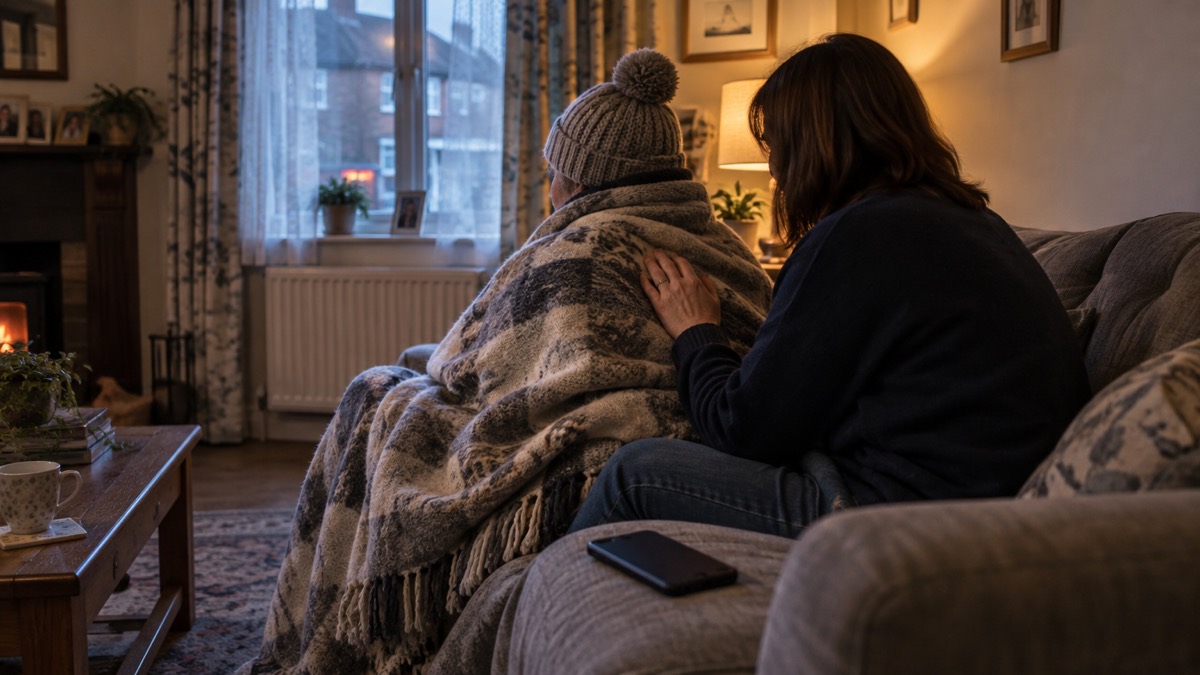
Call 999 immediately for anyone in trouble in the water. If you are near the coast, ask for a coastguard; if you are inland, ask for the fire and ambulance services1. The same instruction appears across fire and rescue services: phone 999, ask for the fire service if inland or the coastguard if by the sea4. If you see someone who you think may be planning to harm themselves near water, call 9995.
For the wider picture on helping someone in cold water, see Cold Water Shock: Staying Safe and Helping Someone in the Water. If you need to check breathing or start CPR while you wait, How to Check if Someone Is Breathing and How to Do CPR: Hands-Only Steps for Adults set out the steps. For the order of a primary survey, see What to Do First: Danger, Response, Airway and Breathing, and for keeping a casualty warm while help comes, How to Treat Hypothermia at Home.
Sources (18)
- Water safety, Devon and Somerset Fire and Rescue Service, 2026
- Water safety, Surrey County Council, 2026-10-28
- Drowning first aid, NHS inform, 2026-07-24
- Water safety, Greater Manchester Fire and Rescue Service, 2026-10-29
- Alcohol and dangers of water, Mid and West Wales Fire and Rescue Service, 2026-10-29
- Flooding and health, Public Health Wales, 2026-07-31
- Staying healthy and safe after flooding, Surrey County Council, 2026-09-23
- Stay safe in summer, Oxfordshire County Council, 2026
- Hypothermia (low body temperature), NHS inform, 2026-07-15
- WeatherReady weather hacks, Met Office, 2026-10-25
- Stay safe, stay off frozen water, North Wales Fire and Rescue Service, 2026-10-29
- High winds, Scottish Borders Council, 2026-10-29
- Strong winds weather warning information and advice, nidirect, 2026-10-24
- Water safety, Forestry and Land Scotland, 2026-10-29
- What to do when the ambulance is coming, South Western Ambulance Service NHS Foundation Trust, 2026-10-29
- When to call 999, Northern Ireland Ambulance Service, 2026
- Hot weather advice, nidirect, 2026-10-05
- Fire and summer safety advice, nidirect, 2026
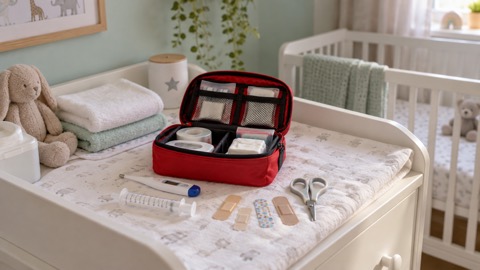 Baby and Child Kit Checklist
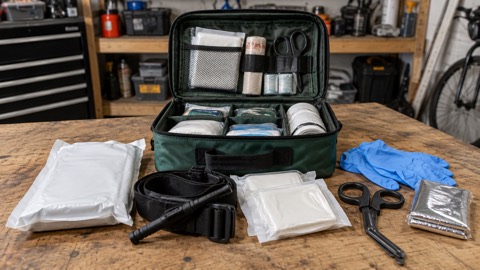 Bleeding Control Kit Checklist
 Car Kit Checklist
 CPR on a Baby
 CPR on a Child
 Chest Compression Rate and Depth
 Rescue Breaths or Hands-Only CPR
 Checking Breathing
 Agonal Breathing and CPR
 Breathing During CPR
 Recovery Position and Spine
 Cardiac Arrest vs Heart Attack
 Heart Attack First Aid
 Defibrillator Pad Placement
 Defibrillator on a Child