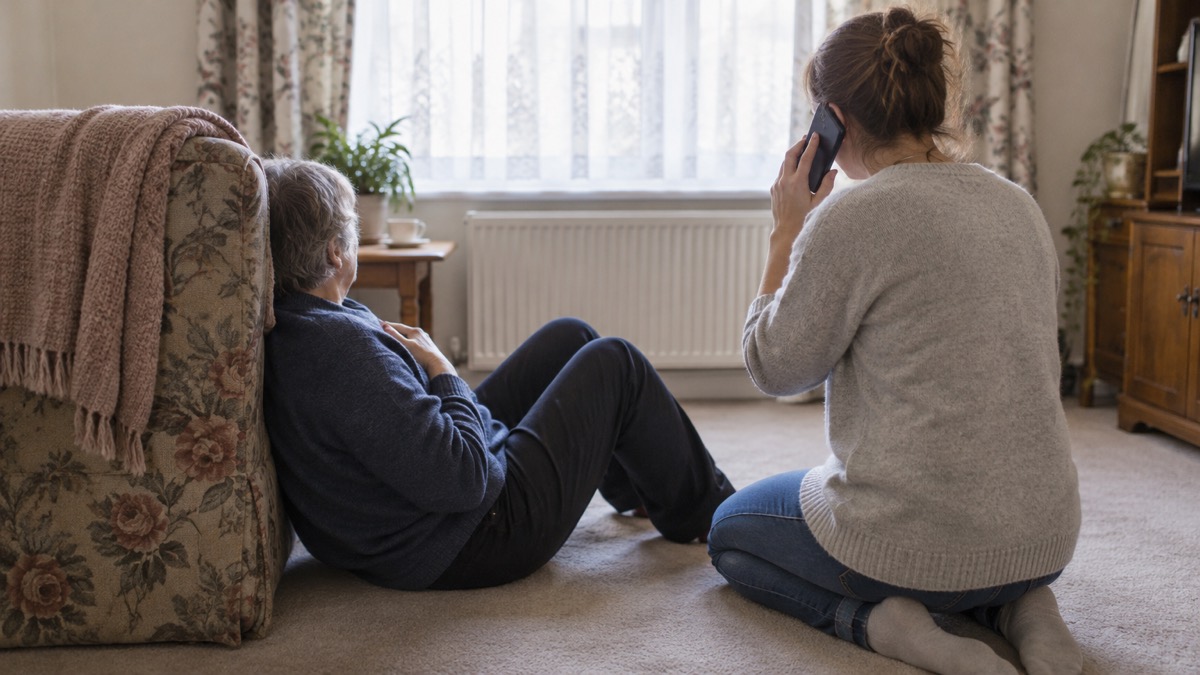
A heart attack happens when an artery becomes obstructed, restricting the flow of blood to the heart1. Left untreated it can lead to a cardiac arrest, which is when the heart stops beating2. That is why the first thing you do, before anything else, is phone 999 and tell the call handler that you think someone is having a heart attack1.
While you wait, sit the patient down, keep them at rest and keep them calm1. Give them nothing to eat or drink. Stay with them, watch their breathing and level of response, and be ready to start CPR if they stop responding. Ambulance services treat a suspected heart attack as an immediate call: every second counts with these conditions3.
This page sets out what to do in the order you need it, from the phone call through to the ambulance arriving, and what changes if the person becomes unresponsive.
Call 999 and say you suspect a heart attack
Phone 999 and tell the call handler that you think someone is having a heart attack1. Say it plainly and early. You should call immediately if you or someone else is having a heart attack or stroke, and every second counts with these conditions3. If someone is suffering from a heart attack you need to call 999 for an ambulance immediately2.
You do not need to be certain of the diagnosis to make the call. If you think somebody is having a heart attack you should call 999 for help, and sometimes this can lead to cardiac arrest7. The call handler is trained to work with what you describe.
The call handler will ask you a set of questions. Be ready for them:
- whether the patient is conscious and breathing
- what exactly has happened
- the address of the emergency
- patient details including name, age and medical history, if you know them8
If you are phoning from home or work, ask someone to open the doors and tell ambulance staff where they are needed7. On a street, send someone to the entrance to signal the crew in.
Knowing the signs of a heart attack or stroke in advance, and learning life-saving first aid skills, prepares you to make this call well9. If you are unsure whether the problem is a heart attack or a stroke, both are 999 calls: phone immediately and ask for an ambulance if you suspect a stroke10.
Sit them down and keep them comfortable while you wait
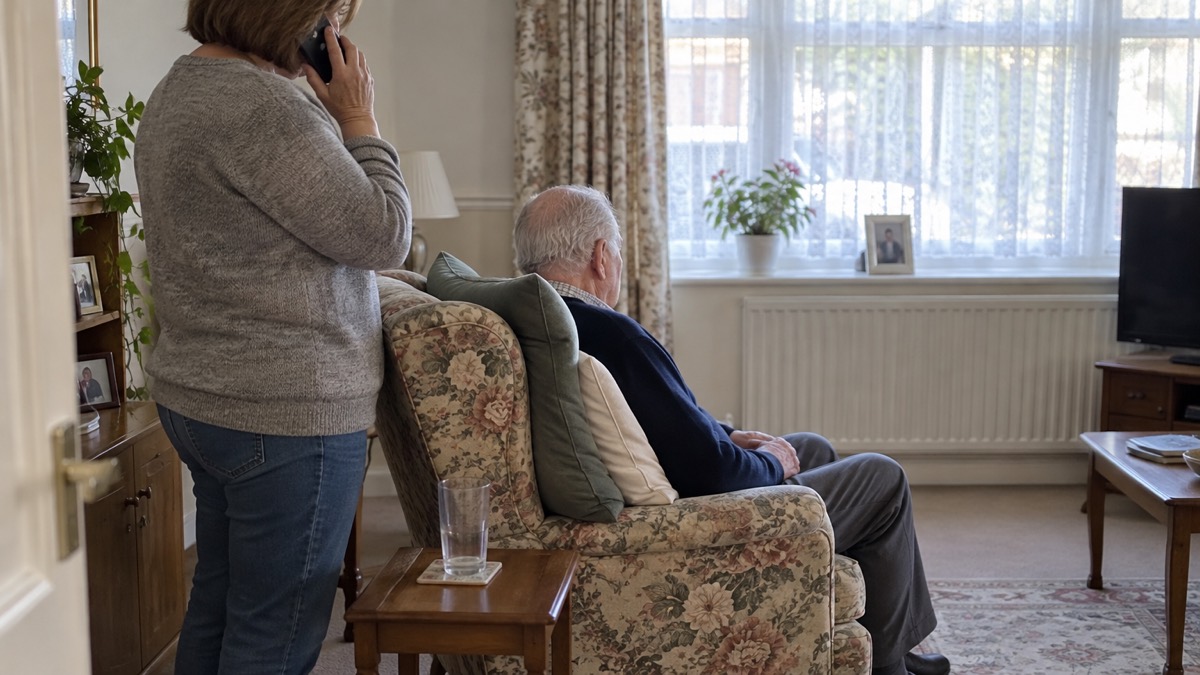
Call 999 immediately, sit the patient down, keep them at rest and keep them calm1. Sitting reduces the work the heart has to do and helps the person feel less distressed while help is on its way.
Stay calm yourself11. Speak calmly and reassure them, keep them conscious and responsive if possible, and avoid overheating or chilling them; if you are outdoors, protect them from direct sun or cold wind12. Stay with the person until the ambulance arrives12.
While you wait, monitor the casualty's level of response, breathing and pulse, and write these things down; a written record helps the crew when they arrive13. If the patient's condition or location changes, call 999 back11.
There are practical jobs you can give to others:
- ask someone to open the doors and signal to the crew7
- write down the patient's GP details and collect their medication9
- tell the service about any allergies5
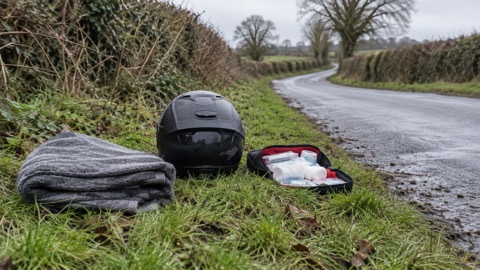
If the person becomes pale with a weak pulse, they may be developing shock. First aid guidance for shock is to help the casualty lie down on a blanket or rug to protect them from the cold, and raise and support their legs above the level of their heart to improve blood supply to the vital organs14. This is general shock first aid; for a suspected heart attack the priority remains sitting them down and keeping them at rest, and you should follow the call handler's instructions if the position needs to change.
Nothing to eat or drink
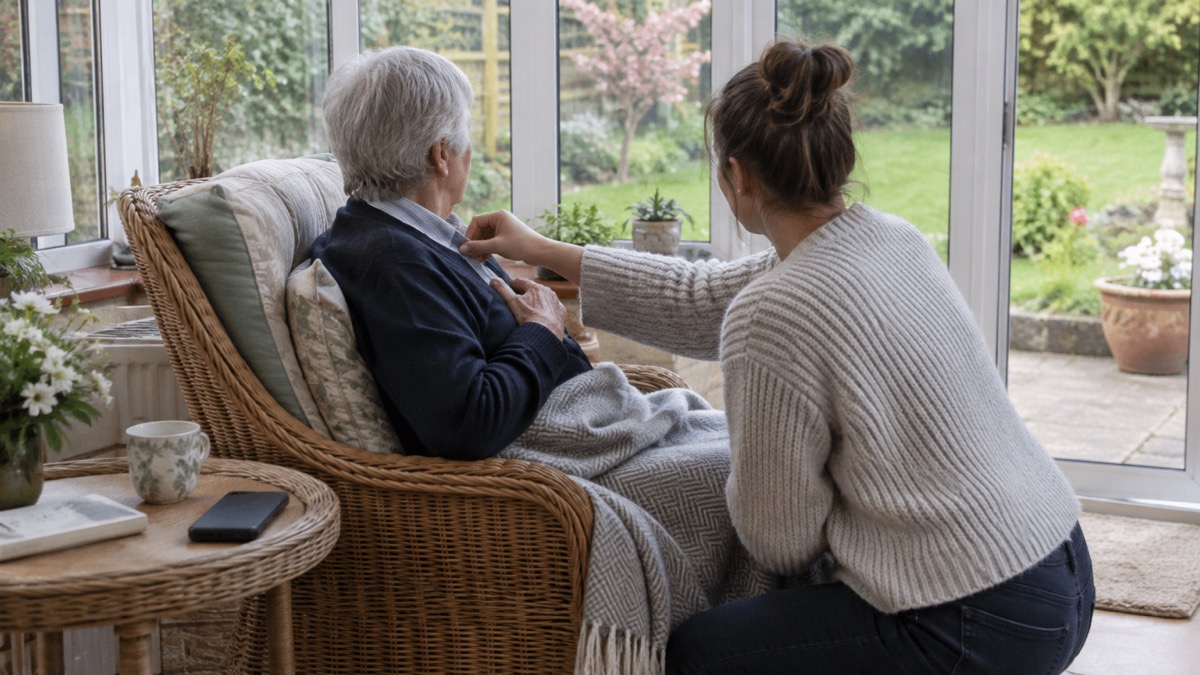
Give the person nothing to eat or drink while you wait for the ambulance. If the person has a fall that seems serious, don't try to move them or give them anything to eat or drink; keep them warm and call for an ambulance4. Do not give anything to drink to someone who is unconscious15.
This matters most if the person's condition deteriorates. If they lose consciousness, put them in the recovery position and tell the ambulance service, checking their breathing and pulse and carrying out CPR if they show no sign of life16. A person who is unconscious cannot swallow safely, and anything given by mouth at that point is a risk.
If you are caring for someone who is conscious and asking for water, explain calmly that you are following the ambulance service's advice and that help is coming. Keep them comfortable and reassured instead12.
Be ready to start CPR if they stop responding
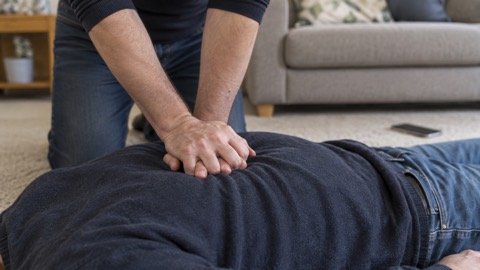
A heart attack can lead to a cardiac arrest, when the heart stops beating2. If that happens, no blood will flow to the brain and other vital organs, and without immediate action death will occur17. This is the moment your preparation matters.
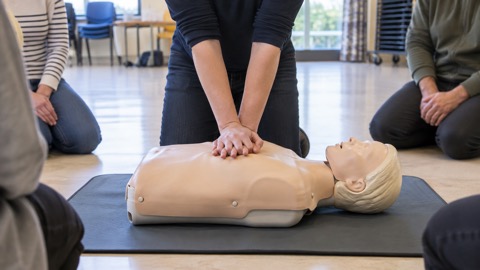
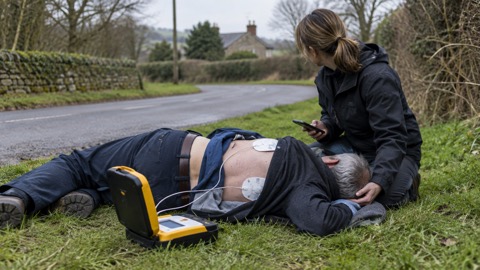
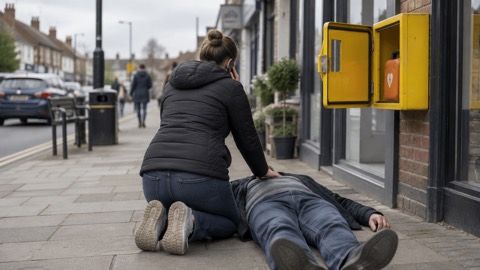
If someone is unresponsive and not breathing, give chest compressions18. Phone 999 immediately and start CPR, and ask someone to find a defibrillator; continue until professional help arrives6. If you are on your own, do not leave the casualty to look for a defibrillator yourself: the ambulance controller can tell your helper where the nearest one is4.
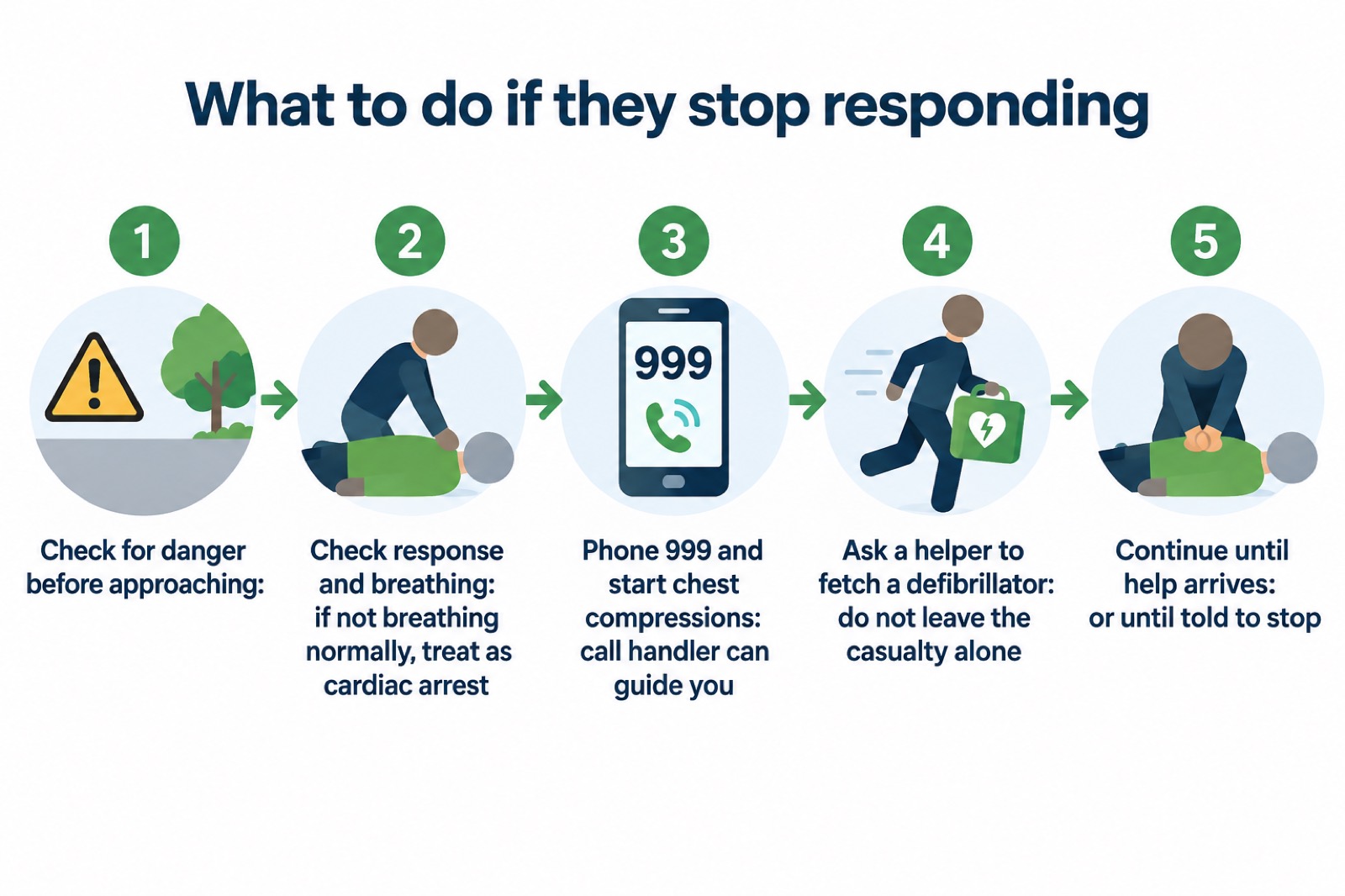
CPR continues until one of these happens: emergency help arrives and takes over, the person starts showing signs of life and breathes normally, you are too exhausted to continue, or a defibrillator is connected and tells you to stop while it analyses the heart rhythm4. The call handler can talk you through compressions if you have never done them. Our guide to hands-only CPR for adults sets out the steps in detail, and how to check if someone is breathing covers the check that decides whether CPR is needed.
If you are unsure whether the person is in cardiac arrest or simply unwell, the test is response and breathing. Phone 999 immediately and ask for an ambulance if someone stops breathing, loses consciousness or does not respond to stimulation7.
What to tell the ambulance service, and how to prepare
The call handler's questions are predictable, and having the answers ready shortens the call. They will ask whether the patient is conscious and breathing, what exactly has happened, the address of the emergency, and patient details including name, age and medical history if you know them8. Tell them you suspect a heart attack1.
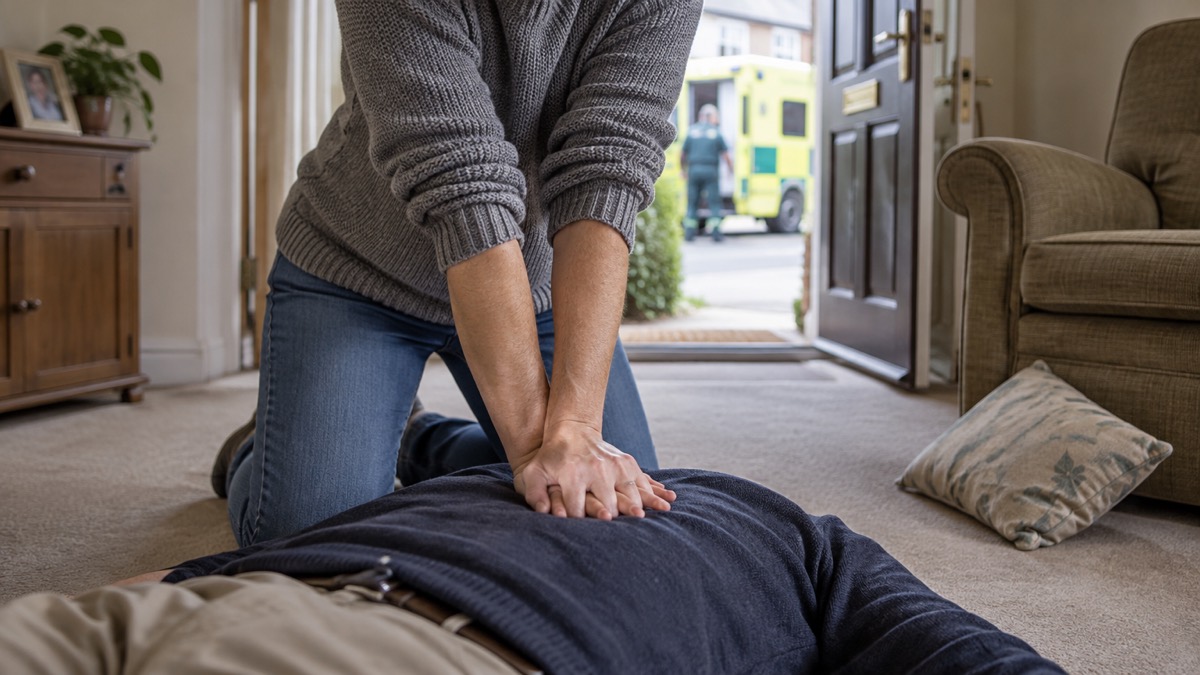
After the call, stay with the patient5. If you are at home, unlock the door or ask a neighbour to watch for the crew and show them in7. Collect any medication the person takes and their GP details, and mention any allergies5.
Preparation before an emergency makes all of this easier. Knowing the signs of a heart attack or stroke, and learning life-saving first aid skills, is the advice ambulance services give for being ready9. A first aid course teaches the physical skills, and learning CPR free online is an option if you want to start at home. Keeping medical details where responders look is covered in Message in a Bottle, and our checklist of information to have ready for the ambulance crew lists what to gather.
| What the crew will want | Why it helps |
|---|---|
| Whether the patient is conscious and breathing8 | Sets the priority of the response |
| What has happened8 | Confirms a suspected heart attack |
| The address8 | Gets the crew to the right door |
| Name, age and medical history8 | Informs treatment on arrival |
| Medication and GP details9 | Gives the crew the person's history |
| Any allergies5 | Prevents a harmful treatment |
If it is not a heart attack: other emergencies that need 999
The same first response, a 999 call, applies to several other emergencies that can look similar or happen alongside. Phone 999 immediately and ask for an ambulance if someone stops breathing, loses consciousness or does not respond to stimulation7. If you suspect a stroke, phone 999 immediately and ask for an ambulance10. If you suspect someone has heatstroke, call 99919.
For a person who becomes unresponsive but is breathing, the recovery position keeps the airway clear while you wait. Our guide to the recovery position explains how to put someone in it safely. If the person has a known allergy and you suspect anaphylaxis, phone 999 and tell the call handler that you think someone has anaphylaxis20; the steps are set out in what to do if you suspect anaphylaxis.
If you are not sure whether the problem is a heart attack or a cardiac arrest, the distinction matters for what you do next. A guide to telling cardiac arrest and heart attack apart covers the difference, and what to do first: danger, response, airway and breathing is the sequence to run through before anything else.
Sources (20)
- Heart attack first aid, NHS Inform, 2026-07-24
- Emergency heart care, London Ambulance Service, 2026-09-30
- When to call 999, South Western Ambulance Service, 2026-10-29
- CPR, NHS, 2026-10-29
- 999 :: North East Ambulance Service, North East Ambulance Service
- Cardiac arrest, East of England Ambulance Service, 2026-10-29
- What to do in a heart emergency, NHS Inform, 2024-11
- When to call 999 | EEAST, East of England Ambulance Service NHS Trust (EEAST)
- What happens when you call 999, London Ambulance Service, 2026-10-28
- Identifying a stroke, Scottish Ambulance Service, 2026-10-29
- What to do when the ambulance is coming, South Western Ambulance Service, 2026-10-29
- What to do in an emergency, Oxfordshire County Council, 2026
- Poisoning first aid, NHS Inform, 2026-07-24
- Shock first aid, NHS Inform, 2026-07-24
- Heat health alert advice and information, Somerset Council, 2026-07-08
- Heat exhaustion and heatstroke, NHS, 2026-05-28
- Cardiac arrest, Scottish Ambulance Service, 2026-10-29
- Unresponsive and not breathing, British Red Cross, 2026-10-29
- Staying well in hot weather, Berkshire Healthcare NHS Foundation Trust, 2026-10-29
- Anaphylaxis first aid, NHS Inform, 2026-07-24
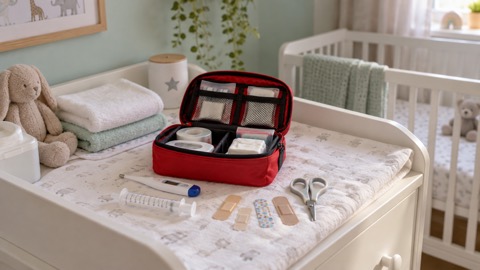 Baby and Child Kit Checklist
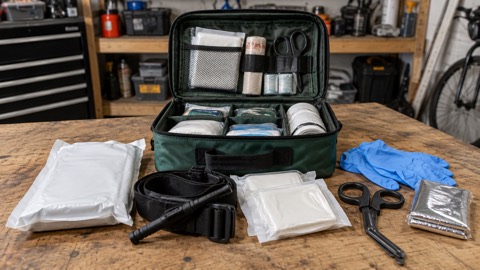 Bleeding Control Kit Checklist
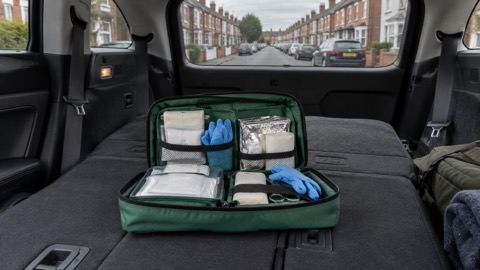 Car Kit Checklist
 CPR on a Baby
 CPR on a Child
 Chest Compression Rate and Depth
 Rescue Breaths or Hands-Only CPR
 Checking Breathing
 Agonal Breathing and CPR
 Breathing During CPR
 Recovery Position and Spine
 Cardiac Arrest vs Heart Attack
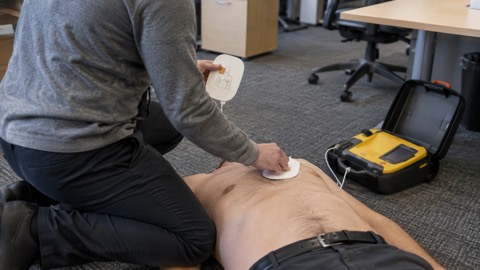 Defibrillator Pad Placement
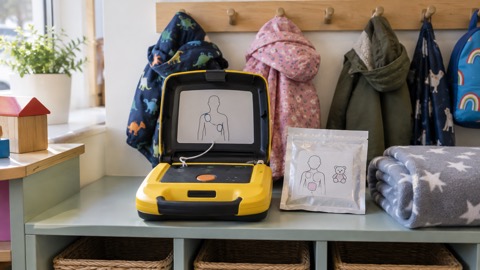 Defibrillator on a Child
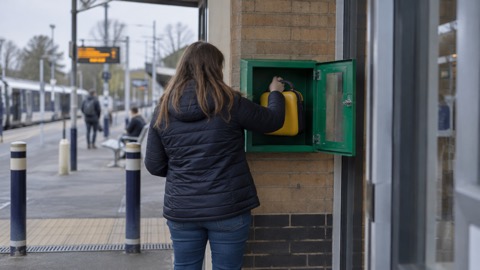 Defibrillator Without Training