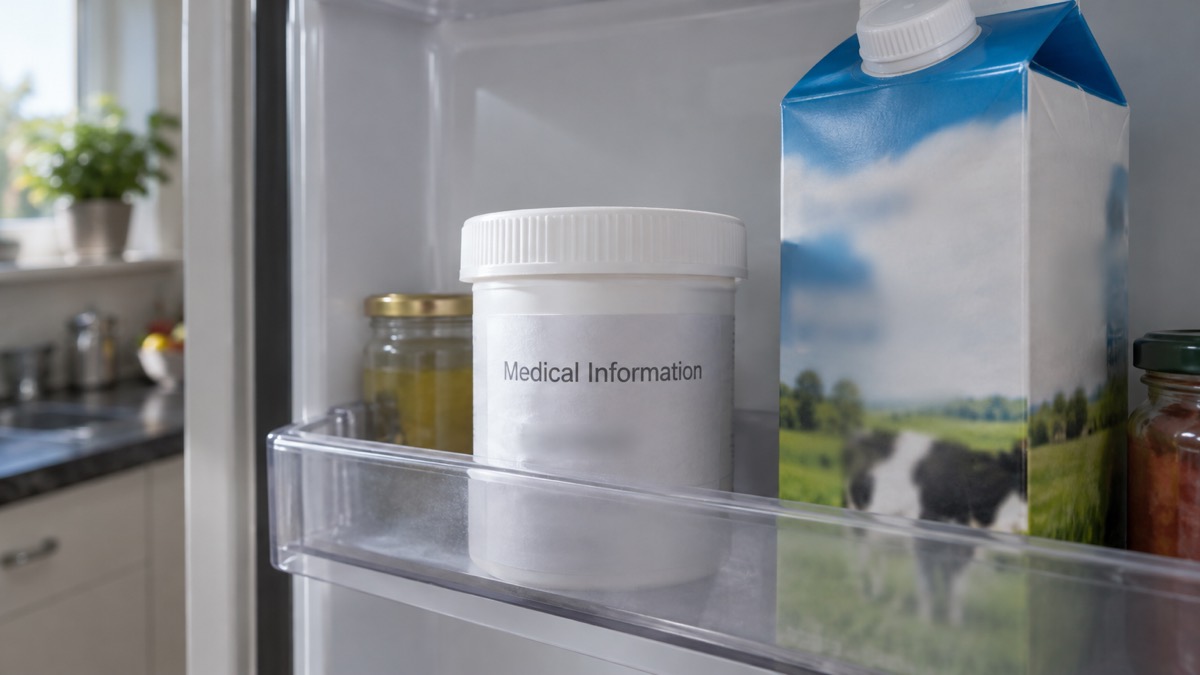
When you ring 999 for an ambulance, the call handler is not just sending help: they are gathering the information the crew will use the moment they walk through your door. The more of it you can give clearly, and the more of it you have written down in advance, the faster the crew can act. The Welsh Ambulance Service says crews carry out seven important checks when they arrive to assess your condition and decide the care you may need1. Your job is to make those checks quick.
The single most useful thing you can do is keep one sheet of paper, or one note on your phone, with the patient's medicines and doses, their allergies, their usual state of health, and the contact details of the people who need to know. The government's Be Ready advice is to write down contact details you would need in an emergency, including anyone who might need checking on, and a list of any regular medication and doses2. That list does two jobs: it helps the call handler and it helps the crew.
Then there is the practical side. Stay calm, keep the line open, answer the questions, and get the house ready so the crew can find you and reach the patient without delay3. This page sets out what to have ready, in the order you will need it.
The checklist: what to have ready before the ambulance arrives
Work through this list now, while things are calm, and again the moment you put the phone down. Each item has a reason behind it.
Why each item matters, and what to say
Medicines and doses
The crew will want to know what the patient takes, how much, and when they last took it. A list written in advance beats trying to remember under pressure. Keep it with the patient's other details, and update it whenever a prescription changes. If the patient is going to hospital, take the medicines themselves as well as the list.
Allergies and infection risks
Allergies are not just about drugs. Tell the crew about food allergies, insect sting allergies, and any reaction to latex or dressings. If the patient carries an adrenaline auto-injector, say so and have it to hand; our page on adrenaline auto-injectors explains how they are carried and used.
Infection risks matter too. The ambulance service asks you to tell the crew about diarrhoea or vomiting as soon as possible so they can take precautions to prevent spread8. For coughs, colds, sneezes and runny noses, the crew should take extra precautions such as wearing PPE, and in some cases they may need to wear a full-body suit and a special hood over their head8. Telling them at the door means they can put that on before they come in.
The patient's normal condition
A crew arriving at a stranger's bedside has no baseline. You do. Say what the patient is normally like, what they can usually do for themselves, and what has changed. For a suspected stroke, keep the casualty comfortable and supported while you wait for help; if they are responding, help them lie down and reassure them that help is on the way11. For a heart emergency, stay calm, because the Scottish Ambulance Service is there to help you12.
If the patient does not need emergency hospital treatment, paramedics can often provide the necessary treatment at the scene and advise on further action, such as contacting the GP surgery13. That conversation goes better if you can tell them what is normal for the patient.
Seizure details
Note the time the seizure starts and finishes5. That single fact changes the advice the crew gives. Call 999 and ask for an ambulance if it is the first time someone has had a seizure, if the seizure lasts longer than is usual for them, if it lasts more than 5 minutes when you do not know how long their seizures usually last, if the person does not regain full consciousness or has several seizures without regaining consciousness, if the person is seriously injured during the seizure, or if the person has difficulty breathing after the seizure5. Our page on what to do if someone has a seizure covers the first aid while you wait.
Defibrillator location
If someone has collapsed and is not breathing normally, the dispatcher will guide you to the nearest available defibrillator and provide clear instructions on how to access it6. You can check the location of nearby devices at www.defibfinder.uk, a national map of all registered devices6. Public access defibrillators should have clear signage and lighting so they can be found quickly6. Our guide to public access defibrillators explains how to find and use one.
Keeping details in one place
The best information is useless if nobody can find it. Surrey County Council publishes a downloadable In Case of Emergency form to complete for your household, so that everyone can access key information quickly and easily in an emergency15. It has spaces for useful information and contact details plus your own personal details, such as medication and agreed meeting places15. Store these details on your mobile device as well as keeping a paper copy somewhere accessible15.
A household emergency plan does the same job for the wider picture. The Scottish Government's Ready Scotland advice is to prepare a Household Emergency Plan containing all the information you need to leave your property quickly and calmly if evacuated16. West Yorkshire Prepared suggests a list of emergency contacts, including formal contacts such as utility companies or your local authority, and the contact details of friends and family who could help17. Warwickshire's advice includes finding out how your family will stay in contact in an emergency18.
If you look after someone else, help them prepare too. Ready Scotland suggests preparing their home before an emergency, picking up extra food, water, toiletries or medications, making sure they have important numbers written down, and keeping in contact by phone or visiting them if it is safe to do so16. Our page on extra help in an emergency covers this in more depth.
Stay calm and keep the line open while help is on the way
The first instruction from every ambulance service is the same: stay calm3. The Northern Ireland Ambulance Service puts it plainly: the most important thing you can do before help arrives is to stay calm, because they may need you to help with treatment until the response gets to you19. Keep calm and listen carefully to the questions during a 999 call, because they are very important and will help you look after the person who is hurt or ill20.
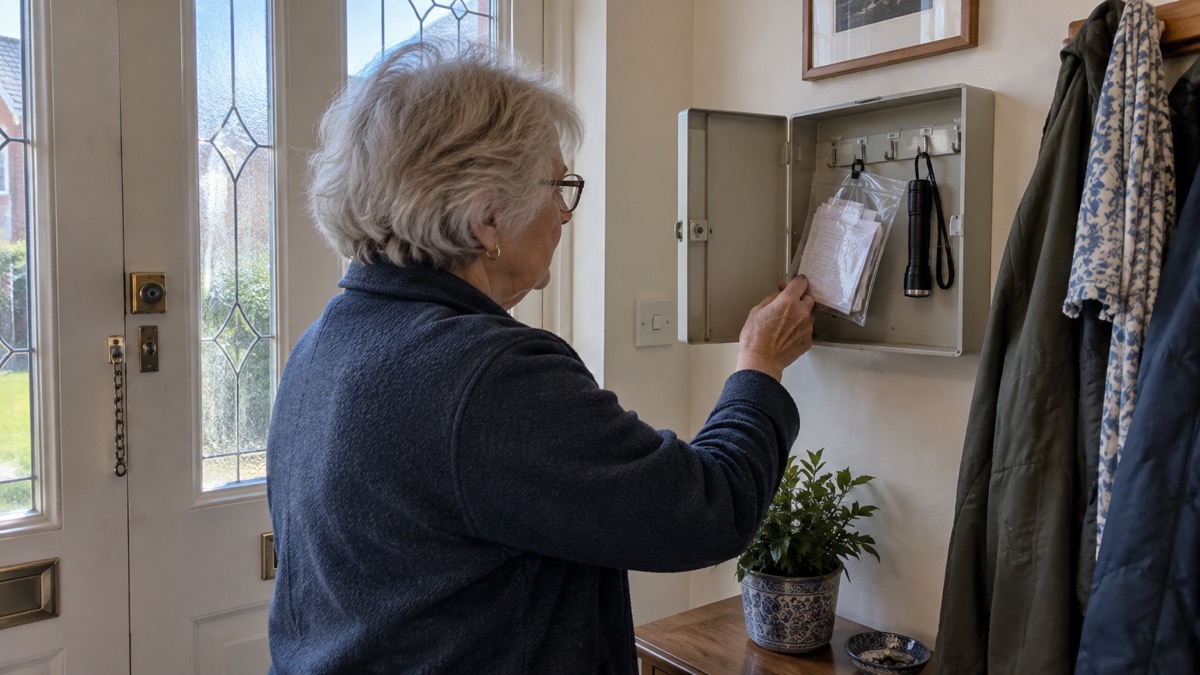
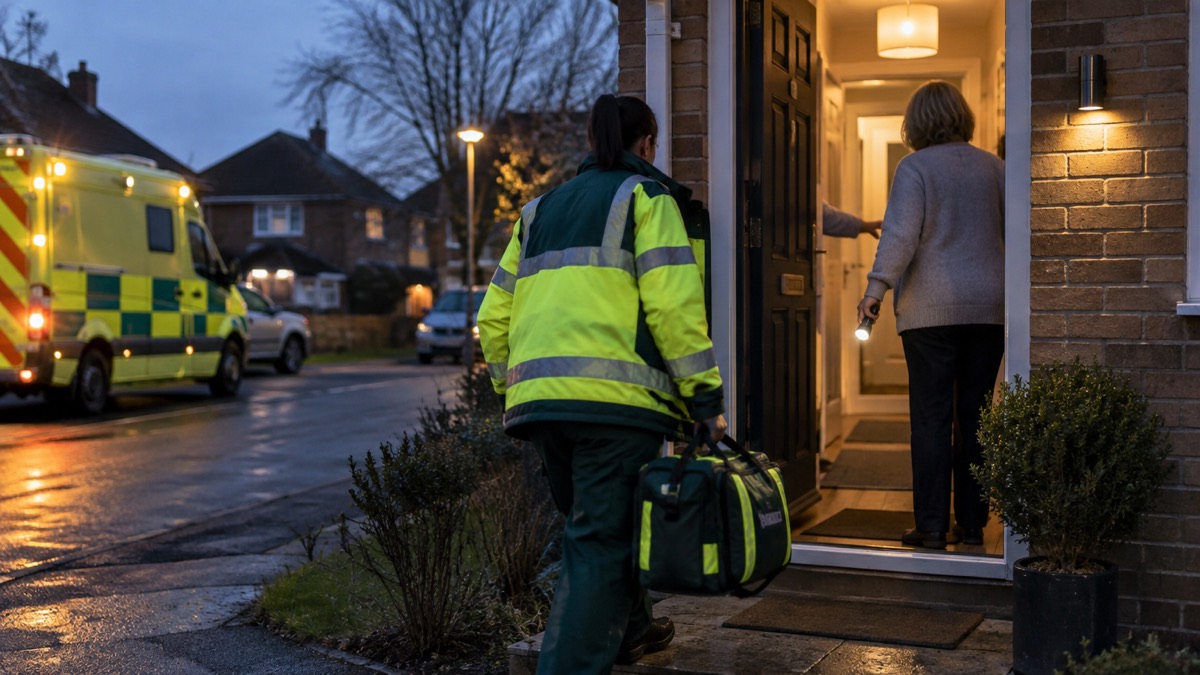
When you call, the operator will ask which service you need. Tell them you need the ambulance service, then answer the call-taker's questions and give the location of the emergency, including the house number and street name if you are at home20. If you are on the street, stay with the patient until the ambulance or rapid response vehicle arrives; if you are in your car, turn your hazard lights on7. If possible, get someone to meet the ambulance and show them where the incident is, and have something visible so they can locate you, such as car lights, a torch, waving with your arms and clothing, or a jacket or coat14.
Stay with the patient until help arrives, and call back if the patient's condition or location changes7. If you are helping someone who has taken a drug overdose, stay with them until the ambulance arrives, keep them conscious and responsive if possible, speak calmly and reassure them, avoid overheating or chilling them, and if outdoors protect them from direct sun or cold wind21. If someone is in the water or on ice, let them know help is on the way and encourage them to stay calm and float22.
"The first thing is trying to stay calm - you need to ring the emergency services and tell them exactly where you are."
Getting the home ready so the crew can reach the patient
A crew that cannot find the door, or cannot get through it, cannot help. The East of England Ambulance Service asks you to check that your house number or name is clearly visible from the roadside, get someone to open the doors or stand outside to signal when help arrives, write down the patient's GP's details if you know them, collect any medication they may need, and lock away any family pets7. The Welsh Ambulance Services University NHS Trust gives the same advice: if you are calling from home or work, get someone to open the doors and signal where the ambulance crew is needed24.
| What to do | Why it matters |
|---|---|
| Make the house number or name visible from the road | The crew may never have been to your street7 |
| Open the doors and send someone outside to signal | Saves the crew searching for the right entrance7 |
| Write down the GP's details | The crew may need to follow up with the surgery7 |
| Collect any medication the patient may need | It goes with them if they are taken to hospital7 |
| Lock away family pets | Keeps the crew safe and gets them to the patient faster7 |
If you live in a high-rise building, the same principles apply with more urgency. Keep all exits clear, keep door and window keys near the exit, and know how to isolate your gas, electric and water supply10. A grab bag with prescriptions, documents such as a driving licence and passport, spare keys, a mobile phone, a charger and a torch should be ready to take if you need to be evacuated10. Get to know neighbours who may need assistance in an emergency10.
If there is a fire and someone is still inside, wait for the fire and rescue service to arrive. You can tell them about the person and they will be able to find them quicker than you25. Our page on home emergencies covers fire, gas and carbon monoxide in more detail.
Where to get help and how the call is prioritised
Not every 999 call gets an ambulance on blue lights. The Yorkshire Ambulance Service explains that paramedics now carry out more diagnostic tests and do basic procedures at the scene, and many crews refer patients to other services or directly admit patients to specialist units26. That is why the information you give matters: it helps the service decide what kind of response you need. Our page on how ambulance services prioritise 999 calls explains the response categories.
If the patient's condition is immediately life threatening, breathing is absent or severely compromised, or their life could be in danger, the call handler will give you simple, effective instructions on how to assist until the ambulance crew arrives, which might include CPR, dealing with choking or helping with childbirth14. Follow them.
If you are not sure whether it is an emergency, NHS 111 can advise. In Wales, the NHS 111 Wales service explains when to call 99914. Keep a note of your local out-of-hours number and your GP surgery's number with your emergency information.
Sources (26)
- Learning Disabilities Zone - Welsh Ambulance Services University NHS Trust, Welsh Ambulance Services University NHS Trust
- Be ready for emergencies, UK Government, 2026
- What to do when the ambulance is coming, South Western Ambulance Service NHS Foundation Trust, 2026
- Anaphylaxis, NHS, 2023
- What to do if someone has a seizure (fit), NHS, 2023
- Defibrillators | NIAS, Northern Ireland Ambulance Service (NIAS)
- Using 999, East of England Ambulance Service NHS Trust, 2026
- Patient advice: infection prevention and control, South Western Ambulance Service NHS Foundation Trust, 2026
- 999 and pregnancy, North West Ambulance Service NHS Trust, 2022
- Fire safety in high-rise buildings, Warwickshire County Council, 2026
- Stroke first aid, NHS Inform Scotland, 2026
- What to do in a heart emergency, NHS Inform Scotland, 2026
- 999, North East Ambulance Service NHS Foundation Trust, 2026
- Calling 999, NHS 111 Wales, 2021
- Emergency information leaflet, Surrey County Council, 2026
- Emergency plan, Ready Scotland, 2026
- Advice for households, West Yorkshire Prepared, 2026
- Emergency advice for residents, Warwickshire County Council, 2026
- What to do before help arrives, Northern Ireland Ambulance Service, 2026
- When to call 999, North West Ambulance Service NHS Trust, 2024
- What to do in an emergency, Oxfordshire County Council, 2026
- Winter water safety, Met Office, 2026
- Water safety, Greater Manchester Fire and Rescue Service, 2026
- How to help the ambulance crew before they arrive - Welsh Ambulance Services University NHS Trust, Welsh Ambulance Services University NHS Trust
- Get out, stay out and call 999, North Wales Fire and Rescue Service, 2026
- Ambulance service responses, Yorkshire Ambulance Service NHS Trust, 2026
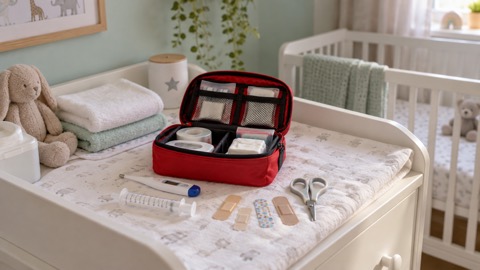 Baby and Child Kit Checklist
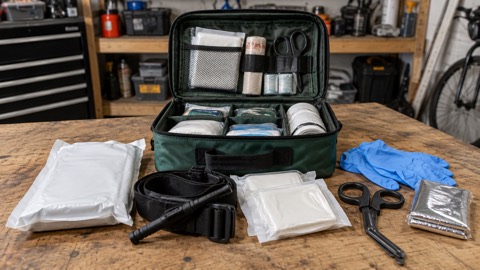 Bleeding Control Kit Checklist
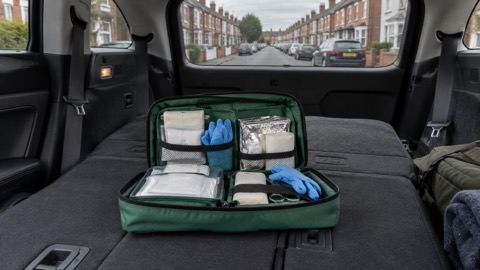 Car Kit Checklist