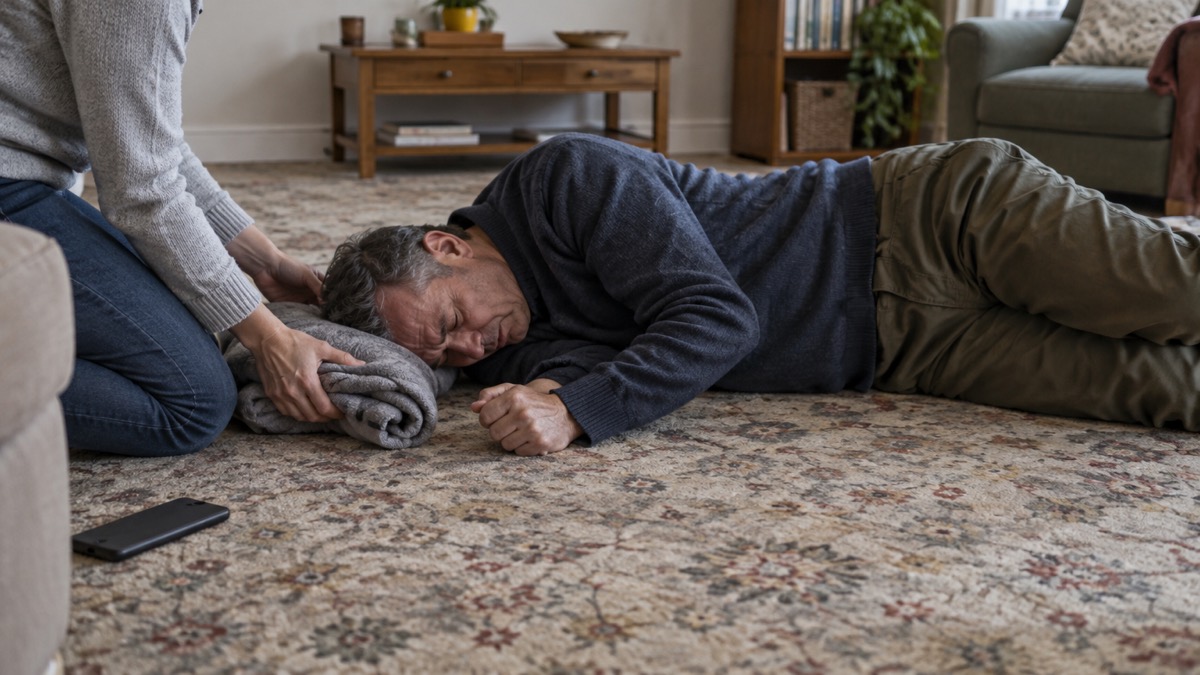
If someone is having a seizure, your job is simple: keep them safe, protect their head, and let the seizure run its normal course. Do not restrain them. Clear away anything that could injure them, cushion their head with a blanket or cushion, and start timing the seizure1. Most seizures stop on their own, and a tonic-clonic seizure normally lasts about a minute, though it can last longer3.
Call 999 if the seizure lasts more than 5 minutes, if it is the person's first seizure, if they have repeated seizures, or if they do not regain full consciousness afterwards4. Stay with them and talk to them calmly until they recover4.
The sections below take you through what to do while it is happening, what never to do, exactly when to call an ambulance, and how to prepare before you ever need to. If you want the wider picture on household first aid, start with First Aid at Home: A Household Guide.
Keep them safe while the seizure happens
The British Red Cross sets out the core steps. Make them safe and prevent injury, use a blanket or cushion to protect their head, do not restrain them, remove objects that may injure them, and let the seizure run its normal course1. Epilepsy Action adds that you should start to time the seizure and clear the area of anything that might be harmful2.
Clearing the space matters as much as cushioning the head. NHS inform says to protect the person from injury by removing any dangerous or potentially harmful objects nearby3. The official heatstroke guidance from Northern Ireland makes the same point for a seizure brought on by heat: move nearby objects out of the way to prevent injury5.
For a baby or small child, the approach is gentler but the same in principle. The British Red Cross says to protect them from injury but not restrain them, move things that could injure the baby or child, and use pillows or soft padding to protect their head6. St John Ambulance advises clearing any objects away from around the baby that could be dangerous, and placing pillows or soft padding, such as rolled up towels, around the baby7.
Once the seizure has stopped, St John Ambulance's adult guidance is to place the person in the recovery position and monitor them until they recover8. If you are unsure how to do that safely, our page on the recovery position walks through it.
What not to do: never restrain them
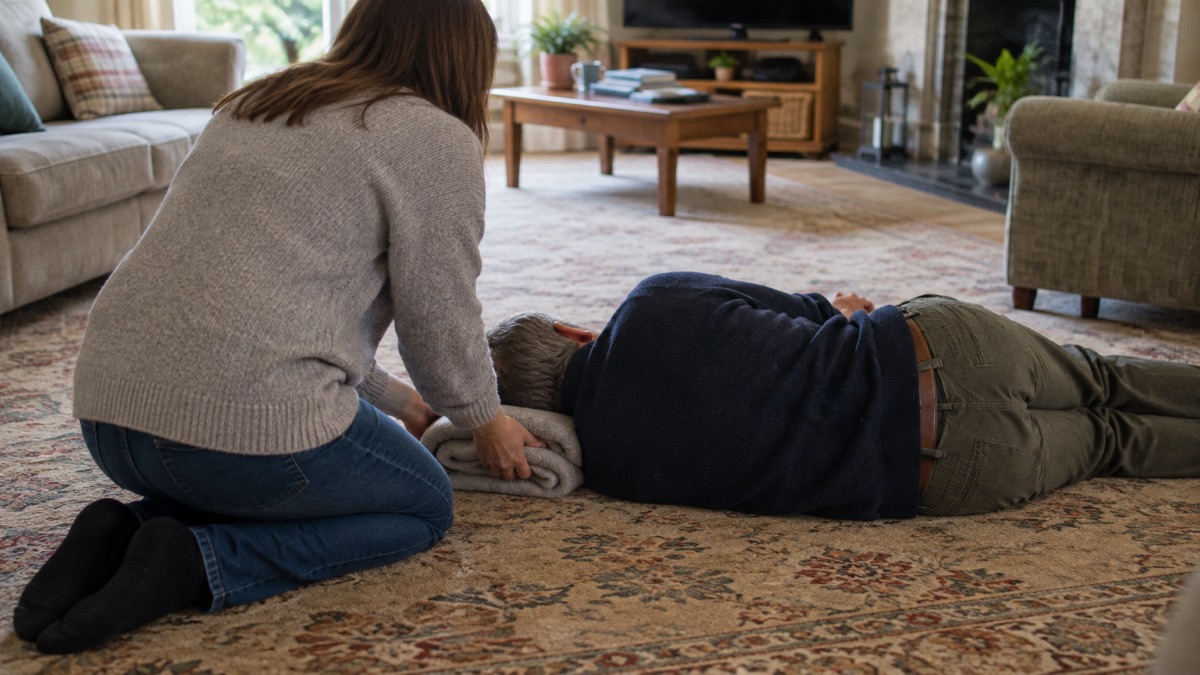
The single most important rule is not to hold the person down. The British Red Cross is explicit: restraining them may cause injury to you or them, so let the seizure run its normal course1. NHS inform says do not restrain them or attempt to move them unless they are in immediate danger3. St John Ambulance gives the same instruction for babies: do not restrain the baby or move them unless they are in immediate danger7.
Restraint does not shorten a seizure and it puts both of you at risk. The person's muscles are contracting involuntarily, so holding an arm or leg still can cause a strain or a fall for whoever is holding on. The safer choice is to shape the space around them rather than the person.
There are a few other things to avoid. Do not put anything in the person's mouth, and do not try to give them food or drink while they are fitting. If the seizure was caused by heat, the official guidance is not to give them aspirin or paracetamol9. If you suspect poisoning or an overdose, St John Ambulance says do not try to make them vomit10.
When to call 999 for an ambulance
Most seizures are not a 999 call. But some are, and the thresholds are clear. Call 999 and ask for an ambulance if it is the first time someone has had a seizure, if the seizure lasts longer than is usual for them, if it lasts more than 5 minutes when you do not know their usual pattern, if they do not regain full consciousness or have several seizures without regaining consciousness, if they are seriously injured during the seizure, or if they have difficulty breathing afterwards4.
Epilepsy Action's list matches this: call 999 if the seizure continues for more than 5 minutes, the person is not regaining consciousness, the person goes straight into another seizure, the person has trouble breathing after the seizure, or the person has never had a seizure before2. St John Ambulance adds that you should call if the cause is unknown, or if they have an injury on another part of the body or are not breathing normally8.
A prolonged seizure has a name. NHS inform defines status epilepticus as a seizure that lasts longer than 5 minutes, or more than one seizure where the person does not regain consciousness in between, and says it is important to phone 999 for an ambulance immediately if you suspect it3. If the person has rescue medication and you have been trained to use it, phone 999 if you do not have access to it or you have given it and the seizures are continuing3.
| Call 999 now if | Source |
|---|---|
| It is their first seizure | 4 |
| The seizure lasts more than 5 minutes | 4 |
| They have repeated seizures without regaining consciousness | 4 |
| They are not regaining consciousness, or go straight into another seizure | 2 |
| They have trouble breathing after the seizure | 2 |
| They are seriously injured during the seizure | 4 |
| They become unresponsive at any time | 8 |
If the person becomes unresponsive at any time, St John Ambulance says to prepare to call 999 or 112 for emergency help and give CPR8. Our guide to hands-only CPR for adults covers what to do next.
For a child's febrile seizure, the British Red Cross says to call 999 for an ambulance unless your child has had a febrile seizure before and you have been given specific advice on how to manage it at home6. There is more on this in our page on febrile seizures in babies and children.
Seizures in a wheelchair, and other situations that need extra care
A seizure looks different depending on where the person is and what they are using. If someone has a seizure while in a wheelchair, the risks are different: they may slump forward, their head may drop, or the chair may tip. Epilepsy Action says that people with epilepsy who use a wheelchair or have mobility problems should have a care plan from their GP or epilepsy specialist, and that this should include advice on how to help them if they have a seizure11. If you support someone in this situation, ask about that plan before you need it.
Some people with epilepsy wear a special bracelet or carry a card to let medical professionals and anyone witnessing a seizure know they have epilepsy4. Checking for one is part of good first aid: Epilepsy Action suggests you could check if the person has a medical ID or bracelet with more information on how to help2. If you are preparing for someone in your household, our page on Message in a Bottle explains another way to keep medical details where responders look.
If the person has a care plan agreed with doctors and their family or carers, and you know what to do and have been trained, you can follow it, including giving emergency medicine4. If you have not been trained, do not improvise with someone else's medication. The medication safety guidance from Lincolnshire ICB says to call 999 for an ambulance or go to your nearest A&E if a person is unconscious, having trouble breathing, or acting erratically after taking someone else's medication12.
Pregnant women need particular attention. The London Ambulance Service says to call 999 if a pregnant woman has a seizure, is unable to speak, has a sudden onset of the worst headache ever, suffers loss of consciousness, or is confused or not alert13.
Learning seizure first aid before you need it
Knowing what to do when someone has a seizure can help you feel prepared and less likely to panic14. That is the whole argument for learning it in advance: the skills are simple, but they are hard to recall in the moment if you have never seen them.
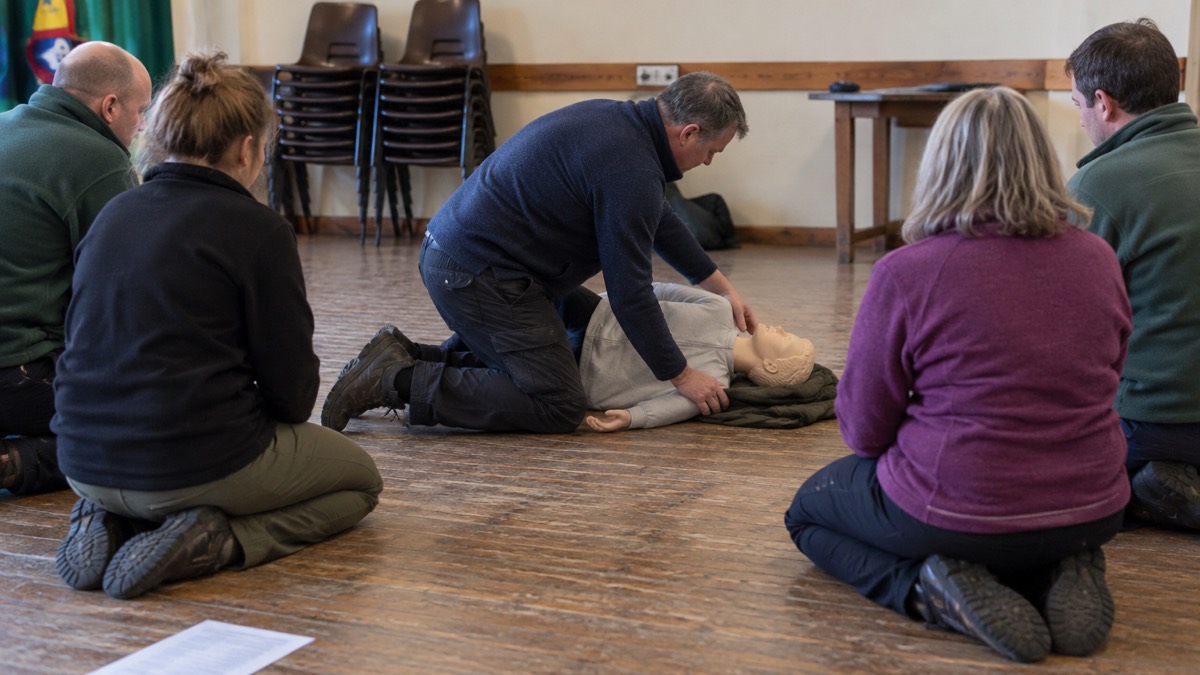
There are free ways to learn. St John Ambulance has a 3 minute video on what to do if someone has a seizure15. Essex Prepared, the county's emergency planning site, points people to St John Ambulance how-to videos and further advice for dealing with a cardiac arrest and related emergencies16. The London Resilience Partnership advises learning first aid, which could give you life-saving skills to help your family, friends and others in an emergency17. If you want a structured course rather than a video, our page on first aid courses sets out the types and lengths.
Staying calm is a skill you can practise. Belfast City Council's emergency advice is to stay calm, reassure others and think before acting18. The ambulance service says the same when you are waiting for help: stay calm19. If you are the one supporting someone with epilepsy day to day, Carers UK has practical support on managing medication and health needs15.
"Knowing what to do when someone has a seizure can help you feel prepared an"
Sources (19)
- Seizures, British Red Cross, 2026-10-29
- When someone has a seizure: care, Epilepsy Action, 2025-11-20
- Epilepsy, NHS inform, 2026-10-28
- What to do if someone has a seizure (fit), NHS, 2023-12-19
- Heat exhaustion and heatstroke, nidirect, 2025-12-02
- Febrile seizure, British Red Cross, 2026-10-29
- Febrile seizure, St John Ambulance, 2026-10-28
- Seizure, St John Ambulance, 2026-10-28
- Hot weather advice | nidirect, nidirect (Northern Ireland government)
- Poisoning | St John Ambulance, St John Ambulance
- Seizures in a wheelchair, Epilepsy Action, 2024-04
- Medication safety, NHS Lincolnshire Integrated Care Board, 2026-10-29
- Advice if you are due to give birth, London Ambulance Service NHS Trust, 2026-09-30
- What to do when someone has a seizure, Sheffield Children's NHS, 2024-02
- St John Ambulance first aid advice, Carers UK, 2026-10-25
- Medical emergencies, Essex Prepared, 2026-10-29
- Preparing yourself for emergencies, London Resilience Partnership, 2026-10-25
- Emergency advice, Belfast City Council, 2026-10-29
- What to do when the ambulance is coming, South Western Ambulance Service NHS Foundation Trust, 2026-10-29
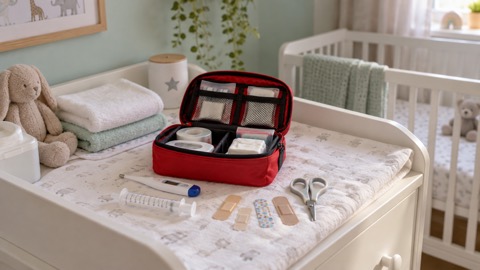 Baby and Child Kit Checklist
 Bleeding Control Kit Checklist
 Car Kit Checklist
 CPR on a Baby
 CPR on a Child
 Chest Compression Rate and Depth
 Rescue Breaths or Hands-Only CPR
 Checking Breathing
 Agonal Breathing and CPR
 Breathing During CPR
 Recovery Position and Spine
 Cardiac Arrest vs Heart Attack
 Heart Attack First Aid
 Defibrillator Pad Placement
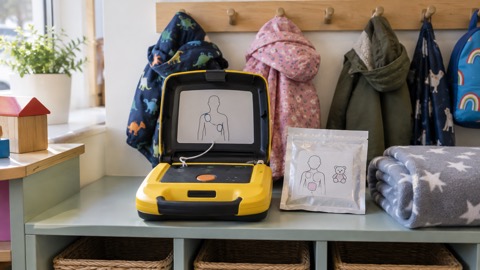 Defibrillator on a Child