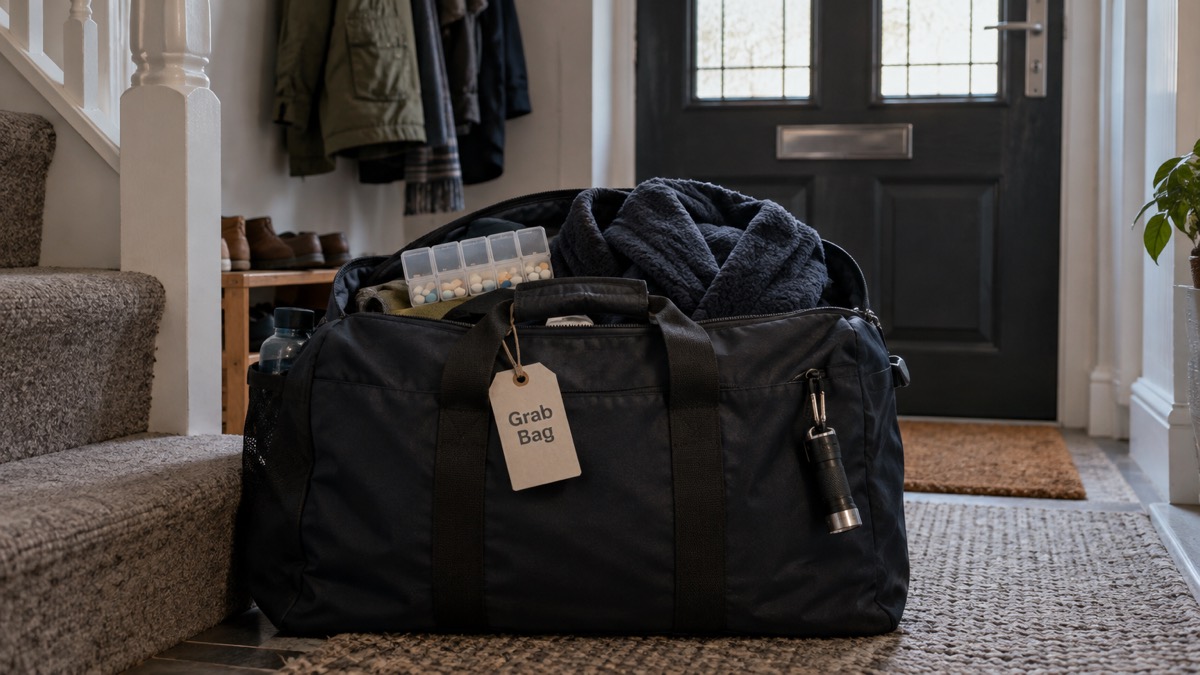
If you or someone you care for had to go into hospital at short notice, the last thing you want is to be searching for medicines, a medication list or a phone charger while an ambulance is on its way. A hospital grab bag is a bag packed in advance and kept ready, so that the right things go with you or the person you care for.
The advice from NHS and council sources is consistent: prepare a single hospital bag for the person you look after, including their emergency contact, a list of the medicines they take with dose and frequency, details of planned care appointments, and things needed for an overnight stay such as snacks, pyjamas, a toothbrush and medication1. Carers UK suggests you could also prepare one for yourself2.
The bag itself should be a holdall or large bag with your name on it, kept somewhere obvious, labelled "grab bag", and with a list of anything you may need to add at the last minute1. Medicines come first: if you are admitted unexpectedly, take all your medicines in their original packaging, including inhalers, insulin, eye drops, creams, patches, vitamins and over-the-counter medicines3.
Hospital grab bag checklist
Pack the bag once, then check it every few months. The list below covers what official and NHS guidance suggests for an unexpected hospital admission. Not every item will suit every household, but the medicines, the medication list and the emergency contact details are the ones that matter most.
Medication and a first aid kit come first
If you remember nothing else, remember the medicines. When someone is admitted to hospital unexpectedly, the NHS advises them to take their medicines with them in their original packaging, including inhalers, insulin, eye drops, creams, patches, vitamins and over-the-counter medicines3. The reason is simple: staff need to know exactly what you take, and the original packaging carries the name, dose and instructions.
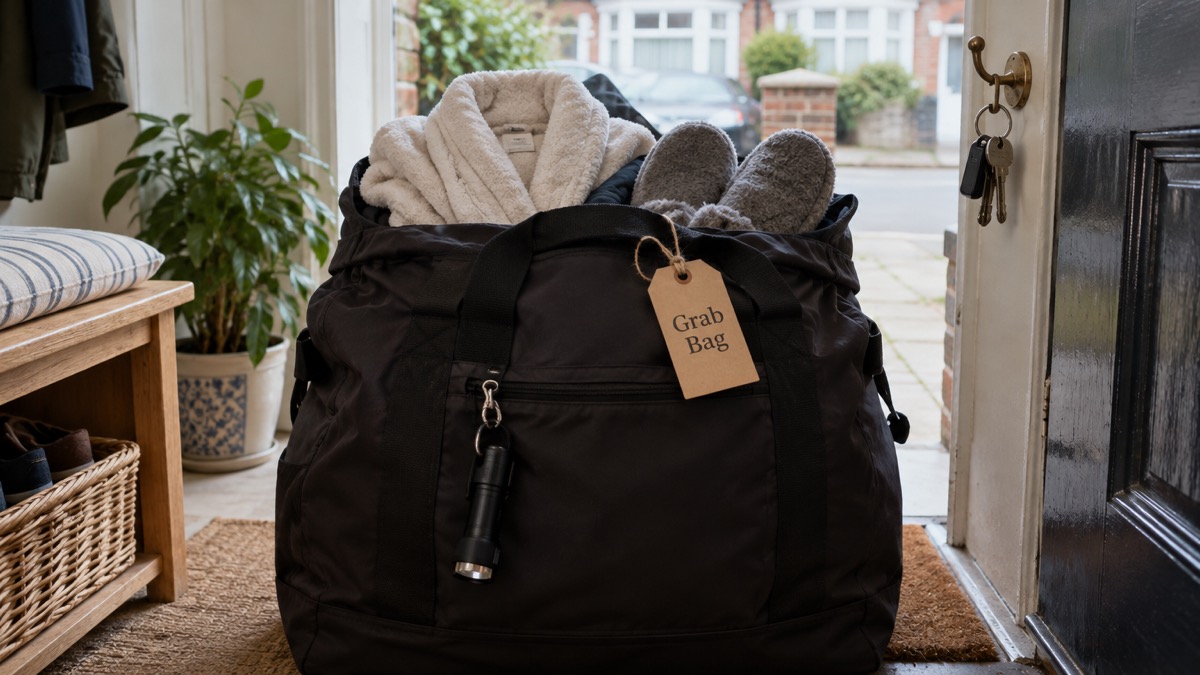
A written list is just as important, because medicines can be separated from the bag in a hurry. The hospital bag guidance for carers asks for a list of the types of medication the person takes, including dose and frequency2. If the person you care for uses a green bag for their own medicines, the same principle applies: tablets and capsules, liquid medicines, creams and ointments, inhalers, GTN sprays or tablets for angina, patches, injections, and any medicines or supplements from the pharmacy, supermarket or herbalist all belong in it13.
Keep spare medication in the grab bag where you can10. If you are worried about running low, stock up on any medication you may need before winter or before a period of disruption14. NHS doctors and pharmacists can check medicine supply through a national tool, so ask your pharmacist if a medicine is hard to get15.
A first aid kit belongs in the bag too. Government guidance suggests it should include waterproof plasters, bandages, a thermometer, antiseptic, eyewash solution, sterile dressings and gloves, medical tape for dressings, and tweezers16. NHS Somerset lists bandages, plasters in a range of sizes (waterproof if possible), a thermometer, antiseptic, alcohol-free antiseptic wipes, eyewash solution, sterile dressings, medical tape and tweezers17. A more detailed NHS list adds small, medium and large sterile gauze dressings, at least two sterile eye dressings, triangular bandages, crêpe rolled bandages, safety pins, disposable sterile gloves, scissors, sticky tape, a digital thermometer, skin rash cream, insect bite cream, antiseptic cream, painkillers, antihistamine cream or tablets, distilled water for cleaning wounds, and an eye wash and eye bath18.
| Item | Why it goes in the hospital bag |
|---|---|
| All medicines in original packaging | Keeps them together and identifiable3 |
| Written medication list | Records the types of medication, dose and frequency2 |
| First aid kit | Part of the emergency grab bag essentials16 |
| Phone charger and power bank | Listed among grab bag essentials6 |
Keeping the bag ready: named, labelled and easy to find
A grab bag only works if someone can find it. Keep it in a safe place at home where you can reach it easily, and keep it in a waterproof bag19. Some councils suggest keeping a grab bag upstairs or near your door11. Store it somewhere you can easily get to20.
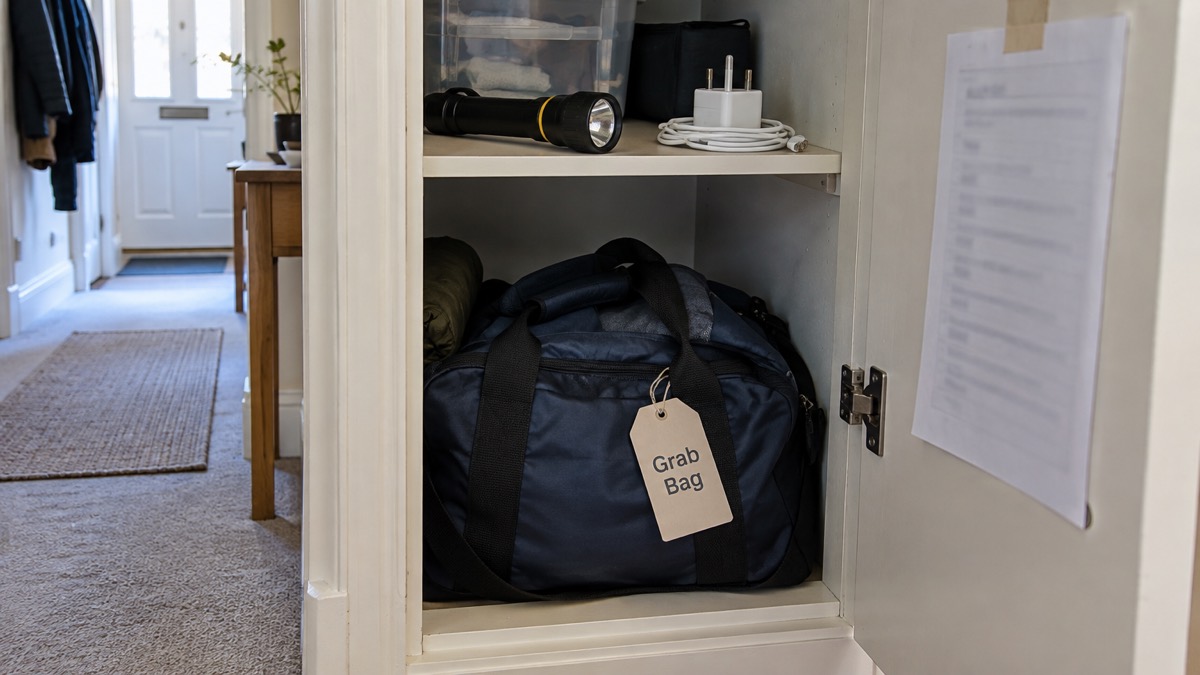
Label it clearly. The hospital bag guidance for carers suggests a holdall or large bag with your name on it, kept somewhere obvious, labelled "grab bag", and with a list of anything you may need to add at the last minute1. That last-minute list matters: a phone charger, glasses, hearing aids, keys and any medicines you use daily are easy to forget in a rush.
Tell the people around you where the bag lives. A neighbour, a relative or a regular carer who knows the bag is in the hall cupboard can bring it to you if you are taken to hospital without it. If you have a personal alarm or a key safe, make sure the bag is somewhere a responder can see it. Our guide to personal alarms explains how responders get in, and key safes covers letting carers and responders through the door.
What to add at the last minute
Some things cannot live in the bag permanently, because you use them every day. Keep a list with the bag of anything you may need to add at the last minute1. In practice that usually means your phone and charger, your glasses, your hearing aids, your keys, your purse or wallet, and the medicines you take each day.
A copy of your household emergency plan is worth adding too. The Isle of Wight's home emergency plan suggests the grab bag should include a copy of the plan, prescription details, a mobile phone charger, important documents, computer information on a disk or USB, toiletries, a first aid kit, bottles of water, snack bars or chocolate, a wind-up or battery-powered radio with spare batteries, a wind-up or battery torch with spare batteries, a notebook and pen or pencil, essential keys, special items such as glasses, contact lenses and items for babies, children and the elderly, and cash, debit or credit cards18.
If you are a carer, keep your own small bag ready as well. Carers UK suggests preparing one for yourself alongside the one for the person you look after2. Our guide to carers planning for when you cannot be there covers the wider arrangements, and the carer's emergency plan checklist sets out what to write down.
Bags for children and pets
A child's bag needs the same core items as an adult's, plus the things that keep a child comfortable and fed. The Harborough flood grab bag guidance suggests nappies and wipes, baby food, milk and bottles, spare clothes, and comfort items such as a toy or book11.
If a pet is coming with you or being looked after elsewhere, pack a lead or carrier for every animal, any medications your animals need, pet food, vaccination certificates, litter, paper towelling or bedding if needed, and toys12. If the lead or carrier will not fit in the bag, keep it as close to the bag as possible12. Our guide to pets and animals in an emergency covers the wider arrangements.
Where to get help
If you are unsure whether someone needs hospital care, NHS 111 can advise. For households with older, disabled or medically dependent members, our section on extra help in an emergency sets out the registers, alarms and support schemes that can make a difference.
Sources (20)
- Planning ahead, Torbay and South Devon NHS Foundation Trust, 2025
- Getting help in an emergency, Carers UK, 2026
- Be prepared for winter emergencies, NHS Norfolk and Suffolk ICB, 2026
- Reduce the risk of wildfire damage to your property - Hampshire & Isle of Wight Fire & Rescue Service, Official website of Hampshire & Isle of Wight Fire & Rescue Service, Hampshire & Isle of Wight Fire & Rescue Service
- Be ready for emergencies - Be Ready, prepare.campaign.gov.uk (Be Ready campaign)
- Home emergency plan, Royal Borough of Windsor and Maidenhead, 2026
- Emergency pack, Lancashire Prepared, 2026
- Home emergency kit, Ready Scotland, 2026
- Household emergency plan, Hillingdon Council, 2025
- Preparing for an emergency, Wiltshire Council, 2026
- Resident grab bags, Harborough District Council, 2026
- Looking after your pets in an emergency, Medway Council, 2026
- Don't forget your green bag, NHS 111 Wales, 2020
- Snow buddies, Derbyshire County Council, 2026
- Advice for patients during a medicines shortage, NHS Specialist Pharmacy Service, 2025
- Be ready for emergencies, UK Government, 2026
- Which NHS service should I use? - NHS Somerset ICB, NHS Somerset ICB
- What should I keep in my first aid kit, Collingwood Surgery, 2026
- Get prepared, Carmarthenshire County Council, 2026
- Flooding, UK Government, 2026
 Carer's Emergency Plan
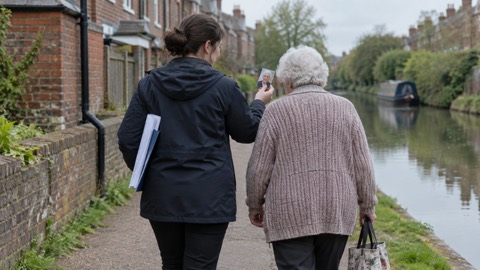 Herbert Protocol Form
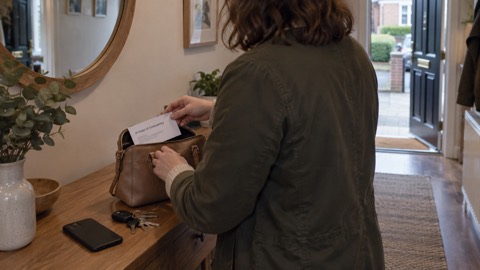 In Case of Emergency Card