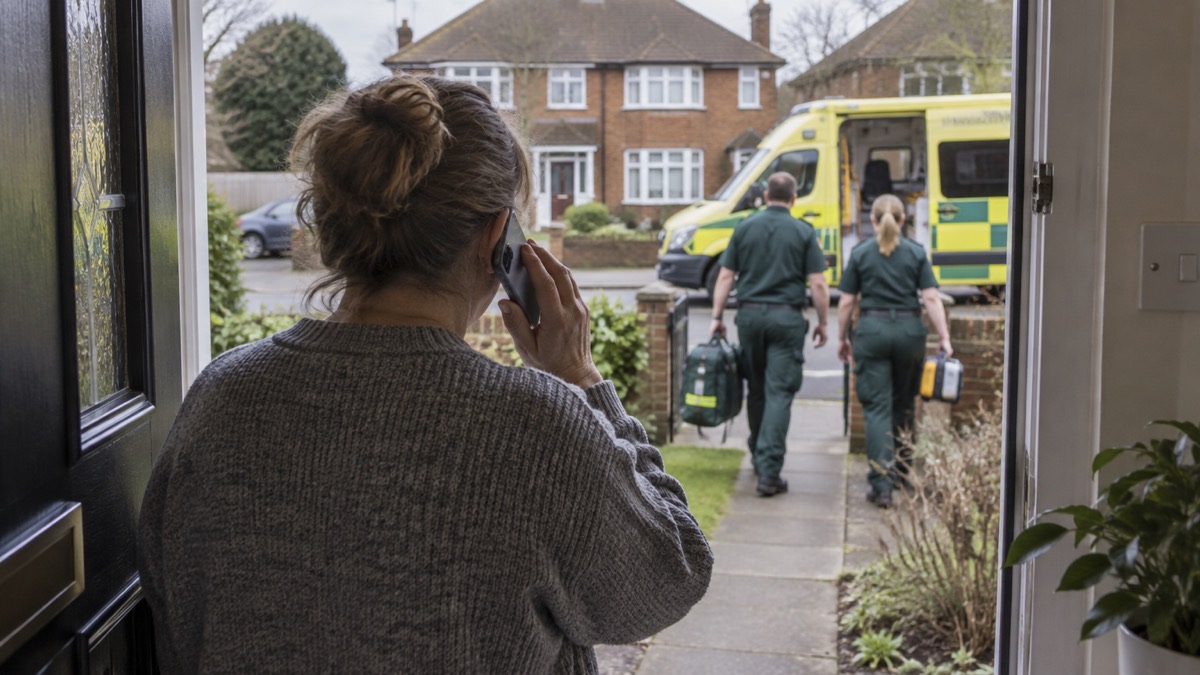
Call 999 when someone's life is at risk. That is the test every ambulance service in the UK applies: you should only call 999 if you, or someone you are with, is suffering a serious or life-threatening emergency that needs immediate treatment1. If life is in danger, dial 999 immediately2. The same number covers police and fire, and the operator will ask which service you need3.
The situations that most often meet the test are someone who is unconscious, not breathing, bleeding severely, has fallen from height, has a traumatic head or other injury, serious burns, severe chest pain or symptoms of a stroke1. Call 999 immediately if you or someone else is having a heart attack or stroke, because every second counts with these conditions4. For a child, call 999 if they seem confused, are breathing fast, have a high body temperature, or are unconscious5.
If it is not a life-threatening emergency, other routes are faster for everyone: NHS 111, a pharmacist, a GP, or making your own way to an urgent care service. Calling 999 for something that is not a genuine emergency can delay crews from reaching someone in a life-threatening situation6. This page sets out the signs that mean call now, what happens when you do, and which number fits when 999 is not the right one.
Signs that mean call 999 now
Ambulance services group the clearest emergencies around breathing, bleeding, consciousness and trauma. The Scottish Ambulance Service lists the emergencies that warrant 999 as someone who is unconscious, not breathing, bleeding severely, has fallen from height, has a traumatic head or other injury, serious burns, severe chest pains or symptoms of stroke1. South Western Ambulance Service adds severe allergic reactions and scalds to the list, and major trauma such as a road traffic accident or a fall from height9.
Heat illness is on the list too. Call 999 if someone is seriously ill or injured, unconscious, having difficulty breathing, or has symptoms of heat stroke10. For a child, the signs to act on are confusion, fast breathing, a high body temperature or unconsciousness5.
A stroke is time-critical. The Scottish Ambulance Service's message is blunt: it is time to dial 999 immediately if you see any of the signs or symptoms11. The same applies to chest pain and severe breathing difficulty: the NHS advises calling 999 or going to A&E if you get sudden chest pain, have severe difficulty breathing (gasping, choking or not able to get words out), or start coughing up blood12.
| What you see | What to do |
|---|---|
| Unconscious, not breathing, or severe bleeding | Call 9991 |
| Sudden chest pain, or severe difficulty breathing | Call 999 or go to A&E12 |
| Signs of stroke | Dial 999 immediately11 |
| Serious burns or scalds, severe allergic reaction | Dial 999 for an ambulance9 |
| Fall from height, serious head injury, road traffic collision | Call 999: major trauma4 |
| Child confused, breathing fast, high temperature, unconscious | Call 9995 |
Danger from a crime or fire: when 999 is the right call
For police matters, the test is immediacy. Call 999 if you are reporting a crime that is in progress or if someone is in immediate danger8. Police Scotland gives the same advice in different words: in an emergency always phone 999, for example when an immediate response is needed because a crime is happening, someone suspected of a crime is nearby, or someone is injured, being threatened or in danger13. Anything that does not need an immediate response belongs on 101, which is covered in our guide to non-emergency numbers.
For fire, the advice is to call and then get out. In case of a fire or an emergency situation, call 999 immediately, leave the property, and do not go back in until the fire crews have told you it is safe to do so7. If you are in a flat, you should always call 999 and ask for Fire14. If you are in a high-rise building, call 999 as soon as you are in a place of relative safety15. The Northern Ireland Fire and Rescue Service puts it simply: at any sign of danger or in the event of an emergency, dial 999 and ask for the Fire and Rescue Service16.
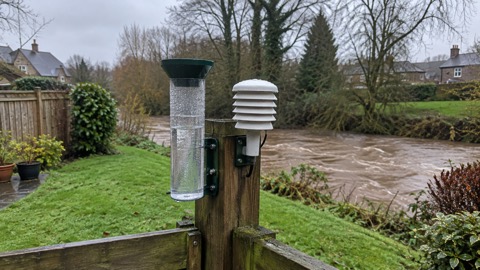
Flooding follows the same rule. If lives are in danger or there is a risk of injury, contact the emergency services as soon as possible17. If life is at risk, call 99918. Our flooding guide covers what to do before and after the water arrives.
What happens when you call 999
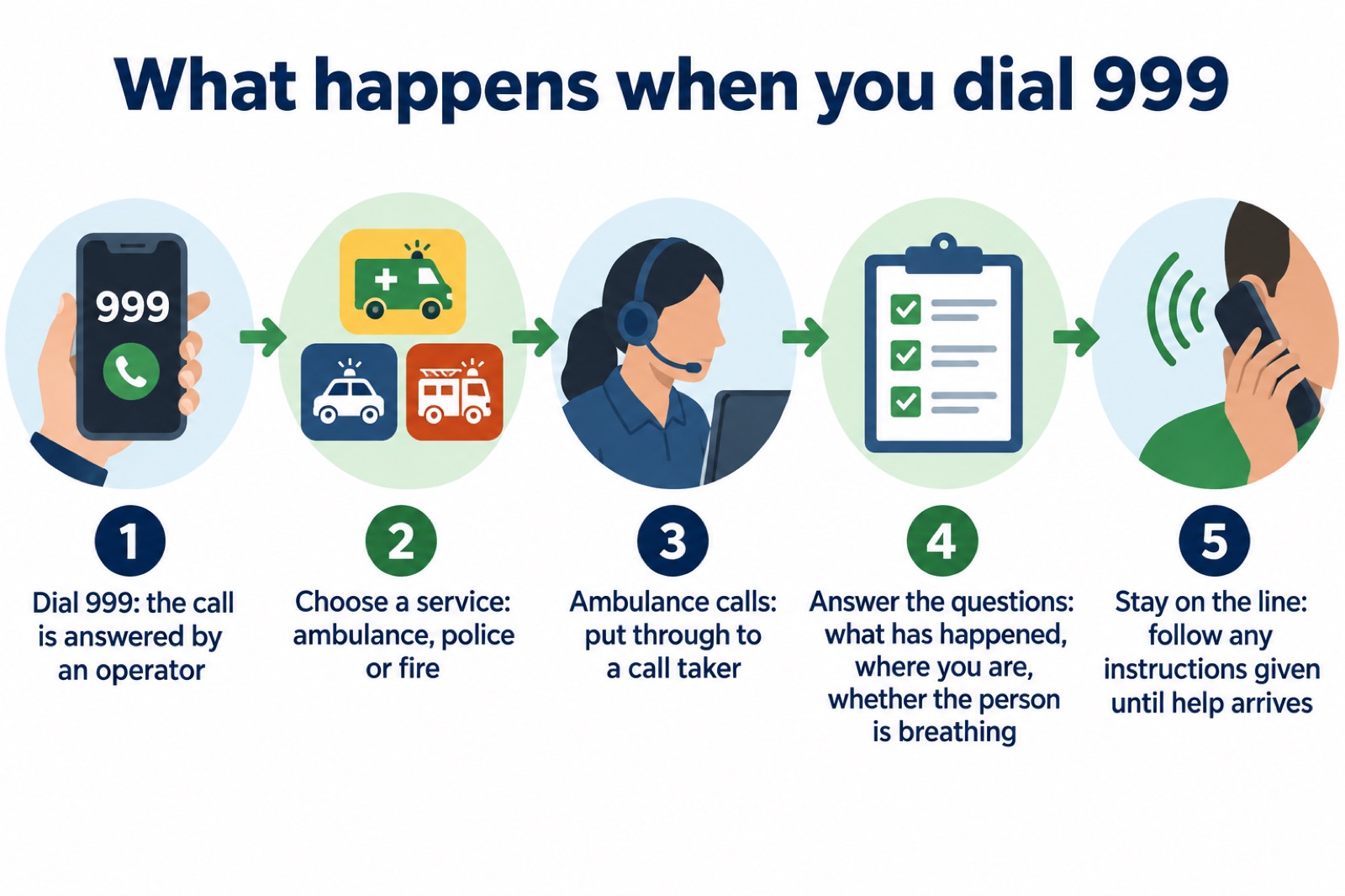
When you call 999 you will be asked if you need the ambulance service, police or fire service3. If it is a medical emergency, ask for the ambulance service and you will be put through to a call taker19. The call taker will ask what has happened, where you are and whether the person is breathing, so have the address and any landmarks ready. Our guide to giving your exact location explains how to describe where you are when there is no obvious address.
A few things help the call go well. Know the address, including the postcode if you can, and send someone to the door or the roadside to meet the crew if it is safe to do so. If you cannot speak, do not hang up: there are systems for silent calls, covered in what to do if you dial 999 but cannot speak. If you are deaf, the 999 BSL and Relay UK services let you contact the emergency services by video relay or text.
If your mobile has no signal, you may still be able to call 999 through another network, and the 999 and 112 guide explains how the systems work. For a full account of what the operator does with your call, see Calling 999 and 112: What Happens When You Ring.
When it is not a 999 emergency
Most calls for help are not emergencies, and using the right route keeps 999 free. If it is not a life-threatening emergency and you or the person you are with does not need immediate medical attention, consider other options before dialling 999, such as 111.nhs.uk20. NHS 111 can tell you what to do next, whether that is self care at home, a pharmacist, a GP appointment or an urgent care centre21.
| Situation | Where to go |
|---|---|
| Life-threatening illness or injury | 9991 |
| Urgent health concern, not life-threatening | NHS 11120 |
| Crime not in progress, no immediate danger | 1018 |
| Mental health crisis with immediate danger or risk of serious self-harm | 99922 |
| Home safety concern, no immediate risk | Fire service home safety visit line7 |
Prank and hoax calls are not a harmless joke. Only call 999 in an emergency: making a prank or hoax call can get someone in a lot of trouble, and above all it is against the law and could risk someone else not getting help23. Calling 999 for a problem that is not a genuine emergency can delay crews from reaching someone who is in a life-threatening situation6.
For a mental health emergency, the test is immediate danger. NHS guidance is that when someone is in immediate danger or at risk of serious self-harm they must call 99922. Ambulance services list a serious risk of suicide or self-harm, or a person who is extremely distressed, confused or behaving in a way that puts themselves or others at risk, among the reasons to call24. If you are worried about someone's safety but there is no immediate risk, a home safety visit can be arranged through the fire service on 0800 05 02 9997.
Going to A&E, or calling 999?
You have two routes to emergency care, and the choice depends on how ill the person is. Ambulance services say you should only call 999 or go to your nearest A&E department in critical or life-threatening situations25. If the person can be moved safely and the condition is not critical, making your own way can be quicker than waiting for an ambulance.
Call 999 rather than driving when the person needs treatment on the way. For sudden chest pain, severe difficulty breathing or coughing up blood, the advice is to call 999 or go to A&E12. For a suspected stroke, phone 999 immediately and ask for an ambulance11. For a child who has swallowed something poisonous, call 999 or go to A&E only in critical or life-threatening situations25.
The NHS is clear that people should still call 999 and go to A&E in an emergency, when someone is seriously ill or injured and their life is at risk26. If you are unsure whether it is an emergency, call NHS 111 and they will tell you what to do20. Our first aid at home guide covers what to do while you wait.
Calling 112, and calling from Scotland, Wales and Northern Ireland
The emergency number works the same way across the UK. In Scotland, you should call 999 in a medical emergency, when someone is seriously ill or injured and their life is at risk27. The Scottish Ambulance Service lists heart attack among the reasons to call27. Police Scotland's advice is the same as in England: in an emergency always phone 99913.
In Wales, the ambulance service warns that calling 999 for a problem that is not a genuine emergency can delay crews from reaching someone in a life-threatening situation28.
On 112: the emergency services answer it as well as 999, and both reach the same operators. The advice from the ambulance services is to call 999 when someone is seriously ill or injured and their life is at risk27. If you are used to 112 from travelling in Europe, it will work here, but there is no advantage to choosing it over 999.
Sources (28)
- 999 emergency, Scottish Ambulance Service, 2026-10-29
- Flooding advice, Mid and West Wales Fire and Rescue Service, 2026-10-29
- What happens when you call 999, North West Ambulance Service, 2025-02-06
- Get the right help and support, South Western Ambulance Service, 2026-10-29
- Safety in summer, West Yorkshire Healthier Together, 2026-10-28
- Alternatives to 999, Scottish Ambulance Service, 2026-10-29
- Book a home safety visit, Devon and Somerset Fire and Rescue Service, 2026
- Contact the police, GOV.UK, 2026-10-29
- When to call 999 this summer, South Western Ambulance Service, 2026-10-29
- Summer safety advice, North East Ambulance Service, 2026-10-29
- Identifying a stroke, Scottish Ambulance Service, 2026-03-24
- Flu, NHS, 2026-02-03
- Emergency contact numbers, Argyll and Bute Council, 2026
- Fire safety information for residents living in flats, Greater Manchester Fire and Rescue Service, 2026-10-29
- Flats and high rise buildings, Lincolnshire Fire and Rescue, 2026-10-29
- Other safety, Northern Ireland Fire and Rescue Service, 2026-10-22
- Flooding emergencies, Derbyshire County Council, 2026-10-29
- During a flood, Nottinghamshire County Council, 2026-10-29
- Phoning 999, Scottish Ambulance Service, 2026-10-29
- Using our 999 service: an A to Z guide, North West Ambulance Service, 2024-10-08
- When you need urgent healthcare, NHS Cheshire and Merseyside, 2026-10-29
- Urgent help, NHS South West London, 2026-10-29
- When to call 999, North West Ambulance Service, 2024-01-31
- Some of the reasons people call, Welsh Ambulance Service, 2026-10-29
- Poisoning, Frimley Healthier Together, 2026-10-29
- NHS 111, NHS Lancashire and South Cumbria ICB, 2026-10-29
- When should you call 999?, Scottish Ambulance Service, 2026-10-29
- 999 - Welsh Ambulance Services University NHS Trust, Welsh Ambulance Services University NHS Trust
 Free Alert Services
 Emergency Apps
 Digital Switchover Checklist
 Silent 999 Calls
 Giving Your Exact Location
 Calling 999 With No Signal
 999 by Wi-Fi Calling
 When You Get an Alert
 Alerts While Driving
 Spotting a Genuine Alert
 Phones That Get Alerts
 Emergency Alerts On or Off
 Emergency Alert Privacy
 Emergency Alert Tests
 Alerts Without a Mobile Phone