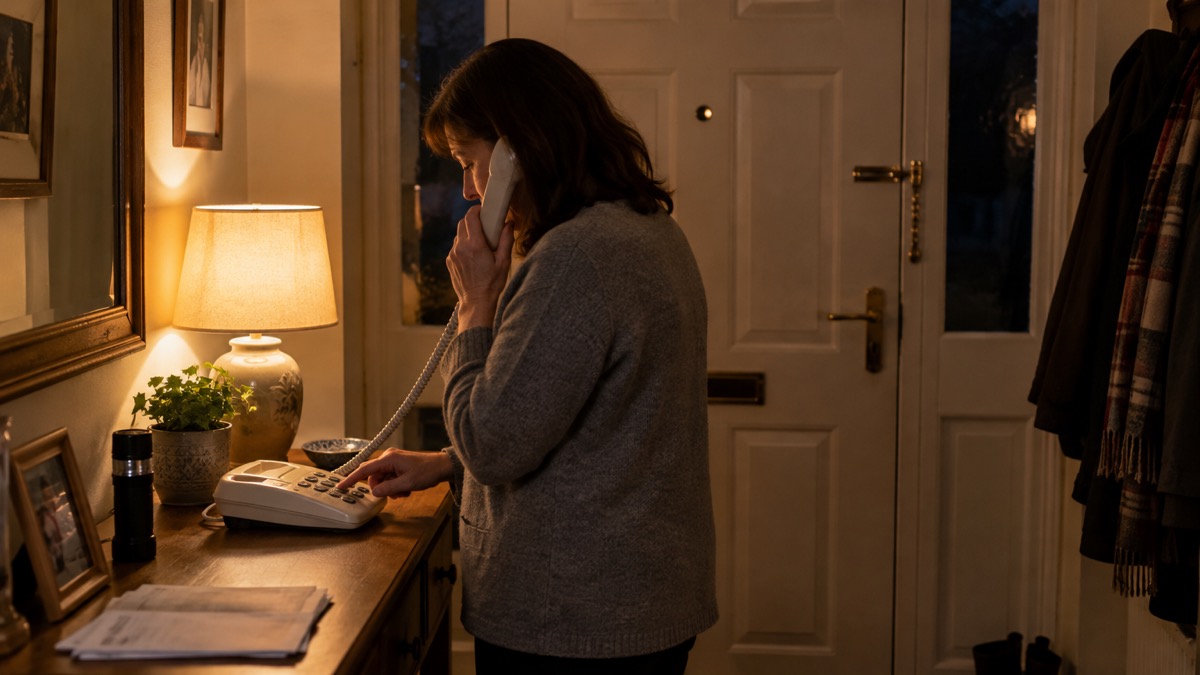
Dialling 999 when you cannot speak is frightening, but the system is built for it. If you can make any sound at all, do: the London Ambulance Service says it is always best to speak to the operator if you can, even by whispering, and you may be asked to cough or tap the keys on your phone in response to questions1. If you are calling from a mobile and cannot speak, you may be prompted to press 55. If you do not press 55, the call will be terminated1.
If you cannot make a voice call at all, the emergencySMS service lets you text 999 from a mobile phone, but you must register your phone beforehand2. For British Sign Language users there is 999 BSL, and for others who cannot use voice telephony there is the BT Relay service3. The key is to know which route suits you and to set it up before an emergency, not during one.
Tap SOS: what to do when speaking on a 999 call is impossible
The first thing to understand is that a silent 999 call is not automatically a failed one. The Bath and North East Somerset guidance sets out what happens on a mobile: if you are prompted to press 55 and you do not, the call will be terminated1. Pressing 55 tells the system that the call is genuine even though the caller cannot speak. On a landline the handling is different: if there is no request for an emergency, no answers to questions or only background noise, you will be connected to a police call handler, as doubt exists1.
If you can make any noise, use it. The same guidance says it is always best to speak to the operator if you can, even by whispering, and that you may also be asked to cough or tap the keys on your phone in response to questions1. The East of England Ambulance Service gives the same core instruction for a terror incident: if you cannot speak or make a noise, listen to the instructions given to you by the call taker6. Listening is an action. The call taker will ask questions that can be answered by tapping.
If you cannot use voice telephony at all, the alternatives are the emergencySMS text service, 999 BSL for British Sign Language users, and the BT Relay service3. The emergencySMS service is designed specifically for people with hearing loss or difficulty with speech, for contacting the 999 emergency services by SMS text when unable to make voice calls2. It is not a substitute for a voice call when you can make one: the Welsh ambulance service says text 999 should only be used when you cannot make a voice call7.
When Tap SOS applies: hearing or speech difficulties and sudden medical events
The text and press 55 routes exist for two broad groups: people with hearing or speech difficulties, and people who lose the ability to speak suddenly through illness or injury.
For people who are deaf or hard of hearing, the emergencySMS service allows you to text 999, and the Scottish preparedness guidance lists it as a way to sign up before an emergency8. The service is designed specifically for people with hearing loss or difficulty with speech2. In Wales, 999 BSL is available for people who are deaf, British Sign Language users or hard of hearing and who have a medical emergency and need an ambulance7. The Surrey Police Herbert Protocol guidance also points deaf or hard of hearing people to the textphone service 18000 or to texting 999 if pre-registered with emergencySMS10. Drivers who are deaf, hard of hearing or speech impaired are advised to register for the 999 text service before making a journey11.
For sudden medical events, the trigger is the emergency itself, not a registered disability. The ambulance services list difficulty breathing as a reason to call 99912, and the North East Ambulance Service says to call 999 if someone is seriously ill or injured, unconscious, having difficulty breathing, or has symptoms of heat stroke14. The South Western Ambulance Service lists loss of consciousness among the situations its service applies to15. Pregnant women are advised to call 999 if they have a seizure, are unable to speak, have a sudden onset of the worst headache ever, suffer loss of consciousness, or are confused or not alert16. In these cases you may be able to dial but not form words, which is exactly when pressing 55 or tapping matters.
| Situation | What to do | Who advises |
|---|---|---|
| Deaf or hard of hearing, cannot make voice calls | Register for emergencySMS, then text 999 | Fire and ambulance services2 |
| British Sign Language user | Use 999 BSL | Welsh ambulance service7 |
| Cannot use voice telephony at all | Use BT Relay or 999 BSL | Fire service3 |
| Sudden loss of speech during illness | Dial 999, press 55 if prompted, tap or whisper | Local authority guidance1 |
| Calling about someone else who is unresponsive | Phone 999 immediately | NHS inform17 |
What to do if you cannot speak during a 999 call
The sequence is short and worth knowing by heart.
- Dial 999. Do not worry that you cannot speak; the call handler is trained for this1.
- If you can make any sound, whisper, cough or tap the keys in answer to questions1.
- If you are on a mobile and are prompted, press 55. If you do not, the call will be terminated1.
- If you cannot speak or make a noise, listen to the instructions given to you by the call taker6.
- Give as much information as you can, including whether anyone is trapped and what room they are in18.
- Do not hang up if the line goes quiet. The phone line may go quiet when you are being connected to a translator, and you should not end the call5.
"If you cannot speak or make a noise, listen to the instructions given to you by the call taker."
If English is not your first language, you can still call 999; interpreters are available over the phone in multiple languages, and telling the call handler will not delay your care19. That matters for a household where the person who can speak is not the person who dialled.
Getting ready before an emergency
The most useful preparation is done calmly, well before anything happens.
- Register for emergencySMS now. You need to register your mobile phone in advance2. Do this before a journey if you are deaf, hard of hearing or speech impaired11.
- Know the alternatives. If you cannot use voice telephony, the options are the emergencySMS service via BT Relay, or 999 BSL for British Sign Language users3.
- Keep a phone by the bed if you are older or have mobility issues, so you can call 999 if you cannot get out20.
- Ask a trusted neighbour to assist in an emergency if calling 999 is difficult21.
- Plan how help will reach you. If you are trapped, open a window and shout for help until someone calls 999 for the Fire Service22. Find somewhere safe to wait23.
- Lock away family pets before help arrives24.
- Speak slowly and clearly when you do call, and have your address ready20.
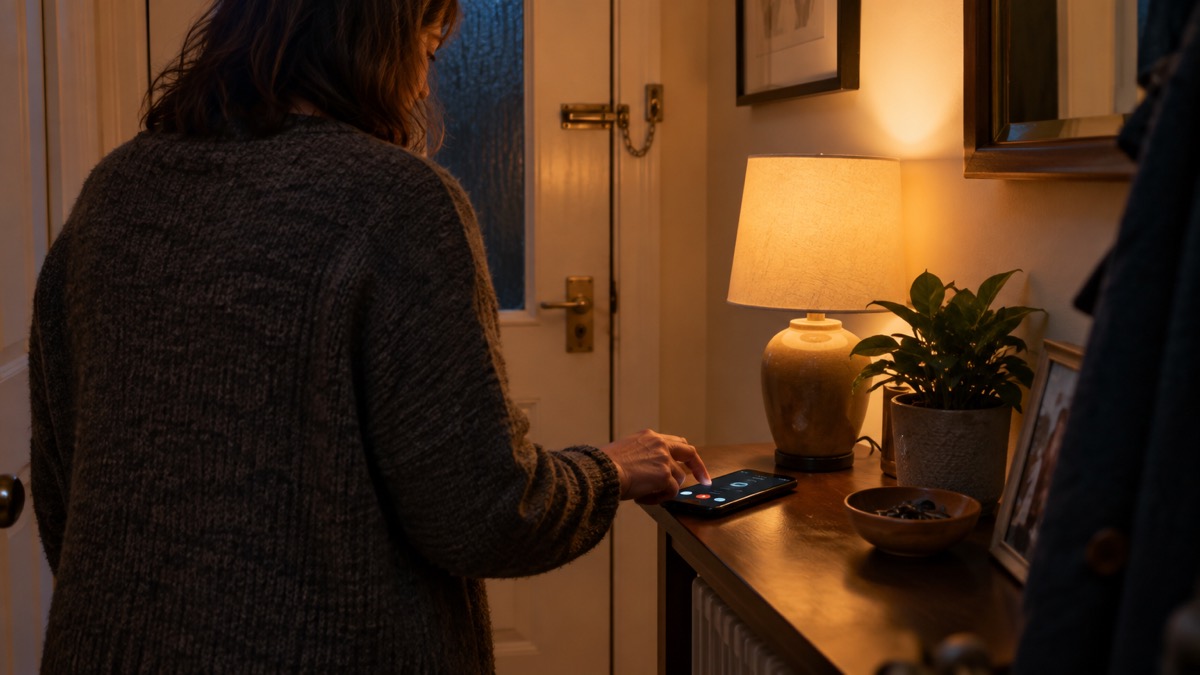
A household plan helps here as much as any phone setting. The Scottish preparedness guidance recommends an emergency plan for the household9, and the same principle applies across the UK: agree who calls whom, keep the number for the non-emergency route to hand, and make sure everyone knows that a silent call is not a wasted one. For the wider picture of how calls are handled, see Calling 999 and 112: What Happens When You Ring, and for the text service in detail, emergencySMS: How to Register and Text 999. If you use British Sign Language, 999 BSL and Relay UK: Contacting 999 If You Are Deaf explains the relay routes. Households with someone who may not be able to speak should also look at Extra Help in an Emergency and keep a paper list of numbers from Emergency and Non-Emergency Numbers to Keep on Paper.
Sources (24)
- If you can't speak when you call 999, Bath and North East Somerset Council, 2026
- Fire safety for people with hearing difficulties, Devon and Somerset Fire and Rescue Service, 2026
- Fire safety information for residents living in flats, Greater Manchester Fire and Rescue Service, 2026
- Fire safety information for residents living in flats, Greater Manchester Fire and Rescue Service, 2026
- Your local 999 and 111 services, London Ambulance Service, 2026
- Staying safe from a terrorist incident, East of England Ambulance Service, 2026
- Additional support when accessing 999, Welsh Ambulance Service, 2026
- Disabled people and carers, Ready Scotland, 2026
- Emergency plan, Ready Scotland, 2026
- Herbert Protocol, Surrey Police, 2026
- Driving on motorways, National Highways, 2026
- When to call 999, Northern Ireland Ambulance Service, 2026
- When should you call 999, Scottish Ambulance Service, 2026
- Summer safety advice, North East Ambulance Service, 2026
- Get the right help and support, South Western Ambulance Service, 2026
- Advice if you are due to give birth, London Ambulance Service, 2026
- Drowning first aid, NHS inform, 2026
- If you are trapped by fire, Essex Prepared, 2026
- Calling 999, London Ambulance Service, 2026
- Making a home escape plan, Warwickshire County Council, 2026
- For people with disabilities, Tyne and Wear Fire and Rescue Service, 2026
- If you can't get out, Scottish Fire and Rescue Service, 2026
- Get out, stay out and call 999, North Wales Fire and Rescue Service, 2026
- What happens when you call 999, London Ambulance Service, 2026
 Free Alert Services
 Emergency Apps
 Digital Switchover Checklist
 Giving Your Exact Location
 When to Call 999
 Calling 999 With No Signal
 999 by Wi-Fi Calling
 When You Get an Alert
 Alerts While Driving
 Spotting a Genuine Alert
 Phones That Get Alerts
 Emergency Alerts On or Off
 Emergency Alert Privacy
 Emergency Alert Tests
 Alerts Without a Mobile Phone