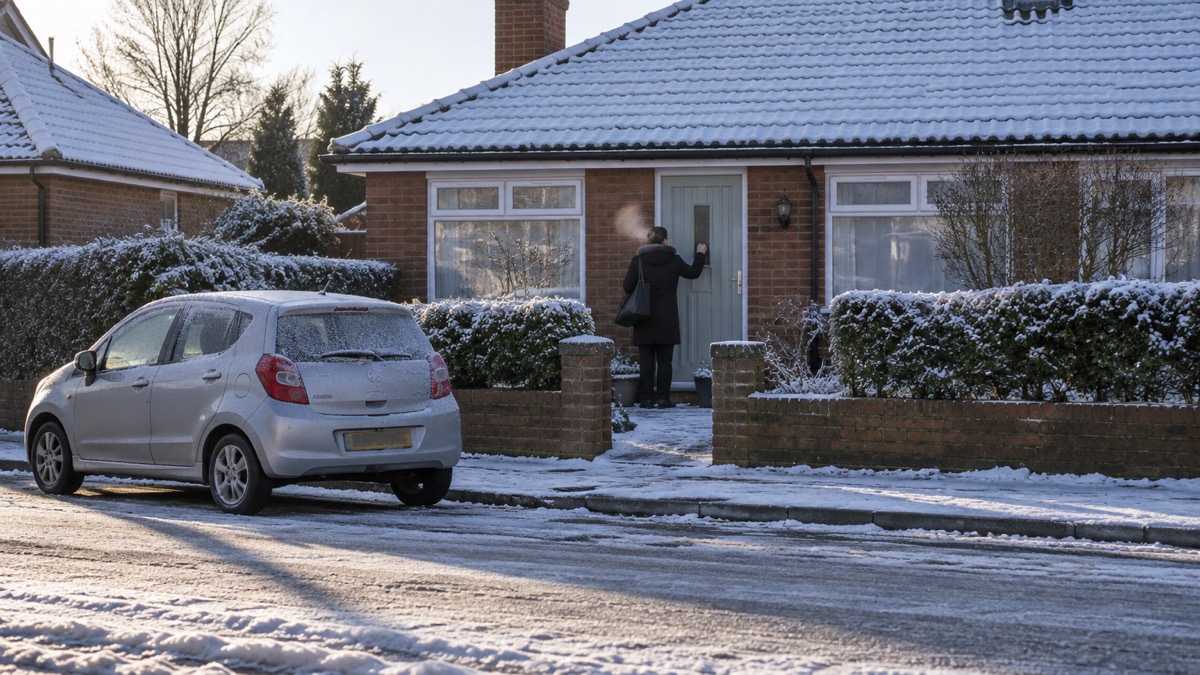
Hypothermia is a medical emergency, and it gets worse if it is left untreated. But mild hypothermia can be treated safely and effectively with appropriate first aid, so the first few minutes matter1. Move the person somewhere sheltered, get them out of wet clothes, wrap them in blankets or a dry towel with their head covered, and call 999 or take them to A&E if they have signs of hypothermia1.
The signs to act on are shivering, slow breathing, tiredness or confusion, and pale, cold skin2. Some sources add lips going blue, slurred speech and lack of coordination3. Shivering on its own is not hypothermia, and in severe hypothermia a person may stop shivering even though they feel very cold to touch1.
What you must not do is just as important. Do not rub their arms, legs, feet or hands, do not use a hot bath or heat lamp, do not put heat directly on the skin, and do not give them alcohol1. If the person is not breathing, phone 999 and begin chest compressions4.
Signs of hypothermia to look for
Cold hands and a bit of shivering are ordinary in a cold house. Hypothermia is different: the whole body has cooled and the person's behaviour and breathing change. The signs official guidance lists are shivering, slow breathing, tiredness or confusion, and pale, cold skin2. Other councils and health boards add lips going blue, slurred speech and lack of coordination3, and a longer list used in severe weather advice includes uncontrollable shivering, memory loss, disorientation, incoherence, drowsiness and apparent exhaustion5.
Watch for the change from shivering to not shivering. Shivering by itself is not hypothermia, and in severe hypothermia a person may no longer be able to shiver even if they feel very cold to touch1. A person who has stopped shivering but is drowsy, confused or barely responding is more worrying, not less.
Skin colour needs care. NHS Wales public health advice describes pale, cold and dry skin, with skin and lips that may turn blue or grey, and notes that on black or brown skin this may be easier to see on the palms of the hands or the soles of the feet7.
Some people reach these signs faster than others. Official guidance names young children and elderly people as particularly at risk when the body cools, for example while a large burn is being cooled8, and NHS guidance on burns says to keep the patient warm to prevent hypothermia, with children and the elderly most susceptible9. If someone in your household is very young, elderly, or living in a cold home, treat a drop in temperature as urgent sooner.
What to do now: warm the person gradually
Work through these steps in order. The aim is to stop further heat loss and let the body rewarm slowly, not to blast it with heat.
- Move them somewhere sheltered. Get the person inside if you can. If not, move them out of the wind and off the ground, for example with a backpack underneath them1.
- Remove wet clothing. Replace wet clothes with dry ones, then wrap the person in blankets, a sleeping bag or a dry towel and make sure their head is covered. Do not remove your own clothing to give to them1.
- Give sugary food and a warm non-alcoholic drink if they are awake, and stay with them, keeping them awake by talking10.
- Get medical help if you are able to10.
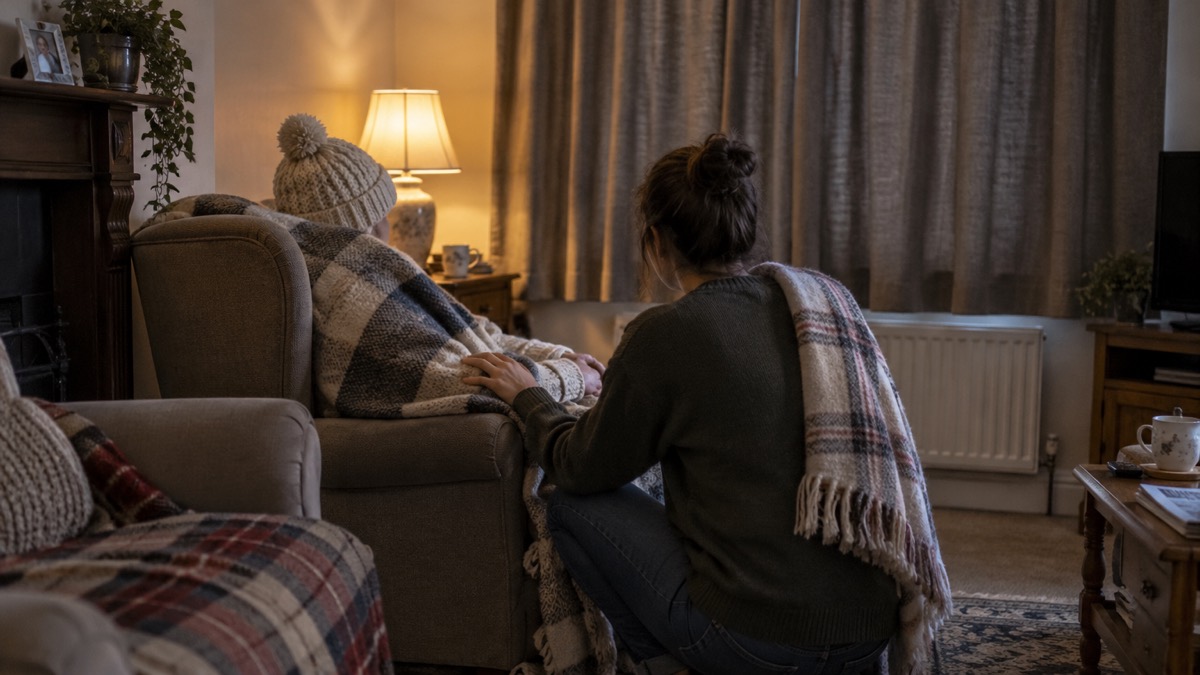
The same steps appear in the severe weather advice issued by councils across Wales and the south west: move the person to a warm location, remove any wet clothing, warm the body from inside first with a warm non-alcoholic drink if conscious, and get medical help immediately5.
If the person has been in water, the drowning first aid guidance is the same in spirit: cover them with warm clothes and blankets, replace wet clothes with dry ones if possible, and keep checking their breathing and level of response until help arrives12.
What not to do when someone is very cold
NHS inform lists four things not to do when someone is very cold: do not rub their arms, legs, feet or hands; do not use a hot bath or heat lamp to warm them up; do not apply heat direct to the skin, and wrap a hot water bottle or heat pad in a jumper or blanket first; and do not give them alcohol to drink1.
- Do not rub their arms, legs, feet or hands. Rough handling of cold limbs is not part of the treatment.
- Do not use a hot bath or heat lamp to warm them up. Rapid external heat is not the aim.
- Do not apply heat directly to the skin. If you use a hot water bottle or heat pad, wrap it in a jumper or a blanket first.
- Do not give them alcohol to drink. NHS Wales public health advice states plainly that drinking alcohol will not keep you warm7.
For everyday winter warmth rather than first aid, hot water bottles and heat pads or gloves may also help, according to Kidney Care UK's guidance for kidney patients13. That is comfort, not treatment: a person with signs of hypothermia still needs the steps above and medical help.
When to call 999
Phone 999 or go to A&E if you or someone else has signs of hypothermia1. That is the clear line from NHS inform, and it is repeated by NHS Wales public health advice, which says to know the symptoms and go to A&E or call 9997.
Calling 999 is also right when someone is seriously ill or injured, unconscious, or having difficulty breathing14, and when someone is seriously ill or has life-threatening injuries such as severe blood loss, chest pains or loss of consciousness. A person with hypothermia who is drowsy, confused or barely responding falls into that territory.
If you are concerned but it is not an emergency, go to 111.nhs.uk or call 11115. The government's cold weather top tips put it the same way: if you think someone may have hypothermia, contact NHS 111 for further assessment, and in an emergency dial 9992.
If the person stops breathing: start CPR
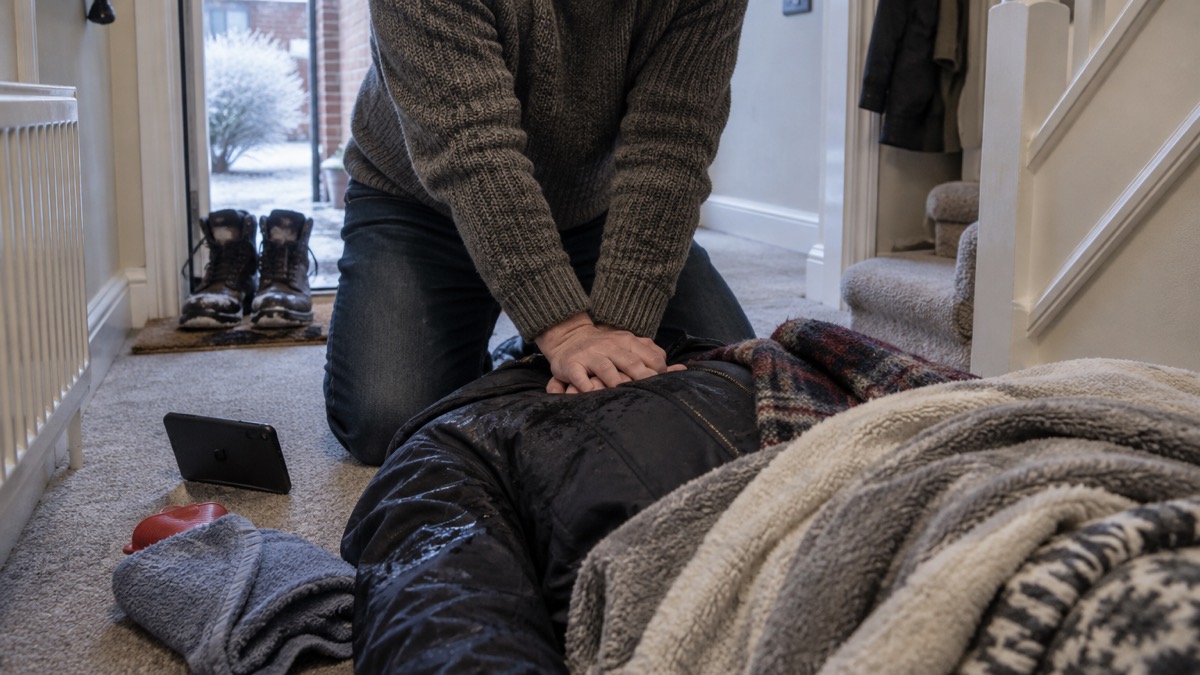
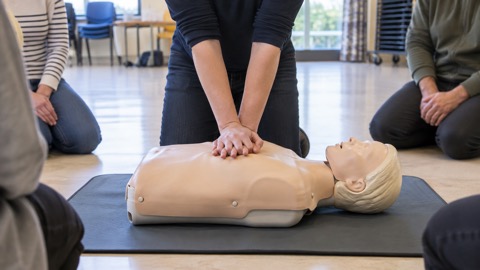
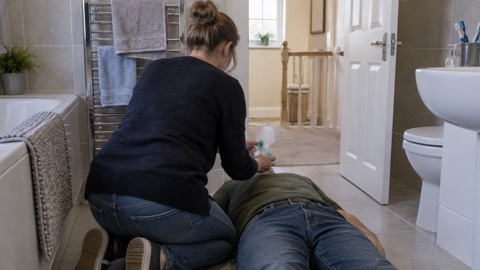
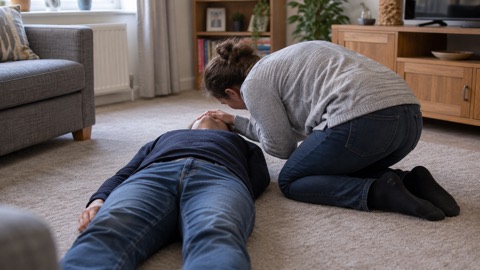
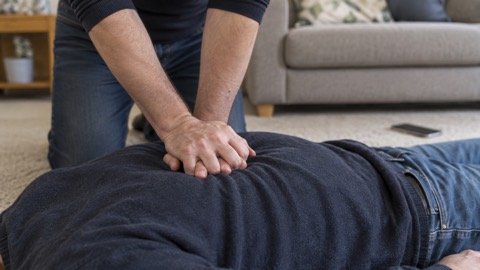
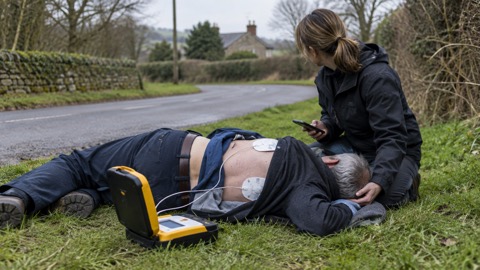
If they are not breathing, phone 999 and begin chest compressions4. Put the phone on speaker so the ambulance controller can talk you through it.
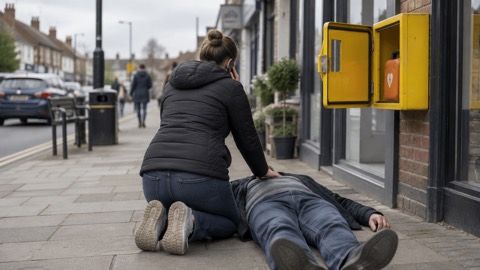
If you are not alone, ask a helper to find and bring a defibrillator if one is available. If you are on your own, do not leave the casualty to look for a defibrillator yourself: the ambulance controller can tell your helper where the nearest one is16. Our guide to how to do CPR covers the hand position and pace, and what to do first covers checking whether someone is responding and breathing.
For a child or baby, the advice differs. If there are no signs of life, start chest compressions immediately, combined with rescue breaths17. Our pages on CPR on a child and CPR on a baby under one set out the details.
Keeping the household warm in a power cut or cold snap
Most hypothermia in the UK starts at home, in a cold room, during a cold snap or a power cut. The official advice for a power cut is simple: keep warm by using blankets and layered clothing, keep the doors of unused rooms closed, and close curtains to keep the heat in18. The Met Office adds: wrap up warm and close internal doors to keep the heat in20.
Before cold weather arrives, get heating, radiators and boilers serviced21. If you live somewhere remote, make sure you have enough heating fuel and alternative heating equipment, plus fuel for it, in case the electricity is cut off5. Keep the home as warm as possible even when you are out, to reduce the risk of burst pipes22.
Day to day, eat hot meals and hot drinks, wear lots of thin layers, and stock up on food and medication in bad weather23. Wear several layers of thin clothing rather than one thick layer, wear a hat and gloves outside, close bedroom windows at night, and try to move around every hour when indoors24. If you have to go out on ice, wear shoes with good grip to avoid falls24.
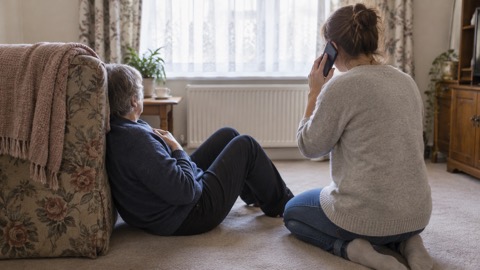
If someone does fall and cannot get up, keeping warm matters: after calling for help, move onto a carpet, rug or other soft surface, cover yourself with a duvet cover, blanket or clothing, move away from draughts, and keep your body moving, because you may be at risk of hypothermia25.
Frostbite is a different injury
Hypothermia is the whole body cooling. Frostbite is damage to a body part, and it is treated in hospital. Treatments include warming the affected body part, removing dead skin, medicines to treat swelling and infection, and surgery if frostbite is severe26. Our page on burns and scalds covers the related risk of cooling a burn too far, which official guidance warns can cause hypothermia, particularly in young children and elderly people8.
Sources (26)
- Hypothermia (low body temperature), NHS inform, 2026-07-15
- Top tips for keeping warm and well this winter, GOV.UK, 2026-04-28
- Keep warm in winter, Derbyshire County Council, 2026-10-29
- How to give an adult CPR, NHS inform, 2026-09-08
- Severe weather, Pembrokeshire County Council, 2026-10-29
- Snow and ice, Ceredigion County Council, 2026-10-29
- Cold weather, Public Health Wales, 2026-06-16
- Burns and scalds, NHS inform, 2026-07-31
- Thermal burn first aid, London South East Burns Network, 2026
- Keeping warm or cool in extreme weather, GOV.UK, 2025-12-16
- Hypothermia, nidirect, 2025-06-03
- Drowning first aid, NHS inform, 2026-07-24
- Keeping warm and well in cold weather, Kidney Care UK, 2025-10-20
- 999, North East Ambulance Service, 2026-10-29
- When to call, Northern Ireland Ambulance Service, 2026-10-29
- CPR, NHS, 2026-10-29
- How to resuscitate a child, NHS, 2026-05-21
- Power cuts, Prepare campaign, 2026-10-21
- Loss of essential services, Greater Manchester Combined Authority, 2026-10-29
- Stay safe in snow, Met Office, 2026-10-25
- Keeping warm in winter, Nottinghamshire County Council, 2026-10-29
- Steps to reduce risk of burst pipes, nidirect, 2025-10-23
- Cold weather, Derbyshire Fire and Rescue Service, 2026-10-29
- How to stay safe in cold weather, NHS inform, 2026-09-21
- What to do if you fall, NHS inform, 2026-04-30
- Frostbite, NHS, 2025-06-09
 Baby and Child Kit Checklist
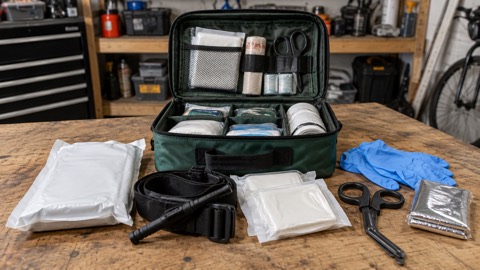 Bleeding Control Kit Checklist
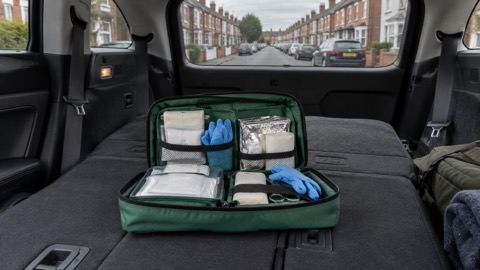 Car Kit Checklist
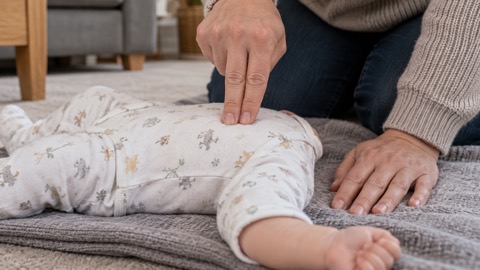 CPR on a Baby
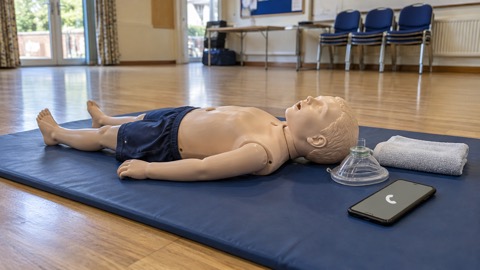 CPR on a Child
 Chest Compression Rate and Depth
 Rescue Breaths or Hands-Only CPR
 Checking Breathing
 Agonal Breathing and CPR
 Breathing During CPR
 Recovery Position and Spine
 Cardiac Arrest vs Heart Attack
 Heart Attack First Aid
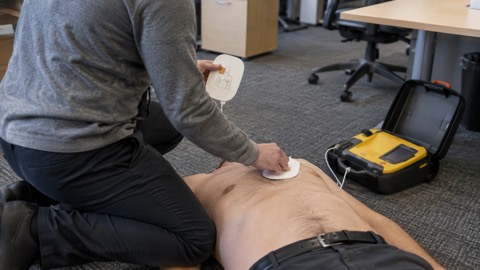 Defibrillator Pad Placement
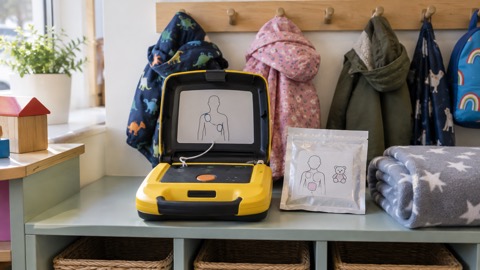 Defibrillator on a Child