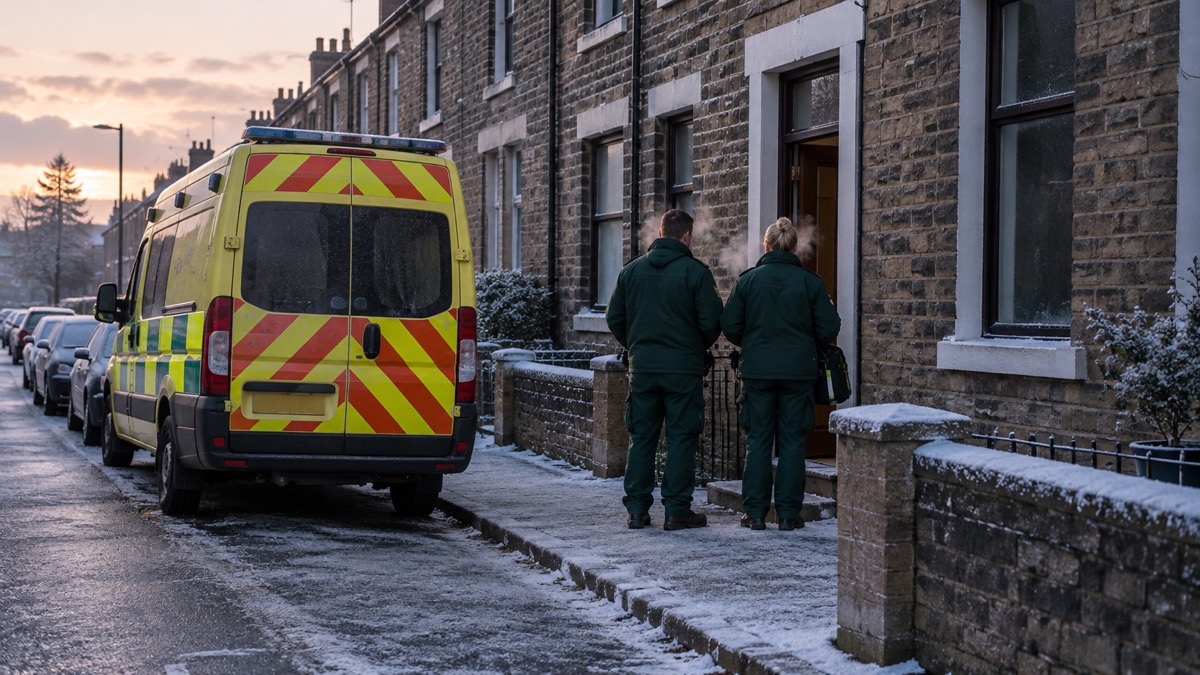
A cold home is not just uncomfortable. Hypothermia is a dangerous drop in body temperature below 35°C, and it can develop indoors during a long power cut or a spell of heating failure, not only outdoors in the snow1. The signs to watch for are uncontrollable shivering, slow or slurred speech, memory lapse and drowsiness2. If someone has been exposed to very cold temperatures and shows constant shivering with slurred speech, slow breathing, tiredness and confusion, the NHS says to call 999 or go to A&E3.
The people most likely to become ill from the cold are older adults, babies and young children, and people with long-term health problems4. Deaths during the winter months are significantly higher than at other times of the year, and cold weather puts people at greater risk of ill-health mainly because it increases the chance of complications from existing disease and of injuries from falls5. Much of that harm happens in homes that are simply too cold, and much of it can be prevented by knowing who is at risk, keeping the right rooms warm, and checking on the people around you.
This page covers the signs of hypothermia and what to do about them, who is most at risk from a cold home, how cold harms the body in ways that have nothing to do with hypothermia, the temperatures to aim for in each room, and the payments and sources of help available across the UK. If the heating has failed because of a power cut, our guide to keeping warm without electricity covers the practical side of staying warm with no supply.
Signs of hypothermia to look for
Hypothermia is defined medically as a core body temperature less than 35°C8. It does not require a blizzard: a person sitting still for hours in an underheated room, particularly someone who is frail, on sedating medication or unable to move about much, can lose body heat steadily until the condition develops. The NHS describes it as a dangerous drop in body temperature below 35°C1.
The signs come on gradually, which is what makes hypothermia indoors so easy to miss. The Met Office advises watching out for uncontrollable shivering, slow or slurred speech, memory lapse and drowsiness2. UK Health Security Agency guidance for health professionals lists shivering, cognitive impairment, changes in pulse and respiratory rates, changes in blood pressure levels, and frostbite among the signs and symptoms8. In an older person, the early stages can look like simple confusion or tiredness, so a sudden change in behaviour or alertness in a cold house should always raise the question of how cold they are.
Frostbite can accompany hypothermia. The Met Office lists its signs as loss of feeling in, and a pale appearance of, the fingers, toes, nose and ear lobes2. The NHS says frostbite is getting worse if there is hard, frozen skin that can be white, blue or blotchy, swelling and loss of feeling in the affected area, blisters filled with blood or clear or milky fluid, or skin turning black and hard as it starts to die, which may be harder to see on black or brown skin3.
While waiting for help, keep the person warm and stay with them. Watch for signs that the situation is getting worse: uncontrollable shivering, slow or slurred speech, memory lapse and drowsiness are the signs of hypothermia to look for3. If the person is shivering a lot or struggling to stay awake, they may have hypothermia, very low body temperature, and needs urgent medical attention. For an urgent medical concern in very cold weather that is not an emergency, call NHS 111 to speak to a trained advisor9.
Who is most at risk from a cold home
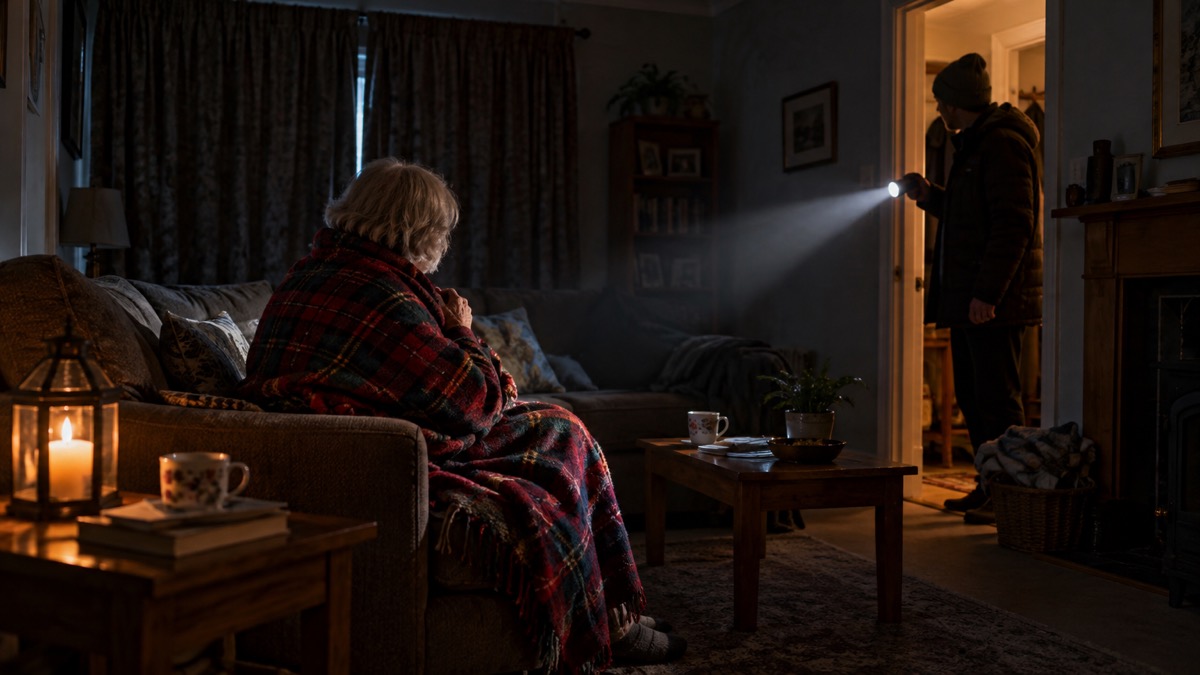
Cold weather can affect anyone, but official guidance is clear about who is most at risk. West Midlands Ambulance Service lists people aged 65 and older, babies and children under the age of 5, people on a low income, people who have a long-term health condition, people with a disability, pregnant women, and people who have a mental health condition10. UK Health Security Agency guidance adds detail on the health conditions that matter most: cardiovascular conditions, respiratory conditions (in particular chronic obstructive pulmonary disease and childhood asthma), mental health conditions, learning and physical disabilities, and being housebound8.
The Greater London Authority widens the picture further, naming older people especially those aged 75 and over who are frail or isolated, the very young, people with pre-existing chronic conditions such as heart disease, stroke or transient ischaemic attack, asthma, COPD, sickle cell disease and thalassaemia or diabetes, people with dementia or other mental ill-health that makes self-care harder, pregnant women, people with learning difficulties, people at risk of recurrent falls, people who are housebound, people struggling financially, people living with mould, people who are fuel poor, and people sleeping rough9. In a power cut specifically, official guidance warns that older adults, babies and young children, and people with long-term health problems are most likely to become ill if they get too cold4.
| Group | Why the cold is a particular risk |
|---|---|
| People aged 65 and over | Greater risk of falls in snow and ice, and of complications from existing disease8 |
| Babies and children under 5 | Named by ambulance service and power cut guidance as most likely to become ill if too cold4 |
| People with heart or lung conditions | Cold thickens blood, raises blood pressure and worsens breathing problems8 |
| People on a low income | Risk of an underheated home is greater among those on low incomes8 |
| People who are housebound | Cannot easily move to warmer places or get out and about8 |
| Pregnant women | Named in official at-risk lists5 |
| People with a mental health condition or dementia | Harder to keep warm and to recognise the cold9 |
Two circumstances deserve special attention. The risk of exposure to an underheated home is greater among those on low incomes and those who are housebound8, and official guidance also flags homes in high-rise blocks of flats as a risk factor for cold weather harm5. If someone in your household falls into these groups, it is worth registering for extra support before winter: the Priority Services Register gives eligible households additional help from their electricity network during outages.
How cold harms the body beyond hypothermia
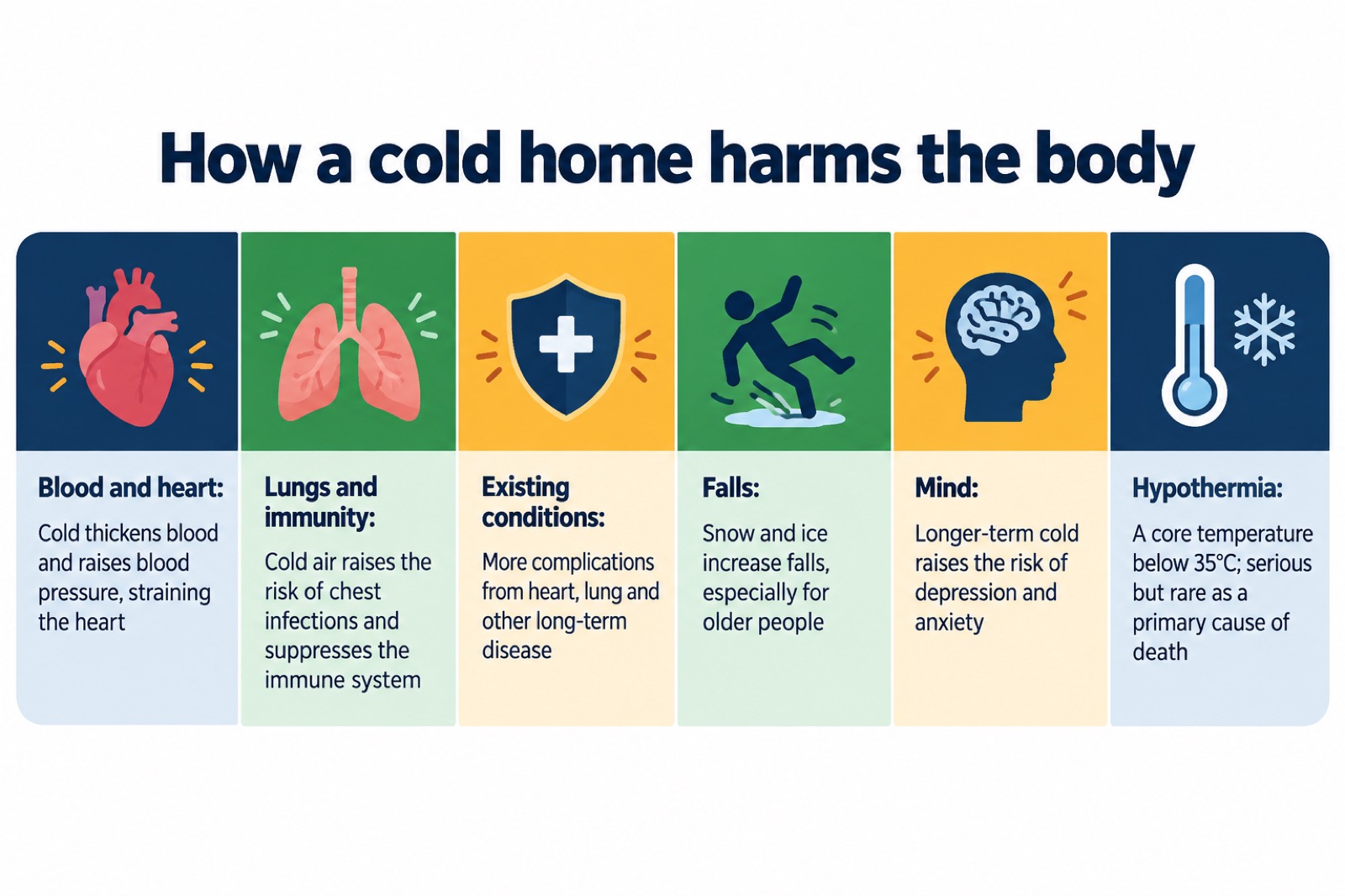
Hypothermia is the most dramatic cold-weather emergency, but it is not the main way cold kills. UK Health Security Agency guidance states that direct cold exposure can result in death or severe illness due to hypothermia, although deaths where hypothermia is the primary cause are rare11. The greater burden comes from the way cold stresses bodies that already have weaknesses in them.
The Met Office explains the mechanism plainly: the cold thickens blood and increases blood pressure, and breathing in cold air can increase the risk of chest infections7. Wiltshire and Swindon Prepared adds that exposure to cold temperatures can suppress the immune system and make fighting infection more difficult12. For someone with heart disease, thicker blood and raised blood pressure mean the heart works harder exactly when it is most strained; for someone with a lung condition, cold air and chest infections can turn a stable condition into a hospital admission. Cold weather also worsens breathing problems, according to UK Health Security Agency guidance8.
The harm extends further than the heart and lungs. Longer-term effects of cold housing include an increased risk of mental health conditions such as depression and anxiety5. Cold weather increases the probability of injury from falls, especially for older people when the cold is accompanied by snowfall or ice8. And for people living with diabetes, Diabetes UK explains that cold weather can slow blood flow around the body, which can increase the risk of heart attacks and stroke, and that slowed circulation to the hands and feet can make neuropathy more painful in those areas13.
The practical conclusion is that you do not need to be anywhere near hypothermia for a cold home to be doing damage. A house held at a temperature that leaves blood pressure raised and infections more likely, week after week, is a health risk in itself. That is why the temperature targets in the next section matter for ordinary households, not just for the frail.
The temperatures to aim for: 18°C, and warmer for the living room
The single most important number on this page is 18°C. NHS advice, repeated across official guidance, is to heat your home to at least 18°C in the rooms you regularly use6. That matters because the cold thickens blood and increases blood pressure, and breathing in cold air can increase the risk of chest infections6. Cold weather can be a risk to your health, particularly if you are over 65 or have health conditions, so 18°C is the floor to hold, not a target to aim below6.
If heating the whole house is not possible, Scottish winter safety guidance offers a fallback: try to maintain an even temperature of 18 to 21 degrees centigrade in all rooms in your home, and if this is not possible, keep one room warm and use that during the cold weather14. Our page on how to keep warm in one room walks through that approach in detail.
Keep bedroom windows closed on winter nights
The Met Office is direct about this: it is important to keep your bedroom window closed at night when the weather is cold7. Its winter preparation advice gives the reason: during cold spells, keep your windows closed at night, as this can cause a real drop in the temperature indoors15. A window cracked open for fresh air, a habit many people keep all year, can undo hours of heating overnight, and night-time is exactly when the body is least able to compensate, lying still under bedclothes.
Closing windows is not the whole of night-time preparation. Devon and Somerset Fire and Rescue Service and the National Fire Chiefs Council both advise closing internal doors at night: it will help keep your rooms warm and reduce fire and smoke spread if a fire starts16. The government's domestic fire advice makes the same point, to close inside doors at night to stop a fire from spreading17. If you are using candles, heaters or an open fire during a power cut, read our pages on staying safe in the dark and carbon monoxide risks when the heating is off.
Use a thermometer: older people find it harder to judge the cold
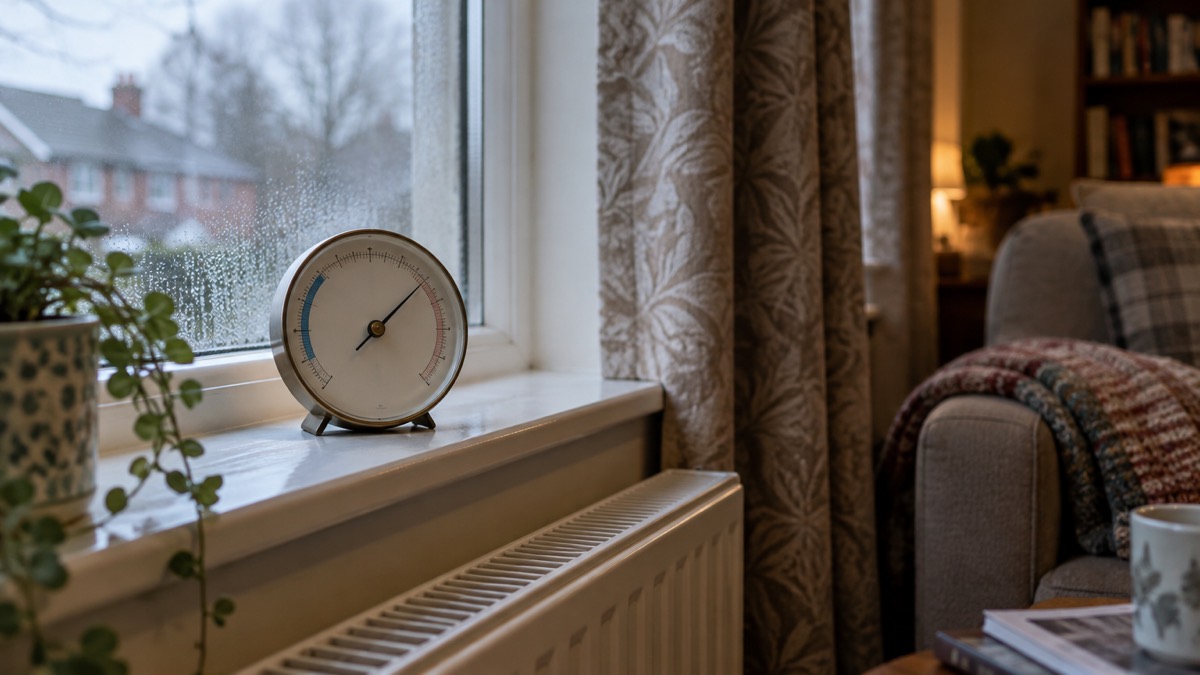
Official advice is to place a thermometer in your main living room and bedroom to keep a check on the temperature18. This is not a gadget for its own sake. Cold perception dulls with age, and a room that feels "not too bad" to an 80-year-old can be well below 18°C. A thermometer removes the guesswork for everyone in the house, and it is the only reliable way to know whether a single heated room is actually reaching the target during a power cut, when the central heating may be off entirely.
A room thermometer costs a few pounds, needs no power if you choose a simple dial type, and should be checked at least morning and evening during a cold spell. If the reading is below 18°C in a room someone is living in during the day, or below that overnight in a bedroom, treat it as a problem to fix, not a discomfort to tolerate.
Checking on older relatives and neighbours
Official guidance is consistent on this duty. Llangattock Community Council's adverse weather advice says to check on older neighbours or relatives to make sure they are safe and well, to make sure they are warm enough, especially at night, and to have stocks of food and medicines so they do not need to go out during very cold weather19. West Midlands Ambulance Service makes the same point: neighbours and relatives who are older, very young or have long-term health conditions are at particular risk from the cold, so check they have stocks of food and medicine so that they do not need to go out during very cold weather10.
A check does not need to be long or intrusive. The things worth covering each visit or call:
- Is the person warm enough, especially at night, and is the bedroom window closed?19
- Do they have stocks of food and medicines so they do not need to go out?10
- Are they showing any signs of hypothermia: shivering, slurred speech, memory lapse, drowsiness?2
- Is the room actually at 18°C or above, checked with a thermometer rather than by feel?18
- Do they have a way to call for help, and are their phone and any torch charged?
Our checklist for checking on neighbours and relatives turns this into a list you can work through. If the person relies on medical equipment that needs electricity, our page on relying on medical equipment covers what to arrange in advance, and you may be able to register a relative for extra help with the network operator.
Cold Weather Payment: £25 for each very cold week
The Cold Weather Payment is a government scheme which gives eligible people £25 for every 7 days the temperature is zero degrees Celsius or below, between 1 November and 31 March20. The Met Office describes the trigger in the same terms: people claiming certain benefits will receive a payment of £25 if the average temperature in their area is recorded as, or forecast to be, zero degrees Celsius or below for 7 consecutive days, between 1 November and 31 March7. The payment is made for each qualifying seven-day period, so a long cold spell can trigger more than one payment21.
Eligibility rests on claiming certain benefits7. You do not need to apply for each payment; the scheme runs automatically off temperature records and forecasts for your area. If you believe you qualified but did not receive a payment, contact the office that pays your benefit.
Separately, if a storm cuts off your electricity supply for a prolonged period, storm compensation may apply: for a storm category 1 event you can get £90 for the first 24 hours and an extra £45 for every 6 hours after, and for storm category 2, £90 for the first 48 hours and an extra £45 for every 6 hours after22. Our page on extra help from network operators during long outages explains how that works alongside the Priority Services Register.
Winter Fuel Payment and who gets it
The Winter Fuel Payment is made automatically to everyone over State Pension age, but it is subject to an income cap21. In Northern Ireland, the Winter Fuel Payment provides a tax-free payment of between £100 and £300 to individuals who have reached State Pension age21. For questions about the payment, the contact line is 0800 731 0160, and further information is at www.gov.uk/winter-fuel-payment21.
The income cap works like this: if your annual taxable income exceeds £35,000, HM Revenue and Customs will fully recover the payment through the tax system21. In practice, that means the payment arrives as usual and is then clawed back through tax if your income is above the threshold, rather than being stopped at source.
Scotland runs its own scheme. The Pension Age Winter Heating Payment replaces the Winter Fuel Payment there, and most eligible people will get the payment automatically and do not need to apply; you will receive a letter to confirm your payment, with letters being sent from November 202613. Citizens Advice has information about Winter Fuel Payments and Cold Weather Payments, wherever in the UK you live23.
Where to get help with cold and heating worries
If you are worried about an urgent medical concern in very cold weather, call NHS 111 to speak to a trained advisor9. In an emergency, or if you think someone has hypothermia or frostbite, dial 9993. Those are the medical routes, and they are the right ones for any of the warning signs described at the top of this page.
For help with heating itself, several routes exist:
- Age UK support line: call 0800 169 6565 and quote 'WINTER' for advice on keeping warm and well8
- Citizens Advice: information about Winter Fuel Payments and Cold Weather Payments23
- Winter Fuel Payment line: 0800 731 0160, with further information at www.gov.uk/winter-fuel-payment21
- NHS 111: for urgent medical concerns in very cold weather9
In Wales, the Welsh Government's winter weather advice points to Age Cymru, which offers information on how to keep well, warm and safe over the winter months23. In Scotland, the Keep Safe Keep Well winter safety campaign advises maintaining 18 to 21°C where possible and keeping one room warm otherwise14, and the Pension Age Winter Heating Payment is paid automatically to eligible people13. In Northern Ireland, National Energy Action's home energy checklist covers the Cold Weather Payment of £25 per qualifying week and the Winter Fuel Payment of £100 to £300 for people over State Pension age21.
If the underlying problem is a power cut rather than heating costs, start with our guide to what to do when the electricity goes off, and see how long until the electricity comes back for what to expect from the network. Households that depend on electricity for heating should also read getting your home ready for a loss of supply before winter sets in.
Fires, heaters and icy ground: the other winter risks
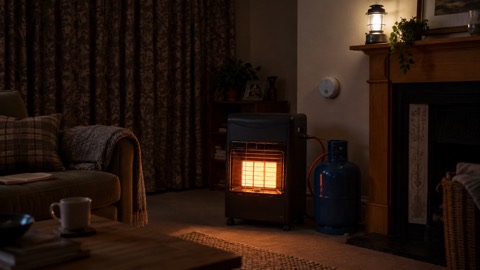
Keeping warm safely matters as much as keeping warm at all. The Health and Safety Executive's gas supply guidance carries a stark warning about what happens when heating fails: vulnerable consumers could die from hypothermia through lack of heating24. That is the reason backup heating matters, but it must be the right kind. Never bring a barbecue, camping stove or outdoor heater indoors: those are carbon monoxide risks, covered in full on our carbon monoxide page.
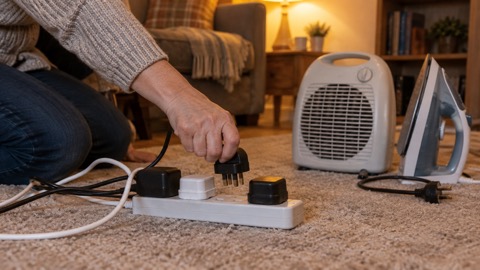
For heaters you already own, London Fire Brigade's advice is not to take risks with old heaters: if it is electrical and getting older, get it tested by a qualified electrician or buy a new one25. For open fires and wood burners, Devon and Somerset Fire and Rescue Service list the warning signs of a chimney fire, including a hot chimney breast or flue pipe, both in the same room as the fire and in rooms that the flue passes through26. Have chimneys swept and checked before the burning season, and close internal doors at night, which keeps rooms warm and slows fire and smoke spread16.
Outdoors, the risk shifts to falls. Cold weather increases the probability of injury due to falls, and physical hazards such as snow and ice increase the likelihood of falls and injuries8. Older people are at greater risk of falls during periods of adverse cold weather, especially when these are accompanied by snowfall or ice8. The best protection is not needing to go out at all: keep stocks of food and medicines during cold weather so trips on icy pavements can be avoided10.
For people living with diabetes, winter needs a little extra planning. Beyond the circulatory effects described earlier, Diabetes UK notes that the cold makes it more difficult to draw a drop of blood for finger-prick testing, so test somewhere warm13. Their practical tip, from someone living with the condition, is to wear warm clothing before you felt cold, not waiting until you were already feeling chilly, and to try thermal vests and leggings13. NHS advice for people with diabetes is to heat your home to at least 18°C in the rooms you regularly use and to keep bedroom windows closed at night13.
Sources (26)
- Hypothermia, NHS, 2023-06-09
- Travelling in heavy snow and ice, Met Office, 2026-10-25
- Frostbite, NHS, 2025-06-09
- Power cuts, Prepare Campaign, 2026-10-21
- Supporting vulnerable people before and during cold weather: for adult social care managers, GOV.UK, 2025-09-24
- Winter preparedness, South East Coast Ambulance Service, 2025-10-22
- Keeping your home warm in winter, Met Office, 2026-10-26
- Supporting vulnerable people before and during cold weather: for healthcare professionals, GOV.UK, 2025-09-24
- Keeping warm, healthy and safe in cold weather, Greater London Authority, 2026-10-25
- Cold weather advice, West Midlands Ambulance Service, 2026-05-20
- Supporting vulnerable people: guidance for care professionals, GOV.UK, 2025-09-24
- Cold temperatures, Wiltshire and Swindon Prepared, 2024-05-31
- Cold weather, Diabetes UK, 2026-10-12
- Keep Safe Keep Well Winter Safety Campaign 2024-2025, NHS Western Isles Health Board, 2024-10
- 10 things you should do now to prepare for winter, Met Office, 2026-10-25
- Stay fire safe leaflet, National Fire Chiefs Council, 2023-08
- Domestic fire, Prepare Campaign, 2026-10-12
- Hot weather advice, nidirect, 2026-10-05
- Adverse weather events, Llangattock Community Council, 2026-10-25
- Keeping your home warm, Frimley Healthier Together NHS, 2026-10-25
- NI Your Home Energy Checklist, National Energy Action Northern Ireland, 2026-09-07
- Plan for a power cut, Ofgem, 2026
- Winter weather advice, Welsh Government, 2026
- Gas supply emergencies, Health and Safety Executive, 2026
- Portable heaters, gas fires and open fires, London Fire Brigade, 2026-10-25
- Open fires, Devon and Somerset Fire and Rescue Service, 2026
 Power Cut Kit Checklist
 What to Keep Charged
 Household Emergency Plan
 Reporting a Power Cut
 What to Do in a Power Cut
 Getting Ready for a Power Cut
 Fridge and Freezer Food
 Keeping Warm Without Electricity
 Central Heating Without Power
 Carbon Monoxide Risks
 Staying Safe in the Dark
 Smoke and Carbon Monoxide Alarms
 How Long Until Power Returns
 When the Power Comes Back
 Fallen Overhead Lines