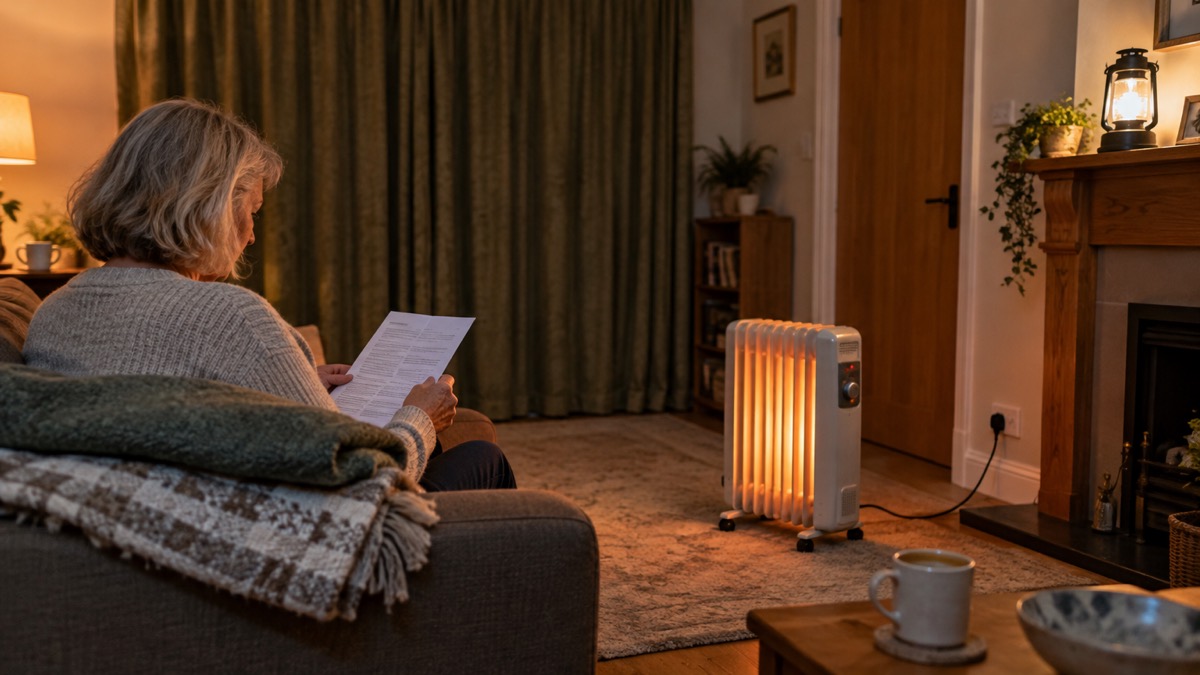
When the heating fails, or you cannot afford to heat the whole house, the official advice across the UK is the same: heat the rooms you use a lot to 21°C through the day and at least 18°C at night, and if you cannot manage that, keep one room warm and live in it1. NHS cold weather advice puts it plainly: "Heating room you use a lot, to 21°C through the day and at least 18°C at night"1. The Scottish winter safety campaign says the same thing from the other direction: try to maintain 18 to 21°C in all rooms, and "if this is not possible, keep one room warm and use that during the cold weather"2.
This page explains how to do that: which room to choose, how to keep the heat in, which heat sources are never safe to use indoors, and how to tell when a cold home is becoming a health problem. Cold homes in winter contribute to deaths not from hypothermia but from sitting or sleeping in cold rooms, which worsens existing medical conditions, and those deaths are preventable with simple advice and referrals to agencies that can help3.
Heat one room to 21°C and stay in it
The core of the strategy is concentration. Instead of spreading limited heat, money or fuel across a whole house, you put it into one room and move the household's daily life into that room for the duration of the cold weather. The Scottish Keep Safe Keep Well campaign states this directly: "Try to maintain an even temperature of 18 - 21 degrees centigrade in all rooms in your home; if this is not possible, keep one room warm and use that during the cold weather"2.
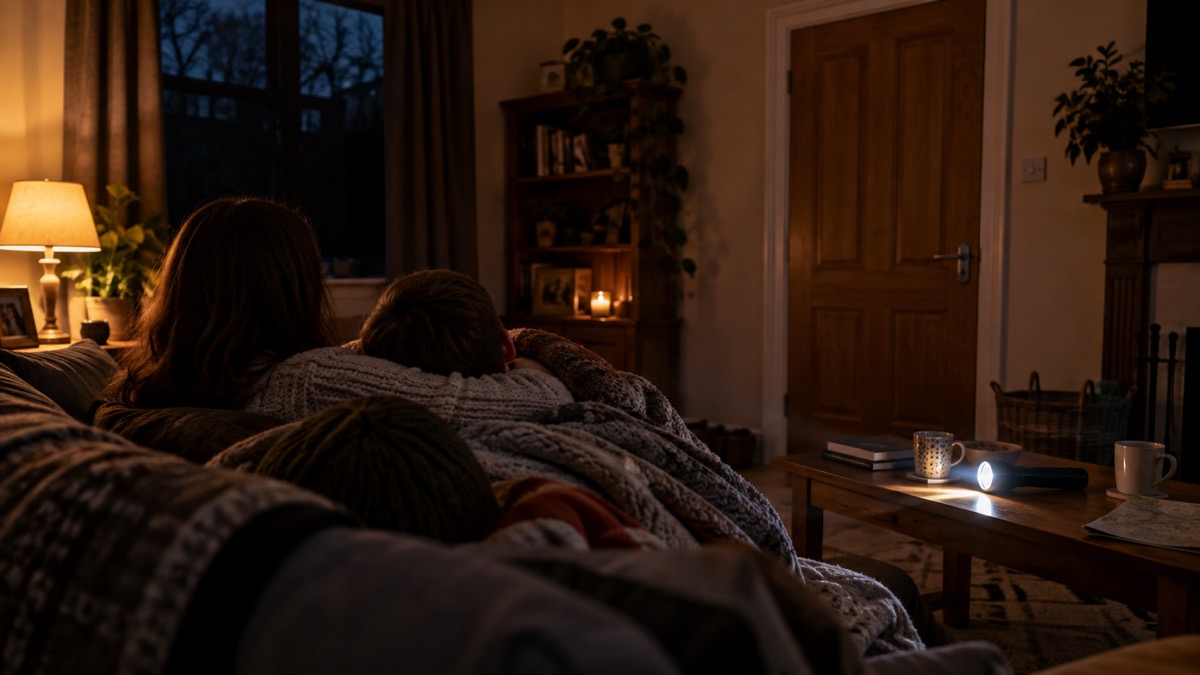
Choose a room that is easy to keep warm: usually a small or medium living room with the door closeable, ideally on a lower floor where heat rising from below works in your favour, and with few external doors or draughty windows. Once chosen, treat it as the household's base. Cumberland Council's guidance is to "heat your main living room to around 18 to 21ºC (64 to 70ºF) and the rest of the house to at least 16ºC (61ºF)" where you can8. West Midlands Ambulance Service NHS Trust advises heating the rooms you spend a lot of time in, such as the living room or bedroom, to at least 18°C9.
Two habits make the one-room approach work:
- Keep a thermometer in the room. Nottinghamshire County Council advises using a room thermometer, with the living room between 18 and 21°C10. Guessing temperature is unreliable, and a thermometer costs very little.
- Keep other rooms' doors and curtains shut. This is the advice Greater Manchester Combined Authority gives for power cuts, and it works the same way when the heating is on but rationed: "shut curtains and doors of unused rooms to keep the heat in"11.
One point worth knowing: the rooms you spend most of your time in should be between 18 and 21°C12. If someone in the household is unsteady on their feet, keep the route to the bathroom and kitchen as warm as you reasonably can, or stay with them when they move between rooms.
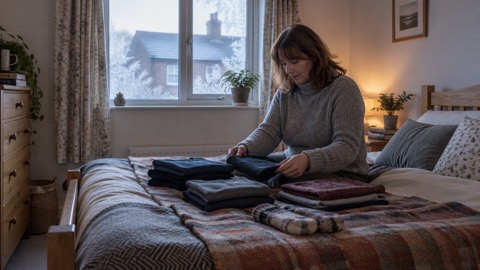
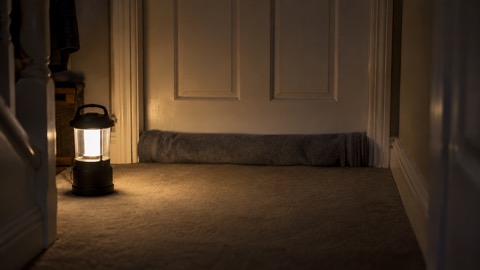
For more on holding heat in the room you have chosen, see stopping draughts and clothing and bedding to stay warm.
Signs your home is too cold
A cold home is not always obvious to the people living in it, because they adapt. Derbyshire Fire and Rescue Service lists the signs its staff look for when visiting: it feels cold in the house, so visitors keep a coat on; damp patches, condensation, draughts and blocked vents; no central heating, or central heating that is never used; safety issues such as overloaded sockets, exposed wires, drying clothes on portable heaters and furnishings too close to a heat source; people wearing lots of clothes indoors; heating just one room; struggling to keep warm, with blankets or hot water bottles kept by the chair and curtains closed through the day; poor eating habits; mobility problems; difficulty using hands; and breathing problems7.
Several of these are things a visitor spots more easily than a resident. If you recognise your own home in that list, treat it as a signal to act: pick the room, get it to temperature, and check whether you qualify for help (see the section on where to get help below).
The most reliable check is a thermometer. Official advice is to place a thermometer in your main living room and bedroom to keep a check on the temperature10. The living room should read between 18 and 21°C10, and the bedroom should stay above 18°C overnight5.
Damp matters as much as temperature. The UK government's cold weather guidance warns: "When a house is damp as well as cold, mould is more likely to occur. This can increase the risk of illness, especially from asthma"13. If you are heating only one room, keep an eye on the unheated rooms for condensation and mould, and air them briefly when you can, because a closed, cold, damp room grows mould faster than a ventilated one.
Never heat a room with the oven or gas cooker
This is the single most important safety rule on this page. Derbyshire Fire and Rescue Service states it flatly: "don't use the oven or gas cooker to heat your home - you risk carbon monoxide poisoning"7. An oven or hob is designed to cook food, not to warm a room. Running it for hours produces carbon monoxide and other combustion products, and a kitchen filled with heat and open flames is a fire risk in itself. We cover this in more depth in is it safe to heat your home with the oven?.
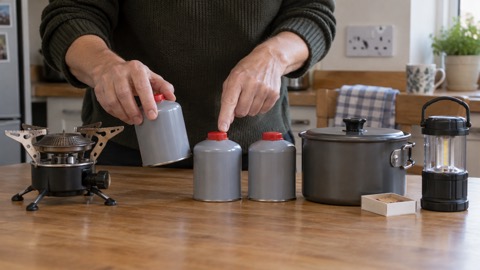
The same caution extends to anything designed to burn fuel outdoors. Never use a gas barbecue inside the house, and never use a barbecue inside to keep you warm. Do not bring a barbecue, camping stove or charcoal burner indoors, even into a garage or porch, even after the flames look out. See barbecues in an emergency and is it safe to use a camping stove indoors?.
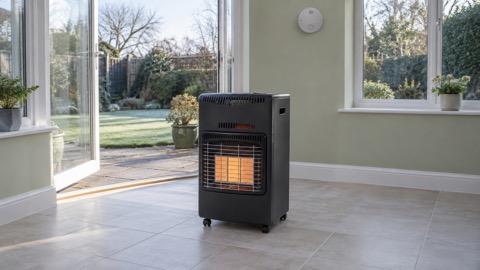
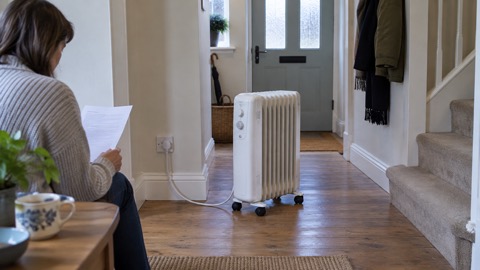
For heat sources that are designed for rooms, use them properly. Manchester Fire and Rescue Service's rule is simple: "Never put a heater near clothes or furnishings"15. Drying laundry on or over a portable heater is one of the specific hazards fire services look for when they assess a cold home7. Our pages on portable heater types and using a portable heater safely set out the options and the clearances.
Open fires need a fire guard
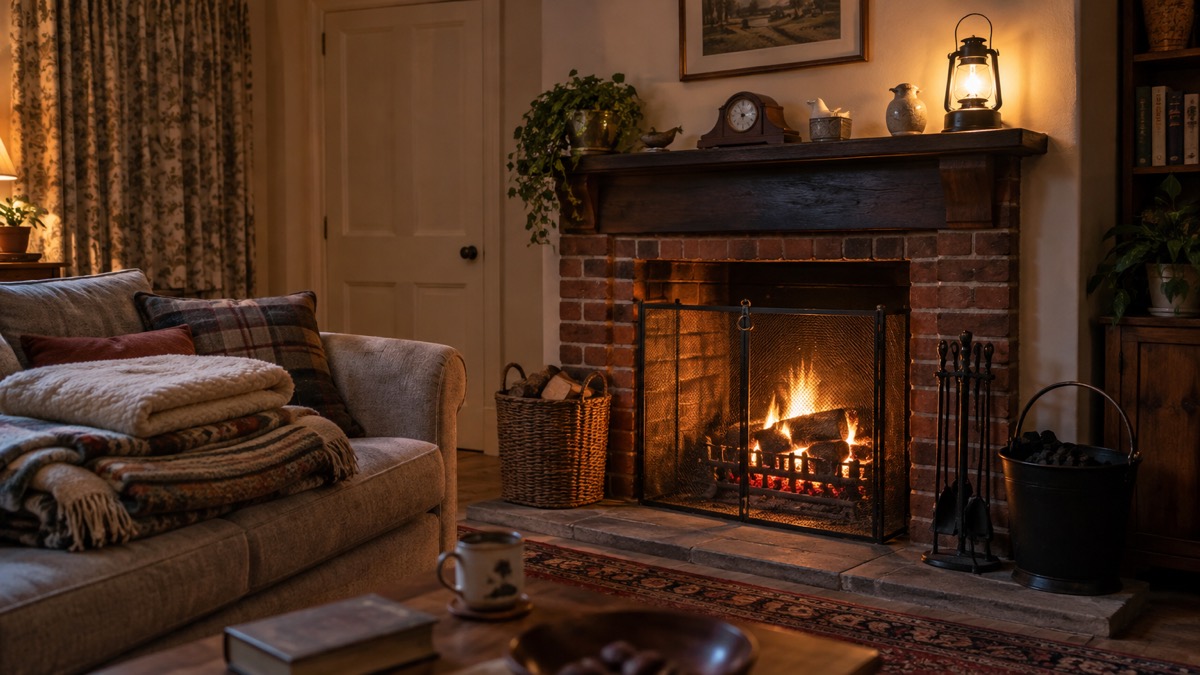
If you have an open fire, it can be a genuine one-room heat source when the boiler fails, but it needs respect. Derbyshire Fire and Rescue Service instructs: "Always use a fire guard to protect an open fire against flying sparks"7. A spark landing on a rug, a sofa or drying clothing is one of the classic winter fire causes, and a fire guard costs far less than the consequences.
Ventilation matters too. West Midlands Ambulance Service advises: "If you have an open fire, make sure they are properly ventilated"9. An open fire draws air from the room; without enough ventilation it will not burn cleanly, and a blocked or poor chimney increases the carbon monoxide risk covered in the next section. If the fire or chimney has not been used for years, read lighting an open fire after years without use first, and check how often a chimney should be swept before you rely on it through a winter.
Carbon monoxide: the risk that comes with emergency heat
Every year, cold weather pushes households towards improvised heating, and the consequences are predictable. The UK government's cold weather guidance notes: "During cold weather, people may also use malfunctioning or inappropriate appliances to heat their homes"13. The UK Health Security Agency's action card for voluntary sector organisations makes the same point: using malfunctioning or inappropriate appliances to heat homes "can increase the risk of carbon monoxide poisoning"16.
Carbon monoxide has no smell and no taste, and it kills quickly in enclosed spaces. The defences are straightforward:
- Keep heating and cooking appliances properly maintained7.
- Make sure your heating is safe and your home is properly ventilated5.
- Never use appliances indoors that are meant for outdoors, including barbecues and camping stoves14.
- Fit an audible carbon monoxide alarm in any room with a fuel-burning appliance, and test it.
If you suspect carbon monoxide is present, the Health and Safety Executive for Northern Ireland gives a checklist to follow, called TASK:
"If you suspect carbon monoxide is present remember follow the 'TASK' checklist:"
- Turn off or extinguish the heating source or appliance, if it is safe to do so.
- Air: ventilate your home by opening windows and doors, and stay outside in the fresh air.
- Seek medical help if you feel unwell.
- Keep all heating sources and appliances off until they have been serviced, or the chimney and flues cleaned, by a qualified professional14.
Mid and West Wales Fire and Rescue Service frames the winter task plainly: "take simple steps to protect yourselves from accidental fires and carbon monoxide poisoning as you look to keep warm and cut energy use this winter"17. More time at home, using more electrical and heating equipment, brings additional risks from fire and carbon monoxide17. If anyone in the household feels unwell with headache, dizziness, nausea or confusion while heating is running, get outside into fresh air and seek medical help; do not go back in until the appliance is off and the home is aired14.
Keeping warm during a power cut
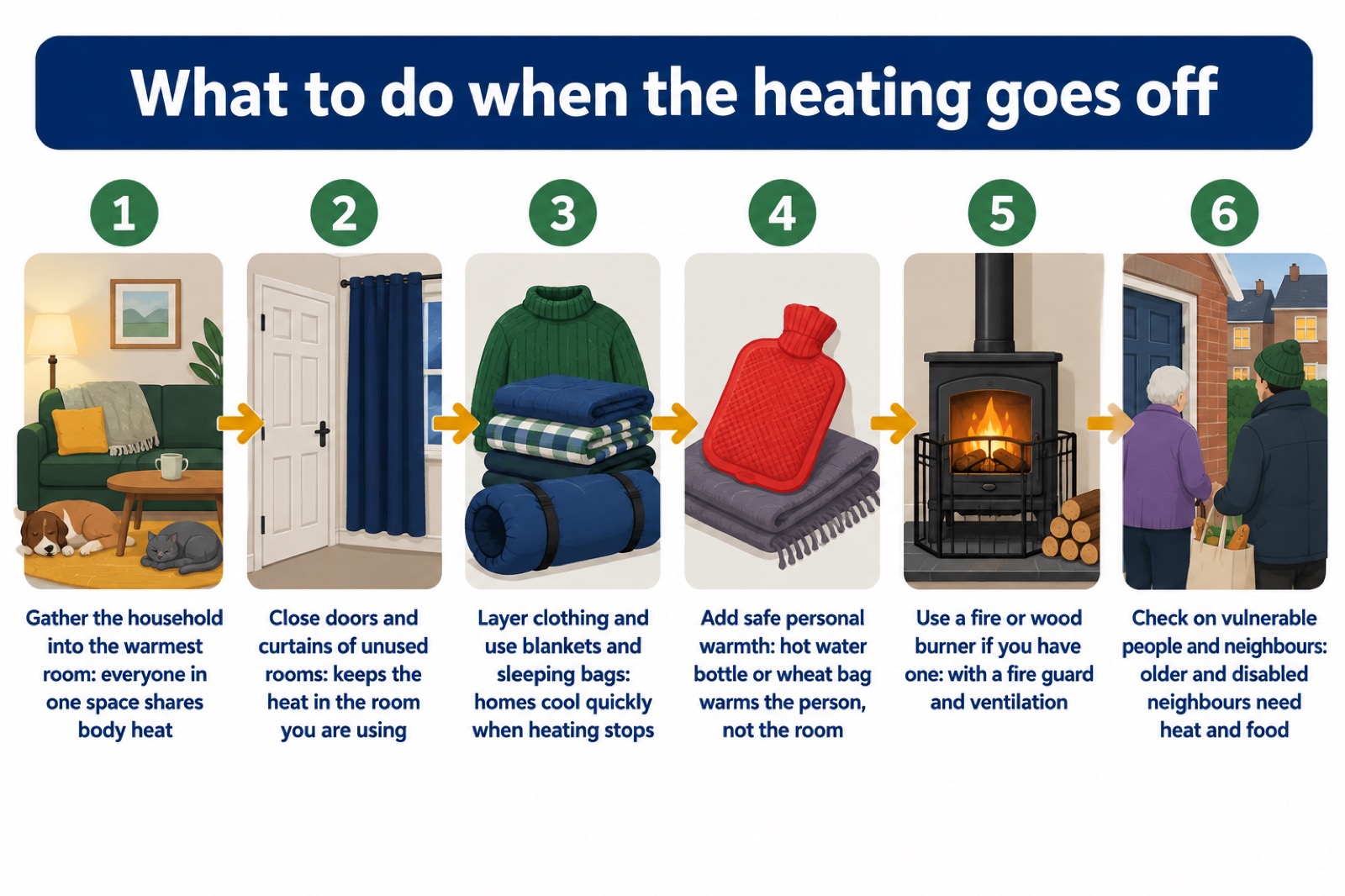
A power cut takes out central heating pumps and controls for most gas boilers, so the one-room strategy becomes the whole strategy. Greater Manchester Combined Authority's advice for losing essential services is: "Keep warm by using blankets and layered clothing, and shut curtains and doors of unused rooms to keep the heat in"11. The government's Be Ready campaign adds that "Homes can become cold very quickly when the heating goes off", so keep blankets, sleeping bags and warm clothing ready rather than hunting for them in the dark18.
In order, when the power goes:
- Gather everyone into the warmest room, usually the one you have already been heating.
- Close that room's door and the doors and curtains of every unused room11.
- Layer up: several thin layers hold heat better than one thick one, and blankets and sleeping bags hold in what the body generates11.
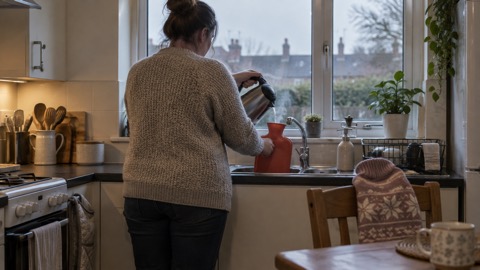
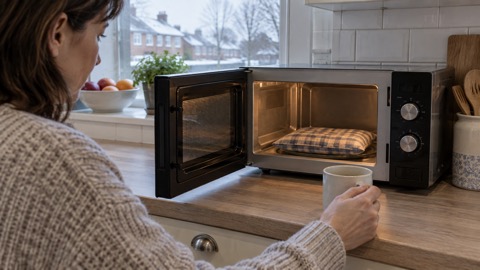
- Add safe local warmth: a well-wrapped hot water bottle or a correctly heated wheat bag warms a person, not a room, which is the efficient way to use them.
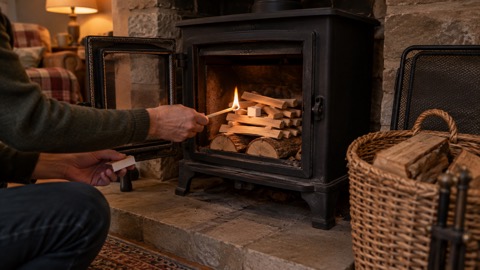
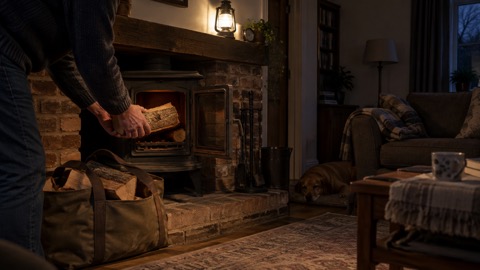
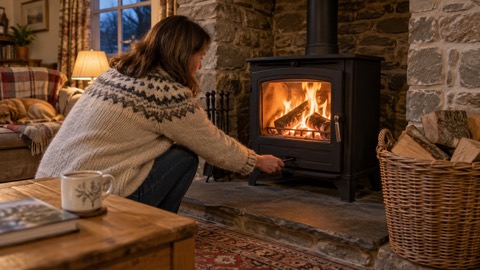
- If you have a wood burner or open fire that works without mains electricity, use it with a guard and ventilation7.
- Check on the household's most vulnerable members regularly, and on neighbours once the immediate work is done.
For the wider picture of lighting, food and information during an outage, see power cuts: a household guide. If the failure is your boiler rather than the electricity, the next section covers the two most common winter faults.
If the boiler stops: frozen pipes and error codes
Two boiler problems account for much of the winter misery in the UK, and both have guidance you can follow yourself before calling an engineer.
Frozen condensate pipe. If your boiler stops working in cold weather, the safest course is to have it checked by a qualified professional before restarting it. Heating and cooking appliances should be properly maintained, and a heating appliance that is not maintained or serviced is a known cause of carbon monoxide buildup. Keep the boiler serviced ahead of winter so it is less likely to fail when you need it most.
Error codes. Modern boilers display fault codes instead of simply failing silently. For example, Ideal Heating's own support guidance says a flashing F and 0 means "No Water Flow Thermistor", a flashing F and D means "No Water Flow", and a flashing C and 0 means "BCC Activation Fault"20. For the F and D fault, Ideal Heating advises: "Turn the boiler off and bleed/let out the air of your radiators. Ensure the boiler pressure is still at 1 to 1.5 BAR" and then turn the boiler back on20. Always follow the maker's guidance for your own boiler's codes, and call a qualified engineer if the fault returns.
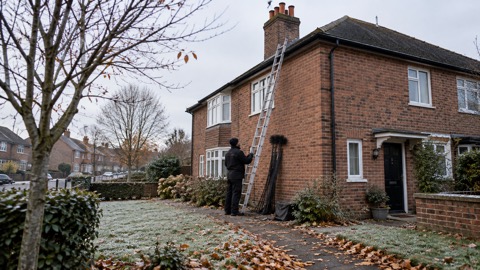
Our before-winter checklist for your heating and stove covers the checks worth doing in autumn so these faults are less likely in January.
What a cold home does to your health
Cold homes are not just uncomfortable; they cause illness and deaths. Derbyshire Fire and Rescue Service is blunt about the mechanism: the deaths are "not from hypothermia but from sitting or sleeping in cold rooms which causes existing medical conditions" to worsen7. The direct effects it lists are an increase in heart attacks and stroke, respiratory disease and influenza, falls and injuries, and hypothermia; the indirect effects include mental illnesses such as depression, and carbon monoxide poisoning from poorly maintained or ventilated boilers, cooking and heating appliances7. The same guidance stresses that these deaths are preventable with simple advice and referrals to agencies that can help7.
Nottinghamshire County Council's message to households is that "Cold homes can have a significant impact on your health"10. The Department of Health advice for older people, quoted by Derbyshire County Council, is to keep rooms, including the bedroom, warm and close windows, because "if your house is cold, body temperature will drop and catching a cold is more likely"19.
Two things follow from this. First, the 18°C floor is a health line, not a comfort preference: NHS advice for Cheshire and Merseyside says the rooms you regularly use should be at least 18°C, and this is "particularly important if you have a health condition"6. Second, staying warm is partly about staying active. The UK government's top tips advise: "try not to sit still for more than an hour or so", and if you find it difficult to move about, "stretching your arms and legs can also help keep you warm"13.
Who is most at risk from a cold home
Cold weather can affect anyone, but official guidance across the four nations is consistent about who is most at risk. West Midlands Ambulance Service lists: people aged 65 and older; babies and children under 5; people on a low income; people with a long-term health condition; people with a disability; pregnant women; and people with a mental health condition9. NHS Cheshire and Merseyside gives the same list6, and nidirect adds that people over 65, on a low income, with a long-term condition such as heart, lung or kidney disease, or who are disabled, are at greater risk of illness in cold weather5.
Derbyshire Fire and Rescue Service adds groups its crews encounter: frail older people over 75, children under 5, people living with disabilities or long-term conditions, people whose mental ill health reduces their ability to self-care, people with learning difficulties, people living in deprived circumstances, and homeless people or those sleeping rough7. NHS cold weather advice for Cumbria includes people at risk of falls, people living alone and unable to care for themselves, and housebound people or people with low mobility1.
| Group | Why the risk is higher | Source |
|---|---|---|
| People aged 65 and over | Listed among the groups particularly vulnerable to cold weather | 9 |
| Babies and children under 5 | Listed among the groups particularly vulnerable to cold weather | 9 |
| People with heart, lung or kidney disease | Cold raises heart attack, stroke and respiratory risk | 5 |
| People with a disability or learning difficulty | May find it harder to keep warm or to self-care | 9 |
| People on a low income | May not be able to afford heating | 9 |
| Pregnant women | Listed among the groups particularly vulnerable to cold weather | 9 |
| People living alone or housebound | Listed among the groups particularly vulnerable to cold weather | 9 |
If someone in your household is in one of these groups, the one-room strategy matters more, not less, and the temperature floor of 18°C in the rooms they use is the target to hold6.
Checking on older neighbours and relatives
The same guidance that asks you to look after your own household asks you to look over the fence. Derbyshire County Council's Snow Buddies scheme is built on "checking on elderly and disabled neighbours and relatives to make sure they're OK with enough heat and food"19. West Midlands Ambulance Service adds a practical detail: "Check they have stocks of food and medicine so that they don't need to go out during very cold weather"9, and notes that neighbours and relatives who are older, very young or have long-term health conditions are at particular risk from the cold9.
A check does not need to be elaborate. Knock, ask whether the heating is working, ask what temperature the living room is (a thermometer is a good small gift), look for the signs of a cold home listed earlier, and make sure they have food and medicine to last through the cold spell without going out7. If something is wrong, the next section sets out where help comes from. Our community resilience guide covers organising this as a street or group rather than one neighbour at a time.
Where to get help with keeping warm
Help exists at several levels, and much of it is free.
Fire and rescue services. Your local fire and rescue service is a source of winter home safety advice. Fire services ask households to take simple steps to protect themselves from accidental fires and carbon monoxide poisoning as they look to keep warm and cut energy use over winter, because spending more time at home using more electrical and heating equipment brings additional risks, whether from fire, flooding or carbon monoxide. Check your local fire service's website for the advice it publishes for your area.
Printed and easy-read guidance. Not everyone is online. The "Stay Safe, Warm and Well" guide, produced during Winter 2024, is ready for you to download or share with someone you know, and you can order copies to be sent to you for a small charge to cover post and packaging. Nottinghamshire County Council publishes "Keeping warm in winter" as an easy read PDF, last reviewed on 19 June 2026, which "tells you about keeping warm in winter, and why it is important" in simple words and pictures21.
Warm spaces. Many councils, churches and community groups open warm spaces, sometimes called warm hubs, during cold weather, where you can sit somewhere heated for free during the day. Our guide to warm spaces and warm hubs explains how to find one near you.
Payments and schemes. Help with heating costs exists in different forms across the UK; see winter fuel payment, cold weather payment and warm home discount. If you rely on heating oil, the cold weather priority scheme helps ensure deliveries reach vulnerable households first.
Extra help in an emergency. If someone in your household is older, disabled or medically dependent, the extra help guide sets out the registers and schemes that exist, including the Priority Services Register with energy suppliers.
Finally, if the heating failure is part of a wider emergency, a storm or a power cut, see storms, snow and ice, gas and heating failures and getting started with household preparedness. The one warm room is the tactic; these pages are the plan around it.
Sources (21)
- Cold weather warning advice, North Cumbria Integrated Care NHS, 2026
- Keep Safe Keep Well Winter Safety Campaign 2024-2025, West of Scotland Innovation Hub, October 2024
- Keeping your home warm in winter, Met Office, 2026
- Staying well in winter, Derbyshire County Council, 2026
- Staying warm in winter, nidirect, 2026
- Stay well this winter, NHS Cheshire and Merseyside, 2026
- Cold weather advice, Derbyshire Fire and Rescue Service, 2026
- Keeping warm, Cumberland Council, 2026
- Cold weather advice, West Midlands Ambulance Service NHS Trust, 2026
- Keeping warm in winter, Nottinghamshire County Council, 2026
- Loss of essential services, Greater Manchester Combined Authority, 2026
- Falls guidance at home, Oxford Health NHS Foundation Trust, 2026
- Top tips for keeping warm and well this winter, UK Government, 2026
- Carbon monoxide, Health and Safety Executive for Northern Ireland, 2026
- Winter safety, Manchester Fire and Rescue Service, 2026
- Cold health alert action card for the voluntary and community sector, UK Government, 2025
- Winter safety, Mid and West Wales Fire and Rescue Service, 2026
- Be ready for emergencies, UK Government, 2026
- Snow Buddies, Derbyshire County Council, 2026
- Boiler error codes FAQ, Ideal Heating, 2026
- Keeping warm in winter: easy read, Nottinghamshire County Council, 2026
 Before-Winter Heating Checks
 Backup Stove Kit Checklist
 Wood Burner Lighting Kit
 Clothing and Bedding for Cold
 Stopping Draughts
 Hot Water Bottle Safety
 Wheat Bags and Fire Risk
 Electric Blanket Safety
 Portable Heater Types
 Portable Heater Safety
 Wood Burners in a Power Cut
 Using a Wood Burner Safely
 Open Fires and Fire Guards
 Firewood and Seasoning Logs
 Smoke Control Areas