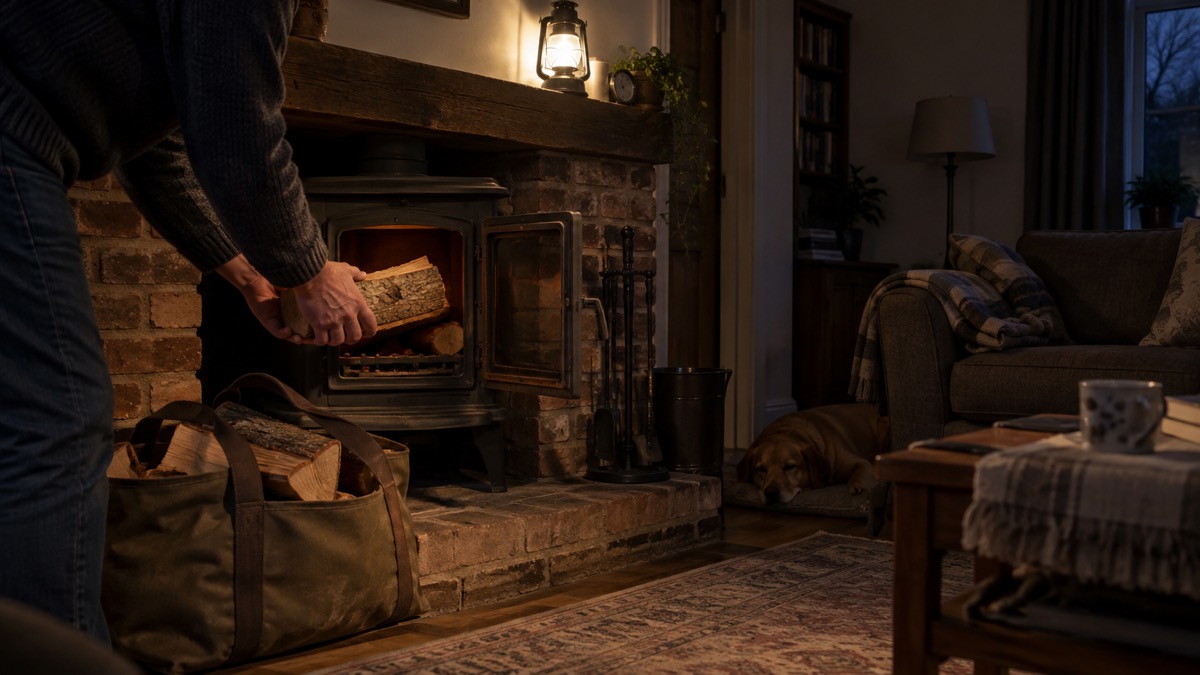
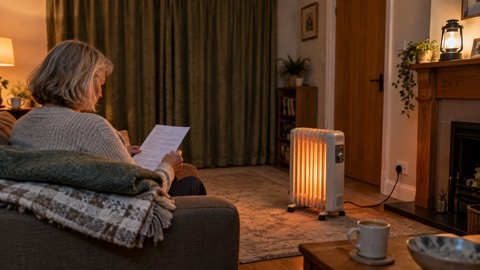
A wood burner can heat your home in a power cut, with two clear limits: it only works if you have dry fuel in stock before the cut begins, and it is one room's answer, not a whole-house one. Official guidance for power cuts is built around keeping the heat where the people are: keep warm with blankets and layered clothing, and shut the curtains and doors of unused rooms so the heat stays where you are1. A lit stove gives that warm room a source of heat that does not depend on the electricity grid.
What a stove cannot do is heat the whole house on its own, and it cannot run your central heating in the way a boiler does. The practical plan, endorsed across official advice, is to heat one room well, close internal doors, and layer up1. Alongside the stove, keep a torch handy rather than candles, because fire and rescue services see a rise in house fires during power cuts caused by careless use of candles, oil lamps and tea-lights3.
A wood burner keeps you warm in a power cut, if the fuel is already in the shed
The case for a wood burner in an outage starts with what stops working: if your home and hot water are heated by a boiler or a heat pump, it will not work during a power cut unless it is supported by backup power, because these are typically powered by electricity7. Heat pumps and electric storage heaters will not work in a power cut, and most gas boilers need electricity to start, so you may have no heating at all8. Official guidance for a cut is to wrap up warm and close internal doors to keep the heat in, with portable heaters a good alternative if heating systems are down9. A lit stove turns the room you settle into from the least cold room into a genuinely warm one.
The catch is fuel. A stove is only as good as the logs or approved solid fuel you have stored, and they must be the right fuel: dry, seasoned wood or approved smokeless fuels, not whatever is lying around10. Fire and rescue services warn that burning the wrong materials in open fires and wood burning stoves can cause toxic fumes, chimney fires and carbon monoxide poisoning11. So the preparation happens months before any cut: buy fuel marked "ready to burn"12, store it somewhere dry, and keep enough of it to run the stove for the length of a typical winter outage in your area.
While the stove burns, work with it rather than against it. Keep extra blankets nearby and close curtains, blinds or shutters to hold the heat in13. If you have a baby at home, keep a supply of pre-prepared formula baby milk if used, and prepare a flask of hot water for warming bottles and baby food, since the kettle will be off14. The stove's hot surface can heat water in pans and hot water bottles, which extends its warmth to beds in other rooms.
Wood-only or multi-fuel: what each stove can burn
A wood-burning stove is designed to burn wood. A multi-fuel stove can also burn approved solid fuels, which official guidance notes produce less smoke than house coal when burned and can be more efficient, so they cost you less to heat your home15. Wood-burning stoves themselves produce much less smoke than open fires16. Whichever you have, the rule from fire and rescue services is the same: burn only the correct fuel, because burning other materials can cause toxic fumes, chimney fires and carbon monoxide poisoning11.
| Stove type | What it burns | Notes for a power cut |
|---|---|---|
| Wood-burning stove | Dry, seasoned wood only, moisture content below 20%5 | Wet or newly-felled wood can cause tar or creosote to form in the burner and chimney |
| Multi-fuel stove | Dry wood plus approved solid fuels | Approved fuels produce less smoke than house coal15 |
| Open fire | Seasoned wood, smokeless fuels or coal | Produces more smoke than a stove; see our page on open fires |
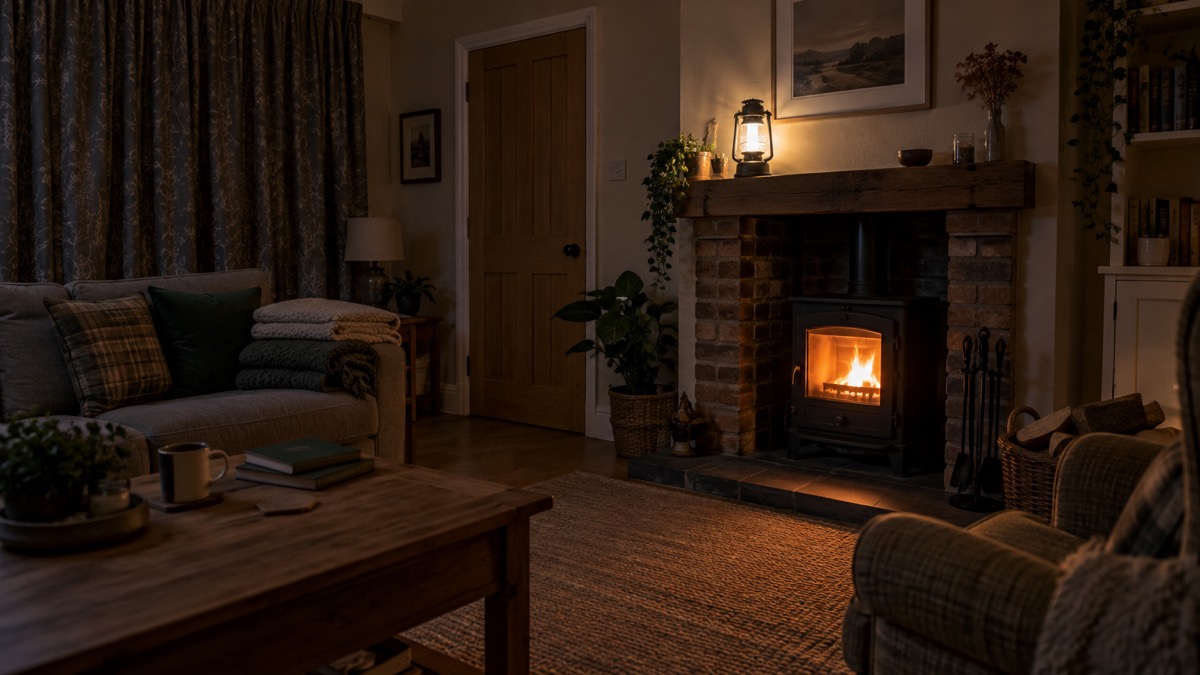
If you live in a smoke control area, the rules tighten. In these areas you can only burn unauthorised fuels, such as wood, on Defra exempt appliances, and you can only burn unauthorised fuels in Ecodesign stoves if those stoves also appear on the list of Defra exempt appliances15. There are additional regulations that apply to burning in these areas, and you could be committing an offence if smoke is released from the chimney of your home17. You must not buy a controlled fuel for use in a smoke control area unless it is to be used in an approved appliance16. Our page on smoke control areas explains how to check your address.
One more consideration before you light up at all. NHS guidance on indoor air pollution is blunt: do not burn unnecessarily at home, unless it is your only source of heat, for example in a wood burning stove or open fire18. In a power cut with the heating off, that condition is met. On an ordinary evening when the house is already warm, Defra's own advice is that not burning is the simplest way of reducing your costs and minimising your impact15.
What one stove can do: room heat, hot water and the limits on central heating
A stove heats the room it stands in, and it does that job well. What it will not do, without extra equipment and arrangements, is run a wet central heating system in a power cut. Boiler stoves and stoves plumbed into radiators depend on pumps and controls, and there is no official guidance here on running radiators from a stove during an outage, so treat any claim about that with caution and ask a HETAS installer what your specific system would do with the electricity off. The safe, official position is simpler: one warm room, closed doors, layered clothing1.
Hot water is more straightforward. You can heat water in pans on the stove's hot surface for hot water bottles, washing and food preparation. For cooking itself, official Scottish food safety advice confirms you can cook food and heat water using a camping stove, barbecue or bottled gas stove, checking the manufacturer's instructions for safe use19, and gas cookers may continue to function in a power cut even though electric and induction cookers will not20. Our pages on camping stoves and using a gas hob when the electricity is off cover those options.
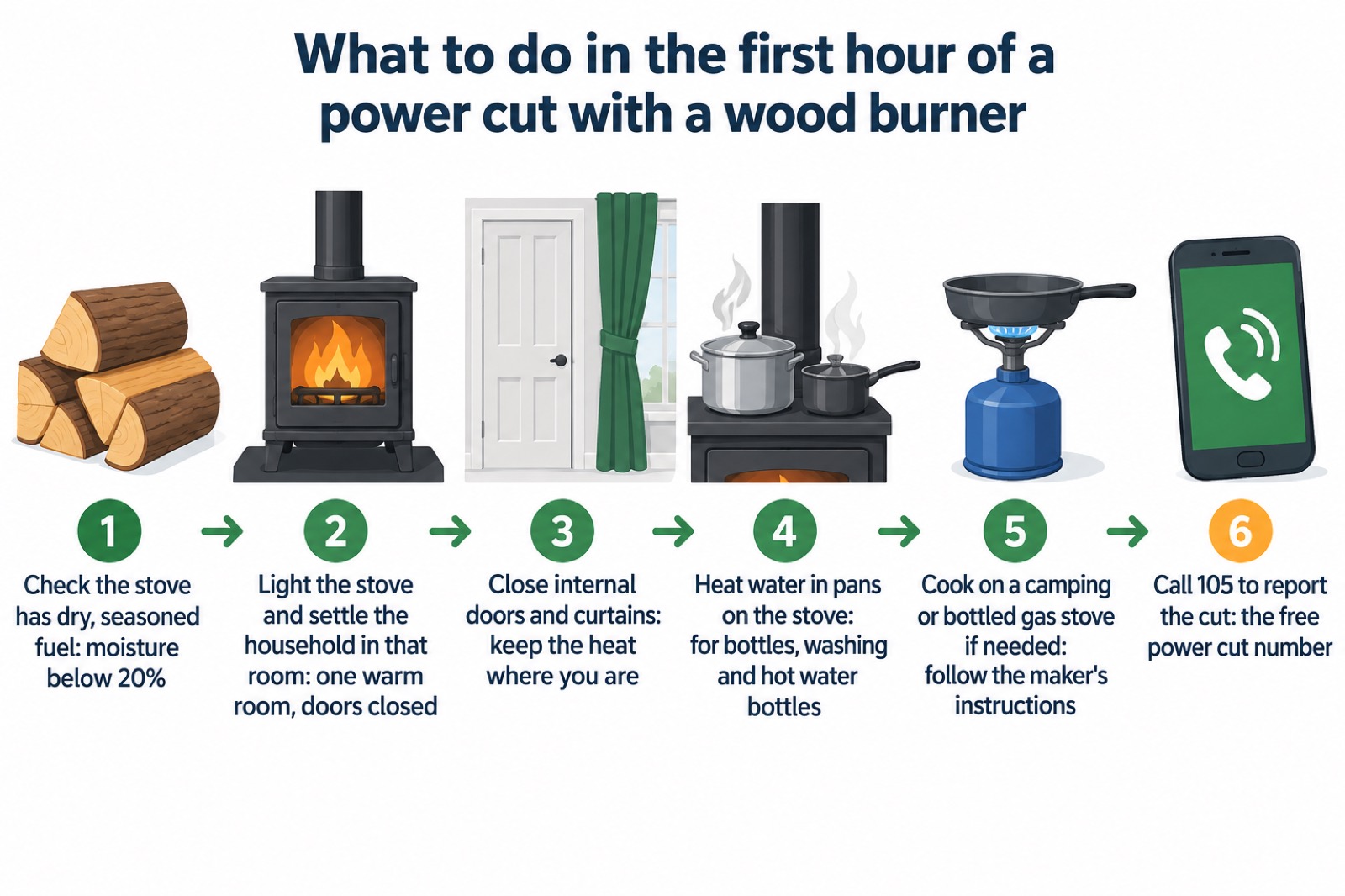
Ventilation matters throughout. If you have a wood burner or other non-electric stove, public health advice for a national power outage is to make sure the room is well ventilated and to follow all instructions carefully to avoid carbon monoxide poisoning9. That is not a reason to open every window: it means not sealing the room completely, and having a working carbon monoxide detector, covered below.
A slow, steady burn with the doors closed
The efficient way to run a stove in an outage is a slow, steady burn with the doors closed, not a roaring fire that eats your fuel store in an evening. The doors should be closed when a more efficient slow burn is required or when the room is unattended, and on some models they can be opened while the fire is alight to let the warmth and glow of a real fire complement the room.
There is a maintenance reason for this too. Official winter safety guidance from NHS Western Isles is that if a wood burner has been used at a low output for an extended period, this should be followed by a controlled high burn for at least 30 minutes to dry out any creosote and to warm up the chimney again6. The Scottish Fire and Rescue Service's chimney safety leaflet gives the same instruction7. A stove left smouldering for days deposits tar inside the chimney; the periodic hot burn clears it.
Two situations call for closing things down rather than opening up. If a chimney fire starts, North Yorkshire Fire and Rescue Service advise that if it is safe to do so, you should close the damper, doors or air vents to restrict the fire's oxygen supply5. And in a chemical or major accident emergency where you are told to go in, stay in and tune in, official advice includes closing dampers on solid fuel heaters to stop contaminated air being drawn through the house21. Our page on chimney fires covers the warning signs in detail.
Seasoned wood only: why wet logs cause tar and creosote
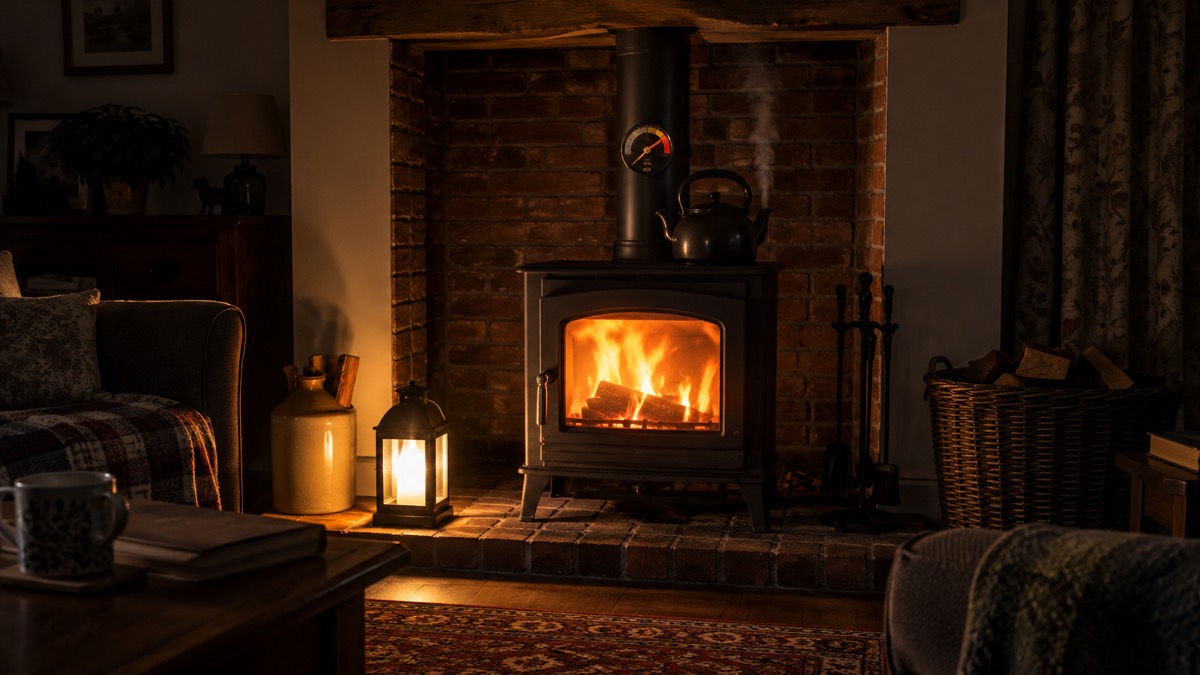
The rule is simple: only burn dry, seasoned wood with a moisture content below 20%5. Devon and Somerset Fire and Rescue Service explain that well-seasoned wood has been left to dry out for a long time so all the moisture has evaporated22, and the rule is the same for thatched properties, where only well-seasoned, fully dried wood should be burned23.
The reason is creosote. Wet or newly-felled wood can cause tar or creosote to form in the wood burner and the chimney24, and the same warning comes from the Welsh fire and rescue service25. Burning wet wood creates condensation that hardens to form tar, which is extremely flammable and can lead to chimney fires23. When burnt, wet wood with a moisture content above 20% produces lots of smoke, particles and tar deposits which can damage your health and the environment17, and it heats inefficiently, so you get less warmth from the same log26.
Do not burn wet or treated, painted or glued wood26. Some types of wood can be highly toxic when burned10, and our page on what wood and rubbish you should never burn lists them. The simplest guarantee of dryness is fuel certified under the Ready to Burn scheme: only burn fuels marked "ready to burn"12. For seasoning your own logs, see firewood: how dry it should be and how to season logs.
Where logs and other combustibles must never go
The most common and most preventable fire risk around a stove is storage. The Mid and West Wales Fire and Rescue Service instructs households not to stack logs or place any other combustible materials immediately adjacent to the stove or boiler, because the Service has been called to fires caused as a result of logs being stored against the hot external surface of wood burners24. The Welsh-language version of the same guidance repeats it: do not stack wood or other combustible materials against the stove or boiler25.
North Yorkshire Fire and Rescue Service put a number on the safe distance: keep combustible materials at least one metre away from the fireplace or stove5. That applies to the log basket, the sofa, drying laundry and anything else that can catch.
- Keep combustible materials at least one metre from the stove5
- Never stack logs against the stove's hot outer surface24
- Keep candles well away from anything that could catch fire27
- Keep electrical appliances and cables a safe distance from the cooker and hot surfaces, since heat can easily damage them and cause a fire28
- Never move a bottled gas or oil heater when it is lit27
That last pair matters in a power cut specifically. With the lights off, cables and heaters get moved into the warm room, and the Scottish Fire and Rescue Service warn that if a fire was to start, the lack of light in a smoke filled home makes escape far more difficult4. Arrange the room while you can still see it.
Smoke coming back into the room: what it means and what to do
Smoke spilling back into the room from a stove is a warning sign, not a nuisance. It can mean the flue is blocked or the appliance is faulty, and both are conditions under which gas boilers, wood burning stoves and open fires may give off carbon monoxide29. Carbon monoxide can form when there is not enough air around fuel burners and boilers, or if they are faulty29. If smoke is entering the room, stop using the stove, ventilate the room, and have the chimney and appliance checked before lighting it again.
The wider carbon monoxide risk in a power cut comes from what people bring indoors. Using equipment such as kerosene heaters, charcoal grills (BBQs) and portable generators indoors can cause carbon monoxide poisoning30, and only equipment designed to be used indoors should be brought inside the home30. Never use camping stoves and barbecues indoors, and do not use petrol or diesel generators or similar fuel driven equipment indoors9. Do not light a fire indoors unless you have a proper heating appliance for the purpose or a fireplace with a working chimney9. A properly installed stove with a clean flue is that proper appliance; a barbecue never is.
There must be good ventilation when fuel-burning equipment is used indoors30. In a power cut that does not mean sitting in a draught: it means not fully sealing the warm room, and trusting the carbon monoxide detector to alert you if something goes wrong. In Scotland, the requirement is explicit: you should have a carbon monoxide detector fitted in any room where there is a carbon-fuelled appliance, including rooms with boilers, open fires, heaters, stoves and a flue4.
Keeping children and the household safe around a hot stove
A stove running for hours through an outage is a hot surface in the room where the whole household is now living. The Mid and West Wales Fire and Rescue Service advise that children should be taught about fire dangers and not allowed near hot surfaces or the stove door, and that you should use a protective guard that suits the stove's design25. Never leave a fire unattended, particularly around children or pets5.
Candles deserve their own warning, because they are the classic power cut mistake. Avoid using candles and paraffin heaters3, and keep candles well away from anything that could catch fire if you must use them27. The Scottish Fire and Rescue Service report that whenever there are power cuts, they see a rise in house fires started by careless use of candles, oil lamps and tea-lights4, and their firefighters in England and Wales report being called to fires started by candles or portable heaters during power cuts27. A torch kept handy is the official alternative3.
If a fire does start, the basics from the London Fire Brigade's home fire safety guidance apply: check doors with the back of your hand, and leave the door closed if it feels warm or hot29. In a power cut, with the house dark, plan your escape route while the stove is lighting and the room is still lit by daylight or torchlight.
Installation, sweeping and where HETAS fits
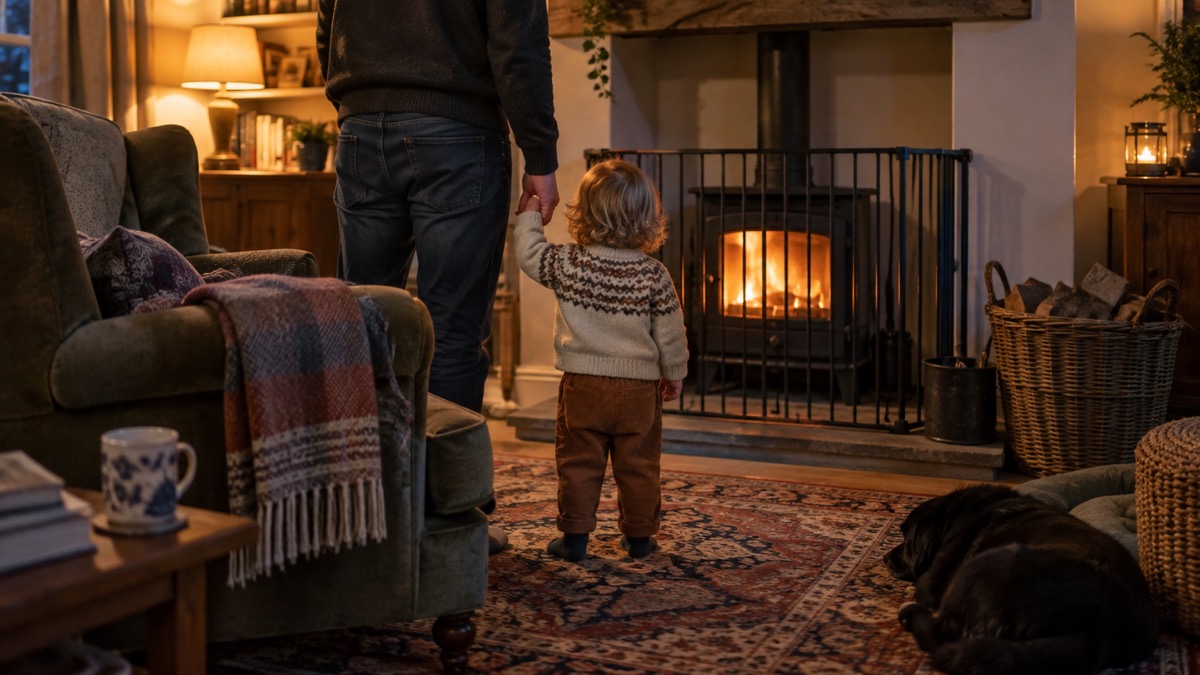
A stove that will carry you through power cuts safely starts with a proper installation. The Mid and West Wales Fire and Rescue Service state that the stove or boiler should be installed by a competent person, following the maker's instructions and the building regulations and codes of practice24, and Carmarthenshire Council's advice is that any work carried out in relation to solid fuel, wood or a biomass unit should be undertaken by a HETAS installer, competent in that area of work31. HETAS is the solid fuel and biomass organisation that registers those installers32.
After installation, maintenance is annual. Have wood-burning and multi-fuel stoves serviced annually33, and have the chimney swept regularly: our page on how often a chimney should be swept and checked sets out the intervals. North Yorkshire Fire and Rescue Service run an annual chimney fire safety campaign encouraging residents to act before winter5, and HETAS has continued its support for Chimney Fire Safety Week32.
If your wood burner is not burning correctly, the Welsh fire and rescue service advise contacting the company or shop that sold it to you, or contacting the British Solid Fuel Appliance Manufacturers' Association for advice25. For installers, fuels and general help, HETAS can be reached at www.hetas.co.uk or on 01684 278170, with approved fuel lists available on 0845 634 56267.
For the power cut itself, the number to know is 105: call it to report the cut and get information3, and it appears as the power cut number in local authority emergency plans too34. If you are considering a stove before winter, our before-winter checklist for your heating and stove and the wood burner lighting and safety kit checklist list what to have ready, and using a wood burner safely covers the air controls, door and guards in more detail.
Sources (34)
- Loss of essential services: be prepared, Greater Manchester Combined Authority, 2026
- Weather ready tips for snow and ice, Met Office, 2025
- Adverse weather events, Llangattock Community Council, 2026
- Heating and gas, Scottish Fire and Rescue Service, 2024
- Chimney Fire Safety Week: residents encouraged to act now, North Yorkshire Fire and Rescue Service, 2026
- Keep Safe Keep Well winter safety campaign 2024 to 2025, NHS Western Isles, 2024
- Chimney safety leaflet, Scottish Fire and Rescue Service, 2024
- Stay safe in a thunderstorm, Met Office, 2026
- Keeping warm or cool in extreme weather: scripts for broadcast media, UK Chief Medical Officers, 2025
- Stay warm safely this winter, Devon and Somerset Fire and Rescue Service, 2026
- Stay fire safe, Manchester Fire and Rescue Service, 2026
- Fire safety at home, Surrey County Council, 2026
- Winter ready, Isle of Anglesey County Council, 2026
- Strong winds and heavy rain warning: information and advice, nidirect, 2026
- Ready to Burn: practical guide on open fires and wood-burning stoves, Defra, 2023
- Ready to Burn web version, October 2023, Defra, 2023
- Burn Better, Defra, 2026
- Indoor air pollution, NHS inform Scotland, 2026
- Food safety in the kitchen: power cuts, Food Standards Scotland, 2026
- Food safety in a power cut: advice for consumers, Food Standards Agency, 2023
- Major accident hazards emergencies | Merthyr Tydfil County Borough Council, Merthyr Tydfil County Borough Council
- Open fires, Devon and Somerset Fire and Rescue Service, 2026
- Thatched properties, Devon and Somerset Fire and Rescue Service, 2026
- Chimneys, open fires and wood burning stoves, Mid and West Wales Fire and Rescue Service, 2026
- Simneiau tanau agored a stofiau llosgi pren, Mid and West Wales Fire and Rescue Service, 2026
- Fuel Good campaign, Oxford City Council, 2026
- Power cuts, Scottish Fire and Rescue Service, 2026
- Your guide to fire safety, Scottish Fire and Rescue Service, 2023
- Digital easy read fire safety booklet, London Fire Brigade, 2026
- Strong winds weather warning: information and advice, nidirect, 2026
- Carbon monoxide poisoning, Carmarthenshire County Council, 2023
- Chimney fire safety campaign, North Yorkshire Fire and Rescue Service, 2023
- Chimney fire safety, Oxfordshire County Council, 2026
- Emergency home emergency plan, Royal Borough of Windsor and Maidenhead, 2026
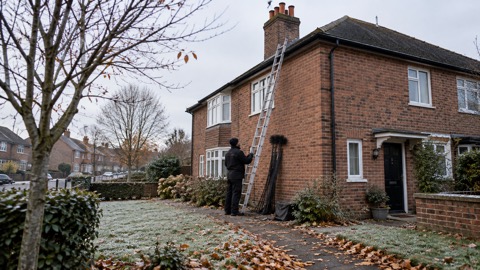 Before-Winter Heating Checks
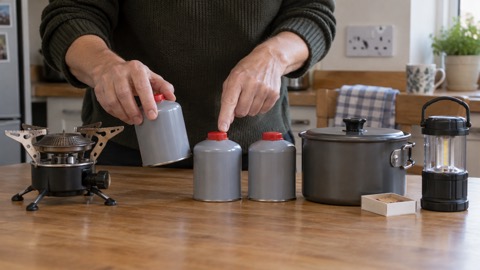 Backup Stove Kit Checklist
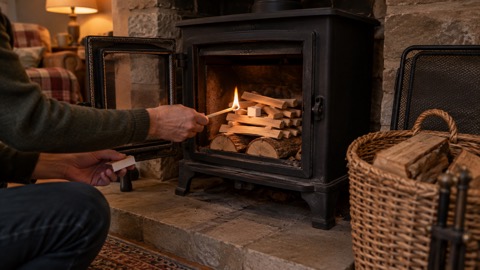 Wood Burner Lighting Kit
 Keeping One Room Warm
 Clothing and Bedding for Cold
 Stopping Draughts
 Hot Water Bottle Safety
 Wheat Bags and Fire Risk
 Electric Blanket Safety
 Portable Heater Types
 Portable Heater Safety
 Using a Wood Burner Safely
 Open Fires and Fire Guards
 Firewood and Seasoning Logs
 Smoke Control Areas