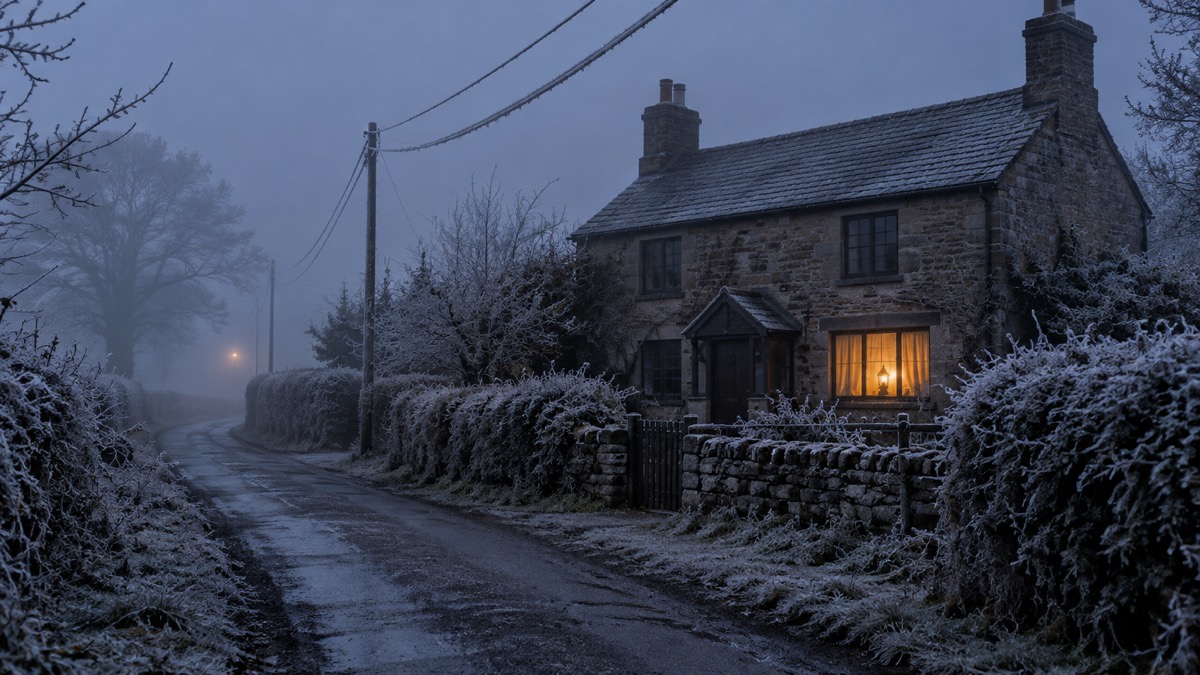
When the electricity goes off in cold weather, the aim is not to keep the whole house warm. It is to keep one room, and the people in it, warm enough to be comfortable and safe until the supply returns. Independent guidance is direct: to keep warm, stay in one room, or even in bed1. Official advice for a gas outage makes the same point, suggesting you think about only keeping one room warm rather than trying to heat the whole house2.
Choose a room that catches the sun if you can. Independent guidance for a cold-weather power cut says to stay in south-facing rooms, wear plenty of layers and keep moving3. Then hold the heat in: close internal doors, draw curtains and keep windows shut4. Layer your clothing, keep blankets within reach, and wear a hat and gloves indoors if you need them5.
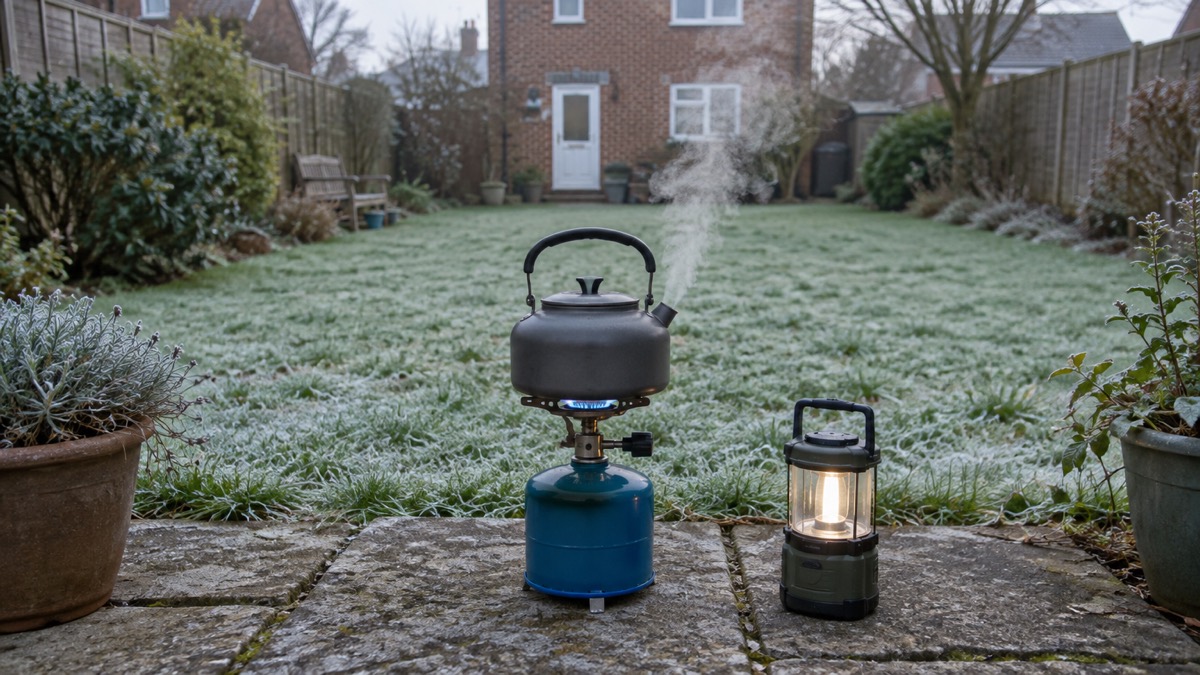
The one thing not to do is bring a camping stove, barbecue, portable generator or outdoor heater indoors to make up the difference. Official warnings are clear that using equipment such as kerosene heaters, charcoal grills and portable generators indoors can cause carbon monoxide poisoning6. Warmth comes from layers, a closed door and your own movement, not from a flame in a sealed room.
Pick one room and stay in it, or even in bed
The single most useful decision in a cold-weather power cut is to stop trying to heat the house and settle into one room. Independent guidance says plainly: to keep warm, stay in one room, or even in bed1. Official guidance for a gas outage takes the same approach, suggesting you think about only keeping one room warm rather than trying to heat the whole house, so you stay nice and warm in one room2. The Red Cross adds that heating one room during the day is a cost-effective way to keep your house warm9.
Which room? A south-facing room is the first choice, because it gains the most from whatever winter sun there is; independent guidance for a cold-weather power cut says to stay in south-facing rooms if you can3. Beyond that, pick the room you can close off most easily, with a door you can shut and, ideally, a window that gets the sun. Bring what you need in with you so the door stays closed: blankets, warm clothes, a flask, a torch, any medicines, and something to do.
If you cannot heat every room you use, keep to one living space through the day, then move to the bedroom at night. Staying in one room also means you are not opening and closing doors to cold rooms, which lets heat escape. The advice for a power cut is to keep warm by staying in one room, or even in bed1. Where a gas outage has taken out the heating, think about only keeping one room warm rather than trying to heat the whole house2.
Choosing the warmest room: south-facing and with doors closed
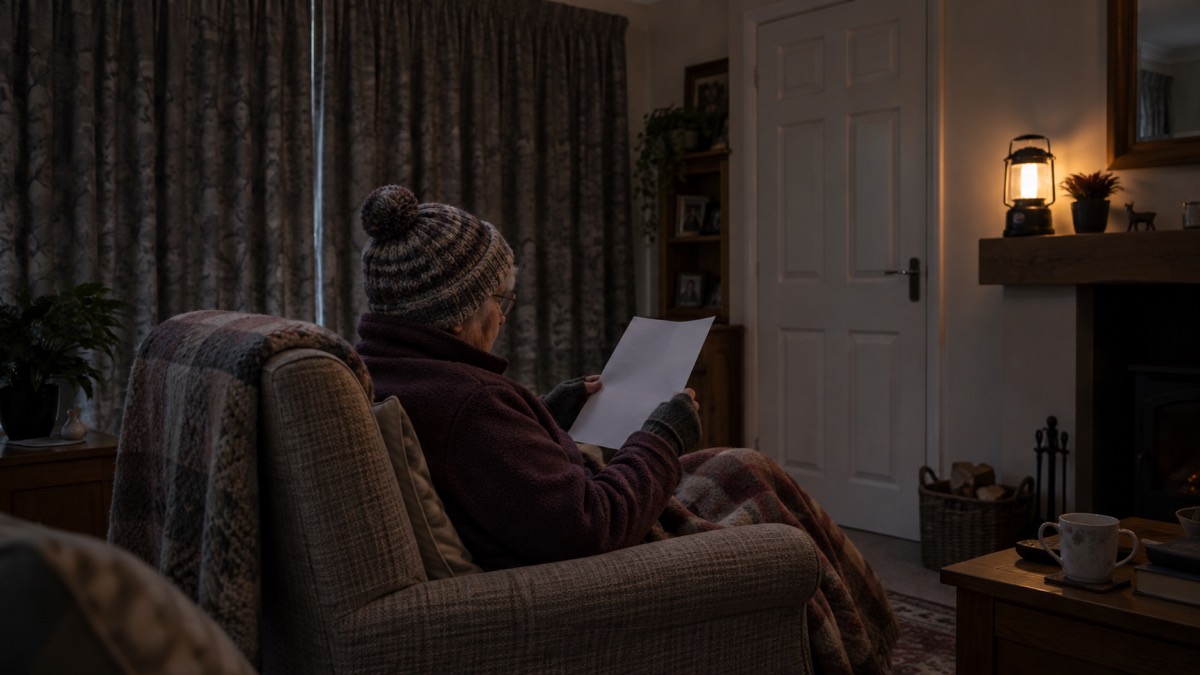
A room holds its heat better when it is small, closed and catches the sun. South-facing rooms are the ones to aim for3. Close the door behind you and keep it closed. The Met Office's advice to shut doors to keep heat in the rooms you use most applies whether the heating is on or off4.
Think about where the cold comes from. Windows lose heat fastest, so draw curtains or close blinds, and keep them closed11. External doors should stay shut. If you have a room you are not using, close its door: official guidance for people most at risk in a power cut says to keep doors of unused rooms closed and close curtains to keep the heat in12. The same advice appears in independent guidance for power cuts: close doors to unused rooms and draw curtains to retain heat13.
| What to do | Why it helps | Source |
|---|---|---|
| Choose a south-facing room | Gains the most from winter sun | 3 |
| Close the door and keep it shut | Keeps your body heat and the room's heat in | 4 |
| Draw curtains or close blinds | Slows heat loss through the glass | 11 |
| Close doors to unused rooms | Stops heat draining into cold spaces | 12 |
| Keep windows closed | Stops cold air replacing warmed air | 4 |
If you have a room with a chimney or an open fireplace you are not using, keep it closed off. Do not light a fire unless the chimney has been swept and the fire is safe to use; a blocked or dirty flue is a carbon monoxide risk. The safest approach in a power cut is to rely on layers and a closed room, not on an open flame.
Close curtains, windows and doors to keep the heat in
Holding heat in is mostly about small, repeated actions. The Met Office's power cut advice is to wrap up warm and close internal doors to keep the heat in14. Anglesey Council's winter-ready guidance adds the practical detail: keep extra blankets nearby and close window shutters, blinds or curtains to help keep the heat in11. Close doors to unused rooms and draw curtains to retain heat12.
Work through the room methodically:
- Curtains: draw them as soon as the light fades, and keep them closed. Close blinds or shutters too11.
- Internal doors: shut every door between you and an unheated room, and close it behind you when you move around4.
- Windows: keep them closed to prevent heat loss, and open internal doors only as needed, closing them behind you15.
- External doors: keep them shut, and use a draught excluder or a rolled towel at the bottom if cold air comes under the door.
- Letterbox and keyhole: a rolled cloth or a draught cover stops cold air blowing in.
Layers, blankets, hats and gloves
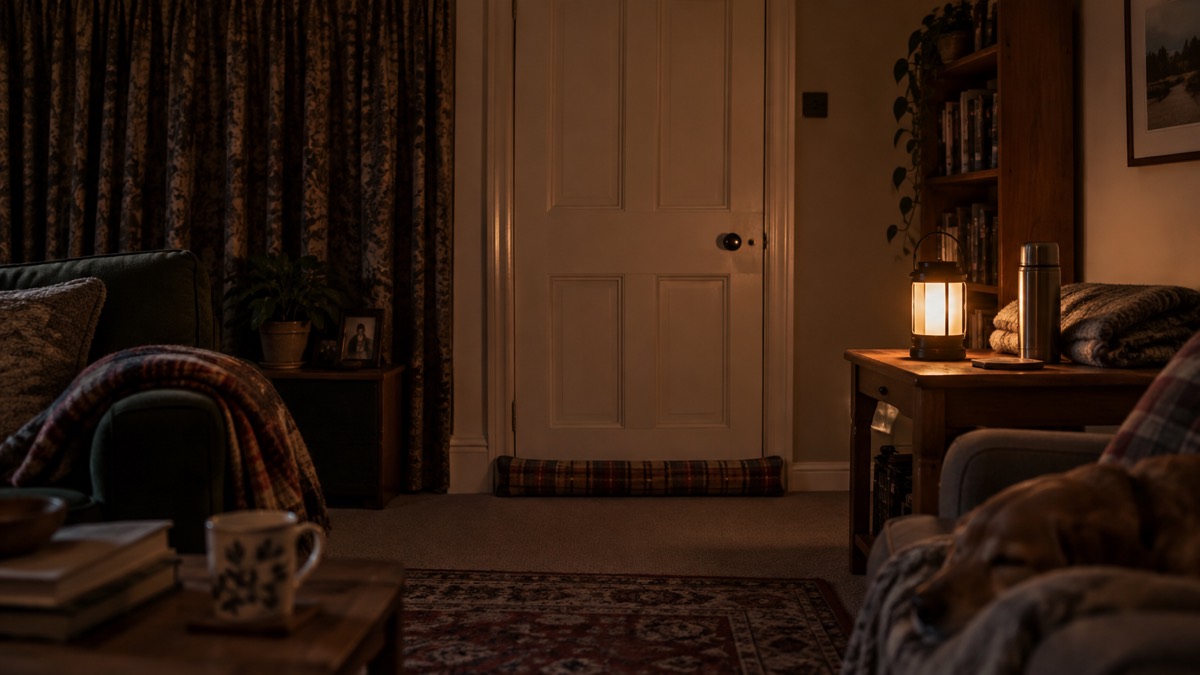
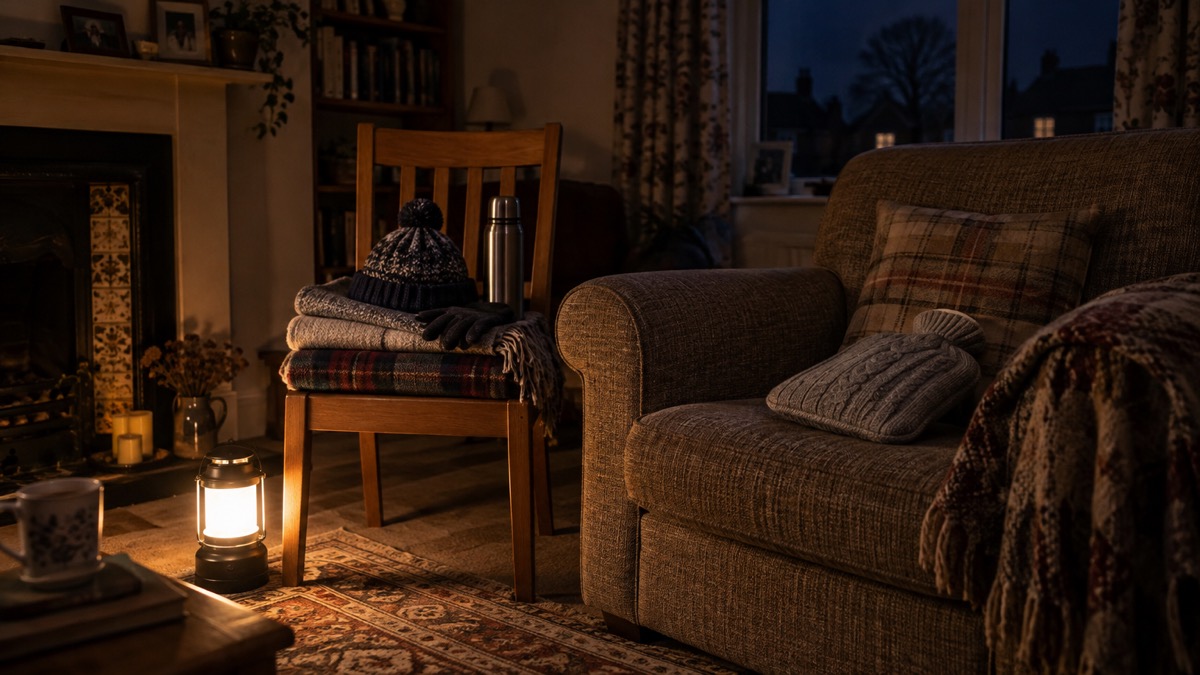
Clothing does more for you in a power cut than any heater you can safely run. The NHS in the West Midlands advises wrapping up warm by wearing several layers of clothing, a hat, gloves and a scarf, and keeping dry to prevent loss of body heat5. Have extra blankets, warm clothing and a hot water bottle ready16.
Layers work because trapped air between them insulates you. Loose-fitting, lightweight layers are easier to move in and to add or remove as you warm up or cool down. Official guidance for people staying safe if cut off in snow recommends staying indoors wearing layers of loose-fitting, lightweight warm clothing17. Keep a hat on indoors: a lot of heat is lost from an uncovered head, and a hat is easy to take off if you get too warm.
Have the following within reach before you settle:
- Several layers of clothing, including a warm jumper or fleece18
- A hat, gloves and a scarf5
- Extra blankets, kept nearby rather than in another room11
- Warm, dry socks and slippers
- A flask of hot drink, if you have been able to boil water safely outside2
Keep moving to stay warm
Sitting still for a long time lets your circulation slow and your body cool. The Red Cross advises avoiding sitting still for long periods: move around and keep as active as possible, which helps boost your circulation and keep you warm9. If you go outside, keep moving your arms and legs to help the blood circulate14.
You do not need to exercise hard. Small, regular movement is enough:
- Stand up and walk around the room every so often.
- Circle your arms and march your legs on the spot.
- Wiggle your fingers and toes, and flex your feet.
- Make a hot drink or a hot meal if you have safe means to do so, and hold the warm mug.
- Do a few gentle chores that keep you on your feet, such as tidying or folding laundry.
If you have mobility problems, do what you can from a seated position: arm circles, ankle rotations and shoulder rolls all help. Ask someone to check on you if you live alone.
Getting ready before a cold-weather power cut
Most of the work is done before the lights go out. Independent guidance for power cuts says to keep blankets and thick clothes ready and easily accessible to keep everyone warm, and to close doors to unused rooms and draw curtains to retain heat13. Another independent guide says to have warm clothes and blankets accessible, and if the weather is cold, to keep blankets and warm clothing near you19.
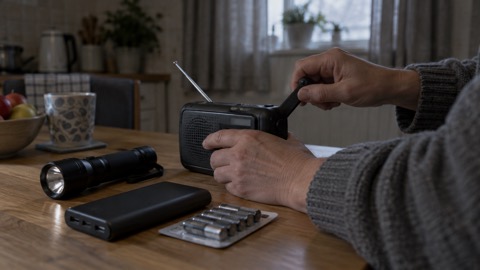
Build a small cold-weather kit for the room you plan to use:
- Blankets, warm jumpers and warm clothes, easy to hand18
- A hat, gloves and a scarf for each person5
- A torch, kept handy in case you are without power during the night20
- A flask, so hot water boiled safely outside can be kept for drinks2
- A battery or wind-up radio, and spare batteries
- Any medicines and a first aid kit
- A carbon monoxide alarm with a working battery, if you have any fuel-burning appliance
If you rely on electricity for medical equipment, or you are older or unwell, ask your network operator about the Priority Services Register. It can give you extra help during a long outage. For the wider picture, see Keeping Warm Without Electricity and the Power Cut Kit Checklist.
Staying safe with heat, flames and fuel
The biggest danger in a cold power cut is not the cold itself but the things people bring indoors to fight it. Official warnings are consistent. Using equipment such as kerosene heaters, charcoal grills and portable generators indoors can cause carbon monoxide poisoning6. Outdoor heaters must not be used indoors: they are a fire risk in a confined space and produce carbon monoxide, which can be fatal7. Gas heaters should only be used in well-ventilated areas15.
If you have a gas or solid-fuel appliance, make sure it is serviced and the flue is clear, and fit a carbon monoxide alarm. For more, see Carbon Monoxide Risks When the Heating Is Off and Smoke and Carbon Monoxide Alarms That Keep Working Without Mains.
Cooking is a separate risk. Food Standards Scotland says you can cook food and heat water using a camping stove, barbecue or bottled gas stove, checking the manufacturer's instructions for safe use, but that cooking this way can take longer, so make sure food is steaming hot and cooked all the way through22. Wiltshire and Swindon Prepared adds that if you are able to use a camping stove outside, it may be worth boiling water to keep in a flask so hot soup or a hot drink can be made2. The key word is outside.
Looking after older and vulnerable people
Cold affects some people far more than others. Official guidance for people most at risk in a power cut says to keep warm by using blankets and layered clothing, keep doors of unused rooms closed and close curtains to keep the heat in12. Government guidance for cold weather says rooms, particularly living rooms and bedrooms, should be kept warm23.
Check on older neighbours or relatives to make sure they are safe and well, warm enough especially at night, and have stocks of food and medicines so they do not need to go out during very cold weather8. If you are helping someone, make sure their main living room is the one kept warm, that they have layers and blankets within reach, and that they know how to contact you.
For more on who is most at risk, see Cold Homes and Health: Hypothermia and Who Is at Risk. If the power is off and you need to report it, ring 105. See How to Report a Loss of Electricity: Ring 105.
Sources (23)
- Emergency power cuts, NIE Networks
- What you might need in a gas outage, Wiltshire and Swindon Prepared
- What to do in a power cut, Which?
- Keeping your home warm in winter, Met Office
- Cold weather advice, West Midlands Ambulance Service
- Strong winds weather warning information and advice, nidirect
- Heating your home, North Yorkshire Fire and Rescue Service
- Adverse weather events, Llangattock Community Council
- Tips on keeping warm this winter, British Red Cross
- How to prepare for the loss of electricity, Wiltshire and Swindon Prepared
- Winter ready, Isle of Anglesey County Council
- Be informed about hazards: power cuts, Prepare
- Tips to prepare for a power cut, Electricity North West
- Amber warning for further snow in Scotland, Met Office
- Heaters, Devon and Somerset Fire and Rescue Service
- What to do in a power cut | Northern Powergrid, Northern Powergrid
- Met Office weather ready tips for snow and ice, Met Office
- Failure of national electricity, Wiltshire and Swindon Prepared
- Types of power cut, Powercut105
- Make a plan to be winter ready, UK Power Networks
- Strong winds and heavy rain warning information and advice, nidirect
- Power cuts, Food Standards Scotland
- Supporting vulnerable people before and during cold weather, GOV.UK
 Power Cut Kit Checklist
 What to Keep Charged
 Household Emergency Plan
 Food to Throw Away After a Cut
 Heating a Room With a Gas Hob
 Hot Water Bottles and Children
 Unplugging Appliances in a Cut
 Checking Your Trip Switches
 Vehicle Touches Overhead Line
 Reporting a Damaged Substation
 Protected Sites
 Heatwaves and Power Cuts
 Smart Meters and Power Cuts
 Keeping Medicine Cold
 Registering a Relative for Help