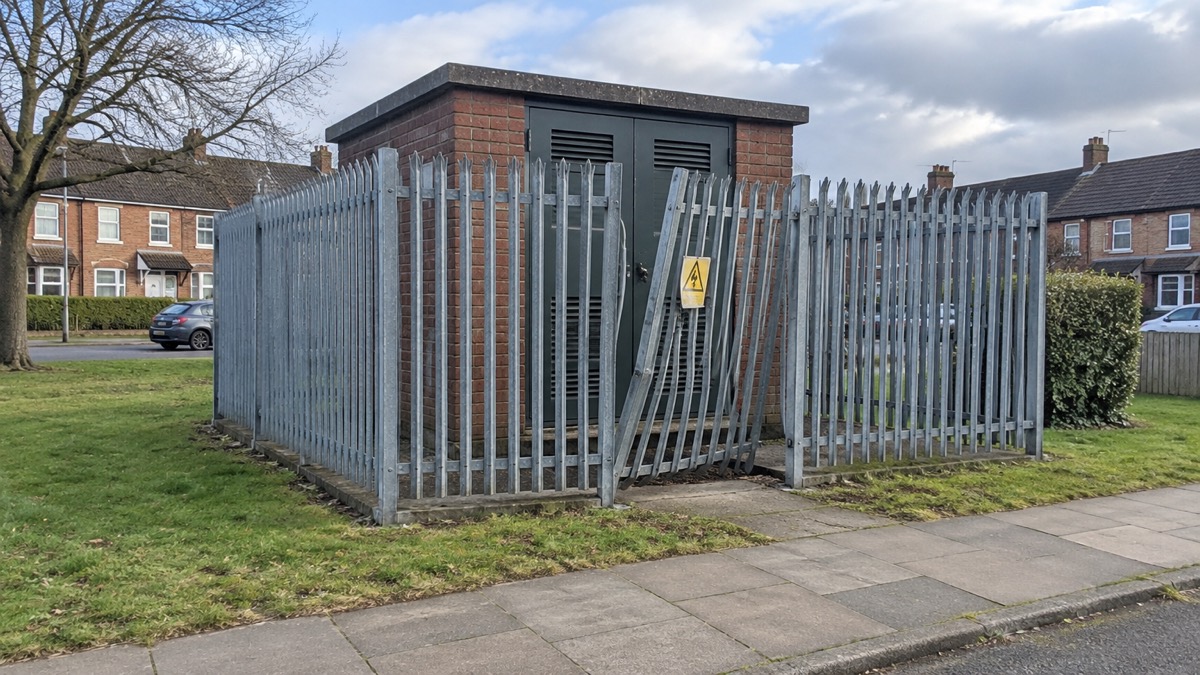
If you find a substation with its gate hanging open, a fence pulled down, or a cable brought down by a storm, the first thing to do is stay back. Do not go in, do not touch anything, and do not try to close a gate or move a fallen line. Electricity at high voltages can jump gaps with no warning, and the government's storm guidance is blunt: keep as far away as possible1.
Then report it. In Great Britain, ring 105, the free national number for power cuts and for damage to power lines or substations2. In Northern Ireland, ring NIE Networks on 03457 643 6433. If there is an immediate risk to life, or someone is in danger, ring 999 instead4.
You do not need to know which company owns the equipment. The 105 service connects you to the right network operator for your area, and the operator's job is to make the site safe. What follows explains what counts as damage worth reporting, the other ways to report it, and what happens once you have.
Never touch damaged electrical equipment
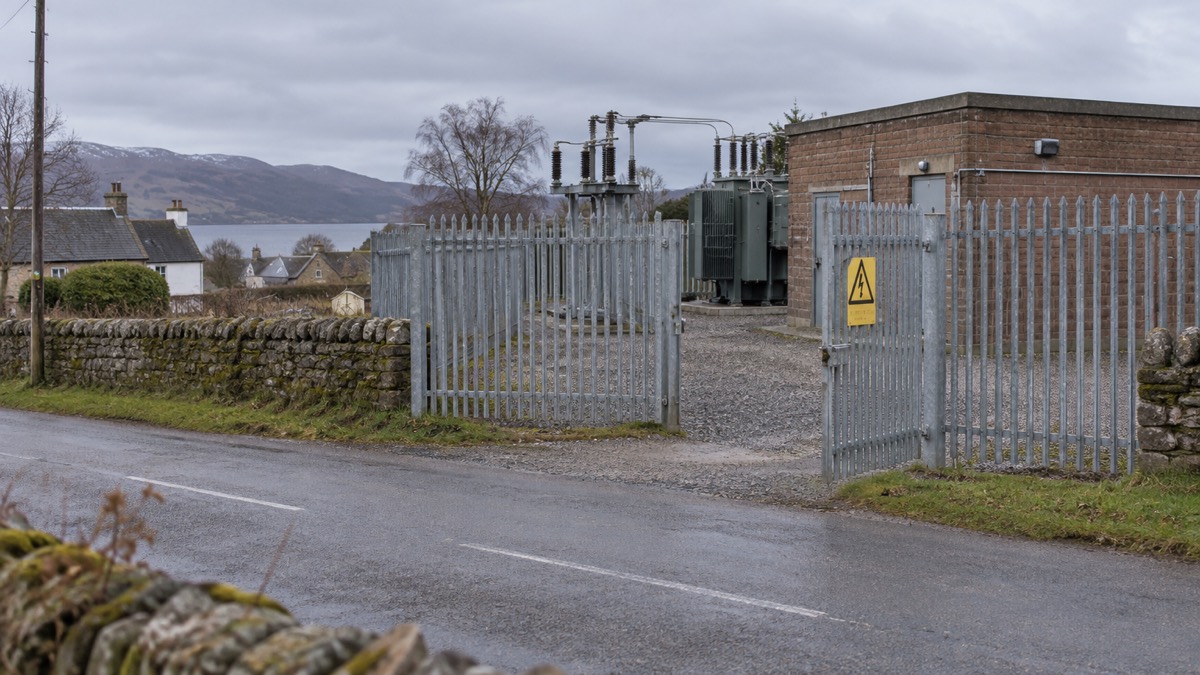
The rule is the same across every official source: do not approach damaged electricity equipment or broken power lines1. The network operators say it in their own words too. Scottish and Southern Electricity Networks states plainly that you should never enter one of its substations5. Northern Ireland's official storm advice repeats the warning after severe weather: be careful not to touch any electrical or telephone cables that have been blown down or are still hanging6.
This matters because a substation is not a shed with a lock on it. It is live equipment, often at high voltage, and an open door or a gap in the fence is exactly the situation the operator wants to know about. The Health and Safety Executive advises that if a substation fence is broken and people could get in, you should raise the matter with the local electricity network operator, and if they have not responded adequately, raise a complaint with the HSE7.
Children are the particular concern. SSEN's safety advice for children asks adults to check the substation name on the gate and ring the emergency number, which is a useful habit: the name plate tells the operator exactly which site you mean8.
Call 105, or 03457 643 643 in Northern Ireland
The number to ring depends on where you live, and it is worth saving both if you have family across the water.
| Where you are | Who to ring | What it is for |
|---|---|---|
| Great Britain (England, Scotland, Wales) | 105 | Power cuts, and damage to power lines or substations2 |
| Northern Ireland | 03457 643 643 | NIE Networks, to report a power cut or a damaged power line3 |
| Either, if life is at risk | 999 | Immediate risk to life or someone in danger4 |
The 105 line is free on a landline or mobile, and it is the number SSEN gives customers who cannot carry out a full reset of their trip switches or checks themselves9. Electricity North West also points people to 105 for help with checking trip switches, to report a power cut and to get the latest updates10. The National Energy System Operator describes it as the number for updates about outages in your area, and for reporting a power cut or damage to power lines or substations2.
In Northern Ireland, NIE Networks runs a single helpline on 03457 643 643 for power cuts and damaged power lines3. The number appears in the government's household emergency kit list as the contact for Northern Ireland Electricity11, and in its flood preparation advice for flooded homes12. The formatting varies slightly between documents, with and without spaces, but the digits are the same.
If you are in the Republic of Ireland, the number is different again: 1850 372 9994. This page covers the UK, but it is worth knowing if you live near the border.
Other ways to report: online, WhatsApp and Facebook
The phone is not the only route, and for something that is not urgent, a written report with a photograph can be more useful to the operator than a call.
SSEN says that if you have noticed damage to one of its substations, or that the access doors or gates are open, or that your belongings have fallen into a substation, you can report it by phone on 105, by Facebook Messenger or by WhatsApp5. Electricity North West takes reports of damage, graffiti, vandalism, flooding, litter or fly tipping at its substations online through an enquiry form, or by ringing 0800 195 4141, 24 hours a day, seven days a week, and asks for as much detail as possible and an image if you report online13.
A few practical points follow from that:
- Give the site name. Report issues such as damage, graffiti, vandalism, flooding, litter or fly tipping online via the enquiry form or by calling 0800 195 4141, 24 hours a day, 7 days a week, with as much detail as possible and an image if reporting online10.
- Say what you can see, not what you think caused it. "Gate open, no one inside" is more useful than a guess.
- Report open doors or gates. If you've noticed damage to a substation or that the access doors or gates are open or your belongings have fallen in, report it by phone on 105, Facebook Messenger or WhatsApp9.
- Use the phone for anything urgent. To report a damage, hazard or dangerous situation, call 10512.
If you spot sparking equipment, damaged poles, or unusual humming from substations or cabinets, Electricity North West asks you to report it right away, because even if it seems minor it could prevent a serious safety issue14. Surrey County Council's advice is to report damaged or dangerous electrical equipment, including during or after a power cut, but to ring 999 in an emergency15.
What network damage looks like after a storm
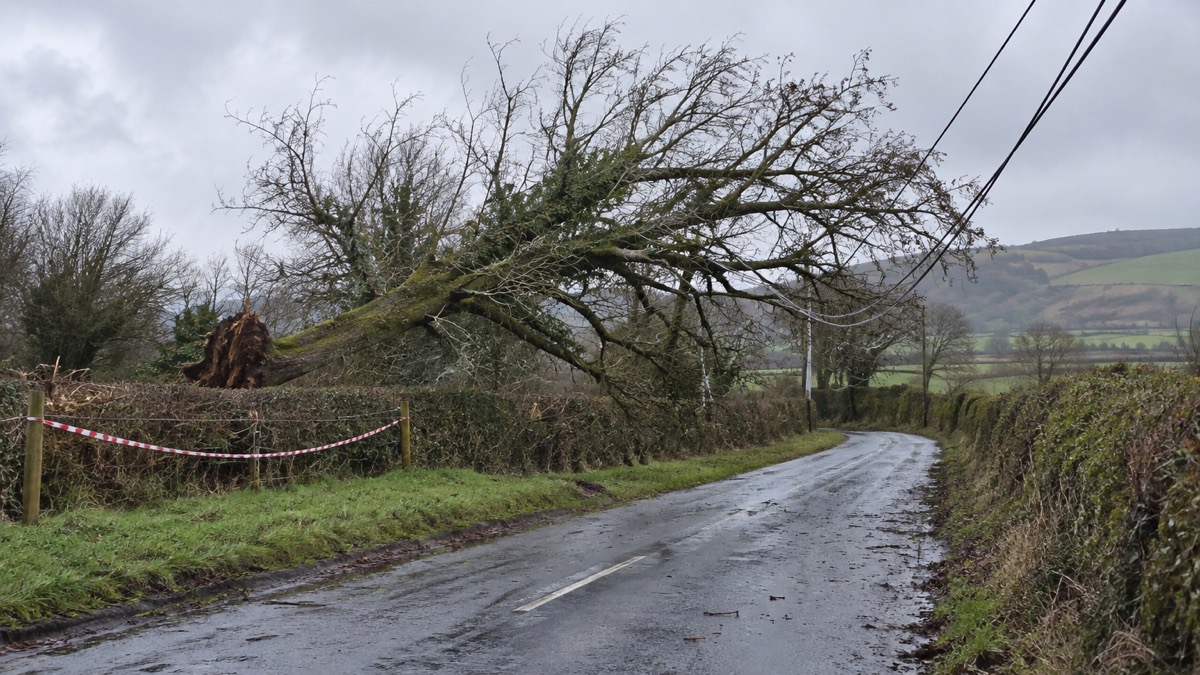
Storms are when most of this reporting happens. If you see power lines that have been brought down or damaged, keep as far away as possible, because electricity at high voltages can jump gaps with no warning13. After a storm, be careful not to touch any electrical or telephone cables that have been blown down or are still hanging13. When it is safe to do so, check for damage and make sure any such damage is secured3.
After weather like that, the things worth reporting include:
- Fallen or low-hanging power lines. Keep as far away as possible; high voltages can jump gaps with no warning1.
- Damaged or unsecured substations, poles or transformers. These are on the list of hazards network operators want to hear about immediately16.
- Overhead lines at risk of contact with trees, machinery or buildings16.
- Exposed underground cables, and broken or missing barriers16.
- Sparking equipment, smoke or fire from equipment16.
- Overgrown trees and plants near overhead lines. Northern Powergrid says these can be a safety hazard if they come into contact with overhead lines, and asks people to report vegetation they think needs trimming advice17.
For fallen trees or dangerous debris, the fire and rescue service advises contacting your local council, unless someone is trapped or injured, in which case ring 99918. That is a different call from the electricity report, and you may need to make both.
What happens after you report it
When you ring 105 or the Northern Ireland helpline, your report goes to the network operator for your area, the company that owns the poles, cables and substations rather than the company that sends your bill. The operator decides whether to send an engineer straight away, and for an open substation or a downed line that is usually treated as urgent.
You can help by staying on the line long enough to give the location and a contact number, and by keeping clear until someone arrives. Do not put yourself forward to guard the site, and do not let children or pets near it.
If the substation fence is broken and people could get in, the Health and Safety Executive's advice is to raise it with the local electricity network operator, and if you think they have not responded adequately, to raise a complaint with the HSE7. That gives you a route if a dangerous site is left open.
For the outage itself, Ofgem's guaranteed standards include a payment when supply is not restored within 12 hours for interruptions outside severe weather19. Storm events are handled separately, and the regulator sets the detail. Keep a note of when your power went off and when it returned.
If anyone in your household depends on electricity for medical equipment, or would struggle in a long outage, ask your supplier to add you to its Priority Services Register, which Ofgem describes as giving priority support in an emergency20. Our guide to the Priority Services Register explains who can join.
Generators, trip switches and other things people ask
Before you report a power cut, check your own trip switches. A tripped switch at your consumer unit is a common cause of a single home losing power. If you cannot carry out a full reset or the checks yourself, SSEN says to ring 105 free on a landline or mobile9. Our page on trip switches walks through it.
Generators need care. Never run one indoors, in a garage or in any enclosed space, because of carbon monoxide. After a storm, be careful not to touch any electrical or telephone cables that have been blown down or are still hanging13, and when it is safe to do so, check for damage and make sure any such damage is secured3.
Find your network operator by asking your supplier or checking a bill. Northern Powergrid, for example, covers North East England and Yorkshire21. In Northern Ireland there is one operator, NIE Networks3.
Keep the numbers to hand. A written list by the phone still works when the mobile is flat. Our emergency numbers checklist is a place to start, and how to report a loss of electricity covers the outage side in more detail.
Sources (21)
- Storms, GOV.UK Prepare, 2026-10-19
- Energy outages, National Energy System Operator, 2026
- Power cut advice, NIE Networks, 2026-10-25
- Power cut, Energy Networks Association, 2026-10-25
- Electricity substations, SSEN, 2026-10-26
- Strong winds and heavy rain warning, nidirect, 2026-01-27
- Electricity FAQs, Health and Safety Executive, 2026
- Safety for kids, SSEN, 2026-10-25
- What to do during a power cut, SSEN, 2026-10-25
- Equipment services: what to do in a power cut, Mersey Care NHS, 2026-10-25
- Household emergency kit, nidirect, 2026-07-06
- Preparing for a flood, nidirect, 2025-09-11
- Electricity substations, Electricity North West, 2026-10-25
- Be summer ready, Electricity North West, 2026-10-25
- Power, gas and water: what if they fail, Surrey County Council, 2026
- Report an issue, Northern Powergrid, 2026-10-25
- Safety, Northern Powergrid, 2026-10-26
- Safety in severe weather conditions, Devon and Somerset Fire and Rescue Service, 2026
- Check if you can get payment for a power cut, Ofgem, 2026
- Join your supplier's Priority Services Register, Ofgem, 2026
- How the power system works in the UK, Wiltshire and Swindon Prepared, 2026-10-25
 Power Cut Kit Checklist
 What to Keep Charged
 Household Emergency Plan
 Food to Throw Away After a Cut
 Keeping One Room Warm
 Heating a Room With a Gas Hob
 Hot Water Bottles and Children
 Unplugging Appliances in a Cut
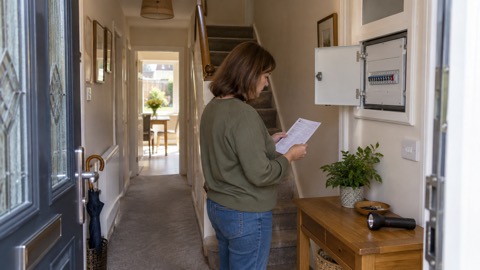 Checking Your Trip Switches
 Vehicle Touches Overhead Line
 Protected Sites
 Heatwaves and Power Cuts
 Smart Meters and Power Cuts
 Keeping Medicine Cold
 Registering a Relative for Help