
If the country ever faces a national electricity shortage, a very limited number of sites are protected from emergency power cuts. These are typically locations deemed to be critical national infrastructure, such as air traffic control centres and major hospital facilities with accident and emergency departments. Domestic properties are not eligible1. Exemptions are not automatic: organisations have to apply for protected status1.
That means no home is guaranteed power in a cut. Households, including those on the Priority Services Register, would be part of a planned power cut rota, because residential customers are not automatically protected1. The register does not exempt you, but it does mean your supplier knows you need extra support if your gas, electricity or water supply is cut off3.
The practical answer for an ordinary household is to plan for the power going off, register for the extra help you are entitled to, and know how to report a cut. Call 105 to report a power cut or make planned power cut enquiries4. Keep the number handy or save it into your mobile phone so that you can report a power cut or call for information or advice5.
No home is guaranteed power, but the register gets you extra help
The national procedure sets out "protected sites" which the government exempts from emergency planned power cuts8. The list is deliberately short. It covers critical national infrastructure, like air traffic control centres and some major hospital facilities with accident and emergency departments1. Domestic properties are not eligible1. Businesses without backup generation that are not protected would also be part of a rota1.
For households, the realistic protection is not exemption but support. The Priority Services Register is designed to keep the most vulnerable customers up to date in a power cut and provide additional support if needed9. If you are eligible to join and your gas, electricity or water supply is cut off, your suppliers will know you need extra support3. National Grid provides additional support during a power cut for the most vulnerable customers through the Priority Service Register10.
Be clear about the limit. Emergency power cuts would affect all customers, including those signed up to the free Priority Services Register11. The register changes how you are looked after, not whether the power stays on.
Who can join the Priority Services Register
You can join if you or someone you know may need extra support in a power cut12. The register is aimed at customers who might be more vulnerable in a power cut, such as if they use medical or mobility equipment, have a disability, or are over the age of 65 or have children under the age of 59.
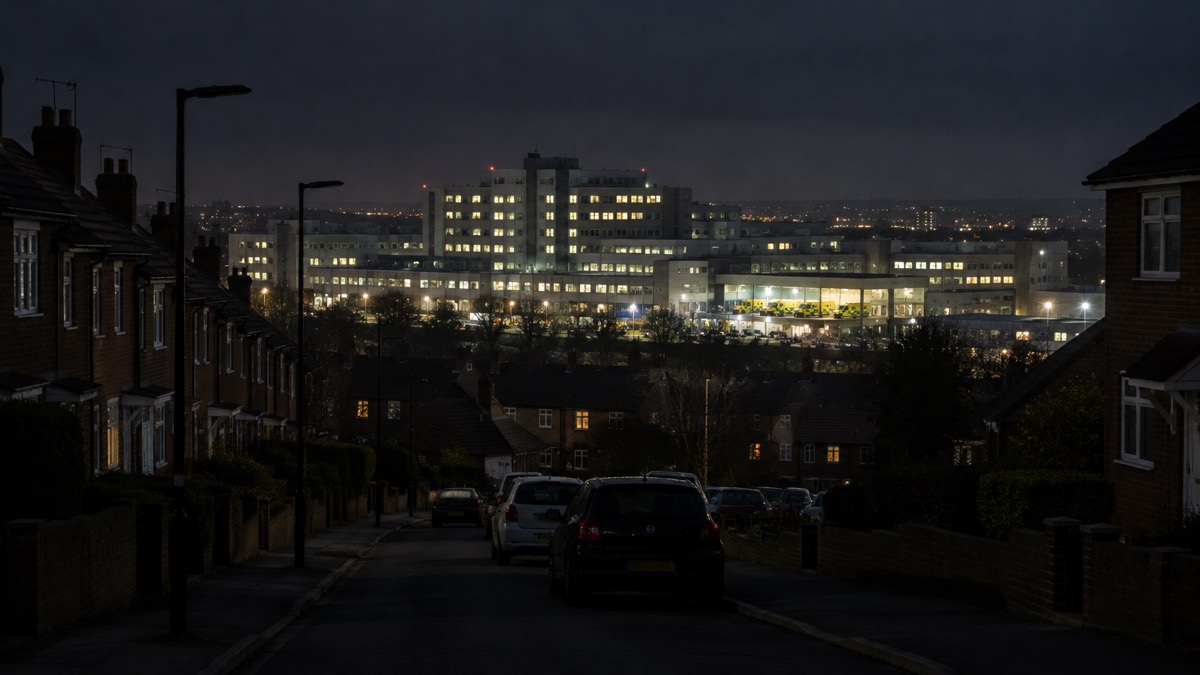
Sign up for the Priority Services Register in case of power cuts13. Different network operators run their own versions: SP Energy Networks, for example, offers an Extra Care Register for people in need of extra support during a power cut14. If you are unsure whether you qualify, ask your supplier or network operator rather than assuming you do not.
| Who it is for | What it does | What it does not do |
|---|---|---|
| Households using medical or mobility equipment, people with a disability, people over 65, households with children under 59 | Your suppliers know you need extra support if supply is cut off3; additional support during a power cut10 | Exempt you from a rota: emergency cuts affect all customers, including those on the register11 |
Keep your details current. Make sure your online account details with your network operator are up to date, so you may get direct messages to your mobile device updating you about a power cut15. The register is designed to keep the most vulnerable customers up to date in a power cut9, and that only works if the contact details held are right.
What extra support registered households get during a power cut
Registered households get additional support during a power cut16. In practice this means the network operator knows, when supply fails, that someone at the address may need help, and can prioritise welfare contact and updates. National Grid keeps additional operational and engineering staff ready and on stand-by, plus extra Contact and Control Centre operatives, during winter16.
Support also comes through information. Network operators aim to notify customers via media and social media channels17, and direct messages to your mobile device may follow if your account details are current15. National Grid provides live power cut information through its power cuts map, where you can find out about power cuts in your area16.
For longer outages, network operators run welfare arrangements. National Grid says that for its most vulnerable customers it provides additional support during a power cut, and that anyone in need of extra support can sign up to its Extra Care Register8. If a long cut affects you, ask your operator what welfare support is open nearby.
Planned power cuts: notice by letter and text
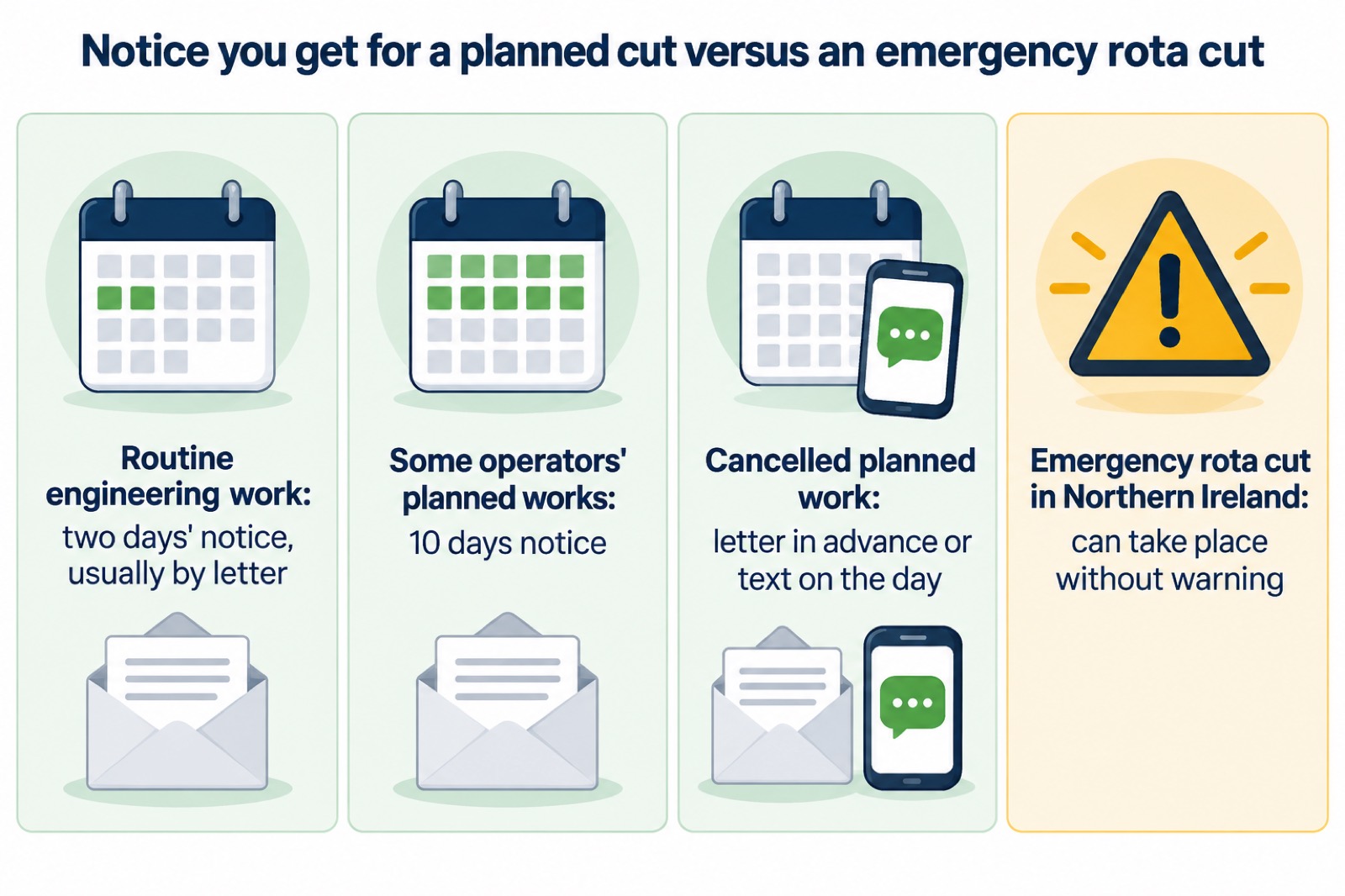
Most planned interruptions are routine engineering work, not an emergency. From time to time National Grid carries out work on the electricity distribution system, for example to maintain the network or connect new supplies18. If your distribution network operator cuts off your power for a pre-planned reason, such as engineering work, they have to give you two days' notice, usually via a letter7. One operator advertises 10 days' notice about a planned power cut19.
You will receive either a letter in advance or a text on the day of the planned power cut if the work has been cancelled4. That cancellation message matters: do not strip the freezer or book time off work until you have checked.
Emergency rota cuts are different. Planned Emergency Power Cuts can take place without warning if SONI instructs NIE Networks to reduce demand immediately to protect the electricity system and avert longer term issues20. NIE Networks aims to notify customers via media and social media channels beforehand17.
Medical equipment and vital phones: plan before the power goes off
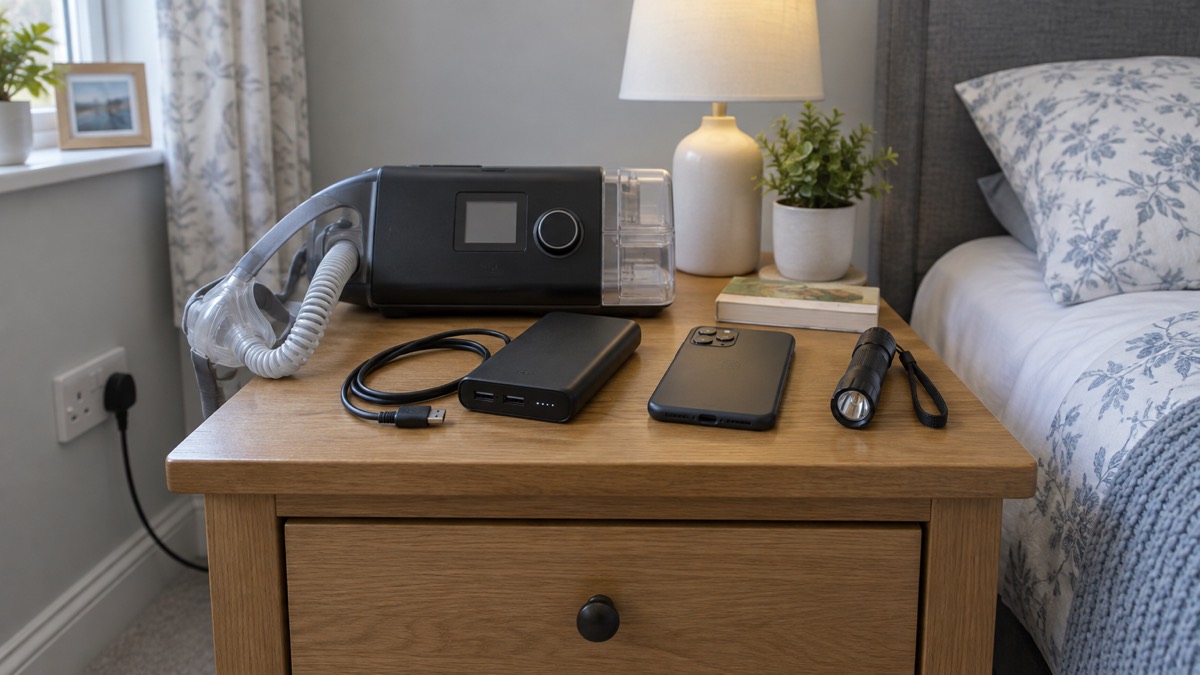
If you use medical equipment that requires a power supply, make a plan with your care provider and/or clinical care team about what will happen in a power cut, including what action to take and who to contact21. If you use electrically powered medical equipment, make sure you have a plan, get a backup power supply if possible, inform carers and prepare essential supplies22.
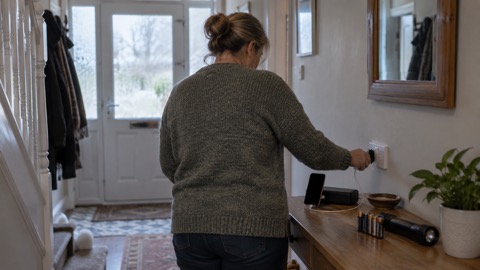
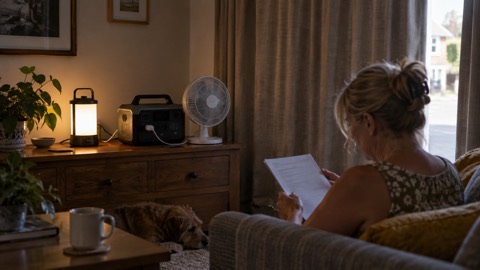
Charge mobile phones, power banks and any back-up batteries for medical equipment in case there is a power cut23. Keep important documents safe and handy13. If you have a business where telephone services are vital, check whether your system will operate when the electricity is switched off18.
Reporting a power cut: call 105
Call 105 to report a power cut or make planned power cut enquiries24. You can report a power cut online at powercut105.com or by calling 1056. The Powercut 105 website also helps you find your supplier25. National Grid can be reached on 105 or 0800 6783 10526.
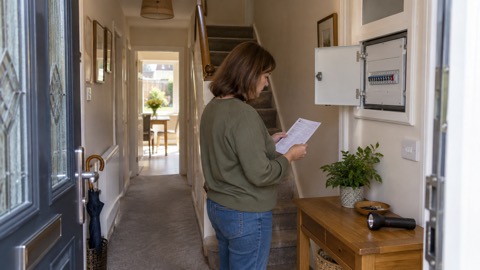
Before you ring, check whether the problem is yours alone. Know where your household fuses and trip switches are so you can check if the problem is with your electrics only27. If it is not, report it and keep your fridge and freezer doors closed to protect the contents28.
National Grid Electricity Distribution looks after the cables and equipment that carry power to your home; it is not your energy supplier29. That distinction decides who you ring: your supplier for billing, the network operator for faults and restoration. For more on the steps after a cut, see what to do when the electricity goes off and how to report a loss of electricity.
Sources (29)
- How planned power cuts could work, Energy Networks Association, 2026
- Electricity Supply Emergency Code, SSEN, 2026
- Keeping warm, healthy and safe in cold weather, London Assembly, 2026
- Your planned power cut explained: repairing our network, SSEN, 2026
- Emergency contacts, Carmarthenshire County Council, 2026
- Power cuts, Scottish Fire and Rescue Service, 2026
- How to find out if there's a power cut, Which?, 2026
- Emergency power cuts, UK Power Networks, 2026
- Parental letter re power shortages, NHS North West Children's Operational Delivery Network, 2022
- Power cut advice, National Grid, 2026
- Important information: preparing for a power cut, SP Energy Networks, 2026
- Preparing for winter, NHS Highland, 2026
- What to do in a power cut, Met Office, 2026
- The fault journey, Electricity North West, 2026
- Winter ready, Isle of Anglesey County Council, 2026
- Preparing for winter weather, National Grid, 2026
- Emergency power cuts, NIE Networks, 2026
- Planned interruptions, National Grid, 2026
- Planned power cuts, Electricity North West, 2026
- How much notice will be given, NIE Networks, 2026
- Be informed about hazards: power cuts, UK Government, 2026
- What to do in a power cut, Northern Powergrid, 2026
- Be informed about hazards: storms, UK Government, 2026
- your-planned-power-cut-explained--network-maintenance-and-inspection.pdf, Scottish and Southern Electricity Networks
- Be prepared for winter emergencies, NHS Norfolk and Suffolk ICB, 2026
- National Grid - Who to contact, National Grid
- Strong winds weather warning: information and advice, nidirect, 2026
- 12 tips to prepare for a power cut, Horsted Keynes Parish Council, 2026
- Winter hub, National Grid, 2026
 Power Cut Kit Checklist
 What to Keep Charged
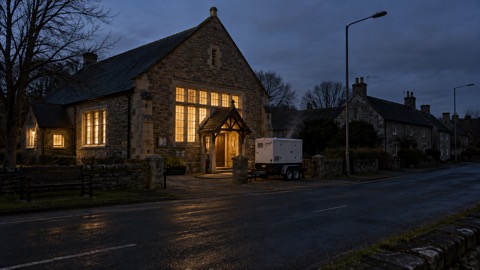 Household Emergency Plan
 Food to Throw Away After a Cut
 Keeping One Room Warm
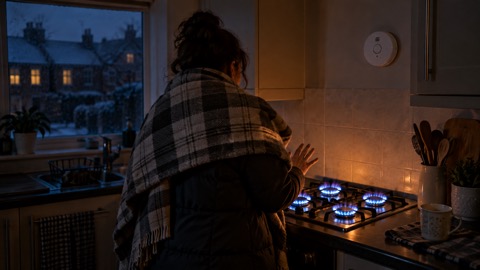 Heating a Room With a Gas Hob
 Hot Water Bottles and Children
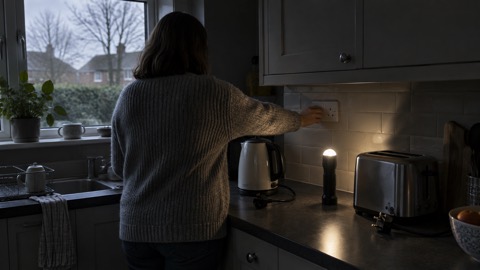 Unplugging Appliances in a Cut
 Checking Your Trip Switches
 Vehicle Touches Overhead Line
 Reporting a Damaged Substation
 Heatwaves and Power Cuts
 Smart Meters and Power Cuts
 Keeping Medicine Cold
 Registering a Relative for Help