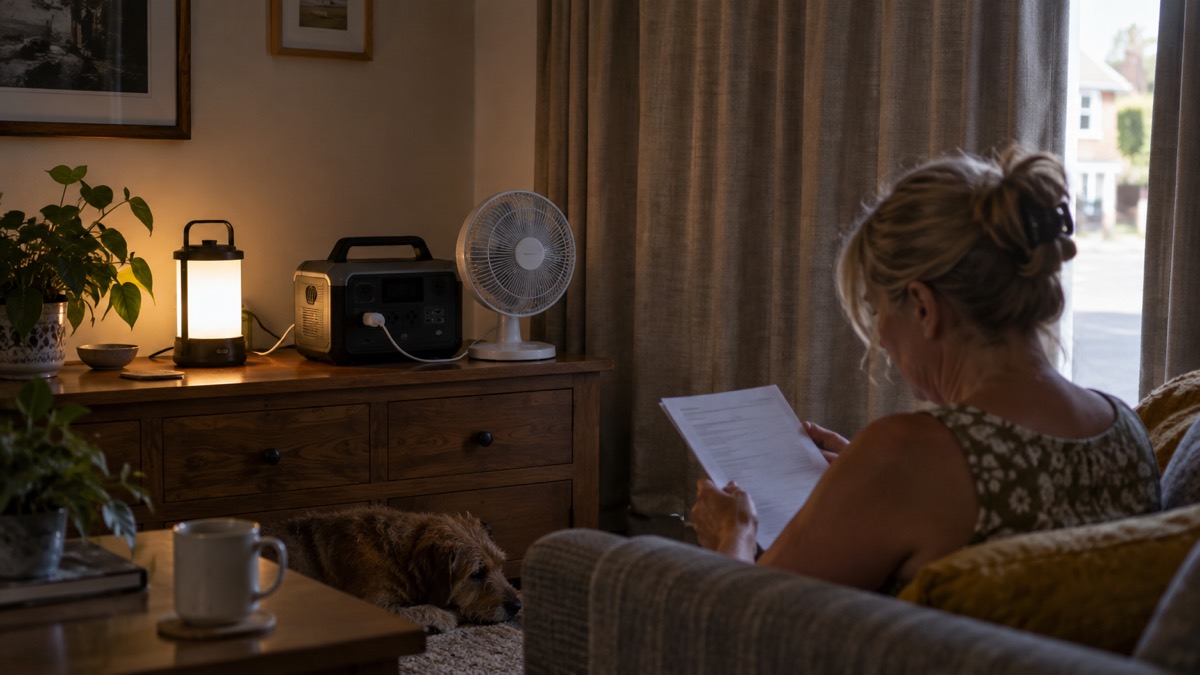
Yes, a heatwave can cause power cuts, and the risk grows the longer the hot spell lasts. Power lines and insulators expand in high temperatures, overheating can reduce the efficiency of network equipment, and lines sag more, bringing them closer to trees, buildings and the ground1. Hot conditions can also cause underground cables and substations to overheat, which may lead to interruptions2. Longer heatwaves mean a higher chance of heat-related faults, which can cause power cuts1.
The practical answer for a household is to treat a forecast heatwave as a reason to get ready, not to worry. Keep torches, fully charged mobile devices and a battery-powered fan handy, because storms and power cuts can sometimes follow heatwaves2. Know that the free number to ring in a power cut is 105, which puts you through to your electricity network operator3. And think now about the two things that matter most in hot weather: keeping cool safely, and keeping food and medicines from spoiling.
This page sets out how the heat strains the network, what to do before a hot spell, how to stay cool and safe if the power goes off, what happens to food, medicines and water, where a generator must never go, and who to call.
How hot weather strains the electricity network
Extreme heat does not only affect people. It can place strains on water and energy utilities, road and rail transport and the health and fire services7. For the electricity network specifically, the strain shows up in a few recognisable ways.
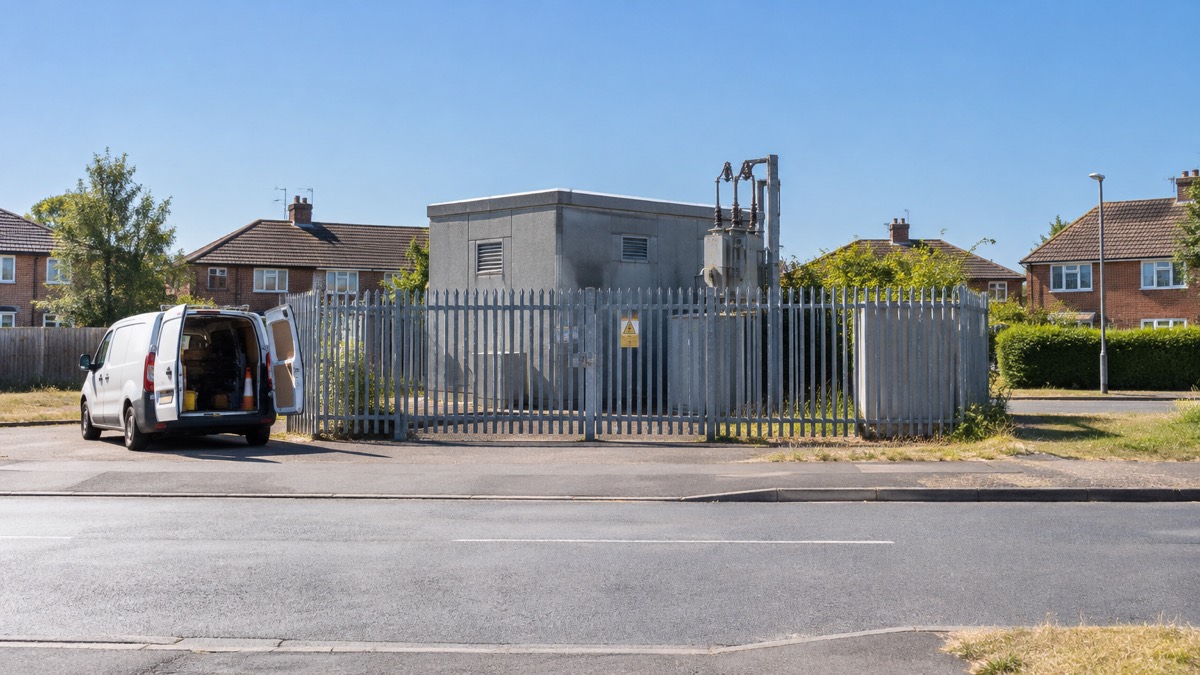
Overhead equipment is built for British weather, but heat changes its behaviour. Power lines and insulators expand in high temperatures, and overheating can reduce the efficiency of network equipment1. As lines expand they sag further, bringing them closer to trees, buildings and the ground, which is where faults begin1. Below ground, hot conditions can cause underground cables and substations to overheat, which may lead to interruptions2. The longer a heatwave runs, the more of this accumulates: longer heatwaves mean a higher chance of heat-related faults, which can cause power cuts1.
Heat is rarely the only weather in play. Storms and power cuts can sometimes follow heatwaves2, and severe weather such as storms, snow, gales, flooding and lightning can all affect the electricity network, damaging equipment and causing power cuts to homes and businesses8. Storms can also disrupt power, internet services, transport networks and mobile phone networks9. So a summer outage may arrive as a thunderstorm rather than as a still, baking afternoon.
What to do now if a heatwave is forecast
The days before a hot spell are the easy time to prepare. The first thing to sort out is what you would use if the power went off in the heat.
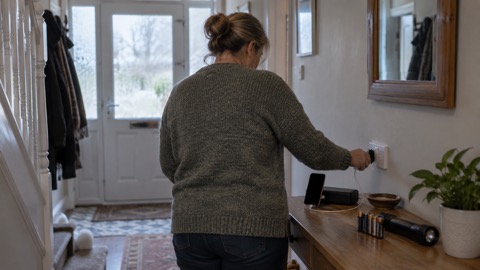
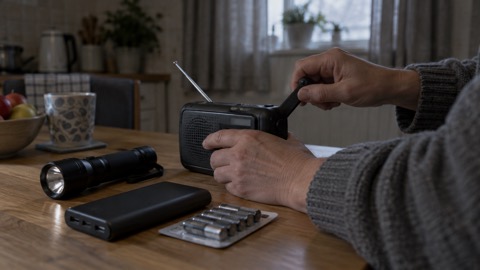
- Light and communications: keep torches and fully charged mobile devices handy, along with a battery-powered fan2.
- Cooling without mains power: a battery-powered fan moves air without drawing on the network, and a charged power bank keeps a phone usable if mobile networks hold up.
- Water: water supplies can become depleted in hot weather if people are not prepared10, and mains water supply to your home could also be disrupted during and after power cuts11. Fill bottles and a vacuum flask in advance.
- Gates and access: make sure electric gates are open before a storm, so you are not trapped or blocking access if the power fails12.
- Your own health: your health can be affected by hot weather if you are not prepared10. In a heatwave you may get dehydrated, and your body may overheat13.

It also helps to know what will stop working. Internet services, landline phones, heat pumps, electric boilers and some mobile phone networks may not work during a power cut14. If anyone in the household depends on electrical medical equipment or refrigerated medicines, they are among those most affected, so plan for them first15.
Keeping cool and safe when the power goes off in hot weather

When the power fails in hot weather, the aim is to keep the home as cool as you can without adding heat, and to keep yourself cool without taking risks.
To reduce heat generated in the home, turn off lights and electrical equipment that are not in use and consider cooking at cooler times of the day16. Close curtains on the sunny side during the day. If you cannot avoid strenuous outdoor activity like sport, DIY or gardening, keep it for cooler parts of the day like early morning; if you must go out, stay in the shade, wear a hat and light, loose-fitting clothes, preferably cotton, and take plenty of water17. Wear sunscreen when you are outside18.
Older people and anyone with a health condition need particular care. Age UK's guidance covers how to stay sun-safe when you are out and about, how to keep your home cooler, and how to spot the warning signs of dehydration and heat exhaustion19. Learn those signs before the hot spell, not during it.
Food, medicines and water during a summer power cut
A summer cut puts the fridge under pressure faster than a winter one, so it pays to know the rules before you open the door.
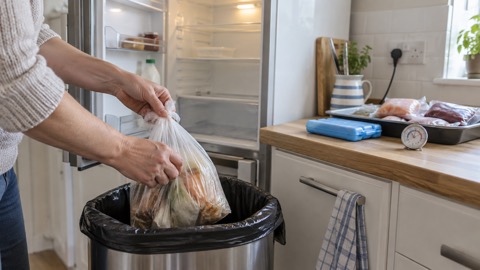
The official food safety position is reassuring but conditional: during a power cut, it should be safe to store your food in the fridge as long as it does not rise to 8°C5. Keep the door closed as much as possible, and use a fridge thermometer if you have one. If the temperature climbs past that point, treat the contents with caution. Power cuts are common during adverse weather events, and electrical items such as fridges, freezers and ovens may break down if they have come into contact with water21, so check appliances after any flooding that follows a storm.
| What to protect | What to do | Why |
|---|---|---|
| Fridge food | Keep the door shut; check it stays below 8°C | Food should be safe as long as it does not rise to 8°C5 |
| Refrigerated medicines | Contact your local pharmacy or the manufacturer | They can advise what to do after a power cut or fridge breakdown22 |
| Drinking water | Store bottled water and fill a vacuum flask | Mains supply can be disrupted during and after cuts11; water supplies can become depleted10 |
| Hot drinks | Use a vacuum flask to store hot water | Keeps a hot drink available without repeated boiling23 |
For medicines, do not improvise. In the event of a power cut or fridge breakdown, contact your local pharmacy or the manufacturer of your medication for further information on what to do22. People who rely on electrical medical equipment or refrigerated medicines are among those for whom a cut has the greatest impact15. If that is your household, work out the plan in advance and keep the pharmacy number with your emergency numbers.
Where a generator must never go in hot weather
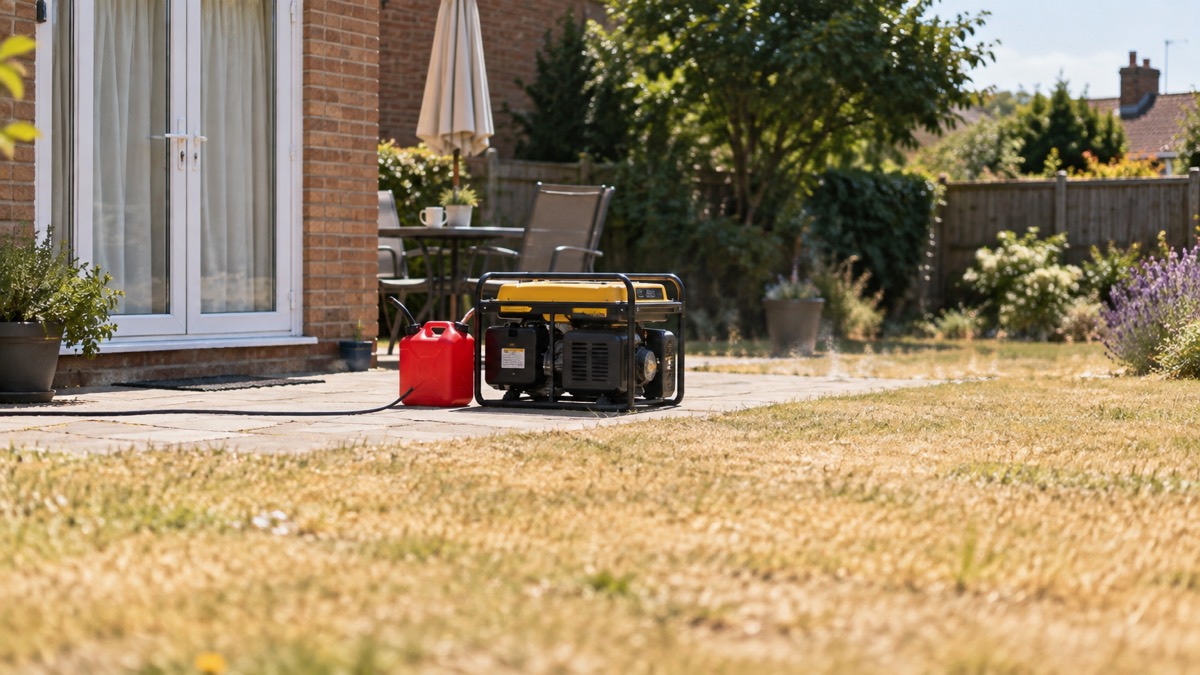
The rule does not change with the season. Never use standby generators indoors, as the fumes from the engine can be lethal6. That applies in a heatwave exactly as it does in a storm, and it applies to garages, sheds, conservatories and any space attached to the house where exhaust can build up.
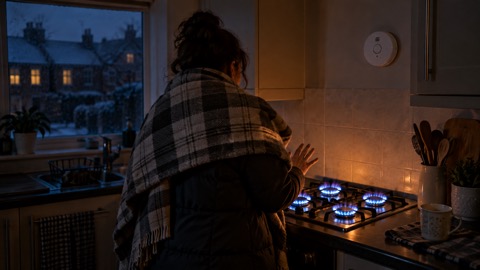
The same principle covers other heat sources people reach for when the power fails. Never use outdoor heaters indoors23. Keep heaters away from curtains and furniture and never use them for drying clothes20. Never use portable gas cylinder heaters in high rise flats20.
Wildfire risk near homes in hot, dry weather
A heatwave dries the ground and the vegetation around it, and that raises the risk of fire close to where people live. One small spark can quickly spread into a blaze that threatens the countryside, habitats, homes and infrastructure, particularly during warm, dry weather24. The wider effects of a severe heatwave include vulnerable members of the public struggling to keep cool and becoming seriously ill, widespread wildfires, melting of roads, buckling railway lines, droughts, dehydration and sunburn25.
There are practical things a household can do. Cutting back trees and shrubs that are close to or touching your house and disposing of the waste responsibly reduces the fuel available to a fire26. Keep the area around the home clear, and be careful with anything that can throw a spark outdoors in dry conditions.
If you see a fire, do not approach it. Report it and move away. Wildfire spreads faster than people expect, and the smoke alone can be harmful.
Who to call in a power cut: 105 and your network operator
If the power goes off, the first number to know is 105. The electricity network operators have introduced 105 to give you an easy-to-remember number to call that will put you through to your network operator27. Calls are free4. If you are unsure who to call, or in the event of a power cut, call 1054.
You can also report it directly to your local network operator using their website, or call 105 for free3. For an electrical hazard or power cut, contact your local electricity company or call 1054. Power cut? Contact your local network operator online or call 105, the free power cut emergency number28.
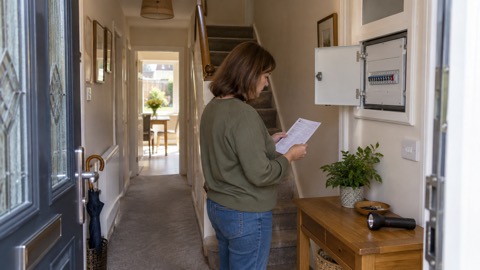
Before you ring, do one quick check. Check to see if your neighbours are safe and if they have a power cut too; if they have power, your trip switch may have activated29. That single question tells you whether the fault is yours or the network's.
Getting help and checking on each other
Some households need more support than others, and the system has a way to record that. Sign up to your energy supplier's Priority Services Register to let them know that you need additional support during a power cut11. It is the single most useful thing a vulnerable household can do before a hot spell.
Neighbours matter too. Check up on relatives or neighbours who might need help during a power cut30. For anyone vulnerable, make sure they are warm, their medical equipment is working, and they have enough food and drink31. In a heatwave, add water and shade to that list.
If you are worried about someone's health in the heat, Age UK's guidance on spotting the warning signs of dehydration and heat exhaustion is a good place to start19. And if a cut lasts, your network operator can tell you what is happening and when power is expected back.
Sources (31)
- Hot weather advice, National Grid, 2026
- Be summer ready, Electricity North West, 2026
- Check if you can get payment for a power cut, Ofgem, 2026
- What to do in a power cut, Met Office, 2026
- Power cuts and food safety, Food Standards Scotland, 2026
- Strong winds and heavy rain warning information and advice, nidirect, 2026
- Community resilience, Met Office, 2026
- Response to storms, NIE Networks, 2026
- Storms and wind, Ready Scotland, 2026
- Severe weather, storms, flooding and drought, nidirect, 2026
- Be informed about hazards: power cuts, Prepare, 2026
- Strong winds weather warning - information and advice | nidirect, nidirect (Northern Ireland government)
- Hot weather advice, nidirect, 2026
- Power cut, British Red Cross, 2026
- Be prepared for winter emergencies, NHS Norfolk and Suffolk ICB, 2026
- Adverse weather events, Llangattock Community Council, 2026
- Be prepared, Lancaster City Council, 2026
- Stay safe as temperatures rise this week, Wiltshire and Swindon Prepared, 2026
- Staying cool in a heatwave, Age UK, 2026
- Power cuts, Scottish Fire and Rescue Service, 2026
- Food safety in the kitchen: flooding, Food Standards Scotland, 2026
- Storing medicines at home, United Lincolnshire Hospitals NHS Trust, 2026
- Be prepared, Northern Powergrid, 2026
- Wildfires: how can you stay safe and protect the countryside, Wiltshire and Swindon Prepared, 2026
- Heat wave, Wiltshire and Swindon Prepared, 2026
- Protecting your home from wildfires, North Yorkshire Fire and Rescue Service, 2026
- Power cut, Energy Networks Association, 2026
- Power cut advice, Energy Networks Association, 2026
- 5 tips for staying safe in snow - Met Office, Met Office
- Emergency plan, Ready Scotland, 2026
- Preparing for a power cut, National Grid, 2026
 Power Cut Kit Checklist
 What to Keep Charged
 Household Emergency Plan
 Food to Throw Away After a Cut
 Keeping One Room Warm
 Heating a Room With a Gas Hob
 Hot Water Bottles and Children
 Unplugging Appliances in a Cut
 Checking Your Trip Switches
 Vehicle Touches Overhead Line
 Reporting a Damaged Substation
 Protected Sites
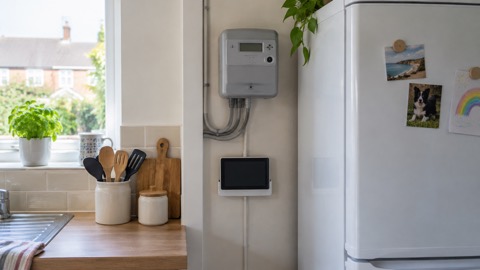 Smart Meters and Power Cuts
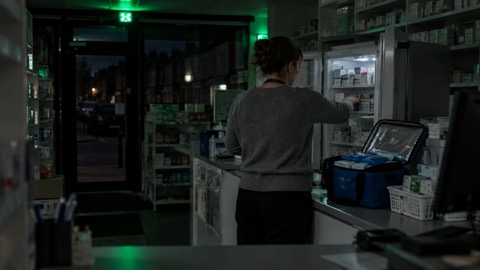 Keeping Medicine Cold
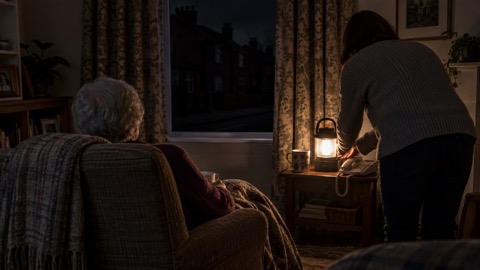 Registering a Relative for Help