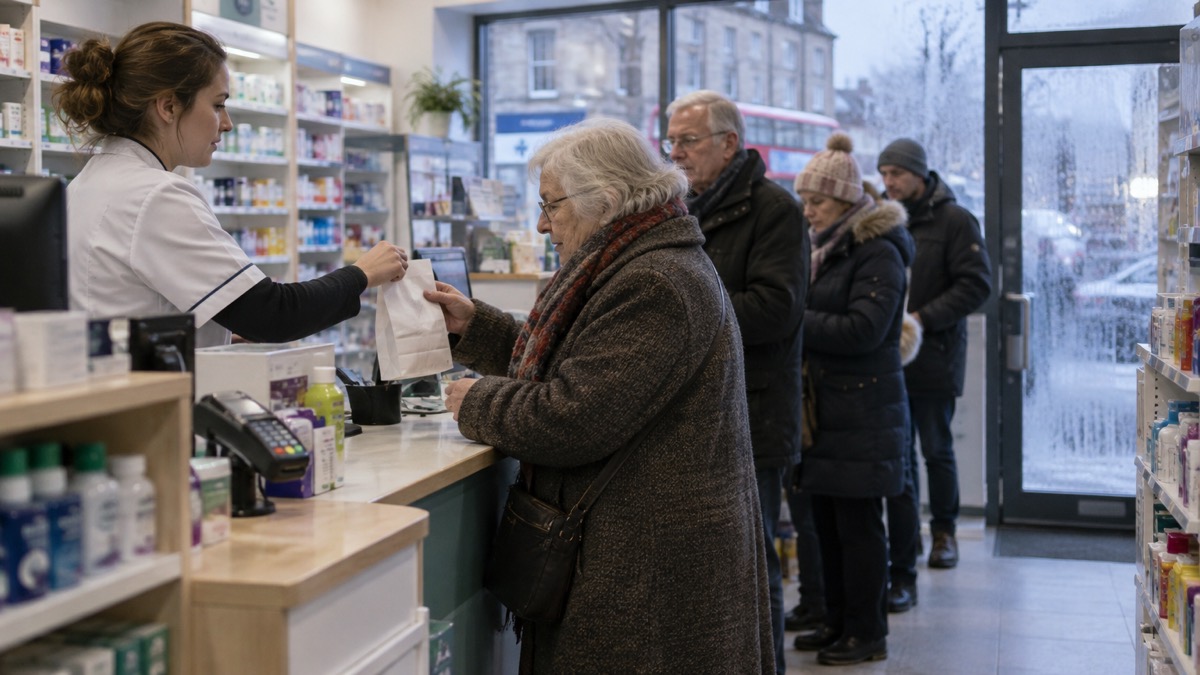
Cold weather does more than make you uncomfortable. The cold thickens your blood and increases your blood pressure, and breathing in cold air can increase the risk of chest infections1. Deaths during the winter months are significantly higher than at other times of the year2. Some groups, including people aged 65 and over, babies and young children, and people with long-term health conditions, are at particular risk3. Hypothermia, where the body's temperature drops below 35°C, is a medical emergency4.
The good news is that the advice is simple and it works. Heat the rooms you use to 21°C through the day and at least 18°C at night1. Wear several thin layers rather than one thick one, with a hat, gloves and shoes that grip outside5. Check on neighbours and relatives who might be struggling7. And know when to ring NHS 111 rather than 999, so the right help arrives quickly.
What cold weather does to your heart, lungs and defences
Cold weather affects the body in two ways: directly, through the cold itself, and indirectly, through the illnesses and hazards that come with it. Direct effects include an increase in heart attacks and strokes, respiratory disease, influenza, falls and injuries, and hypothermia2. The reason lies in how the body responds to cold. Exposure to cold temperatures increases blood pressure, suppresses the immune system and makes fighting infection more difficult10. Cold weather can also weaken the body's immune defences further, making people more susceptible to respiratory infections like colds, flu and pneumonia1.
The heart and lungs carry most of the burden. There is a direct link between cold winter weather and the higher number of deaths, heart attacks and strokes among older people and others in at-risk groups11. Cold weather increases the risk of respiratory infections like flu12, and NHS inform in Scotland lists respiratory infection among the specific risks of cold weather12. That is why health advice across the UK puts heart and lung conditions at the centre of who needs to take cold spells seriously.
The indirect effects are just as real. Cold homes and poor-quality housing raise the risk of illness, and winter brings a higher frequency of circulating infectious diseases such as flu and norovirus13. Snow and ice add physical hazards that increase the likelihood of falls and injuries10. Over the longer term, official guidance records an increased risk of mental health conditions such as depression and anxiety from cold exposure14, and Public Health Wales notes that cold weather can also lead to mental health problems and carbon monoxide poisoning from poorly maintained or poorly ventilated boilers, cooking and heating appliances16. Deaths during the winter months are significantly higher than at other times of the year14.
Who is most at risk from the cold
Cold weather can affect anyone, but official guidance is consistent about who should take the most care. West Midlands Ambulance Service lists people aged 65 and older, babies and children under 5, people on a low income, people with a long-term health condition, people with a disability, pregnant women and people with a mental health condition3. North Cumbria Integrated Care adds people with learning disabilities, people at risk of falls, people living alone and unable to care for themselves, and housebound individuals or people with low mobility1.
The London cold weather guidance gives the fullest picture of the groups to watch out for. It includes older people, especially those aged 75 and over who are frail or isolated, and the very young; people with pre-existing chronic medical conditions such as heart disease, stroke or transient ischaemic attack, asthma, chronic obstructive pulmonary disease (COPD), sickle cell disease and thalassaemia, or diabetes; people with mental ill-health that makes it harder to look after themselves, including dementia; pregnant women; people with learning difficulties; those at risk of, or having had, recurrent falls; people who are housebound or find it hard to get out and about; people who are struggling financially; people living in houses with mould; people who are fuel poor; homeless people or people sleeping rough; and other marginalised or isolated people or groups17.
| Group | Why the cold is a particular risk |
|---|---|
| People aged 65 and over, especially 75+, frail or isolated | Higher number of deaths, heart attacks and strokes in cold weather3 |
| Babies and children under 5 | Less able to regulate body temperature; listed among at-risk groups3 |
| Long-term conditions (heart, lungs, diabetes, sickle cell and others) | Cold raises blood pressure and increases complications from existing disease17 |
| Pregnant women | Listed among groups particularly at risk3 |
| People with mental health conditions or dementia | Harder to keep warm and look after yourself; listed in official guidance3 |
| People on a low income or in fuel poverty | May be unable to afford to heat their home3 |
| People sleeping rough or homeless | Exposed to the cold directly12 |
The Met Office's WeatherReady advice puts it plainly: cold weather can be a risk to your health, particularly if you are over 65 or have health conditions18. Nottinghamshire County Council adds that cold weather is especially dangerous for older people or people with a serious illness, and that cold homes can have a significant impact on your health19. The Cabinet Office's Prepare campaign notes that during periods of cold weather some people are at higher risk of illness if they become too cold, or can seriously hurt themselves if they slip and fall20.
Heat the rooms you use: 21°C by day, at least 18°C at night
The clearest, most repeated piece of health advice for winter is about the temperature of your home. Heat the rooms you use a lot to 21°C through the day and at least 18°C at night1. Derbyshire Fire and Rescue Service frames the same figures by room: your living room should be 21°C (70°F) and your bedroom heated to 18°C (65°F)2. If heating the whole house is not realistic, heat the rooms you spend the most time in, such as the living room or bedroom, to at least 18°C20.
The 18°C minimum matters most if you have a health condition. The cold thickens blood and increases blood pressure, and breathing in cold air can increase the risk of chest infections, so keeping the rooms you use warm reduces that strain on your body5. People with long-term health conditions, including cardiovascular and respiratory diseases, are among the groups most vulnerable in cold weather, which is why a warm home matters more for them5.
Keeping the home warm is also what prevents the knock-on problems of a cold house. Cold weather increases the likelihood of condensation forming inside your home, which left untreated can lead to damp and mould, and exposure to damp and mould can be harmful12. When a house is damp as well as cold, mould is more likely to occur, and this can increase the risk of illness, especially from asthma13. Cold or poor-quality homes can develop mould, which increases the risk of illnesses, especially for people with asthma or respiratory conditions7.
Lancashire County Council's winter advice adds a practical point about supplies: try to stock up on food essentials such as long-life milk and bread in the freezer, and make sure you have enough medication21. Cold weather and snow can last for several days or even weeks, causing travel disruption, damage to power lines and water supplies, and school closures22, so a warm home with food and medication in it is what gets a household through a cold spell safely. For more on getting the house itself ready, see our guide to getting your home ready for cold weather and ice.
Layers, hats and shoes that grip: dressing for the cold
Outside the home, dressing right is the main defence. Readiness Scotland advises wearing several layers of thin clothing instead of one thick layer, and wearing a hat, gloves and shoes with good grip outside6. Several thin layers trap warm air between them and can be added or removed as conditions change, which one thick layer cannot do.
When you go out in the cold, wear several layers of thin clothing instead of one thick layer, and wear a hat, gloves and shoes with a good grip outside21. A lot of thin layers can keep you warmer than one thick layer, and thermal underwear can help as well21. Good grip on your shoes matters in icy conditions, because people at risk of falls are among the groups most vulnerable in cold weather21.
If you are heading out for a walk or hike in cold weather, NHS inform's hypothermia guidance advises packing extra clothing including another jacket, hat and gloves; a flask with a warm drink; waterproof clothing; high-energy snacks; and a bivvy bag and group shelter if going for a long walk4. The point of all of it is to be able to stay warm if you are delayed, injured or caught out by weather that closes in.
Hypothermia: when body temperature drops below 35°C
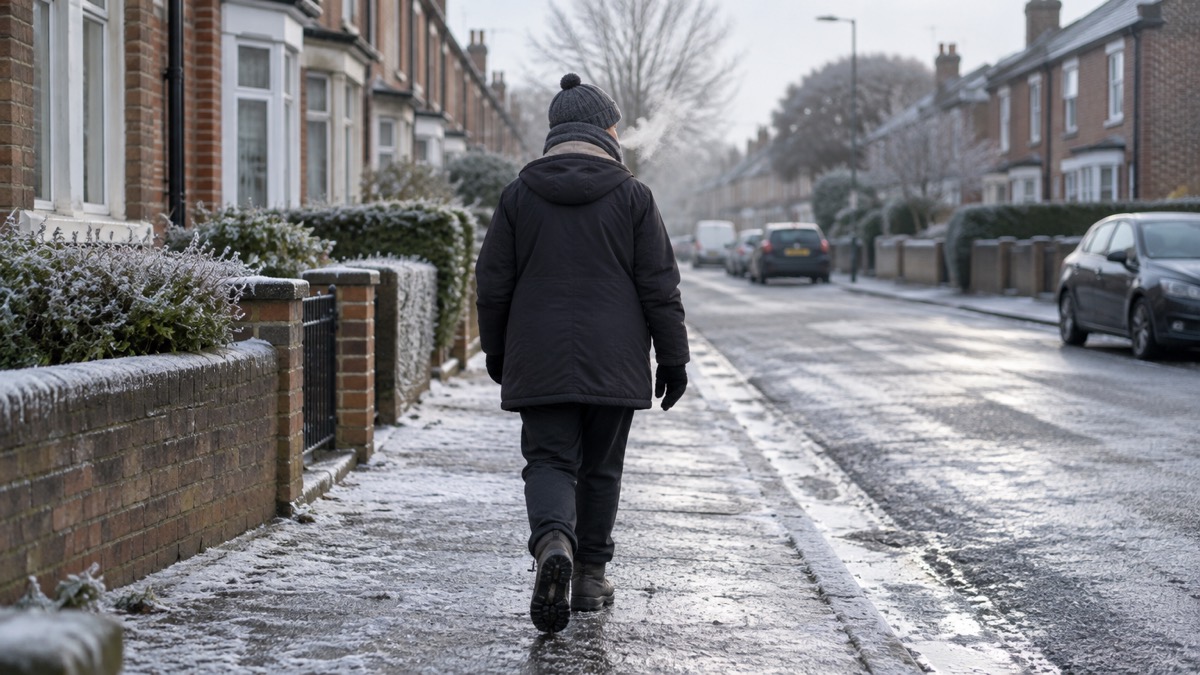
Hypothermia is defined as a core body temperature less than 35°C15, or as NHS inform puts it, hypothermia is when the body's temperature drops below 35°C4. Normal body temperature is 37°C4. Public Health Wales describes it as a dangerous drop in body temperature below 35°C and a medical emergency that needs to be treated in hospital16. Hypothermia is a medical emergency and will get worse if left untreated, although mild hypothermia can be treated safely and effectively with appropriate first aid4.
Hypothermia can happen both indoors and outdoors4, which surprises many people. The causes include not wearing enough warm clothing in cold weather, living in a cold house, staying out in the cold too long, having damp or wet clothes and getting cold, and also medical conditions like sepsis or an infection4. The people most at risk include those unable to afford fuel and heating costs during winter, older people, young children, disabled people, people with long-term medical conditions including thyroid, cardiovascular and respiratory conditions, people with mental health conditions, pregnant women, and people sleeping rough4.
The symptoms to look for in an adult are being unsteady on your feet, slurred speech, poor co-ordination, confusion, not responding as normal, pale, cold and dry skin, loss of consciousness, and slow or shallow breathing4. Public Health Wales lists shivering, pale, cold and dry skin (skin and lips may turn blue or grey, and on black or brown skin this may be easier to see on the palms of the hands or soles of the feet), slurred speech, slow breathing, and tiredness or confusion16. Healthcare professional guidance adds changes in pulse and respiratory rates, changes in blood pressure, and frostbite among the possible signs15.
One important subtlety: shivering by itself is not hypothermia, and in severe hypothermia a person may no longer be able to shiver even if they feel very cold to touch4. If someone's temperature drops to 32°C or lower, they will usually stop shivering completely and may pass out23. Someone who has stopped shivering while still very cold needs emergency help immediately.
In babies the signs are different and easy to miss. A baby with hypothermia may be cold to touch, floppy, unusually quiet and sleepy, and may refuse to feed16. Babies with hypothermia may look healthy, but their skin will feel cold23, so check by touch rather than by how well the baby looks.
What to do if someone has hypothermia
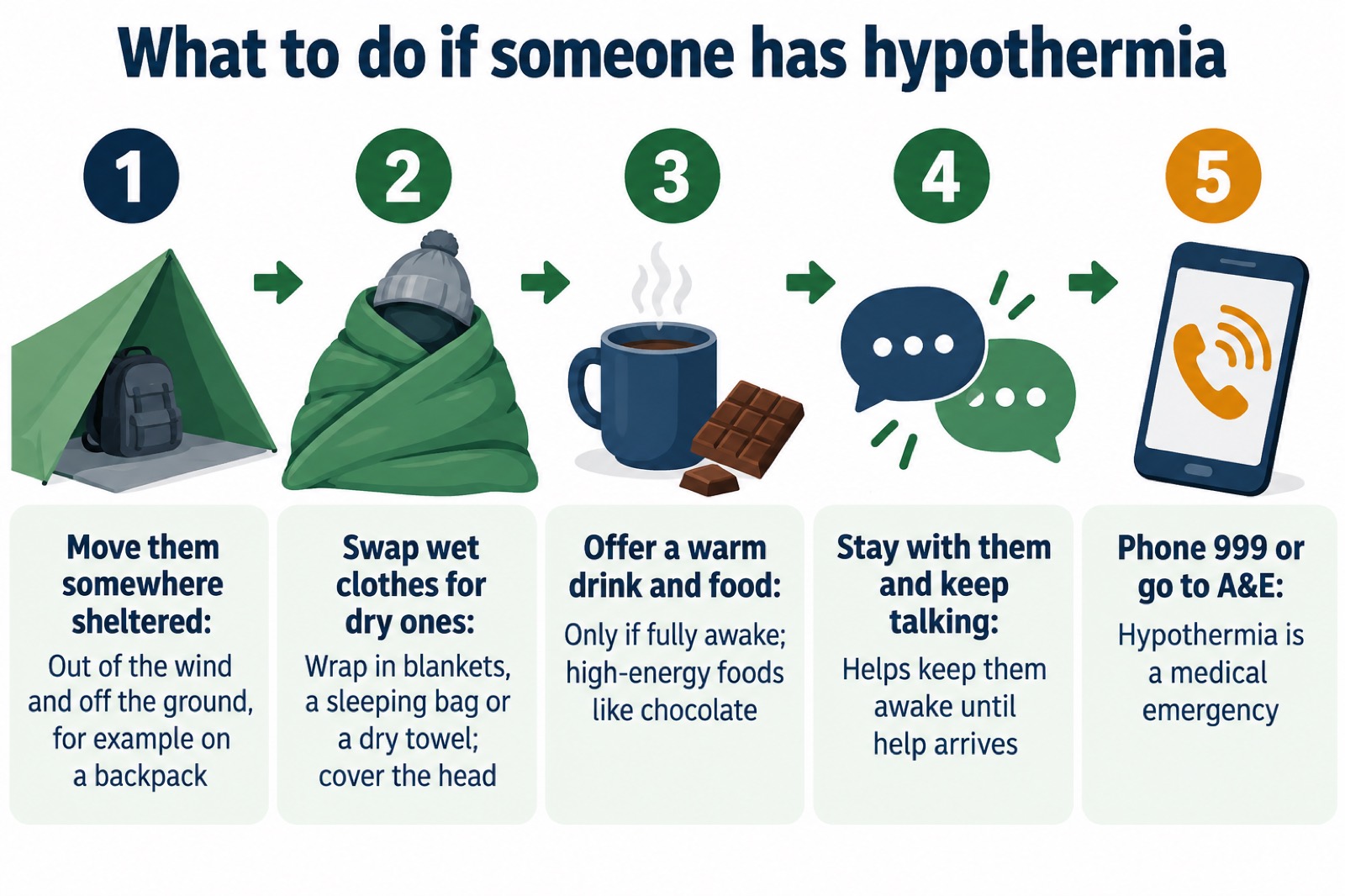
NHS inform gives clear first aid steps. If the person is outdoors, try to move them inside. If that is not possible, move them somewhere sheltered as quickly as you can, keep them out of the wind and off the ground, for example with a backpack underneath them4. Then replace any wet clothes with dry clothes, wrap the person in blankets, a sleeping bag or a dry towel, and make sure their head is covered. Do not remove your own clothing to give to the person4.
If the person is fully awake, offer them a warm drink and high-energy foods like chocolate. Stay with them until help arrives, and keep talking to them to help keep them awake. In a remote area, do not go for help alone; go in a pair or group if possible4.
In hospital, hypothermia is usually treated with heart rate monitoring, oxygen, and warm fluids given straight into a vein; intensive care may be needed for severe hypothermia4. Direct cold exposure can result in death or severe illness due to hypothermia, although deaths where hypothermia is the primary cause are rare14. Mild hypothermia, caught early and treated with appropriate first aid, can be treated safely and effectively4.
What not to do when warming someone up
The wrong way to warm someone can cause harm, and both NHS inform and nidirect in Northern Ireland are explicit about the traps. Do not rub their arms, legs, feet or hands; do not use a hot bath or heat lamp to warm them up; do not apply heat directly to the skin (use a jumper or a blanket to wrap up a hot water bottle or heat pad first); and do not give them alcohol to drink4. Nidirect gives the same warnings: do not put the person into a hot bath, do not massage their limbs, do not use heating lamps, and do not give them alcohol to drink23.
The reasons are practical. Rubbing or massaging cold limbs can drive cold blood back towards the heart. A hot bath or heat lamp warms the skin too fast for the body to cope with. And alcohol makes skin blood vessels open up, which drops core temperature further: as Public Health Wales puts it, drinking alcohol will not keep you warm16.
Warm them gradually, with dry layers, blankets and shelter, and get medical help on the way at the same time rather than after.
Heaters, electric blankets and carbon monoxide: keeping warm safely
Keeping warm safely is as important as keeping warm at all. Winter means spending more time at home using more electrical and heating equipment, which brings additional risks from fire and carbon monoxide24. Mid and West Wales Fire and Rescue Service asks households to take simple steps to protect themselves from accidental fires and carbon monoxide poisoning as they look to keep warm and cut energy use in winter24.
Suffolk Fire and Rescue Service gives specific rules for the equipment people most often use. Unplug electric heaters and blankets when you go to bed. Only use gas or paraffin heaters in well-ventilated areas, because you could suffocate if the room is not properly aired. Check your smoke alarm, and if you do not have one, check whether you are eligible for free alarms25.
Carbon monoxide risk rises in cold weather because people may use malfunctioning or inappropriate appliances to heat their homes13. Public Health Wales lists carbon monoxide poisoning from poorly maintained or poorly ventilated boilers, cooking and heating appliances among the harms cold weather can lead to16. If you use portable heaters, follow the maker's instructions, keep them maintained, and never improvise heating from cooking equipment. Our guide to home emergencies: fire, carbon monoxide, gas leaks and burst pipes covers the alarms and checks in more detail.
Check on neighbours and relatives during a cold spell
Checking on other people is one of the most valuable things any household can do in a cold spell, and every UK health body says so. South Western Ambulance Service advises: check in on your neighbours and relatives in case they should need any help or support7. West Midlands Ambulance Service makes the same point about neighbours and relatives who are older, very young or have long-term health conditions3. Nottinghamshire County Council advises checking on elderly or vulnerable relatives, friends and neighbours and helping out where possible to ensure they are safe and well19, and Lancashire's preparedness guidance says to check on elderly or vulnerable relatives and neighbours during cold weather and snow26.
Nidirect gives the check a specific purpose: check in on an elderly neighbour regularly during cold weather to make sure their home is warm23. That matters because hypothermia can happen indoors as well as outdoors4, and because the people most at risk, those who are older, isolated or unable to afford heating, are often the least likely to ask for help4.
Neighbours and relatives who are older, very young or have long-term health conditions are at particular risk from the cold, so it is really important to check in on them during a cold spell25. For wider community planning, see our guide to community resilience for neighbours and local groups, and for the extra support available to older, disabled and medically dependent households, see extra help in an emergency.
When to call NHS 111 and when to call 999
The rule is simple. Use 999 in an emergency, and NHS 111 for help and advice with all other urgent health needs5. In an emergency, dial 9997. NHS 111 can help if you have an urgent medical problem and you are not sure what to do27, and it is a free service that provides urgent medical advice and support28. It is available 24 hours a day, 7 days a week8, and it exists to make it quicker for patients to get the right advice or treatment, be that for their physical or mental health8.
There are several ways to reach NHS 111. Call 111 for free from a landline or mobile phone8. Go online to 111.nhs.uk, which is for assessment of people aged 5 and over only8. If you have difficulty hearing, you can access NHS 111 using the British Sign Language interpreter service8, or call 18001111 using text relay28. Whether you use the online assessment or the telephone, you answer the same few questions about your main symptoms to get the right information and advice9. NHS 111 should be used by all patients who have an urgent medical need, rather than calling 999 or going to your local A&E9.
| Situation | Who to contact |
|---|---|
| Emergency, including signs of hypothermia | 999, or go to A&E4 |
| Urgent medical problem and not sure what to do | NHS 111: call 111 free, or 111.nhs.uk8 |
| Health worries during cold weather, not urgent | Pharmacist, GP or NHS 1117 |
| Mental health emergency, immediate danger or serious self-harm risk | 99929 |
| Concerns about someone not seen for a while | Local police force on 10125 |
For everyday health worries in cold weather, your pharmacist, GP or NHS 111 can offer advice and support7. Derbyshire County Council adds a further 999 case: emergencies concerning anyone at risk in cold weather, or someone fallen through ice30. For mental health, NHS 111 can also be accessed online at 111.nhs.uk, and for a mental health emergency when someone is in immediate danger or at risk of serious self-harm they must call 99929. Our guide to health emergencies covers preparing for illness and medicine supplies more broadly.
Falls, food and winter journeys
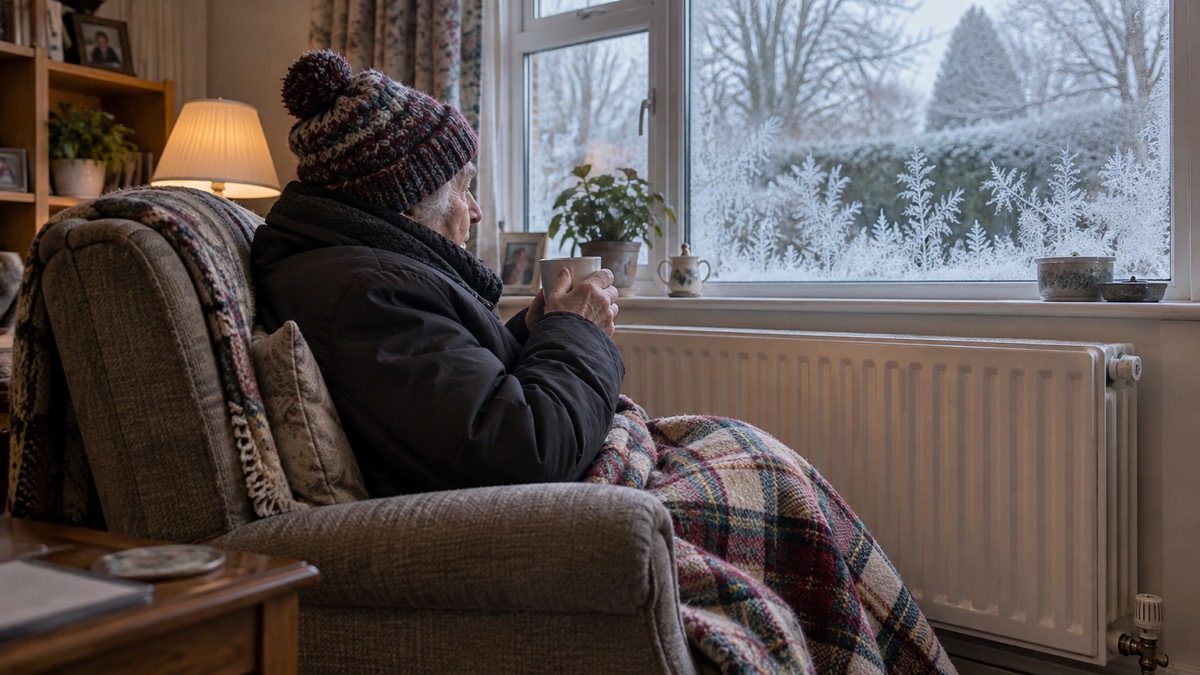
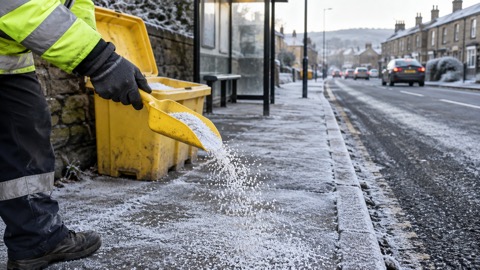
Two further risks deserve their own planning. The first is falls. Ice and snow create slippery surfaces, leading to a higher risk of slips, trips and falls, and injuries like sprains, fractures and head injuries are more common in winter1. Adverse cold weather increases the probability of complications from existing disease and of injury due to falls15, and older adults and those with underlying health issues face an increased risk of illness and injuries from slips, trips and falls26. Wear shoes with a good grip21, and see our guides on walking on ice and how to clear snow and ice from a path safely.
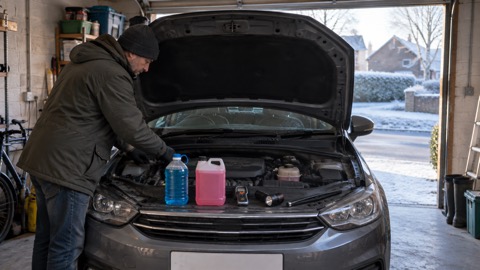
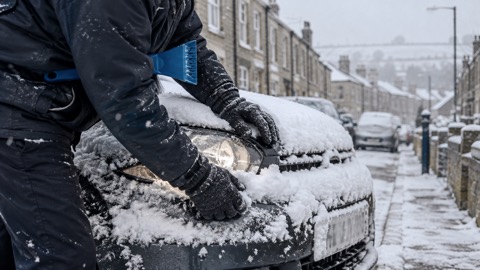
The second is being caught out away from home. For driving in snow and ice, National Highways' advice is to carry essential winter supplies: water, de-icer, food, warm clothes, an ice scraper, a fully charged mobile and car charger, a torch, blankets, boots, a snow shovel, and sunglasses to cope with the low winter sun31. For walking, pack the extra clothing, warm drink, waterproofs and high-energy snacks covered above4. Before a cold spell arrives, stock up on food essentials and make sure you have enough medication21.
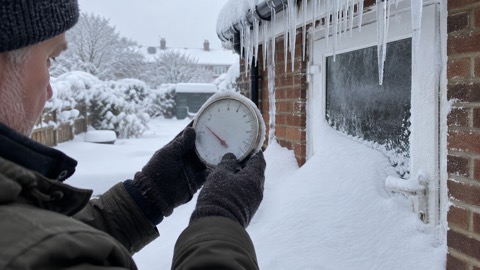
Cold weather and snow can last for several days or even weeks, causing travel disruption, damage to power lines and water supplies, and school closures, and risking the health of the elderly and vulnerable22. More people get ill and the number of deaths rises during cold weather32, which is why the simple actions on this page, warm rooms, warm clothes, safe heating, checking on others and knowing which number to call, are worth taking before the cold arrives rather than during it. For the wider picture of storms, snow and ice, start with our storms, snow and ice household guide, and for alerts that warn you a cold spell is coming, see cold-health alerts levels explained.
Sources (32)
- Cold weather warning advice, North Cumbria Integrated Care NHS Foundation Trust, 2026
- Cold weather health and wellbeing advice, Derbyshire Fire and Rescue Service, 2026
- Cold weather advice, West Midlands Ambulance Service NHS Foundation Trust, 2026
- Hypothermia (low body temperature), NHS inform, 2026
- Stay well this winter, NHS Cheshire and Merseyside, 2026
- Cold, snow and ice: staying safe, Readiness Scotland, 2026
- Cold weather advice, South Western Ambulance Service NHS Foundation Trust, 2026
- NHS 111, NHS England, 2026
- Alternatives to 999, South Central Ambulance Service NHS Foundation Trust, 2026
- Cold temperatures: risks and advice, Wiltshire and Swindon Prepared, 2024
- Keeping warm, Oxfordshire County Council, 2026
- How to stay safe in cold weather, NHS inform, 2026
- Top tips for keeping warm and well this winter, UK Health Security Agency, 2026
- Supporting vulnerable people before and during cold weather: adult social care managers, UK Health Security Agency, 2025
- Supporting vulnerable people before and during cold weather: healthcare professionals, UK Health Security Agency, 2025
- Cold weather, Public Health Wales, 2026
- Keeping warm, healthy and safe in cold weather, Greater London Authority, 2026
- Top tips to be WeatherReady, Met Office, 2026
- Stay well this winter, Nottinghamshire County Council, 2026
- Cold weather, snow and ice, Cabinet Office Prepare campaign, 2026
- Keeping warm and well during winter, Lancashire County Council, 2026
- Winter preparedness, Essex Prepared, 2026
- Hypothermia, nidirect, Northern Ireland government, 2025
- Winter safety, Mid and West Wales Fire and Rescue Service, 2026
- Seasonal winter safety advice, Suffolk Fire and Rescue Service, 2026
- Cold weather and snow, Lancashire Prepared, 2026
- Staying well in winter, Derbyshire County Council, 2026
- NHS 111, NHS Essex Integrated Care Board, 2026
- Urgent help, South West London and St George's Mental Health NHS Trust, 2026
- Keep warm in winter, Derbyshire County Council, 2026
- Travelling in snow and ice, National Highways, 2026
- Keeping warm in winter, Warwickshire County Council, 2026
 Car Checks Before Winter
 Flood Warning Checklist
 First Steps After a Flood
 Beast from the East 2018
 Driving in Snow and Ice
 Which Roads Are Gritted
 Winter Home Preparation
 Walking on Ice Safely