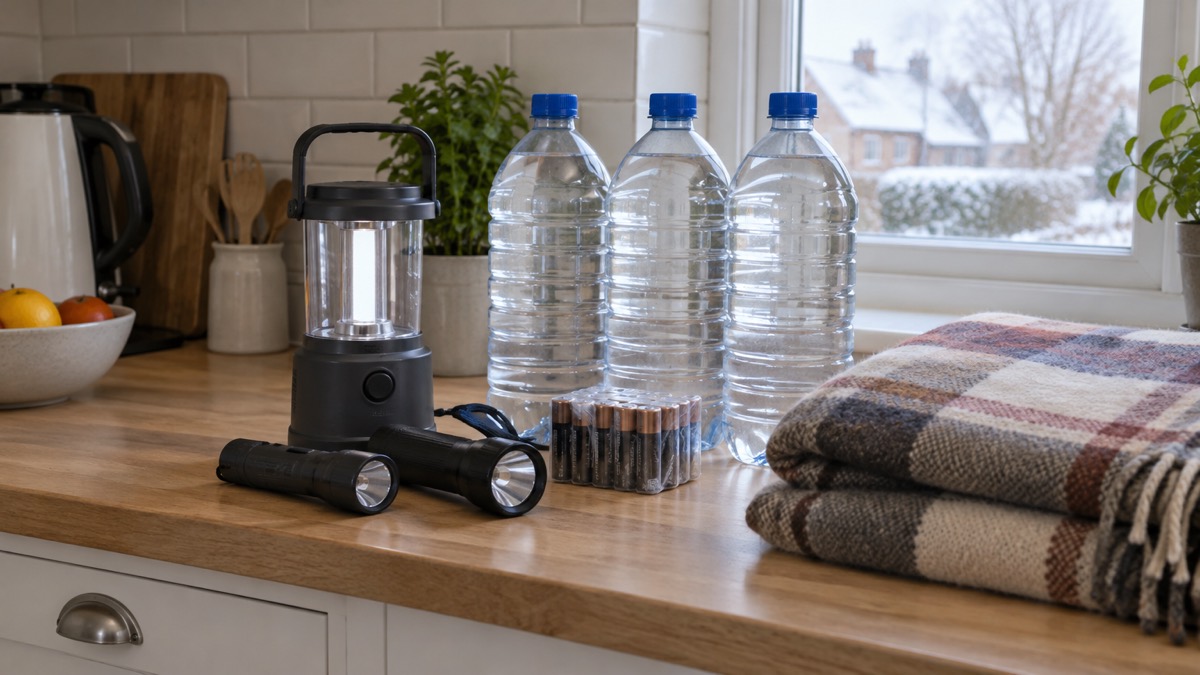
Most power cuts in the UK are short, but storms and faults can leave households without electricity for hours or longer. The government's advice is straightforward: keep enough at home to get by for three days, because being ready for three days helps you manage while support reaches those most in need1. The essentials are a torch and batteries, bottled water, food that needs no cooking, a way to keep warm, and your important phone numbers written down on paper2.
The Met Office puts it plainly in its severe weather warnings: "People cope better with power cuts when they have prepared for them in advance. It's easy to do; consider gathering torches and batteries, a mobile phone power pack and other essential items"3. None of this takes much money or space, and most of it can be gathered in a single afternoon. This page sets out what to keep, how much, and how to make sure everyone in your household knows what to do.
Know where your fuse box and trip switches are
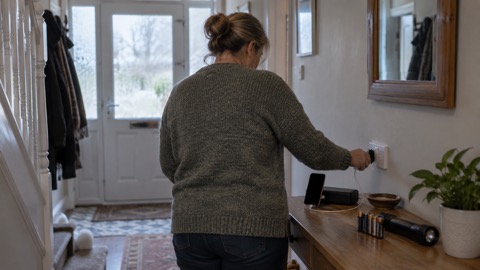
The fire and rescue service advises every household to know the location of the fuse box, sometimes called the consumer unit, so you can turn off the electricity quickly in an emergency8. In a power cut this matters in two directions. If the fault is inside your home, a tripped switch is the first thing to check, and you cannot check it in the dark if you do not know where it is. If the fault is outside, you may need to switch everything off before the supply returns, so that appliances do not get damaged by a surge.
Make a point of finding yours now, while the lights are on. It is usually near the electricity meter, in a hallway, under the stairs, in a cupboard or in a garage. Open the cover and look at the switches inside: modern units have one main switch and a row of trip switches, each protecting a different circuit. Work out which one controls which part of the house, and show everyone in the household who is old enough where it is and how to open the cover.
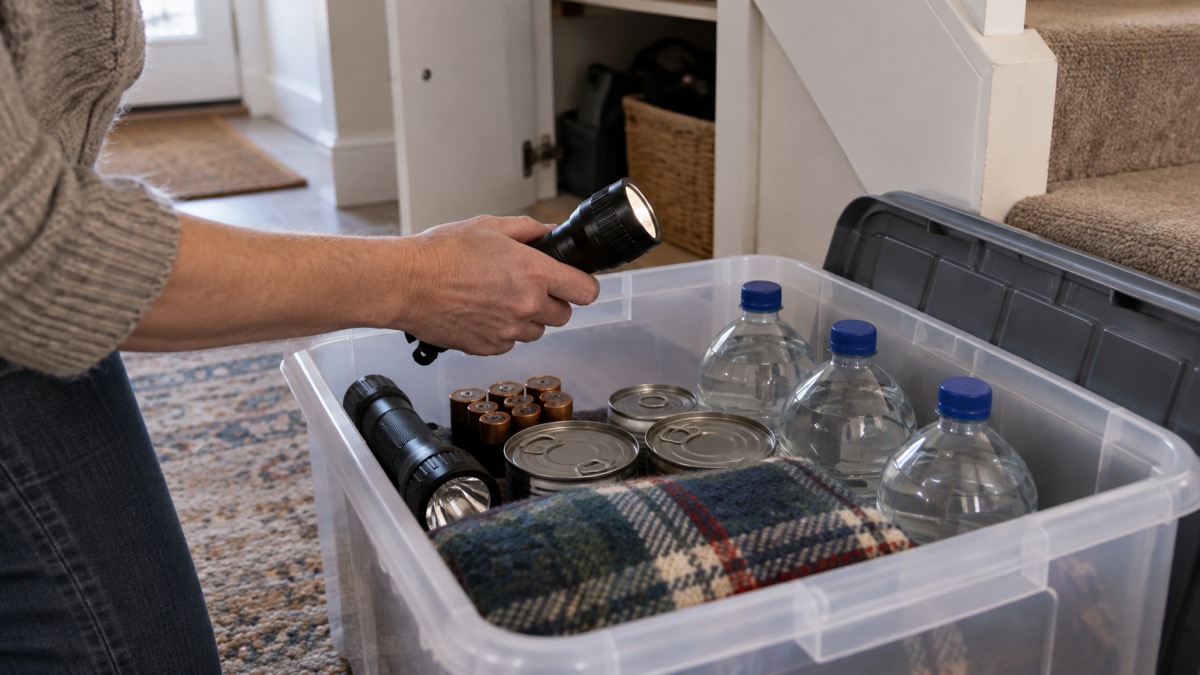
Keep a torch close to it. A torch stored in the cupboard under the stairs next to the fuse box is the one you will reach for first, and official guidance is to make sure everyone in your home knows where the torches are kept9. If the lights go out and a single circuit has tripped, you can restore it in seconds; if the main switch has tripped, or nothing in the fuse box has moved, the fault is on the network and you should report it by calling 105. Our page on how to check whether it is just your trip switches takes this step by step.
Torches, lanterns and spare batteries
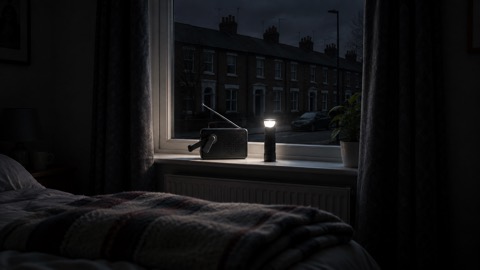
Keep some torches and spare batteries to hand in case the power cut happens when it is dark outside, and make sure everyone in your home knows where they are kept9. The essentials that could help you cope with a power cut are battery candles, torches and batteries, and a mobile phone power pack, prepared in advance10, and the same items appear in the list of basics to keep at home for a power cut11.
Torches are safer than candles5, and the advice for power cuts in adverse weather is simply to keep a torch and spare batteries at home12. Keeping a torch and batteries at home, rather than candles, is the recommendation given for getting through a power cut, along with a wind-up radio to get updates. The reason is plain: an open flame in a dark house, with people moving around and looking for things, is a fire risk that a torch does not carry.
What to keep:
- Torches and spare batteries, kept to hand in case the power cut happens when it is dark, with everyone in the home knowing where they are kept9
- Battery candles, torches and batteries, and a mobile phone power pack, the essentials that could help you cope with a power cut10
- A wind-up radio, so you can get updates during a power cut without mains power13
Keep them somewhere fixed and obvious, and tell everyone in the household where that is. A torch in a drawer nobody can find in the dark is no use at all. Our emergency lighting guide covers torches, lanterns and candles in more detail, including what to look for in a torch that will last through a long outage.
Power banks and charged devices
Charge mobile phones and power banks in case there is a power cut, especially when severe weather is forecast14. This is the advice the Met Office issues alongside every wind warning, and it is worth doing routinely rather than only when a storm is named. A fully charged phone is your link to the 105 power cut line, to weather warnings, and to family and neighbours, and a power bank extends that by several charges.
The Met Office's WeatherReady advice is to consider a separate battery charger, and to store key information such as the power cut helpline number, 105, on your phone15. Do both before the weather turns: a charger you only think about when the lights go out is no use, because there is nothing left to charge it from. If you rely on a mobile for emergency calls, keep it charged above the level you would normally let it fall to.
A few habits make this easy:
- Keep a mobile phone fully charged so you can use it to go online for updates or call if you have a power cut14
- Keep your power pack charged up and ready to go in an emergency3
- Store key information such as the power cut helpline number (105) on your phone15
- When a storm is forecast, charge mobile phones and power banks in case there is a power cut14
If you are considering more than a power bank, such as a portable power station, our backup power guide sets out the options and what each can and cannot do. For most households, a charged phone, a charged power bank and a wind-up radio cover the essentials. Our what to keep charged checklist goes through the devices worth thinking about.
Water: 3 litres per person per day
Keep at least 3 days' worth of bottled water, at 3 litres per person per day1. That figure is for drinking only: the Be Ready checklist notes that more would be needed for other tasks such as cooking and washing4. It is worth understanding how small that ration is. On average each person uses 139 litres of water per day in normal life16, so 3 litres a day is a fraction of ordinary use, and it exists to keep you alive and hydrated, not to keep the household running as usual.
Health guidelines state we should all drink about 2 litres of water per day, which is 6 to 8 cups, to stay hydrated16. The 3-litre storage figure gives you a margin above that minimum for each person for each of the three days. For a household of four, that means storing bottled water for drinking, and accepting that washing, flushing and cooking will be restricted if the water supply is affected as well as the power.
Some households need to plan further:
- If you have a baby at home, keep a supply of pre-prepared formula baby milk if used, and prepare a flask of hot water to heat bottles and baby food17
- Anyone taking regular medication should think about how they would take it without mains water4
- If someone in the household depends on water for medical care, plan for that specifically18
Note that a power cut does not always stop the water supply, but it can, because pumping and treatment need electricity too. The government's preparedness advice treats bottled water as part of the same basic kit as the torch and the wind-up radio13. Store the bottles somewhere cool and dark, and rotate them so the water stays fresh.
Food and drink that need no electricity to prepare
Keep non-perishable food for 3 days: food with a long shelf life that doesn't need refrigeration or cooking4. The point is not to stock a larder, it is to have something available to eat that doesn't require electricity or heat preparation9. In a winter outage, with the heating off and the hob possibly unusable, food you can eat cold from a tin or a packet is what stands between you and a hungry, cold night.
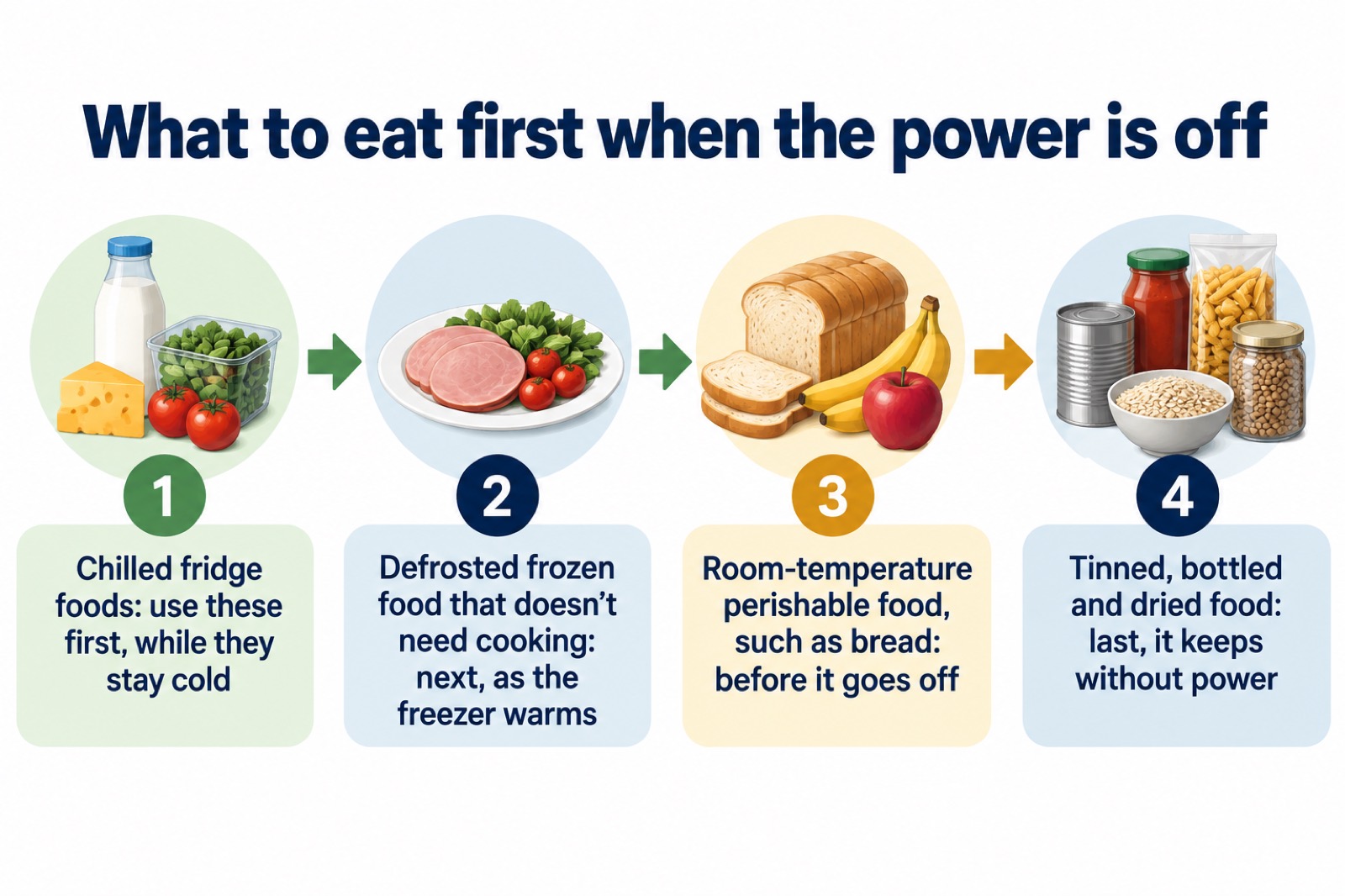
Food Standards Scotland advises that if a power cut has affected your home and you have no electricity supply, it is important you continue to store and prepare food safely19. Its order of use is worth learning before you need it. To keep food safe and reduce food waste, use up foods in the following order: chilled fridge foods first, then defrosted frozen food that doesn't need cooking, then room-temperature perishable food such as bread, then room-temperature tinned, bottled and dried food19.
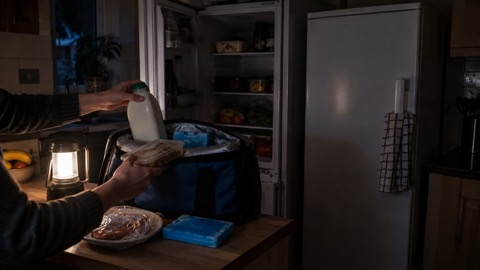
Keep fridge and freezer doors closed as much as possible during a power cut19, and leave the fridge and freezer switched on with the door shut to maintain a low temperature17. The Met Office adds that a blanket over the freezer helps, as it will stay cold for many hours20. Our page on fridge and freezer food when the electricity is off covers how long things keep and what to check, and what food to throw away after an outage covers the aftermath.
When you buy your store cupboard supplies, choose things your household will actually eat: tinned fruit, tinned beans, biscuits, cereal, long-life milk, and anything you normally keep anyway. Rotate them into your ordinary shopping so nothing sits past its date.
Keeping warm: heat the rooms you use to at least 18°C
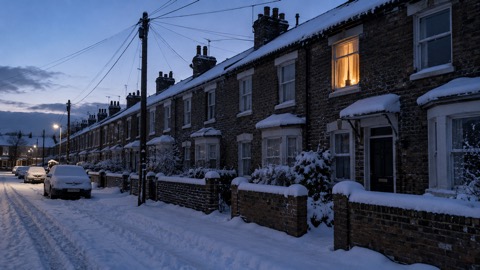
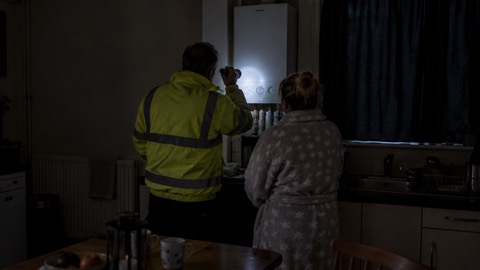
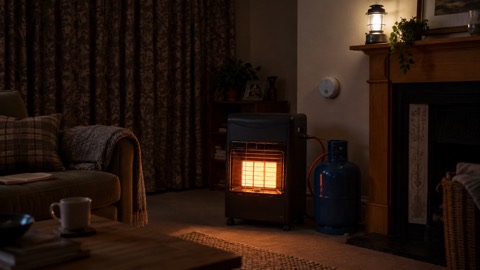
Heat the rooms you spend a lot of time in, such as the living room or bedroom, to at least 18°C6. This is the NHS's cold weather advice, and the Met Office repeats it: ideally your home, and those of elderly relatives and neighbours, should be heated to at least 18°C15. In a power cut the challenge is that most heating needs electricity to run, even gas central heating, so the 18°C target becomes something to hold for as long as you can and then to slow the loss of.
If you can't heat all the rooms you use, heat the living room throughout the day and your bedroom just before you go to bed, close curtains and shut doors to keep heat in the rooms you use most21. Ready Scotland's advice for cold weather is the same: heat your home to at least 18°C in the rooms you regularly use, if you can22. When the electricity fails, keep warm by using blankets and layered clothing, keep doors of unused rooms closed, and close curtains to keep the heat in18.
The reason 18°C matters is health, not comfort. The cold thickens blood and increases blood pressure, and breathing in cold air can increase the risk of chest infections21. Cold weather can put people at greater risk of ill-health and even death, primarily because it increases the probability of complications from existing disease and of injury due to falls23. Deaths during the winter months are significantly higher than at other times of the year23.
A practical approach for an outage:
- Gather the household into one room, the one that holds heat best18
- Close the doors of every unused room and draw the curtains18
- Layer clothing and use blankets rather than heating the whole house18
- Keep that one room as close to 18°C as your heating allows6
- Check on elderly relatives and neighbours, whose homes should also be at 18°C if possible15
Our pages on keeping warm without electricity and how to keep warm in one room develop this in detail, including whether gas central heating works without electricity.
Who is most at risk from the cold in a power cut
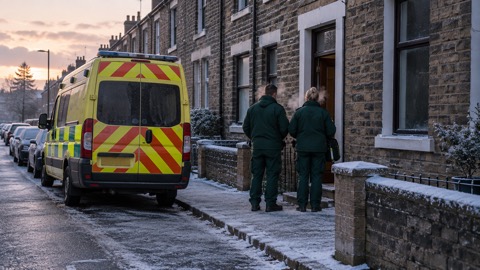
Older adults, babies and young children, and people with long-term health problems are most likely to become ill if they get too cold1. The NHS's cold weather advice lists the groups particularly at risk: people aged 65 and older, babies and children under the age of 5, people on a low income, people who have a long-term health condition, people with a disability, pregnant women, and people who have a mental health condition6. Cold weather can be a risk to your health, particularly if you are over 65 or have health conditions15.
If someone in your household is in one of these groups, their needs should shape your plan, not come as an afterthought. Direct cold exposure can result in death or severe illness due to hypothermia, although deaths where hypothermia is the primary cause are rare23. The greater everyday danger is the way cold worsens existing conditions, and longer term effects include an increased risk of mental health conditions such as depression and anxiety23.
Two things follow from this. First, if you or someone you live with depends on electricity for medical equipment, plan for outages specifically: our checklist for households using medical equipment and our page on relying on medical equipment that needs electricity set out what to do. Second, register for extra help: the Priority Services Register gives households with additional needs advance warning and extra support from their network operator, and you can also register a relative who needs help.
Check on neighbours when the power goes off, particularly anyone older or living alone. Our checking on neighbours and relatives checklist makes that a short, practical task rather than an awkward one.
A home emergency plan with your important numbers and documents
Write down important phone numbers on paper and store them somewhere easy to find in a power cut4. That includes your emergency contacts, a medication list, radio frequencies and insurance policy details4. The reason for paper is simple: if the broadband is down and the mobile battery is flat, a note in a drawer still works. Include the number to report a power cut, 105, and the numbers of anyone you might want to contact in an emergency25.
Keep important documents safe and handy20. Insurance policies, identification, prescription details and anything you would need after a flood or a long outage should be together in one place you can put your hand on in the dark. Ready Scotland advises making a household emergency kit and an emergency plan before cold weather arrives, not during it22.
What the plan itself should contain, following the Scottish Government's Ready Scotland guidance26:
- What to do in an emergency, including a power cut
- How you'll stay informed, including which radio stations to tune to
- Your agreed meeting places if the household is separated
- Important numbers, written on paper
- Any support needs within your household
Ready Scotland publishes a home emergency plan as a 2-page PDF you can fill in, and its stated purpose is worth noting: "An emergency plan will help you and your household stay safe in an emergency"27. Sit down with the household, fill it in together, and make sure everyone knows where the paper copy lives. Our household emergency plan checklist and emergency numbers to keep at home give you the lists to work from.
Landlines, the digital switchover and calling for help
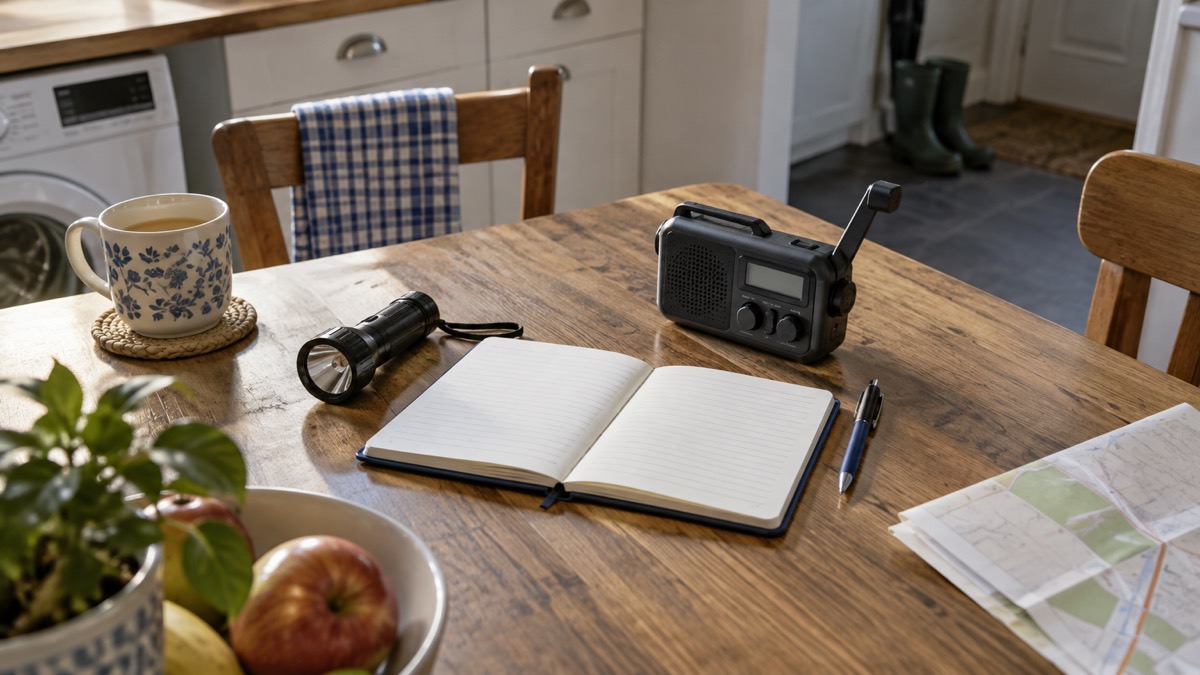
One change every household should know about is the move from copper landlines to digital phone services. Digital landlines need mains electricity and will not work in a power cut unless there is a battery back-up28. The old copper network is being retired, with the switchover due to be complete by January 2027, and most users making calls over a broadband line29. If your only way of making emergency calls is through a landline phone, or if you have a telecare kit connected to your landline, contact your landline provider to understand whether your phone will work during a power cut18.
There is a protection worth knowing about: if you depend on your landline, your provider must make sure you can contact the emergency services during a power cut28. If you have no back-up power to your landline phone and a life-threatening emergency, you should attempt to call 999 or 112 using a mobile. You might receive overlapping signal from a nearby area that is unaffected, because emergency calls automatically roam onto all available networks18.
For non-emergencies, call 105 or visit the Power Cut 105 website to be directed to the operator for your area30. If you spot damaged or dangerous electrical equipment, including during or after a power cut, report the problem, but call 999 in an emergency30. Call 999 if you or someone else is in immediate danger7. Our page on how to report a loss of electricity covers the 105 line in detail, and fallen overhead lines covers what to do if you see one down.
Getting ready for winter specifically
Winter is when the risk rises, because storms combine with cold. When a wind warning is issued, the Met Office's advice is to gather torches and batteries, a mobile phone power pack and other essential items in advance3. nidirect's advice for strong winds and heavy rain in Northern Ireland is to make sure you are prepared in case there is a power cut17, and its strong winds guidance repeats the same preparation31. Ready Scotland's storms advice is to charge mobile phones and power banks, find your emergency plan and make sure it is up to date14.
The Met Office's WeatherReady campaign, run with the Cabinet Office and partner organisations, advises thinking ahead and preparing for what the weather may bring, from preparing your home to taking care of yourself, your family and neighbours32. It also warns about the surroundings: in windy weather trees or branches can come down, cast iron guttering could be lethal and so can roof slates, and garden furniture, children's toys and trampolines can fly around causing damage and potential harm15. Before a storm, bring loose items indoors and keep away from anything that might fall.
A community council in Wales sums up the local experience of adverse weather events with the same practical instruction: please call 105 to report a power cut, and avoid using candles and paraffin heaters24. Being prepared and planning makes our lives a lot easier when we are in a power outage33, which is the whole argument of this page in one line.
Smoke alarms and keeping your preparation current
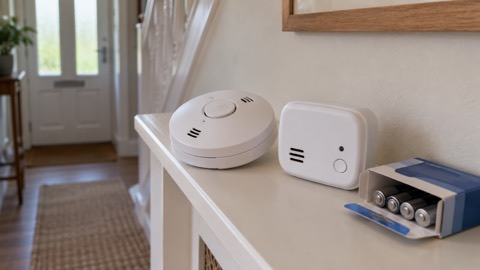
Test your alarm weekly, following the advice of the fire and rescue service34. This belongs in power cut preparation because an outage changes how you light and heat your home, and a working smoke alarm is the earliest warning you will get if a candle, a heater or a blanket over a lamp goes wrong. If your alarm is mains-powered, check whether it has a battery back-up that would keep it working during an outage; our page on smoke and carbon monoxide alarms that keep working without mains explains what to look for.
Review your kit and your plan regularly, and whenever your circumstances change: a new baby, someone starting to use medical equipment at home, a move to a digital landline, or an elderly relative now living alone. Check the batteries, rotate the stored water and food, and re-read the plan with the household. The government's Be Ready campaign, launched on 22 October 2026 as the first stage of a three-year campaign with more than five hundred organisations signed up to share its messages, encourages exactly these small, simple steps to stay prepared when services are temporarily disrupted7.
For the moment the power actually goes off, read what to do when the electricity goes off, and for everything in one place, our power cut kit checklist lists every item with the reasons behind it.
Sources (34)
- Power cuts: Be informed about hazards, UK government Be Ready campaign, 2026
- Be ready for emergencies, UK government Be Ready campaign, 2026
- Accessible UK weather warnings, Met Office, 24 October 2026
- Get prepared for emergencies, UK government Prepare campaign, 2026
- Prepare for emergencies, UK government Prepare campaign, 2026
- Cold weather advice, West Midlands Ambulance Service NHS Foundation Trust, 20 May 2026
- Households encouraged to take small, simple steps to stay prepared in an emergency, GOV.UK, 22 October 2026
- Lighting safety tips, Cleveland Fire and Rescue Service, 12 November 2022
- 12 tips to prepare for a power cut, Horsted Keynes Parish Council, 2026
- Stay safe in a thunderstorm, Met Office, 2026
- Stay safe in lightning, Met Office, 2026
- Staying safe in the snow, North Yorkshire Fire and Rescue Service, 9 March 2023
- National Risk Register 2023, Civil Contingencies Secretariat, 2023
- Storms and wind, Ready Scotland, 24 March 2026
- Top tips to be WeatherReady, Met Office, 25 October 2026
- Failure of water infrastructure or loss of drinking water, Wiltshire and Swindon Prepared, 25 October 2026
- Strong winds and heavy rain warning: information and advice, nidirect, 27 January 2026
- Power cuts: Be informed about hazards, UK government Prepare campaign, 21 October 2026
- Food safety in the kitchen: power cuts, Food Standards Scotland, 25 October 2026
- What to do in a power cut, Met Office, 25 October 2026
- Keeping your home warm in winter, Met Office, 26 October 2026
- Cold, snow and ice, Ready Scotland, 25 March 2026
- Supporting vulnerable people before and during cold weather, GOV.UK, 24 September 2025
- Adverse weather events, Llangattock Community Council, 25 October 2026
- How would you prepare for an emergency, NHS Cheshire and Merseyside, 10 July 2024
- Emergency plan, Ready Scotland, 24 March 2026
- Home emergency plan document, Ready Scotland, 24 March 2026
- Your landline is going digital: what you need to know, Ofcom
- Your landline is going digital, here’s how to stay connected - RNID, RNID
- Power, gas and water: what if they fail, Surrey County Council, 29 December 2025
- Strong winds weather warning: information and advice, nidirect, 24 October 2026
- WeatherReady, Met Office, 26 October 2026
- Power Track: what is it, Wiltshire and Swindon Prepared, 25 October 2026
- Smoke alarms, South Wales Fire and Rescue Service, 20 August 2026
 Power Cut Kit Checklist
 What to Keep Charged
 Household Emergency Plan
 Reporting a Power Cut
 What to Do in a Power Cut
 Fridge and Freezer Food
 Keeping Warm Without Electricity
 Central Heating Without Power
 Cold Homes and Health
 Carbon Monoxide Risks
 Staying Safe in the Dark
 Smoke and Carbon Monoxide Alarms
 How Long Until Power Returns
 When the Power Comes Back
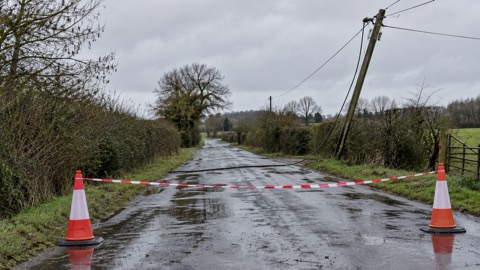 Fallen Overhead Lines