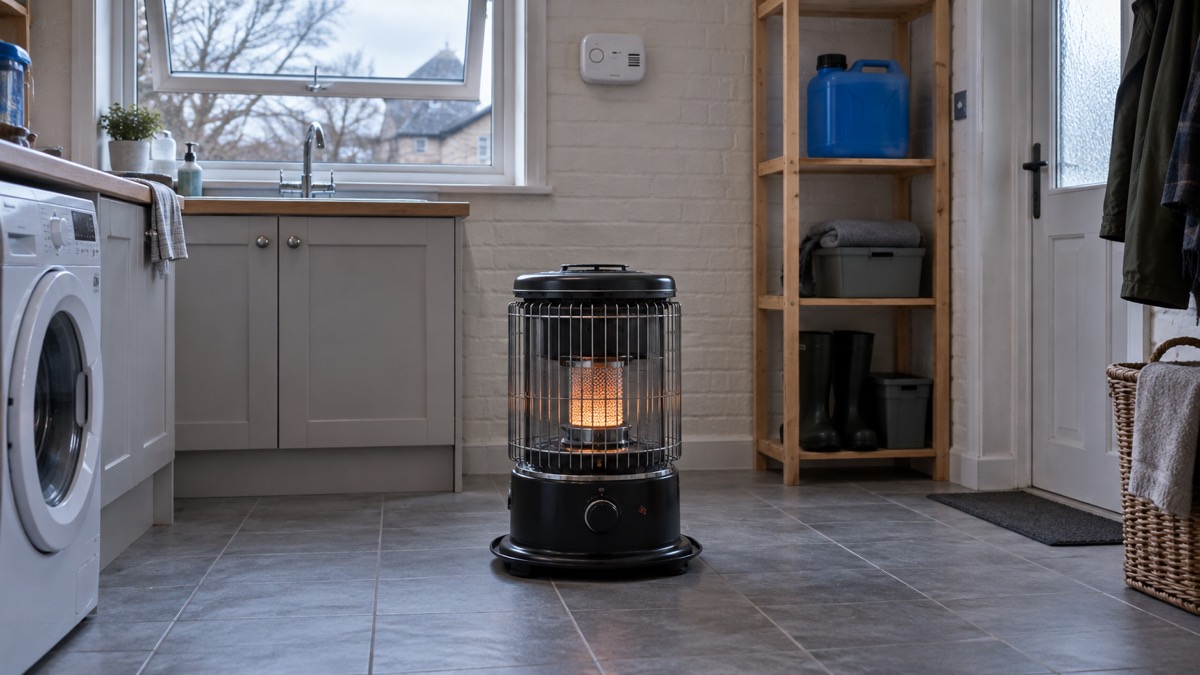
A paraffin heater can be used indoors, but only with care: in a well-ventilated room, never in a bedroom or other enclosed space, and never without a working carbon monoxide alarm. Fire and rescue services are blunt about the risk. "Only use gas or paraffin heaters in well-ventilated areas. You could suffocate if the room is not properly aired," Suffolk Fire and Rescue Service advises1. Ventilate the room in which the heater is being used, and keep it out of small enclosed spaces such as bathrooms and small bedrooms unless it is specifically designed for them2.
So the answer is yes, with conditions. Keep a window slightly open to improve ventilation and reduce the build-up of condensation and damp3. Fit a carbon monoxide alarm in every room containing a paraffin heater, and make sure it can be heard throughout your home4. Never leave the heater burning unattended, and never move it or top it up once it is lit5. Store the fuel in purpose-made containers, away from heat and outside the home where possible3.
If you have a choice, paraffin is not the first heater to reach for. Some official guidance advises avoiding paraffin heaters and candles during a power cut altogether7. Where you need backup warmth, compare the options in our guide to portable heaters and to paraffin or bottled gas heaters before you buy.
Yes, with care: a paraffin heater can be used indoors in a ventilated room
The condition that makes a paraffin heater usable indoors is ventilation. A paraffin heater burns fuel and consumes air, and the fire and rescue service warns that in a room that is not properly aired you could suffocate1. Northern Ireland's official advice is the same: there must be good ventilation wherever fuel-burning equipment is used indoors9. The practical instruction from Cheshire Fire and Rescue Service is to keep a window slightly open to improve ventilation and reduce the build-up of condensation and damp3.
That does not make a paraffin heater suitable for every room. Portable heaters of this kind should not be used in small, enclosed spaces such as bathrooms or small bedrooms unless the unit is specifically designed for that, and they should not be used to dry clothes or heat food8. They should not be tipped or tilted while running8. Keep them away from water and damp areas8.
A paraffin heater is also a fire risk in its own right. Heaters and fires are a listed cause of house fire10, and the NHS burns service advises using fire guards around open flames and heaters and placing them away from curtains, furniture or any other flammable material11. Warwickshire Fire and Rescue Service's guidance on portable heaters is to take precautions when heating your home5.
If you cannot heat all the rooms you use, concentrate the warmth in one room rather than moving a paraffin heater from room to room. That approach is a safer pattern: the heater stays put, in a ventilated space, and is not carried about while lit. Our guide to keeping one room warm sets out how to do it.
Carbon monoxide: why a CO alarm is essential
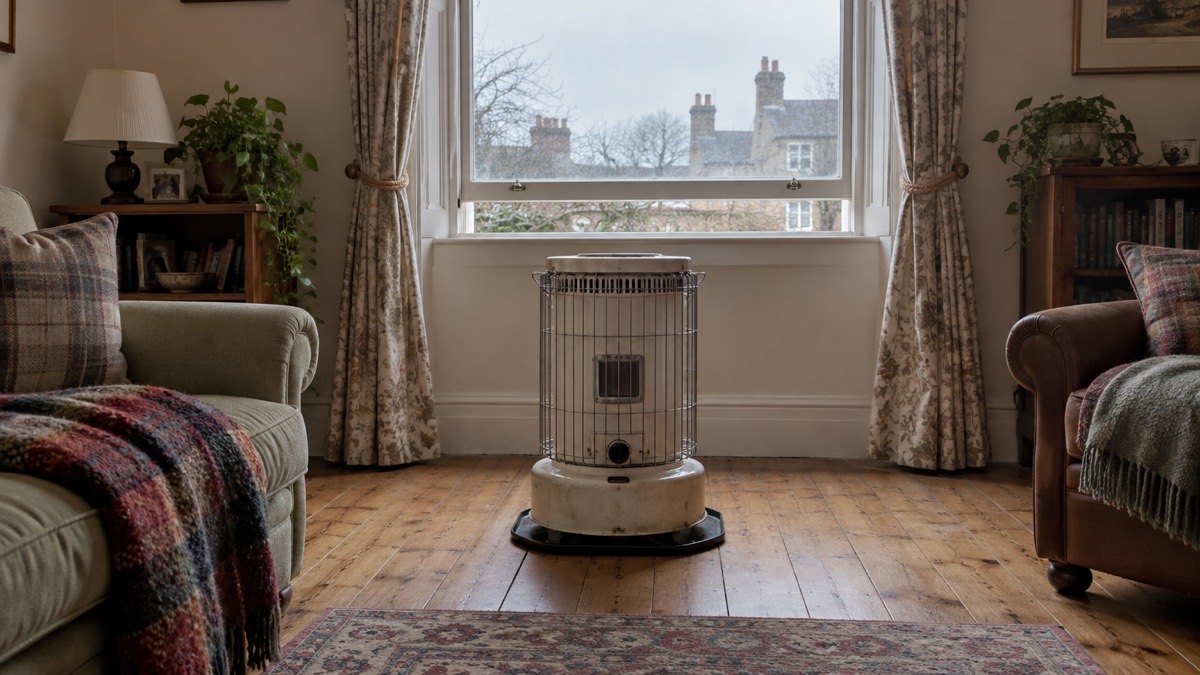
Carbon monoxide is the reason a paraffin heater needs an alarm, not just a window. It is produced by fuel-burning appliances that are not burning or venting properly, and it gives little warning. The Health and Safety Executive lists kerosene heaters among the equipment that can cause carbon monoxide poisoning when used indoors2. Northern Ireland's official advice says the same: using equipment such as kerosene heaters, charcoal grills and portable generators indoors can cause carbon monoxide poisoning9.
The alarm advice is consistent across the fire and rescue services. Fit a carbon monoxide alarm in all rooms containing solid fuel, gas or paraffin heaters4. Make sure the alarm can be heard throughout your home, and consider keeping one in the bedroom12. Carbon monoxide alarms should be fitted in all rooms containing solid fuel appliances, any gas appliances or paraffin heaters13.
A strange smell while an appliance is running is listed as a sign of carbon monoxide15. So is increased condensation inside windows2. If either appears, stop using the heater and have it checked. Our guide to home emergencies covers what to do for carbon monoxide, gas leaks and fires.
Ventilation: keep a window or vent open while it burns
Ventilation is not optional with a paraffin heater, and it does two jobs at once. It supplies the air the flame needs, and it carries away the water vapour that paraffin produces as it burns. Merseyside Fire and Rescue Service notes that paraffin and LPG heaters are a major cause of condensation, and that every gallon of paraffin burnt produces 10 pints of water6. That is why the same guidance says to be sure the window is open a little6.
The official advice for bedrooms is specific. If you use a fire or heater in your bedroom during winter, open the window or door a little at night for ventilation16. That applies to any heater, and it is the minimum, not a guarantee of safety.
| What to do | Why | Source |
|---|---|---|
| Keep a window slightly open | Improves ventilation and reduces condensation and damp | 3 |
| Open a window or door a little at night if a heater is in the bedroom | Ventilation while you sleep | 16 |
| Make sure the room has good ventilation | Fuel-burning equipment indoors needs air | 9 |
| Watch for condensation on windows | Can be a warning sign of a combustion problem | 2 |
If you have an open fire, make sure it is properly ventilated too18. The principle is the same: any flame in a room needs air, and a sealed, draught-proofed room is the wrong place for one. Our guide to stopping draughts explains how to keep heat in without sealing off the ventilation a heater needs.
Where a paraffin heater must never go
Some places are ruled out whatever the ventilation. A paraffin heater should not go in a bedroom, basement or other enclosed area8. It should not go in a small enclosed space such as a bathroom or small bedroom unless the unit is specifically designed for it8. It should not be left running near children or pets8. And it should never be left unattended while running8.
There are also rules that depend on where you live and what kind of home you are in. Fire Scotland advises never to buy a second-hand paraffin heater, as they can be dangerous19. Highland Council tells its tenants never to use paraffin or bottled gas heaters, because they are not allowed in council homes20. If you rent, check your tenancy agreement and ask your landlord before using one.
Fuel and cylinders have their own rules. Gas, paraffin and LPG cylinders should be stored safely outside the home and out of direct sunlight, and not on balconies21. Never use a barbecue indoors22. Only equipment designed to be used indoors should be brought inside the home9.
Safe refuelling and fuel storage
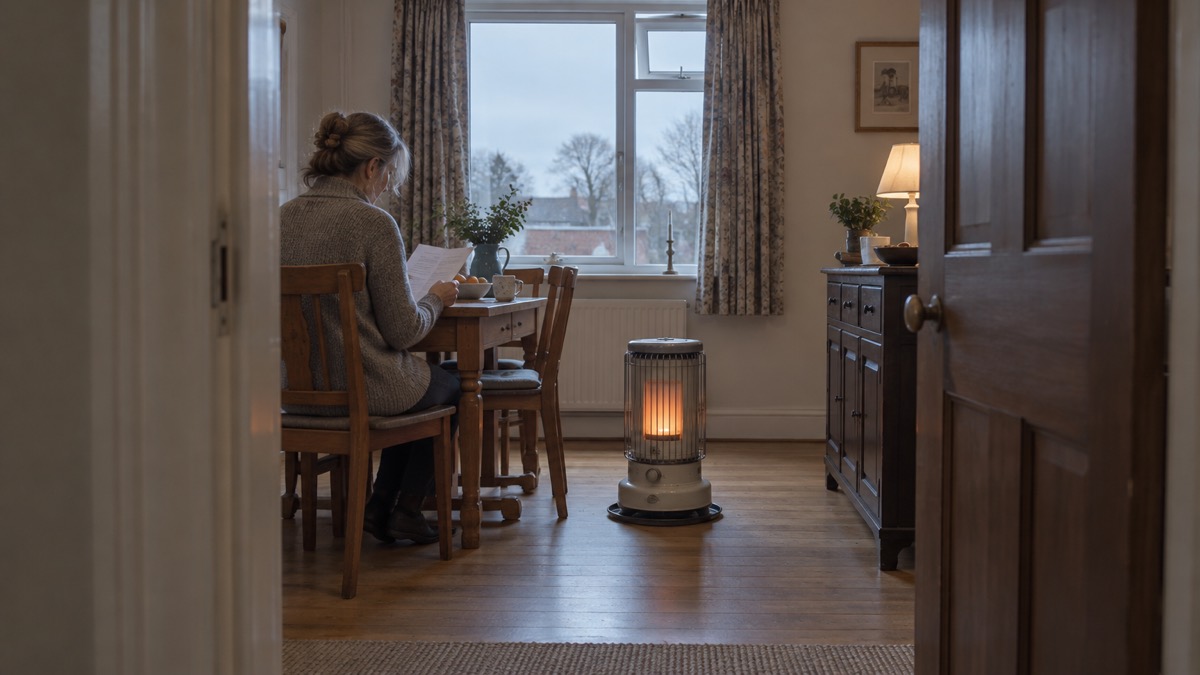
Refuelling is where many paraffin heater accidents happen, and the rules are strict. Fill the heater in the open air to avoid a build-up of fumes5. Once it is lit, do not move the heater or top up the paraffin5. Wipe up spills and change clothes soiled with fuel, and let fumes escape safely from wiping cloths5. Turn off and cool down the heater before refuelling, use a funnel or pump to avoid spills, and never refuel indoors or near open flames8.
Store the fuel properly. Store fuel in approved containers and keep it away from heat sources3. Spare fuel should be in purpose-made containers and stored away from sources of heat6. Store fuel outside the home where possible and keep quantities to a minimum3. Do not overstock fuels of any type, including paraffin or biofuel, and store them safely23.
| Task | What to do | Source |
|---|---|---|
| Filling | Fill in the open air, away from flames | 5 |
| While lit | Do not move the heater or top up the paraffin | 5 |
| Before refuelling | Turn off and cool down, use a funnel or pump | 8 |
| Spills | Wipe up, change soiled clothes, let cloths air safely | 5 |
| Storage | Approved, purpose-made containers, away from heat, outside where possible | 3 |
| Quantity | Keep to a minimum, do not overstock | 3 |
Containers should be stored in a garage or shed away from other buildings, in a well-ventilated area away from sources of ignition such as electrical equipment and naked flames24. Our guide to where to store gas cylinders covers the same principles for bottled gas.
Fire risks and how to keep clear space around the heater
A paraffin heater is an open flame in your home, and it needs space and attention. Maintain at least 1 metre (3 feet) of clearance around the heater, away from curtains, bedding, furniture, paper and other flammables8. Do not have combustible items close to portable heaters or open fires13. Use fire guards around open flames and heaters11.
The wider fire safety advice applies as much to a paraffin heater as to anything else. Keep escape routes clear, make sure all internal doors can be closed, plan and practise your escape, and have working smoke alarms, with one considered for the bedroom and the room where you spend most time13. Never leave any open flame unattended14.
If a fire does start, get everyone out and call the emergency services. Do not go back inside for possessions. Our guide to using a portable heater safely covers the general rules, and heating and cooking without mains power or gas sets out the alternatives.
Sources (24)
- Seasonal winter fire safety advice, Suffolk Fire and Rescue Service, 2026
- Carbon monoxide, Health and Safety Executive, 2026
- Staying warm: portable heaters, Cheshire Fire and Rescue Service, 2026
- Stay warm safely this winter, Greater Manchester Fire and Rescue Service, 2026
- Electric blankets and portable heaters safety, Warwickshire County Council, 2026
- Portable heaters, Merseyside Fire and Rescue Service, 2026
- Adverse weather events, Llangattock Community Council, 2026
- Safe use of heaters and generators, Armagh City, Banbridge and Craigavon Borough Council, 2026
- Strong winds and heavy rain: information and advice, nidirect, 2026
- Home fire safety, Northern Ireland Fire and Rescue Service, 2026
- Burns prevention and tips, Mid and South Essex NHS Foundation Trust, 2026
- Fire alarms and carbon monoxide detectors, Lincolnshire County Council, 2026
- Fire safety for carers, Devon and Somerset Fire and Rescue Service, 2026
- Outdoor heating safety, Scottish Fire and Rescue Service, 2024
- Carbon monoxide awareness, Phoenix Energy, 2026
- Keeping warm, Cumberland Council, 2026
- Staying warm in winter, nidirect, 2026
- Cold weather advice, West Midlands Ambulance Service, 2026
- Heating and gas, Scottish Fire and Rescue Service, 2024
- Keeping your home safe and secure, Highland Council, 2025
- Heating your home, North Yorkshire Fire and Rescue Service, 2026
- Fire and summer safety advice, nidirect, 2026
- Portable heaters, gas fires and open fires, London Fire Brigade, 2026
- Domestic and non-workplace petroleum storage, Greater Manchester Fire and Rescue Service, 2026
 Before-Winter Heating Checks
 Backup Stove Kit Checklist
 Wood Burner Lighting Kit
 Heating a Home with the Oven
 Changing an LPG Cylinder Safely
 Storing Gas Cylinders at Home
 Wood You Should Never Burn
 Disposing of Ashes Safely
 Open Fire in an Unused Chimney
 Oil Tank Leaks After a Storm
 Trangia Spirit Burner Fuel