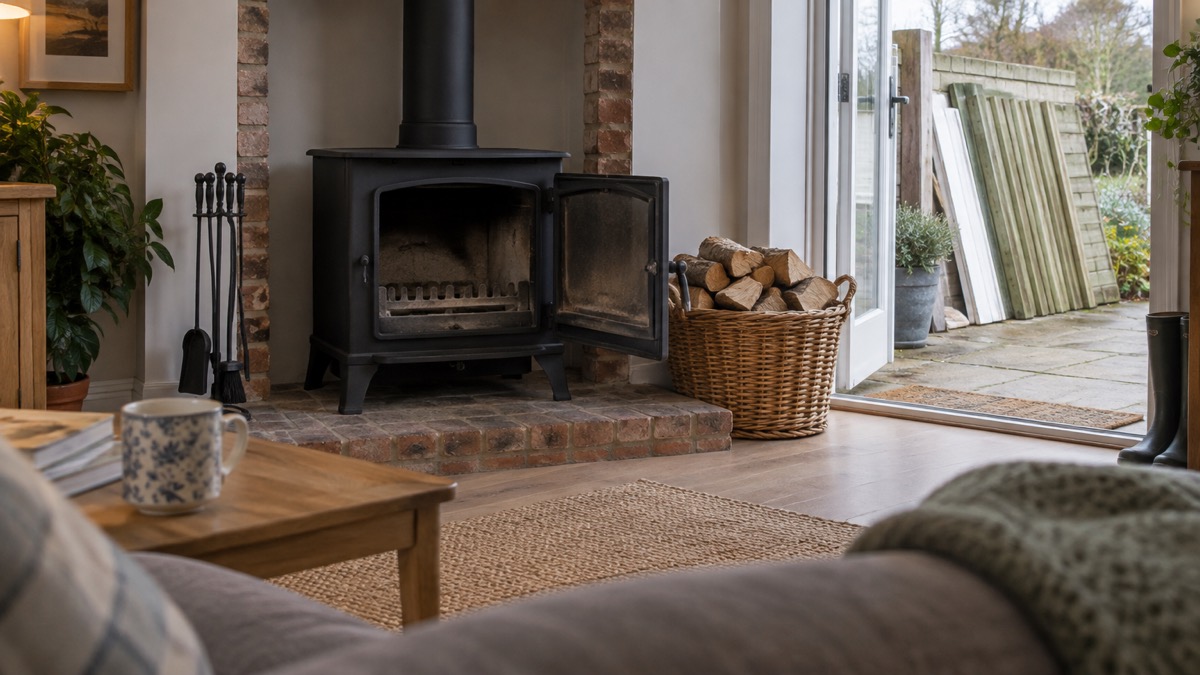
If you are relying on a stove or open fire this winter, the single most useful rule is this: burn only well-seasoned wood or fuel carrying the Ready to Burn mark, and keep treated, painted, glued or wet timber and household rubbish out of the fire entirely1. Fire and rescue services across the UK say the same thing, because the wrong fuel produces toxic fumes, raises the risk of a chimney fire and can lead to carbon monoxide poisoning3.
The temptation is understandable. Scrap pallets, old fence panels, furniture offcuts and bin bags of cardboard all look like free heat. They are not. Treated waste wood and household rubbish can emit harmful fumes and toxic pollutants, such as arsenic, into your home when burnt5. Burning other materials can cause toxic fumes and increase the risk of chimney fires and carbon monoxide poisoning3.
This page sets out what must never go on a fire, why it matters indoors, how to tell good fuel from bad, and what to do with the waste instead. It is for anyone with a wood burner, multi-fuel stove, open fire or garden bonfire, and for anyone who has never used one before and wants to get it right.
Wood that must never go on a fire: painted, treated and wet timber
The clearest line is drawn around treated wood. Do not burn treated wood, such as painted, stained or chemically treated wood, which includes old furniture, pallets and medium density fibreboard; these release dangerous pollutants which could have a serious impact on human health2. Oxford City Council's clean air guidance puts it just as plainly: do not burn wet or treated, painted or glued wood1.
That covers more than most people expect. Fence panels, decking offcuts, old skirting boards, varnished shelves and manufactured boards all fall on the wrong side of the line. Firepit and chiminea users are told never to use painted, coated or pressure treated wood, as these can release toxic chemicals into the air10. Bonfire guidance adds treated, painted or varnished wood to the list of things that can give off harmful chemicals11.
Wet timber is the other half of the problem. Burning wet or green wood, treated wood, rubbish or plastics can produce harmful substances and increase the risk of chimney fires12. A fire service press release from September 2026 makes the mechanism clear: avoid burning treated or painted wood, household waste or wet timber, as these can produce toxic fumes and contribute to dangerous tar build-up in the flue13. That tar is what fuels chimney fires.
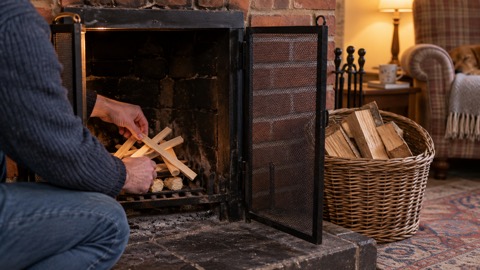
So the rule for the woodpile is simple. Seasoned logs, or manufactured solid fuel that is legal for your appliance, and nothing else. If you are not sure how dry your logs are, the next section explains the labels to look for.
Household rubbish to keep out of the stove or open fire
Household rubbish is not fuel, however flammable it looks. Fire services advise never to burn cardboard boxes or wastepaper6, and never to put paper or rubbish on a fire once it is burning, because it can create floating embers that can land on things in your home or set light to the chimney7. Government public health advice is equally direct: do not burn old furniture, pallets or fence panels, household rubbish or fuels such as petrol, diesel or lighter fluid, as this could cause an explosion, fire or release of harmful chemicals14.
The list of things that must stay out of a fire is longer than most households realise:
- Plastics, rubber and foam: bonfire guidance says do not burn tyres, cylinders, canisters, aerosols, paints, plastics, rubber or foam-filled furniture9.
- Aerosols, batteries, bottles, tins of paint and tyres: all named as things not to burn15.
- Petrol, paraffin, diesel or lighter fluid: never use these to light or revive a fire; they can cause an explosion or fire14.
- Wet or green garden waste: avoid burning it, as it creates excessive smoke and can cause nuisance11.
There is a household safety point that sits alongside this. Never store rubbish, recycling or anything that can ignite in corridors, common areas, stairwells or escape routes17. And do not overfill your wheelie bin or leave loose rubbish around it, which is one of the ways bin fires start18.
Why burning the wrong material is dangerous indoors
Indoors, the wrong fuel does three things at once, and all of them are serious. It produces toxic fumes in the room, it coats the flue with tar that can catch fire, and it raises the level of carbon monoxide, an invisible gas you cannot smell3. Fire services put it in one sentence: burning other materials can cause toxic fumes and increase the risk of chimney fires and carbon monoxide poisoning4.
Chimney fires are the visible consequence. Tar and creosote from poor fuel and slow, smouldering fires build up inside the flue, and a chimney fire can spread into the roof space. Fire services advise burning only the correct fuel, because burning other materials can cause toxic fumes and increase the risk of chimney fires and carbon monoxide poisoning13. The prevention advice is consistent: burn seasoned wood, keep the flue clear and have the chimney swept regularly.
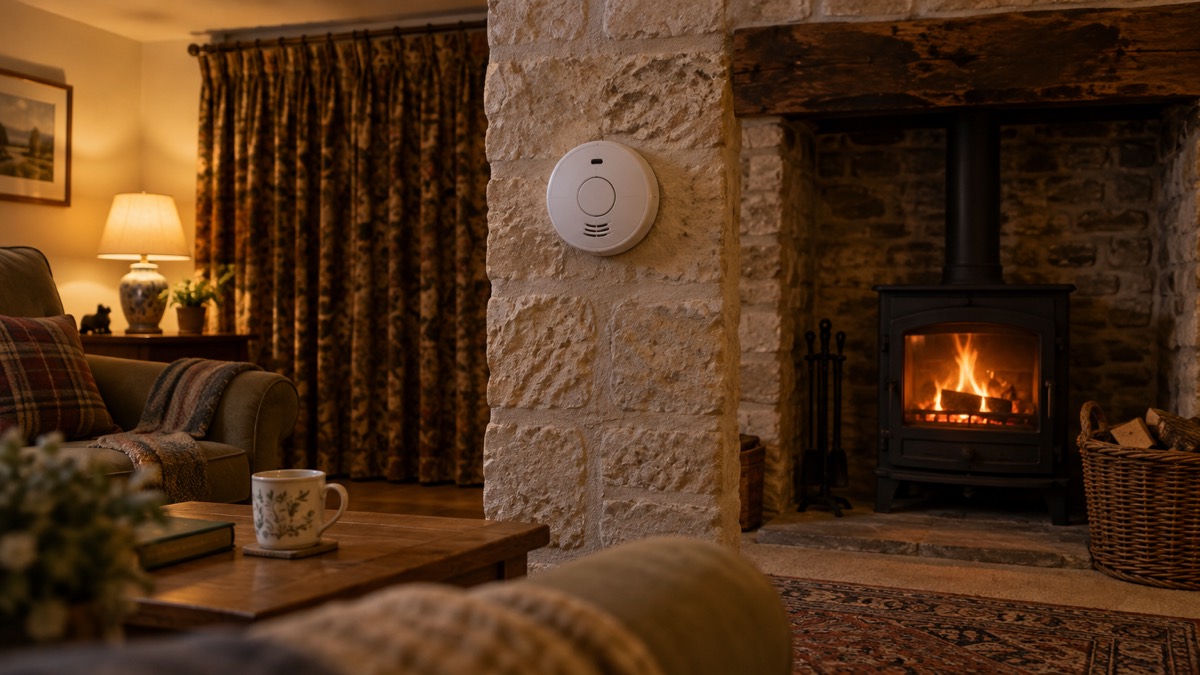
Carbon monoxide is the invisible one. Fire services advise fitting a carbon monoxide alarm in any room containing a wood-burning stove, open fire or other solid fuel appliance, and testing it regularly8. The alarm is a backstop. It does not make it safe to burn the wrong fuel; it gives you warning if something has gone wrong.
There is also a basic rule about where a fire belongs. Government advice says do not light a fire indoors unless you have a proper heating appliance for the purpose or a fireplace with a working chimney, and do not use camping stoves or barbecues indoors14. Cumbria Fire and Rescue Service adds: never use a barbecue inside to keep you warm20. If you are heating a room without mains power, the safe options are covered in Keeping One Room Warm When the Heating Fails and Wood Burners and Multi-Fuel Stoves in a Power Cut.
Ready to Burn and other labels that show wood is safe to use
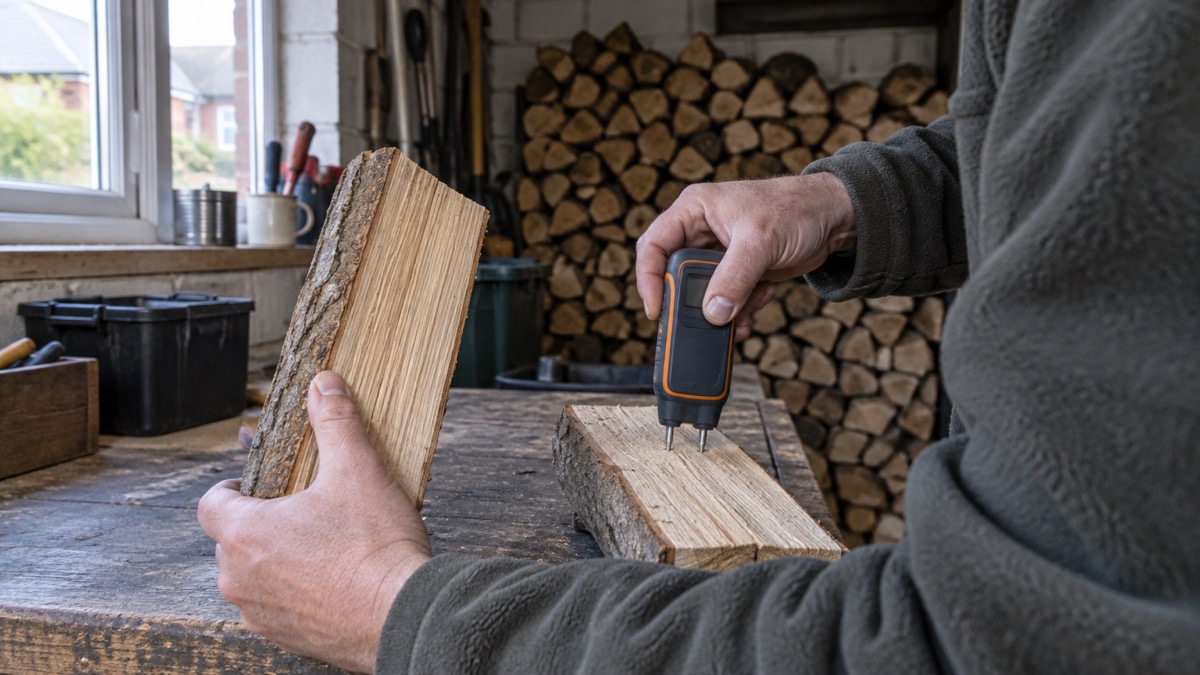
The easiest way to know your fuel is right is to look for the label. Always look for the approved Ready to Burn logo when buying fuel1. The mark helps consumers to easily identify solid fuels that are legal to burn at home in compliance with the Air Quality Regulations21, and it certifies firewood at no more than 20% moisture content21.
If you are using a wood burner or fireplace, only burn fuels marked Ready to Burn22. That single habit removes most of the guesswork about whether a bag of logs is dry enough or legal where you live.
| What to look for | What it tells you | Source |
|---|---|---|
| Ready to Burn logo | Fuel is certified at no more than 20% moisture content | 5 |
| Ready to Burn logo | Fuel is legal to burn at home under the Air Quality Regulations | 5 |
| Well-seasoned wood | Left to dry so the moisture has evaporated | 7 |
| Seasoned wood, smokeless fuel or coal | The fuels suitable for open fires and wood burners | 23 |
If you cut and store your own wood, the same standard applies in practice: it must be well seasoned, meaning left to dry out for a long time so the moisture has gone7. How long that takes, and how to stack and store logs, is set out in Firewood: How Dry It Should Be and How to Season Logs.
Where you live matters here. Smoke control areas restrict what can be burned, and the Ready to Burn mark exists partly to make compliance simple5. Check with your council whether your home is in one before you light a stove or open fire; the rules and the authorised fuels are explained in Smoke Control Areas: What You Can Burn and Where.
What to do with waste wood and rubbish instead
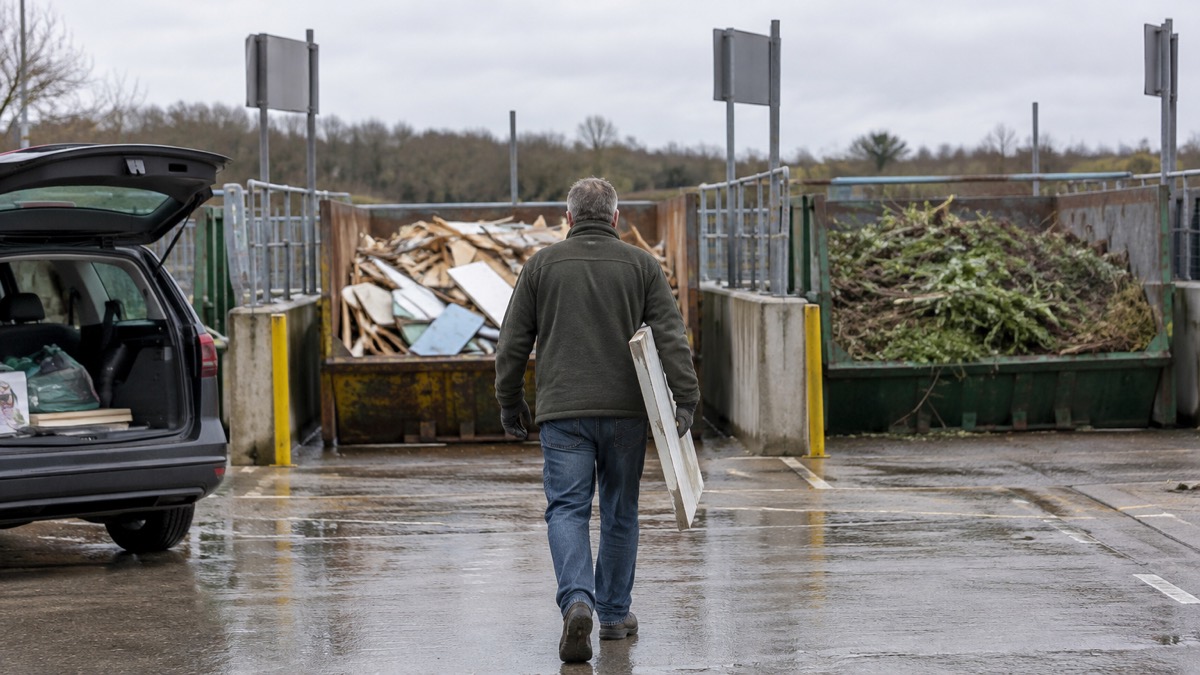
The good news is that almost everything you might be tempted to burn has a proper route out of the house. Treated timber, painted boards, MDF offcuts, old furniture and fence panels go to your local household waste recycling centre or a licensed waste collection, not the stove or the bonfire. Household rubbish and recycling go in the bins your council collects.
Garden waste is best composted or taken to the council's green waste service. Do not throw cuttings onto adjacent land or let them dry out in your garden, because they are fuel in the event of a fire24. If you do have a garden bonfire within your council's rules, keep it small, never leave it unattended, and keep a bucket of water or a hose nearby.
Outdoors, the fire risk is real and rising in dry weather. Fire services advise avoiding lighting open fires in the countryside25, and say never to start a fire of any kind, because a fire in the open can easily get out of control26. Northern Ireland's fire service gives the same summer advice: avoid lighting open fires in the countryside25. Smoking materials should be fully stubbed out and disposed of carefully, and cigarette ends should never be thrown from vehicles or onto the ground24.
Pallets, offcuts and other fuels people ask about
A few specific materials come up again and again, so they are worth answering directly.
Pallets and scrap timber. Do not burn them. Pallets are named among the treated waste wood that releases dangerous pollutants when burned2, and government advice lists pallets alongside old furniture and fence panels as things not to burn14. They are often treated, and you cannot tell by looking.
Cardboard and paper. Never burn cardboard boxes or wastepaper6, and never put paper or rubbish on a fire once it is burning, because of floating embers7. Use kindling and recognised firelighters to start the fire instead.
Plywood and MDF offcuts. Medium density fibreboard is named among treated wood that releases dangerous pollutants2. Glues and resins in manufactured boards are part of the problem, so take offcuts to the recycling centre.
Driftwood and salty wood. Keep to seasoned logs or Ready to Burn fuel.
Furniture and foam. Foam-filled furniture is on the do-not-burn list for bonfires9, and old furniture is named among treated waste wood2. Take it to the recycling centre or arrange a bulky waste collection.
Where to get help and further reading
If you are setting up a stove or open fire for the first time, or relying on one through a power cut, the wider Heating and Cooking Without Mains Power or Gas section covers the practical side: lighting, air controls, fire guards and chimney checks. For the fire itself, see Open Fires: Lighting, Fire Guards and Staying Safe and Using a Wood Burner Safely: Air Controls, Door and Guards.
Chimney maintenance is the other half of safe burning. How Often a Chimney Should Be Swept and Checked explains the schedule, and Chimney Fires: Causes, Warning Signs and What to Do covers what to do if one starts. If you are preparing for winter generally, the Before-Winter Checklist for Your Heating and Stove and Wood Burner Lighting and Safety Kit Checklist set out what to have ready.
For the wider household picture, Home Emergencies: Fire, Carbon Monoxide, Gas Leaks and Burst Pipes covers what to do in a fire or a carbon monoxide alarm, and Extra Help in an Emergency explains support for older, disabled and medically dependent households. If you have no safe way to heat your home, contact your council, which can tell you about warm spaces and local support.
Sources (27)
- Fuel Good campaign, Oxford City Council
- Burn Better, Defra UK-AIR
- Stay fire safe, Greater Manchester Fire and Rescue Service
- Heating your home, North Yorkshire Fire and Rescue Service
- Ready to Burn, Defra UK-AIR, April 2023
- Chimney, Greater Manchester Fire and Rescue Service
- Open fires, Devon and Somerset Fire and Rescue Service
- Chimney fire safety, Oxfordshire County Council
- Bonfire safety, Greater Manchester Fire and Rescue Service
- Firepit safety advice, Mid and West Wales Fire and Rescue Service
- Bonfires and burning waste, Cheshire Fire and Rescue Service
- Safe home heating, Warwickshire County Council
- Chimney Fire Safety Week, North Yorkshire Fire and Rescue Service, September 2026
- Keeping warm or cool in extreme weather, GOV.UK
- Bonfire safety, Mid and West Wales Fire and Rescue Service
- Chimney fires, Cornwall Council
- Putting a stop to arson, Suffolk County Council
- Prevent wheelie bin fires, Lincolnshire County Council
- Steps to reduce risk of burst pipes, nidirect
- Safety outdoors, Cumbria Fire and Rescue Service
- Chimney Fire Safety Campaign - North Yorkshire Fire & Rescue Service, North Yorkshire Fire & Rescue Service
- Fire safety at home - Surrey County Council, Surrey County Council (Surrey Fire and Rescue Service)
- Stay warm safely in winter, Devon and Somerset Fire and Rescue Service
- Protecting your home from wildfires, North Yorkshire Fire and Rescue Service
- Fire and summer safety advice, nidirect
- Countryside safety, Greater Manchester Fire and Rescue Service
- Stay safe this summer, Northern Ireland Fire and Rescue Service
 Before-Winter Heating Checks
 Backup Stove Kit Checklist
 Wood Burner Lighting Kit
 Heating a Home with the Oven
 Paraffin Heater Indoors
 Changing an LPG Cylinder Safely
 Storing Gas Cylinders at Home
 Disposing of Ashes Safely
 Open Fire in an Unused Chimney
 Oil Tank Leaks After a Storm
 Trangia Spirit Burner Fuel