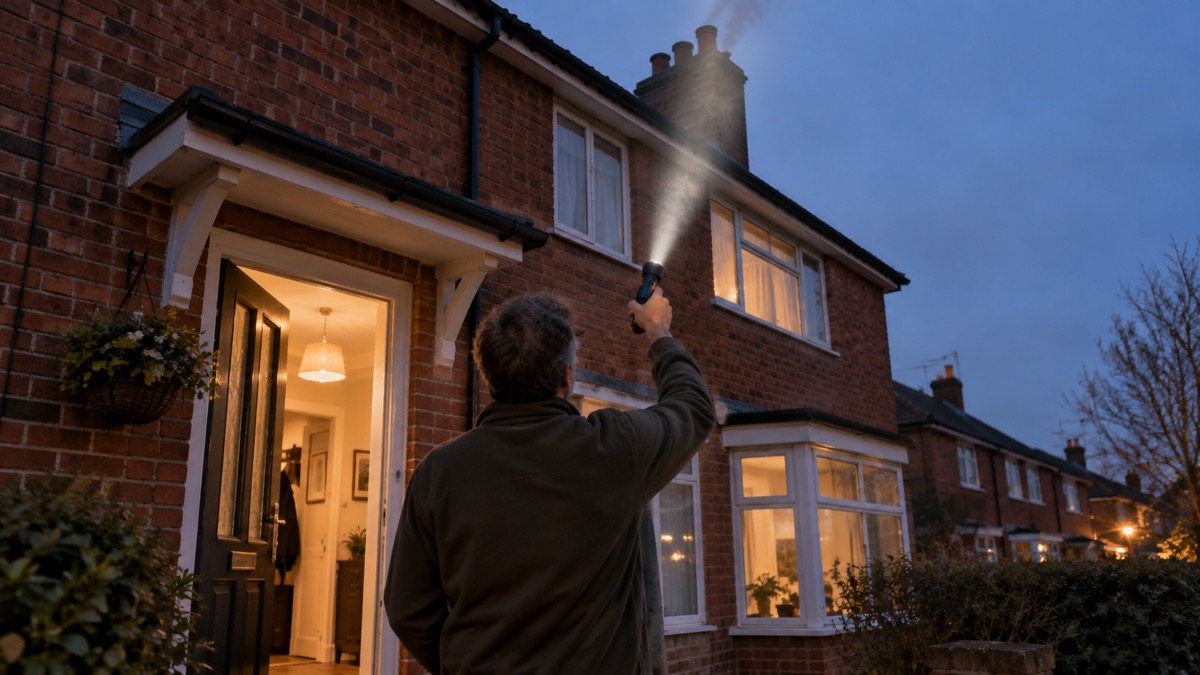
If your chimney is on fire, close the door to the room, get everyone out of the house, stay out and call 9991. Fire and rescue services treat chimney fires like any other fire in the home, so do not wait to see whether it dies down2. Internal flue temperatures can reach 1000°C, hot enough to crack brickwork, damage chimney liners and set fire to roof timbers3.
Most chimney fires are contained in the chimney itself, but they are not a nuisance to be watched: they are a house fire in progress, and the fire and rescue service would rather attend a false alarm than a burning roof4. If you have a stove, you can reduce the fire's oxygen supply on your way out by shutting all air vents and flue dampers and closing the appliance door3. Do not pour water on a stove fire, and never pour salt on the fire, because it can create toxic chlorine gas3.
Almost all chimney fires are preventable. They are caused mainly by infrequent sweeping, burning wet wood, the wrong appliance set-up and leaving fires smouldering for long periods3. This page covers what to do in the moment, the warning signs, the causes, how often to have your chimney swept, and the particular danger if your home has a thatched roof.
What to do when a chimney fire starts
Work through these steps in order. Every one of them comes from fire and rescue service guidance.
- Tell everyone in the house. Shout and get everyone together so nobody is left behind6.
- With a solid fuel appliance, close the ventilation down as much as possible2.
- Close the door to the room as you leave1.
- Get everyone out of the house and stay out. Do not go back for valuables or pets8.
- Call 999 and ask for the fire service3.
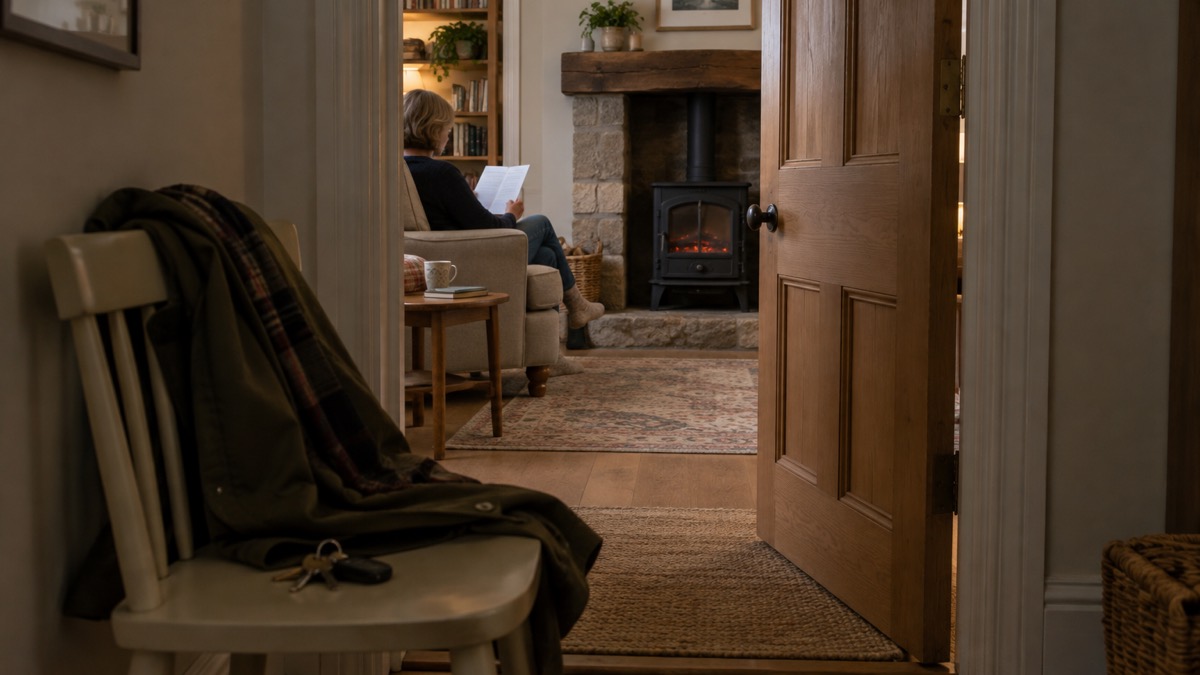
The reason for shutting a stove's ventilation is simple: a chimney fire is fuelled by air being sucked up the flue, which is what produces the loud roaring noise that is the most widely recognised sign of a fire3. Starving that airflow is the only thing you can safely do from inside the house, and you should only do it on your way out, not instead of leaving. When you are unsure, skip straight to closing the door and calling 999.
Once you are out, stay out and keep everyone else out. Do not go back for valuables or pets8. Phone the Fire and Rescue Service9, and tell the call handler it is a chimney fire. Chimney fires are usually contained in the chimney itself9, but that is for firefighters to confirm, not a reason to delay calling or to go back inside.
Warning signs of a chimney fire
Chimney fires announce themselves in a range of ways, and the fire and rescue services list broadly the same signs across England, Scotland, Wales and Northern Ireland. The Scottish Fire and Rescue Service sets them out most fully10:
- A loud roaring noise in the chimney, caused by massive amounts of air being sucked through the burner or fireplace opening3
- Burning soot and debris falling out of the chimney, or embers falling down it10
- Sparks, flames or excessive smoke shooting from the chimney top10
- The chimney breast or flue pipe heating up in the room with the fire, or in rooms the flue passes through, including upstairs10
- Hot walls in an upstairs room10
- Smoke or smells noticeable in other rooms or the loft space12
- Discolouration of skirting boards around the hearth, or a very warm hearthstone10
The roaring noise is the sign most people notice first, and it is distinctive: it sounds like a roar or a rumble rather than the ordinary crackle of a fire, because of the sheer volume of air being drawn through1. If you hear it, act on the steps above immediately rather than going to look up the chimney.
There is an important limit to this list. Manchester Fire and Rescue Service warns that "it is possible to experience a chimney fire without any of these characteristics, so this should only be treated as a guide"3. Some chimney fires burn slowly and quietly inside the flue, which is why you cannot rely on spotting one, and why regular sweeping matters so much. North Yorkshire Fire and Rescue Service adds a practical early warning: if your fire is not burning as well as usual, stop using the appliance and book a chimney sweep, because a blockage or tar build-up may be the reason13.
Two checks are worth building into your routine. Warwickshire County Council advises going into the loft occasionally while the fire is alight to check the chimney for smoke coming from cracks, defective brickwork or mortar joints14, and the Scottish Fire and Rescue Service gives the same advice for the roof space10. Before the first fire of the season, check the chimney and fireplace for signs of damage such as cracks or deteriorating mortar15.
What causes chimney fires
Manchester Fire and Rescue Service identifies four main reasons for chimney fires: infrequent sweeping and cleaning, burning unseasoned wet wood, improper appliance sizing, and overnight burning or smouldering of wood for long periods in stoves3. Oxfordshire County Council adds a further list of causes: poor maintenance, bird nests or debris blocking the flue, damaged or deteriorating chimney liners, cracked brickwork or mortar, and using the wrong fuel for your appliance16.
The common thread in most of these is tar, sometimes called creosote. Devon and Somerset Fire and Rescue Service explains that chimney fires are often caused by tar inside the flue, which is extremely flammable17. Burning wet wood creates condensation in the chimney that hardens to form this tar18, and once enough of it has built up on the flue walls, a hot fire can ignite it, and it burns fiercely at temperatures up to 1000°C3.
Each cause points to its own fix:
| Cause | What it means | What to do |
|---|---|---|
| Infrequent sweeping | Soot and tar build up on the flue walls | Sweep at the frequency for your fuel, see below5 |
| Burning wet wood | Creates condensation that hardens into flammable tar | Only burn properly dried wood1 |
| Blocked flue | Bird nests, leaves and debris stop gases escaping | Regular cleaning clears obstructions19 |
| Damaged liner or brickwork | Heat and burning material can reach the building | Check for cracks and mortar damage before the season15 |
| Overnight burning | Slow, cool burning deposits more tar | Do not smoulder wood for long periods3 |
| Wrong fuel or appliance sizing | The appliance and flue do not work as designed | Use the fuel your appliance is designed for16 |
On fuel, the warnings are consistent across services. Never use petrol or paraffin to light your fire3. Never put paper or rubbish on a fire once it is burning, because it can create floating embers which could start a chimney fire or house fire17. Never leave an open fire unattended20. Keep chimneys, vents and airways clear and avoid overloading a fire or stove15. For more on which fuels are safe, see our guides on firewood and what wood and rubbish you should never burn.
One habit that helps between sweeps: Manchester Fire and Rescue Service advises regularly having hot fires, once a day, because this helps dry out tar that has built up3. A hot, brisk burn is safer than a long, cool smoulder.
How often to have your chimney swept
Sweeping is the single most effective prevention, and the required frequency depends on what you burn. Fire and rescue services across the UK give the same core figures, with wood needing by far the most attention.
| Fuel | How often to sweep | Source |
|---|---|---|
| Wood | Up to four times a year when in use (quarterly) | North Wales FRS5, Manchester FRS3, Scottish FRS10, North Yorkshire FRS13 |
| Bituminous coal or peat | Twice a year | North Wales FRS5, Scottish FRS10 |
| Smokeless fuel | At least once a year | North Wales FRS5, Manchester FRS3 |
| Oil | Once a year | North Wales FRS5 |
| Gas | Once a year if the chimney is designed for sweeping | North Wales FRS winter leaflet21 |
For a fuller treatment of the subject, see our page on how often a chimney should be swept and checked.
Timing matters as well as frequency. Manchester Fire and Rescue Service advises having your chimney swept before lighting the first fire of winter3, and the same check is the moment to look for cracks and deteriorating mortar15. Regular cleaning does two jobs at once: it removes the soot and tar that fuels a fire, and it clears obstructions such as bird or animal nests, leaves and debris19.
Sweeping also protects against carbon monoxide. Greater Manchester Fire and Rescue Service's home safety leaflet advises getting flues and chimneys checked and swept to prevent chimney fires and CO poisoning22. A blocked flue pushes carbon monoxide back into the room instead of up the chimney. If your carbon monoxide alarm sounds, or anyone feels unwell, the Northern Ireland Fire and Rescue Service gives the TASK steps: turn off or extinguish all fuel-burning appliances if it is safe to do so; open all doors and windows, go outside and stay out; seek medical assistance if you feel unwell; and keep all appliances turned off until checked by a qualified engineer11. The same advice appears on the NIFRS home fire safety page23. See also our guide to home emergencies.
Winter evenings bring the most chimney fires
Chimney fires follow the heating season. Devon and Somerset Fire and Rescue Service reports its busiest time of year for chimney fires over the winter from November to March, with most happening in the early evening, when the highest number of fireplaces are in use4. Oxfordshire County Council notes the same pattern nationally, with most chimney fires occurring during the colder months when fireplaces, log burners and solid fuel appliances are used more frequently16.
The Devon and Somerset figures show how sharply the risk rises and falls. In 2022 the service attended 40 chimney fires in January alone, against just 20 incidents in the whole of May to September4. In winter it attends more than 10 chimney fires a week during the 22 coldest weeks of the year17. Colder winters lead to more chimney fires, and the more often you use your fireplace or stove, the more likely you are to have one4.
The pattern also has a geography to it. Devon and Somerset Fire and Rescue Service reports the highest rates of chimney fires in outlying rural areas without mains gas, such as Dartmoor, Exmoor, rural parts of the South Hams and northwest Devon, where open fires and stoves are the main heating4. If you heat with solid fuel through the winter, the practical reading of these numbers is simple: book the sweep before November, check the appliance and flue before the first fire, and expect the risk to be at its highest on cold evenings when the fire has been burning for hours.
Thatched roofs: where a chimney fire can spread
Everything on this page applies doubly if your home has a thatched roof. Devon and Somerset Fire and Rescue Service states that chimney fires are the leading cause of thatch fires1, and its guidance on thatched properties explains that most thatched roof fires start in the chimney18. The potential for wider damage is very high in thatched properties: whereas most chimney fires are contained in the chimney itself, in a thatched home the fire can spread into the roof covering, and thatch fires spread at a really fast pace and are very difficult to extinguish4.
The mechanism is embers and heat. Devon and Somerset Fire and Rescue Service warns that "just one spark is all it takes to ignite a thatch roof"17. A chimney fire throws sparks and burning soot out of the pot, and an old or short chimney can put those sparks within reach of the thatch.
The service's specific advice for thatched homes includes raising the height of the chimney, because increased distance between the chimney top and the thatch reduces the chance of sparks setting the thatch alight24. Its thatched properties guidance also covers the fuel side: burning wet wood creates condensation that hardens to form tar, which is extremely flammable and can lead to chimney fires, and a chimney in regular use should be swept at least once a year, with the frequency depending on what you burn18. Make an escape plan in the event of a fire18, and if a chimney fire does start, treat it as the emergency it is: leave the property, call 999 and ask for the fire and rescue service15, and say on the call that the roof is thatched.
Smoke alarms and a fire escape plan
A chimney fire is one of the clearest reasons to have working smoke alarms and a rehearsed escape plan, because the fire starts out of sight and the first you know of it may be a noise in the wall or smoke in the loft.
Greater Manchester Fire and Rescue Service advises planning an escape route and making sure everyone knows what to do if your smoke alarm goes off22. North Wales Fire and Rescue Service's "get out, stay out and call 999" advice adds the first moments: let everyone in the house know about the fire, shout and get everyone together6. If you have a fire, get everyone out of the property, close any doors you pass, and then call the fire service on 9997.
If your escape route is cut off by fire, the Northern Ireland Fire and Rescue Service advises: get everyone into the same room, close the door and use towels or sheets to block any gaps around it; crawl along the floor if the room becomes smoky; open the window and attract attention; phone 999 and tell the control room your location23.
A practical checklist for any household with an open fire or stove:
- Fit working smoke alarms and test them regularly
- Plan an escape route and make sure everyone in the house knows it22
- Keep the escape route clear of clutter at all times
- Close doors as you pass them on the way out25
- Make sure everyone knows what to do if the smoke alarm sounds, especially at night22
For the wider picture of fire, carbon monoxide and gas safety at home, see our home emergencies guide, and for safe day-to-day use of your appliance, see using a wood burner safely and open fires.
Sources (25)
- Open fires safety advice, Devon and Somerset Fire and Rescue Service, 2026
- Chimneys, open fires and wood burning stoves, Mid and West Wales Fire and Rescue Service, 2026
- Chimney safety, Manchester Fire and Rescue Service, 2026
- Facts about chimney fires, Devon and Somerset Fire and Rescue Service, 2022
- Chimney fires, North Wales Fire and Rescue Service, 2026
- Get out, stay out and call 999, North Wales Fire and Rescue Service, 2026
- Chimneys, open fires and wood burning stoves (Welsh), Mid and West Wales Fire and Rescue Service, 2026
- Fire safety advice for parents and guardians | Devon and Somerset Fire and Rescue Service, Devon and Somerset Fire and Rescue Service
- House fire safety leaflet, Suffolk County Council, 2025
- Chimney safety, Scottish Fire and Rescue Service, 2026
- Other safety: carbon monoxide TASK advice, Northern Ireland Fire and Rescue Service, 2026
- Heating your home, North Yorkshire Fire and Rescue Service, 2026
- Chimney fire safety, North Yorkshire Fire and Rescue Service, 2026
- Chimney fire safety advice, Warwickshire County Council, 2026
- Chimney Fire Safety Week: residents encouraged to act now, North Yorkshire Fire and Rescue Service, 2026
- Chimney fire safety, Oxfordshire County Council, 2026
- Chimney fire safety, Devon and Somerset Fire and Rescue Service, 2023
- Thatched properties, Devon and Somerset Fire and Rescue Service, 2026
- Chimney safety, Dorset and Wiltshire Fire and Rescue Service, 2024
- Safe home heating, Warwickshire County Council, 2026
- Stay safe this winter leaflet, North Wales Fire and Rescue Service, 2016
- Cost of living home safety leaflet, Greater Manchester Fire and Rescue Service, 2022
- Home fire safety, Northern Ireland Fire and Rescue Service, 2026
- Causes of thatch fires and how to avoid them, Devon and Somerset Fire and Rescue Service, 2021
- Frequently asked questions - North Yorkshire Fire & Rescue Service, North Yorkshire Fire & Rescue Service
 Before-Winter Heating Checks
 Backup Stove Kit Checklist
 Wood Burner Lighting Kit
 Keeping One Room Warm
 Clothing and Bedding for Cold
 Stopping Draughts
 Hot Water Bottle Safety
 Wheat Bags and Fire Risk
 Electric Blanket Safety
 Portable Heater Types
 Portable Heater Safety
 Wood Burners in a Power Cut
 Using a Wood Burner Safely
 Open Fires and Fire Guards
 Firewood and Seasoning Logs