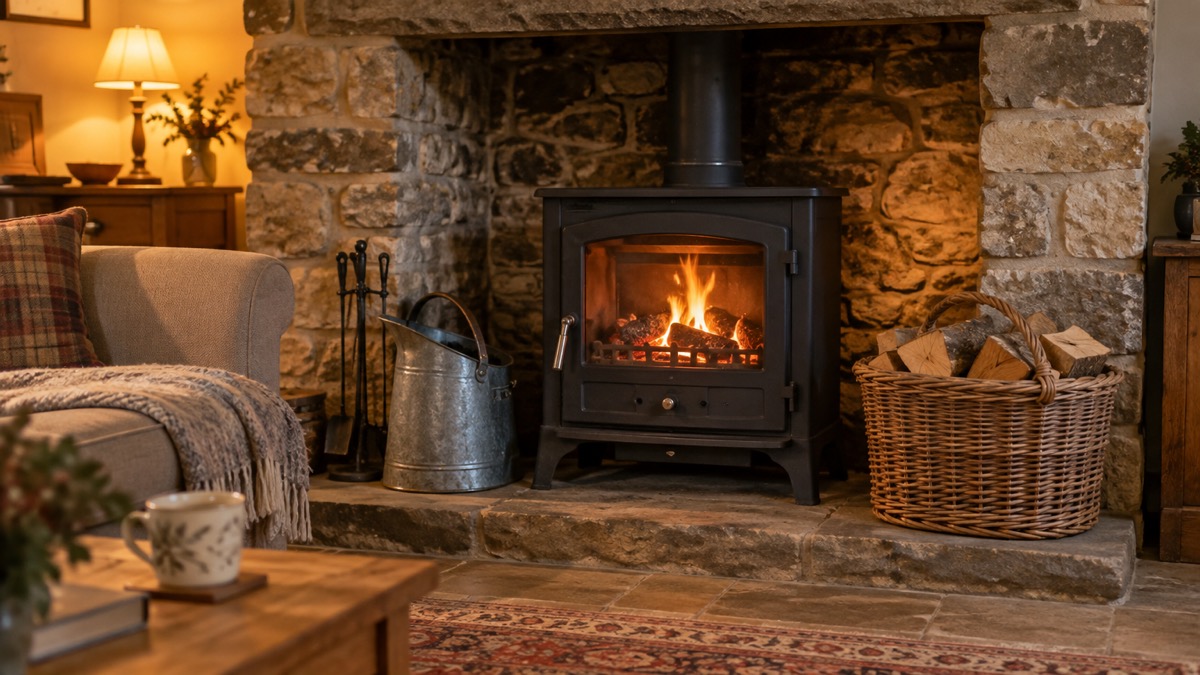
A wood burner burns wood. A multi-fuel stove burns wood and other solid fuels, such as coal and smokeless fuels, and that extra range is the main practical difference between the two. Whichever you have, the rules that keep it safe and efficient are the same: burn only the correct fuel, keep the flue clear, and make sure the room is ventilated.
The single most important fuel rule is dryness. The cleanest fuel for a wood burner is dry untreated wood with less than 20% moisture1. Wet wood contains moisture which creates smoke and harmful particulates when burned, and this can damage your stove and chimney2. Burning the wrong materials can cause toxic fumes, chimney fires and carbon monoxide poisoning3.
Before you light up, know your stove and your area. Any new stove placed on the market in the UK must now be Ecodesign compliant4, and in a smoke control area you can only burn controlled fuels such as wood on Defra approved appliances2. Get the stove installed by a competent person, sweep the flue every year, and treat any smoke coming back into the room as a fault to fix, not a quirk to live with.
What each stove burns, and why a multi-fuel stove gives more options
A wood burner is built around one fuel: wood. A multi-fuel stove will take wood as well, but it is designed to accept other solid fuels too, which is where the extra flexibility comes from. The fire services put the fuel rule simply: you must burn seasoned (specially dried) wood, smokeless fuels or coal, and some types of wood can be highly toxic when burned8.
The trade-off is in the smoke. Wood-burning stoves produce much less smoke than open fires2, and wood burned efficiently produces virtually no smoke9. Coal is at the other end: the dirtiest fuel to use in a wood burner is coal, and the cleanest is dry untreated wood with less than 20% moisture1. Approved solid fuels produce less smoke compared to house-coal when burned, and can be more efficient so cost you less money to heat your home4.
So a multi-fuel stove gives you a fallback when wood is short, and a fuel that burns hotter and longer on coal or smokeless fuel. It also gives you more ways to get it wrong. Whatever the stove, burn only the correct fuel: burning other materials can cause toxic fumes and increase the risk of chimney fires and carbon monoxide poisoning10.
| Stove type | Fuels it is built for | What to watch |
|---|---|---|
| Wood burner | Dry untreated wood at 20% moisture or less1 | Wet or treated wood damages the stove and chimney2 |
| Multi-fuel stove | Wood, plus coal and smokeless fuels8 | Coal is the dirtiest fuel for a wood burner1; approved solid fuels smoke less than house-coal4 |
If you are weighing up a stove against other ways of keeping warm when the mains fail, our guide to heating and cooking without mains power or gas sets the options side by side, and wood burners and multi-fuel stoves in a power cut covers the specific case of running one when the electricity is off.
Fuels a multi-fuel stove can take
The fuels themselves matter as much as the appliance. Work through them in this order.
- Dry untreated wood. The cleanest fuel, at less than 20% moisture1. Only burn dry, seasoned wood with a moisture content below 20%11.
- Ready to Burn wood and briquettes. Look for the Ready to Burn logo when buying small bags of firewood and solid fuel briquettes12. Wood sold in volumes of less than 2m3 under that scheme has a moisture content of 20% or less5.
- Smokeless coals. Consider switching to alternative types of coal such as anthracite, semi anthracite and low volatile steam coal: these smokeless coals produce less harmful particulates and can be used in smoke control areas5.
- Approved manufactured solid fuels. Use fuels from Defra's certified list of manufactured solid fuels or dry untreated wood for less smoke and better heat efficiency1.
What not to burn is just as clear. Do not burn wet or treated, painted or glued wood1. Burning other materials can cause toxic fumes and increase the risk of chimney fires and carbon monoxide poisoning10. Our page on what wood and rubbish you should never burn goes through the materials to keep out of the stove.
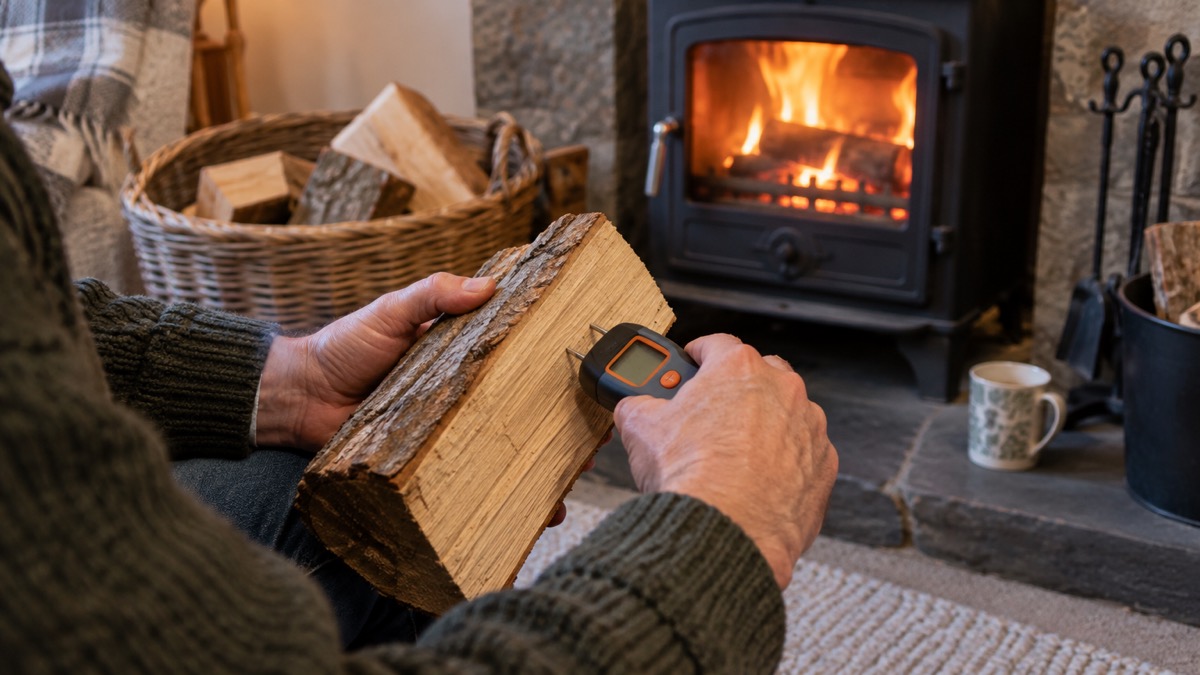
If you buy wood in volumes over 2m3, or source it yourself, use a moisture meter to check that moisture levels are 20% or less before burning5. One fire service goes further and advises ensuring all wood burnt has a moisture content of less than 17%13. Where the two figures differ, the stricter one is the safer target. Our guide to firewood and how dry it should be explains seasoning logs in detail.
Lighting and running a multi-fuel stove
Lighting a solid fuel stove is straightforward, but a few rules are absolute. Never use petrol or paraffin to light a solid fuel stove7. The fire services apply the same principle to any solid fuel fire: to start it, use only proper lighter fuel or firelighters, never petrol, paraffin or other flammable liquids, and once it is lit never add more liquid fuel14.
Once it is going, the aim is a controlled fire, not a packed one. Don't overload the fire with fuel15. Keep chimneys, vents and airways clear and avoid overloading a fire or stove11. Always operate your stove in line with the manufacturer's guidance and only burn permitted fuels2.
A sensible running order for a cold stove:
- Check the flue has been swept and the stove's ventilation is clear before the season starts6.
- Light with firelighters or proper lighter fuel only, never petrol or paraffin7.
- Add dry wood in small loads rather than filling the firebox15.
- Keep the room ventilated and never block air bricks or vents16.
- Never leave a fire unattended for any reason12.
That last point is easy to overlook at home. The fire service wording is blunt: never leave a fire unattended for any reason12. If you are going out or going to bed, let the fire burn down rather than leaving it running.
Flue draught: why the chimney has to pull
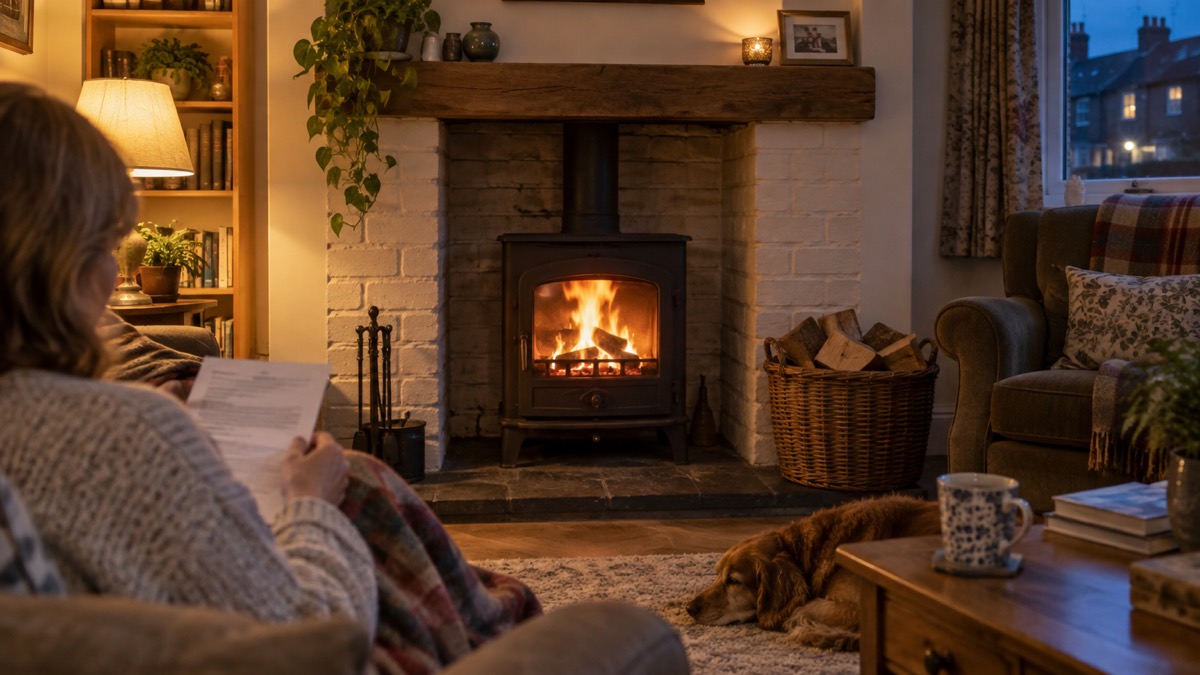
A stove only works if the chimney pulls air through it. Without draught, the fire smoulders, smoke lingers and fumes can come into the room. You cannot see draught, so the practical approach is maintenance plus observation.
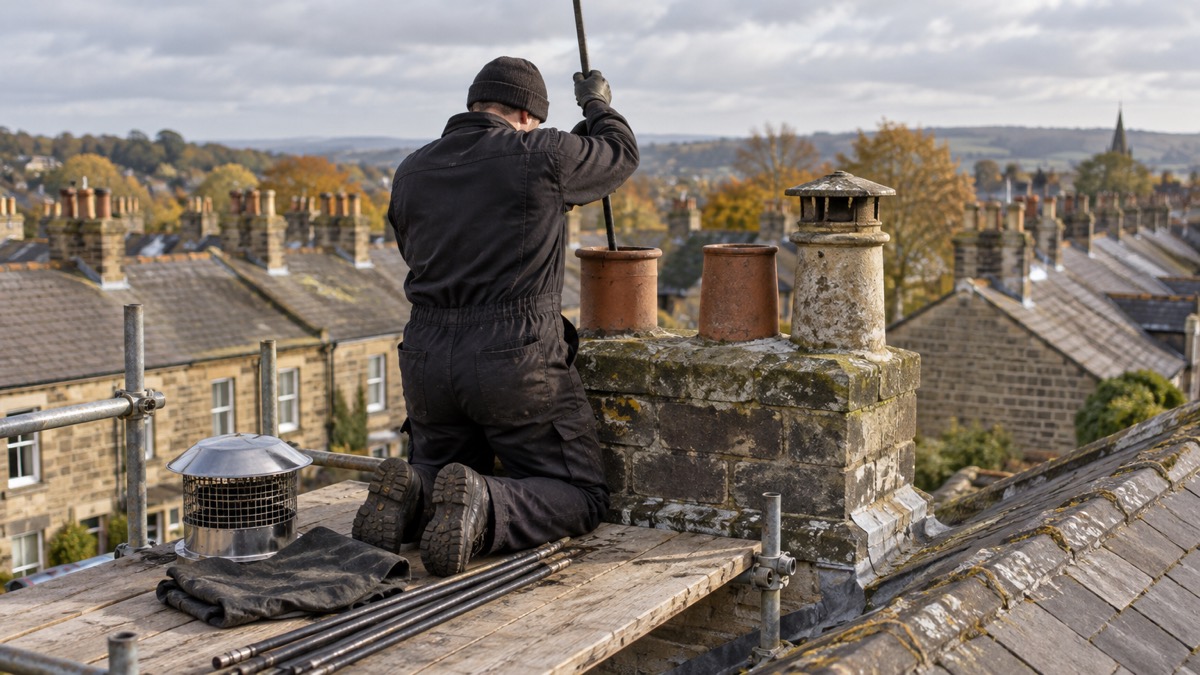
Sweep chimneys and flues every year if you use solid fuel6. Sweeping reduces the risk of dangerous fume emissions from blocked heating appliances, flue-ways and chimneys17. Properly maintain flues and chimneys if you have an open fire or wood burning stove11. Make sure that the ventilation system of your wood stove is clean, and has no blockages, to prevent carbon monoxide build-up1.
Ventilation is part of draught, not separate from it. Ensure rooms with fuel burning appliances or boilers are properly ventilated, never block air bricks or vents, and never block the outside grill of the flue16. If you have a wood burner or other non-electric stove, make sure the room is well ventilated and follow all instructions carefully to avoid carbon monoxide poisoning18.
The chimney itself has to stay hot enough to work. Whenever water vapour is in the chimney, the temperature at its outlet must be above 100˚C to avoid water condensing9. A cool, slow, smouldering fire is exactly the condition that lets condensation and creosote build up.
When smoke comes back into the room
Smoke in the room is a warning, not a nuisance. It means the flue is not pulling properly, and the same fault that lets smoke out can let carbon monoxide in. Gas boilers, wood burning stoves and open fires may give off a gas called carbon monoxide if they are faulty or the flue is blocked, and carbon monoxide can form when there is not enough air around fuel burners and boilers or if they are faulty20.
Check the obvious causes first. When the fire is alight, check the loft space occasionally to make sure there is no smoke leaking from cracks, defective brickwork or mortar joints15. Confirm the vents and air bricks are clear16. If smoke persists, stop using the stove and get the flue and appliance checked.
If a fire does take hold, get out and stay out. If you can't get out, go into a room with a window, block the bottom of the door with bedding or a towel to keep the smoke out, stay close to the open window for fresh air, and if you have a phone call 999 or shout "Fire!" from the window20. Our guide to home emergencies covers fire and carbon monoxide alongside gas leaks and burst pipes.
Older stove models discontinued under Ecodesign rules
The stove market changed in January 2022. Since January 2022, new stoves entering the UK market must be Ecodesign compliant5, and any new stove placed on the market in the UK must now be Ecodesign compliant2. Ecodesign stoves produce lower emissions and are more efficient than non-Ecodesign stoves and open fires5.
That has left a trail of discontinued models. Charnwood, for example, lists the Country 16B MF, the Country 16B WB and the SLX 45 as discontinued from 31 December 2021 as part of the 2022 Ecodesign regulation. If you are buying second-hand, or inheriting a stove with a house, check the model and its compliance before you rely on it.
The rules also interact with smoke control areas. In smoke control areas, you can only burn controlled (also known as unauthorised) fuels, such as wood, on Defra approved appliances2. You can only burn controlled fuels in Ecodesign stoves if they also appear on the list of Defra approved appliances2. Being Ecodesign compliant is not the same as being Defra exempt, and both matter if you live in a smoke control area. Our page on smoke control areas explains what you can burn and where.
| Rule | What it means for you | Source |
|---|---|---|
| Ecodesign compliance | Any new stove sold in the UK must meet it | 2 |
| Defra approval | Needed to burn wood in a smoke control area | 2 |
| Discontinued models | Older stoves were withdrawn from 31 December 2021 | Charnwood listings |
Where to get official advice on stoves
Start with installation. Stoves or boilers should be installed by a competent person following the manufacturer's instructions and building regulations and building practice codes19. Get your stove installed by an installer registered on a competent person scheme certified by one of the following organisations: HETAS, APHC, BESCA, Certsure, NAPIT or OFTEC5.
Then keep it serviced. Regularly maintain and service your stove, for example annually, and always operate in line with the manufacturer's guidance and only burn permitted fuels4. Get regular checks of fuel-burning appliances like gas boilers and wood burners23. Our before-winter checklist for your heating and stove puts these jobs in order.
For fuel and smoke questions, Defra's Burn Better guidance is the official reference point5. For chimney and fire safety, your local fire and rescue service publishes advice, and the fire services in Wales publish in both English and Welsh19. If your stove is not burning correctly, contact the company or shop that sold it to you, or the British Solid Fuel Appliance Manufacturers' Association for advice19.
A few safety points apply in every nation. Keep oxygen at least six feet (two metres) away from flames or heat sources such as gas cookers, paraffin or gas heaters, candles, cigarettes, cigars and fireplaces24. Keep at least 3 feet (1 metre) between a space heater and anything flammable such as furniture, curtains or bedding, on a flat, level surface25. Do not stack wood or other combustible materials against the stove or boiler: the fire service has been called to fires caused by keeping firewood against the hot outer surface of wood burners19.
Sources (25)
- Ready to Burn: practical guidance on open fires and wood-burning stoves, Oxford City Council, 2026-10-29
- Ready to Burn guidance, Defra, 2023-10
- Stay Fire Safe, Greater Manchester Fire and Rescue Service, 2026-10-29
- Ready to Burn guidance, Defra, 2023-04
- Burn Better, Defra, 2026-10-29
- Gas Safety and Carbon Monoxide, nidirect, 2025-11-24
- Caravans and Camping, North Yorkshire Fire and Rescue Service, 2026-05-13
- Stay Warm Safely in Winter, Devon and Somerset Fire and Rescue Service, 2026
- Wood as Fuel, Forestry Commission Biomass Energy Centre, 2009-10
- Heating Your Home, North Yorkshire Fire and Rescue Service, 2026-03-09
- Chimney Fire Safety Week, North Yorkshire Fire and Rescue Service, 2026-09-08
- Chimneys, Open Fires and Wood Burning Stoves, Mid and West Wales Fire and Rescue Service, 2026-10-29
- Chimney, Greater Manchester Fire and Rescue Service, 2026-10-29
- Barbecue Safety, Greater Manchester Fire and Rescue Service, 2026-10-29
- Chimney Safety, Dorset and Wiltshire Fire and Rescue Service, 2024-11-07
- Carbon Monoxide Detectors, Scottish Fire and Rescue Service, 2024-04-16
- Chimney Fire Safety Advice, Warwickshire County Council, 2026-10-29
- Keeping Warm or Cool in Extreme Weather, UK Chief Medical Officers, 2025-12-16
- Simneiau Tanau Agored a Stofiau Llosgi Pren, Mid and West Wales Fire and Rescue Service, 2026-10-29
- Fire Safety Booklet, London Fire Brigade, 2026
- Carbon Monoxide, Health and Safety Executive Northern Ireland, 2026
- Sleeping with a Gas Appliance On, Doncaster and Bassetlaw Teaching Hospitals NHS Foundation Trust, 2025-12
- Indoor Air Pollution, NHS Inform, 2026-08-05
- Oxygen at Home, North Wales Fire and Rescue Service, 2026-10-29
- Safe Use of Heaters and Generators, Armagh City, Banbridge and Craigavon Borough Council, 2026-10-29
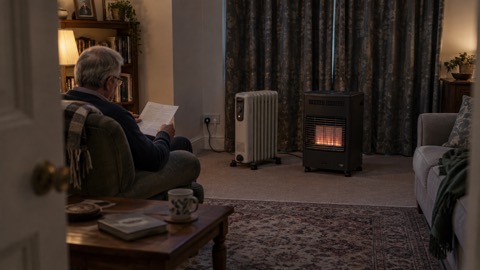 Electric or Gas Heaters
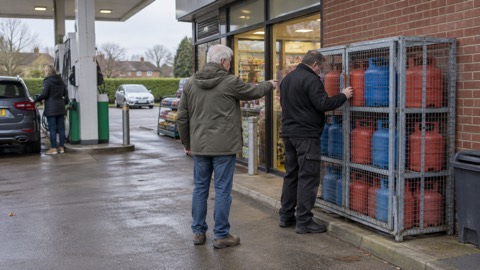 Butane or Propane Gas Bottles
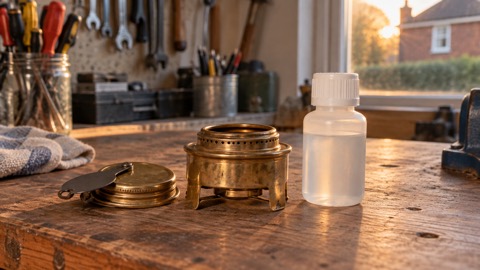 Gas or Spirit Stoves
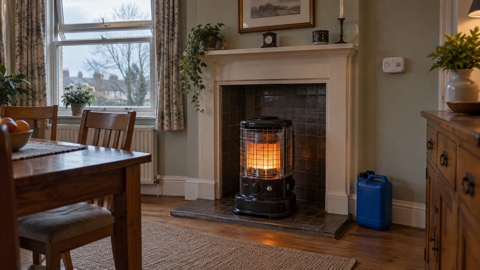 Paraffin vs Gas Heaters
 Hot Water Bottle or Wheat Bag
 Radiator vs Fan Heater