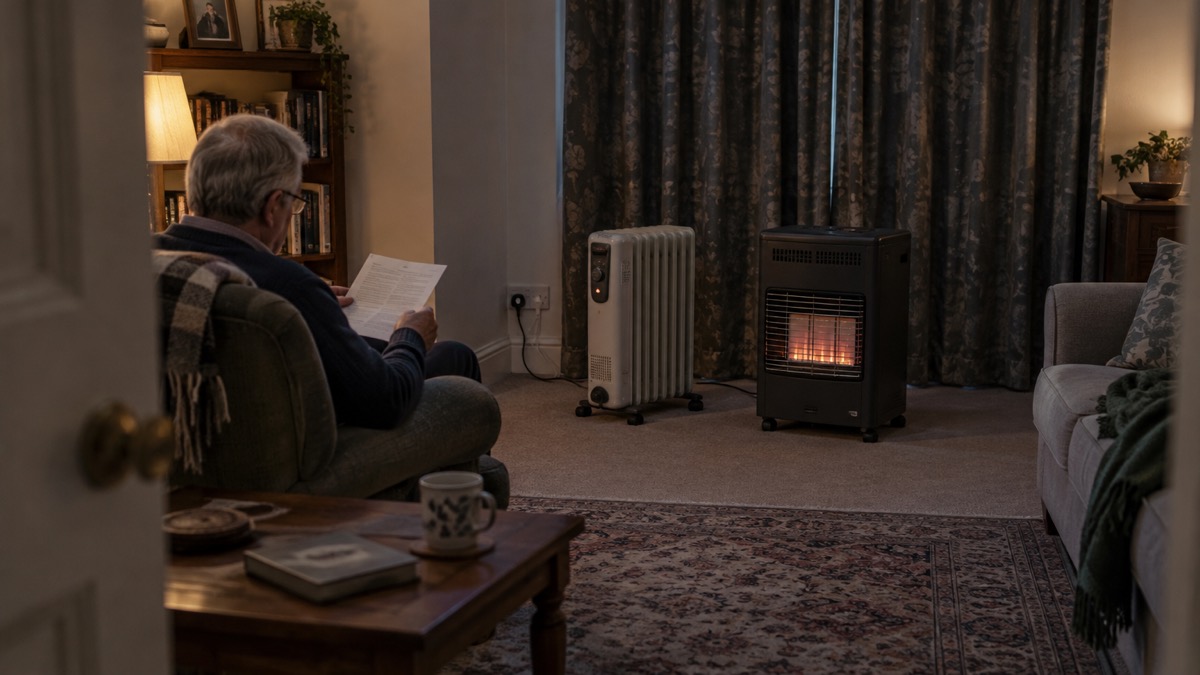
If you are choosing between an electric and a gas portable heater, the safety advice points one way. Fire and rescue services treat electric heaters as the most dangerous form of heating, and several services advise against portable gas heaters altogether because they are a fire hazard and can make a home feel damp1. Whichever you use, the rules that keep you safe are the same: plug electric heaters straight into a wall socket, never an extension lead, and keep at least three feet, or about one metre, of clear space around any heater, away from curtains, bedding and furniture3.
A portable heater is any heating appliance that is not fixed in place, such as an electric, gas or paraffin heater, and that can be moved around the home5. Electric models include fan heaters, convector heaters and oil-filled radiators. Gas models run on Liquefied Petroleum Gas (LPG), such as butane or propane, and need a cylinder, a regulator and ventilation5.
Before you rely on any heater, check it against the official recall lists. Several plug-in and space heaters have been recalled in recent years over electric shock risks, and gas appliances have been recalled too7. If yours is on a list, stop using it and follow the recall notice.
Electric or gas: how each portable heater works
The two types differ in where the heat comes from and what they need to run. An electric heater turns electricity into heat inside the unit and plugs into the ring main. A gas heater burns LPG from a cylinder to heat the room, so it needs fuel delivered and stored, and it produces combustion gases that must be ventilated.
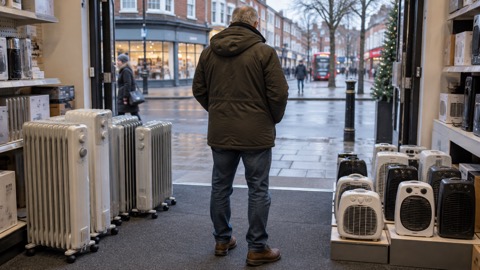
Among electric models, a fan heater is often small and portable, easy to move around and easy to use, but noisier than convector and oil-filled electric heaters13. An oil-filled radiator looks like a fitted wall radiator: inside, oil heats up and is pushed around the radiator's fins, and the unit is a portable electric heater rather than a plumbed one14. Because an electric heater only heats the room it is in, it is sometimes better to put the heater in the room you are using than to turn up the dial on central heating, and the best are easy to move from room to room even when hot13.
Gas portable heaters heat the room they are in quickly and can be moved anywhere, but they require you to change the gas cylinders, which can be a hassle and also poses fire risks10. They run on LPG such as butane or propane5. Fire and rescue services describe LPG and paraffin portable heaters as an expensive way to heat rooms15, and independent advice is blunt about the trade-off: if you have a gas, LPG or oil boiler, it is cheaper to use than a plug-in electric heater2.
| Heater type | What it runs on | What it needs | Main safety point |
|---|---|---|---|
| Fan heater | Electricity | A wall socket | Small and portable, easy to move and use, but noisier than convector and oil-filled types13 |
| Convector heater | Electricity | A wall socket | Quieter than a fan heater13 |
| Oil-filled radiator | Electricity | A wall socket | Portable electric heater with heated oil inside14 |
| Portable gas heater | LPG (butane or propane) | Cylinder, regulator, ventilation | Fire risk and damp; change cylinders with care5 |
Portable gas heaters run on LPG such as butane or propane
A portable gas heater burns LPG, either butane or propane, from a cylinder5. The two gases behave differently in the cold, and that decides which suits your situation. Butane is used mainly in cylinders for portable applications such as mobile heaters in the home, and for leisure activities such as boats, caravans and barbecues9. Propane turns to a gas at a lower temperature than butane, which suits outdoor storage9. In short, butane is the usual choice for a mobile indoor heater, and propane is the one that keeps working from a cold store outside.
The cylinder must match the heater. The LPG cylinder used should be of the correct type for the heater, either propane or butane, and of a size as specified in the manufacturer's instructions6. Liquid Gas UK's guidance for mobile gas heaters is stricter still: use the heater with butane gas only, and use the supplied pressure regulator only6.
Accidents from portable gas heaters happen because of gas leaks during appliance assembly or during cylinder or cartridge changes17. The fire service advice follows from that: ensure good ventilation in the room where the heater is being used, change cylinders in the open air if possible, do not use the heater if you suspect a leak, and have it serviced regularly by a qualified engineer18. Change cylinders in a well-ventilated place and away from sources of heat and ignition19.
Liquid Gas UK's own safety instructions for mobile gas heaters add that you should use the heater only in a well-ventilated area with a ventilation opening running to the outside, keep anything from standing or passing in front of it, fit additional guards if children or animals are present, and position it facing the middle of the room away from furnishings, furniture, fabrics and walls6. It also says to turn the container's gas valve off immediately if gas is smelled or a leak is suspected, and to supervise children6. For the wider picture on fuel types and regulators, see Bottled Gas for Heaters and Stoves and Butane or Propane Gas Bottles.
Recalled plug-in and space heaters: check yours now
Recalls are not rare, and they cover both electric and gas appliances. Check any heater you own, and any second-hand one you are offered, against the official product safety listings before you use it4. Fire services put it simply: check that your heater is not on a recall list4, and check that it is not subject to a product recall or repair, particularly if it has not been used for several years or has been stored for emergencies19.
Recent recalls include:
- Portable Electric Space Heater, model FS007, sold via Temu. Recalled in March 2024 over a serious risk of electric shock7.
- ELPINE Plug-In Heater, item 31492N. Recalled in December 2024 over a serious risk of electric shock from the accessible heating element7.
- Nbjoyee Electric Space Heater, model PF01D-G. Recalled in March 2021 over a serious electric shock risk from its loosely fitted UK adaptor7.
- Wanzhaoda portable gas fire, sold via Amazon. Recalled in 2023, with the product recalled from end users and the listing removed by the online marketplace11.
- Morco Gas Water Heaters Primo (MP) and EUP. Recalled in March 2024 over a serious risk of fire20.
The pattern in the electric recalls is worth noting: cheap imported plug-in heaters have been recalled over shock risks from adaptors and from heating elements that can be reached. Buy heaters that conform to safety standards from reputable retailers18, and register the heater when you buy it so you are made aware of any product recalls or safety information released later10.
What to do if your heater has been recalled
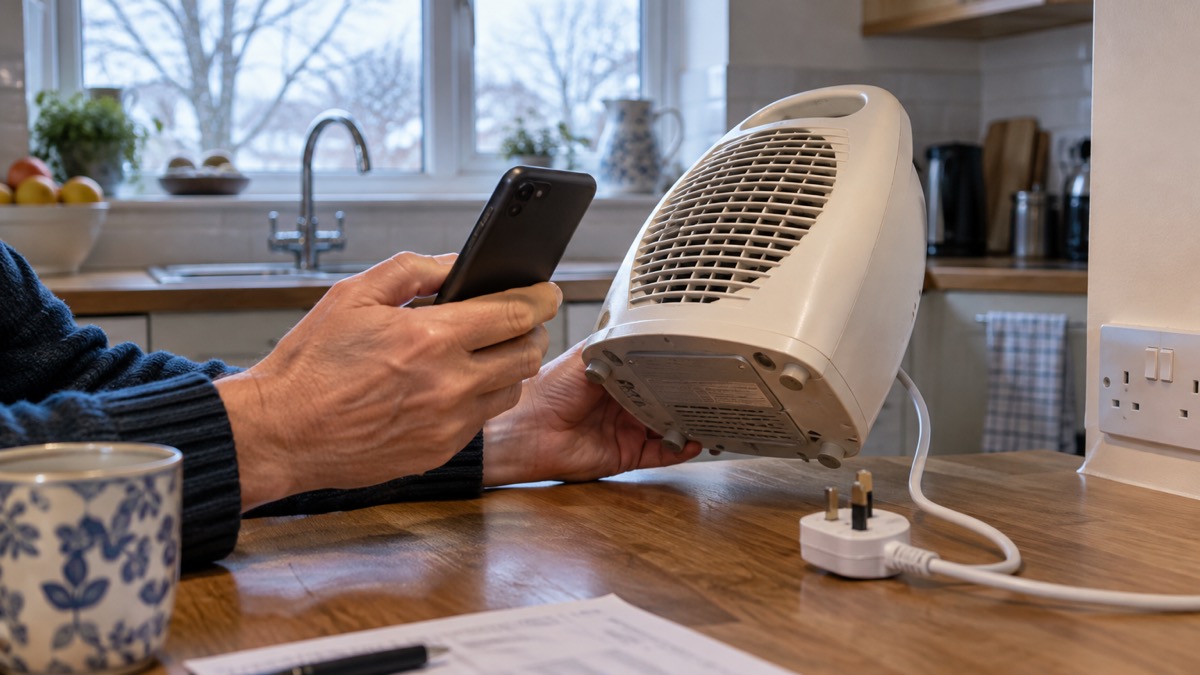
If your heater appears on a recall notice, stop using it straight away. A recall means the product presents a serious risk, whether of electric shock or fire, and continuing to use it exposes your household to that risk7. Follow the instructions in the notice itself for returning, repairing or disposing of the unit.
For any heater, recalled or not, a few checks catch most problems before they cause a fire. The fire service's advice is to check the heater over first, looking for damaged wiring, and if something does not look right, dispose of it or get it checked by a professional21. If you find any damage, or you are not sure about the fuse or wiring, get a qualified electrician to advise you1. For a gas heater, use a Gas Safe engineer to check or fix it22.
Beyond the recall check, the everyday rules apply to every heater:
- Plug it directly into a wall socket, not an extension lead or power strip, because heaters draw a lot of power and can cause cords to overheat, leading to fires3.
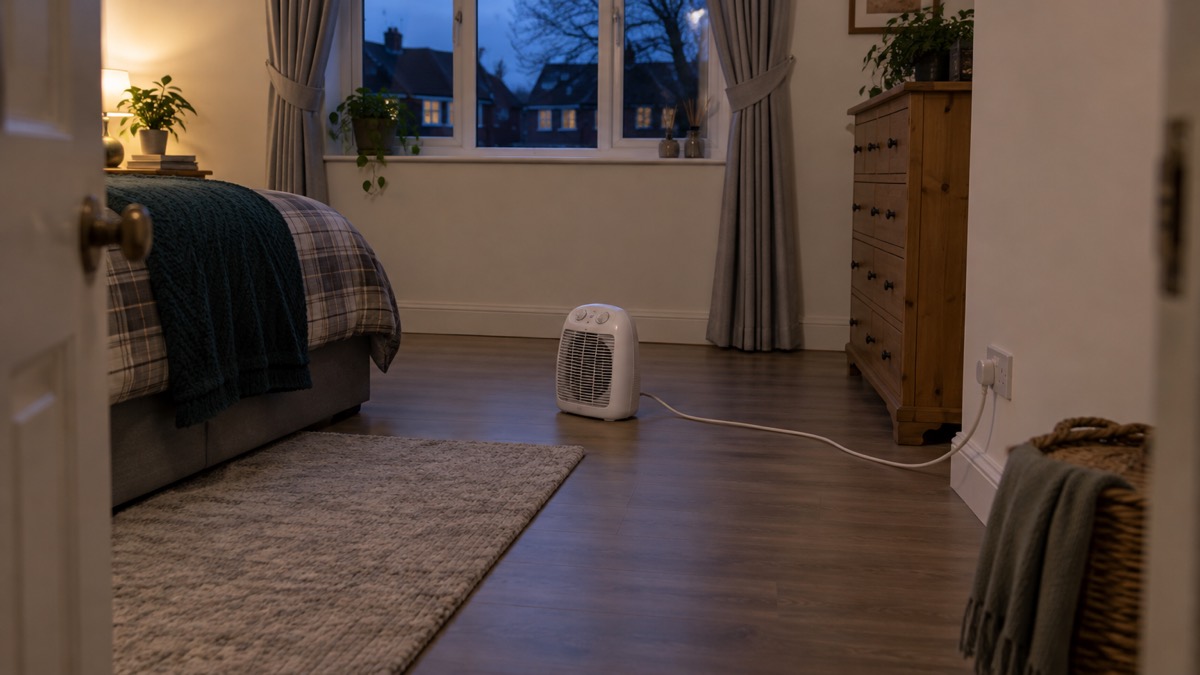
- Keep at least three feet (about one metre) of clearance around it, away from curtains, bedding, furniture, paper and other flammables3.
- Place it on a flat, stable surface, and secure it against a wall to stop it falling over3.
- Choose heaters with tip-over and overheating protection, which switch the device off automatically if those hazards are sensed3.
- Unplug it when not in use18.
- Think about where it goes if anyone has mobility issues, because people with mobility issues are especially at risk of tripping or falling onto a heater4.
If you are using a portable gas heater, keep it at least one metre from people or furniture25. For more on safe placement and use, see Using a Portable Heater Safely at Home and Portable Heaters: Electric, Gas and Paraffin Types Explained.
VAT off electricity bills until the end of March
Running an electric heater costs money, and the bill is where most households feel it. The government has announced that VAT is removed from electricity bills from 1 October 2026 to 31 March 2027, applying to all tariffs including fixed deals12. That is a temporary reduction over the winter, not a permanent change, so budget for the full rate to return after 31 March 2027.
Earlier support has ended. The government's rebate towards electricity bills began being paid in equal instalments from October 2022 for six months11. If you are looking at an old bill or an old direct debit and wondering why the figure has changed, that is why.
The most economical way to stay warm is usually not a portable heater at all. Independent advice notes that an electric blanket can be more cost-effective than heating an entire room or using a portable heater, because it delivers concentrated heat and can be used on lower settings and for short periods26. If you have a gas, LPG or oil boiler, it is cheaper to use than a plug-in electric heater2. And if you use plug-in electric heaters, place them away from windows and external walls16.
For households on a low income, the Warm Homes Discount can be applied to the gas bill instead of the electricity bill if the supplier provides both gas and electricity to the household27. For the wider picture on payments and support, see Winter Fuel Payment, Cold Weather Payment and Warm Home Discount.
Where to get help with a heater or your heating bills
If a heater is damaged or you are unsure about it, get it checked rather than guessing. For electric heaters, contact a qualified electrician1. For gas heaters, use a Gas Safe engineer to check or fix them22. In a caravan or mobile home, make sure heaters are working properly and use a Gas Safe engineer to fix gas heaters23.
If your heating has failed altogether, there are practical steps you can take while you sort out a repair. Keep one room warm rather than trying to heat the whole house, and see Keeping One Room Warm When the Heating Fails for how to do it. Warm spaces and warm hubs may be open locally; Warm Spaces and Warm Hubs: Finding One Near You explains how to find one. For the wider subject of heating without mains gas, start with Heating and Cooking Without Mains Power or Gas.
If you are using electric heaters during a gas outage, place plug-in electric heaters away from anything that can catch fire28. If you have a gas boiler, note that a gas fire, gas space heater or gas water heater of 14 kilowatts gross input or less, or any instantaneous water heater, must be room sealed or have an atmosphere-sensing device in a room converted to sleeping accommodation29. That is a matter for a Gas Safe engineer, not a DIY job.
For households that need extra support, the Extra Help in an Emergency guide covers older, disabled and medically dependent households. For power cuts, see Power Cuts: A Household Guide, and for gas and heating failures, Gas and Heating Failures: A Household Guide.
Sources (29)
- Electric blankets and portable heaters safety, Warwickshire County Council, 2026
- Stay warm at home for cheap, Centre for Sustainable Energy, 2024
- Safe home heating, Warwickshire County Council, 2026
- Safe use of heaters and generators, Armagh City, Banbridge and Craigavon Borough Council, 2026
- Staying warm: portable heaters, Cheshire Fire and Rescue Service, 2026
- Mobile gas heater safety guidance, Liquid Gas UK, 2026
- Heater recalls and safety notices (UK), PreparedBritain, PreparedBritain
- Stay fire safe, Greater Manchester Fire and Rescue Service, 2026
- What's the difference between propane and butane?, Liquid Gas UK, 2026
- Heater safety, Devon and Somerset Fire and Rescue Service, 2024
- Product recall: Wanzhaoda portable gas fire sold via Amazon, Office for Product Safety and Standards, 2023
- Help with heating costs, Age UK
- How to cope if your boiler breaks down, Which?, 2019
- Equipment for carers, Devon and Somerset Fire and Rescue Service, 2026
- Portable heaters, Mid and West Wales Fire and Rescue Service, 2026
- How to stay warm for less, Centre for Sustainable Energy, 2023
- Heating and gas, Scottish Fire and Rescue Service, 2026
- Portable heaters, gas fires and open fires, London Fire Brigade, 2026
- Heating your home, North Yorkshire Fire and Rescue Service, 2026
- Product safety report: Morco gas water heaters, Office for Product Safety and Standards, 2024
- Think fire safety when saving money on your energy bills, Devon and Somerset Fire and Rescue Service, 2022
- Caravans and mobile homes, Devon and Somerset Fire and Rescue Service, 2026
- Simple steps to keep you safe this summer, Northern Ireland Fire and Rescue Service, 2026
- Heaters, Devon and Somerset Fire and Rescue Service, 2026
- Fire service sees worrying increase in carbon monoxide incidents and fire risks due to power cuts, Devon and Somerset Fire and Rescue Service, 2022
- Electric blankets, Electrical Safety First, 2026
- Cold weather resilience plan, Welsh Government, 2022
- What you might need in a gas outage, Wiltshire and Swindon Prepared, 2026
- Gas appliances in sleeping accommodation, Health and Safety Executive, 2026
 Butane or Propane Gas Bottles
 Gas or Spirit Stoves
 Paraffin vs Gas Heaters
 Hot Water Bottle or Wheat Bag
 Radiator vs Fan Heater
 Wood Burner vs Multi-Fuel Stove