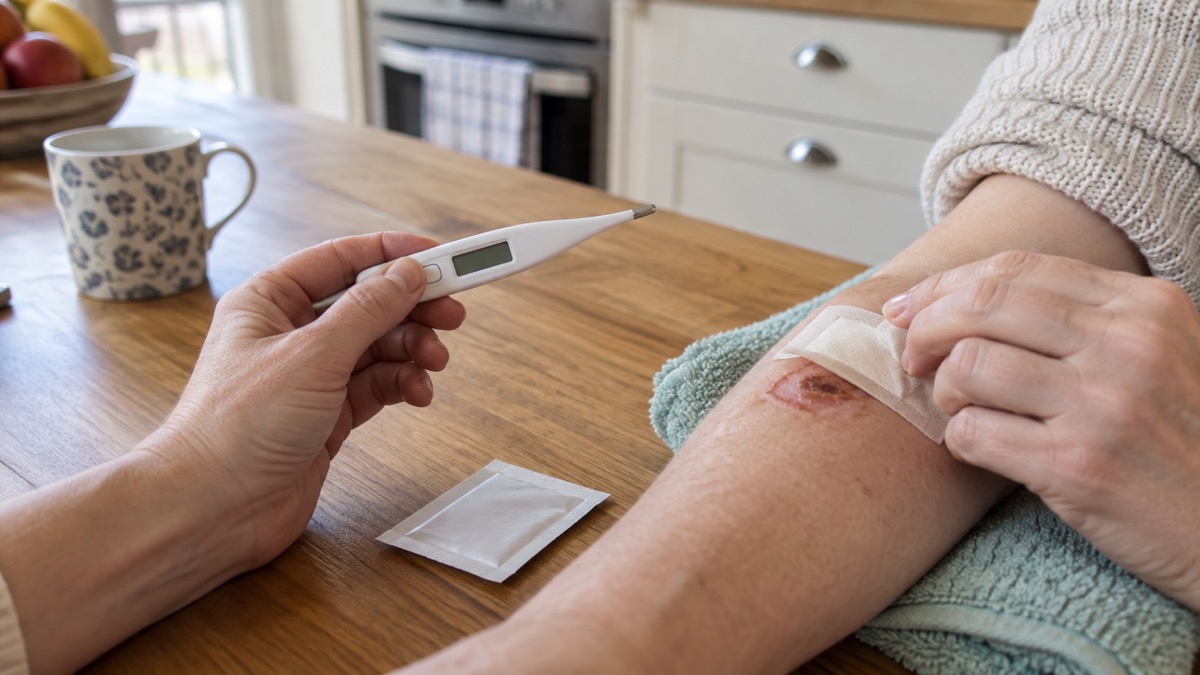
Sepsis is a medical emergency: the body's immune response to an infection goes into overdrive, which can lead to shock and multiple organ failure without urgent treatment1. The NHS is clear about what to do if you think you or someone you look after has symptoms of sepsis: call 999 or go to A&E2. Sepsis usually develops quickly over a few hours3, and time is critical: the quicker a person receives treatment, the better their chances of recovery1.
The difficulty is that sepsis can be hard to spot, because there are lots of possible symptoms4 and it can initially look like flu or a chest infection5. This page sets out the signs to act on in adults, in children and in babies, the fever thresholds that mean a baby needs urgent help, and what to say and do while you wait. It covers recognition only: the treatment for sepsis happens in hospital, and nothing you do at home substitutes for getting there quickly.
Call 999 or go to A&E if someone shows these signs
The single most important thing this page can tell you is when to stop watching and start acting. NHS guidance is direct: if you think you or someone you look after has symptoms of sepsis, call 999 or go to A&E2. The UK Sepsis Trust's advice is the same: if you or someone you look after has a quick progression of these symptoms, phone 999 or go to A&E straight away1.
You do not need to be certain. The UK Sepsis Trust's advice for both adults and children is to call 999 or visit A&E if there is one of the sepsis symptoms, and to ask the question: "Could it be Sepsis?"7. St John Ambulance makes the same point from the other direction: the symptoms of sepsis vary, and someone with sepsis may not have all of them5. Waiting for a fuller picture is the mistake that costs time.
One instruction matters as much as the call itself. NHS 111 Wales advises: do not drive to A&E. Ask someone to drive you, or call 999 and ask for an ambulance2. A person with sepsis can deteriorate on the journey, and ambulance clinicians will assess the level of deterioration using NEWS 2 scoring on the way8. If you are the person who is unwell, confusion, breathlessness or faintness make driving dangerous.
Signs of sepsis in adults and older children
For adults and children aged 5 or over, the NHS lists four signs that each mean call 999 or go to A&E: breathing very fast; being confused, having slurred speech, or not making sense; blue, pale or blotchy skin, lips or tongue; and a very high or very low temperature, feeling hot or cold to the touch, or shivering3.
| Sign | What you may see |
|---|---|
| Breathing | Difficulty breathing, breathlessness or breathing very fast2 |
| Mind | Acting confused, slurred speech or not making sense2 |
| Skin | Blue, pale or blotchy skin, lips or tongue3 |
| Temperature | Very high or very low, hot or cold to the touch, or shivery3 |
| Urine | Not peeing all day, or peeing very little in the past 18 hours3 |
| Rash | A rash that does not fade when you roll a glass over it2 |
Around those headline signs sit others that point the same way. The NHS lists confusion or slurred speech, uncontrollable shivering, muscle pain, difficulty breathing, blue, pale, grey or blotchy skin, a high or low temperature, and not peeing all day or peeing very little in the past 18 hours as adult symptoms3. NHS inform adds the early picture in older children and adults: a high temperature or low body temperature, chills and shivering, a fast heartbeat and fast breathing6. The North East Ambulance Service lists very high or low temperature, slurred speech or confusion, extreme shivering or muscle pain, passing less urine than normal, and blotchy or cold arms and legs1.
Two things change how you read these signs. First, a high temperature is less common in older adults3, so a normal temperature in an older person who is confused and breathless is not reassuring. Second, people who have had sepsis say it was the worst they have ever felt4: the UK Sepsis Trust includes "it feels like you're going to die" among its adult signs7. That intensity of illness, out of proportion to what you expected, is itself a reason to seek urgent medical attention7.
On brown or black skin, blueness may be easier to see on the lips, tongue or gums, under the nails or around the eyes2. Check those places before deciding skin colour is normal.
Signs of sepsis in babies and children under five

Babies and young children show sepsis differently, and the signs are worth learning before you need them. For babies and children under 5, the NHS says call 999 or go to A&E if the child has any of these: a very low temperature, less than 36C, or feels cold to the touch or is shivery; a weak, high-pitched or continuous cry; not responding like normal, not feeding, difficult to wake or sleepier than usual; not had a pee for the last 12 hours; a rash that does not fade; breathing very fast or with difficulty; blue, grey, pale or blotchy skin, lips or tongue; or symptoms you are worried might be sepsis3.
The breathing signs in babies have their own detail. NHS 111 Wales notes you may notice grunting noises, or the stomach sucking under the ribcage2. The cry matters too: a weak, high-pitched cry that is not like their normal cry is a listed sign2. Babies and children under 5 may also not be interested in feeding, or may keep being sick3.
- Not feeding, or vomiting repeatedly7
- Not had a pee, or a wet nappy, for 12 hours3
- Not drinking for more than 8 hours when awake6
- A fit or seizure3
- Very lethargic or difficult to wake7
- Feeling abnormally cold to the touch7
- Blue, grey, pale or blotchy skin, lips or tongue3
They may not have all these symptoms2. One is enough to act on, particularly in a child you cannot rouse or who is breathing abnormally fast. Meningitis Now's red-flag list for children adds urgency to the same picture: very fast breathing or grunting with every breath, very lethargic or difficult to wake, a weak high-pitched or continuous cry in a younger child, and not having a wee or wet nappy for 12 hours or more all mean go to a hospital or call for an ambulance immediately9. If your child is ill and getting worse, seek medical help immediately even if you have already seen a doctor9.
On brown or black skin, colour changes may be easier to see on the palms of the hands or soles of the feet2. The same applies to rashes: the darker the skin, the harder it is to see a septicaemic rash, so check lighter areas like the palms and soles, or look inside the eyelids and the roof of the mouth9.
Fever thresholds for babies: when a temperature alone means urgent help
A fever in a small baby is treated differently from a fever in an older child, because the threshold for concern is lower. NHS inform gives the two numbers to remember: over 38C in babies under 3 months, and over 39C in babies aged 3 to 6 months6. The NHS says the same: call 999 or go to A&E for a temperature of 39C or more in babies 3 to 6 months old, and the equivalent threshold applies under 3 months3. St John Ambulance gives both figures together: a temperature of more than 38C in a baby under 3 months, or more than 39C in a baby aged 3 to 6 months5.
| Baby's age | Temperature that means urgent help | What to do |
|---|---|---|
| Under 3 months | Over 38C6 | Call 999 or go to A&E3 |
| 3 to 6 months | Over 39C6 | Call 999 or go to A&E3 |
| Under 5, any age | Below 36C, checked 3 times in a 10-minute period6 | Treat as a sepsis sign3 |
For context, a high temperature is 38C or more in babies and children, and the average temperature in babies and children is about 36.4C, though this varies from child to child10. A low temperature matters as much as a high one: a very low temperature, less than 36C, or feeling cold to the touch or shivery, is one of the 999 signs in children under 53.
Trust your instincts even when the numbers look acceptable. NHS inform advises parents to phone 111 if a child's symptoms are getting worse or the child is sicker than you would expect, even if their temperature falls6. Meningitis Now flags the combination of a temperature with feeling abnormally cold to touch, or very cold hands and feet, as a red, high-risk sign in a child9.
When to call 111 or your GP instead
Not every worry about an infection is a 999 call, and knowing the second tier matters too. Mid and South Essex NHS guidance is simple: call 111 or contact your GP if you are worried about an infection11. If your GP practice is closed, phone the 111 service8. NHS 111 Wales adds the reassurance many people need: do not worry if you are not sure if it is sepsis, it is still best to call 1112.
The signs that point towards calling 111 rather than 999, from Bradford District Care NHS Foundation Trust, are the milder end of the same illness: skin that feels hot, cold or sweaty; feeling very hot or very cold or shivering; feeling really poorly; feeling sleepy when not normally tired; not going for a wee all day; aching muscles; a poorly stomach; and swelling, redness or pain around a cut or wound4. These are reasons to get advice the same day, not to wait it out.
Two groups should lean towards the phone rather than towards waiting. If you or your child have had sepsis in the past 12 months and have symptoms of an infection, such as a very high temperature, or feeling hot, cold or shivery, the NHS says to call NHS 1113. And if you are more likely to get an infection that could lead to sepsis and you become unwell, get medical help as soon as you can, and let the medical team know about any conditions you have or reasons why you might be more at risk2.
The line between 111 and 999 is speed of change. A rapid progression of symptoms means 9998. Someone who is on antibiotics for an infection should start to get better; if they start to get worse, sepsis should be considered4. If in doubt between the two, the 999 signs listed above decide it, and one of those signs is enough.
Sepsis can look like flu at first: why it is hard to spot
Sepsis is hard to spot because there are lots of possible symptoms4, and it can initially look like flu or a chest infection5. The early picture in adults, from NHS inform, is a high temperature or low body temperature, chills and shivering, a fast heartbeat and fast breathing6: none of it sounds dramatic on its own. NHS 111 Wales lists chills, a fast heartbeat and fast breathing among its quiz questions2.
What separates sepsis from flu is the direction of travel and the severity. Sepsis usually develops quickly over a few hours3. The severe symptoms, from NHS inform, are on another scale from flu: feeling dizzy or faint, a change in mental state like confusion or disorientation, diarrhoea, nausea and vomiting, slurred speech, severe muscle pain, severe breathlessness, less urine production than normal, cold, clammy and pale or mottled skin, and loss of consciousness6. People who have had sepsis say it was the worst they have ever felt4.
Some people's sepsis is harder to see than others. The NHS warns that symptoms can be more difficult to notice in babies and young children, people with dementia, people with a learning disability, and people who have difficulty communicating3. St John Ambulance gives the same list and adds that symptoms vary and someone with sepsis may not have all of them5. For these groups, the practical advice is to watch for changes from the person's normal: not responding like they normally do, being sleepier than normal, or not interested in usual activities2.
The comparison with flu works in your favour if you use it as a prompt rather than a dismissal. If someone has what seems like flu but is getting worse quickly, or feels sicker than any illness they have had, ask the question the UK Sepsis Trust promotes: could it be sepsis?7 If you have recently had an infection or injury and you have possible signs of sepsis, seek urgent medical advice and ask "is this sepsis?"8
Who is most at risk of sepsis
Anyone can develop sepsis after a minor injury or infection, at any age and in any condition of health8. The Scottish Ambulance Service puts it plainly: sepsis can develop in anyone of any age who has suffered a minor injury or infection, mostly very young children, older adults and people with underlying health conditions, but sometimes people who are otherwise fit and healthy1.
The NHS lists the groups at higher risk in more detail2:
- Babies under 1, particularly if born early (premature) or if their mother had an infection while pregnant
- People over 75
- People with diabetes
- People with a weakened immune system, such as those having chemotherapy or who recently had an organ transplant
- People with a genetic disorder affecting the immune system, such as Down's syndrome or sickle cell disease
- People who have recently had surgery or a serious illness
- Women who have just given birth, had a miscarriage or had an abortion
One group deserves particular attention. People with a learning disability may be more at risk of sepsis, possibly because of other health issues, difficulties with communication, and signs not being recognised early4. Anyone can get sepsis, but a weakened immune system makes it more likely4. St John Ambulance summarises the same pattern: more common in young children, older people, and people whose immune systems do not work properly due to certain medicines or chronic illness5.
The most common sites of infection leading to sepsis are the lungs, urinary tract, tummy (abdomen) and pelvis8. So a chest infection, a urine infection or a stomach upset in someone from a higher-risk group is worth watching more closely than the same illness in a fit young adult. If someone in one of these groups becomes unwell, get medical help as soon as you can and tell the medical team why they might be more at risk2.
What to do while you wait for help
Once you have called 999, what you do while waiting is simple and limited. St John Ambulance's advice for suspected sepsis is to reassure the person and keep them comfortable; if they have a fever you can give them paracetamol, making sure you tell the healthcare professionals what you gave and when; give fluids if they will tolerate them; and monitor their level of response5.
The South Western Ambulance Service NHS Foundation Trust gives general advice for any 999 call: stay calm, and stay with the person until the ambulance arrives12. If the person becomes more ill while you wait, phone 999 again13. Listen carefully to the call handler and follow the instructions given to you14.
- Reassure them and keep them comfortable5
- Give paracetamol for a fever, and note what you gave and when5
- Offer fluids if they will tolerate them5
- Monitor their level of response5
- Stay with them until the ambulance arrives12
- Phone 999 again if they get more ill13
Bring any medicines the person takes with you when going to hospital2. That small step saves the hospital team time and avoids missed information. If the person stops responding or stops breathing normally, the situation changes to a resuscitation one: our guides on how to check if someone is breathing and how to do CPR cover what to do next, and there is specific guidance for babies under one and children.
One warning belongs here, because it delays help every year. Public Health Wales advises on suspected meningitis and sepsis: do not wait for a rash. If your baby or toddler is ill and getting worse, get medical help immediately and go to the emergency department of your nearest hospital15. A rash that does not fade is a 999 sign when it appears, but its absence proves nothing.
What happens in hospital: antibiotics within an hour
Knowing what hospital treatment looks like removes one more reason to hesitate. If you are admitted to hospital with sepsis, you should get antibiotics within one hour of arriving1. NHS 111 Wales states the same: you should get antibiotics within 1 hour of arriving at hospital2. NHS inform puts it as antibiotic treatment ideally starting within an hour of diagnosis6. Sepsis needs treatment in hospital straight away because it can get worse quickly2.
Sepsis is often diagnosed by testing your temperature, heart rate, breathing rate and blood6. Tests at hospital will include taking blood cultures to identify the type of bacteria causing sepsis, taking a blood sample to assess the severity, and monitoring urine output to assess severity and kidney function8. If sepsis is suspected, you will usually be referred to hospital for further diagnosis and treatment8.
Treatment for sepsis usually involves giving antibiotics, giving fluids intravenously, commonly known as a drip, and giving oxygen if levels are low8. The main treatment for sepsis, severe sepsis or septic shock is antibiotics, given directly into a vein6. If you have severe sepsis or septic shock, you will usually be given fluids intravenously for the first 24 to 48 hours6. Other treatments can include a machine to help you breathe if oxygen levels are low, and surgery to remove areas of infection1.
Intravenous antibiotics are usually replaced by tablets after 2 to 4 days, and you may have to take them for 7 to 10 days or longer, depending on the severity of your condition6. If the sepsis is detected early enough, this may be a course of tablets you can finish taking at home8. You may need to stay in hospital for several weeks2. One point NHS inform makes about the antibiotics themselves: if the sepsis is caused by a virus, antibiotics will not work, but it would be too dangerous to delay treatment to find out the specific cause, so antibiotics are usually given anyway6.
Recovery and post-sepsis syndrome
Most people make a full recovery from sepsis, but it can take time2. Recovery can take weeks or months3, and how long it takes varies depending on the severity of the sepsis, the person's overall health, how much time was spent in hospital, and whether treatment was needed in an intensive care unit6.
Some people have symptoms that last well beyond the initial illness, known as post-sepsis syndrome. The NHS lists its symptoms as feeling very tired, hearing loss, nerve damage that may cause numbness or weakness in hands and feet, problems with organs such as the heart, kidneys and lungs, depression, anxiety, and loss of confidence and self-esteem, and cognitive problems such as memory loss and difficulty concentrating3. NHS inform adds feeling lethargic or excessively tired, muscle weakness, swollen limbs, joint pain, chest pain and breathlessness6. NHS 111 Wales includes difficulty sleeping, lack of appetite, getting ill more often, changes in mood, nightmares or flashbacks, and post-traumatic stress disorder2. These can last for months, or even years, after you had sepsis2. Post-sepsis syndrome often lasts 6 to 18 months, but some people take much longer to recover3.
Treatment for post-sepsis syndrome involves treating the symptoms, and may include physiotherapy, counselling and additional help and support3. The NHS's practical advice for recovery is to be patient and give yourself plenty of time; get enough sleep, with adults usually needing 7 to 9 hours each night; eat a healthy, balanced diet, with smaller meals more frequently if appetite is reduced; exercise regularly but start slowly and build up gradually; keep a diary to track progress; and talk to your partner or a friend, or contact The UK Sepsis Trust and speak to a support nurse3. NHS 111 Wales adds asking your work about changes to your working hours or conditions while recovering, gentle easy exercises to build strength, regular sleep, preventing infections by washing your hands regularly, eating little and often if you have a small appetite, and above all not trying to rush your recovery2.
The UK Sepsis Trust's support is worth knowing about before you need it: if you or someone you love has been affected by sepsis, their trained support nurses are there for you7. The Trust has also developed an online sepsis assessment tool2. And one piece of prevention advice closes the loop: take antibiotics correctly, following the instructions and taking all your prescribed antibiotics even if you feel better2.
Sources (15)
- Identifying sepsis, North East Ambulance Service NHS Foundation Trust, 2026
- Sepsis, NHS 111 Wales, 2026
- Sepsis, NHS, 2026
- Recognising sepsis, Bradford District Care NHS Foundation Trust, 2026
- Sepsis first aid advice, St John Ambulance, 2026
- Sepsis, NHS inform, 2026
- About sepsis, UK Sepsis Trust, 2026
- Identifying sepsis, Scottish Ambulance Service, 2026
- Meningitis symptoms, Meningitis Now, 2026
- What to keep in your medicine cabinet, Healthier Together (HWE), 2026
- Sepsis, Mid and South Essex NHS Foundation Trust, 2026
- What to do when the ambulance is coming, South Western Ambulance Service NHS Foundation Trust, 2026
- What happens when you call 999, Welsh Ambulance Service, 2022
- Stay safe and cool in the sun, South East Coast Ambulance Service NHS Foundation Trust, 2021
- Meningitis and meningococcal disease, Public Health Wales, 2026
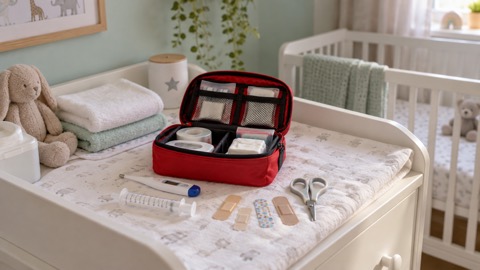 Baby and Child Kit Checklist
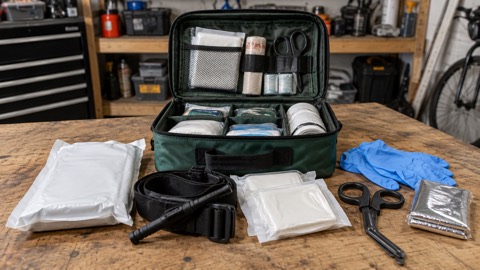 Bleeding Control Kit Checklist
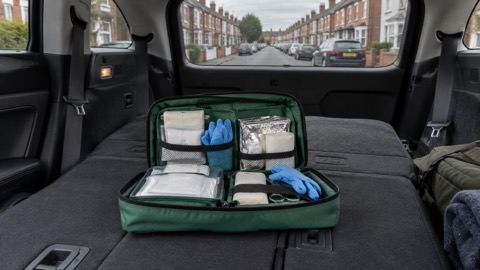 Car Kit Checklist
 Danger, Response, Airway
 CPR Steps for Adults
 2025 Resuscitation Guidelines
 Defibrillators (AEDs)
 Public Access Defibrillators
 Choosing a Defibrillator
 The Recovery Position
 Choking First Aid
 Cuts, Grazes and Wounds
 Burns and Scalds
 Adrenaline Auto-Injectors
 Shock Signs and What to Do