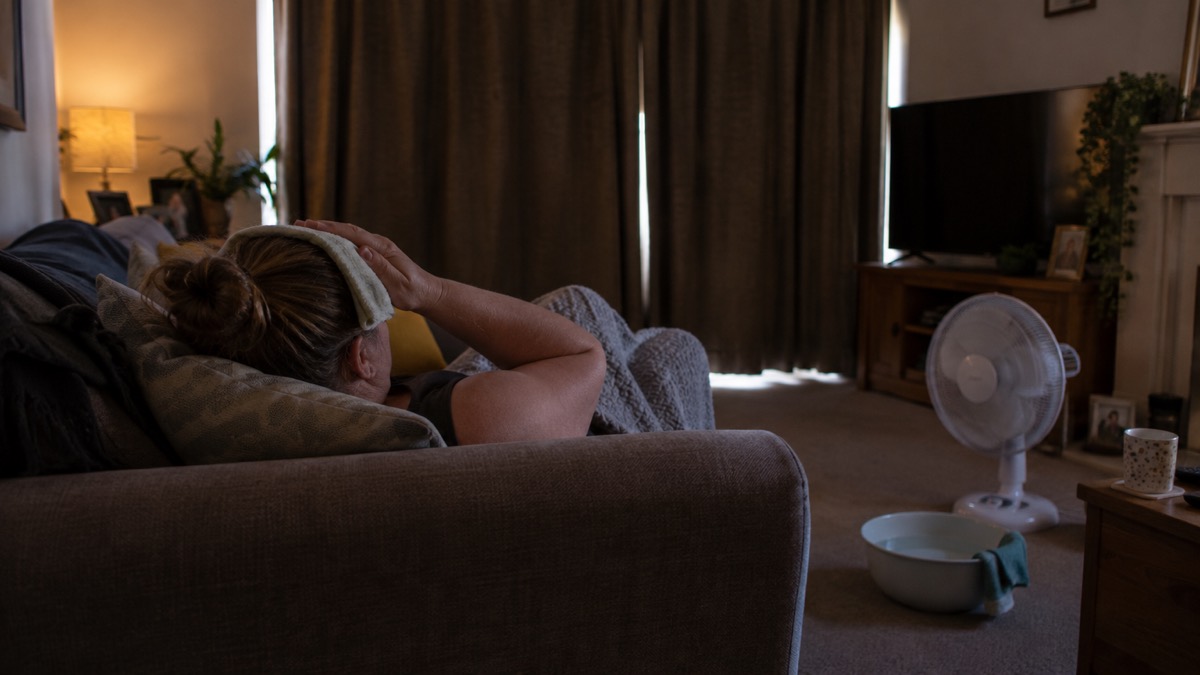
Hot weather illness comes in two stages, and what you do depends on which one you are looking at. Heat exhaustion is the earlier stage: the body has overheated and lost too much water, and it is not usually serious if the person can cool down within 30 minutes1. Heatstroke is the emergency that follows when the body is no longer able to cool down and the body temperature becomes dangerously high1. If you suspect someone has heatstroke, call 999 immediately1.
The practical difference comes down to signs and response. Heat exhaustion shows itself with heavy sweating, pale or clammy skin, dizziness, headache, cramps and intense thirst, and it responds to cooling, fluids and rest1. Heatstroke shows itself with a very high temperature, hot skin that is not sweating, confusion, a fast heartbeat, fast breathing, seizures and loss of consciousness, and it does not respond to self-care alone: it needs an ambulance1. Heat exhaustion can develop quickly over a few minutes, or gradually over several hours or days, and heatstroke can also occur suddenly and without any warning2.
This page sets out the NHS signs of each condition, the four cooling steps for heat exhaustion, what to do while waiting for an ambulance, and who in your household is most at risk. For the wider picture of preparing your home for hot weather, see our heatwaves and drought guide.
Heat exhaustion: the signs to look for
Heat exhaustion happens when the body overheats and cannot cool down, and when you have lost too much water through sweating3. It is the more common of the two conditions and, treated early, most people recover quickly with self-care6. But it is not a condition to sit out in the sun with: if you do not take action to cool down, heat exhaustion can lead to heatstroke, which is more dangerous3.
The common symptoms, as set out in official guidance, are:
- tiredness and weakness
- feeling faint
- headache
- muscle cramps
- feeling or being sick
- heavy sweating and intense thirst
- a fast pulse, faster than 100 beats per minute
- pale, clammy skin
- a core temperature between 38°C and 40°C4
Other official summaries describe the same picture in slightly different words: headache, dizziness, nausea, excessive sweating, pale skin and cramps7, or dizziness, headache, excessive sweating, feeling sick, tiredness or weakness6. The signs overlap because they all come from the same cause: the body is losing water and salt faster than they are being replaced, and its cooling system is beginning to fail.
Heat exhaustion can develop quickly over a few minutes, or gradually over several hours or days2. The gradual form matters for households: an older relative who has been quietly sweating through a hot afternoon indoors may be well along this path before anyone notices, which is why checking on people who live alone during hot weather is part of official advice8. There is a high risk of heat exhaustion or heatstroke during hot weather or exercise, so the signs deserve active watching on the hottest days and during any strenuous activity3.
Heatstroke: confusion, hot dry skin and a temperature over 40°C
Heatstroke is less common, but more serious2. It happens when the body can no longer cool down and the core temperature gets higher than 40°C despite resting in a cool place and drinking fluids for 30 minutes or longer9. It can put a strain on the brain, heart, lungs, liver and kidneys, and can be life-threatening2.
The common symptoms of heatstroke are:
- a very high temperature, usually more than 40 degrees Celsius5
- hot skin that is not sweating, and which might look red
- a fast heartbeat
- fast breathing or shortness of breath
- confusion and lack of co-ordination
- a seizure or fit
- loss of consciousness4
The redness of the skin can be harder to see on darker skin shades, so rely on the other signs too: the skin is hot and dry rather than sweaty, and the person's behaviour and breathing have changed3. Heatstroke can also occur suddenly and without any warning10, and it can develop very quickly into unconsciousness10. Heat stroke can kill6.
If you see these signs, do not wait to see whether they improve. A high temperature, confusion and breathing fast can be symptoms of heat stroke, which is a medical emergency; other serious symptoms include skin that is no longer sweating and seizures11. Call 999, put them in the recovery position if they are unconscious, and keep trying to cool the person down11.
Heat exhaustion or heatstroke: how to tell them apart
The two conditions sit on the same spectrum, and heat exhaustion can lead to heatstroke if it is not treated3. The clearest way to tell them apart is to look at three things together: the skin, the mind and the temperature. In heat exhaustion the skin is pale, clammy and sweating heavily; in heatstroke it is hot, dry and not sweating. In heat exhaustion the person is uncomfortable but aware; in heatstroke they are confused, unco-ordinated or losing consciousness. In heat exhaustion the core temperature sits between 38°C and 40°C4; in heatstroke it is usually more than 40 degrees Celsius5.
| What you observe | Heat exhaustion | Heatstroke |
|---|---|---|
| Skin | Pale, clammy, heavy sweating4 | Hot, dry, not sweating, may look red4 |
| Temperature | Core temperature between 38°C and 40°C4 | Usually more than 40 degrees Celsius5 |
| Mind | Uncomfortable, faint, thirsty but aware4 | Confusion, lack of co-ordination, possible loss of consciousness4 |
| Breathing and pulse | Fast pulse, faster than 100 beats per minute2 | Fast heartbeat, fast breathing or shortness of breath4 |
| Other signs | Cramps, feeling or being sick, intense thirst4 | Seizures (fits)4 |
| What it needs | Cooling, fluids, rest; usually improves within 30 minutes3 | 999 immediately; hospital treatment5 |
| If untreated | Can lead to heatstroke3 | Can be life-threatening2 |
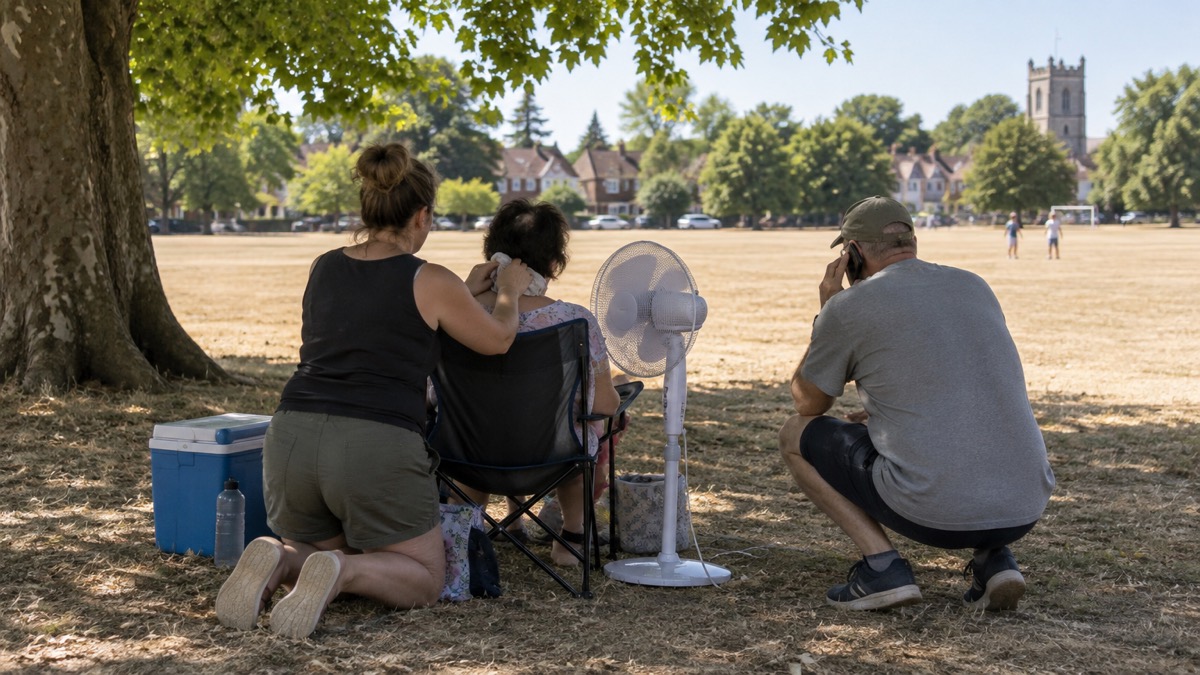
One further test from official guidance is useful: heatstroke is defined by a core temperature that stays higher than 40°C despite resting in a cool place and drinking fluids for 30 minutes or longer9. So the 30-minute mark is not just a recovery target for heat exhaustion, it is also the point at which the picture changes and you should be thinking about emergency help. If someone is still unwell after 30 minutes of resting in a cool place, being cooled and drinking fluids, that is a signal to escalate12.
Heatstroke is treated in hospital, where healthcare professionals will try to cool the body down and may also give fluids through a vein; it can take a few days to recover5. If you have suffered heat exhaustion or heatstroke, take time to rest and recover for as long as your GP advises, avoiding hot weather and exercise13.
Cooling someone down: four steps for heat exhaustion
If someone is showing signs of heat exhaustion, they need to be cooled down and given fluids1. The NHS sets out four steps1:
- Move them to a cool place. Get them out of the sun and into shade or a cool room.
- Remove all unnecessary clothing. The NHS example is clothing like a jacket or socks1.
- Give them plenty of water to drink. A sports drink or an oral rehydration solution mixed with water also works, replacing salts lost through sweating1. Sports or rehydration drinks are OK, official guidance confirms14.
- Cool their skin. Spray or sponge them with cool water and fan them, or place cold packs wrapped in a cloth under the armpits or on the neck1.
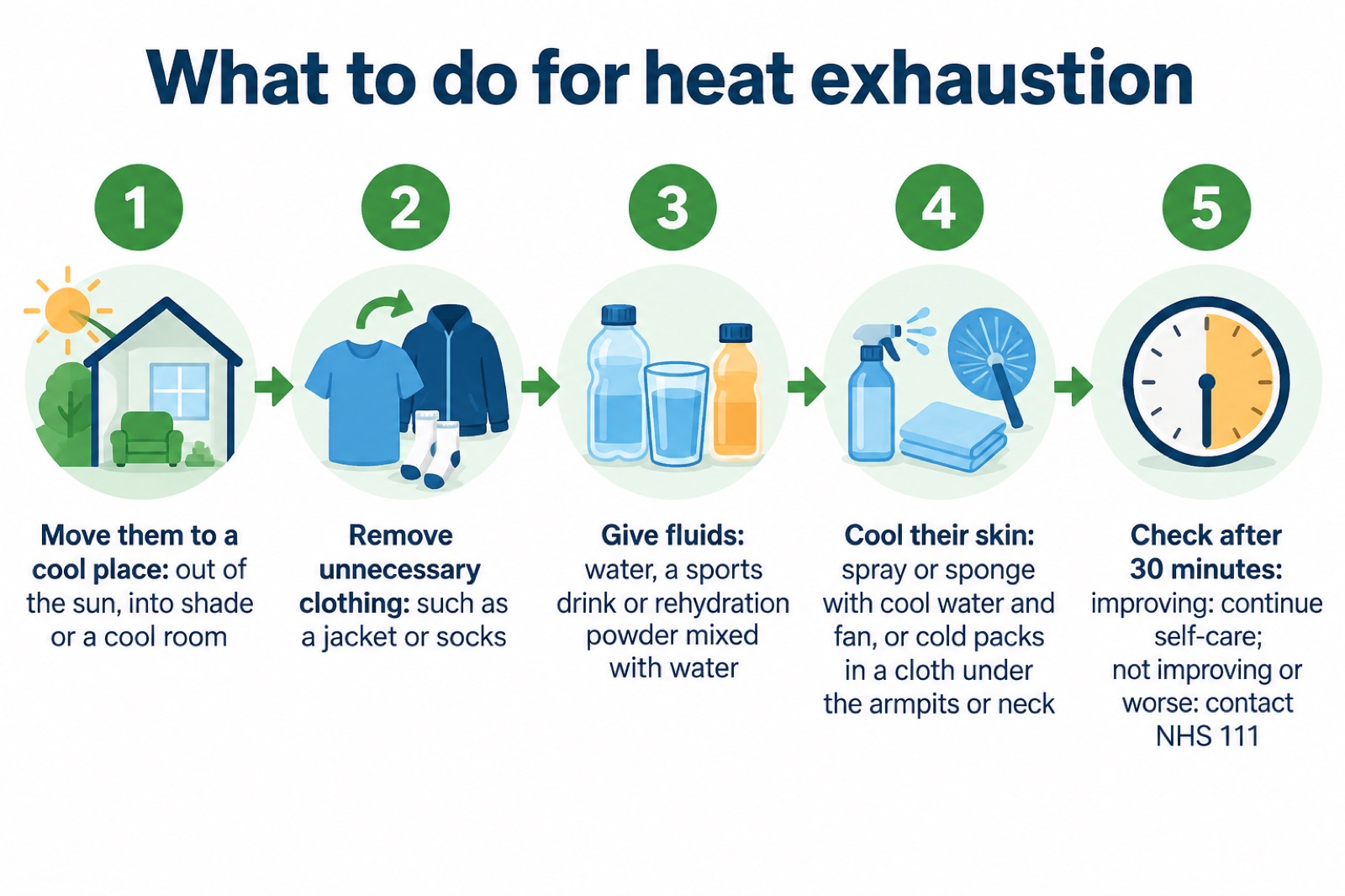
The same steps appear across official guidance in the four nations. NHS 111 Wales lists the identical four steps3, and nidirect in Northern Ireland adds that you can give water, a fizzy drink or other fluid, and spray or sponge with cool water15. Broadcast scripts prepared by the UK Chief Medical Officers for use during a national power outage give the same sequence, including the 30-minute check, which shows how standard this first aid is16.
One instruction to hold firmly: do not give them aspirin or paracetamol. It will not help the raised temperature and may be harmful2. The same instruction applies if you suspect heatstroke17.
They should feel better within 30 minutes
The person should start to cool down and feel better within 30 minutes3. That half hour is the test of whether your first aid is working. If a person is cooling down and feeling better within 30 minutes, this suggests they are improving3.
If they do not improve, or their symptoms get worse, escalate:
- If there is no improvement within 30 minutes, or their symptoms worsen, try to get medical help if you can16.
- If you are concerned about symptoms, or they are worsening, seek medical advice by contacting NHS 1111.
- If you are still unwell after 30 minutes of resting in a cool place, being cooled and drinking fluids, contact 11112.
- If you suspect heat exhaustion has turned into heatstroke, call 99913.
You can call 111 or get help from 111 online12. If you need medical help for a heat-related health problem, contact NHS 111; in an emergency, or when you think someone has heatstroke, call 99918. Our page on when to call 999 or NHS 111 for heat illness goes into this decision in more detail.
Most people with heat exhaustion recover quickly with self-care6. After the illness, rest for a few hours, keep cool and drink water10, and take time to rest and recover for as long as your GP advises, avoiding hot weather and exercise13.
What to do while you wait for the ambulance
If you suspect heatstroke and have called 999, your job is to keep cooling the person and to follow the call handler. While waiting for the ambulance, listen carefully to the call handler and follow the instructions given to you7. Stay calm19.
The cooling actions official guidance sets out for suspected heatstroke while you wait are:
- Move them somewhere cooler, if possible.
- Increase ventilation by opening windows or using a fan.
- Cool them down as quickly as possible: loosen their clothes, sprinkle them with cold water, or wrap them in a damp sheet20.
- If they are conscious, encourage them to drink fluids20.
- Get them to lie down and raise their feet slightly, keep them as cool as possible by spraying or sponging with cool water, and encourage them to keep drinking water; sports or rehydration drinks are OK14.
- Do not give aspirin or paracetamol21.
If they lose consciousness while you are waiting for help, put them in the recovery position and tell the ambulance service1. Check their breathing and pulse, and carry out CPR if they show no sign of life1. Continue efforts to cool them down while you wait for assistance3.
Who is most at risk in hot weather
Children, older people and people with long-term health conditions, such as diabetes or heart problems, are more at risk of heat exhaustion or heatstroke3. That short list is the core of the official risk picture across the UK, but the fuller lists go further. NHS Inform in Scotland adds people aged 65 or over, children aged 5 and under, babies, pregnant people, people with underlying health conditions, people with a serious mental health condition, people already ill and dehydrated, people taking alcohol or drugs, active people spending a lot of time outside, people working in a manual job outdoors, homeless people, people who live alone and are unable to care for themselves, people with mobility problems, and people on certain medications8.
The UK government's heatwave guidance adds people who live in top floor flats or homes with restricted or limited windows to the list of groups most at risk22. nidirect in Northern Ireland lists elderly people, babies and young children, people with a long-term health condition such as diabetes or a heart or lung condition, people who are already ill and dehydrated, and people doing strenuous exercise for long periods, such as athletes and manual workers2.
You are more likely to experience problems if you are dehydrated, there is little breeze or ventilation, or you are wearing tight, restrictive clothing2. Look out for those who may struggle to keep themselves cool and hydrated: older people, those with underlying conditions and those who live alone are particularly at risk23. Our pages on who is most at risk in hot weather and how to check on older and vulnerable neighbours in the heat cover this in depth.
Medicines that raise the risk
Certain medications can increase your risk of developing heat exhaustion or heatstroke2. This is not a reason to stop taking any medicine; it is a reason to be more careful in hot weather and to seek advice. The medicines named in official guidance include:
- diuretics
- antihistamines
- beta-blockers
- antipsychotics
- recreational drugs, such as amphetamines and ecstasy2
Social care guidance for hot weather adds anticholinergics, vasoconstrictors and drugs that reduce renal function to the list of medications that may increase a person's risk of developing heat related illness4. NHS guidance for Berkshire lists further categories: drugs with levels affected by dehydration, such as lithium, digoxin and antiepileptics; drugs that increase the basal metabolic rate, such as thyroxin; and medications which interfere with cardiovascular responses, such as antihypertensives and antianginal drugs9. Somerset Council likewise notes that some medications, including diuretics, antihypertensives and antipsychotics, can affect how the body copes with heat24.
Mental health medication deserves particular attention. Some mental health medications increase sensitivity to hot weather25. People taking psychotropic medications may be at increased risk of death and other physical health impacts during heatwaves compared to those with other chronic conditions such as cardiovascular conditions25. The risks include heatstroke, dehydration, nervous system changes and altered neurological function, such as confusion, agitation or disorientation25. Our page on medicines that raise the risk of illness in the heat lists these in full.
Preventing heat illness during a heatwave
Heat exhaustion and heatstroke can happen when you are exposed to high temperatures, for example if you exercise in hot places or spend a lot of time outside in the heat5. Prevention is therefore mostly about limiting that exposure and keeping water levels up. The NHS advice to help prevent heat exhaustion or heatstroke is:
- drink more cold drinks, especially if you are active or exercising
- wear light-coloured, loose clothing
- avoid the sun between 11am and 3pm
- avoid drinking too much alcohol
- avoid extreme exercise
- if inside on a very hot day, close curtains, close windows if it is hotter outside than in your home, and turn off electrical equipment and lights that get hot1
The 11am to 3pm rule appears across official guidance, including nidirect's advice to keep out of the sun between 11.00 am and 3.00 pm2. High temperatures can lead to respiratory problems, dehydration, heat exhaustion and sunburn, often resulting in emergency medical treatment and hospitalisation, so prevention is worth the effort13. Not having enough water, dehydration, is one of the main health risks of hot weather alongside overheating itself23.
Around the home, our guides cover the practical side: how to keep your home cool in hot weather, how to stop the sun heating your rooms through the windows, how to sleep and cool a bedroom on hot nights, and how much water to drink in hot weather. If you want to prepare before the hot weather arrives, our hot weather preparation checklist sets out what to do in advance, and you can sign up for official warnings through our page on heat-health alerts.
Sources (25)
- Heat exhaustion and heatstroke, NHS, 2026-05-28
- Heat exhaustion and heatstroke, nidirect (Northern Ireland government), 2025-12-02
- Heat exhaustion and heatstroke, NHS 111 Wales, 2026-06-22
- Supporting vulnerable people before and during hot weather: social care managers, UK Health Security Agency, 2024-12-19
- Heatstroke and heat illness, NHS Inform Scotland, 2026-07-15
- Summer safety advice, North East Ambulance Service NHS Foundation Trust, 2026-10-29
- Heatwave: how to cope in hot weather, South Western Ambulance NHS Foundation Trust, 2026-10-29
- How to stay safe in hot weather, NHS Inform Scotland, 2026-06-11
- Staying well in hot weather | Berkshire Healthcare NHS Foundation Trust, Berkshire Healthcare NHS Foundation Trust
- Hot weather advice, nidirect (Northern Ireland government), 2026-10-05
- Hot Weather Toolkit 2025, NHS Humber and North Yorkshire Integrated Care Board, 2025-05-28
- Heat exhaustion and heatstroke (encyclopaedia), NHS 111 Wales, 2026-06-22
- Heatwave, Lancashire Prepared, 2026-10-29
- Heatwave advice booklet, Leicestershire Partnership NHS Trust, 2022-07
- Keeping warm or cool in extreme weather: scripts for broadcast media, UK Chief Medical Officers, 2025-12-16
- Beat the heat: staying safe in hot weather, UK Health Security Agency, 2026-07-21
- Heat health risk: advice note for Wales, Chief Medical Officer for Wales, 2023-07-03
- Heatwave advice, Guy's and St Thomas' NHS Foundation Trust, 2026-06
- What to do when the ambulance is coming, South Western Ambulance NHS Foundation Trust, 2026-10-29
- Be prepared: heatwave advice, Lancaster City Council, 2026-10-26
- Heatwave guidance patient leaflet, Worcestershire Acute Hospitals NHS Trust, 2020-04-22
- Hot weather, Prepare campaign (Cabinet Office), 2026-10-12
- Tips for keeping older people cool, Met Office, 2026-10-29
- Stay cool and safe in hot weather, Somerset Council, 2026-07-08
- Mental health medications and extreme weather, UK Health Security Agency, 2025-11-12
 Baby and Child Hot Weather
 Hot Weather Preparation
 Flood Warning Checklist
 Air Pollution and Hay Fever
 Babies and Children in Heat
 Blue-Green Algae Risks
 Dehydration Signs and Prevention
 Evaporative Coolers and Fans
 Electric Fans Guide
 UK Heatwave Definition
 Who Is at Risk in Hot Weather
 Portable Air Conditioners Guide
 Why UK Summers Are Hotter
 Sun Safety and Sunscreen
 Swimming Outdoors Safely