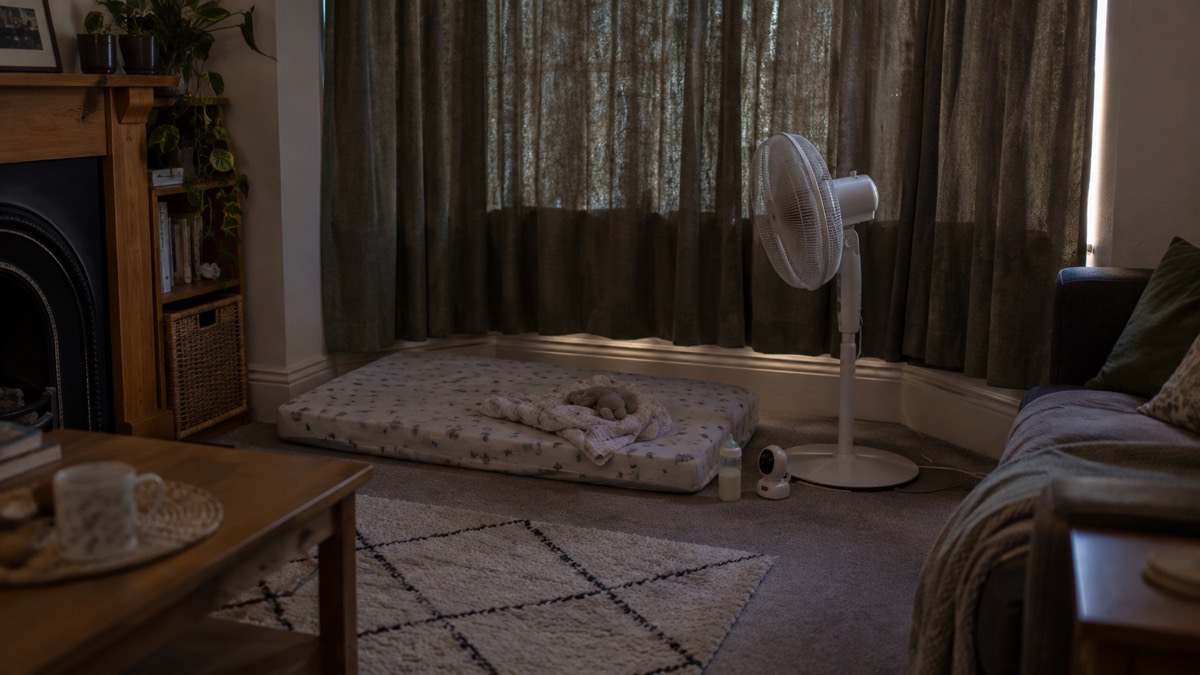
Babies and young children are one of the groups the NHS names as most at risk in hot weather, alongside older people and pregnant women, because their bodies are less able to regulate temperature than an adult's1. The practical consequences are simple: keep babies under six months out of direct sun altogether, never cover a pram with a blanket or muslin, keep your baby's room between 16C and 20C, and offer fluids little and often2. Most of what you need to do in a heatwave is small and everyday, but each step matters, because overheating in a baby can raise the risk of sudden infant death syndrome (SIDS)5.
The health problems hot weather can cause in babies and young children are dehydration, heat exhaustion and heatstroke, and sunburn6. Children aged five and under are specifically listed among the people at higher risk of becoming seriously unwell when temperatures rise7. This page sets out the official advice for each of those risks in turn: sun, prams, fluids, clothing, sleep and room temperature, and where to get help when you are not sure.
Why babies and young children feel the heat more than adults
Older people, babies and young children are more likely to become unwell in hot weather because their bodies are less able to regulate temperature12. Public Health Wales makes the same point from the other direction: those who may find it hard to keep cool include babies and young children13. For babies there is an added layer of risk, because a baby can overheat from things entirely within your control: too much bedding or clothing, or a room that is too hot5. Overheating can increase the risk of sudden infant death syndrome (SIDS)5.
The UK government's guidance for people looking after children in hot weather, which applies to England, lists babies and young children aged five years and under among the groups at higher risk of becoming seriously unwell7. NHS heatwave guidance says the same14. The risks to manage are the four the NHS names: dehydration, heat exhaustion and heatstroke, and sunburn6. You can read more about the first two in our pages on heat exhaustion and heatstroke and dehydration in hot weather, and about the wider groups at risk in who is most at risk in hot weather.
A baby's normal temperature is also worth knowing. The average temperature in babies and children is about 36.4C, though this varies from child to child15. A raised temperature in a child can have causes other than illness: it can be raised after vaccinations, or if they overheat because of too much bedding or clothing16. So before assuming a fever, check whether the room is too hot or your baby is wearing too many layers.
Keep newborn babies out of the sun
The advice here is consistent across every official source: babies less than six months old should be kept out of direct sunlight8. NHS guidance in Scotland puts it plainly: babies under six months should not be out in direct sun at all17. The reason is that a newborn baby's skin contains too little melanin to give any protection from the sun10. Older babies should also be kept out of the sun as much as possible, particularly in summer and between 11am and 3pm, when the sun is at its strongest4.
That 11am to 3pm window comes up again and again in official advice, and it applies to children as well as babies: avoid being out in the sun between 11am and 3pm, the hottest part of the day18. The Met Office adds the same timing for everyone, advising people to seek shade and avoid long stretches in the sun between 11am and 3pm, and to wear lightweight, light-coloured clothing, high factor sunscreen and a wide-brimmed hat19.
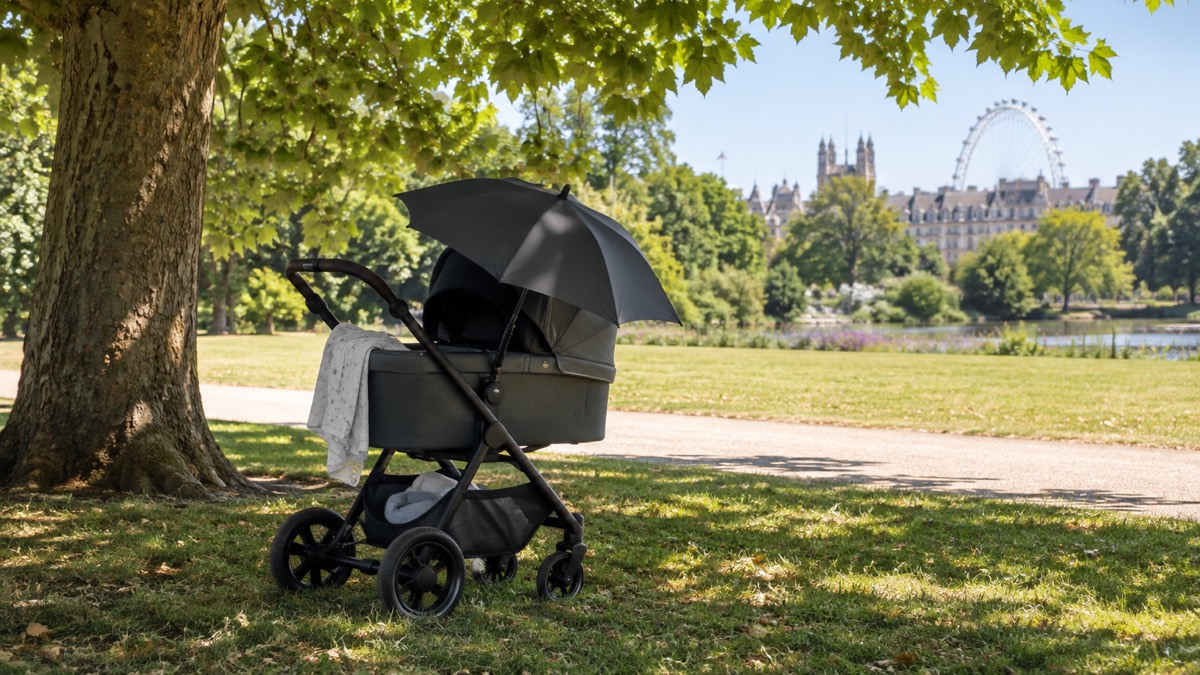
For clothing, the NHS says do not dress your baby in too many layers; choose lightweight clothing2. For older children, put them in a T-shirt or UV protective suit where possible and keep their shoulders covered8. If you do go out when it is hot, attach a parasol or sunshade to your baby's pushchair to keep them out of direct sunlight6.
Prams and buggies: a clip-on shade, never a blanket or muslin
This is the single most important piece of pram advice, and it goes against what many people instinctively do. NHS guidance is unambiguous:
"Never cover a pram or buggy with blankets, muslins, or anything that can stop the air circulating. This can cause dangerous overheating and increase the risk of SIDS."
The NHS in Scotland says the same: do not put a blanket, any type of cover or plastic over a pram to give it shade, as it can get very hot and could make your baby overheat17. NHS guidance on baby safety puts it more briefly still: do not cover your baby's pushchair or pram with a blanket because it could lead to overheating2. Covering a pram traps heat in a small space with no airflow, and a baby lying in it cannot move away or cool itself.
What to do instead:
- Attach a clip-on sunshade or parasol to the pram or buggy18
- Keep the pram in the shade wherever possible20
- Make sure there is adequate air flow around your baby21
- Remove any excess clothing21
- Check regularly that your baby is not overheating, by feeling their chest or the back of their neck18
One point where official sources differ: the Greater London Authority advises that a dry cloth draped over a pram can increase the carriage temperature by several degrees and should be avoided, but says you can keep a pram cool by draping a wet cloth over it, re-wetting the cloth every 20 minutes22. Other NHS sources advise against any cloth cover. The safest course, and the one most NHS guidance supports, is a clip-on shade with nothing draped over the pram at all.
Room temperature for a baby: 16C to 20C
Babies sleep most comfortably when their room is between 16C and 20C3. That range is repeated across the UK's official sources: Public Health Wales says babies should sleep in rooms heated to between 16C and 20C23, the nidirect service in Northern Ireland says a baby's room should be 16 to 20C24, and NHS guidance in Wales links the range to reducing the risk of sudden infant death syndrome (SIDS)25. A government report on home temperature thresholds records the same advice, that rooms in which infants sleep should be heated to between 16 and 20C26.
In practice, in a heatwave the problem is not heating a room but cooling it. The steps that help:
- Keep the room out of direct sun during the day; shade windows on the sunny side
- Ensure adequate ventilation27
- Do not dress your baby in too many layers; choose lightweight clothing2
- Use a room thermometer so you know the actual temperature rather than guessing10
Our page on what temperature a baby's room should be goes into this in more detail, and how to sleep and cool a bedroom on hot nights covers the whole household. If you are using fans or other cooling equipment, see our guides on electric fans and how to keep your home cool in hot weather.
Remember that overheating can come from bedding as much as from the room itself: babies can overheat because of too much bedding or clothing, or because the room is too hot5. Check your baby's chest or the back of their neck rather than their hands or feet to judge whether they are too warm18.
Feeding and fluids: what to offer in the heat
Breastfed babies
Your breastfed baby may wish to feed more regularly when the weather is very hot. This is very normal, because breastmilk is both water and food10. Fully breastfed babies do not need any water until they have started eating solid foods3. The extra feeds are doing the work of both food and drink, so there is nothing to add.
Bottle-fed babies
If you are bottle feeding, as well as their usual milk feeds you can give your baby a little cooled boiled water3. NHS guidance for newborns in extreme temperatures makes the limit clear: you can offer your bottle-fed baby a small amount of cool boiled water, and a few sips of water does not replace a milk feed10. Somerset Council's heat-health advice adds the reason: babies under six months do not need water, as it may dilute the nutrients in their feeds, but if your baby has formula you can offer sips of cooled boiled water in addition to their usual feeds28.
Babies over six months and older children
Babies over six months can also be offered sips of cool water with meals28. Once solid foods are introduced, offer sips of water from a cup or beaker with meals; breastmilk or infant formula should be their main drinks during the first year, and in hot weather you may need to offer additional water outside of mealtimes3. From 12 months, water, breast milk or whole cows' milk should be your baby's main drinks; in hot weather you can try frozen lollies made from plain water or very diluted fruit juice, with diluted juice lollies only at mealtimes because they can cause tooth decay3.
For older children, give them water, watered-down fruit juice and the occasional ice lolly rather than lots of sugary, fizzy drinks11. Oxfordshire County Council's heatwave advice is to keep your child drinking little and often, with water and diluted squash or lower-fat milks as good choices29. The government's guidance for those looking after children adds that you should provide and encourage children to drink plenty of water and encourage them to drink more than usual in hot weather7. Ice lollies can help keep water levels topped up29.
| Age | What to offer in hot weather |
|---|---|
| Fully breastfed, 0 to 6 months | No water needed; may want to breastfeed more often than usual3 |
| Bottle-fed, 0 to 6 months | Usual milk feeds, plus a few sips of cooled boiled water; water does not replace a feed3 |
| Over 6 months | Sips of cool water with meals, plus additional water outside mealtimes if needed28 |
| From 12 months | Water, breast milk or whole cows' milk as main drinks; frozen lollies of plain water or very diluted juice3 |
| Older children | Water, watered-down fruit juice, diluted squash, lower-fat milks, occasional ice lolly; not sugary fizzy drinks11 |
One further point if you ever need to make up formula with bottled water, for example during a water supply problem: bottled water should be boiled, covered and left to cool for up to half an hour, then the feed made up following the manufacturer's instructions and used immediately13. Our page on is my child drinking enough? covers the signs that a child is not.
Sun protection for young children
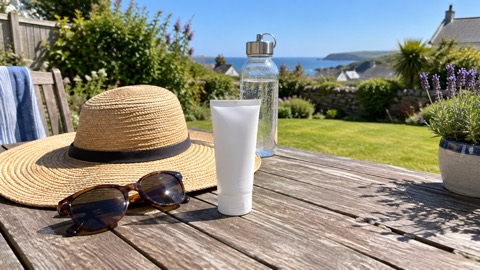
For babies of six months and over, apply a sunscreen with a sun protection factor (SPF) of at least 30 to their skin2. Make sure the product also protects against both UVA and UVB rays4. Use plenty of sunscreen and apply it regularly, every 2 hours, and reapply it immediately after swimming or sweating2. Cover exposed skin even on cloudy or overcast days; most sunscreen designed for children has an SPF of between 30 and 50 and is effective against UVA and UVB30.
Clothing matters as much as cream. Make sure your child wears loose-fitting clothing, sunglasses and a sunhat with a wide brim or a long flap at the back to protect their head, ears and neck from the sun2. Put children in a T-shirt or UV protective suit where possible and keep their shoulders covered8. For older children, make sure they have high-factor sun cream regularly applied during the day, including the tops of the ears and the back of the neck, alongside a T-shirt, sun hat and time in the shade11.
Our page on sun safety for the family covers sunscreen, SPF and UV in more detail, and how to treat sunburn, including in children explains what to do if protection slips.
Cars, closed spaces and other dangers in the heat
Small closed spaces such as stationary cars can get dangerously hot very quickly, so make sure that babies, children, older people and pets are not left alone in them21. NHS guidance for Norfolk and Suffolk is specific about the timescale: do not leave babies and young children in the car in hot weather, because even 20 minutes in a hot car can lead to heat stroke11. The Welsh Ambulance Service adds that children under two are particularly at risk of heatstroke or heat exhaustion in a parked car31.
The same principle applies to any small, closed space that can heat up, not just cars32. If you are also caring for older relatives, check on those who are vulnerable to the effects of heat, especially the elderly, young children and babies, and those with a heart or respiratory condition such as asthma31. Our page on how to check on older and vulnerable neighbours in the heat covers that in more detail.
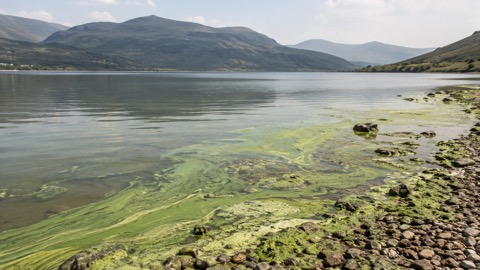
Beyond sun and heat, hot weather brings other risks to small children that official advice flags. Give your child frequent water breaks, spray them down with a spray bottle, and take cool baths and showers in extreme heat8. If you are using open water or paddling pools to cool off, see our guides on swimming safely outdoors and blue-green algae risks.
Where to get advice: ChatHealth and other help
If you want to talk something through with a professional rather than search online, there is a dedicated text service. Parents and carers of children aged 0 to 5 can text ChatHealth on 07480 635514 for personalised advice from a health visitor28. Both ChatHealth services are confidential text services available to parents and carers28. That means you can ask a question you might feel awkward asking face to face, and the answer comes directly from a health visitor rather than a search engine.
For anything that seems urgent, use the normal routes: NHS 111 for urgent but non-emergency concerns, and 999 if your baby or child appears seriously unwell. Our page on when to call 999 or NHS 111 for heat illness explains the signs that should trigger each call.
You can also prepare before the hot weather arrives. The UK government's hot weather preparation checklist and our own baby and child hot weather checklist set out what to sort out in advance, and how to sign up for heat-health alerts explains how to get warnings before a heatwave rather than during one. The wider subject is covered in our guide to heatwaves and drought.
Sources (32)
- Beat the heat: staying safe in hot weather - GOV.UK, UK Health Security Agency (GOV.UK)
- Safety in the sun for babies and children, NHS, 2024-09-27
- Keeping safe in the sun: 0 to 4 years, CNWL NHS Trust, 2026-10-29
- Summer safety for babies and young children, Cheshire and Wirral Partnership NHS Foundation Trust, 2026-10-29
- Supporting vulnerable people before and during cold weather, UK Government, 2025-09-24
- Summer safety advice, North East Ambulance Service NHS Foundation Trust, 2026-10-29
- Looking after children and those in early years settings before and during hot weather, UK Government, 2026-07-08
- Staying safe over the summer: child under 12, Healthier Together NHS, 2026-10-29
- Child safety in hot weather, Berkshire Healthcare NHS Foundation Trust, 2026-10-29
- Extreme heat: advice for newborn babies, Gloucestershire Hospitals NHS Foundation Trust, 2022
- Stay well this summer: advice for vulnerable people, Norfolk and Suffolk NHS Integrated Care Board, 2026-05-29
- Keeping safe and well in warmer weather, London Ambulance Service NHS Trust, 2026-09-30
- Weather and health, Public Health Wales, 2026-07-16
- Heatwave: how to cope in hot weather, NHS, 2026
- What to keep in your medicine cabinet, HWE Healthier Together NHS, 2026-10-28
- Your Health Guide Winter 2025, NHS Western Isles Health Board, 2025-12
- How to stay safe in hot weather, NHS inform Scotland, 2026-06-11
- Safety in the summer for babies, WY Healthier Together NHS, 2026-10-28
- Hot weather and its impacts, Met Office, 2026-10-29
- Hot Weather Toolkit 2025, Humber and North Yorkshire ICB, 2025-05-28
- Beat the heat: staying safe in hot weather, UK Government, 2026-07-21
- Coping with hot weather in London, Greater London Authority, 2026-10-25
- Cold weather and health, Public Health Wales, 2026-06-16
- Hypothermia, nidirect, 2025-06-03
- How to stay well in winter, NHS 111 Wales, 2024-11-25
- Minimum temperature threshold for homes in winter, UK Government, 2014-10
- Keeping cool in summer, Derbyshire County Council, 2026-10-29
- Stay cool and safe in hot weather, Somerset Council, 2026-07-08
- Keeping cool in heat waves, Oxfordshire County Council, 2026
- Burns and scalds, NHS 111 Wales, 2021
- Sun and heat safety, Welsh Ambulance Services NHS Trust, 2026-10-29
- Be informed about hazards: hot weather, UK Government, 2026-10-12
 Baby and Child Hot Weather
 Hot Weather Preparation
 Flood Warning Checklist
 Air Pollution and Hay Fever
 Blue-Green Algae Risks
 Dehydration Signs and Prevention
 Evaporative Coolers and Fans
 Electric Fans Guide
 Heat Exhaustion and Heatstroke
 UK Heatwave Definition
 Who Is at Risk in Hot Weather
 Portable Air Conditioners Guide
 Why UK Summers Are Hotter
 Sun Safety and Sunscreen
 Swimming Outdoors Safely