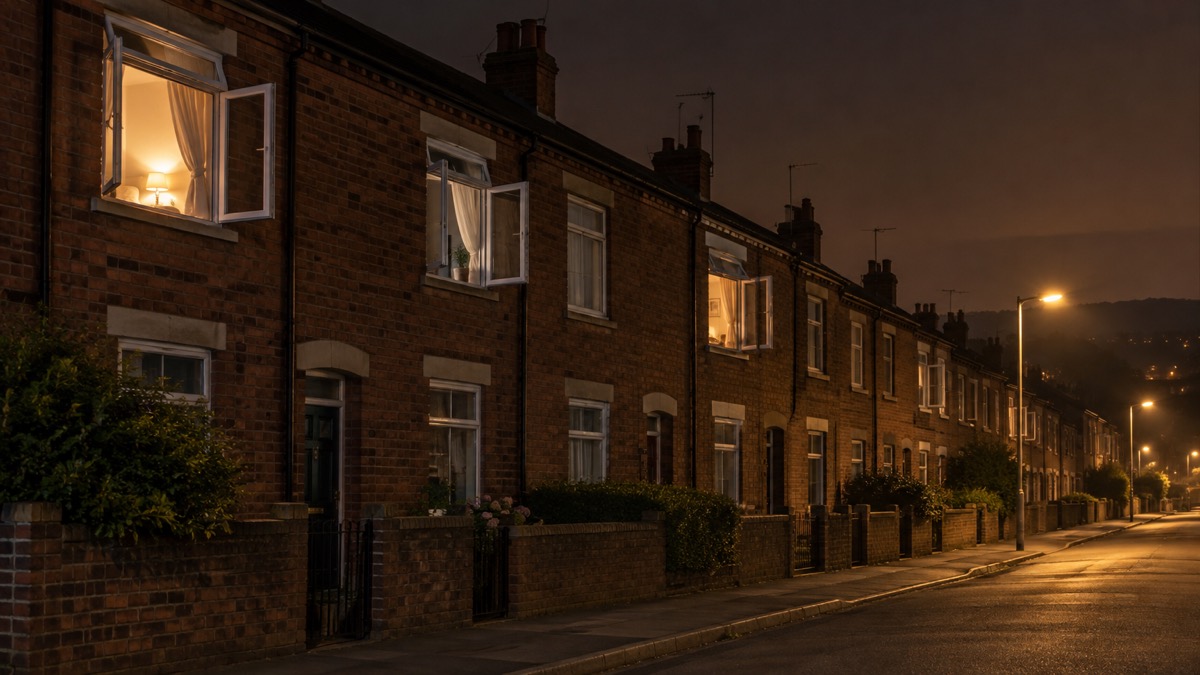
The single most useful thing you can do for a hot night is to cool the bedroom before you go up, not once you are lying there. Keep your usual bedtime and night-time routine, keep the room ventilated, and let the night air do its work: official guidance is clear that night cooling is important because it allows the body to recuperate1. Close curtains in rooms that get a lot of sun during the day, and open up to ventilate once the air outside is cooler than the air in2.
The second thing is to protect the hours before bed. Avoid physical exertion in the hottest parts of the day, and plan anything strenuous for early morning or late evening1. If you are very hot, a cool shower or a sponge-down before bed does more than lying still and hoping.
The third is to know when the night ahead needs more care than usual. Heat-health alerts tell you when the weather poses a health risk, and they are graded: yellow for vulnerable people, amber when the health service is also likely to be affected, and red for a significant health risk to the general population4. On those nights, check on anyone at higher risk before you turn in.
Cool the bedroom before you go up
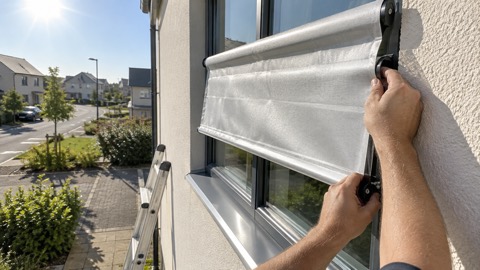
Treat the bedroom as something to prepare through the day, not something to fix at midnight. Official advice is to stay inside, in the coolest rooms in your home, as much as possible, and to close curtains in rooms that get a lot of sun, preferably curtains rather than metal Venetian blinds7. The Met Office adds the detail that matters most for a bedroom: keep rooms cool by using shades or reflective material outside the windows, and if that is not possible, use light-coloured curtains and keep them closed, because metallic blinds and dark curtains can make the room hotter2.
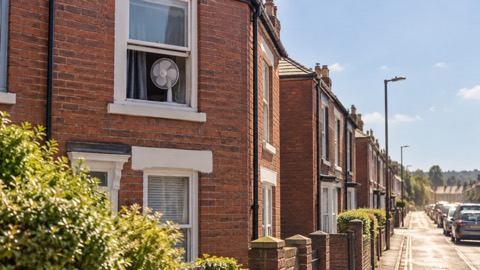
Ventilation is the other half. At night, keep your sleeping area well ventilated1. The practical sequence is to shut the room up against the sun during the day, then open it to the cooler evening air when the outside temperature drops below the inside temperature. If you have a fan, use it to move air through the room rather than to chill it; our guide to electric fans sets out the types and what each can do, and are electric fans safe when it is very hot covers the conditions where a fan is not the right answer.
If the bedroom simply will not cool, official guidance is blunt: if possible, move into a cooler room, especially for sleeping8. A downstairs room, a room on the shaded side of the house, or even a well-ventilated landing can be a better night's sleep than a hot bedroom. For the wider job of keeping the whole house cool, see how to keep your home cool in hot weather, and for stopping the sun before it gets in, how to stop the sun heating your rooms through the windows.
Keep your usual bedtime and night-time routine
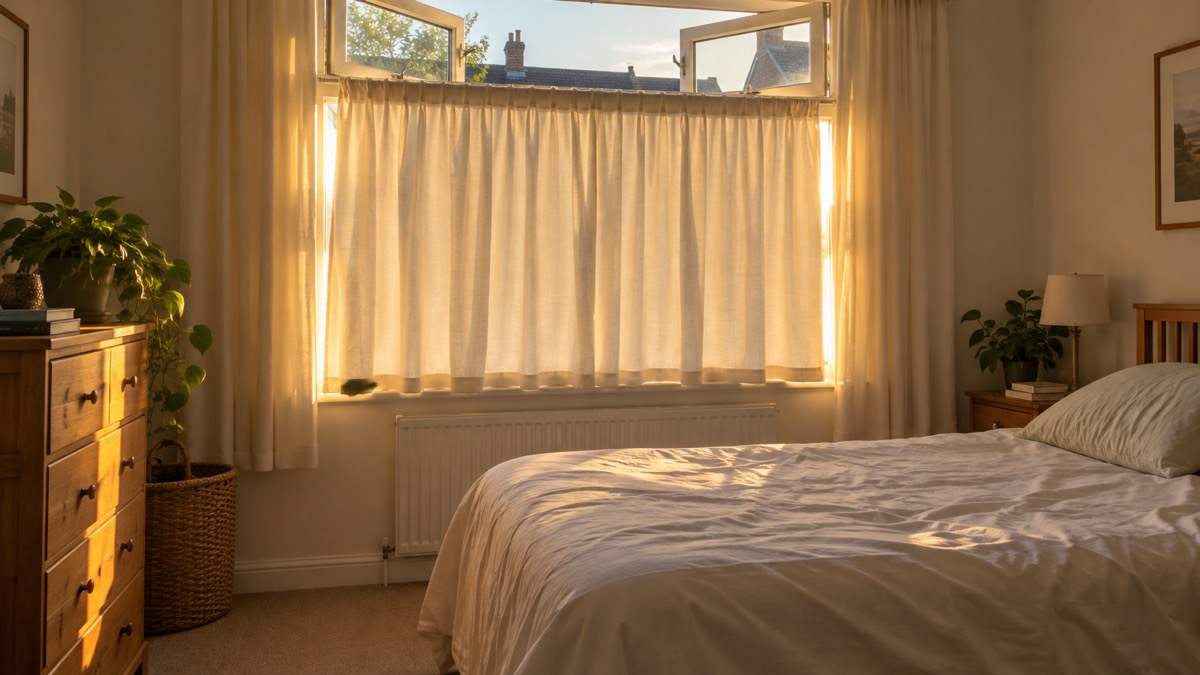
It is tempting to stay up until the house cools, but the better approach is to keep your usual bedtime and night-time routine and let the conditions around it change. The body's cooling and recovery happen at night, and official guidance frames night cooling as important precisely because it allows the body to recuperate2. A late night in a hot room simply shortens the window in which that happens.
What to change is the environment, not the schedule:
- Take a cool shower or sponge-down before you turn in if you are overheated.
- Move rooms if you must: a cooler room for sleeping is the official fallback8.
Daytime naps: why to skip them on hot days
A nap on a hot afternoon feels like the obvious response to a bad night, but it works against you in two ways. First, it takes the pressure off the night-time sleep you are trying to protect. Second, the hottest part of the day is exactly when official advice says to do less, not more: avoid physical exertion in the hottest parts of the day1, avoid exercising in the hottest parts of the day9, and avoid spending long periods of time in direct sun during the hottest part of the day10.
The hottest window is consistently given as 11am to 3pm. Plan activities to avoid being outside during the hottest part of the day, 11am to 3pm, and stay in the shade if outside5. Try to avoid going out during the hottest part of the day, 11.00am to 3.00pm6, and try not to go out during the hottest part of the day at all11. If you must be out, apply sunscreen regularly and wear a hat12.
If you are exhausted after a poor night, rest in a cool room rather than sleeping in the heat of the afternoon, and keep the sleep for the night. If you feel unwell rather than merely tired, treat it as a health matter: move somewhere cool, rest, drink water and cool down13. Heat exhaustion is eased by moving to a cooler place, removing unnecessary clothing, drinking cool water or a sports or rehydration drink or eating cold water-rich foods, applying cool water by spray or sponge and using cold packs wrapped in a cloth under the armpits or on the neck14. Our guide to heat exhaustion and heatstroke sets out the signs, and when to call 999 or NHS 111 for heat illness covers the point at which a bad turn needs help.
Eating times and the evening before bed
What you eat and drink in the evening shapes how the night goes. Keep hydrated through the day and into the evening, and if you are fasting during a heatwave, drink enough to adequately hydrate before you fast and follow guidance on keeping cool; people with underlying health conditions should seek medical advice before fasting14. Food safety matters more in the heat too: official advice covers how to avoid food poisoning and food waste during a heatwave15, which is worth a glance before you prepare a late meal.
A few practical points for the evening:
- Drink before you are thirsty, and keep water by the bed.
- Keep the evening meal light and early where you can, so you are not digesting heavily at bedtime.
- Watch the alcohol, which does not help with either hydration or sleep quality.
If you have painful muscular spasms, particularly in the legs, arms or abdomen, often after sustained exercise during very hot weather, rest immediately in a cool place and drink plenty16. That is a signal to stop for the evening, not to push on.
Heat-health alerts and when to take extra care
Heat-health alerts are the system that tells you when the weather is likely to harm health, and they are worth checking before a hot night. The Weather-Health Alerting System underpins the Adverse Weather and Health Plan17, and the plan itself helps to raise awareness of the harm to health from adverse weather and provides guidance on how to prepare for and respond to it19. In England, the plan builds on the previous Heatwave Plan for England and the Cold Weather Plan for England20, bringing the two together into one annual document21. It applies to England22.
The alert levels tell you who is at risk:
| Alert level | What it means |
|---|---|
| Yellow | Weather poses health risks to vulnerable people4 |
| Amber | Weather is also likely to affect the health service4 |
| Red | A significant health risk to the general population4 |
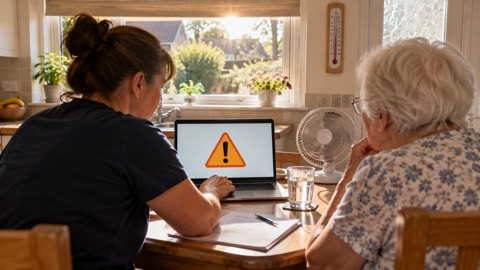
You can check the current position on the UKHSA weather-health alerts dashboard17, and listen to alerts on the radio, TV and social media about keeping cool23. Our guide to heat-health alerts: yellow, amber and red explained goes through each level, and how to sign up for heat-health alerts covers getting them directly. For how services respond, see the Adverse Weather and Health Plan.
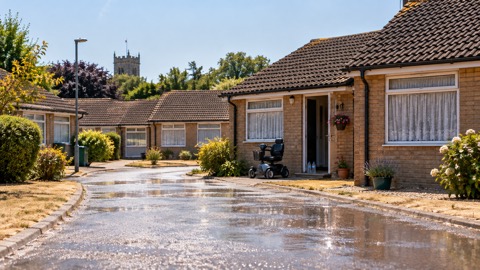
When an alert is in force, the core advice is to stay hydrated, avoid the hottest part of the day, keep indoor spaces cool where possible, and check on vulnerable people24. Avoid strenuous activity during the hottest part of the day and plan activities for cooler times like early morning or evening25. Pay special attention to those most at risk, namely elderly people and small children, and ensure they are comfortable and staying out of the sun as much as possible26. Check the temperature of rooms, especially where people at higher risk live and sleep, and check on anyone who is at higher risk from the heat1. Our guide to who is most at risk in hot weather explains who needs the most attention, and how to check on older and vulnerable neighbours in the heat covers the visit itself.
Children's bedrooms on hot nights
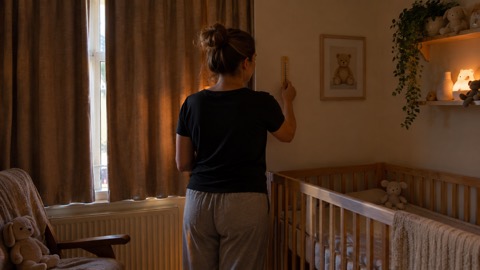
Children's bedrooms need the same cooling as yours, plus a closer eye on the child. Keep their usual bedtime and routine, and cool the room before they go up. If a child is very hot, sponge or spray them with cool water or use cold packs around the neck and armpits; wrapping them in a cool, wet sheet with a fan on them can help cool them safely27.
For babies, the bedding matters. If your baby kicks or pushes off the covers during the night, consider putting them in just a nappy with a single well-secured sheet that will not work loose and cover their face or get entangled during the night28. Our guide to what temperature a baby's room should be covers the room itself, and keeping babies and young children safe in hot weather covers the wider picture.
If a child shows signs of heat exhaustion, move them to a cool space, give them water, loosen any tight clothing, sponge their body with water and call 111 for advice29. Our guide to is my child drinking enough covers dehydration signs, and the baby and child hot weather checklist is a printable list for the fridge.
Shift workers, naps and a broken night
Shift workers face the same heat with a harder schedule. Official advice is to avoid strenuous work during the warmest part of the day, try not to work alone in extreme heat and take frequent breaks30. If you are sleeping during the day, treat the curtains as the first line of defence2. A daytime nap before a night shift is different from an afternoon nap on a day off: it is part of your working routine, so keep it short and in a cool room.
If a bad night leaves you tired, the tiredness itself is not usually the problem; the heat is. Night cooling is important because it allows the body to recuperate1, so a run of hot nights without a cool room is worth fixing rather than enduring. If you feel unwell, move somewhere cool, rest, drink water and cool down13. If you have painful muscular spasms, rest immediately in a cool place and drink plenty16. And if you are looking after someone at higher risk, check the temperature of the room where they sleep and check on them1.
For the wider picture, the hot weather preparation checklist sets out what to have ready before a hot spell, and how to keep cool during a power cut in hot weather covers the night when the fan has no power.
Sources (30)
- Heatwave: how to cope in hot weather, NHS, 2026
- Hot weather and its impacts, Met Office, 2026
- Loss of essential services, Greater Manchester Combined Authority, 2026
- Supporting vulnerable people before and during hot weather, GOV.UK, 2024
- Heatwave advice, Guy's and St Thomas' NHS Foundation Trust, 2026
- Are You Ready booklet, Culham Parish Council, 2025
- Be Prepared, Lancaster City Council, 2026
- Heatwaves, Birmingham Women's and Children's NHS Foundation Trust, 2026
- How to cope in hot weather, Keeping Well North West London, 2026
- Stay safe as temperatures rise this week, Wiltshire and Swindon Prepared, 2026
- Weather safety, Oxford Health NHS Foundation Trust, 2026
- Heatwave, Lancashire Prepared, 2026
- Summer safety advice, North East Ambulance Service, 2026
- Beat the heat: staying safe in hot weather, GOV.UK, 2026
- Food safety in a heatwave: advice for consumers, Food Standards Agency, 2024
- How to keep cool this summer, Lancashire County Council, 2026
- Weather health alerting system, UKHSA, 2026
- Supporting vulnerable people before and during cold weather, GOV.UK, 2025
- Stay well in winter, Met Office, 2026
- Adverse Weather and Health Plan, GOV.UK, 2024
- Adverse Weather and Health Plan, Local Government Association, 2026
- Adverse Weather and Health Plan, GOV.UK, 2023
- Severe weather planning, Derbyshire County Council, 2026
- Heat health alert advice and information, Somerset Council, 2026
- Stay cool and safe in hot weather, Somerset Council, 2026
- Heatwave safety advice, Mid and West Wales Fire and Rescue Service, 2026
- Keeping cool in heat waves, Oxfordshire County Council, 2026
- Keeping safe in the sun, Hillingdon Child and Young People's NHS, 2026
- Safety in summer, West Yorkshire Healthier Together, 2026
- Extreme weather, Flintshire County Council, 2026
 Baby and Child Hot Weather
 Hot Weather Preparation
 Flood Warning Checklist
 Baby's Room Temperature
 Child Dehydration Signs
 Fans in Very Hot Weather
 Signing Up for Heat Alerts
 Heat Rash
 Calling 999 for Heat Illness
 How Much Water to Drink
 Keeping Cool in a Power Cut
 LPG Tank Safety in Hot Weather
 Medicines and Heat Risk
 New Build Overheating
 Checking On Older Neighbours